
Almost every country on Earth has a favorite fried snack that people line up to eat. Frying turns simple dough, meat, or vegetables into something crispy, golden, and full of flavor.
Trying these foods is a fun way to learn about different cultures without even leaving your kitchen. Grab a napkin, because this tasty trip around the globe is about to get a little greasy.
1. Japanese Tempura
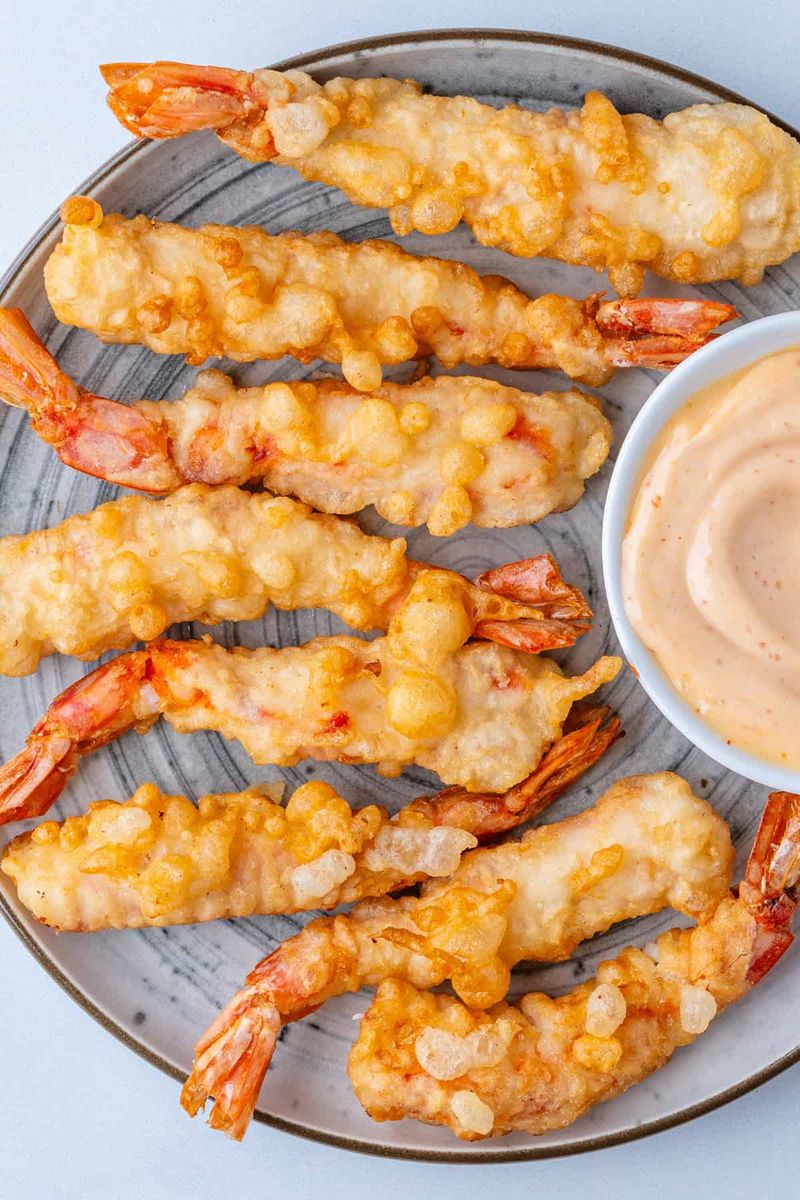
Portuguese missionaries brought the idea of batter frying to Japan in the 1500s. Japanese cooks then made it their own, creating a coating so thin and airy it almost shatters.
Shrimp, sweet potato, and green beans are classic picks. The secret is ice-cold water in the batter and mixing it only a little.
Dip each piece in a light soy-based sauce called tentsuyu, and eat it right away while it still crackles.
2. Middle Eastern Falafel
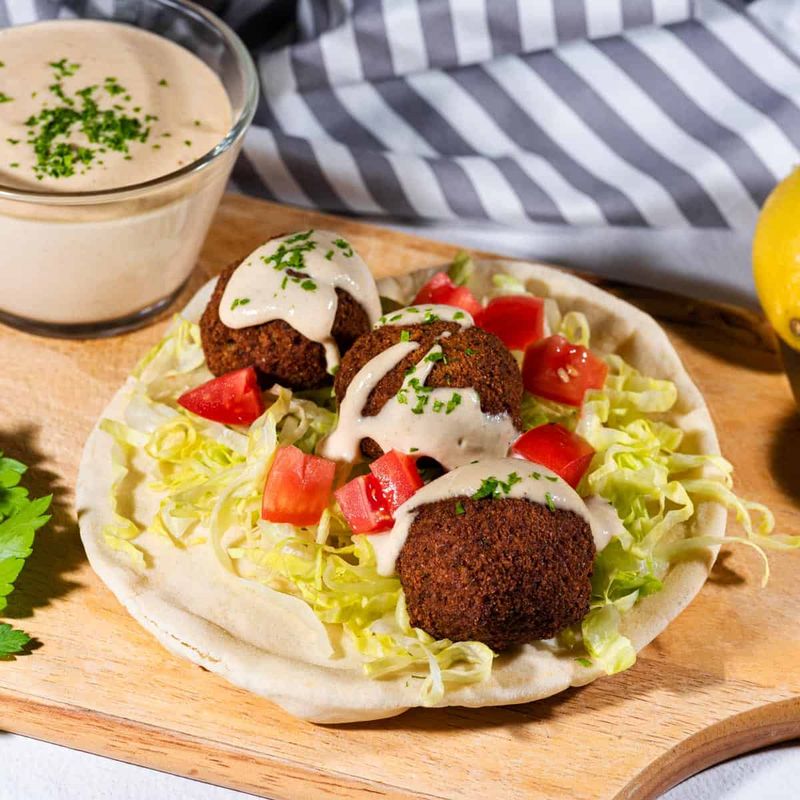
Crunchy outside, bright green inside, falafel proves that vegetarian food can be seriously filling. The little balls are made from ground chickpeas or fava beans mixed with herbs, garlic, and spices.
Street vendors from Cairo to Tel Aviv stuff them into warm pita with pickles and tahini sauce.
Making them at home? Use dried chickpeas soaked overnight, not canned ones.
Canned beans hold too much water and can make the balls fall apart.
3. Indian Samosas
Picture a busy train station in Mumbai, with vendors calling out over sizzling pans. Samosas are the snack everyone grabs on the go.
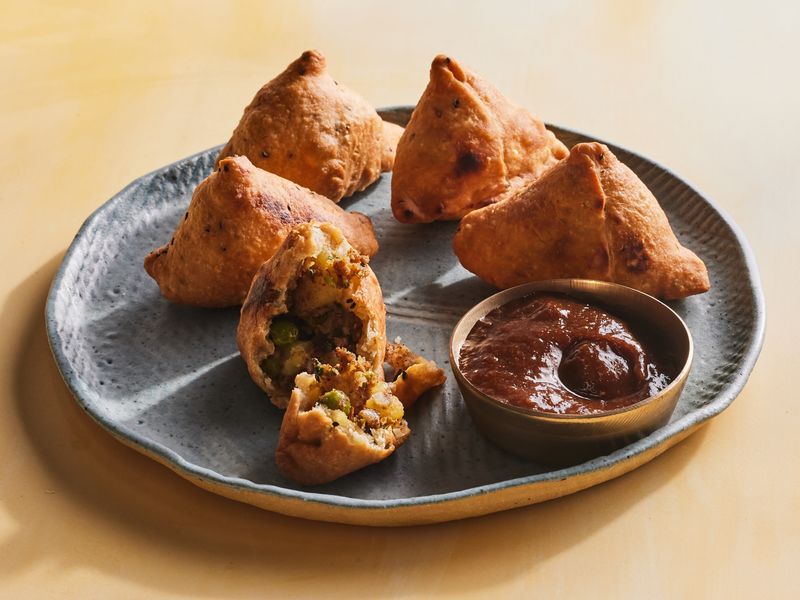
These flaky triangles hold spiced potatoes, peas, and sometimes minced meat. Cumin, coriander, and chili give them a warm kick.
Serve them with tangy tamarind sauce or cool mint chutney. Fun fact: samosas actually traveled to India from Central Asia hundreds of years ago with traders.
4. British Fish and Chips
Seagulls squawking, salty air, and a paper-wrapped bundle of hot fish and chips. For many Brits, that is the taste of a perfect day at the beach.
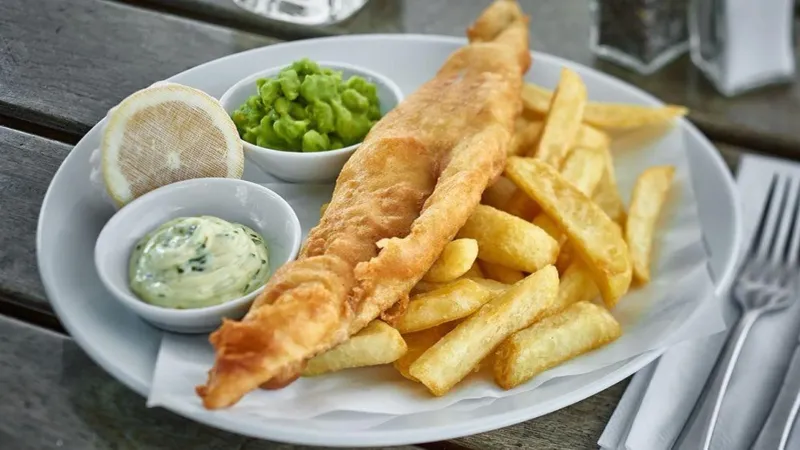
Cod or haddock gets dunked in a fluffy batter and fried until golden. Thick-cut chips sit on the side.
Splash on malt vinegar and a pinch of salt. During World War II, this meal was one of the few foods never rationed in Britain.
5. Korean Fried Chicken
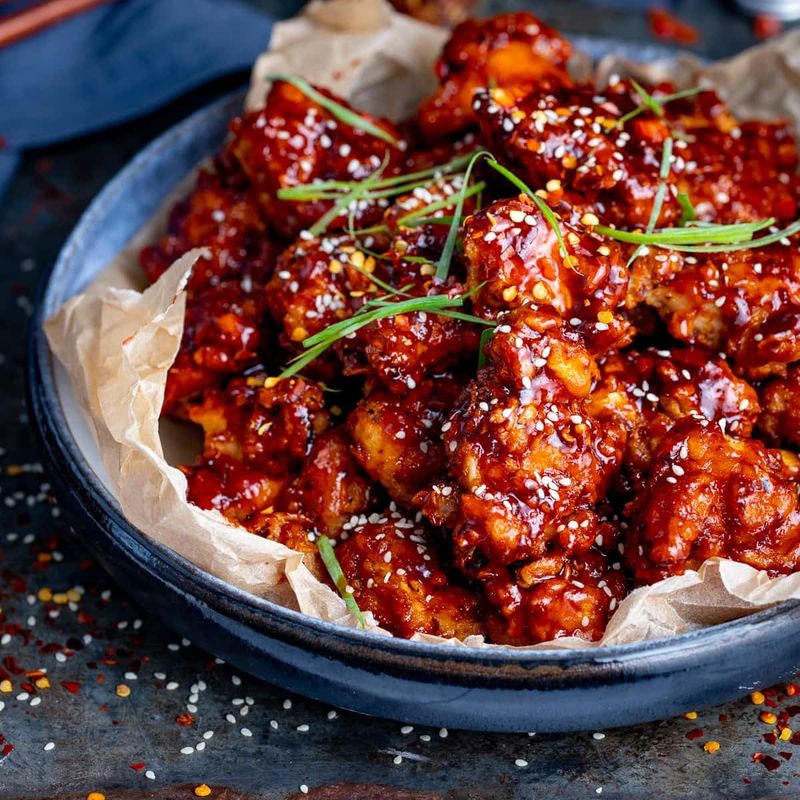
Double frying is the magic trick behind Korean fried chicken. Cooks fry the pieces once, rest them, then fry again for a skin that stays crunchy even under sauce.
Popular flavors include sweet and spicy gochujang glaze or simple soy garlic.
In Korea, friends often share a big box late at night with cubes of pickled radish. That tangy radish cuts through the richness and keeps your taste buds ready for another bite.
6. Italian Arancini
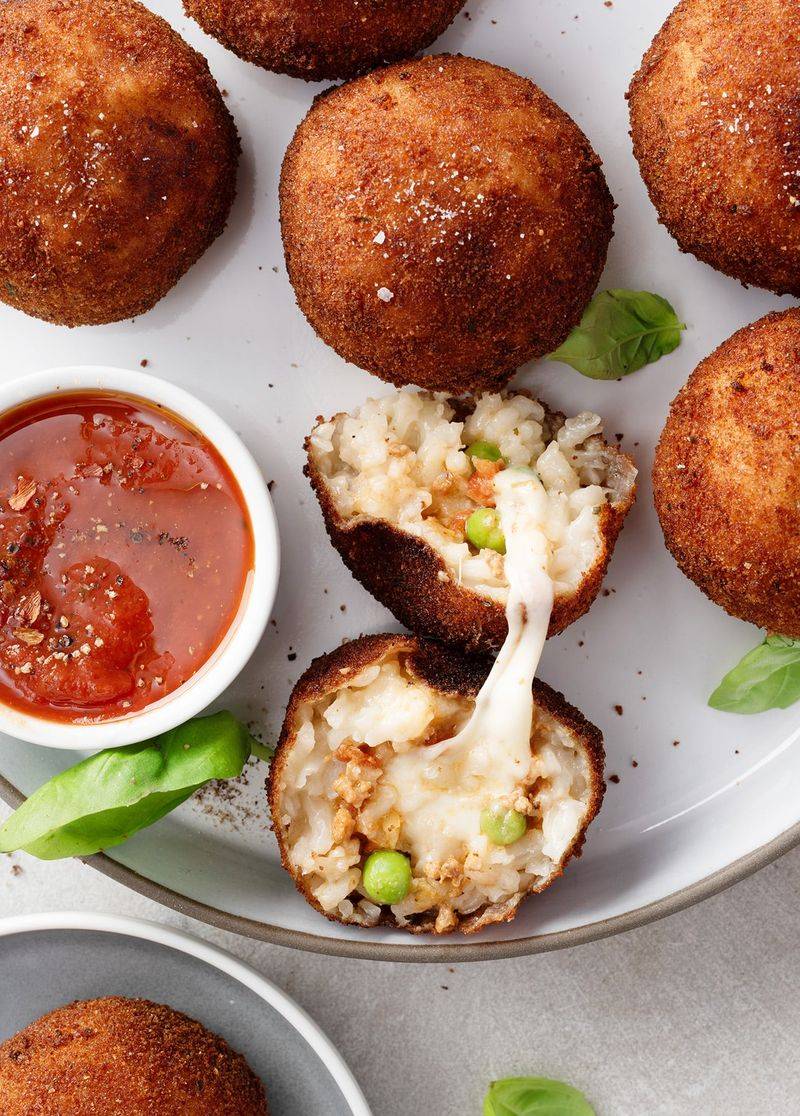
Leftover risotto never had it so good. Sicilian cooks roll cooked rice around fillings like meat ragu, peas, or gooey mozzarella, then bread and fry the balls.
The name means little oranges because of their round shape and golden color.
Break one open and watch the cheese stretch. Tip for home cooks: chill the rice first.
Cold rice holds its shape much better, so your arancini will not crumble in the oil.
7. Mexican Chiles Rellenos
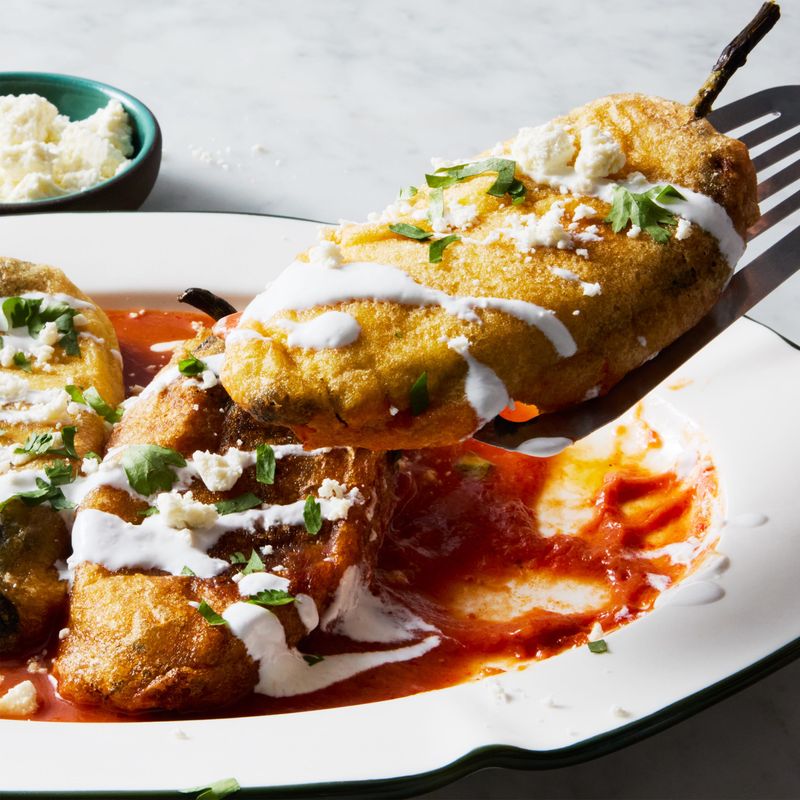
Who knew a pepper could be so cozy? Chiles rellenos start with roasted poblano peppers, which are mild and smoky rather than fiery.
Each pepper gets stuffed with melty cheese or seasoned meat. Next comes a fluffy egg batter, then a quick swim in hot oil.
Most cooks finish them with a warm tomato sauce. They take a bit of patience to make, but the soft, puffy result is worth every step.
8. Chinese Spring Rolls
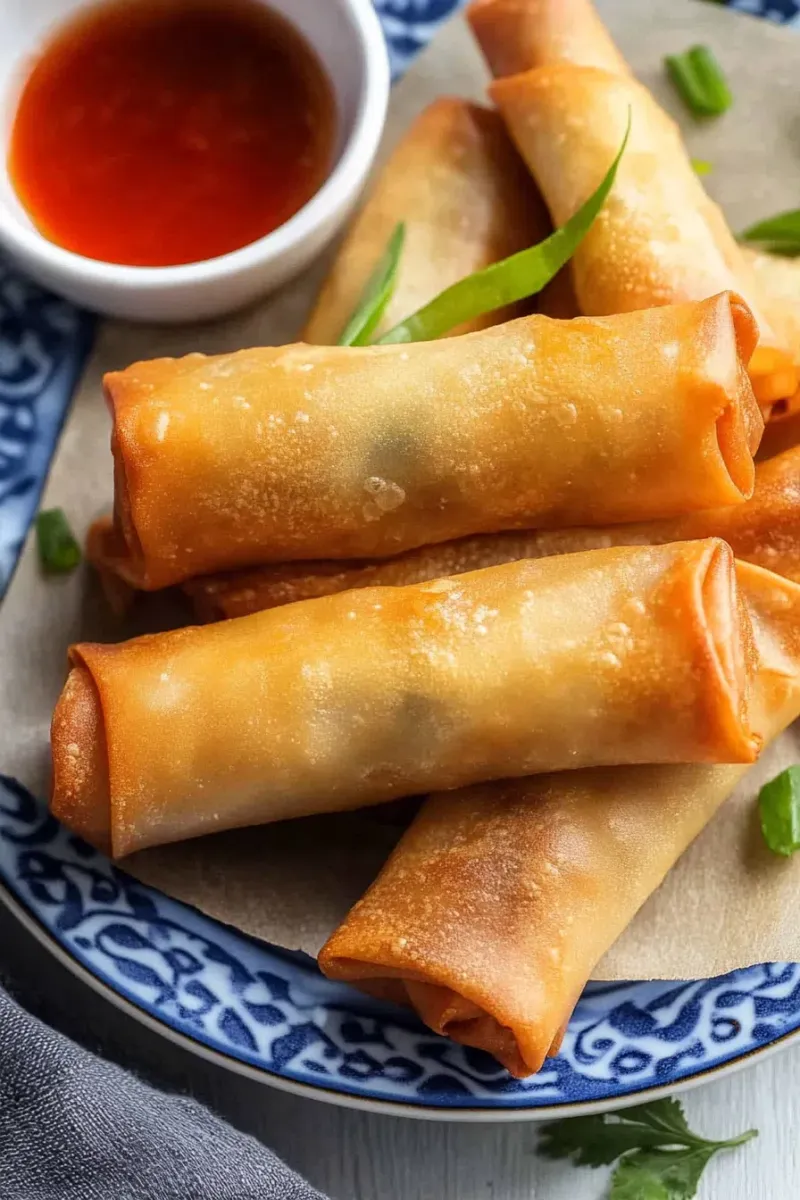
Long ago in China, people ate these rolls to celebrate the arrival of spring, which explains the name. Today, you can find them on menus everywhere.
A thin wrapper surrounds cabbage, carrots, mushrooms, and sometimes pork or shrimp. Frying turns that wrapper blistery and crisp.
Want an easy party snack? Roll a batch ahead of time and freeze them.
They can go straight from the freezer into the fryer.
9. Spanish Croquetas
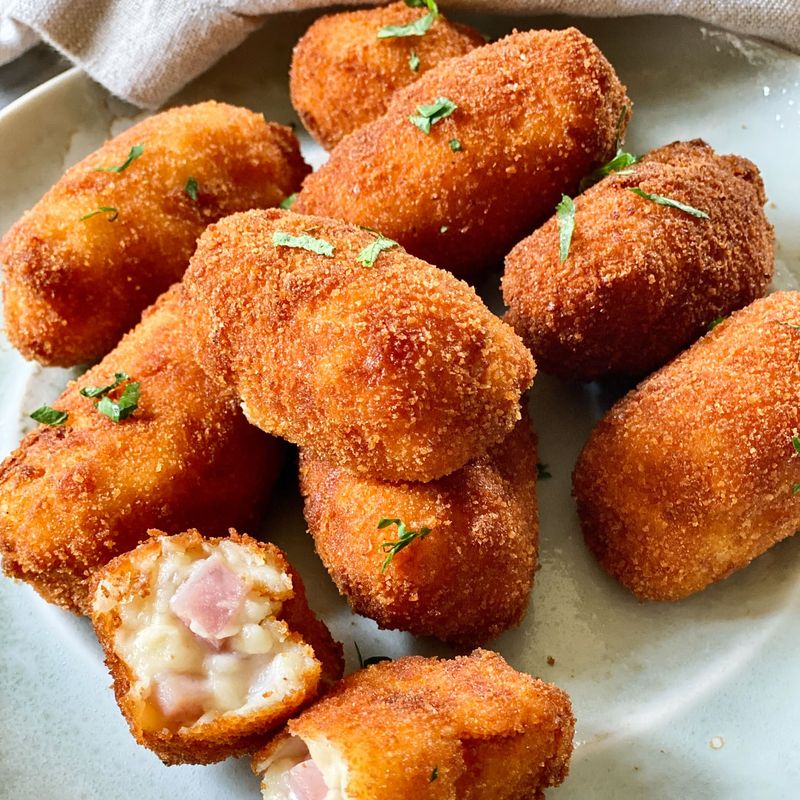
Ask any Spanish grandmother for her croqueta recipe and you might get a secret smile instead. Families guard these tapas recipes closely.
Inside the crunchy breadcrumb shell is a creamy filling made from thick white sauce mixed with ham, chicken, or salt cod.
In Madrid tapas bars, they arrive hot in small plates. Be careful with that first bite, since the inside stays melty and very warm.
10. Brazilian Coxinha
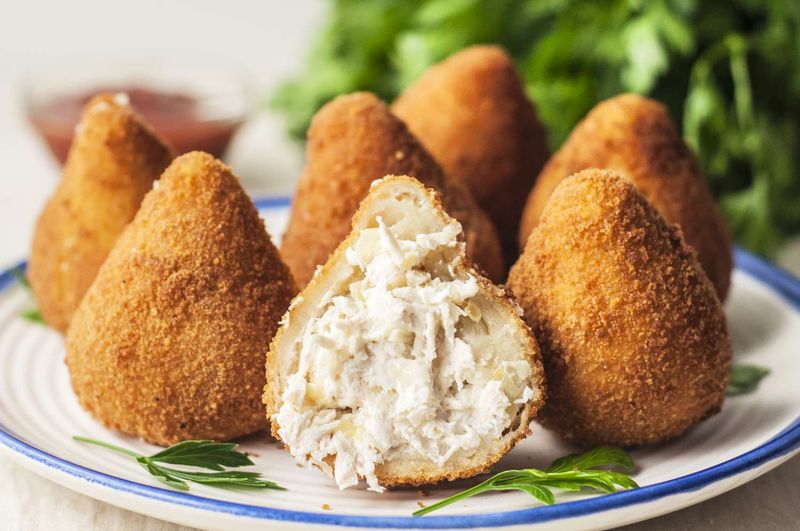
Shaped like a teardrop, coxinha is supposed to look like a chicken thigh. The name even means little thigh in Portuguese.
Shredded chicken, often mixed with creamy cheese, hides inside a soft dough. Then it gets breaded and fried golden.
Brazilians eat them at birthday parties, bakeries, and snack bars called lanchonetes. Grab one with a cold drink and a few drops of hot sauce for the full experience.
11. Nigerian Akara
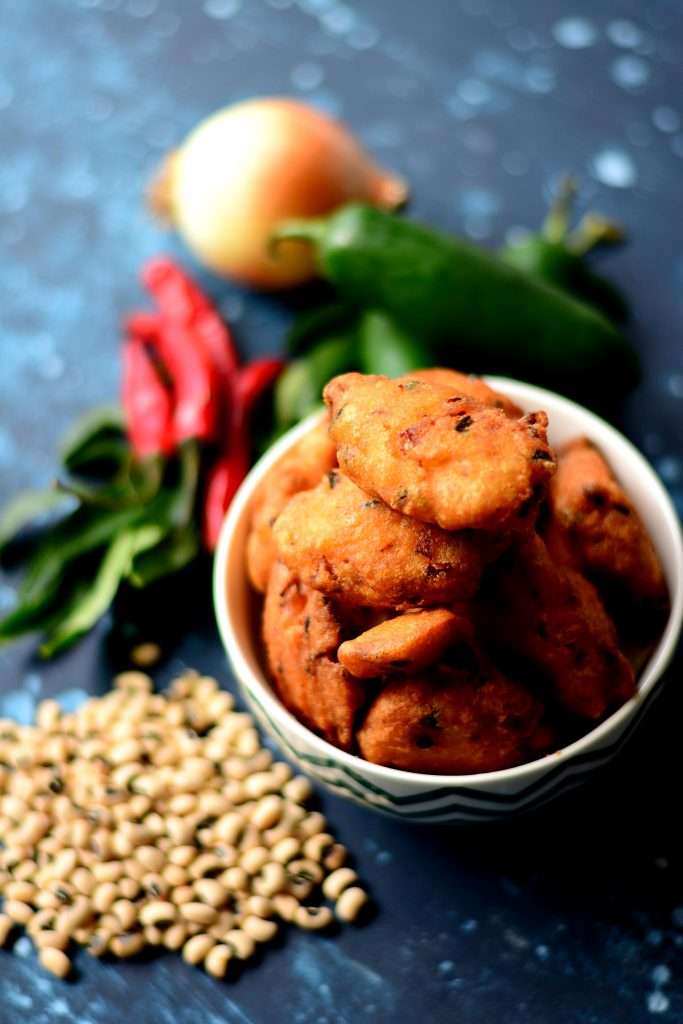
Breakfast in Lagos often smells like sizzling akara. These fluffy fritters are made from black-eyed peas that are peeled, blended, and whipped with onions and peppers.
Whipping the batter adds air, so the fritters puff up light inside while the outside turns crisp.
Many Nigerians pair akara with warm corn pudding called pap or soft bread. The same snack, called acaraje, also became famous in Brazil.
12. Indonesian Pisang Goreng
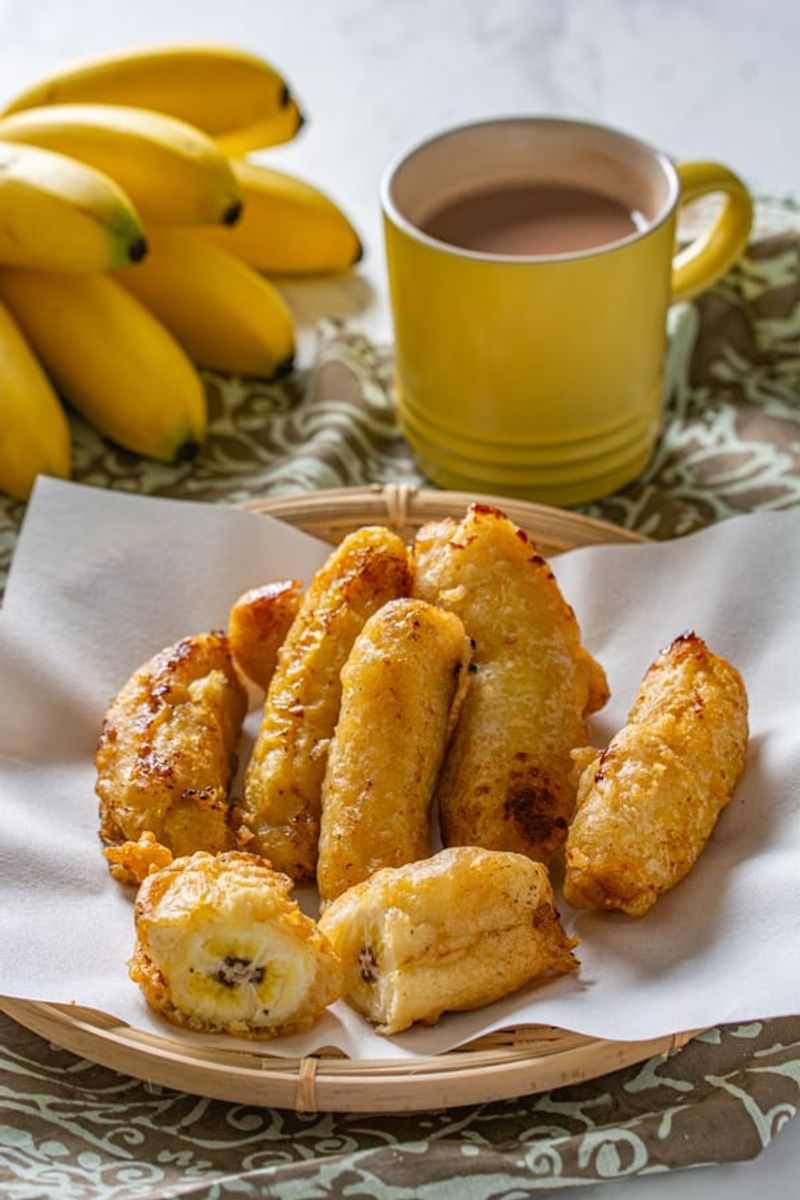
Bananas in a fried foods list? Yes, and pisang goreng leans savoury too, especially when served with salty cheese or spicy sambal.
Street carts across Indonesia fry ripe banana slices in a light rice flour batter.
The outside gets crackly while the fruit turns soft and warm. Locals enjoy them in the afternoon with tea or coffee.
Choose firm, just-ripe bananas so they hold together in the hot oil.
13. Austrian Wiener Schnitzel
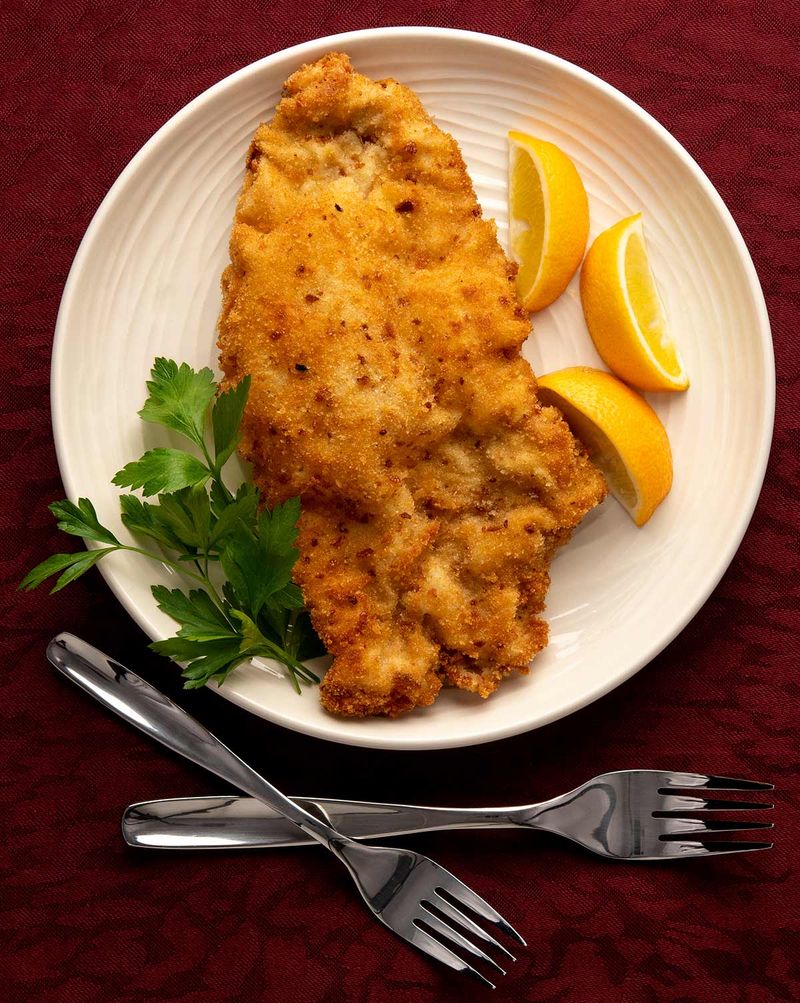
Bigger than the plate is the goal in Vienna. A proper Wiener schnitzel is a veal cutlet pounded super thin, breaded, and fried until wavy and golden.
Chefs gently shake the pan so the breading puffs away from the meat. Austrians call this a souffle effect.
A squeeze of lemon and a side of potato salad complete the dish. Pork or chicken versions are tasty, cheaper swaps for home.
14. American Southern Hushpuppies
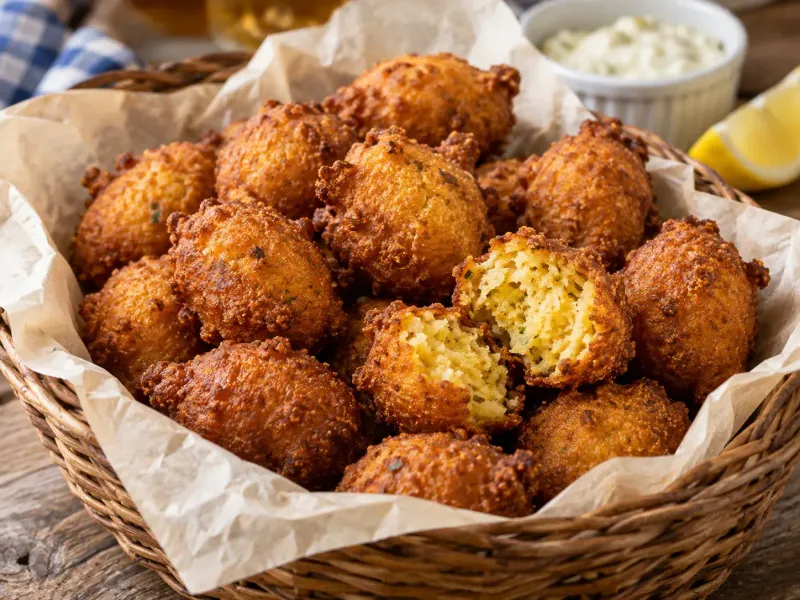
Legend says cooks tossed fried cornmeal scraps to barking dogs, saying hush, puppies. True or not, the name stuck.
These little balls of cornmeal batter often include onion and a pinch of sugar. They fry up crunchy outside and tender inside.
Across the American South, hushpuppies sit beside fried catfish or barbecue. Dunk them in butter or remoulade sauce, and you will see why dogs never got any.
15. Vietnamese Cha Gio
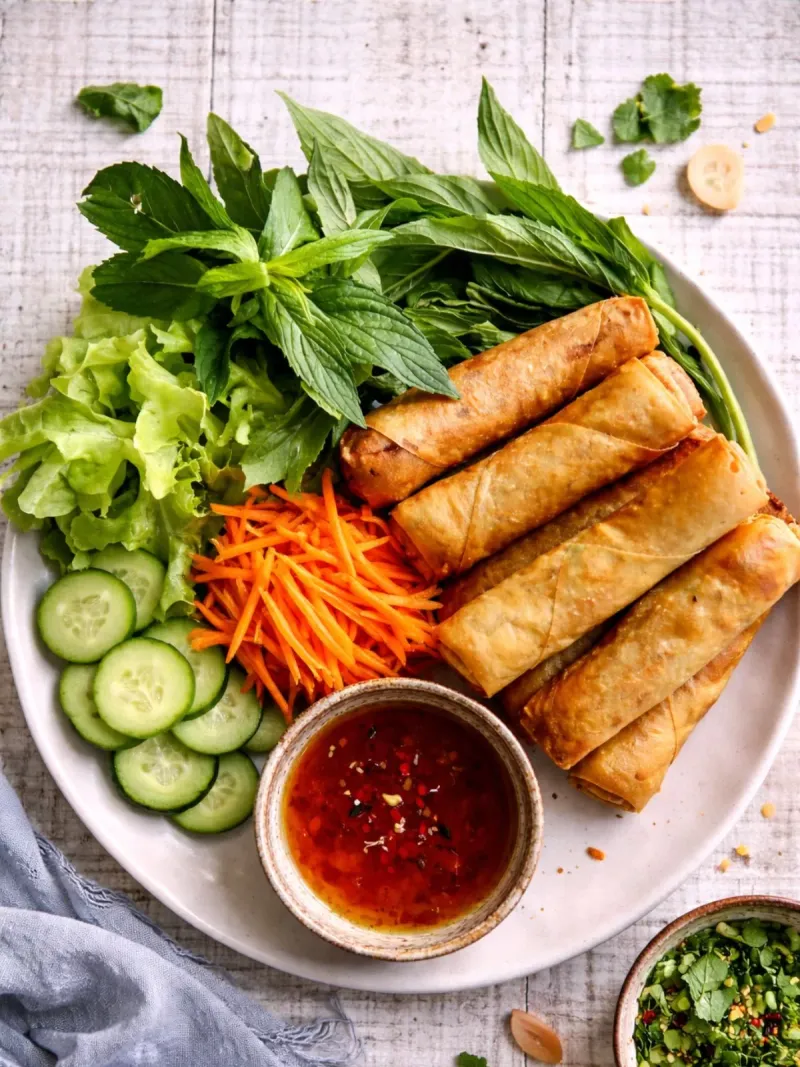
Wrap it, dip it, crunch it. Eating cha gio is a hands-on adventure.
Vietnamese cooks fill rice paper with ground pork, glass noodles, mushrooms, and carrots.
Rice paper fries into a bubbly, extra crispy shell unlike wheat wrappers.
Here is the fun part: wrap each roll in lettuce with fresh mint and basil, then dip it in tangy fish sauce. The cool herbs balance the hot, crackly roll perfectly.
16. Argentine Empanadas
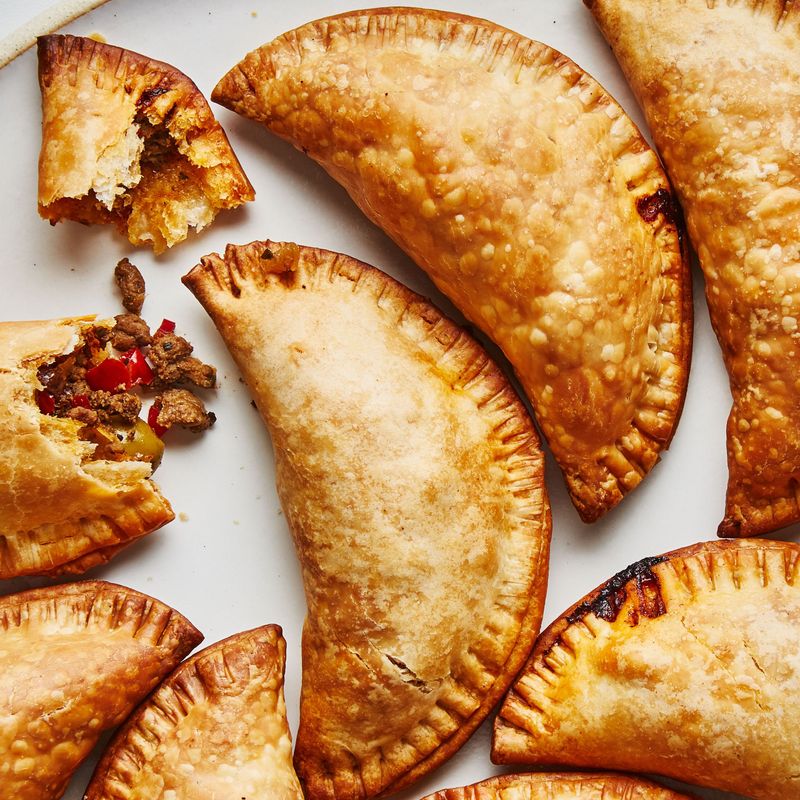
Argentines can tell where an empanada comes from just by looking at its folded edge. Each region has its own crimp pattern.
Fillings range from spiced beef with olives and egg to ham and cheese. Some are baked, but fried ones have a blistered, flaky crust that many people love most.
They make great picnic food since you can eat them with one hand. Try making a big batch for friends.
17. Canadian Poutine
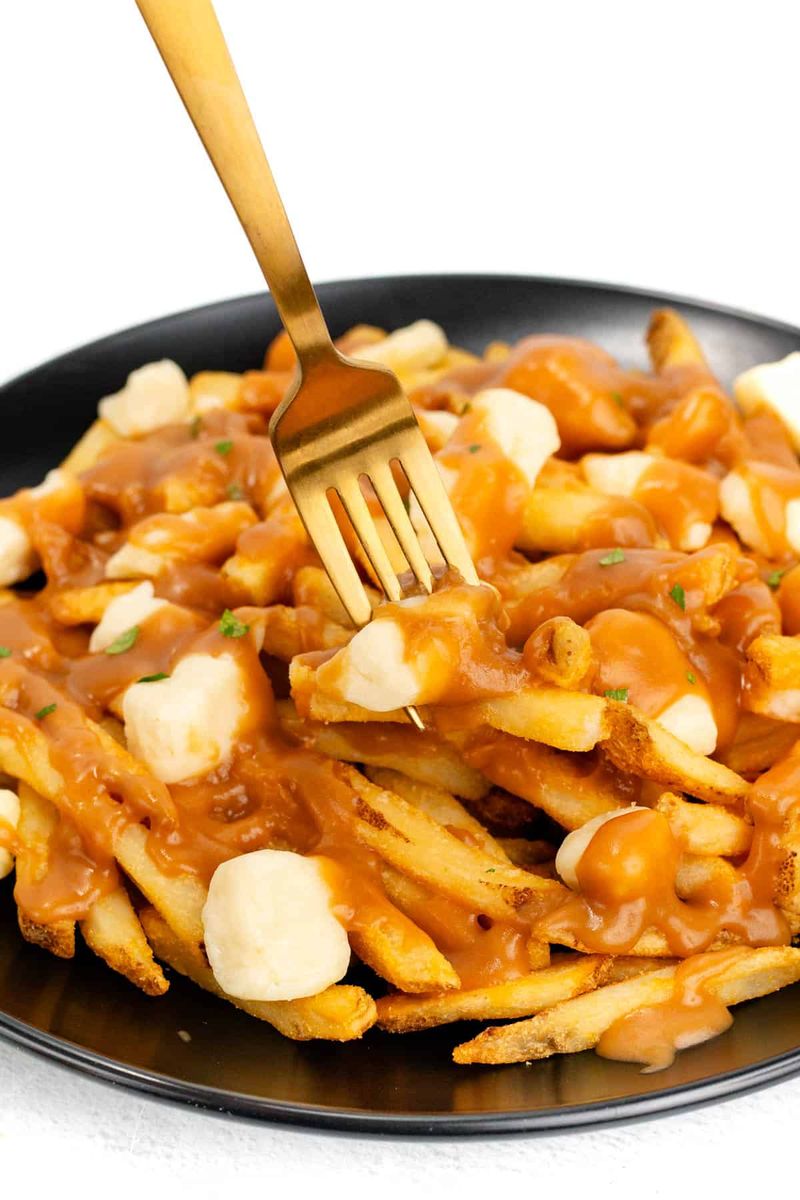
Quebec gave the world a gloriously messy treat in the 1950s. Poutine starts with crispy fries, then adds squeaky cheese curds and hot brown gravy.
The squeak matters! Fresh curds actually squeak against your teeth, which shows they are good quality.
Restaurants now top poutine with pulled pork, bacon, or even lobster. Eat it fast with a fork, because the fries soften quickly under all that warm gravy.
18. Filipino Lumpia Shanghai
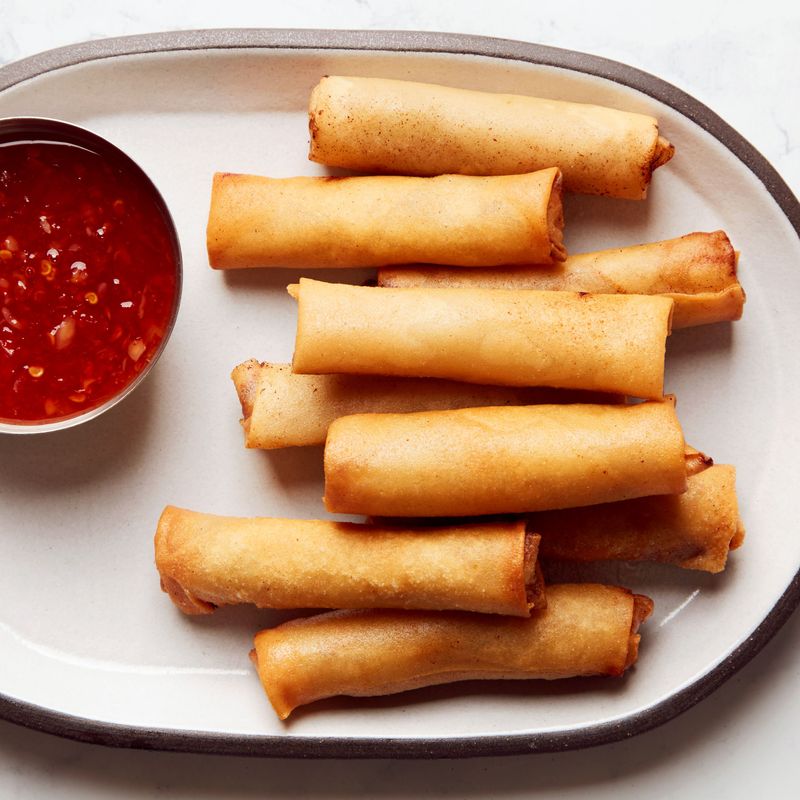
No Filipino party feels complete without a giant platter of lumpia. Kids and grown-ups alike race to grab them before they disappear.
Lumpia Shanghai are skinny rolls packed with seasoned ground pork, carrots, and onions. They are thinner than most spring rolls, so they get crunchy from end to end.
Families often roll hundreds together before big events. It is a fun group activity, and dipping in sweet chili sauce is the reward.
19. Turkish Sigara Boregi
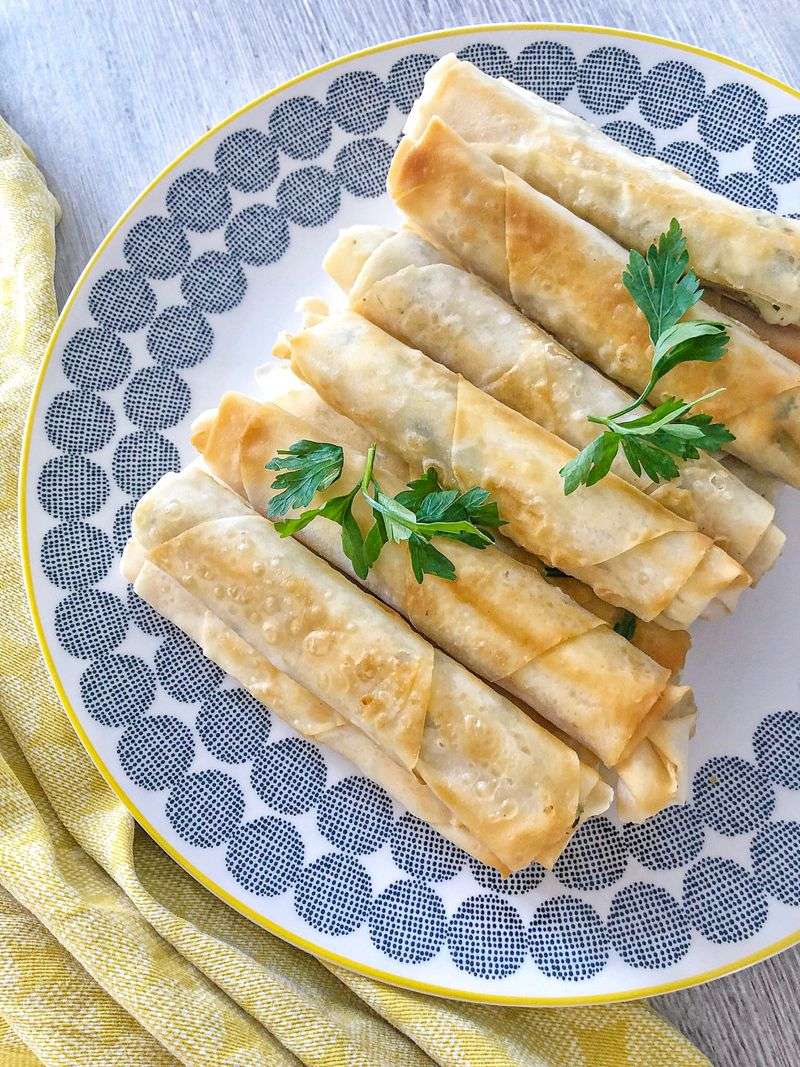
Sigara means cigarette in Turkish, which describes the long, skinny shape of these pastries. Thankfully, they are far tastier.
Thin yufka dough gets wrapped around crumbly white cheese and chopped parsley. Fried quickly, the layers turn shatteringly crisp.
Turkish families serve them at breakfast, with tea in the afternoon, or as a starter. Store-bought phyllo dough works well at home if you cannot find yufka.