
A good bowl of soup can feel like a warm hug on a cold day. But plant based soups sometimes taste thin or flat without a little help.
The good news is that your pantry and produce drawer are full of simple ingredients that add creaminess, depth, and cozy flavor. Once you learn a few tricks, every pot you make can taste rich and satisfying.
1. Raw Cashews

Picture a tomato soup so velvety that guests ask how much heavy cream you used. The secret is a handful of soaked cashews.
Soak about half a cup in hot water for fifteen minutes, then blend them with a little broth until smooth. Stir the mixture into your soup near the end of cooking.
Cashews have a mild taste, so they add body without stealing the spotlight from your veggies. They work beautifully in potato, mushroom, and squash soups.
2. Full Fat Coconut Milk

Ever wondered why Thai curry soups taste so lush? Coconut milk does the heavy lifting.
Choose the full fat canned kind, not the thin carton version meant for cereal. Its natural fats carry spices across your tongue, making ginger, garlic, and curry paste taste brighter and bolder.
Try it in sweet potato, pumpkin, or lentil soups. A splash of lime juice right before serving balances the richness and keeps every spoonful feeling fresh.
3. Red Lentils

Tiny, orange, and cheap, red lentils are kitchen magic. Unlike green or brown lentils, they melt apart as they cook, turning watery broth into a thick, hearty stew in about twenty minutes.
Toss a half cup into almost any vegetable soup for extra protein and body.
Fun fact: people in the Middle East and India have been cooking lentil soups for thousands of years. Some of the oldest recipes on Earth feature these humble little seeds.
4. White Miso Paste
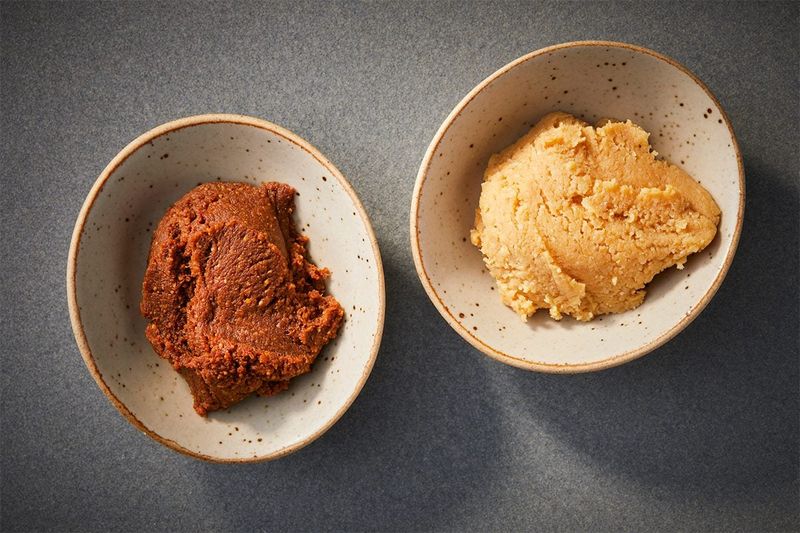
Just one spoonful of miso can make a plain pot of veggie broth taste like it simmered all day. Made from fermented soybeans, it brings salty, savory depth known as umami.
Here is the trick: mix the miso with a little warm broth first, then stir it in after you turn off the heat. Boiling can dull its flavor.
White miso is milder and sweeter than red, making it a great place to start.
5. Nutritional Yeast

Vegans lovingly call it nooch, and once you try it, you will see why. These golden flakes taste nutty and almost cheesy.
Sprinkle two or three tablespoons into broccoli, cauliflower, or potato soup for a flavor that tastes like cheddar crept into the pot. It also adds B vitamins, which many plant based eaters need.
Keep a jar near the stove. You may find yourself shaking it onto popcorn and pasta too.
6. Roasted Garlic

Raw garlic bites. Roasted garlic hugs.
Slice the top off a whole bulb, drizzle it with olive oil, wrap it in foil, and bake at 400 degrees for about forty minutes. The cloves turn soft, sweet, and spreadable, like garlic butter without the butter.
Squeeze the whole head into your soup pot and blend. It adds mellow richness to white bean, potato, and tomato soups.
Your kitchen will smell amazing, too.
7. Caramelized Onions

Patience pays off in a big way with this one. Cook sliced onions slowly over medium low heat for thirty to forty minutes, stirring now and then, until they turn deep brown and jammy.
Their natural sugars change into sweet, rich flavors that taste almost meaty. That is the backbone of French onion soup.
Make a big batch on the weekend and freeze it in small portions. Future you will be very grateful.
8. Dried Porcini Mushrooms
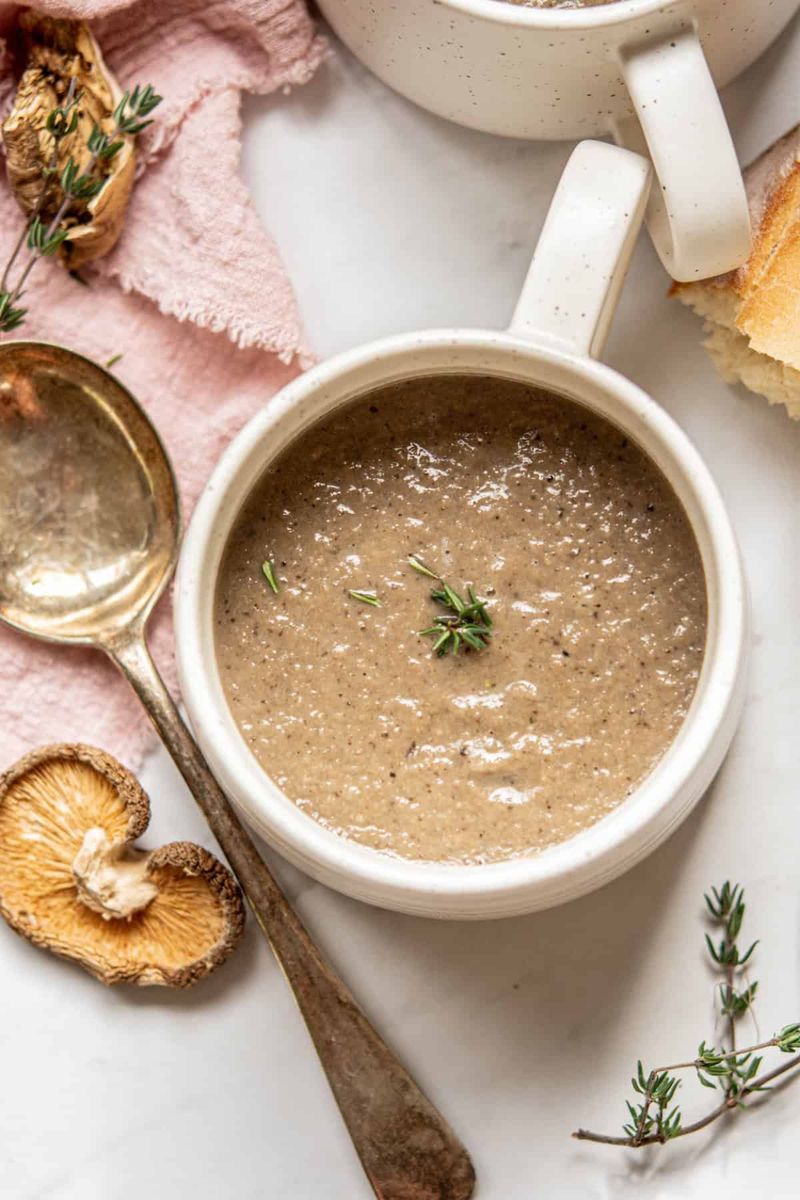
Mushroom lovers, meet your new best friend. Dried porcini pack an earthy, woodsy punch that fresh mushrooms cannot match.
Soak a small handful in hot water for twenty minutes. Chop the softened mushrooms and add them to your soup, then pour in the soaking liquid too, leaving the gritty bits at the bottom.
That dark liquid is pure flavor gold. It gives barley, wild rice, and vegetable soups a deep, cozy richness.
9. Tahini

Most people know tahini from hummus, but this sesame paste is a sneaky soup booster too.
Whisk two tablespoons with a little hot broth, then stir it into chickpea, carrot, or lentil soup. It adds a toasty, nutty creaminess and a silky texture.
Give the jar a good stir before using, since the oil likes to float on top. A squeeze of lemon makes tahini taste even brighter in your bowl.
10. Cannellini Beans

Got a can of white beans? Then you have a secret thickener.
Blend one can, liquid and all, until smooth and stir it into your soup. The result is creamy and filling, with no dairy needed.
Cannellini beans come from Italy, where they star in classic dishes like ribollita, a bread and bean soup. Their soft, buttery texture pairs well with kale, rosemary, and garlic for a meal that sticks to your ribs.
11. Potatoes

Grandmas have known this trick forever. A peeled, diced potato is one of the easiest ways to thicken a thin soup.
As potatoes cook, they release starch that makes the broth silky. For extra creaminess, scoop out a cup of cooked soup, blend it, and stir it back in.
Yukon Gold potatoes work best because they are naturally buttery. They make leek, corn chowder, and vegetable soups feel like a cozy blanket.
12. Butternut Squash

Autumn in a spoon, that is what butternut squash delivers.
Roast cubes in the oven until the edges brown, then blend them into broth. The roasting brings out a sweet, nutty flavor, and the flesh turns into a smooth, thick puree.
Add a pinch of nutmeg or smoked paprika for warmth. Top your bowl with toasted pumpkin seeds for crunch.
Even picky eaters tend to slurp this one right up.
13. Tomato Paste
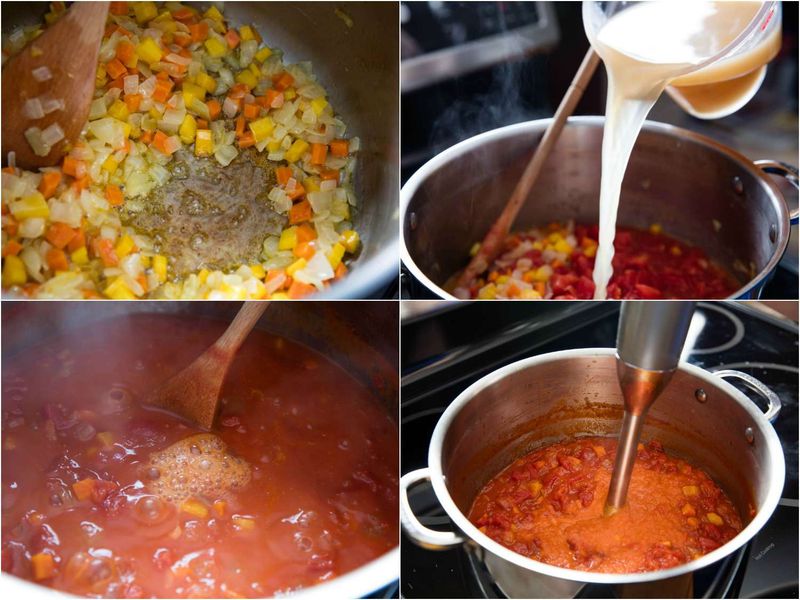
A little tube of tomato paste can change everything. The key is to cook it before adding liquid.
Stir a tablespoon or two into your pot with sautéed onions and let it sizzle for a minute or two until it darkens to a brick red color. This step deepens its sweetness and savory flavor.
It adds richness to minestrone, lentil, and bean soups. Buying it in a tube means no wasted half cans.
14. Smoked Paprika

Missing that smoky bacon flavor in split pea soup? Smoked paprika comes to the rescue.
Made from peppers dried over oak fires in Spain, this red spice adds a campfire taste without any meat. Start with half a teaspoon and taste as you go.
It shines in bean chilis, potato soups, and black bean stews. Your family might even wonder if you snuck something extra into the pot.
15. Good Olive Oil
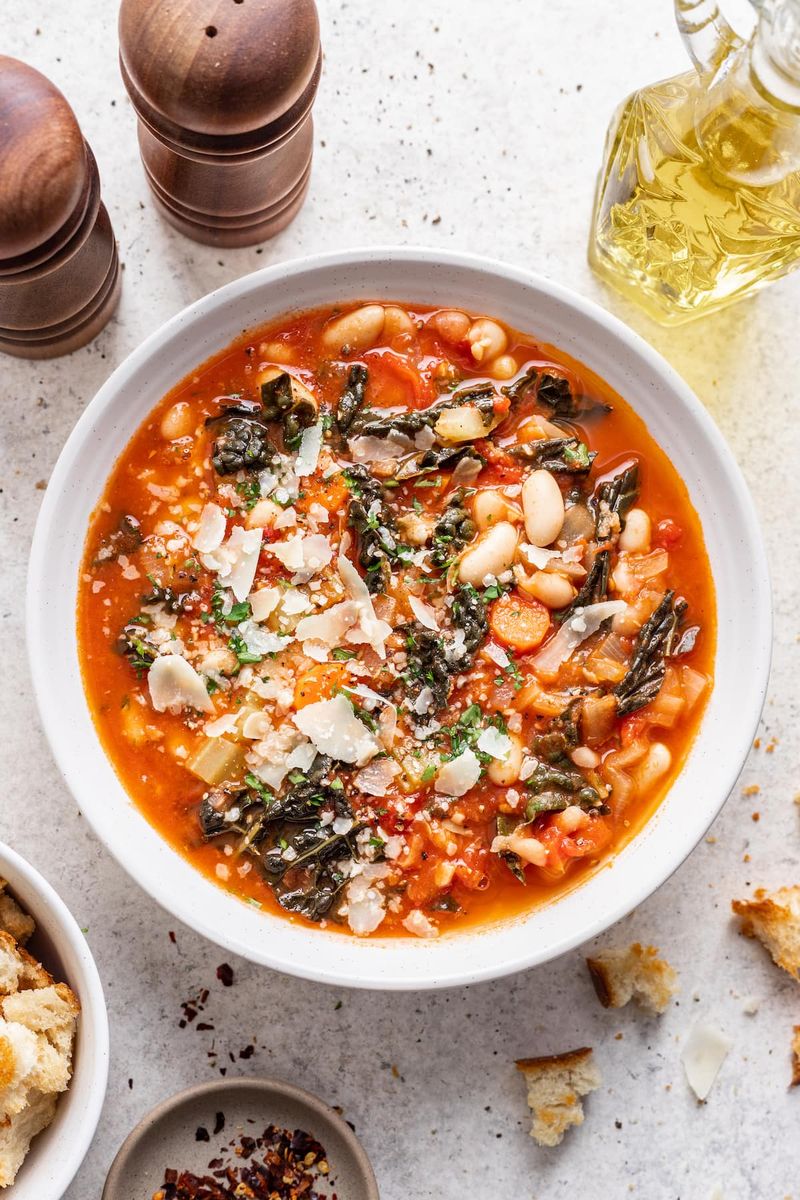
Italians have a lovely habit of finishing soup with a swirl of olive oil right at the table. It is called a drizzle, and it matters.
Good extra virgin olive oil adds a peppery, fruity richness that makes simple vegetable or bean soups taste fancy.
Save your best bottle for finishing, not cooking, since high heat dulls its flavor. A crusty slice of bread for dipping completes the experience.
16. Soy Sauce or Tamari
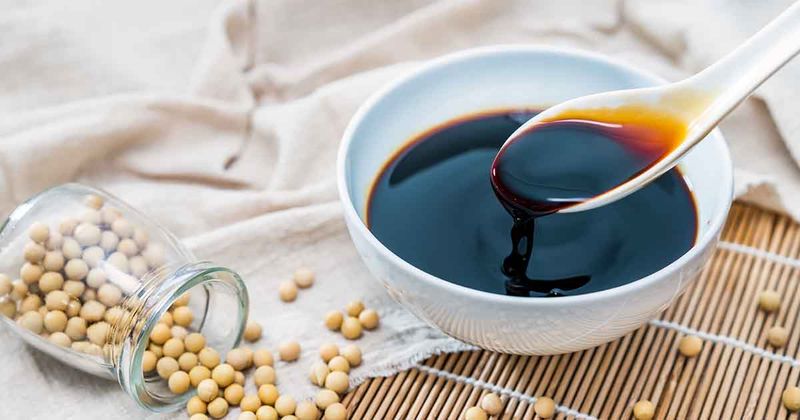
Sometimes a soup tastes fine but feels like it is missing something. Often, that something is a splash of soy sauce.
Soy sauce and tamari add salty, savory depth that makes vegetable broth taste fuller and meatier. Tamari is usually gluten free, which helps if anyone at your table avoids wheat.
Add one teaspoon at a time. It works wonders in mushroom, noodle, and even tomato soups.
17. Rolled Oats

Oats are not just for breakfast, believe it or not. Scottish cooks have been tossing them into soups for centuries.
Add a quarter cup of rolled oats to your pot and let them simmer for ten minutes. Then blend the soup for a creamy, silky texture.
Oats have a mild taste, so nobody will guess they are in there. They also add fiber that keeps you feeling full longer.
18. Silken Tofu

Think tofu is boring? Silken tofu might change your mind.
This soft, custard-like tofu blends into a smooth cream that adds protein and body to soups. Simply puree half a block with some warm broth, then stir it into asparagus, pea, or cauliflower soup.
It has almost no flavor of its own, so it lets your vegetables shine. Look for the shelf-stable boxes, which last for months in the pantry.
19. Kombu Seaweed

Japanese cooks have relied on kombu for over a thousand years to build flavor. This dried seaweed is full of natural glutamates, the source of savory umami taste.
Drop a small strip into your broth while it simmers, then remove it before serving.
Do not worry, your soup will not taste fishy or like the ocean. It simply tastes deeper and more rounded.
Bonus: kombu helps make beans easier to digest.
20. Sweet Potatoes

Bright orange and naturally sweet, sweet potatoes make soup feel like a treat.
Once cooked and blended, they turn thick and velvety without any cream. Their gentle sweetness pairs nicely with spices like cumin, ginger, and chili flakes.
Try a sweet potato and peanut soup inspired by West African cooking. It is hearty, a little spicy, and filling enough for dinner.
Plus, sweet potatoes are loaded with vitamin A for healthy eyes.
21. Fresh Lemon Juice

Here is a chef secret that surprises many home cooks: richness needs balance.
A squeeze of fresh lemon juice at the very end wakes up every flavor in the pot. Heavy, creamy soups suddenly taste brighter, and earthy lentils or beans come alive.
Start with half a lemon and taste. You will notice the difference right away.
Skip bottled juice if you can, since fresh lemons give a cleaner, zippier flavor.