
Some foods bring people together, while others spark debates that never seem to end. From slimy textures to bold flavors, certain dishes have been loved and hated in equal measure for hundreds of years.
Whether you grew up eating them or refused to touch them, these foods have a long history of dividing dinner tables. Get ready to find out where you stand on 21 of the most controversial foods ever.
1. Anchovies
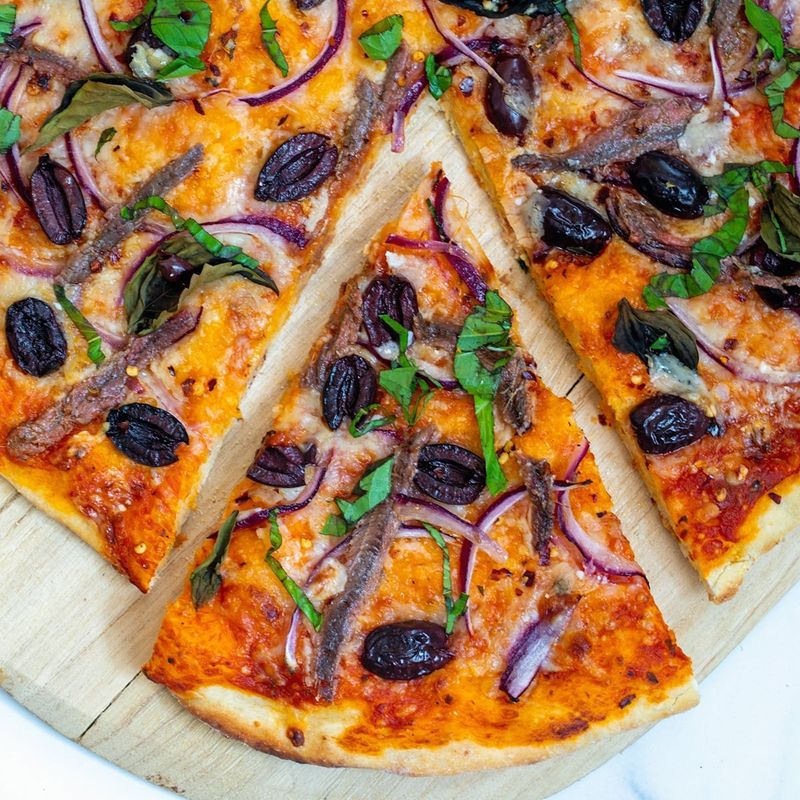
Nobody sits on the fence about anchovies. These tiny, salty fish have been splitting pizza lovers apart for decades, with fans swearing they add an incredible depth of flavor and haters insisting they ruin everything.
Anchovies have actually been used in cooking for thousands of years, dating back to ancient Rome. They are packed with omega-3 fatty acids and protein.
If you have never tried them on a fresh, hot slice, you might be surprised.
2. Blue Cheese
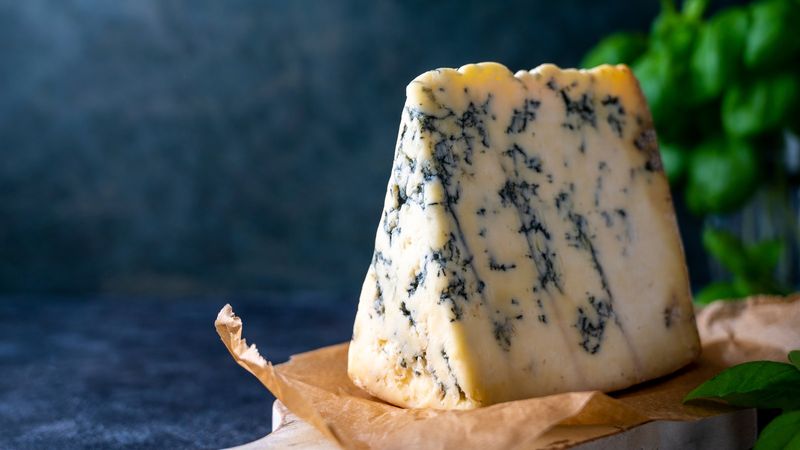
Moldy cheese sounds like something you would throw away, yet blue cheese has devoted fans all over the world who cannot get enough of its sharp, funky bite.
The mold used to make it, Penicillium, is completely safe to eat and gives blue cheese its signature tangy flavor. It pairs beautifully with honey, pears, or a bold red wine.
Critics say it smells like old socks, but lovers call it sophisticated and complex.
3. Cilantro
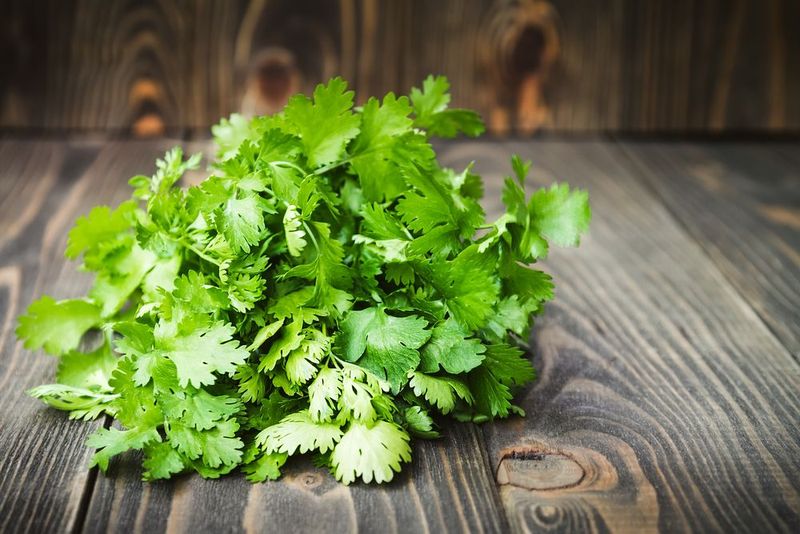
For some people, cilantro tastes bright, fresh, and citrusy. For others, it tastes exactly like soap, and that is not just a preference.
Scientists have discovered that a specific gene variant makes some people experience cilantro as unpleasant.
This herb is a staple in Mexican, Indian, and Southeast Asian cooking, showing up in salsas, curries, and noodle soups.
Even knowing the science, people who hate it rarely change their minds about keeping it off their plate.
4. Liver
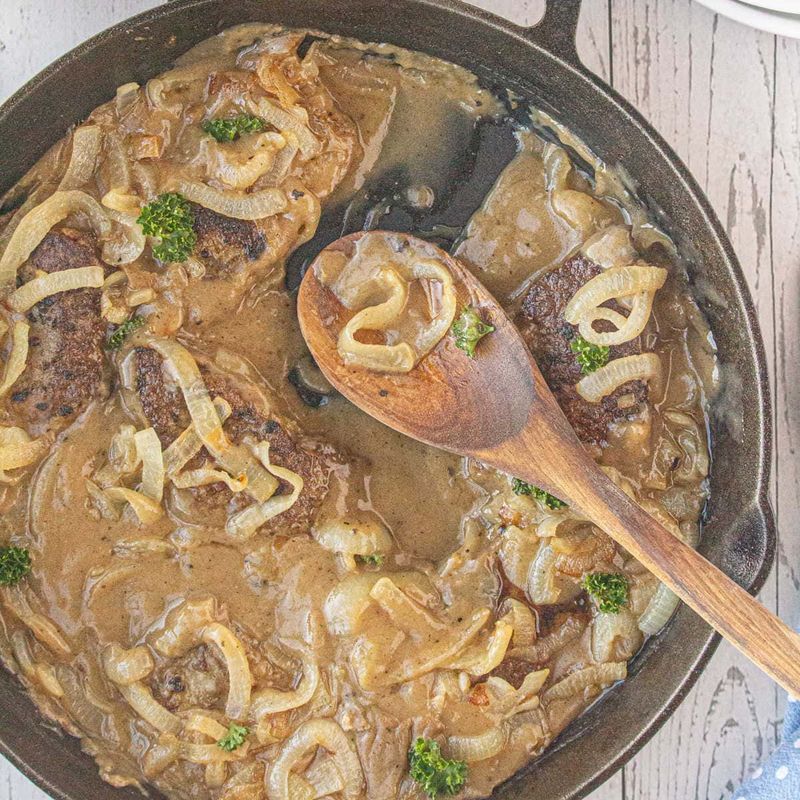
Liver was once considered a budget-friendly superfood, loaded with iron, vitamin A, and B12. Older generations often grew up eating it regularly, and many still love its rich, earthy taste.
Younger eaters, however, tend to reject it almost immediately because of its strong smell and dense, grainy texture when overcooked.
The secret, according to fans, is cooking it quickly over high heat with plenty of butter and onions so it stays tender and flavorful.
5. Oysters
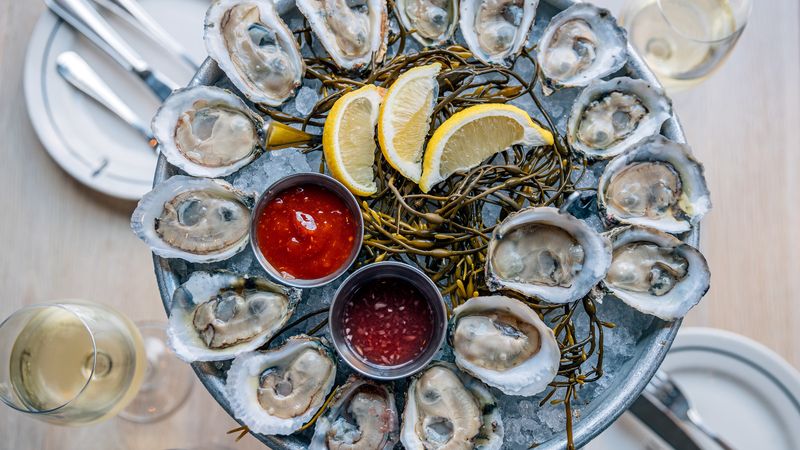
Raw oysters are the ultimate test of adventurous eating. They are slippery, briny, and eaten alive, which is more than enough to send many people running in the other direction.
Devoted fans describe the experience as tasting the ocean itself, and oysters have been considered a luxury food since ancient times.
They are also one of the most sustainable seafoods you can eat. Still, for every person who slurps one down happily, another person refuses to go anywhere near them.
6. Pineapple on Pizza
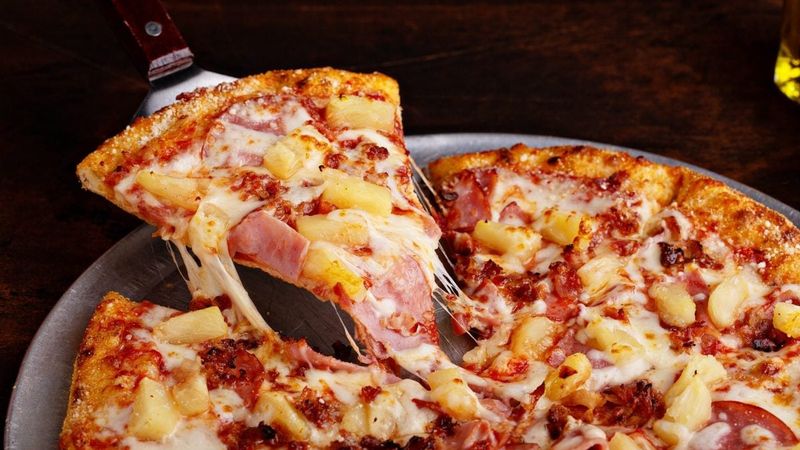
Few food debates have gone as viral as the pineapple on pizza argument. The combination of sweet fruit and savory tomato sauce has caused genuine arguments among friends, families, and even famous chefs for decades.
Hawaiian pizza was actually invented in Canada in 1962 by Sam Panopoulos, which surprises most people who assume it came from Italy.
Supporters love the sweet-savory contrast, while opponents argue fruit has absolutely no place on a pizza. The debate rages on.
7. Brussels Sprouts
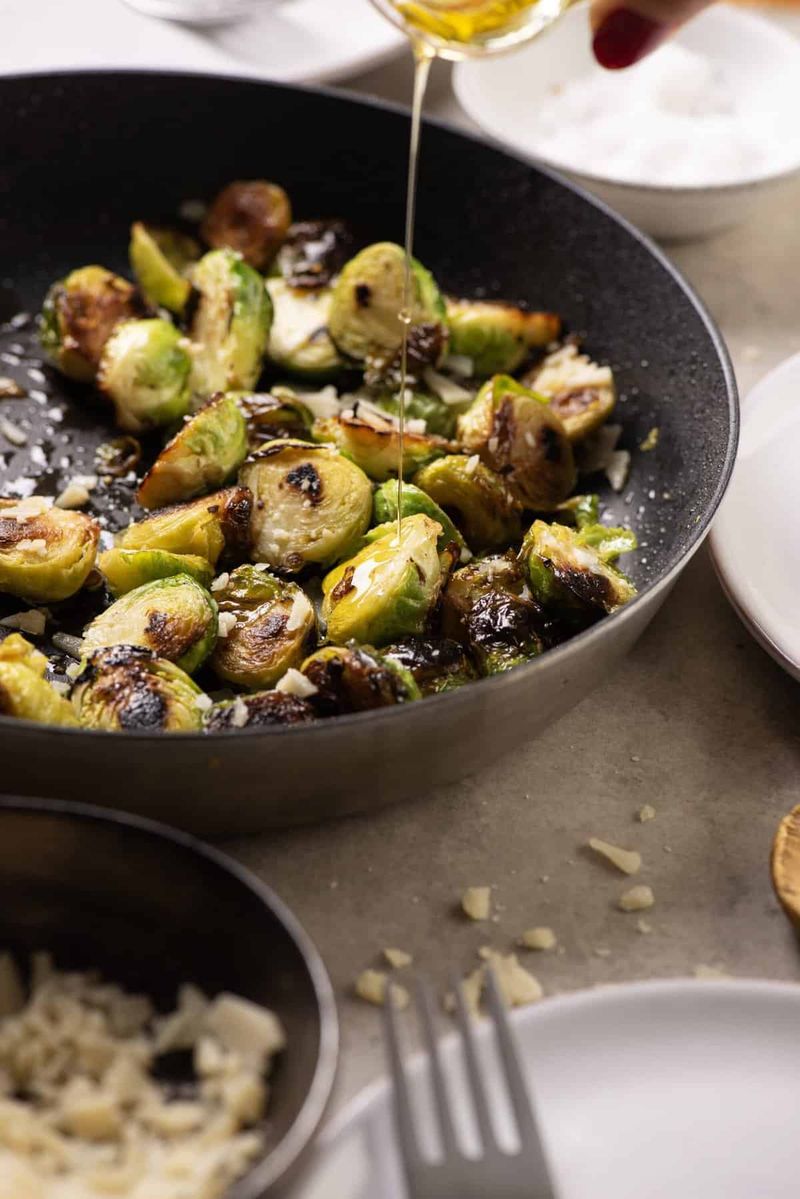
Brussels sprouts have a reputation as the most hated vegetable at the dinner table, especially among kids who were forced to eat boiled, mushy ones at family meals for decades.
Here is the twist: before the 1990s, Brussels sprouts contained far more bitter compounds than they do today. Plant breeders actually developed less bitter varieties, changing how they taste.
Roasting them with olive oil and a touch of honey transforms them into something even picky eaters will enjoy.
8. Marmite
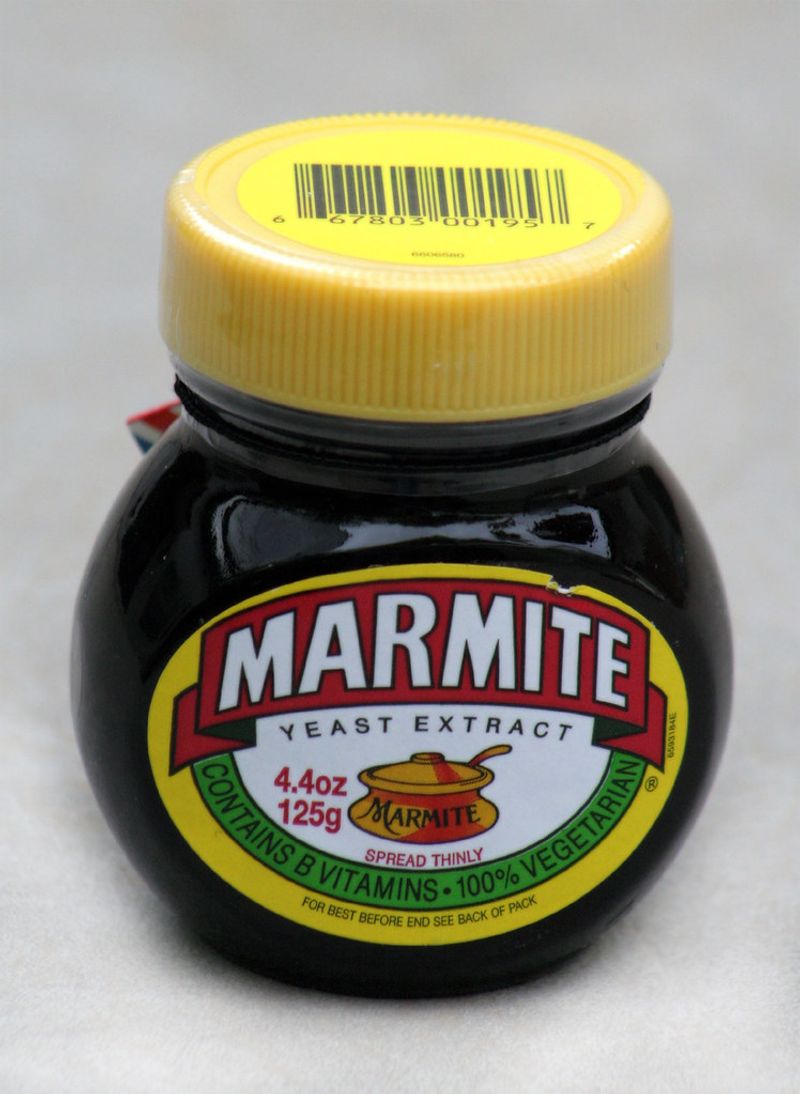
Marmite is so polarizing that its own slogan is “Love it or hate it,” and that is not marketing exaggeration. This thick, dark, sticky yeast extract spread is a British pantry staple that has divided households for over 100 years.
Fans spread it thinly on buttered toast and call it the perfect savory breakfast. Those who dislike it compare the smell to a brewery.
Made from leftover brewer’s yeast, it is surprisingly rich in B vitamins.
9. Durian
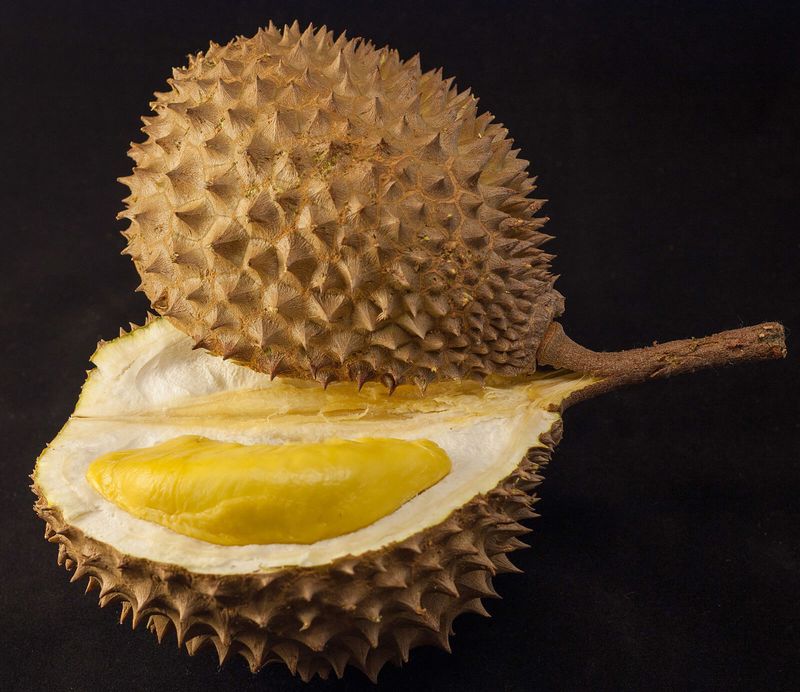
Durian is famous for being banned in hotels, airports, and public transit across Southeast Asia because of its overwhelmingly powerful smell. People describe the odor as a mix of gym socks, onions, and rotten fruit.
Yet locals and fans across Thailand, Malaysia, and Indonesia call it the “king of fruits” and prize its rich, custard-like flesh.
The taste is sweet and creamy with a complex depth that loyal fans say is absolutely worth getting past the smell.
10. Black Licorice

Black licorice is one of those candies that people either absolutely adore or completely despise with zero middle ground. Its bold, anise-like flavor comes from a compound called glycyrrhizin, which is extracted from licorice root.
In Scandinavian countries, it is incredibly popular and comes in everything from salty varieties to chocolate-covered versions.
American candy lovers tend to strongly prefer the red, fruit-flavored version instead, often not even considering black licorice to be a real candy worth eating.
11. Natto
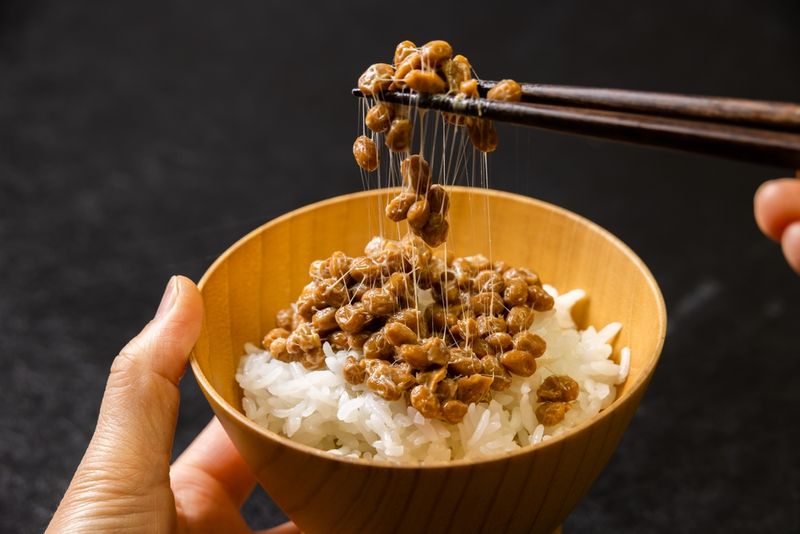
Natto is a traditional Japanese breakfast food made from fermented soybeans, and it is one of the most challenging foods for non-Japanese eaters to accept. Its sticky, stringy texture combined with a pungent, ammonia-like smell makes first impressions very difficult.
Nutritionally, it is a powerhouse, loaded with protein, probiotics, and vitamin K2.
In Japan, people grow up eating it and love its nutty, complex flavor. Outside Japan, even adventurous food travelers often admit defeat after one bite.
12. Vegemite
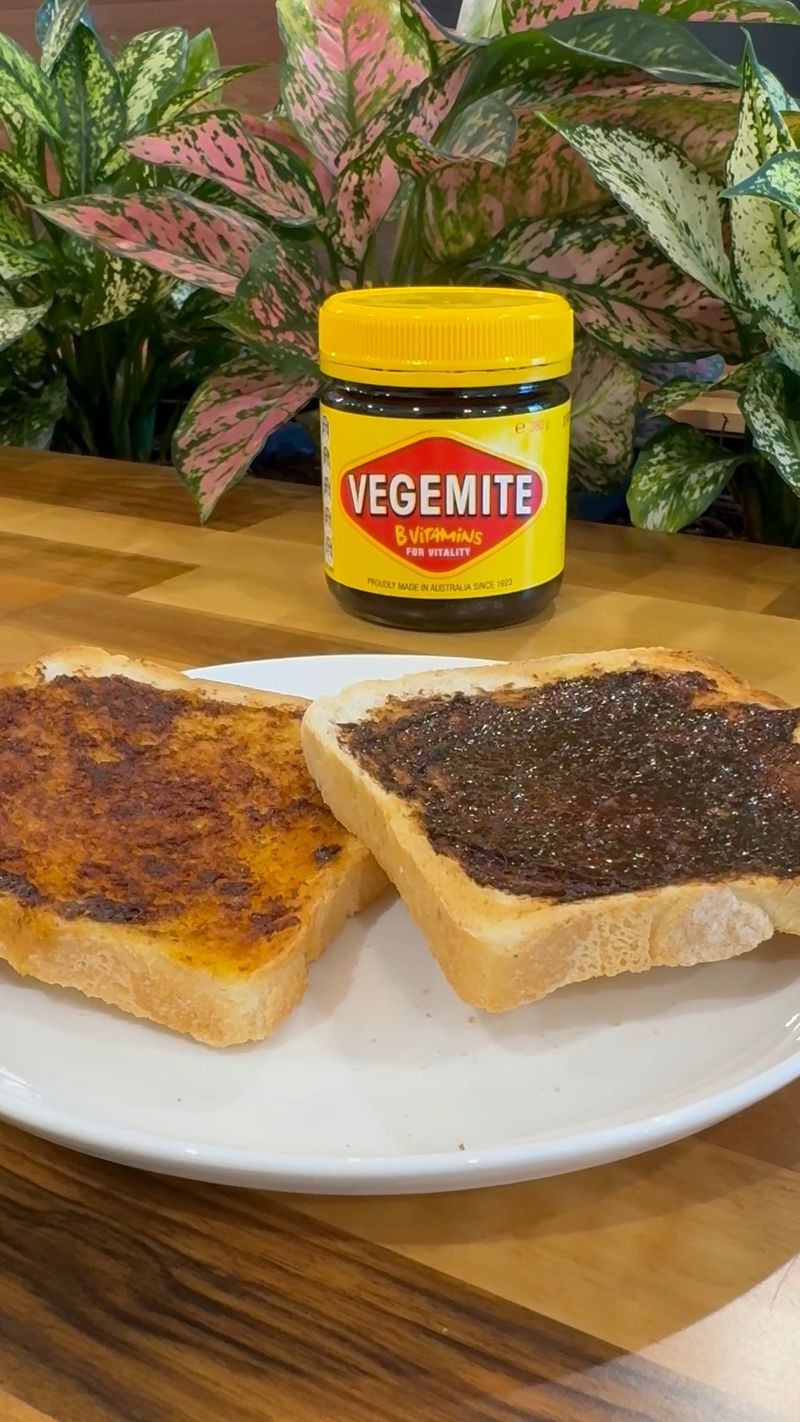
Walk into any Australian kitchen and you will likely find a jar of Vegemite sitting near the toaster. This dark, intensely salty yeast extract is a beloved national icon for Australians, who grow up eating it on toast from a very young age.
Visitors who try it expecting something like chocolate spread are often shocked by its powerful, bitter saltiness.
The trick is using a very thin layer on well-buttered toast, which Australians will tell you makes all the difference.
13. Okra
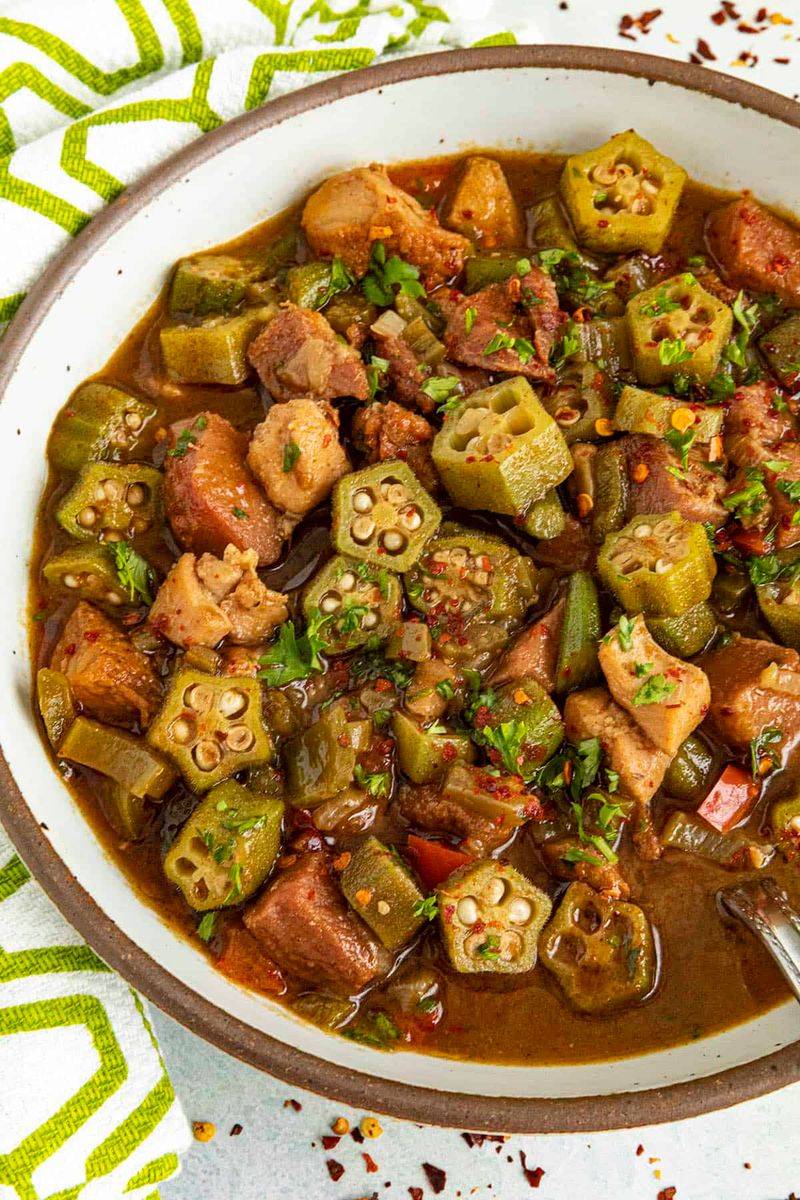
Okra’s biggest obstacle is its texture. When cooked in liquid, it releases a thick, mucilaginous slime that many people find completely off-putting, no matter how good the surrounding dish tastes.
In Southern American cooking and West African cuisine, okra is a beloved thickener for gumbo and stews, prized for that exact quality that others reject.
Roasting or frying okra eliminates most of the sliminess and gives it a completely different, crispier character that even skeptics tend to enjoy.
14. Cottage Cheese
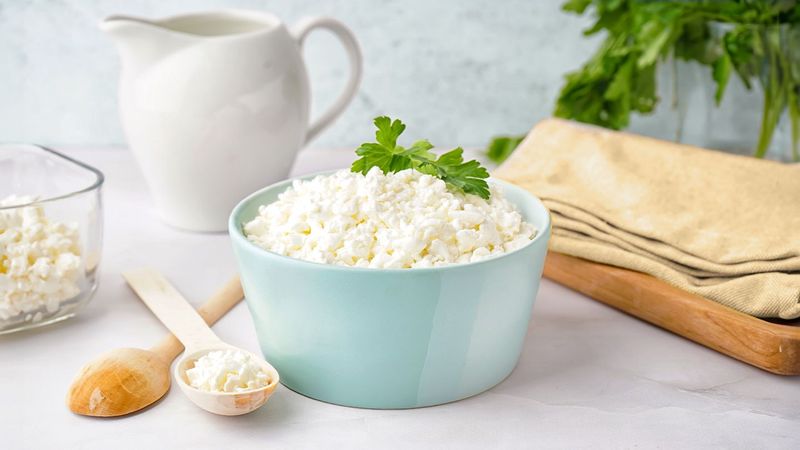
Cottage cheese has a texture problem that splits people right down the middle. Those lumpy white curds sitting in a milky liquid are enough to make texture-sensitive eaters refuse to try it at all.
Fans love it as a high-protein, low-fat food that works equally well with fruit, crackers, or even pasta.
It had a major comeback recently thanks to social media food trends, with younger eaters discovering it all over again and mixing it into everything from dips to desserts.
15. Sardines
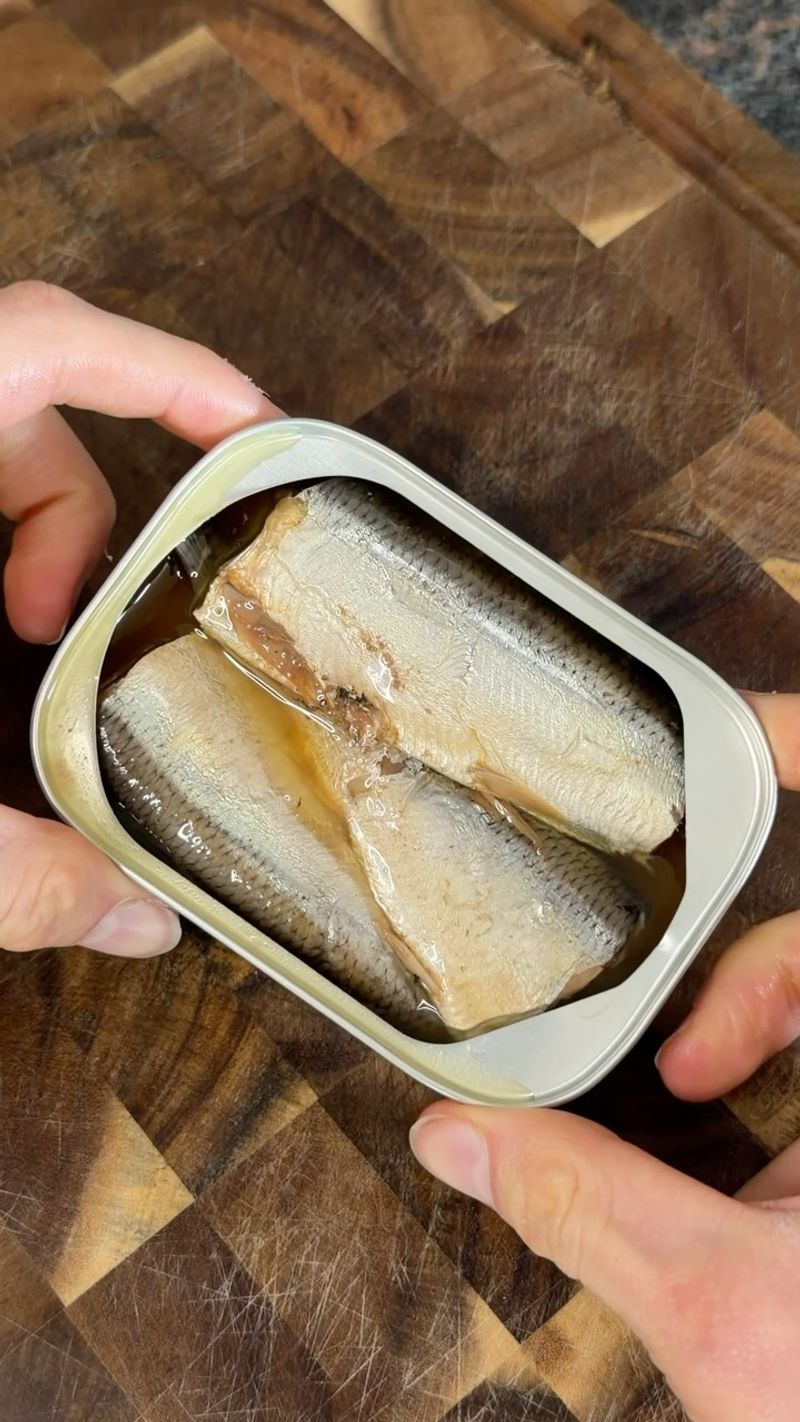
Sardines from a tin are a working-class food that has quietly fed generations of people around the world. They are cheap, shelf-stable, and packed with omega-3 fatty acids, calcium, and protein, making them one of the most nutritious foods you can eat.
The problem for many people is the strong, fishy smell that comes with opening a can.
Food lovers who enjoy them say a squeeze of lemon and some hot sauce on crackers makes sardines one of the most satisfying quick snacks imaginable.
16. Raisins
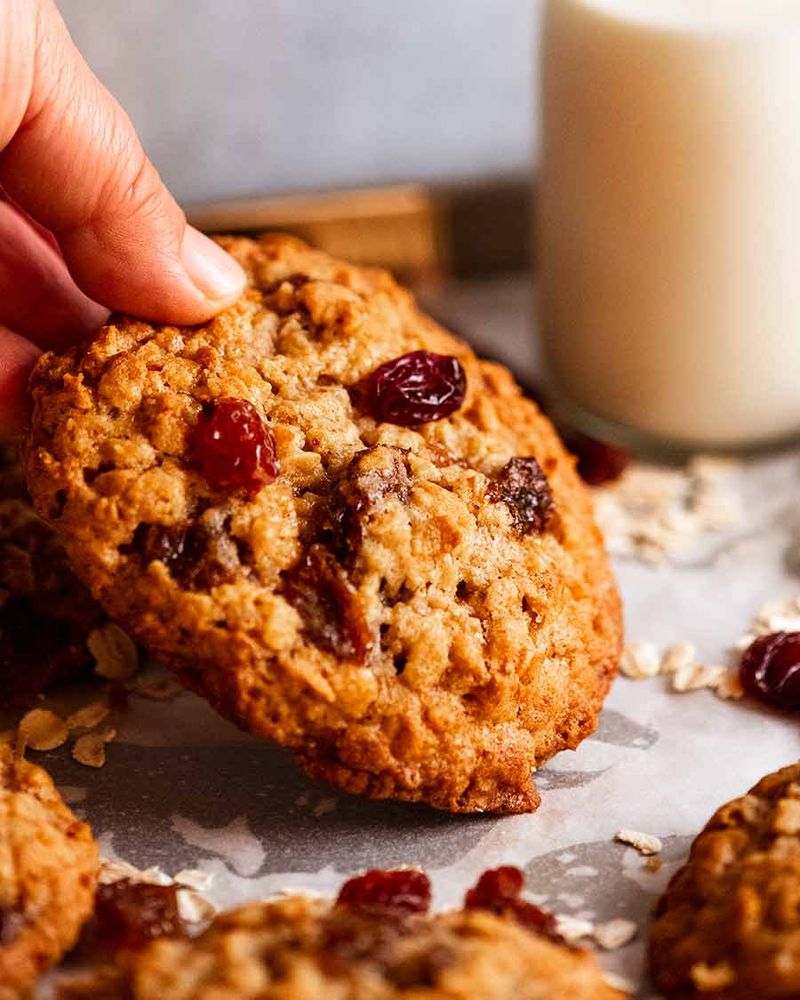
Raisins have been sneaking into cookies, trail mix, and salads for centuries, much to the dismay of people who feel strongly that dried fruit has no place in savory or sweet baked goods. The classic complaint is biting into what you think is a chocolate chip cookie, only to discover it is oatmeal raisin.
Fans argue raisins add natural sweetness and chewy texture to dishes.
They are also one of history’s oldest snack foods, eaten since ancient Greece and Rome.
17. Tofu
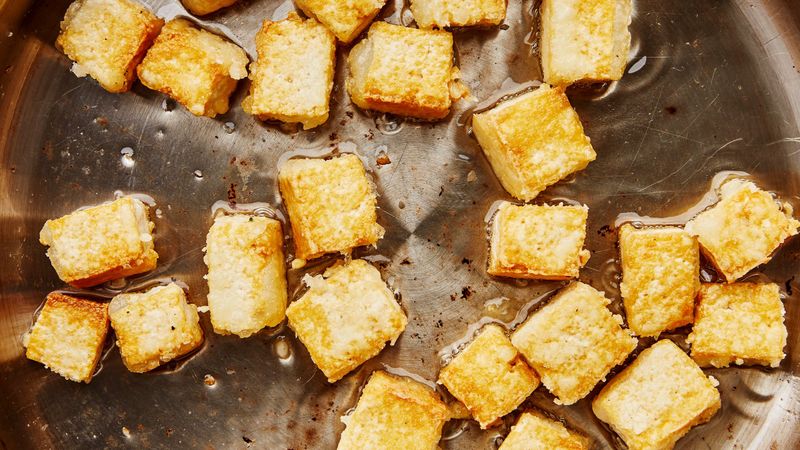
Tofu gets a tough reputation in Western countries, often dismissed as bland, rubbery, and flavorless. People who grew up without it tend to see it as a sad substitute for real protein rather than an ingredient worth celebrating on its own terms.
In East Asian cooking, tofu has been a beloved staple for over 2,000 years, prepared in dozens of delicious ways.
The real secret is pressing it well and cooking it hot so it crisps up beautifully on the outside.
18. Pickled Herring
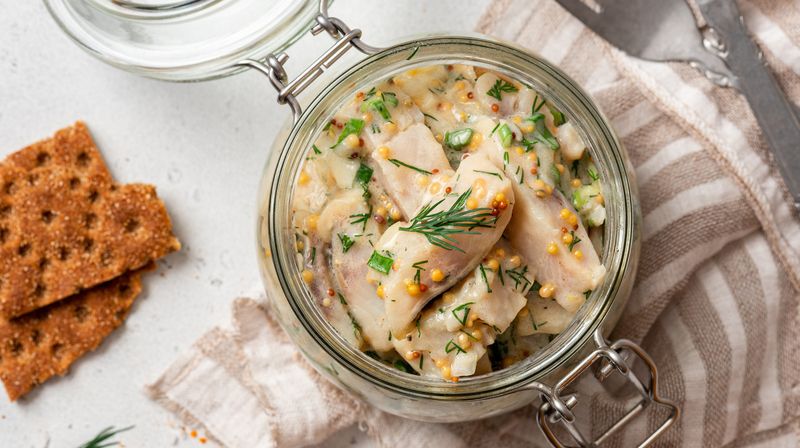
Pickled herring is a cornerstone of Scandinavian and Eastern European holiday tables, eaten enthusiastically by people who grew up with it and met with polite refusal by almost everyone else.
The combination of vinegar-cured fish with onions, mustard, or cream sauce is an acquired taste that takes some real commitment to develop.
History-wise, pickling herring was one of the most important food preservation techniques in northern Europe before refrigeration, keeping communities fed through long winters for hundreds of years.
19. Mayonnaise
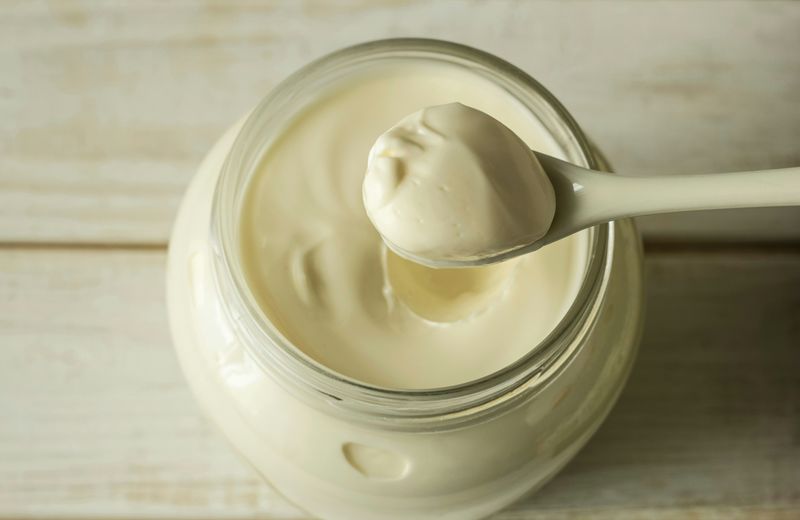
Mayonnaise might be one of the most used condiments in the world, yet the hatred for it is fierce and very vocal. Fans put it on sandwiches, burgers, fries, and use it as a base for dozens of dressings and sauces without a second thought.
Its critics describe the texture as greasy and the flavor as overwhelmingly rich.
Mayonnaise was invented in France in the 18th century and spread globally through European cuisine. Today it outsells ketchup in many countries, which surprises a lot of people.
20. Bitter Melon
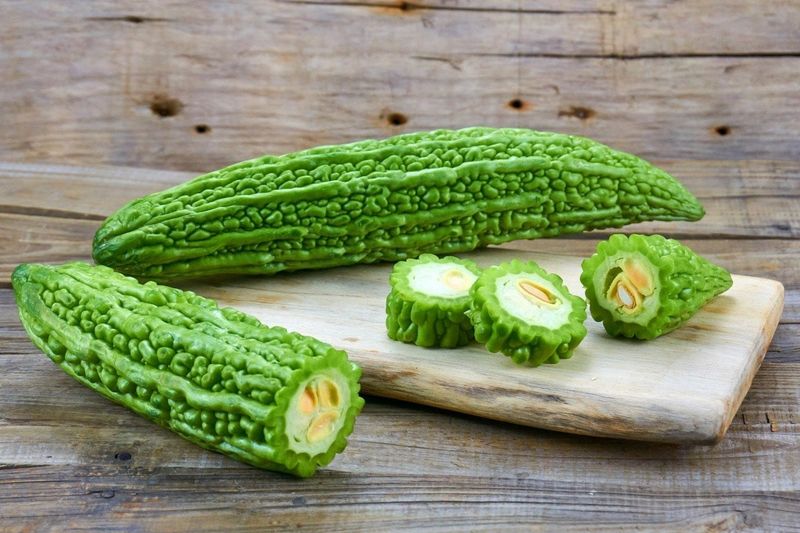
Bitter melon lives up to its name in a very serious way. This bumpy, green vegetable is used widely in Indian, Chinese, and Filipino cooking and is famous for being one of the most intensely bitter foods on the planet.
Fans appreciate it for its powerful health benefits, including blood sugar regulation and high vitamin C content.
For people tasting it for the first time without preparation, the bitterness can feel overwhelming. Salting and soaking it before cooking helps mellow that intensity significantly.
21. Stinky Tofu
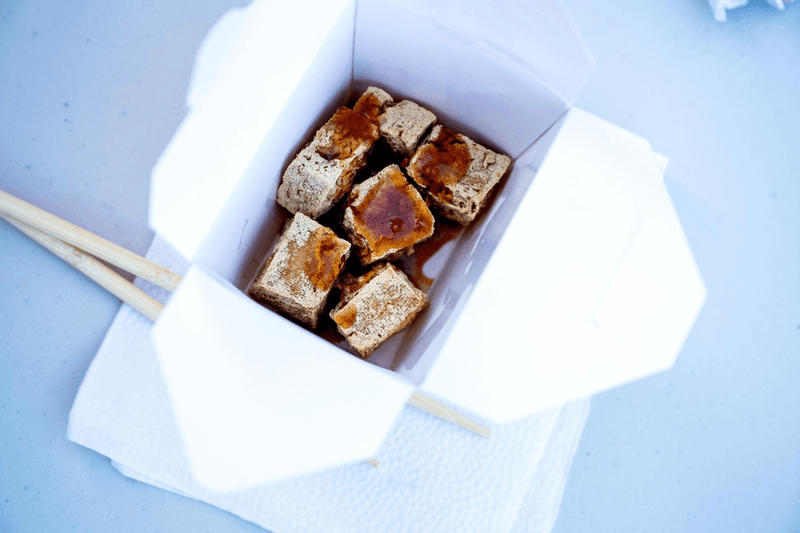
Stinky tofu earns its name honestly. This fermented tofu street food, popular across Taiwan, China, and Hong Kong, produces a smell so powerful that people have compared it to garbage, sewage, and gym lockers all at once.
For locals, that smell is the sign of a perfectly fermented batch, and the taste is described as deeply savory, complex, and addictive.
Street food stalls selling it are easy to find by smell alone from a full block away, which tells you everything about how seriously people take it.