
Picture a kitchen in 1960s Britain, with a kettle whistling and something tasty bubbling on the stove. Food rationing had ended only a few years earlier, so families were excited to try new treats while still loving their old favourites.
The meals people ate back then tell us a lot about how they lived, worked, and spent time together. Get ready to meet the dishes that filled plates and lunchboxes across the country.
1. Fish and Chips Wrapped in Newspaper
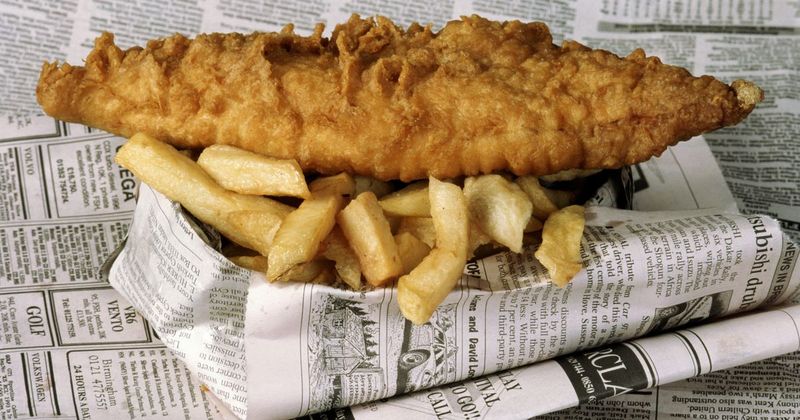
Friday night meant one thing in many homes: a trip to the chippy. Hot battered cod and thick chips came wrapped in yesterday’s newspaper, keeping everything warm on the walk home.
A portion cost only a few pennies, so almost every family could afford it. People splashed on malt vinegar and plenty of salt.
Fun fact: newspaper wrapping was later banned for hygiene reasons, but greaseproof paper still carries the same cosy feeling.
2. The Sunday Roast
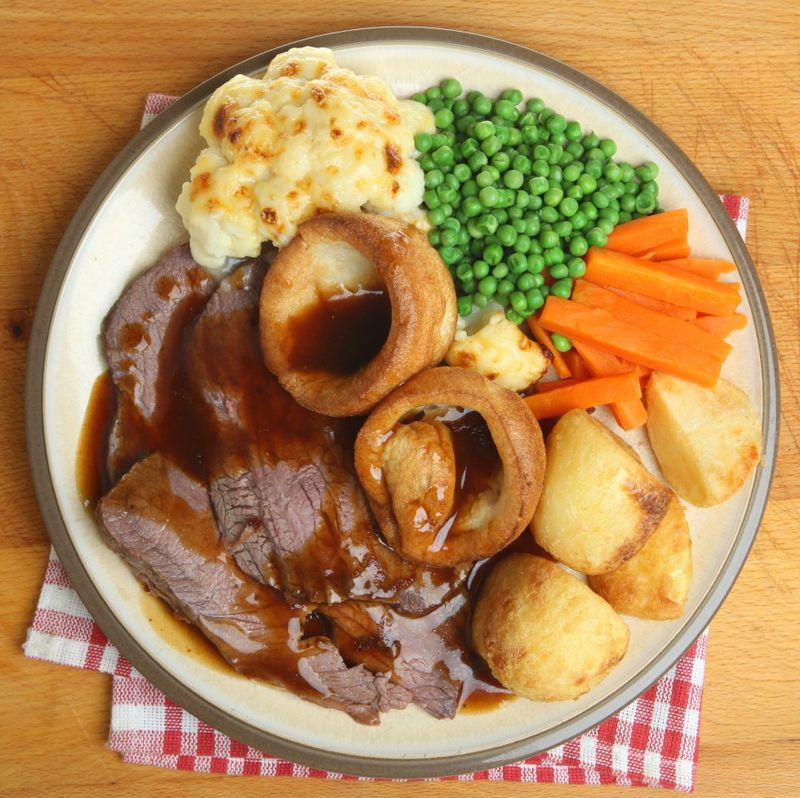
Sunday was the day the whole house smelled amazing. Mum often had the beef or lamb in the oven while everyone came home from church or a morning walk.
Roast potatoes, boiled vegetables, and rich gravy filled the table. It was the biggest meal of the week.
Leftover meat rarely went to waste either. Cold slices turned up in Monday sandwiches, and the rest might become a shepherd’s pie by midweek.
3. Puffy Yorkshire Puddings
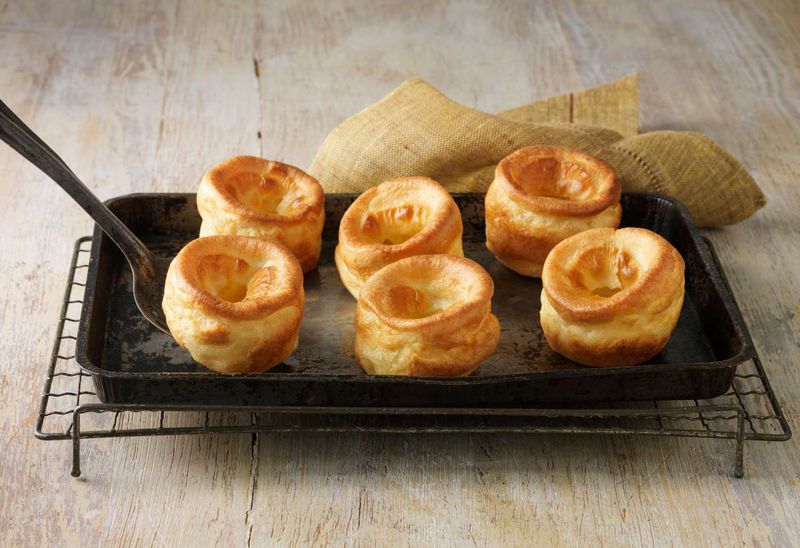
Crispy on the outside and soft in the middle, Yorkshire puddings were pure magic made from flour, eggs, and milk. Getting them to rise was a matter of pride.
In northern England, some families served them first with gravy. The idea was to fill everyone up so less expensive meat was needed.
Top tip from old cooks: get the fat smoking hot before pouring in the batter. That is the secret to a tall pudding.
4. Spam Fritters
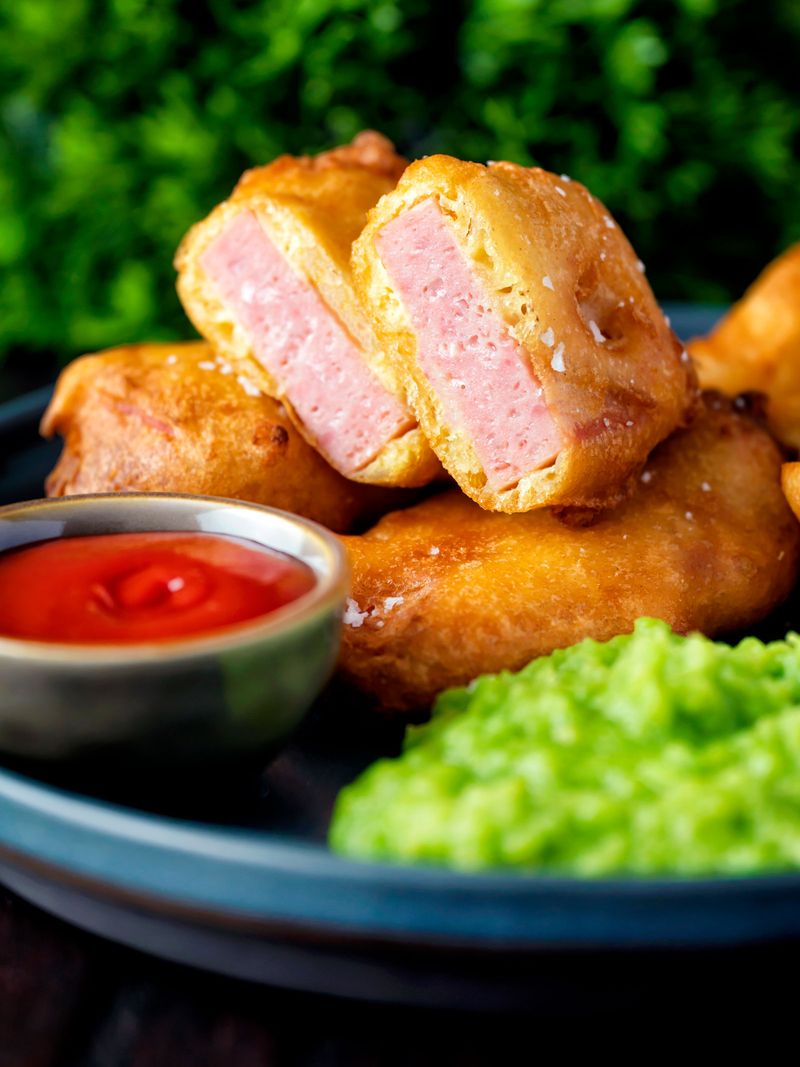
Ask a grandparent about Spam and watch them smile, or groan. This tinned pork arrived during the war and stayed popular long after.
Cooks sliced it, dipped it in batter, and fried it until crunchy. Served with chips, it made a filling, cheap dinner that kids often loved.
Spam lasted for ages in the cupboard, which made it handy when money was tight or the shops were closed.
5. Shepherd’s Pie
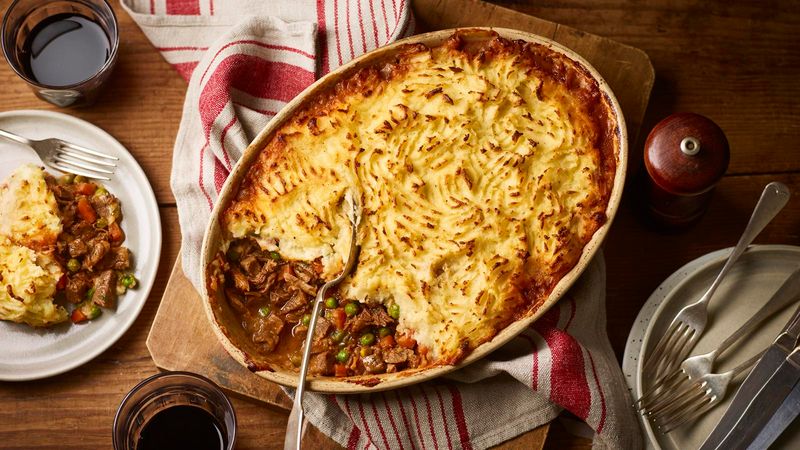
Thrifty and warming, shepherd’s pie was the clever way to use up Sunday’s leftover lamb. Minced meat, onions, and gravy sat under a fluffy blanket of mashed potato.
Many cooks dragged a fork across the top to make ridges. Those ridges turned crispy and brown in the oven.
Here is a handy detail: made with beef instead of lamb, the same dish is called cottage pie.
6. Beans on Toast
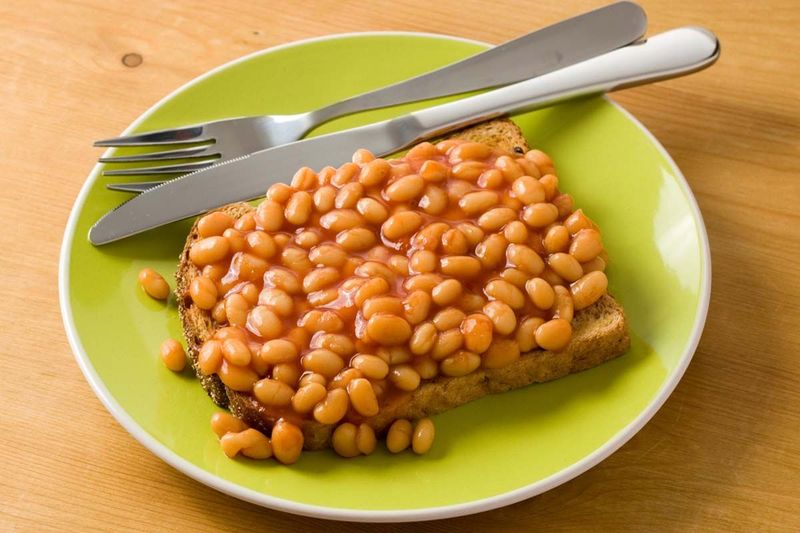
Quick, cheap, and comforting, beans on toast could rescue any hungry evening. A tin of baked beans heated in a pan, poured over buttered toast, and dinner was done.
Students, busy parents, and kids all relied on it. Some added grated cheese or a fried egg on top.
Britain eats more baked beans than almost any country, and the 1960s helped cement that love for good.
7. Vesta Boil-in-the-Bag Curries
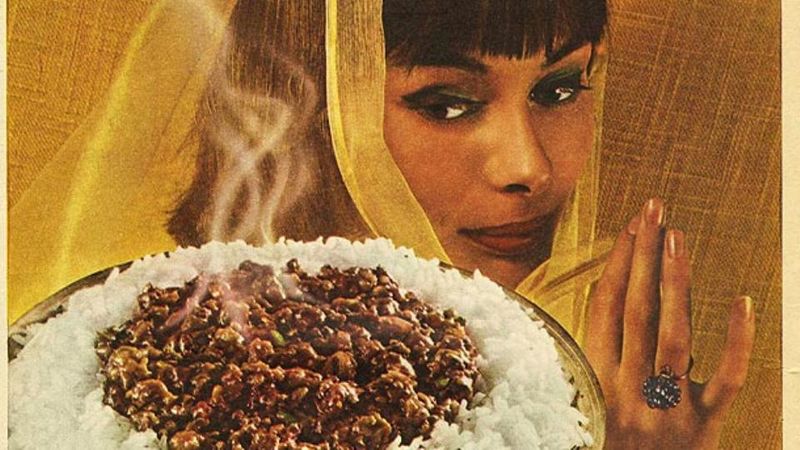
For many Britons, a first taste of curry came from a cardboard box. Vesta dried meals launched in the early 1960s and felt wonderfully exotic.
You added water, simmered it, and suddenly dinner tasted like an adventure. The beef curry and chow mein were big hits.
Today the flavours seem mild, yet they helped open British taste buds. That curiosity eventually made curry one of the nation’s favourite dishes.
8. Spotted Dick and Custard
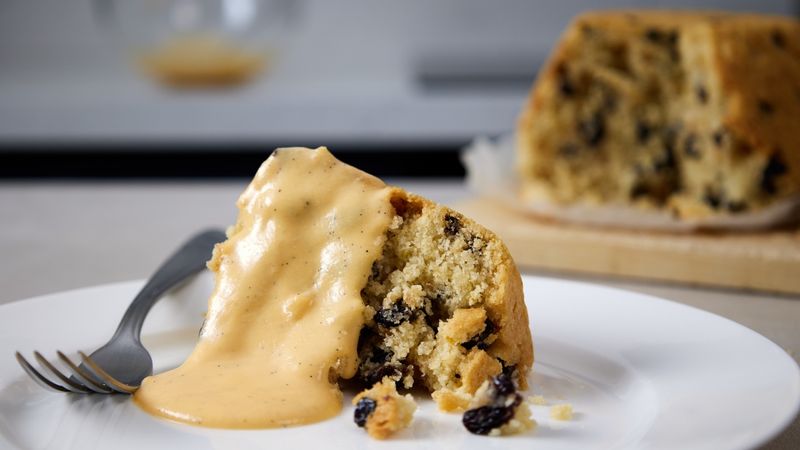
Yes, the name makes kids giggle, and it always has. Spotted dick is a steamed suet pudding dotted with currants, which are the spots.
School dinners served it often, usually swimming in thick yellow custard. On cold winter days, nothing felt more filling.
Families also made it at home in a pudding basin. It needed hours of steaming, so it was usually saved for weekends.
9. Bird’s Custard
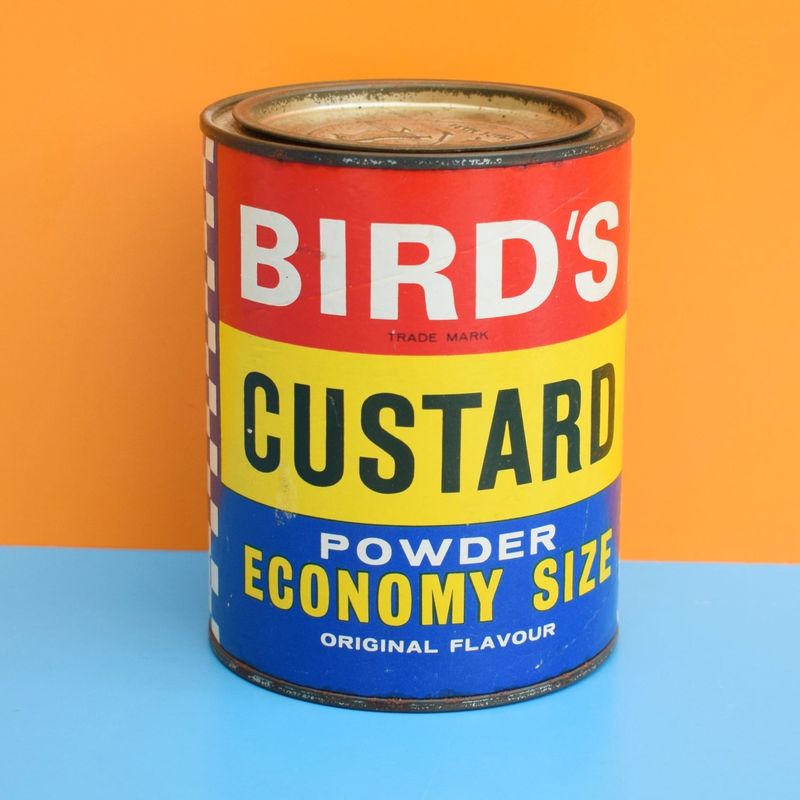
Pour it over crumble, sponge, or tinned fruit, and any pudding instantly felt complete. Bird’s custard powder was a cupboard must-have.
Fun history bit: Alfred Bird invented it in 1837 because his wife could not eat eggs. It contains no eggs at all.
Mixing the powder with sugar and hot milk took only minutes. Arguments about lumps versus smooth custard happened in countless kitchens.
10. Angel Delight
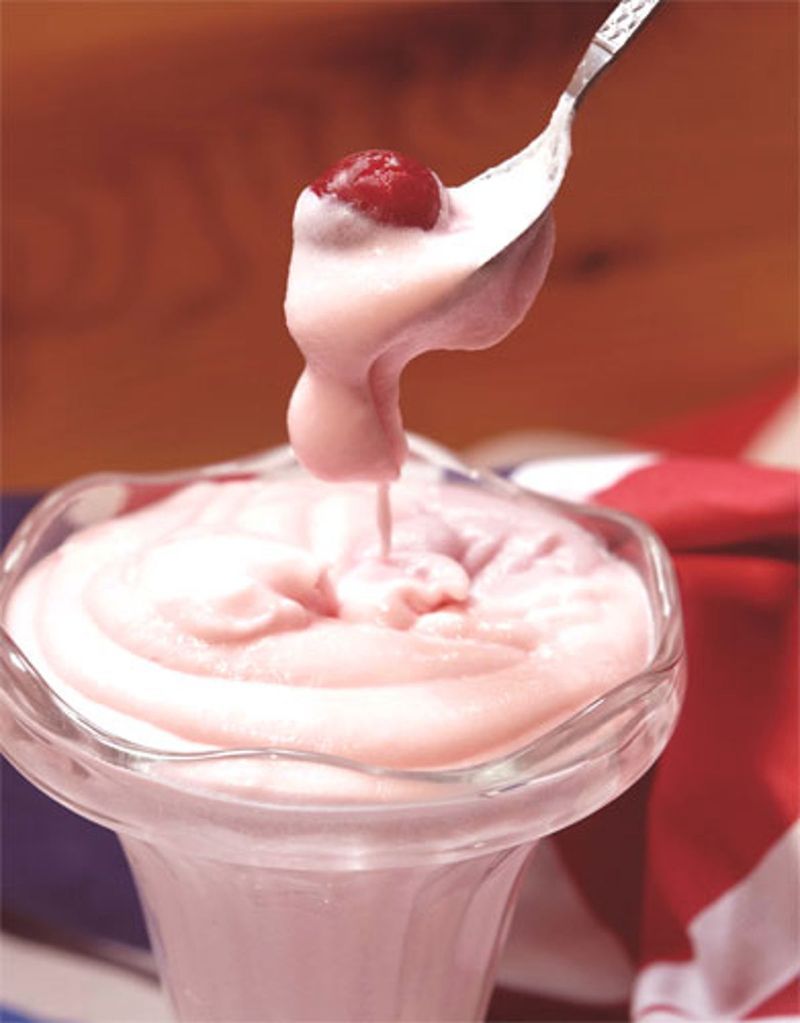
Whisk, wait five minutes, and enjoy. When Angel Delight appeared in 1967, kids could hardly believe how fast a fluffy pudding could be made.
Strawberry, chocolate, and butterscotch were the stars. The powder mixed with cold milk and set into a light, airy mousse.
It quickly became a treat for birthdays and Sunday teas. Even now, the butterscotch flavour brings a wave of happy memories for many grown-ups.
11. Fray Bentos Pies
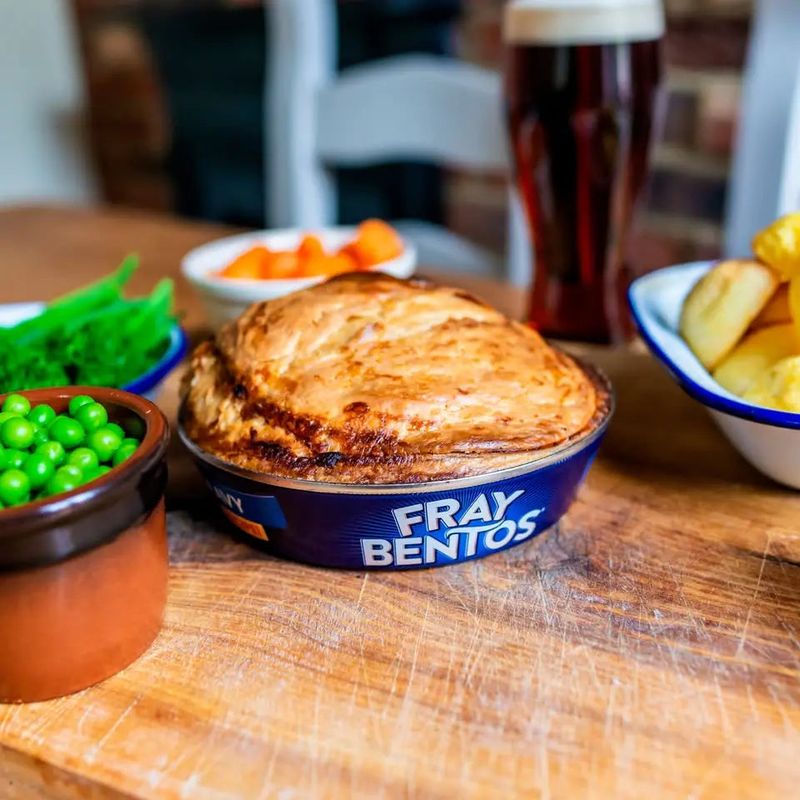
Opening a pie tin felt like a small mystery. Inside a Fray Bentos tin sat steak and kidney filling topped with raw puff pastry.
Pop it in the oven, and the pastry puffed up golden right in the tin. No chopping or rolling was needed.
Busy mums loved the shortcut, and dads appreciated a hearty dinner. Some people still keep one in the cupboard for emergency suppers.
12. Prawn Cocktail
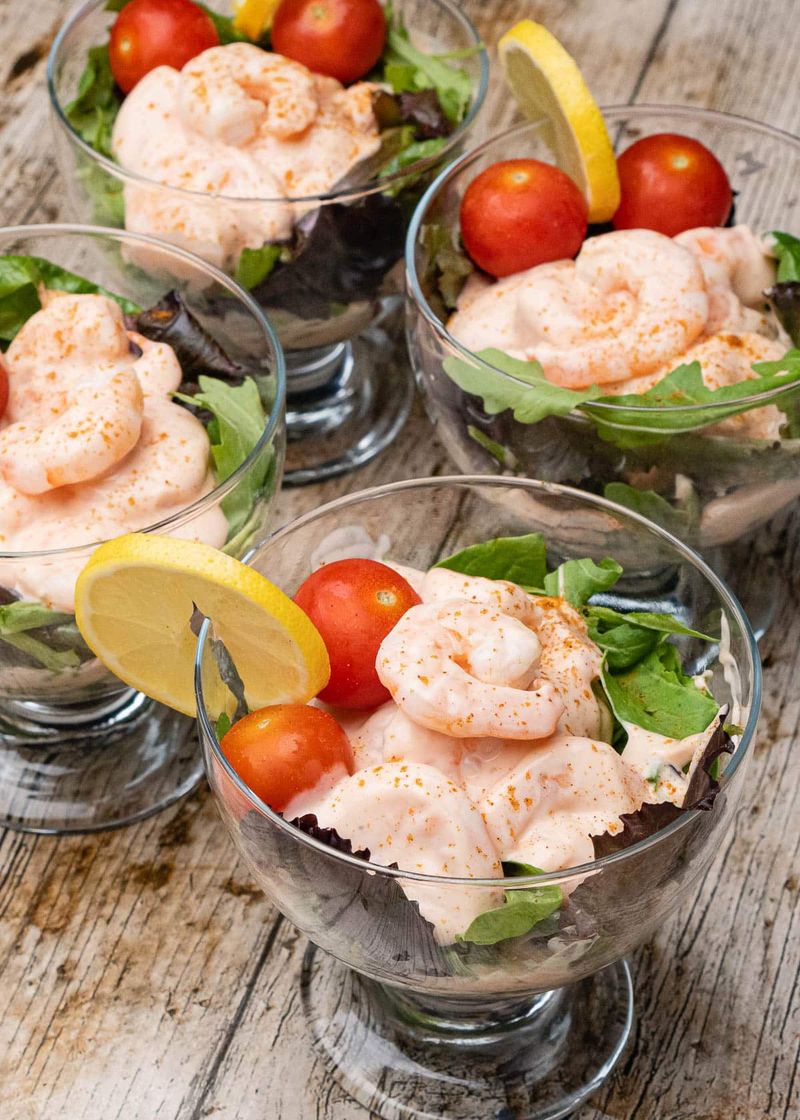
Nothing said fancy dinner party quite like a prawn cocktail. Small prawns sat on shredded lettuce, smothered in pink Marie Rose sauce, and served in a glass.
The sauce was simple: mayonnaise mixed with tomato ketchup and a dash of lemon. Easy, yet it seemed very posh.
Restaurants placed it on menus everywhere as a starter. It even inspired a famous flavour of crisps later on.
13. Bread and Dripping
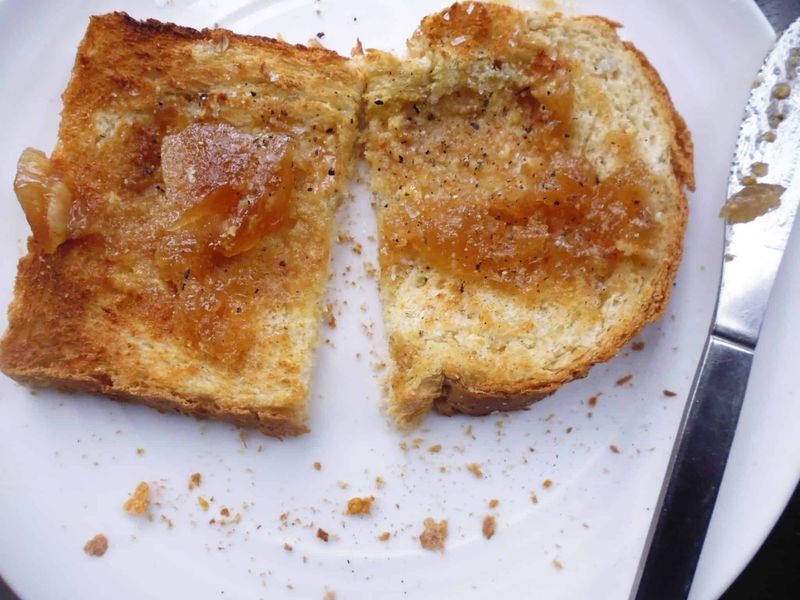
Granddad might call it the best snack ever. After the Sunday roast, the fat and meat juices were saved in a bowl and left to set.
Spread on bread with a pinch of salt, dripping made a tasty, cheap treat. The brown jelly at the bottom was the prized part.
Nothing was wasted in those days. That thrifty habit came straight from wartime families who learned to stretch every scrap.
14. Tinned Peaches and Evaporated Milk
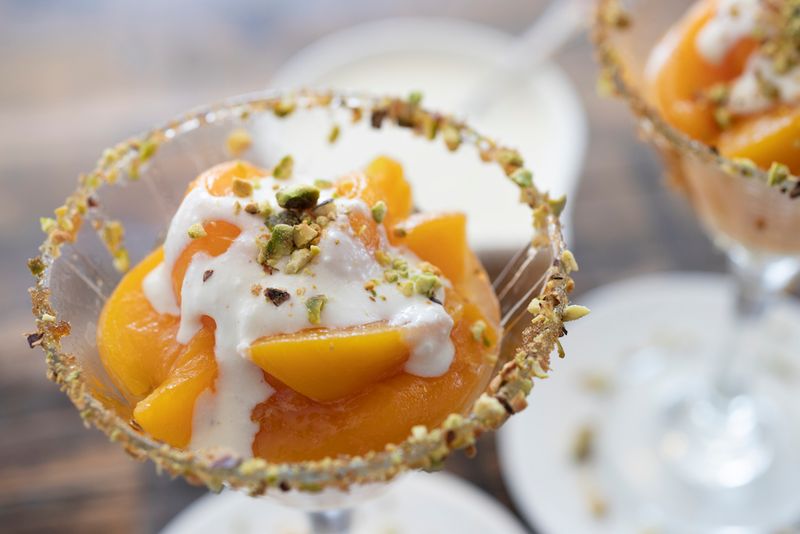
Sunday tea often finished with something sweet from a tin. Slippery peach slices or fruit cocktail got a generous pour of Carnation evaporated milk.
Fresh fruit could be pricey out of season, so tins filled the gap. They also felt like a special little luxury.
Kids hunted for the single cherry in the fruit cocktail, sometimes arguing over who got it. Many grown-ups still remember those battles.
15. Cornish Pasties
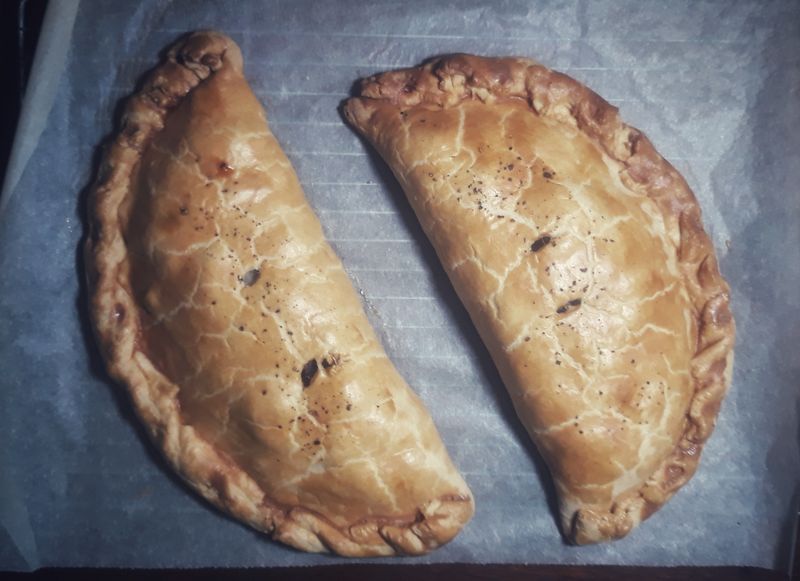
Born in Cornish tin mines, the pasty was built for hungry workers. Its thick crimped edge acted as a handle for dirty hands.
Inside you would find beef, potato, swede, and onion, all baked together in sturdy pastry. It travelled well in pockets and lunchboxes.
By the 1960s, bakeries across Britain sold them. Holiday trips to Cornwall usually included at least one fresh, steaming pasty by the sea.
16. Full English Breakfast
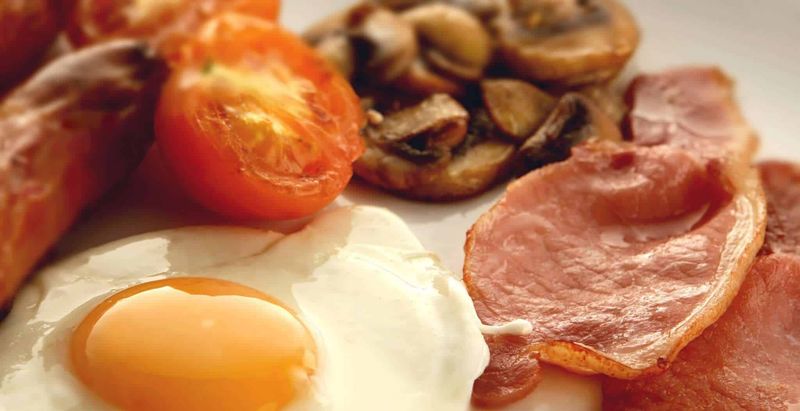
Bacon sizzling, eggs frying, and toast popping: the full English was a weekend wake-up call. Sausages, tomatoes, mushrooms, and fried bread filled the plate.
Workers at greasy spoon cafes ate it before long shifts. At home, it was more often a Saturday or Sunday treat.
Try this tip from old cafe cooks: fry the bread in leftover bacon fat. It gives an extra crispy, savoury crunch.
17. Jelly and Ice Cream
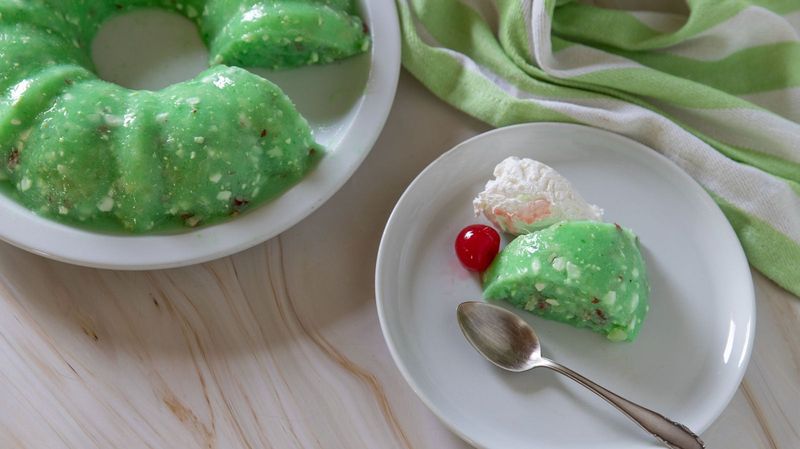
No children’s party was complete without a wobbly jelly. Made from cubes melted in hot water, it set in the fridge overnight, or the larder if you had no fridge.
A scoop of vanilla ice cream sat proudly beside it. Kids loved watching the jelly shake on their spoons.
Fancy versions were set in rabbit-shaped moulds. Those bunny jellies became the star of many birthday tables.
18. Liver and Onions
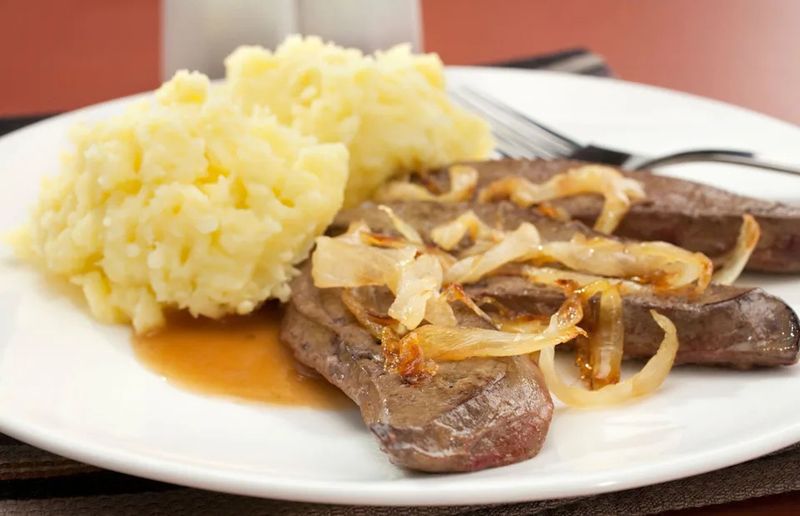
Love it or loathe it, liver and onions showed up regularly on 1960s dinner tables. Offal was cheap, and parents praised it as healthy and full of iron.
Soft fried onions and thick gravy helped it go down. Mashed potatoes usually came alongside.
Plenty of kids pushed it around their plates hoping to escape. Today, some restaurants have brought it back, and it tastes surprisingly good when cooked well.
19. Arctic Roll
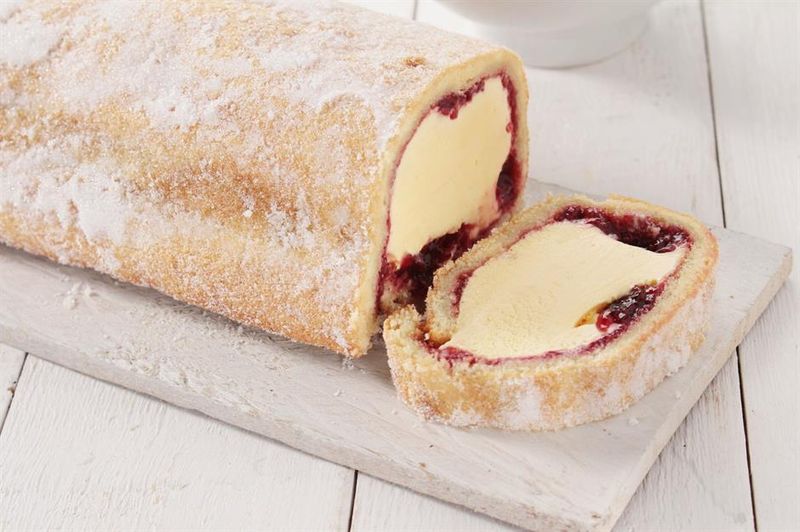
Sponge cake wrapped around ice cream sounded like science fiction in 1958, yet Arctic roll soon filled freezers by the sixties. A thin raspberry jam layer added colour.
Families cut neat slices for Sunday pudding. It felt modern and exciting.
Freezers were still new in many homes, so frozen desserts were a sign of keeping up with the times. A slice cost little but felt fancy.
20. Fish Fingers
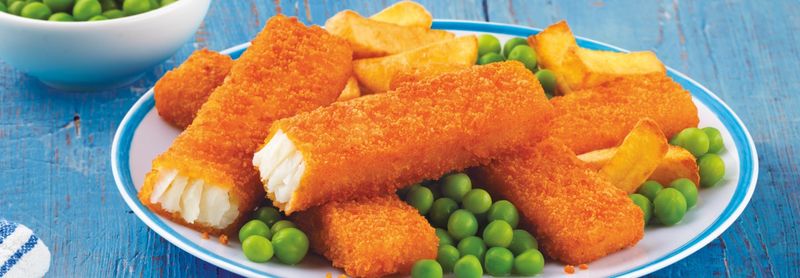
Launched by Birds Eye in 1955, fish fingers became a teatime hero in the sixties. Crunchy breadcrumbs, flaky white fish, and no bones to worry about.
Mums loved how quickly they cooked from frozen. Kids loved them even more with ketchup and peas.
Quirky fact: early tests used herring, but cod won the taste trial. The rest is delicious history, still served in homes everywhere.
21. A Proper Pot of Tea
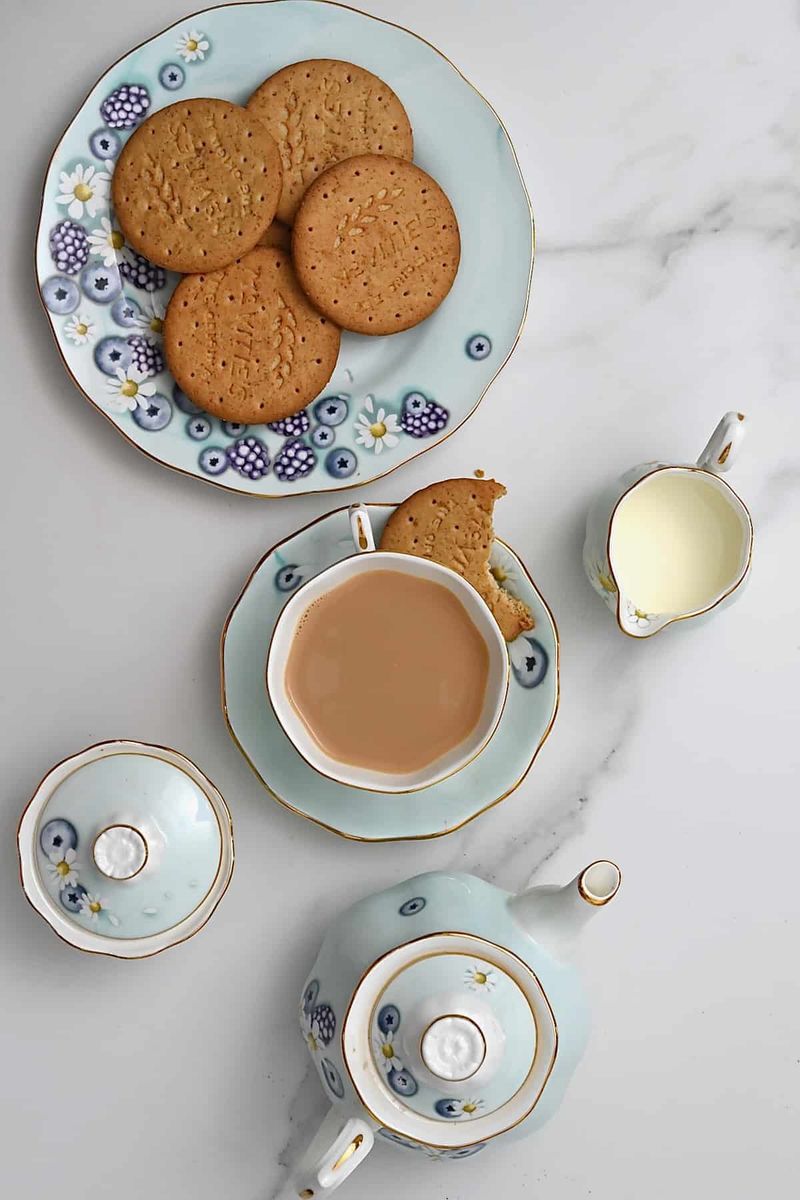
Whatever happened, good news or bad, someone put the kettle on. Tea flowed all day long in 1960s Britain, brewed in a pot under a knitted cosy.
Loose leaves were common, though tea bags were slowly arriving. Milk and two sugars was a popular order.
A plain biscuit for dunking made it perfect. Digestives and rich tea were favourites, as long as they did not crumble into the cup.