
Talking fish and flying houses may seem far from real life, but Pixar often hides real facts inside its wildest stories. Small details about animals, racing, food, and family traditions help these worlds feel believable.
Some scenes need a little movie magic, while others are surprisingly close to reality. Knowing the difference makes your next movie night even more interesting.
1. Up Gives Balloon Flight a Real Scientific Lift

A flying house sounds like pure nonsense, yet helium really can lift heavy objects when enough gas is involved. In Up, the science starts with buoyancy: helium weighs less than the air it pushes aside.
The movie greatly understates the balloon count needed for an ordinary house. Still, a National Geographic team flew a specially built lightweight house using 300 large weather balloons, proving that the basic idea has roots in real physics after all.
2. Dug Follows His Nose Like a Retriever

Forget the talking collar for a moment: Dug already owns an impressive natural tool. Dogs have far more scent receptors than people, helping them follow smells that our noses would completely miss.
Golden retrievers were developed to retrieve game birds, so Dug’s interest in tracking Kevin fits his breed’s working background. His success is exaggerated for comedy, but the underlying skill is genuine.
Watch a dog sniff outdoors, and you can see that talent firsthand.
3. Nemo’s Anemone Home Offers Real Protection
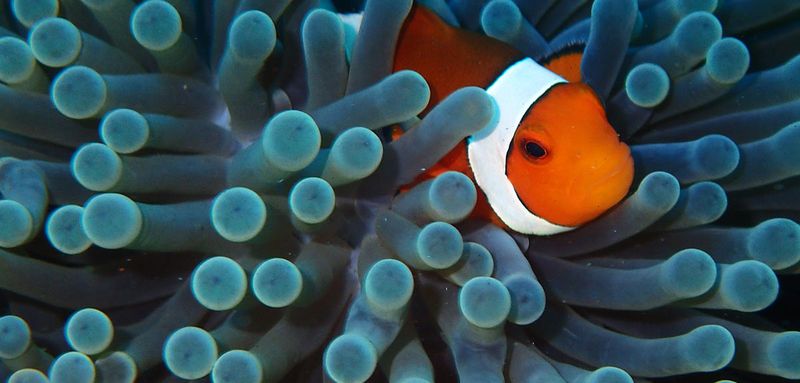
Those waving tentacles are more than pretty underwater curtains. Sea anemones carry stinging cells that catch prey and discourage many animals from getting too close.
Clownfish can live among them thanks partly to their protective mucus coating, making Nemo’s home a sensible hiding place. The partnership benefits both sides: fish gain shelter, while anemones can receive nutrients and protection from certain predators.
Finding Nemo turns a real relationship into a home viewers can instantly understand onscreen.
4. Crush Rides Australia’s Actual Ocean Highway
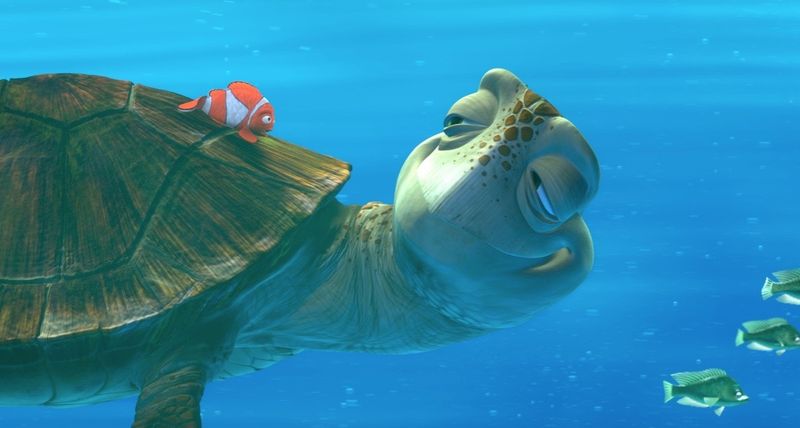
Crush’s ocean highway has a real name on actual maps. The East Australian Current carries warm tropical water south along Australia’s eastern coast, moving heat and helping shape marine habitats.
Sea turtles and other animals can use currents during their journeys, although the film turns the flow into a very tidy thrill ride. Real currents shift, swirl, and form eddies.
Think of the scene as a lively introduction to ocean movement, not a navigation guide.
5. A Glowing Lure Makes the Anglerfish Encounter Believable
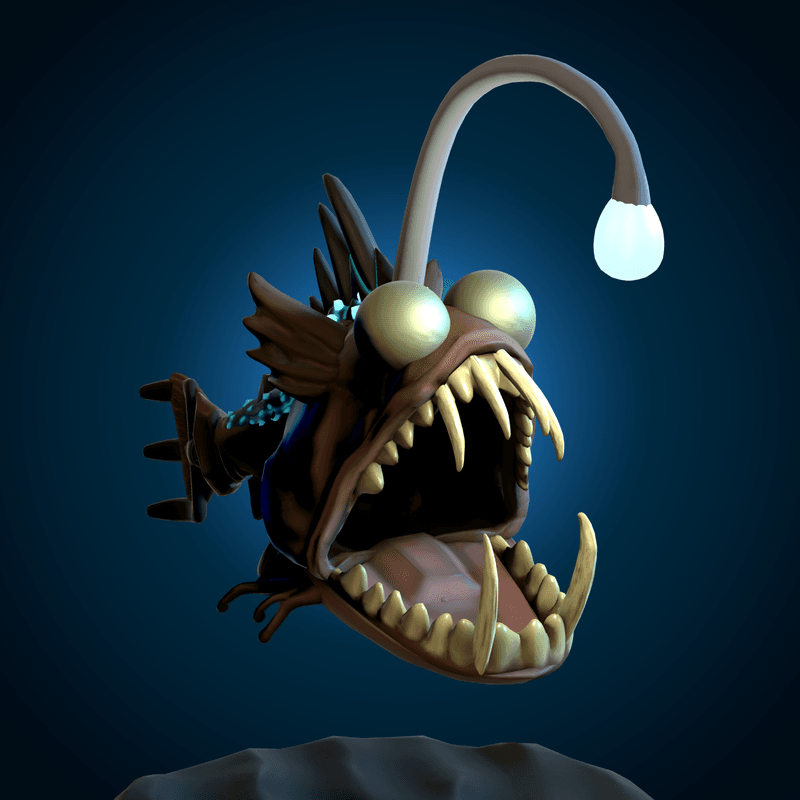
A tiny light in total darkness can be hard to resist. Finding Nemo uses that temptation when Marlin and Dory approach a deep-sea anglerfish’s glowing lure.
In many deep-sea anglerfish species, females carry a specialized structure that houses light-producing bacteria. Its glow helps attract prey within striking distance, where a large mouth finishes the job.
The chase is movie drama, but the hunting trick is real, showing how animals find food where sunlight never reaches.
6. Gill’s Species Really Is Difficult to Keep
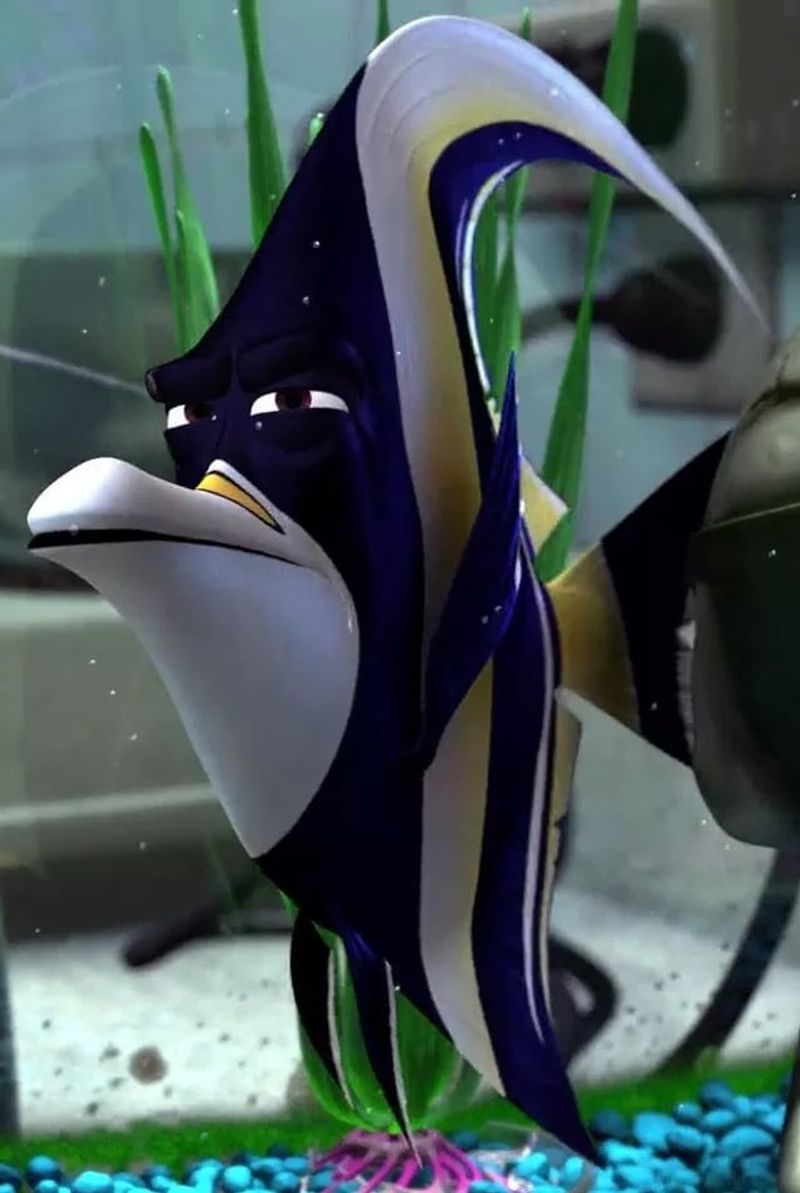
Gill’s frustration feels especially fitting once you learn what kind of fish he is. Moorish idols are notoriously challenging aquarium residents because their feeding habits and care needs are difficult to meet.
That does not mean the species naturally plans daring escapes like Gill. Rather, Finding Nemo gives a demanding reef fish a story about confinement that makes biological sense.
For viewers considering an aquarium, his character offers a reminder to research species before buying.
7. Hopper’s Antennae Work as Scent Detectors
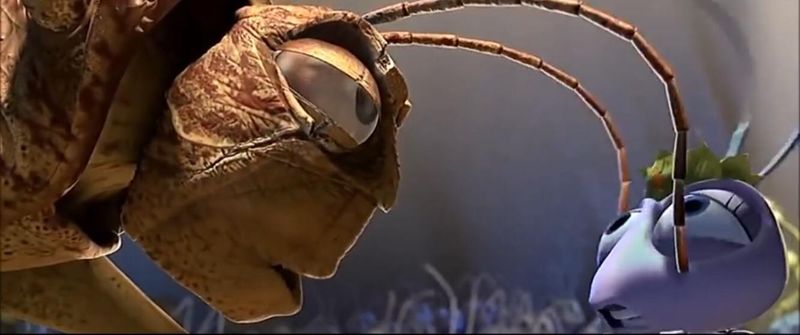
No nose is needed for Hopper to investigate his surroundings. Like other insects, grasshoppers use sensory structures on their antennae to detect chemicals in the air.
That makes his antenna movements in A Bug’s Life more than a villain’s creepy gesture. Antennae help insects gather information about food, mates, and nearby conditions, although other body parts can sense chemicals too.
Next time an insect waves its antennae, imagine it sampling its surroundings rather than simply fidgeting.
8. Bug Breathing Happens Without Human Lungs
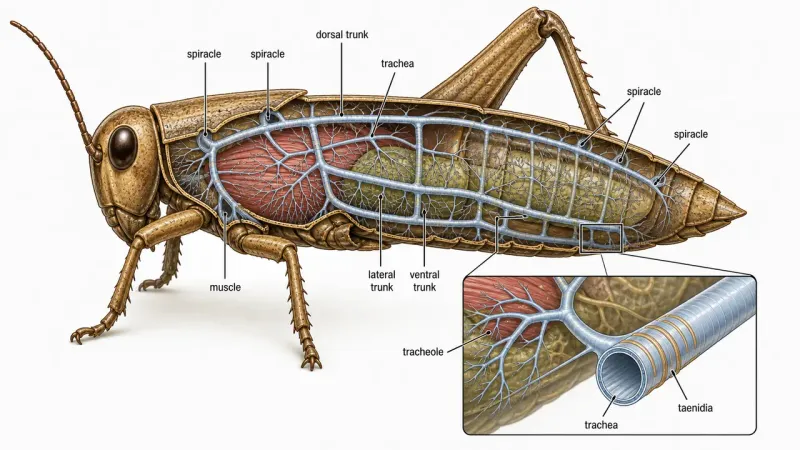
Breathing looks very different when your body is insect-sized. Instead of drawing air into lungs, insects generally use openings called spiracles connected to a branching network of tiny tubes.
Those tubes deliver oxygen through the body, making a human-style breathing nose unnecessary. A Bug’s Life gives its insects expressive, invented faces, but their lack of ordinary noses fits this basic difference.
Spiracles occur along the thorax and abdomen, not just on the abdomen as sometimes claimed.
9. Sid’s Magnifying Glass Demonstrates Focused Sunlight
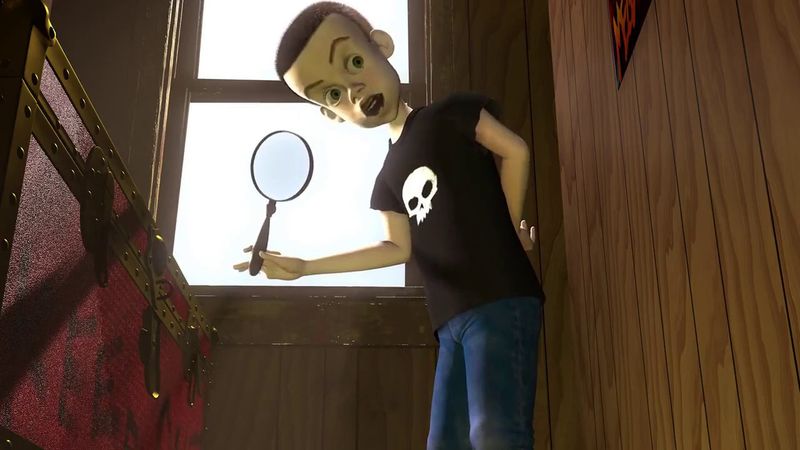
Sid’s backyard cruelty comes with a real lesson in optics. A magnifying glass bends incoming sunlight toward a small area, concentrating energy that would otherwise spread across a larger surface.
That focused light can heat material enough to scorch it or start a fire, which explains the danger to Woody. The important takeaway belongs outside movie playtime: never aim concentrated sunlight at skin, eyes, toys, or dry plants.
An innocent-looking lens can create a serious hazard.
10. Plastic Soldiers Stay True to Their Material
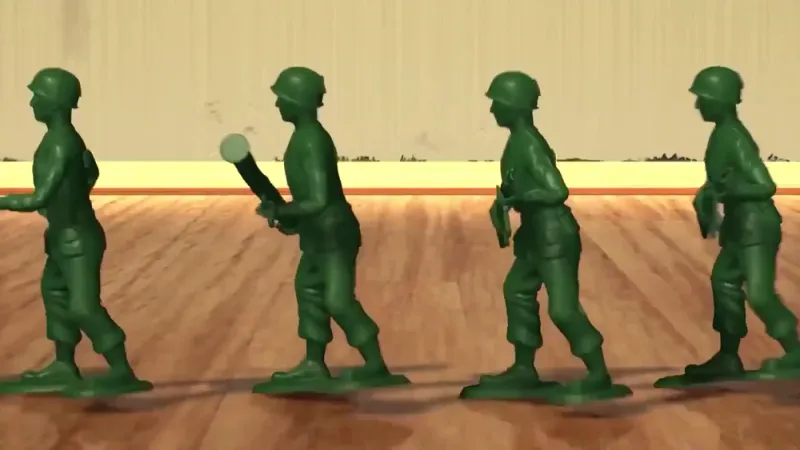
Watch the little green soldiers closely during their missions. Their feet remain attached to molded bases, so they shuffle and hop instead of suddenly walking like ordinary people.
That choice follows an animation idea often called truth to materials: movement should respect what an object is made from. Toy Story obviously gives plastic figures impossible lives, yet keeps recognizable physical limits.
Those awkward steps make the characters funnier while helping their toy-sized world feel more convincing.
11. Racing Tires Shed Rubber in Cars
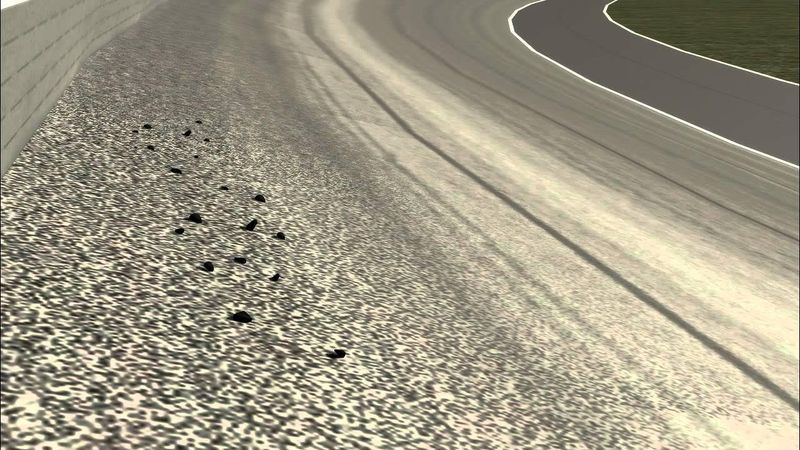
Little black scraps on a racetrack tell a story about grip. Racing tires heat up and wear as they work against the pavement, leaving rubber behind during hard driving.
Cars includes rubber debris that echoes this real racing detail. Drivers often call loose bits marbles because driving over them can reduce traction.
Spotting those scraps adds another layer to the race scenes: speed depends on managing tire condition, not simply pressing the accelerator harder every lap.
12. McQueen’s Stiff Ride Matches Racing Design
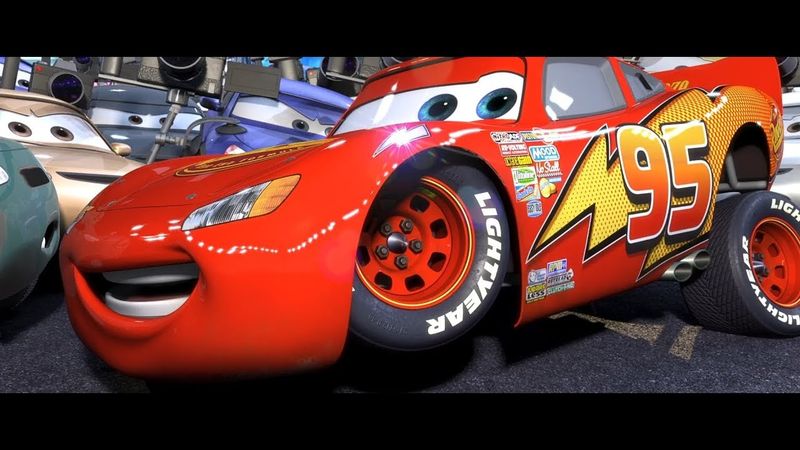
A race car can be fast and still be uncomfortable. Firm suspension helps control body movement during sharp turns, but it can also send more road vibration through the vehicle.
That tradeoff helps explain Lightning McQueen’s rough experience away from smooth pavement in Cars. Mater’s different build creates a useful contrast, though real ride quality depends on many factors beyond springs.
The joke captures a practical truth: equipment built for one job may struggle at another.
13. Lightyear Builds Its Heartbreak Around Time Dilation
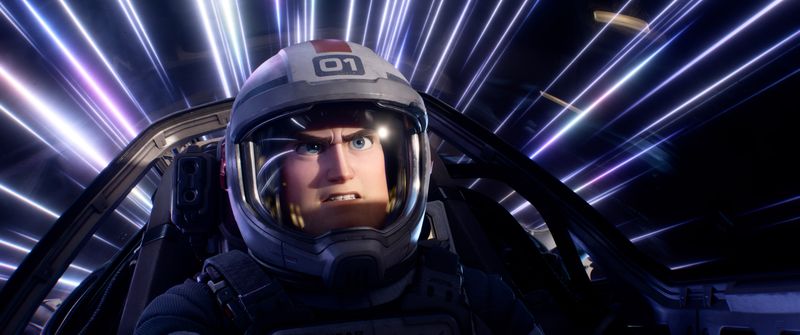
Coming home late takes on a painful meaning for Buzz. In Lightyear, his space journeys last a short time for him while much more time passes for people elsewhere.
Einstein’s special relativity predicts this difference when travelers move at speeds close to light speed. Experiments with precise clocks have confirmed time dilation, although the movie’s mission details are fictional.
The emotional result makes a strange concept easier to grasp: time does not pass identically for everyone.
14. Brave Finds Real Character in Scotland’s Landscape
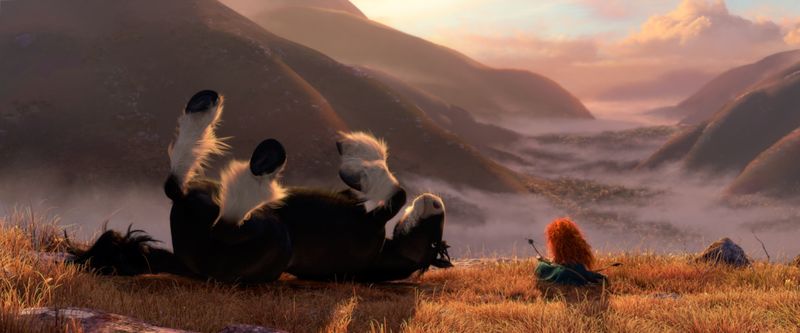
Mist, rocky slopes, and dark woodland give Merida’s adventure a strong sense of place. Brave draws on Scotland’s landscapes, including scenery associated with the Highlands and trees such as Scots pine and birch.
The filmmakers visited Scotland to study its terrain and atmosphere. Although the story mixes fantasy with different historical influences, its outdoor world reflects recognizable places.
Notice how rocks, weather, and plants establish the setting before anyone needs to explain where the adventure happens.
15. Ancient Stone Circles Belong in Merida’s World

Long before medieval castles, people in Scotland were raising massive stones. Brave’s mysterious circle echoes real prehistoric monuments that remained part of the landscape for later generations.
Sites such as the Calanais Standing Stones show how ancient structures could still shape a medieval person’s surroundings. Their exact purposes remain debated, so magical gateways belong to the film, not established history.
The accurate detail is their presence: Merida’s world includes monuments far older than her own imagined lifetime.
16. Ratatouille Understands the Rhythm of Restaurant Work
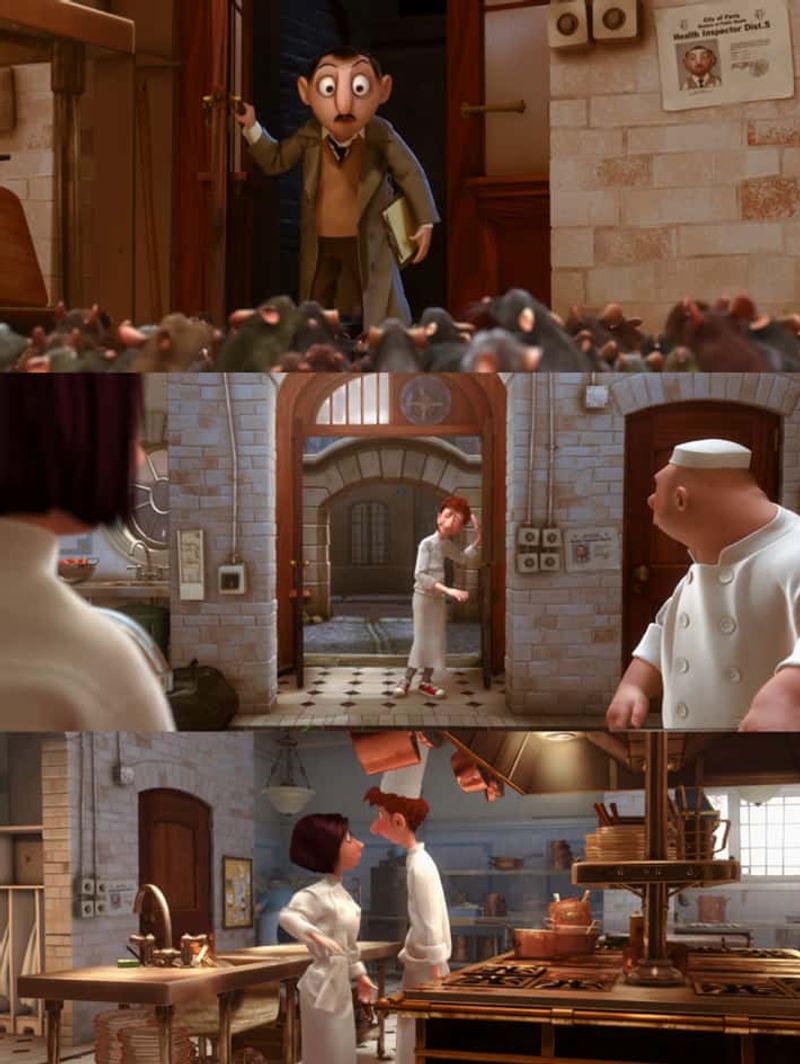
Behind a beautiful dinner sits a workplace full of pressure. Ratatouille captures the speed, hierarchy, crowded stations, and teamwork that help a professional kitchen survive a busy service.
Small touches, including marks on cooks’ forearms, reflect the physical demands of working around hot equipment. Chef Thomas Keller advised the production, helping ground its cooking scenes.
A rat chef remains impossible, but the surrounding workplace feels observed rather than invented, especially when several jobs must happen at once.
17. Remy’s Signature Dish Has a Real Culinary Name
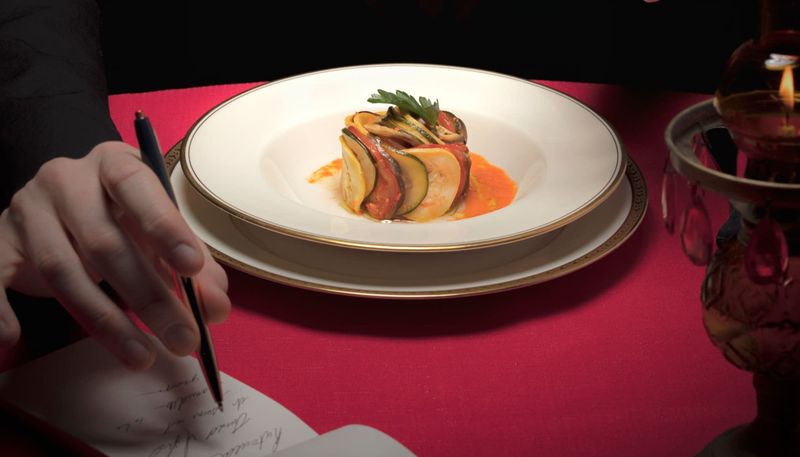
That colorful spiral on Anton Ego’s plate is not ordinary vegetable stew. Remy’s elegant dish is based on confit byaldi, a refined relative of ratatouille featuring thinly sliced vegetables.
Chef Thomas Keller developed the version used for the movie, giving its grand food moment a real culinary foundation. The presentation looks fancy, but its appeal still rests on familiar vegetables and careful cooking.
Home cooks can borrow the idea by arranging even slices over a flavorful sauce.
18. Inside Out Gives Sadness a Useful Job
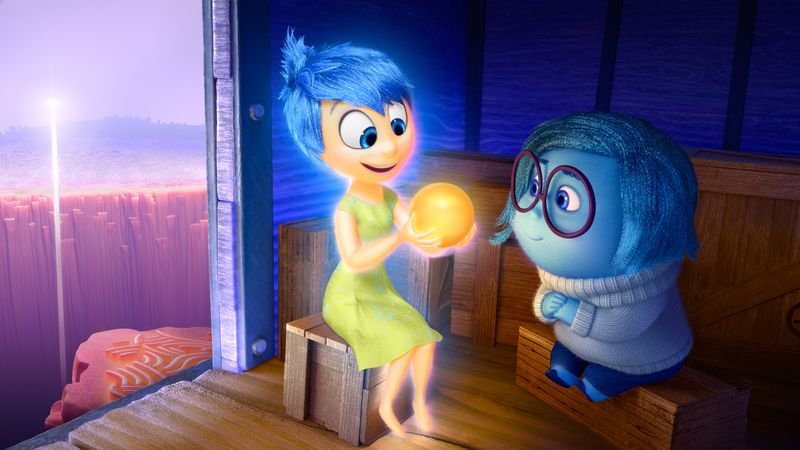
Feeling better does not always begin with acting happy. Inside Out shows sadness helping Riley signal distress and reconnect with her parents, a role that fits psychological understanding of emotions.
The filmmakers consulted emotion researchers, but the five characters are a storytelling model, not a complete scientific map. Researchers disagree about how emotions should be grouped and how universal expressions are.
Still, the film gets something valuable right: uncomfortable feelings can carry information and invite needed support.
19. Coco Treats Remembrance as a Family Tradition
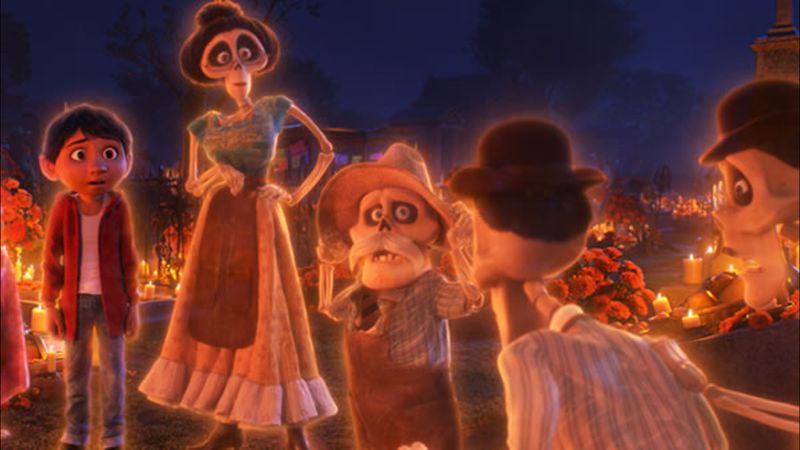
Photographs, favorite foods, and bright marigolds turn memory into something families can share. Coco’s ofrendas reflect real Día de los Muertos practices that honor loved ones who have died.
Candles and papel picado also belong to these celebrations, though customs differ across Mexico and between families. The film’s afterlife rules are fantasy rather than a universal belief system.
Its strongest cultural truth is simpler: remembering someone can involve stories, meals, care, and time spent together across generations.
20. Miguel’s Music Reflects Mexican Traditions
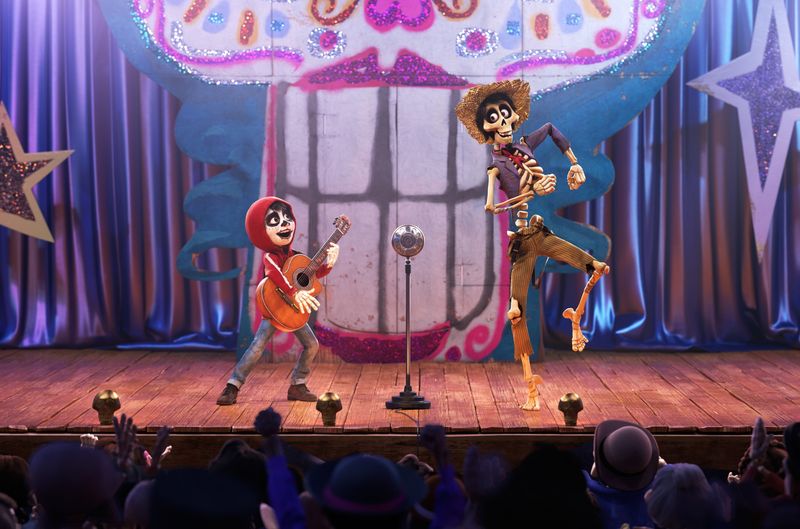
A guitar can carry more than a catchy tune. Coco uses musical styles associated with Mexico, including mariachi, to connect Miguel’s ambitions with family history and public celebration.
Mexican musical traditions are varied, and the soundtrack does not represent every region or style. Still, its instruments, performance settings, and Spanish expressions help build a specific cultural world.
Listening for trumpets, violins, and guitar textures offers a way to notice how music shapes the story beyond its lyrics.