
The internet is packed with food hacks that promise to save you time, money, and effort in the kitchen. But honestly, a lot of them are more trouble than they are worth.
Some are just plain silly, while others could actually make your cooking worse. Here are 21 food hacks you should probably stop using right now.
1. Using a String to Cut Cake Layers
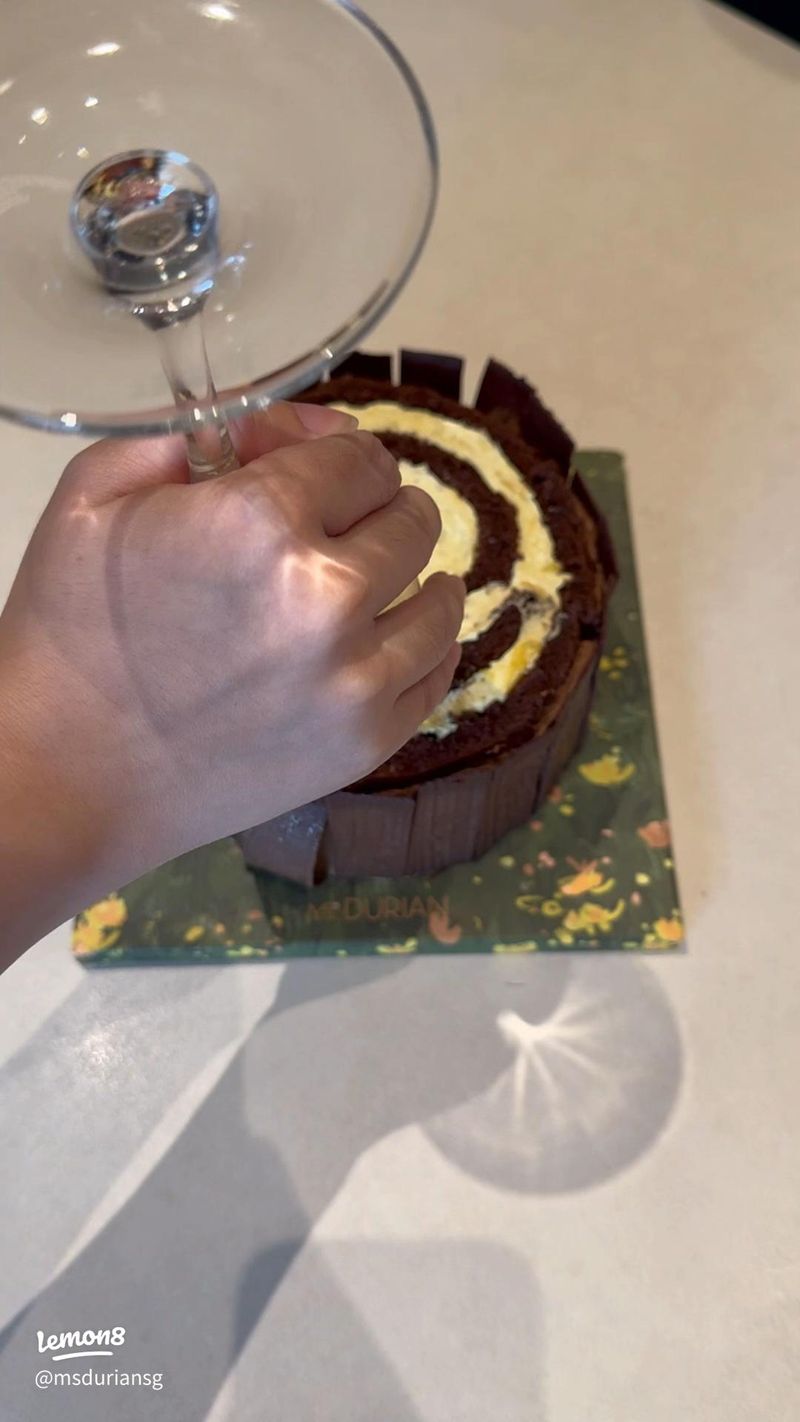
Somewhere along the way, someone decided that a cake knife was overrated and that a piece of string was the real hero of the kitchen. The idea sounds clever until you actually try it and end up with a lopsided, crumbly disaster.
A sharp serrated knife does the job faster, cleaner, and with way less frustration. Save the string for tying packages.
2. Peeling Garlic by Shaking It in Two Bowls
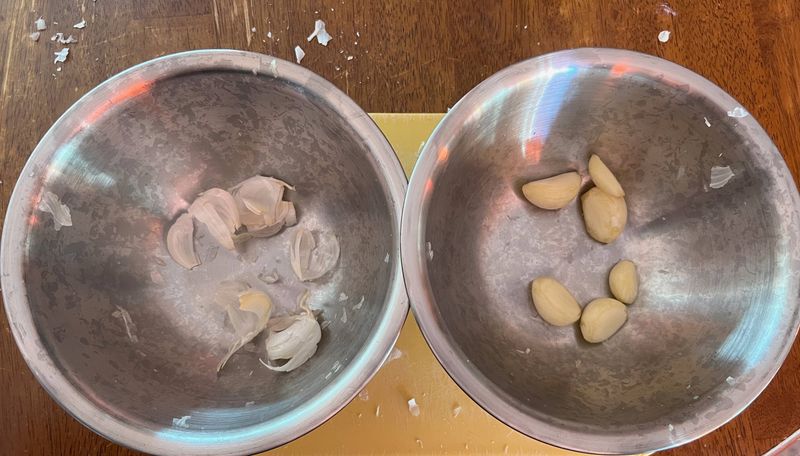
This hack went viral years ago, and people still swear by it. You place garlic cloves between two bowls, shake like your life depends on it, and supposedly the peels fly right off.
Sounds amazing, right?
In reality, you end up with half-peeled cloves, bruised garlic, and a loud racket that annoys everyone nearby. Just smash the clove with the flat side of your knife.
Done in two seconds, no drama involved.
3. Storing Avocados with the Pit to Keep Them Fresh
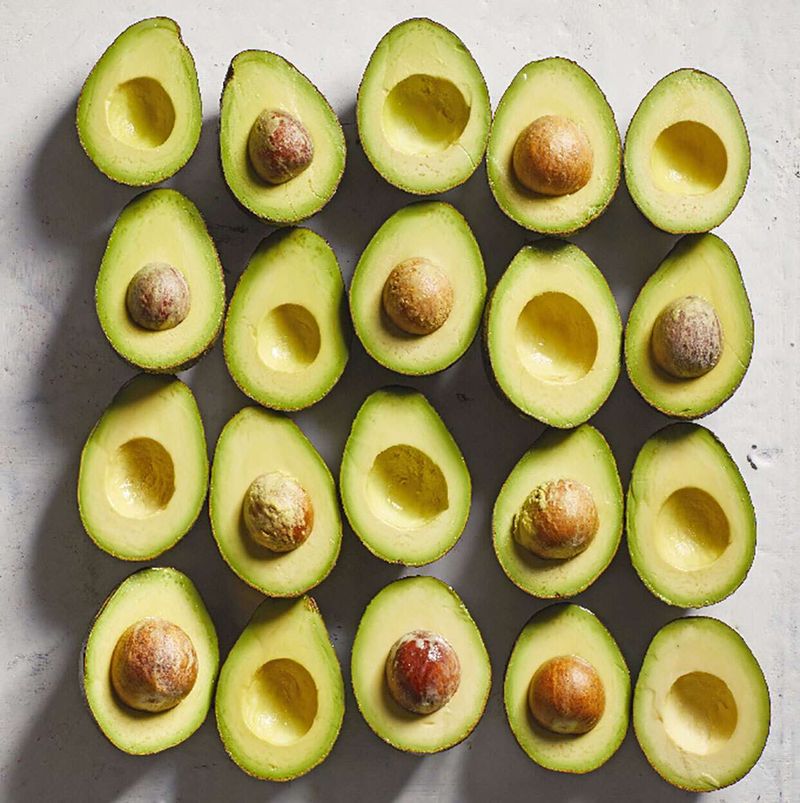
Avocado lovers everywhere have tried this one. Leave the pit in the unused half, and it will stay green longer.
It feels logical, like the pit is some kind of magical shield against oxidation.
Science says otherwise. The pit only prevents browning in the tiny area it physically covers.
The rest of the avocado browns just as fast. Press plastic wrap directly onto the flesh instead, and you will actually see a difference.
4. Adding Oil to Pasta Water to Prevent Sticking
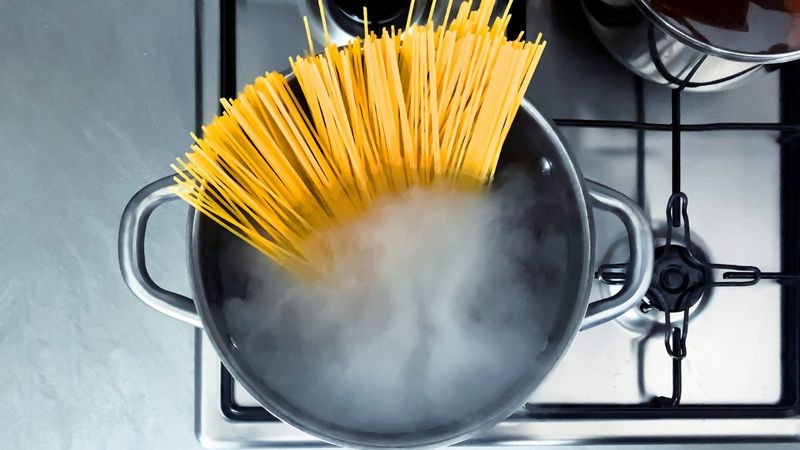
This one has been passed down through generations like some sacred kitchen wisdom. Add oil to your pasta water, and the noodles will never stick together.
Grandmothers everywhere stand by it.
Here is the problem: oil floats on water and coats your pasta after draining, which actually stops your sauce from clinging to the noodles. Stir your pasta occasionally while cooking and toss it with sauce immediately after draining.
Problem solved, no oil needed.
5. Microwaving Leftover Pizza with a Cup of Water
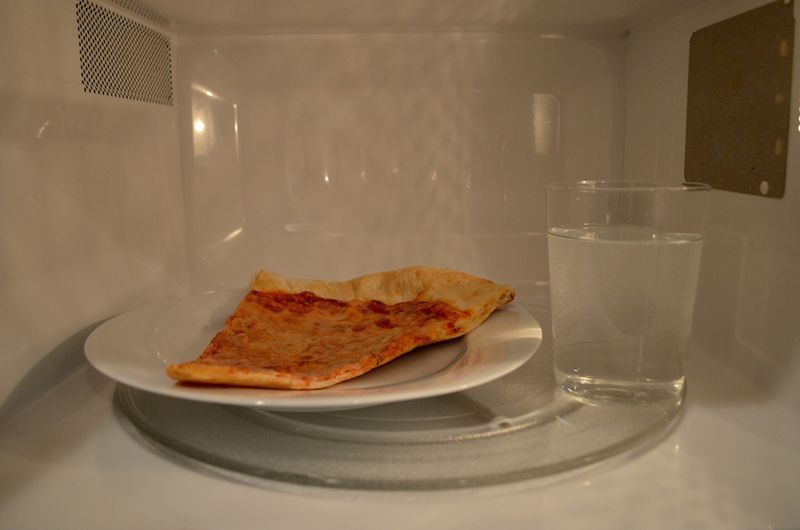
Pizza purists will tell you the oven is the only way to reheat a slice. But the microwave-with-a-cup-of-water hack promised crispy crusts without the wait.
The idea is that steam from the water keeps the crust from going rubbery.
Spoiler: it still goes rubbery. The steam actually adds moisture, which is the opposite of what you want for a crispy crust.
Reheat pizza in a skillet on the stovetop for genuinely crispy results every time.
6. Using a Wooden Spoon Across a Pot to Stop Boiling Over
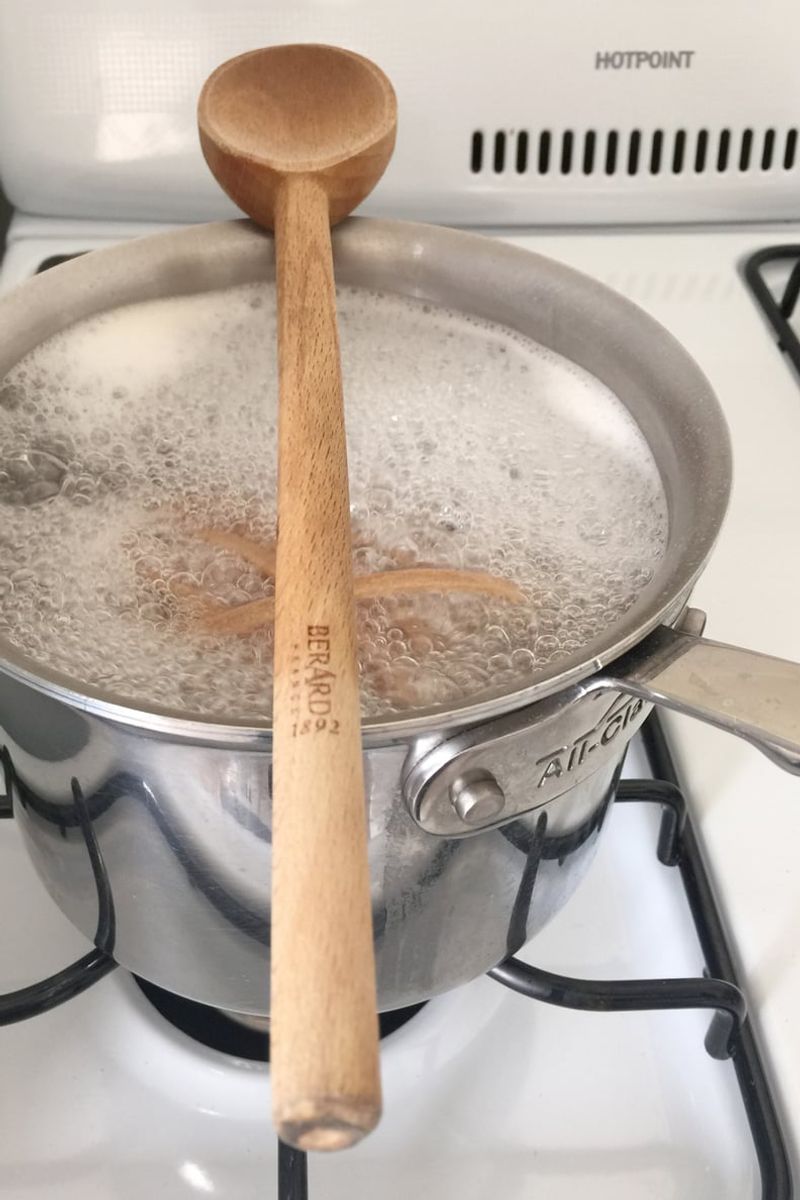
Boiling pots are unpredictable, and the wooden spoon trick promised a hands-free solution. Lay a wooden spoon across the top of the pot, and the bubbles supposedly stop before they spill over.
Seems like magic.
It works occasionally, but only for a brief moment. The spoon cools the bubbles slightly as they hit it, but a vigorous boil will overflow anyway.
Watching the pot and lowering the heat when needed is the only reliable method.
7. Freezing Grapes as Ice Cubes for Wine

Frozen grapes in wine sound like a brilliant idea at first glance. They chill your drink without watering it down, and they look fancy at parties.
Honestly, it is one of the more appealing hacks on this list.
The reality is that frozen grapes drop the temperature of your wine unevenly and can bruise or muddy the flavor as they thaw. If you want chilled wine without dilution, a stainless steel wine chiller stick works far better.
8. Putting Bread in the Fridge to Make It Last Longer
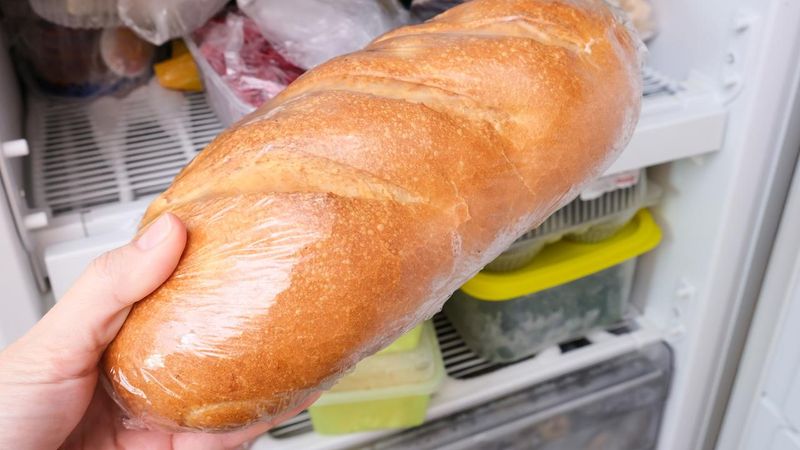
Refrigerating bread feels logical. Cold temperatures preserve food, so why not bread?
Many households have done this for years, thinking they are outsmarting mold and waste.
Cold temperatures actually speed up the staling process in bread by causing starch molecules to recrystallize faster. Your bread goes hard and dry much quicker in the fridge than it would at room temperature.
Store bread in a cool, dry place or freeze it if you need long-term storage.
9. Rubbing a Walnut on Scratched Wood Furniture

Okay, this one is not exactly a food hack in the cooking sense, but it gets shared in food and home hack roundups constantly. Rub a walnut on scratched wood furniture and watch the scratch disappear.
Satisfying to watch in videos, sure.
The walnut oil does blend slightly into the wood and can reduce the appearance of very minor scratches. But for anything deeper than a surface scuff, you need actual wood polish or a furniture marker.
Do not rely on a snack to fix your dining table.
10. Separating Egg Yolks with a Plastic Bottle
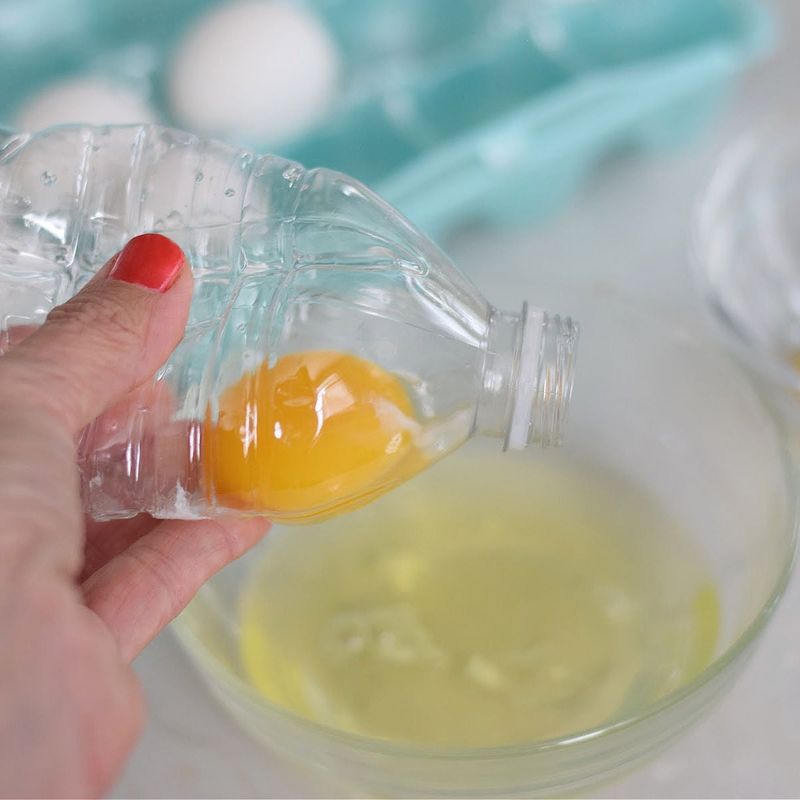
This hack looks incredibly satisfying in slow-motion videos. Crack an egg, squeeze a plastic bottle, hover it over the yolk, and release.
The yolk gets sucked right up. Viewers lose their minds every time.
In practice, the bottle often collapses awkwardly, slips, or sucks up too much egg white along with the yolk. Your hands will also get covered in raw egg in the process.
Using your clean hands or a simple slotted spoon is faster and cleaner.
11. Checking If an Egg Is Fresh by Floating It in Water
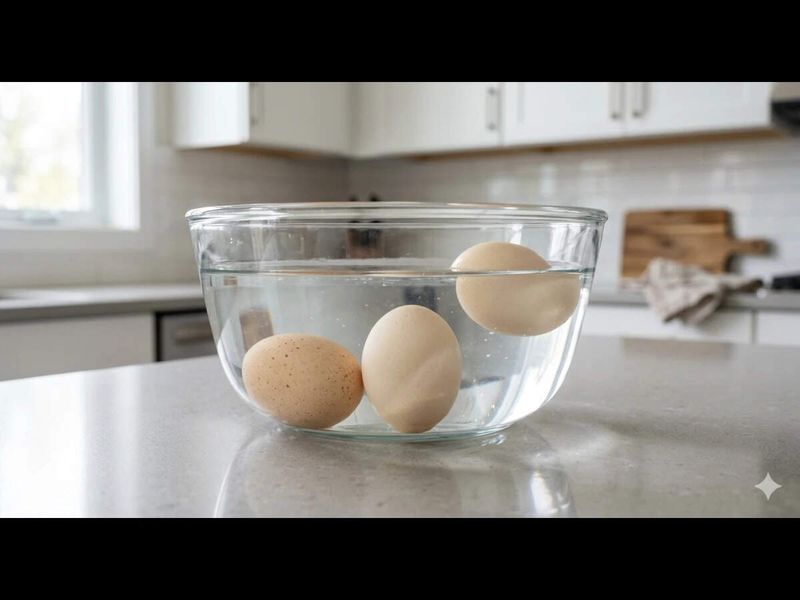
The float test for eggs has been around forever. Fresh eggs sink, old eggs float, and anything in between means it is still okay to eat.
It sounds like solid kitchen science, and many people rely on it completely.
While there is some truth to it, floating does not always mean the egg is unsafe. Eggs can float simply due to a larger air cell from being stored in a dry environment.
Always crack the egg and smell it before deciding to toss it.
12. Using a Banana Peel to Ripen Avocados Faster
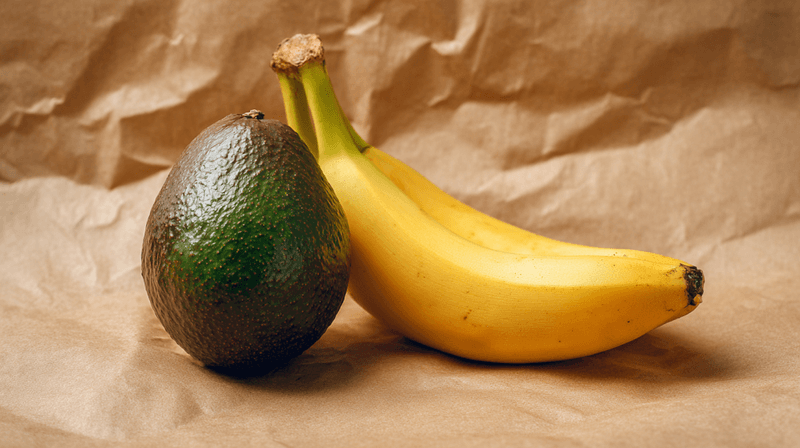
Ripening hacks for avocados are everywhere because nobody has time to wait four days for guacamole. The banana peel trick involves placing a peel next to your avocado in a bag to speed things up with ethylene gas.
A whole ripe banana works better than just the peel for releasing ethylene gas, and even then the difference in ripening time is minimal. Placing your avocado in a warm spot at room temperature is honestly just as effective and requires zero extra effort.
13. Baking Bacon in the Oven on a Bed of Water
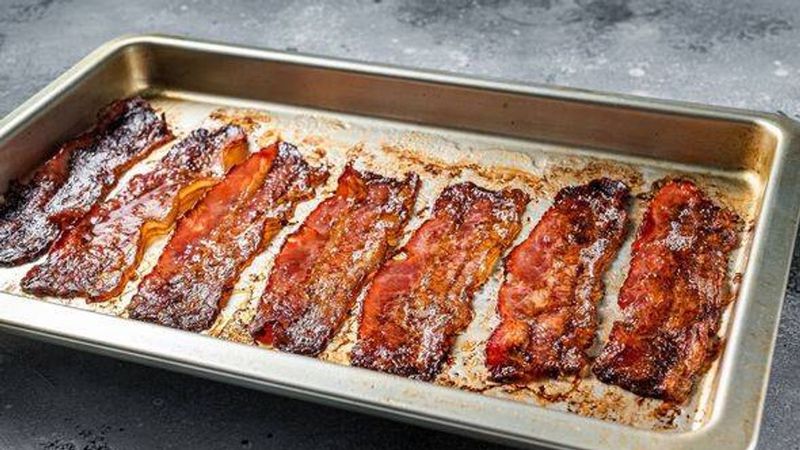
Someone once decided that adding water to the pan while baking bacon would make it flatter and less greasy. The water supposedly controls the temperature and renders the fat more evenly.
It sounds like it belongs in a professional kitchen.
What actually happens is that the bacon steams instead of crisping, leaving you with pale, chewy strips instead of the golden, crunchy bacon everyone actually wants. Skip the water entirely and bake your bacon on a wire rack for perfect results.
14. Cooling Hot Food Faster by Blowing on It
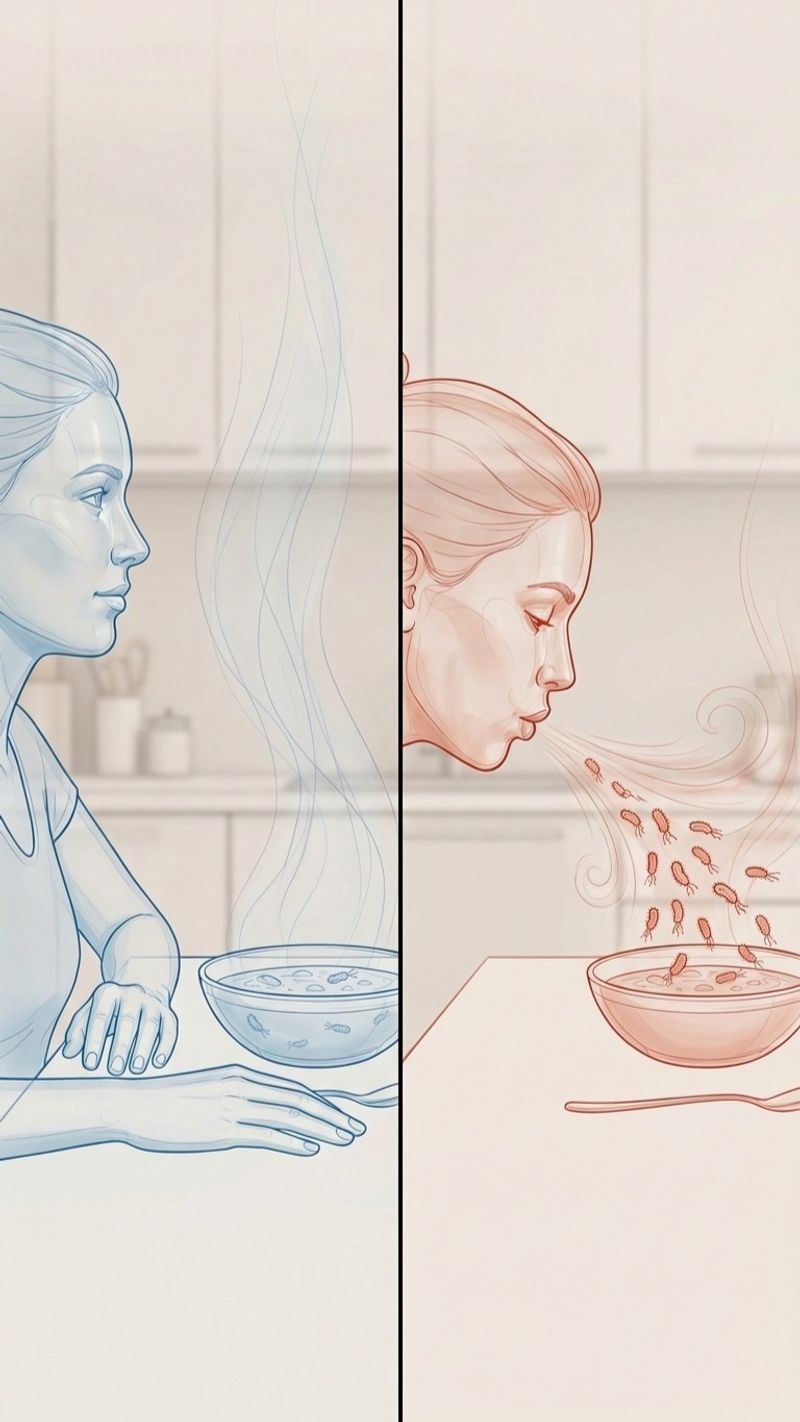
Blowing on hot food is something everyone does without thinking, but it became a recommended hack in some circles as if it were some secret technique. The logic is simple: moving air speeds up cooling.
Fair enough.
The problem is that blowing on food is wildly inefficient for anything beyond the very surface layer. You are also introducing bacteria from your mouth into your meal.
Stirring hot food or spreading it on a wide plate cools it far more effectively and hygienically.
15. Softening Butter Quickly by Microwaving It
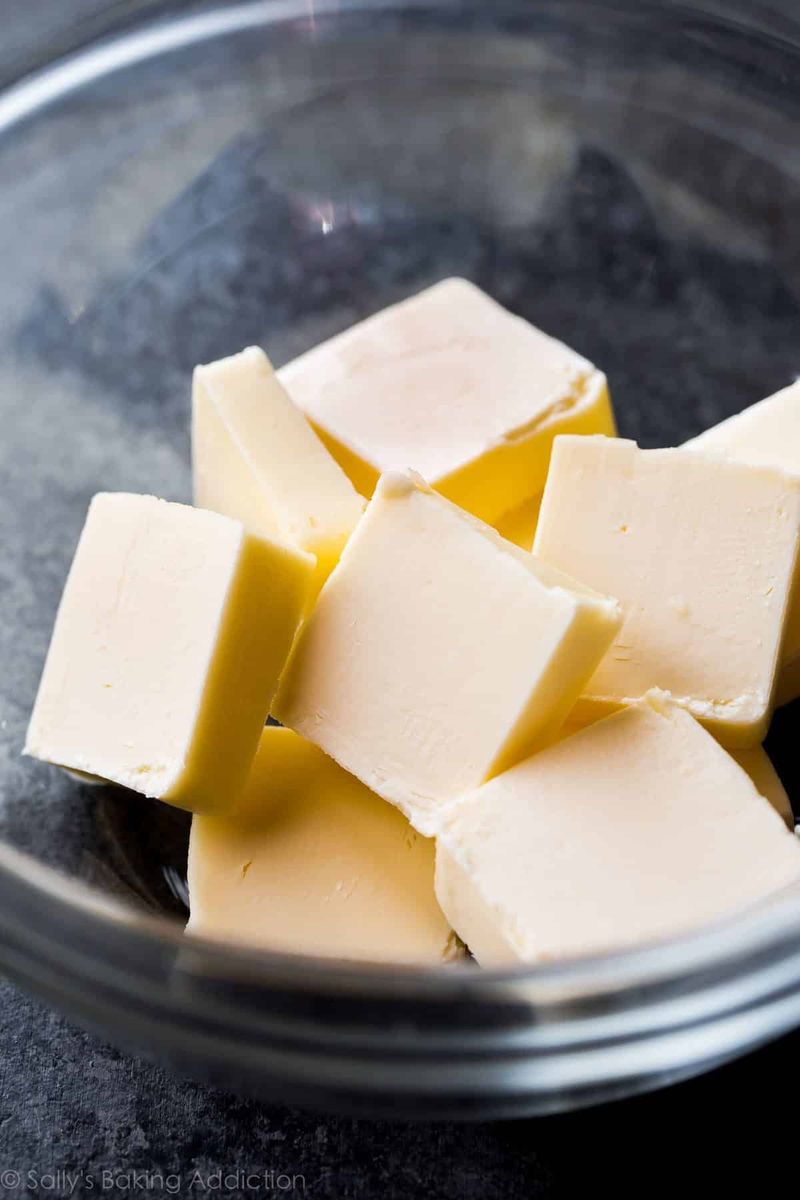
Baking calls for softened butter, not melted butter. Those are two very different things, and the microwave has a nasty habit of crossing that line in about three seconds flat.
Microwaving butter to soften it almost always results in uneven heating, with some parts fully melted and others still cold. This ruins the texture of cookies and cakes.
Grate cold butter on a box grater instead, and it will soften to the right consistency within a few minutes at room temperature.
16. Adding a Pinch of Salt to Coffee to Remove Bitterness
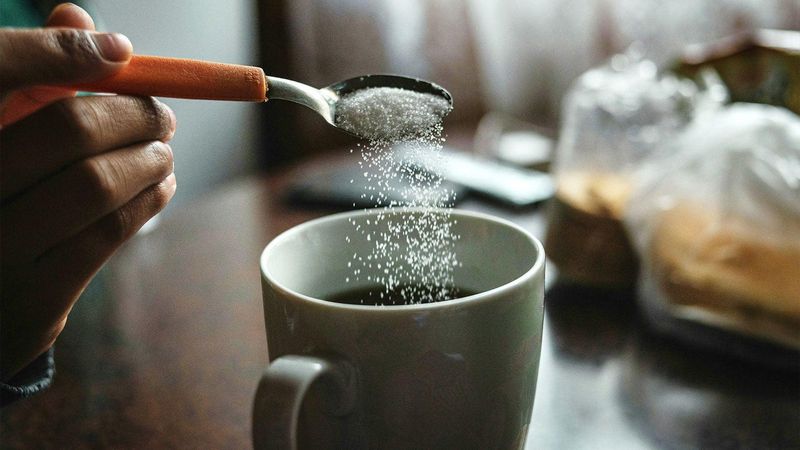
Salt in coffee has become one of those hacks that coffee enthusiasts either swear by or roll their eyes at. The claim is that a tiny pinch of salt neutralizes bitterness and makes your morning cup smoother and more enjoyable.
Salt can slightly suppress bitterness, but the effect is minimal unless you use low-quality coffee to begin with. If your coffee tastes bitter, the real fix is better beans, the right grind size, or proper brewing temperature.
Salt is a band-aid, not a solution.
17. Peeling Potatoes with a Drill and a Toilet Brush
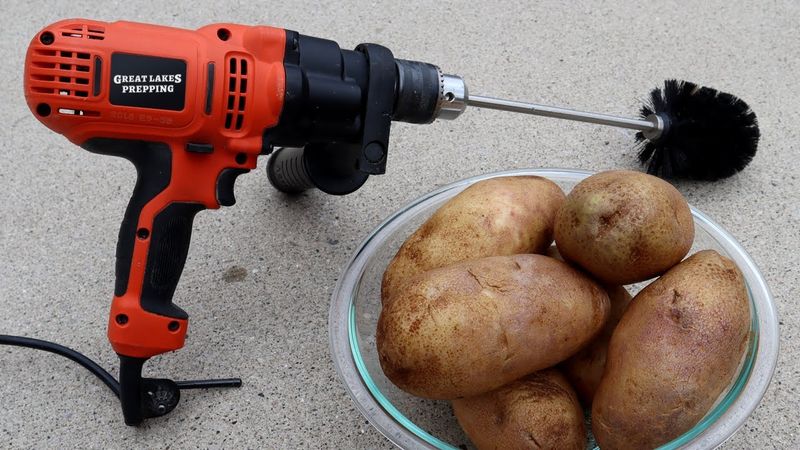
Yes, this is a real hack that exists on the internet. Someone attached a potato to a power drill and held it against a toilet brush to peel the skin off.
It went viral because it is completely unhinged and oddly satisfying to watch.
It is also dangerous, unsanitary, and leaves the potato unevenly peeled. A standard vegetable peeler takes about 30 seconds per potato and requires zero power tools or bathroom equipment.
Some hacks exist purely for clicks, and this is one of them.
18. Using Mayonnaise to Grill Cheese on Bread
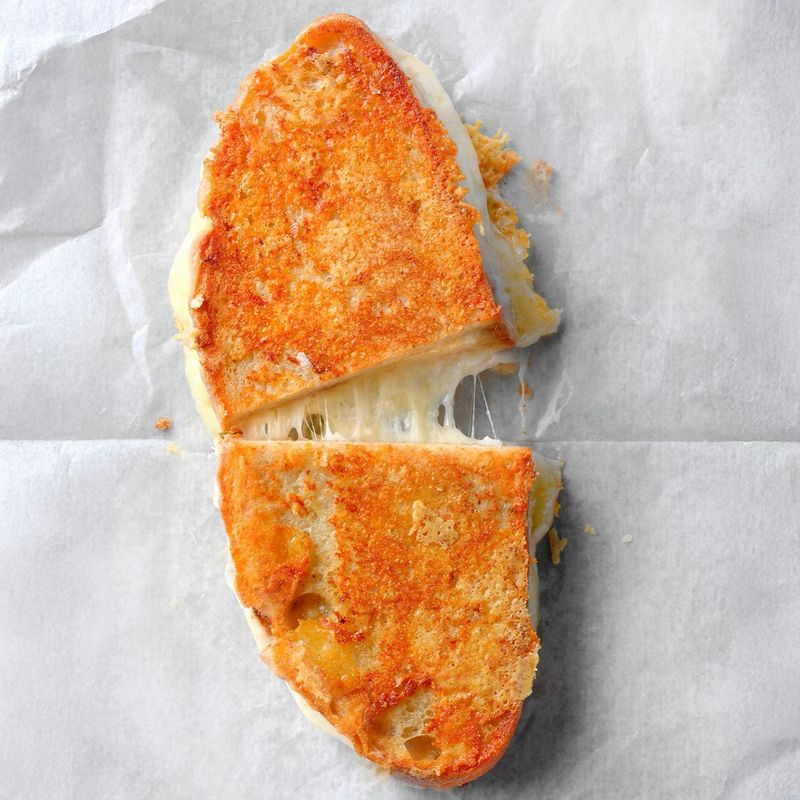
Swapping butter for mayonnaise on the outside of grilled cheese sandwiches became a trendy hack a few years back. Mayo has a higher smoke point than butter, which supposedly gives you a more evenly browned, crispier sandwich without burning.
While it does work, the flavor is noticeably different and not always in a good way. Many people find the taste slightly tangy or off-putting.
Butter, applied at the right temperature, gives you the same golden crust with a flavor that actually belongs on a grilled cheese.
19. Storing Celery in Aluminum Foil to Keep It Crispy
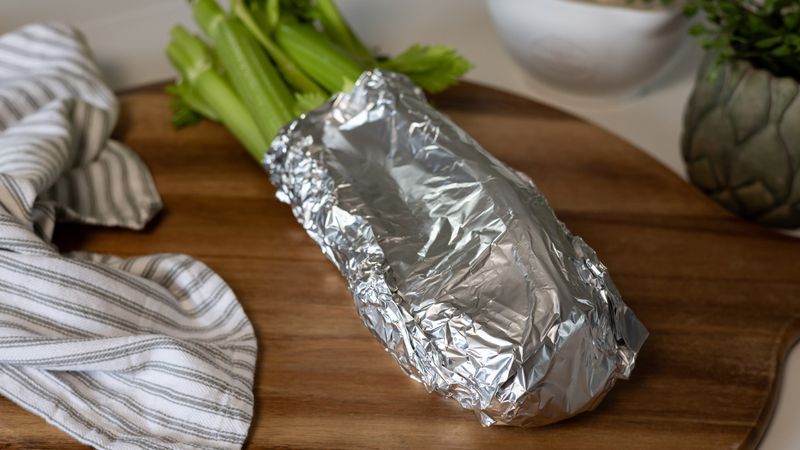
Celery goes limp fast, and nobody wants sad, floppy celery sticks. The aluminum foil hack promises to keep celery crispy for weeks by trapping the right amount of moisture and allowing ethylene gas to escape.
It sounds oddly specific and scientific.
Foil does help somewhat, but the results are inconsistent and depend heavily on how fresh the celery was when you bought it. Storing celery upright in a jar of water in the fridge keeps it crunchy far longer and is much easier to do.
20. Reheating Rice in the Microwave with an Ice Cube
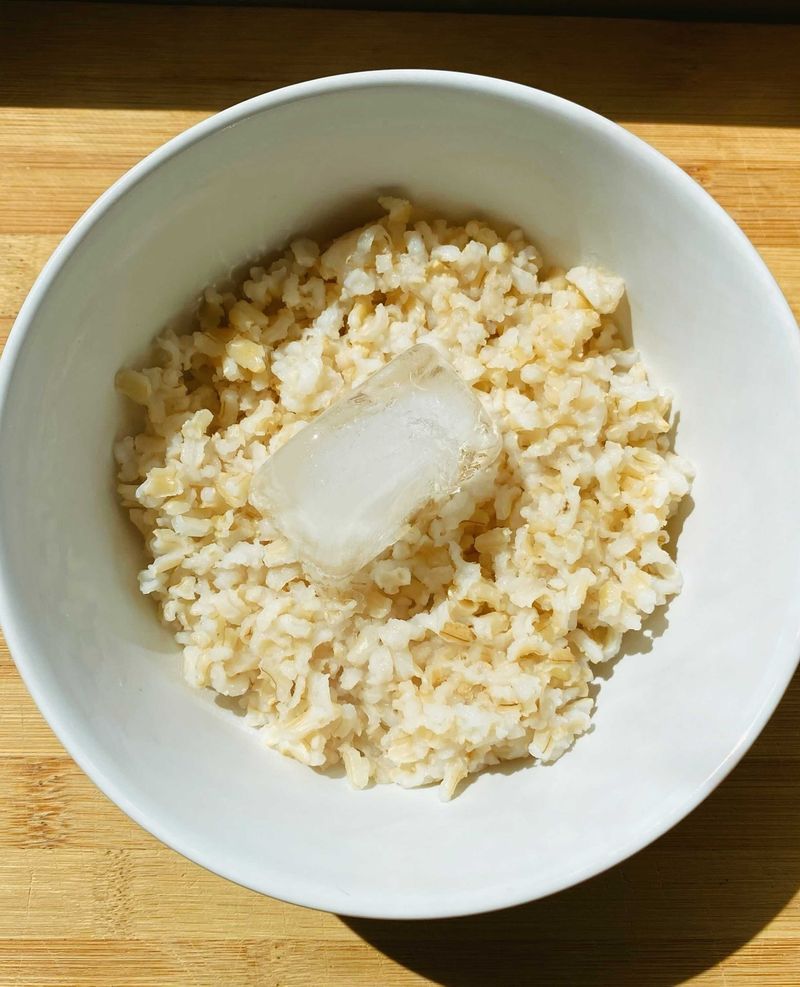
Leftover rice can go dry and clumpy, which is why the ice cube reheating hack caught people’s attention. Place an ice cube on top of your rice before microwaving, and the melting ice supposedly steams the rice back to fluffy perfection.
The concept is not terrible, but an ice cube melts unevenly and can leave some parts of your rice soggy while others stay dry. Simply sprinkling a tablespoon of water over the rice and covering it with a damp paper towel gives you much better and more consistent results.
21. Cutting Cherry Tomatoes Between Two Plates
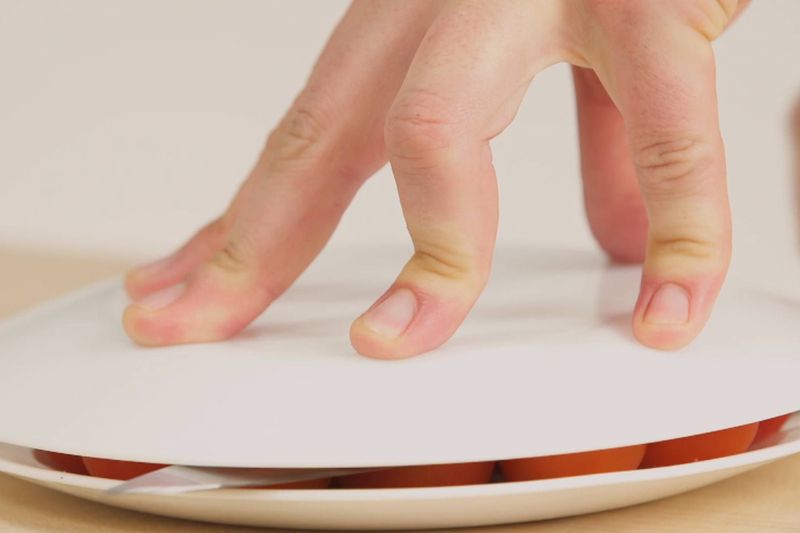
This hack is genuinely clever in theory. Place a bunch of cherry tomatoes between two plates, press down gently, and slide a knife through the gap to cut them all in one smooth motion.
Kitchen efficiency at its finest, supposedly.
The tomatoes roll around, squirt juice everywhere, and the knife rarely cuts cleanly through all of them at once. You end up chasing tomatoes across your counter.
A sharp knife and a steady hand cuts cherry tomatoes just as fast without the mess or the frustration.