
The snacks sitting in your kitchen right now might have been treasures fit for kings a few hundred years ago. Foods like pineapples, chocolate, and even salt were once so rare that only the very rich could enjoy them.
Learning their stories helps us appreciate how lucky we are to grab them at any grocery store. Get ready to look at your next meal in a whole new way.
1. Pineapple
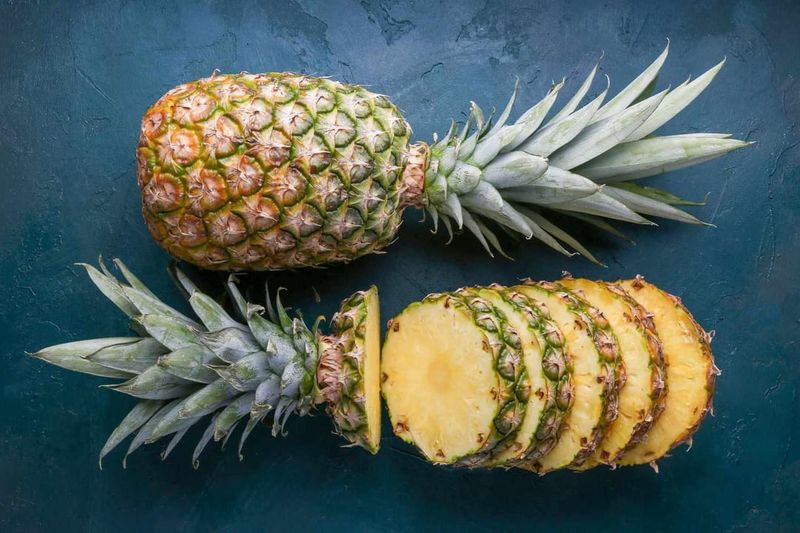
Picture renting a fruit just to show it off at a party. In 1700s England, people actually did that with pineapples.
A single one could cost thousands of dollars in today’s money.
Wealthy hosts placed them in the center of the table as a sign of status, and nobody dared eat them. Later the same fruit was rented out again.
Next time you slice one up for a snack, enjoy it like royalty.
2. Chocolate
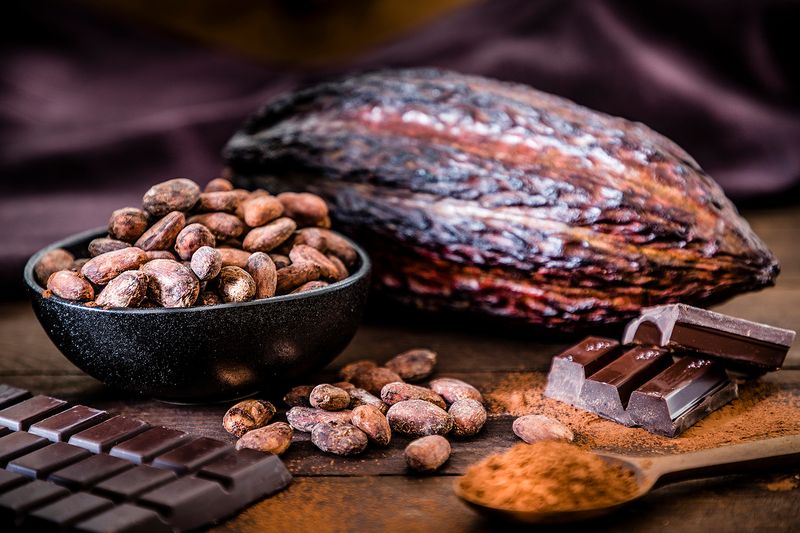
Cacao beans were once used as money. The Aztecs traded them for goods, and only nobles and warriors usually got to drink chocolate.
When it reached Europe, chocolate stayed a fancy drink for rich families for about two hundred years. Sugar and cocoa were both expensive imports.
Factories in the 1800s finally made candy bars cheap. So that bar in your backpack has a pretty royal family tree.
3. Black Pepper
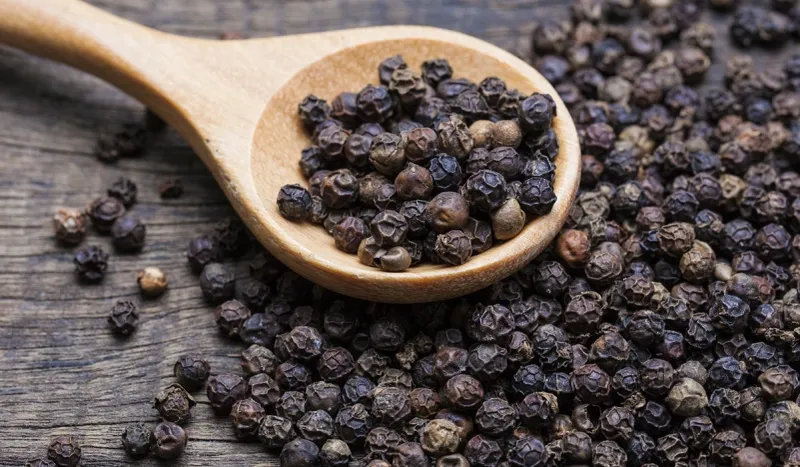
Peppercorns were sometimes called black gold. In medieval Europe, people paid rent and taxes with them, and some brides even received pepper as part of a dowry.
Traders hauled it thousands of miles from India, raising the price at every stop along the way.
Fun fact: the search for faster pepper routes helped launch famous ocean voyages. Today a whole shaker costs less than a sandwich, which would shock any medieval merchant.
4. Sugar
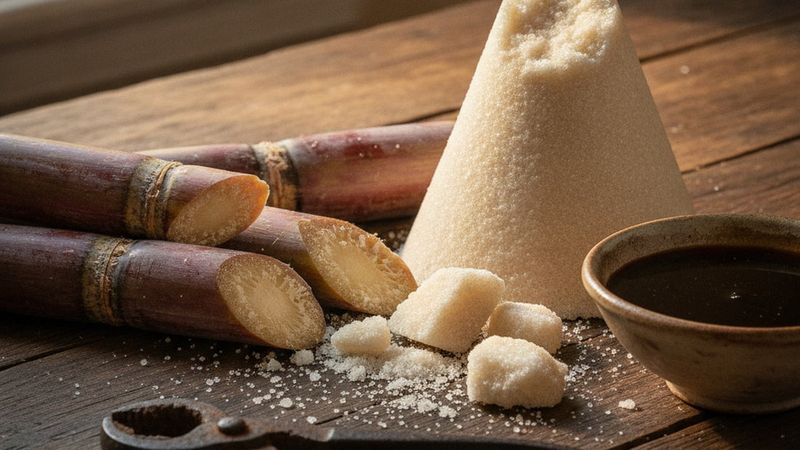
Queen Elizabeth I loved sugar so much that her teeth reportedly turned black. Back then, rotten teeth could actually hint that you were rich enough to afford sweets.
Sugar was sold in hard cones and locked away in special boxes. Families used tiny clippers to break off small bits.
It only became common in the 1800s. Remember that history when deciding how many spoonfuls go in your cereal.
5. Bananas
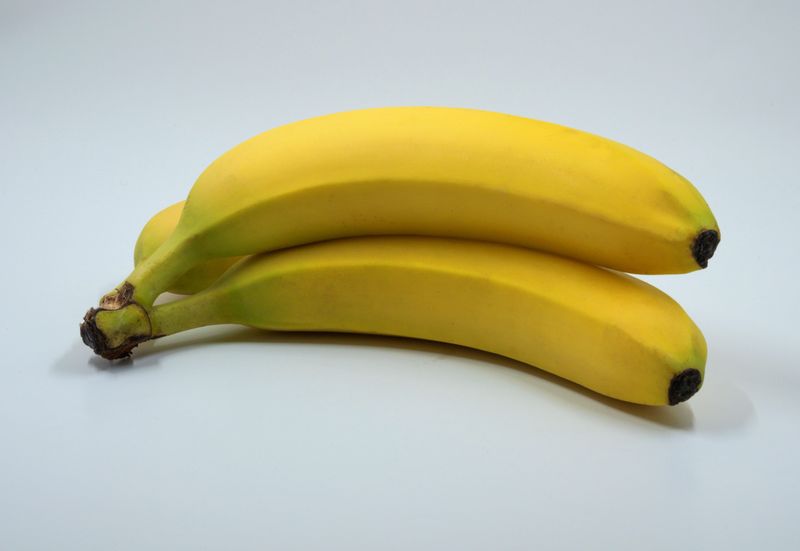
At the 1876 Centennial Exhibition in Philadelphia, visitors paid a dime for one banana wrapped in foil. That was a real treat at the time.
Bananas spoil quickly, so before fast ships and refrigeration, they rarely reached North America in good shape.
Once steamships sped up shipping, prices dropped fast. Today bananas are one of the cheapest fruits you can buy, perfect for a quick after-school snack.
6. Salt
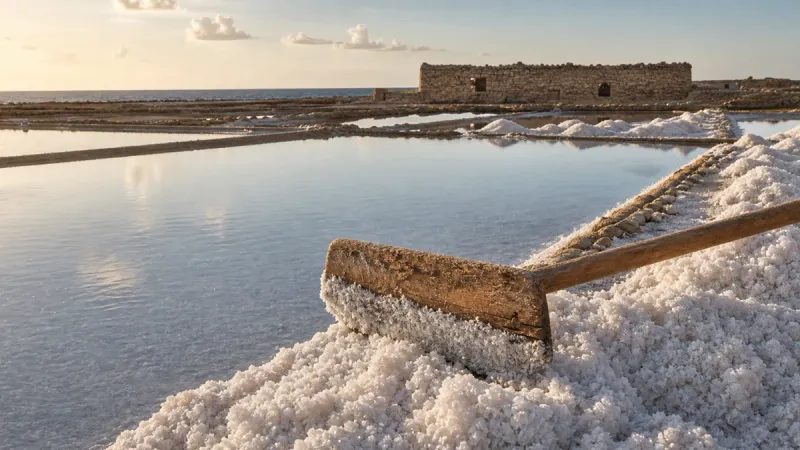
Ever heard someone say a person is worth their salt? The phrase comes from a time when salt was precious.
Ancient people needed it to preserve meat and fish, so cities fought over salt mines. Some stories claim Roman soldiers were paid partly in salt, and the word salary may connect to it.
Now it costs pennies. Still, it is smart to use it lightly for good health.
7. Cinnamon
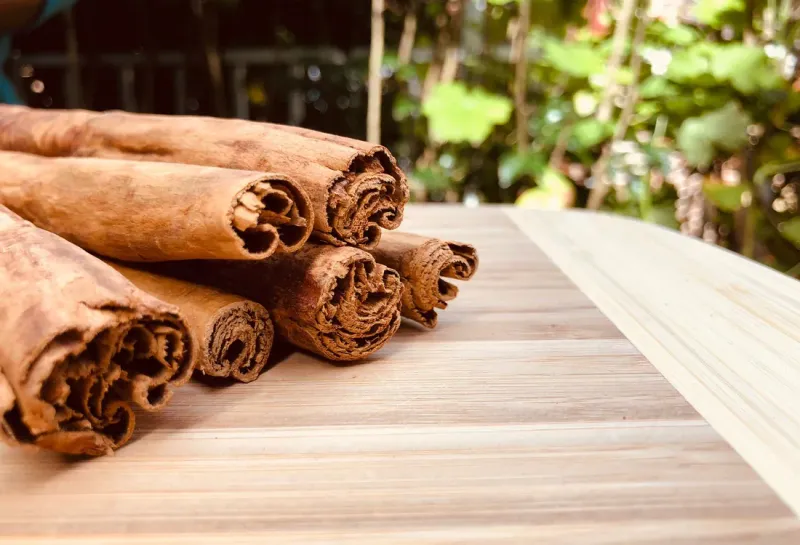
Ancient sellers spun wild tales to keep their sources secret. One claimed giant birds built nests from cinnamon sticks on dangerous cliffs.
Those stories helped keep prices sky high. Roman Emperor Nero reportedly burned a year’s supply at his wife’s funeral to show grief and wealth.
Today, a sprinkle on toast or oatmeal costs almost nothing. Try mixing it with a little honey for a tasty, budget-friendly breakfast.
8. Tea
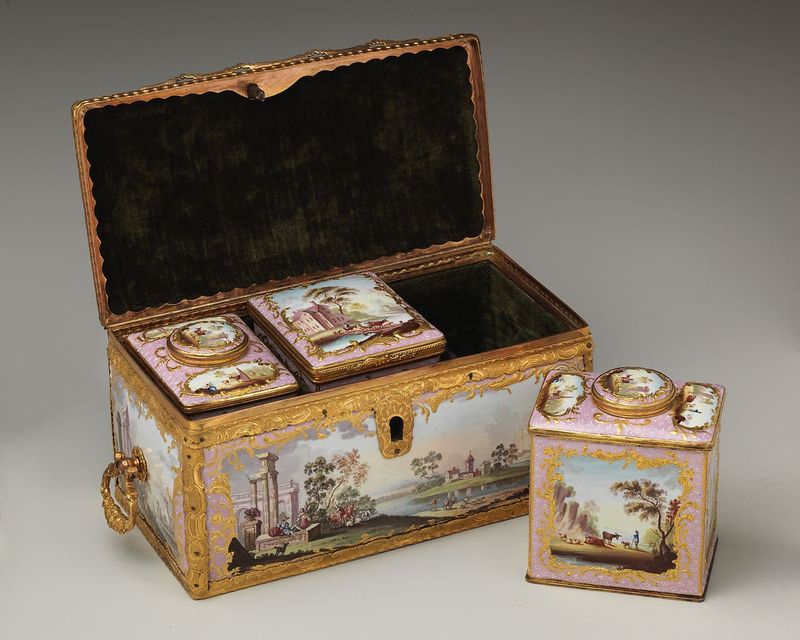
Tea was once kept under lock and key. Wealthy British families stored it in fancy boxes called tea caddies, and only the lady of the house held the key.
Heavy taxes made it pricey, which led to lots of smuggling.
Americans famously dumped chests of it into Boston Harbor in 1773 over those taxes. Now you can grab a box of tea bags for a few dollars at any store.
9. Oranges
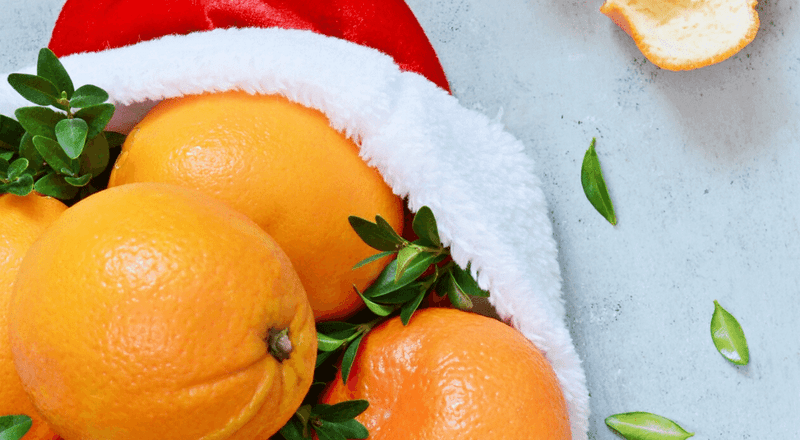
Ask your grandparents about Christmas oranges. Many older folks remember finding one in their stocking as a special holiday surprise.
Before trucks and trains moved fruit quickly, fresh citrus was hard to get in winter. Rich Europeans even built heated buildings called orangeries just to grow them.
Today oranges are everywhere year-round. Tossing one in your lunch is an easy way to get vitamin C.
10. Ice Cream
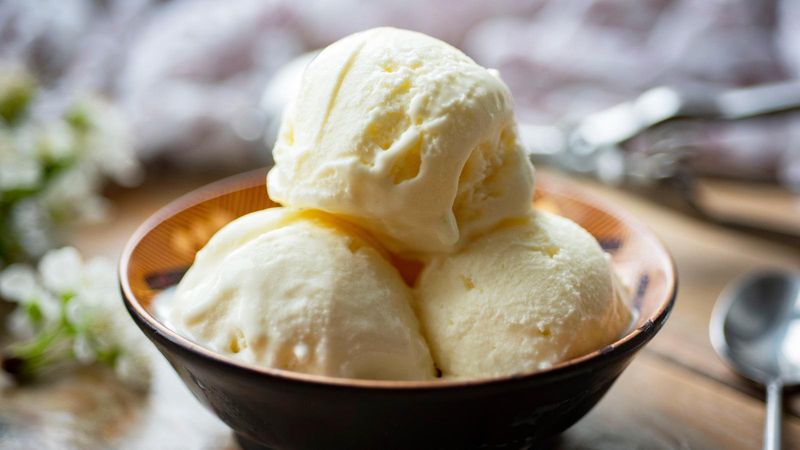
George Washington reportedly spent around two hundred dollars on ice cream one summer in 1790. That was a huge amount back then.
Making it was hard work. You needed ice cut from frozen lakes, stored in special ice houses, plus pricey sugar and cream.
Freezers changed everything. So when you grab a cone from the ice cream truck, you are enjoying a treat presidents once splurged on.
11. Coffee
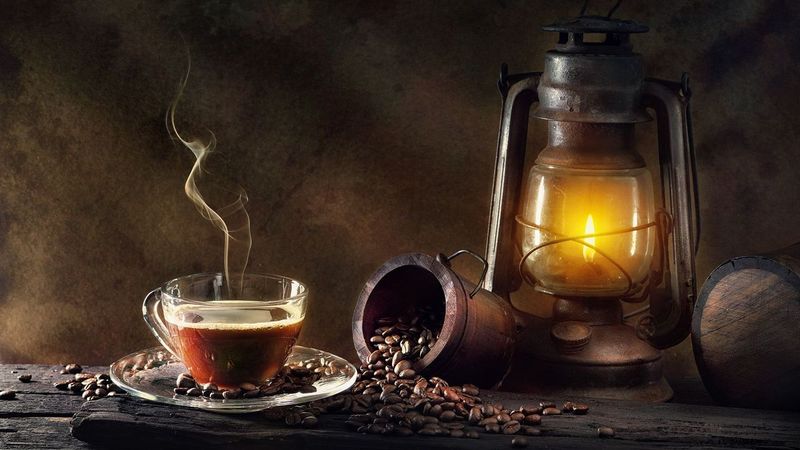
Coffee started out as an exotic drink sipped in fancy coffeehouses. In 1600s London, these shops were where important people gathered to talk business and news.
Beans traveled from faraway places like Yemen, so prices were steep.
Here is a quirky bit: some coffeehouses were nicknamed penny universities because you could learn so much there for a penny. Today coffee is a morning habit for millions of adults.
12. White Bread
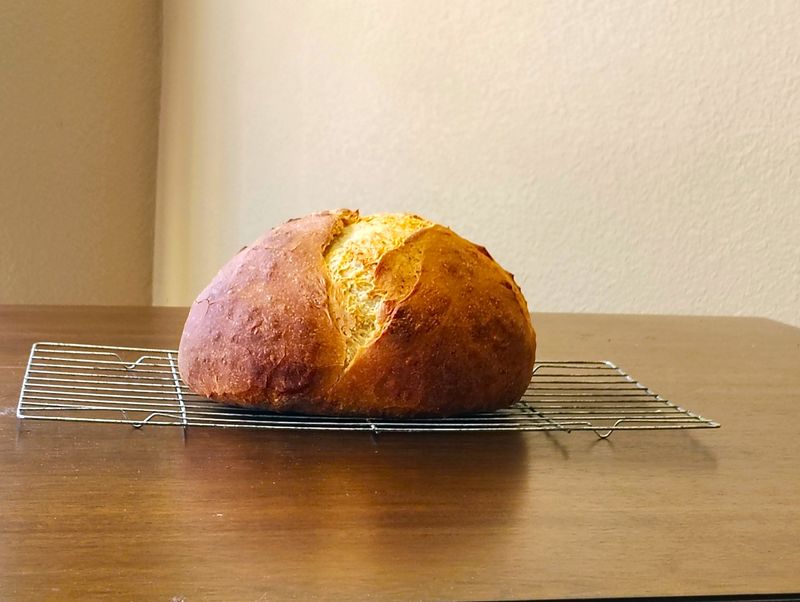
Fluffy white bread used to signal that you were wealthy. Poor families ate dark, coarse loaves made from rye or barley.
Removing the bran to make fine white flour took extra work, so only the rich could afford it.
Funny enough, things have flipped. Whole grain bread is now often pricier and is praised as the healthier choice.
Try mixing both into your sandwiches for balance.
13. Tomatoes
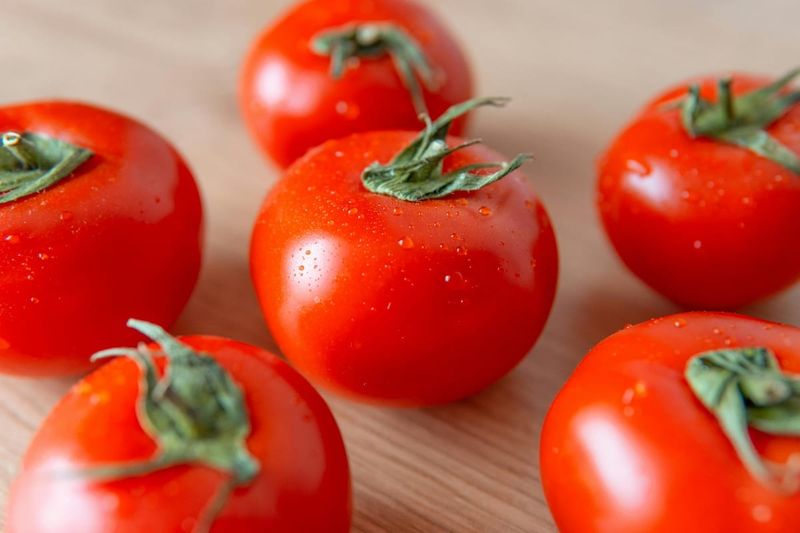
Tomatoes had a strange start in Europe. Rich people grew them in gardens as decorations, and many feared they were poisonous.
Wealthy diners ate from pewter plates, and acidic tomatoes may have pulled lead out of the metal, making people sick. The tomato took the blame.
Eventually pizza and sauces made them a kitchen favorite. Now ketchup is on nearly every table, which is quite a comeback story.
14. Vanilla
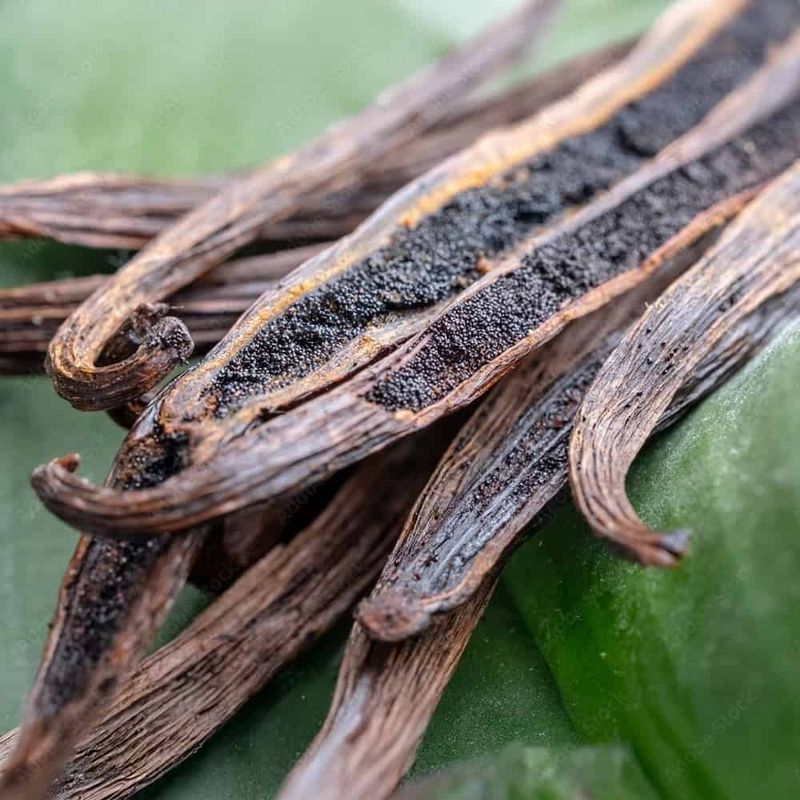
Thank a twelve-year-old boy for cheaper vanilla. In 1841, Edmond Albius discovered a quick way to hand-pollinate vanilla flowers on Reunion Island.
Before that, vanilla only grew well in Mexico, where special bees did the job. It stayed rare and costly.
Real vanilla is still pricey today, but imitation flavor made it common. Check labels when baking to see which kind you are using.
15. Strawberries
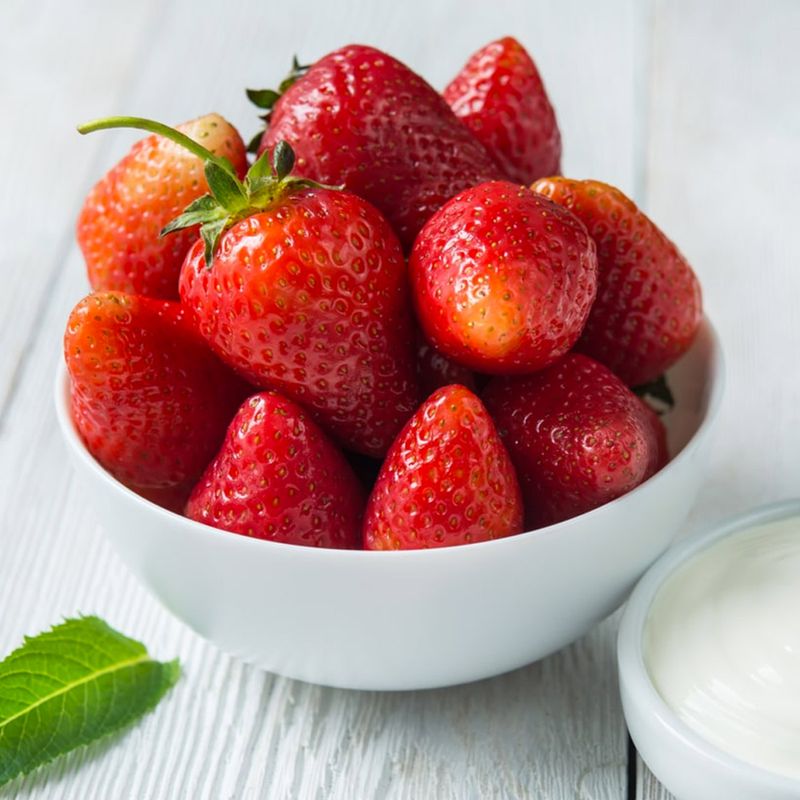
Juicy and sweet, garden strawberries were once a summer luxury for the rich. The big berries we know today came from crossing two wild types in 1700s France.
Since they bruise easily and spoil fast, getting them to market was tricky and expensive.
At Wimbledon, strawberries and cream became a fancy tradition. Today you can find them year-round, so try freezing extras for smoothies.
16. Rhubarb
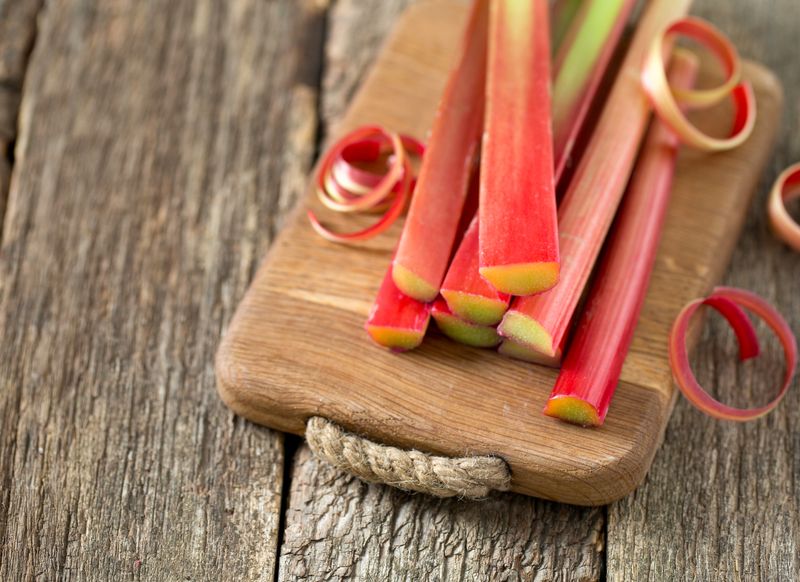
Believe it or not, rhubarb once cost more than opium. In the 1600s, Europeans prized dried rhubarb root imported from China as medicine.
People thought it cured stomach problems, and traders charged huge prices for it.
Later, gardeners began growing the stalks for pies and jams. Just remember one safety tip if you grow it: never eat the leaves, since they are poisonous.
17. Nutmeg
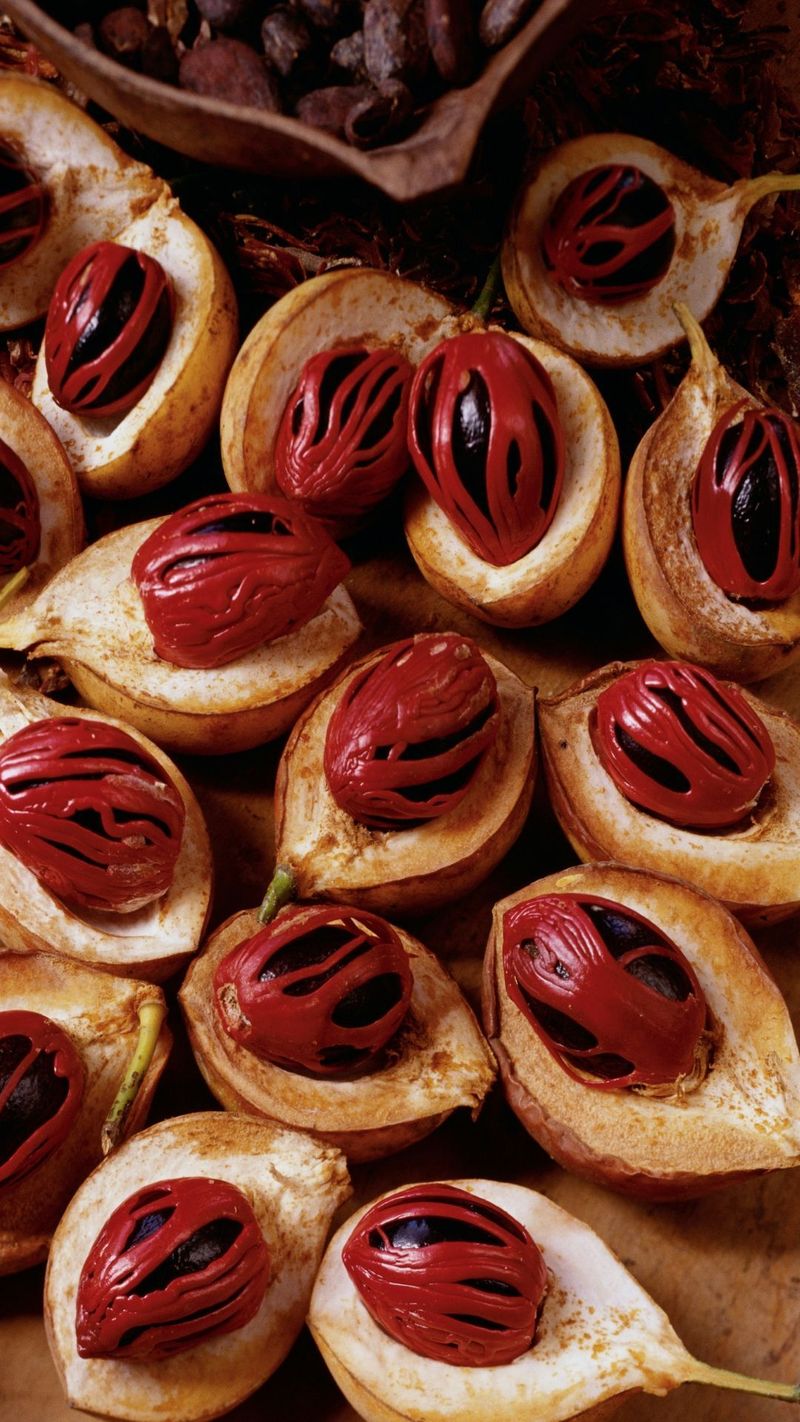
Wars were fought over this tiny seed. Nutmeg grew only on the small Banda Islands in Indonesia, and Dutch traders controlled it fiercely.
In a famous deal, the Dutch traded Manhattan to England partly to keep a nutmeg island.
Wild, right? Now a little jar sits in many spice cabinets.
Grate a pinch into hot cocoa or pumpkin treats for a cozy, warm flavor.
18. Cheese
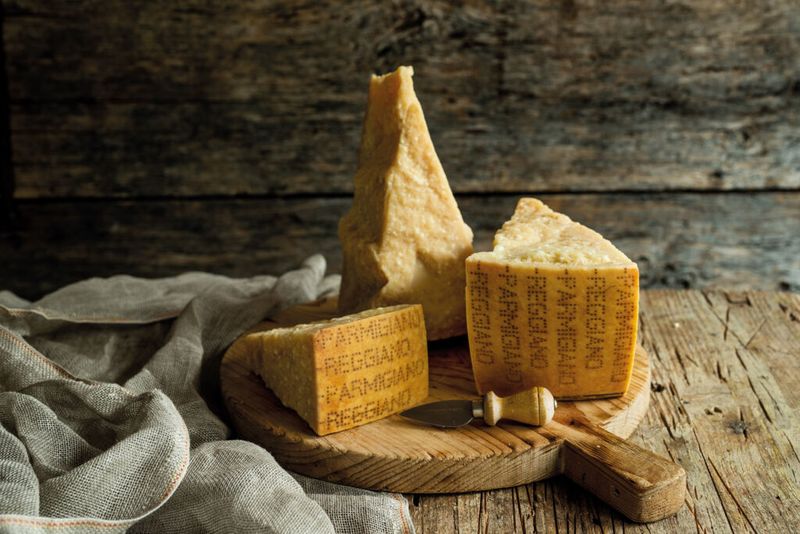
In parts of Italy, banks still accept wheels of Parmesan cheese as loan security. That shows how valuable good cheese can be.
Long ago, aged cheeses took months or years to make, so fine varieties were costly and often reserved for the wealthy.
Factories in the 1800s made cheese cheaper for everyone. Next time you sprinkle Parmesan on pasta, remember it is basically edible gold.
19. Saffron Rice
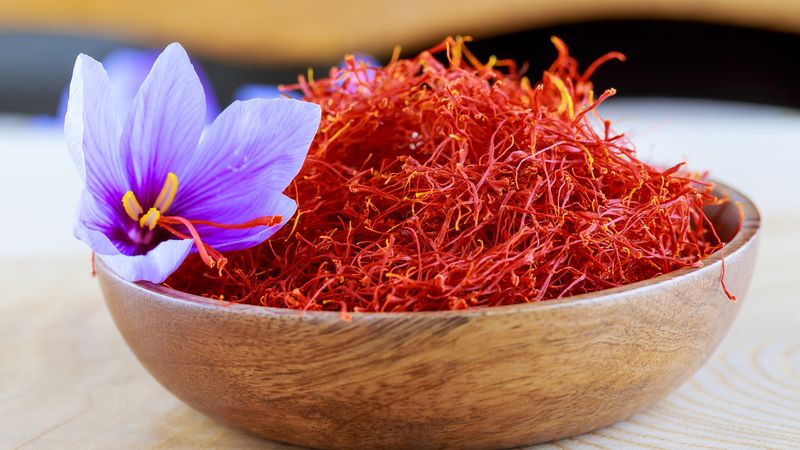
Golden rice gets its color from saffron, the most expensive spice on Earth. Each thread is hand-picked from a crocus flower.
It takes thousands of flowers to make one pound, so kings and emperors loved showing it off.
Saffron is still pricey, but a tiny pinch goes a long way. Many stores now sell small packets, making yellow rice an easy dinner treat.
20. Turkey
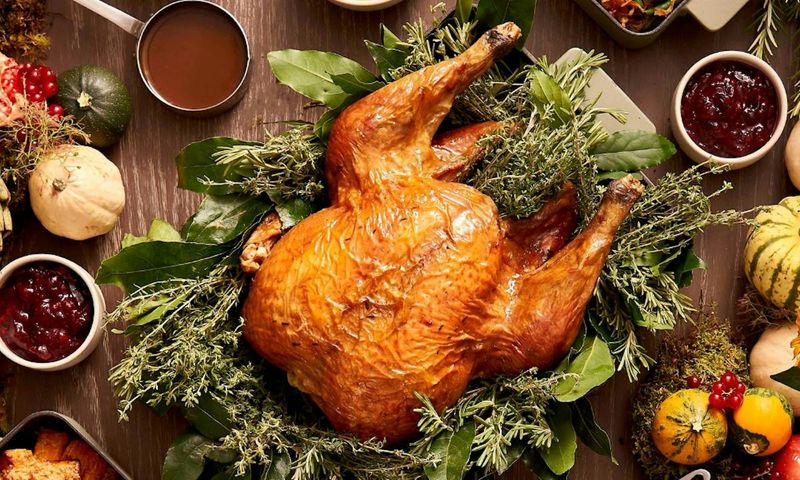
A big roasted bird used to mean you were doing very well. In Victorian England, turkey was a special holiday splurge for richer families.
Many poorer folks ate goose instead, which is why Charles Dickens shows Scrooge buying a giant turkey as a grand gift.
Modern farming made turkey cheap and easy to find. Today it shows up in sandwiches, burgers, and holiday dinners everywhere.
21. Lobster
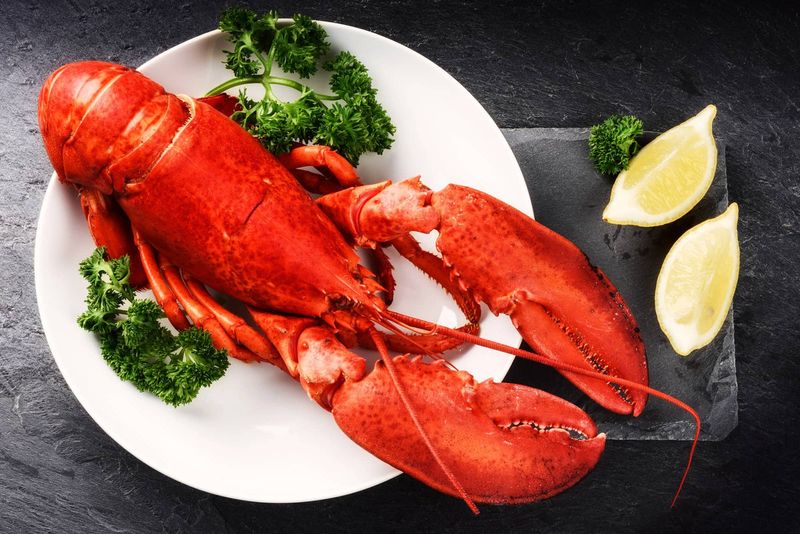
Here is a twist on our list. Lobster went the opposite way, starting cheap and becoming fancy.
Colonial New Englanders found so many lobsters on beaches that they fed them to prisoners and used them as fertilizer. Some workers even complained about eating them too often.
Trains later brought lobster to city restaurants, where it became a high-end dish. History has a funny sense of humor sometimes.