
A squeeze of lemon or a splash of vinegar can wake up a meal like flipping on a light. Sour flavors cut through grease, balance sweetness, and make other tastes pop.
Chefs use this trick all the time, but plenty of home cooks forget about it. Once you try these pairings, you might never cook the same way again.
1. Fried Fish

Picture a seaside shack with paper baskets of crunchy fish. Almost every order comes with a lemon wedge, and there is a good reason for that.
Fried batter coats your mouth with oil, which can make each bite feel heavy. A squeeze of lemon slices right through that richness and brightens the mild fish underneath.
No lemons? Malt vinegar works just as well.
In Britain, people splash it over fish and chips without a second thought.
2. Watermelon
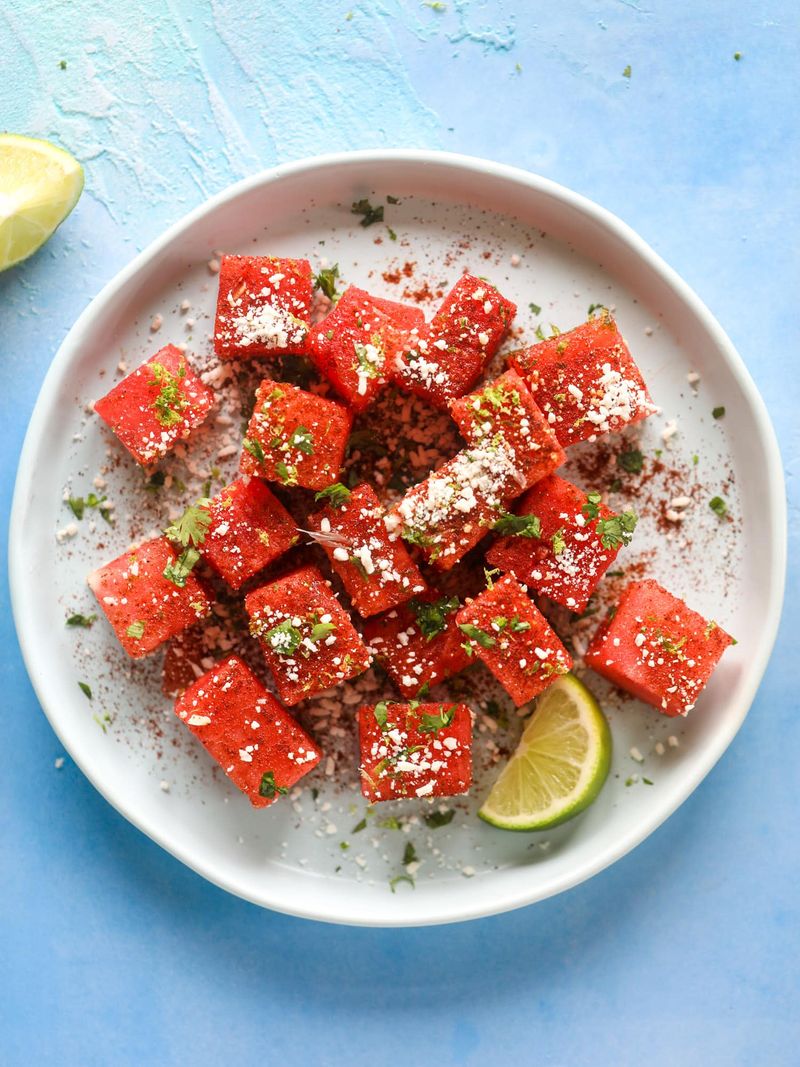
Sweet, juicy, and sometimes a little boring after the fifth slice. That is where lime comes in.
Across Mexico, street vendors sell watermelon spears dusted with chili and soaked in fresh lime juice. The tang makes the fruit taste even sweeter by contrast, and the slight spice keeps you reaching for more.
Try it at your next cookout. Squeeze half a lime over a bowl of cubes, add a pinch of salt, and watch it disappear fast.
3. Avocado Toast
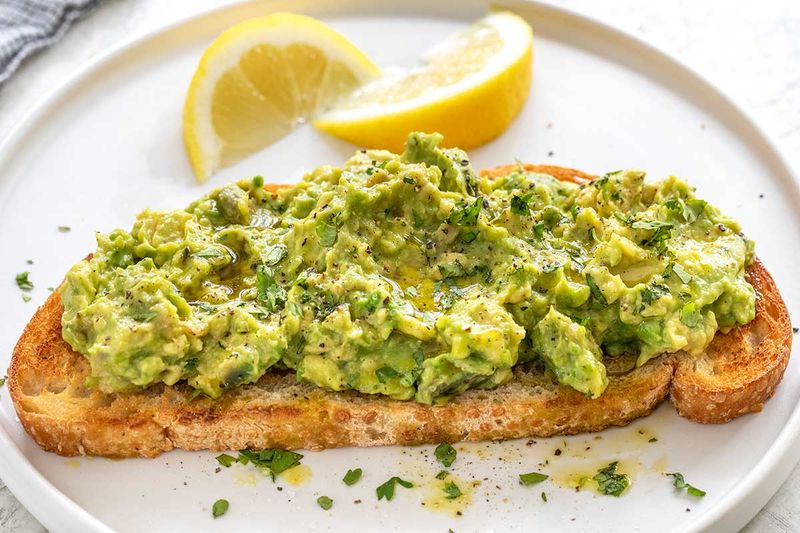
Creamy avocado is delicious, yet on its own it can taste flat and a bit dull. A few drops of lemon or lime juice change everything.
The acid lifts the buttery flavor and makes the green spread taste fresher. Bonus: it also slows down browning, so your mashed avocado stays bright longer.
Add a sprinkle of salt and some pepper flakes. Suddenly your quick breakfast feels like something from a trendy brunch spot.
4. Black Bean Soup
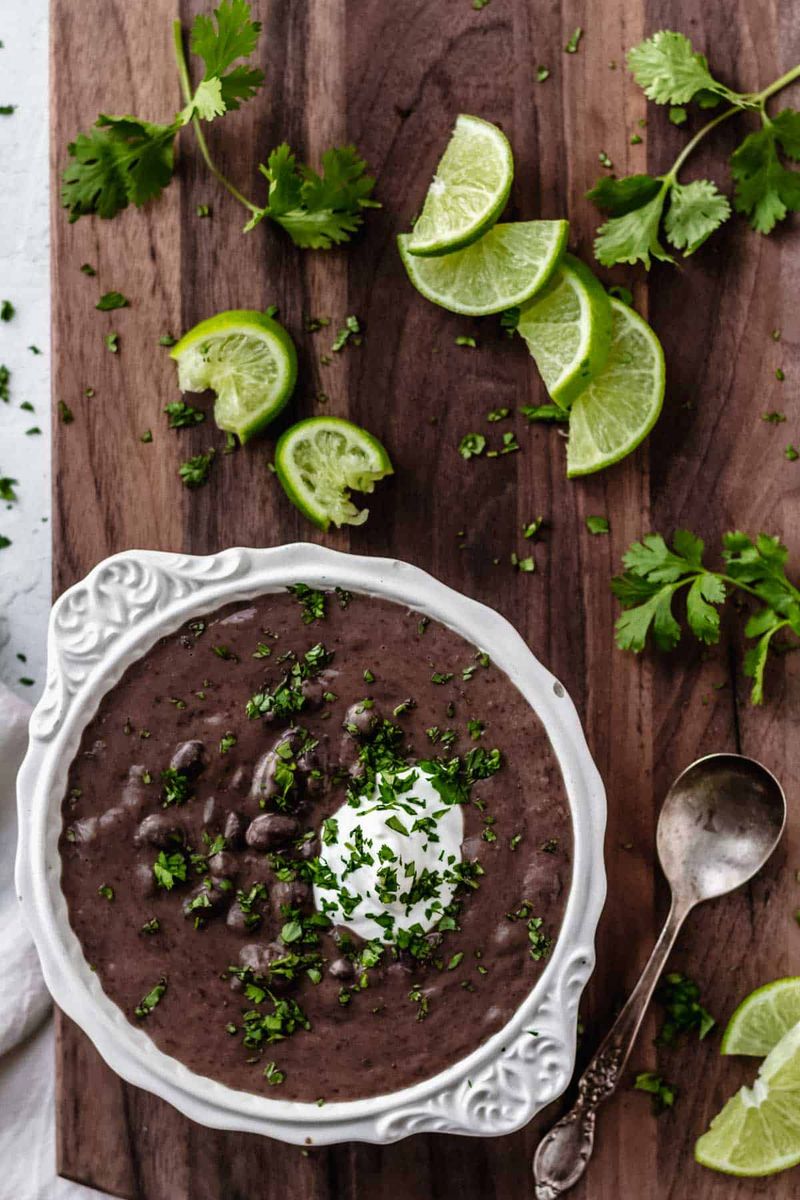
Ever made a pot of beans that tasted muddy no matter how much salt you added? Many cooks have.
Beans are earthy and heavy, so they need a bright partner. Stir in a splash of red wine vinegar or squeeze in lime right before serving.
The flavors instantly sharpen and come into focus.
A dollop of sour cream on top adds even more tang. Your soup will taste like it simmered all day, even if it did not.
5. Roasted Vegetables
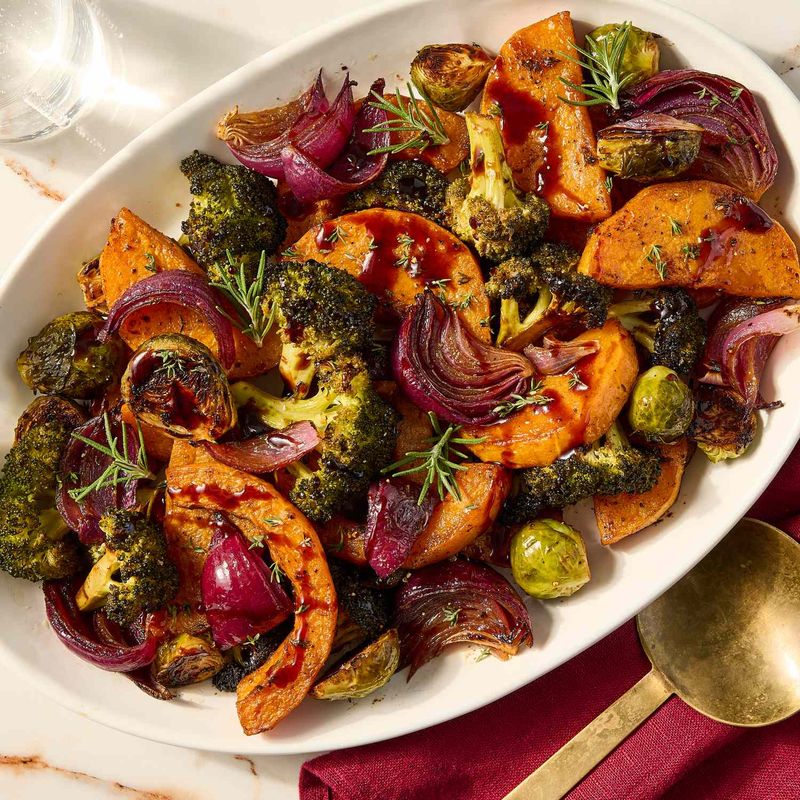
Roasting turns veggies sweet and nutty as their natural sugars caramelize in the oven. Still, something is often missing.
A drizzle of balsamic vinegar or a squeeze of lemon right out of the oven fills that gap. Brussels sprouts especially love balsamic, since the tangy sweetness tames their slight bitterness.
Here is a handy tip: add the acid after roasting, not before. Heat can dull sour flavors, so a final splash keeps them lively.
6. Chili
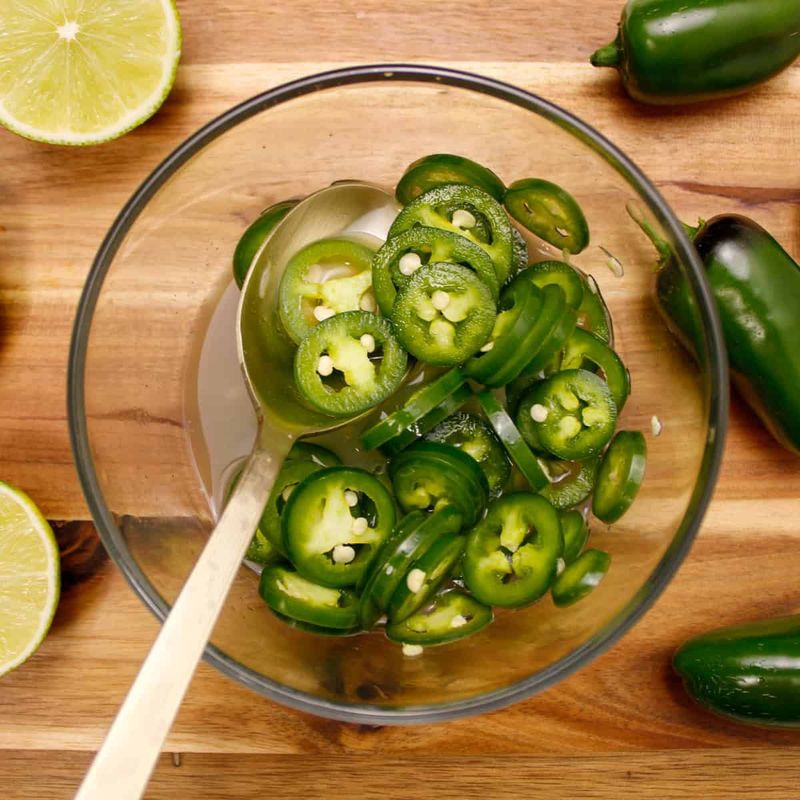
Grandma’s secret chili ingredient might surprise you. Plenty of family recipes call for a spoonful of vinegar stirred in at the end.
Chili is rich, meaty, and packed with deep spices. All that heaviness can blur together.
A little acid, whether from vinegar, lime, or pickled jalapenos, separates the flavors so you can taste each one.
Start small with about a teaspoon per big pot. Taste, then add more if it still feels flat.
7. Strawberries
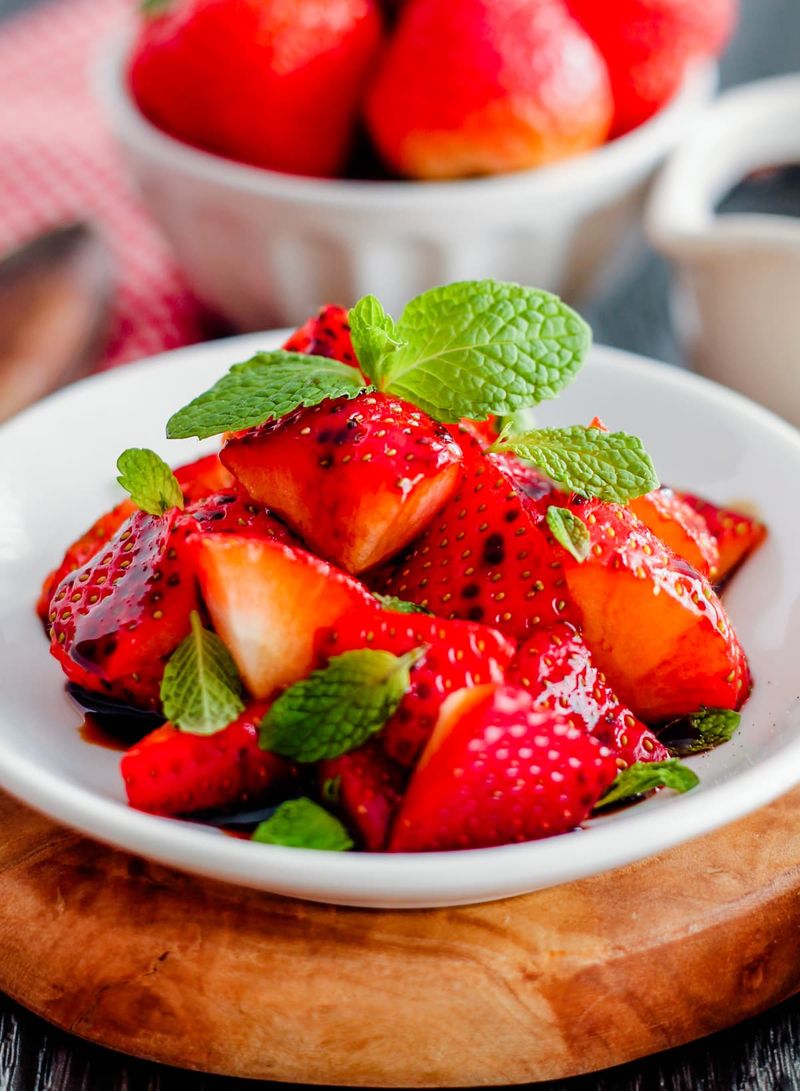
Strawberries and vinegar sound like a strange couple. Italians have paired them for generations, though.
Toss sliced berries with a small splash of balsamic vinegar and let them sit for ten minutes. The fruit releases its juices, creating a glossy, sweet-tart syrup.
Even pale grocery store berries taste riper and richer.
Spoon them over vanilla ice cream or yogurt. Friends will think you made a fancy dessert, but it only took two ingredients.
8. Grilled Cheese Sandwich

Gooey, toasty, and wonderfully cheesy, a grilled cheese is pure comfort. After a few bites, though, all that butter and cheese can feel like a lot.
Enter the pickle. A crunchy dill spear on the side resets your taste buds between bites.
Some people even tuck thin pickle slices inside the sandwich before grilling.
Tangy mustard or a little kimchi works too. Each one adds a zippy bite that keeps the sandwich from feeling too heavy.
9. Tacos
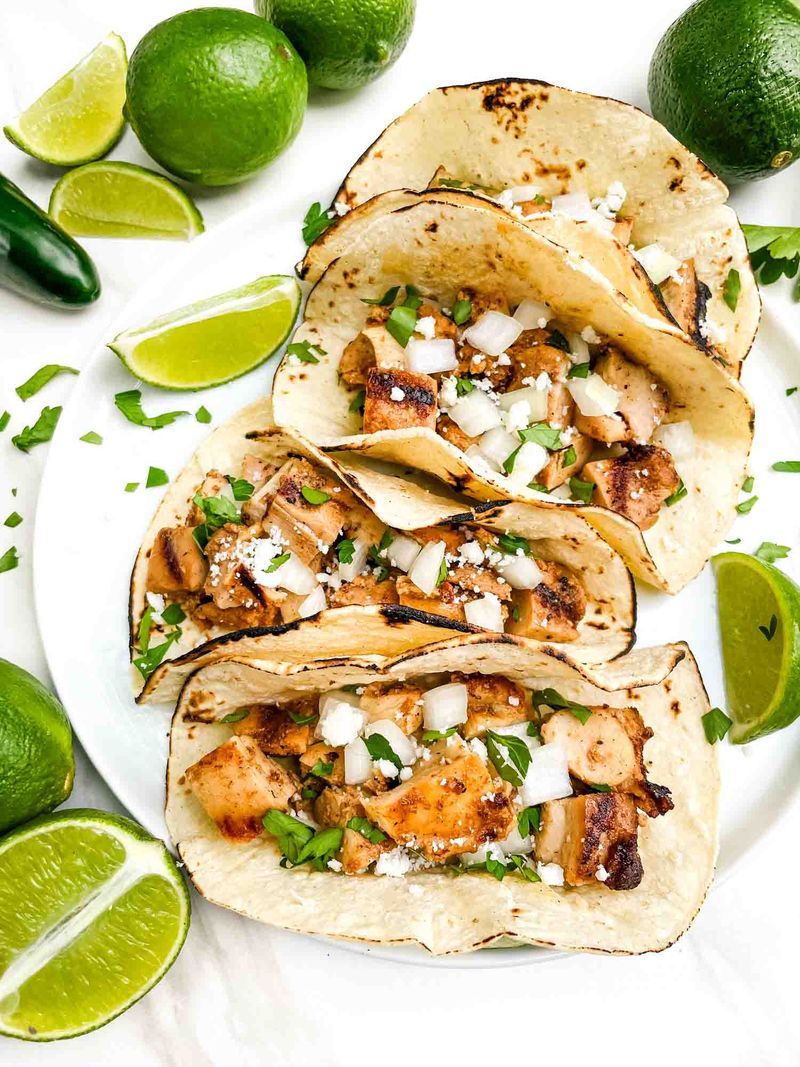
Walk past any taco truck and you will spot a bowl of lime wedges on the counter. That tiny green fruit is not just decoration.
Grilled meats and warm tortillas are smoky and savory. Fresh lime juice adds a burst of brightness that ties everything together, while pickled onions add crunch and zing.
Fun fact: many Mexican cooks squeeze lime over nearly everything, from soups to fruit. Tacos simply prove why that habit works so well.
10. Mashed Potatoes
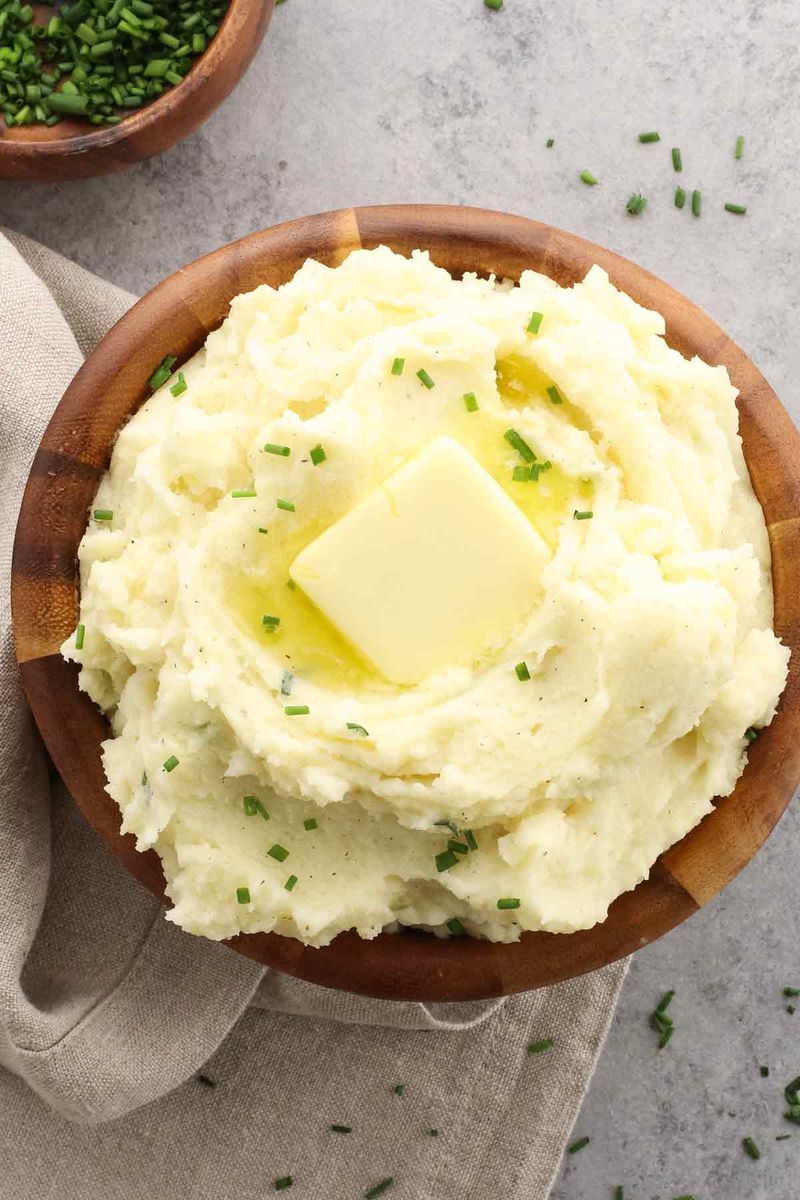
Here is a holiday trick worth stealing. Swap some of the butter in your mashed potatoes for sour cream or buttermilk.
Plain potatoes are soft and mild, which makes them great at soaking up flavor. A tangy dairy addition gives them a gentle zing, making them taste creamier and less bland.
Toss in chopped chives for color. Your family may not guess the secret, but they will probably ask for seconds and maybe thirds.
11. Pho and Noodle Soups

In Vietnam, a steaming bowl of pho arrives with a plate of fresh herbs, bean sprouts, and lime. Diners customize every bowl themselves.
The broth simmers for hours and tastes deep and beefy. Squeezing lime into it adds a fresh, clean edge that makes each spoonful feel lighter.
Try the same idea with ramen or chicken noodle soup at home. Even a canned soup gets a surprising upgrade from a little citrus.
12. Pork Chops
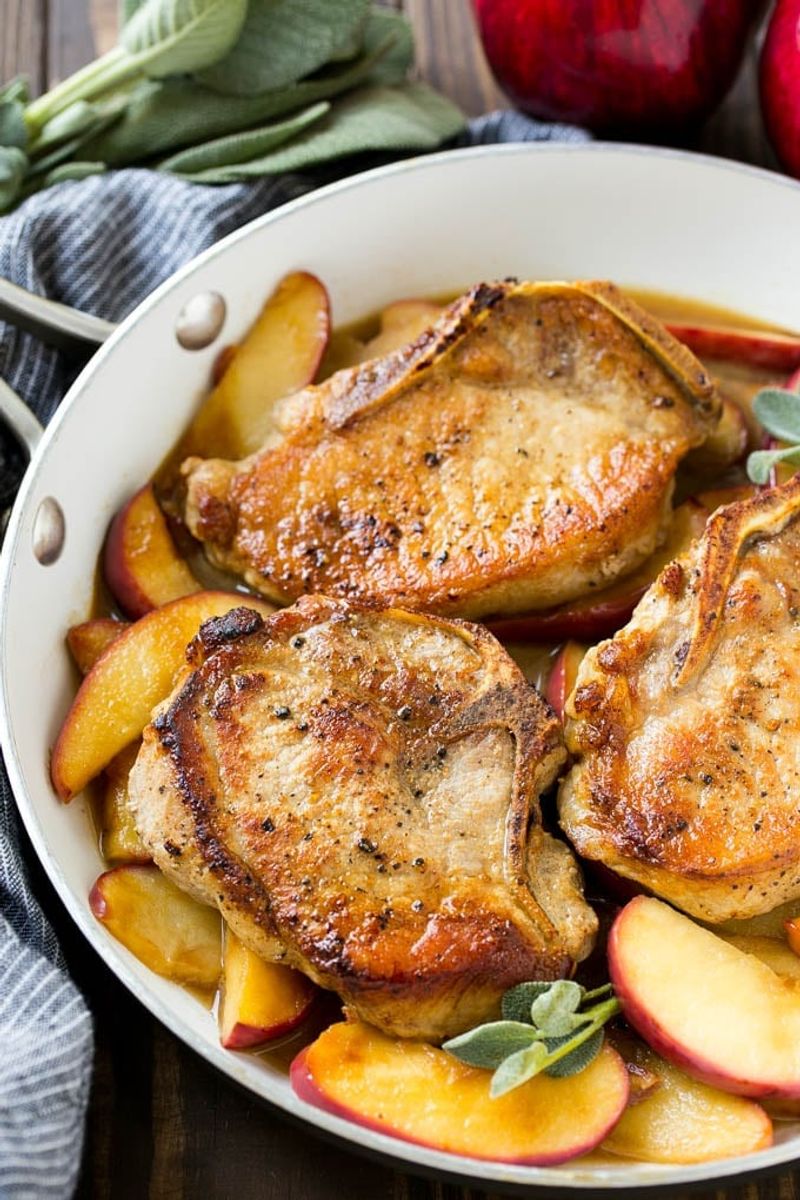
Pork and apples have been best friends in farm kitchens for centuries. Part of that magic comes from the fruit’s tartness.
Fatty pork craves something sharp. A quick pan sauce made with apple cider vinegar, a spoonful of honey, and the browned bits from the skillet creates a tangy glaze in minutes.
Got leftover chops? Serve them with tart sauerkraut or a green apple slaw, and they will taste brand new the next day.
13. Hummus
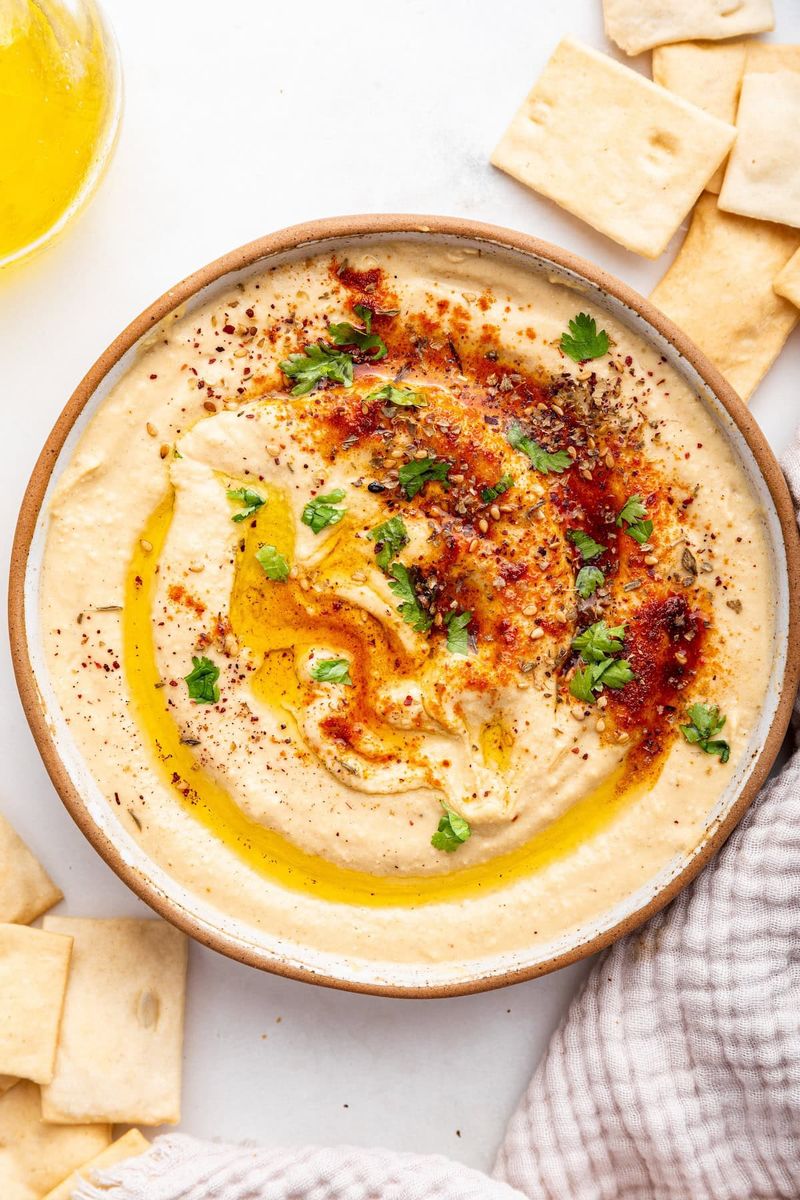
Homemade hummus tasting dull? Lemon is usually the fix.
Chickpeas and tahini make a thick, nutty base. Without enough citrus, the dip can taste pasty and heavy.
Fresh lemon juice lightens it up and makes the garlic flavor shine.
Many Middle Eastern recipes use the juice of a whole lemon for one can of chickpeas. Taste as you blend, adding a little at a time until the flavor feels bright and lively.
14. Fried Rice
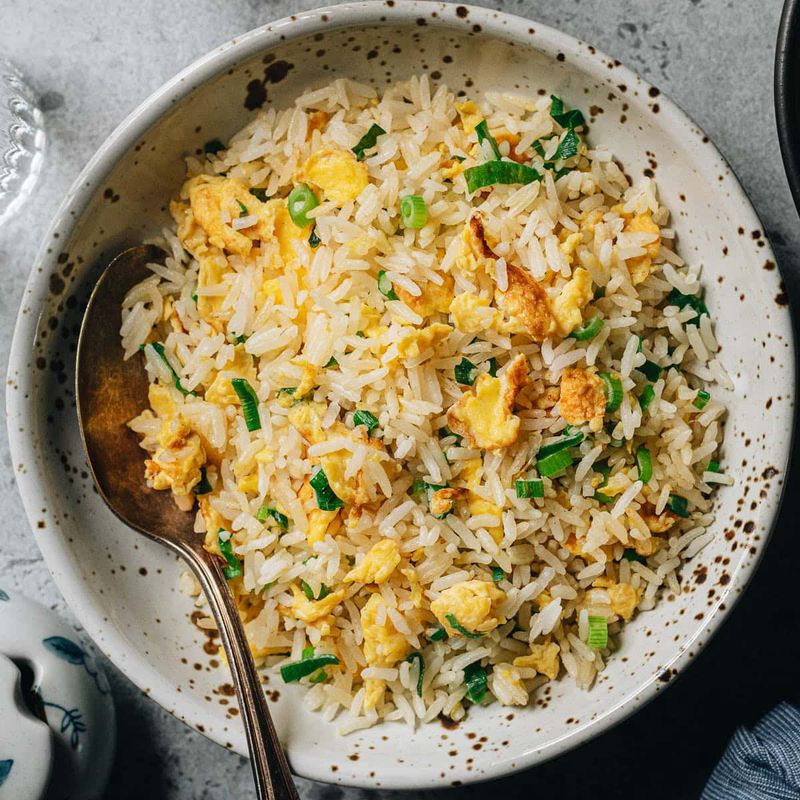
Leftover rice becomes a delicious dinner in the wok, but soy sauce alone can make it taste one-note and salty.
A small splash of rice vinegar near the end of cooking balances that saltiness. Some cooks prefer a squeeze of lime, especially in Thai-style versions with pineapple.
Chopped kimchi is another tasty option. Its sour, spicy crunch turns plain fried rice into a bold meal that kids and adults both enjoy.
15. Chocolate Cake

Believe it or not, some of the best chocolate cakes have a sour secret baked inside. Buttermilk, sour cream, and even vinegar show up in classic recipes.
The acid reacts with baking soda to make the cake fluffy and tender. It also deepens the cocoa flavor, so the chocolate tastes richer.
Did you know? During the Great Depression, people baked wacky cake using vinegar instead of eggs or milk.
It still tastes amazing today.
16. Greens like Kale and Spinach
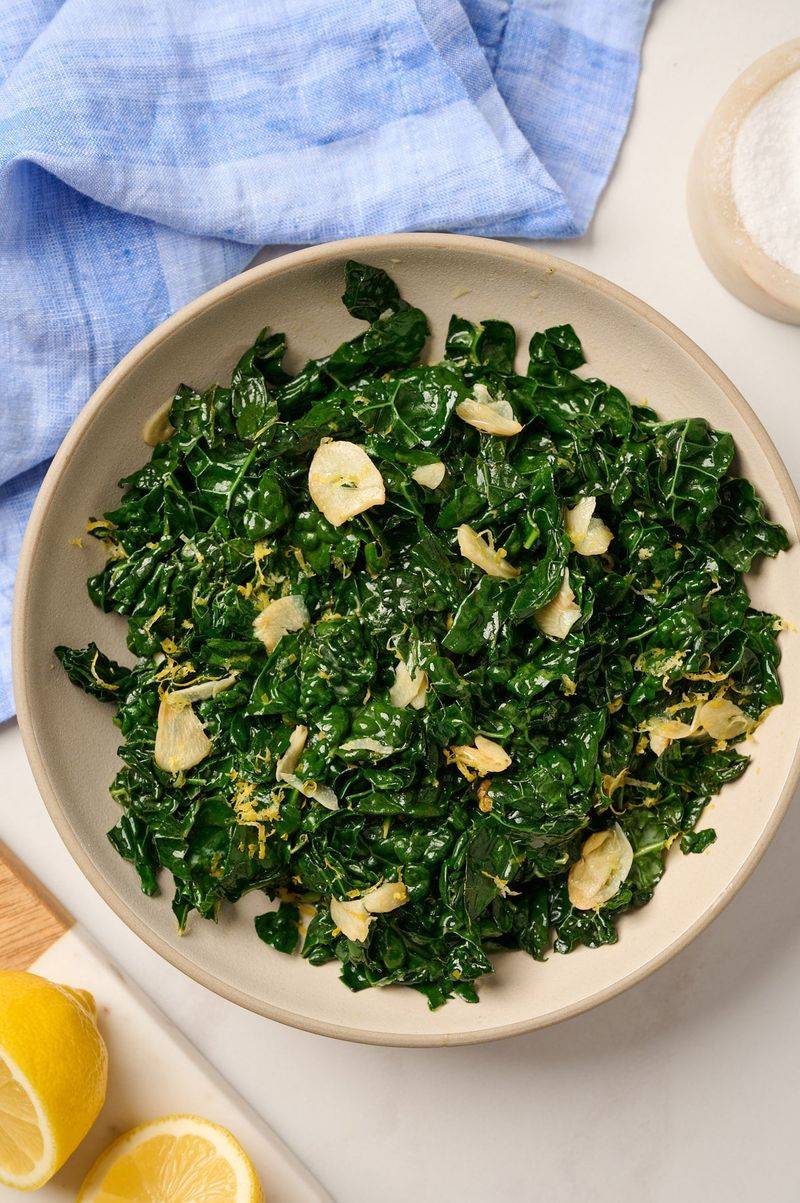
Leafy greens can taste bitter, which is why so many kids push them around the plate. A little sourness helps a lot.
After sauteing kale or spinach with garlic, squeeze lemon over the top. The acid softens the bitter edge and adds a fresh, zesty kick.
Southern cooks often splash hot pepper vinegar on collard greens for the same reason.
Give it a shot. Even picky eaters might change their minds about greens.
17. Pizza

Pepperoni and cheese are a winning team, though they pile on plenty of salt and grease. Tangy toppings bring balance to the party.
Banana peppers, pickled onions, and capers all add a sharp punch. Their brightness cuts through the cheese, making each slice taste less heavy and more exciting.
Hawaiian pizza fans already know this idea, since pineapple adds sweet tartness. Next pizza night, try one new sour topping and see what you think.