
Some of the best cooking tools ever made aren’t sitting on store shelves today — they’re hiding in grandma’s cabinet or at a weekend flea market. Old-fashioned kitchen gadgets were built to last, and many of them actually outperform their modern replacements.
Chefs and home cooks alike are starting to look back in time for inspiration. These 20 vintage kitchen treasures deserve a serious second look.
1. Cast Iron Skillet
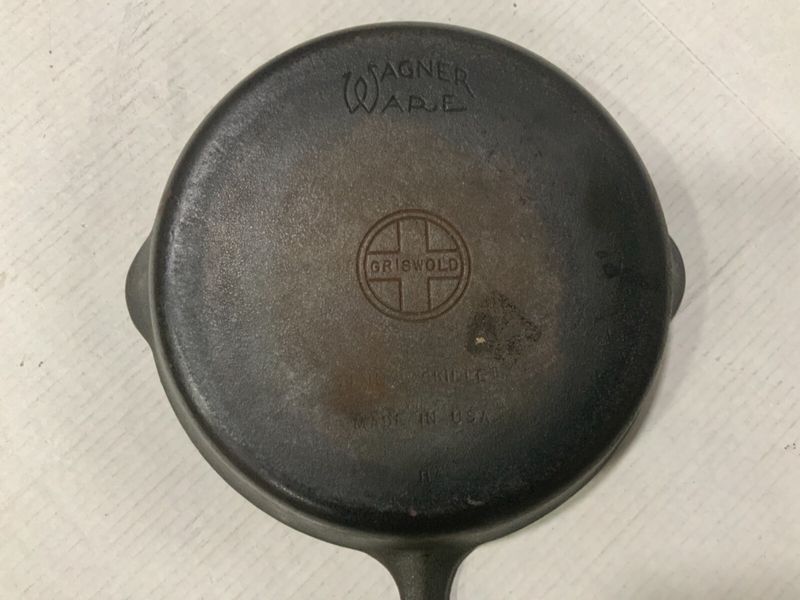
Ask any serious chef what their desert island pan would be, and cast iron almost always wins. Vintage skillets from brands like Griswold and Wagner were milled with smoother surfaces than what you find today, making them naturally non-stick with proper seasoning.
They hold heat evenly and move from stovetop to oven without complaint. A well-loved skillet can outlast generations, and many already have.
2. Pyrex Mixing Bowls
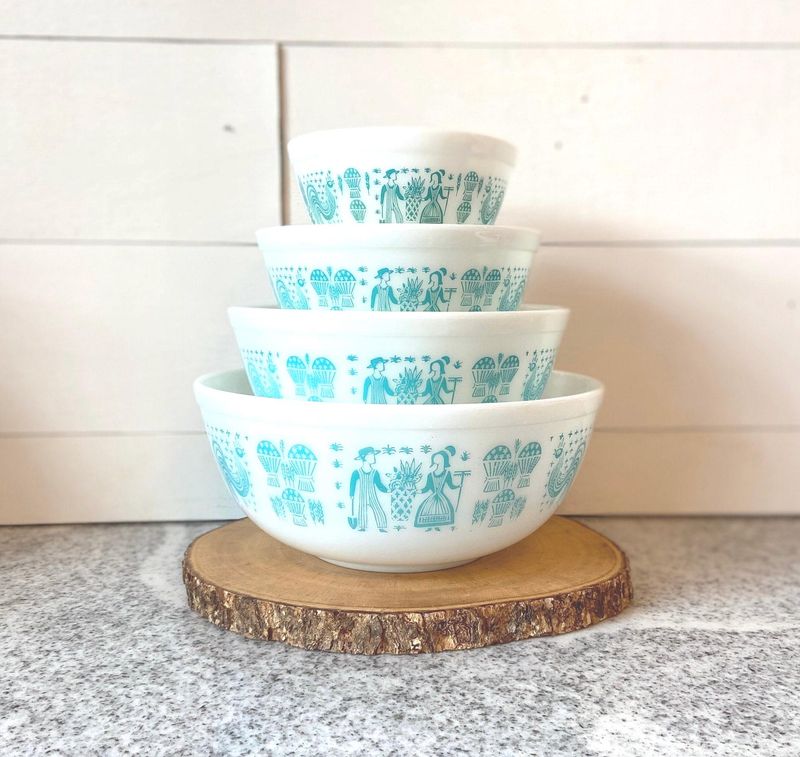
Stacking those cheerful patterned bowls was basically a kitchen sport in the 1950s. Vintage Pyrex sets — especially the beloved Butterprint and Gooseberry designs — were made from a thicker, more durable glass formula than what Pyrex produces today.
Collectors hunt them down at estate sales, and chefs appreciate how the glass doesn’t absorb odors or flavors. Mixing, marinating, or serving — these bowls handle it all beautifully.
3. Butter Churn
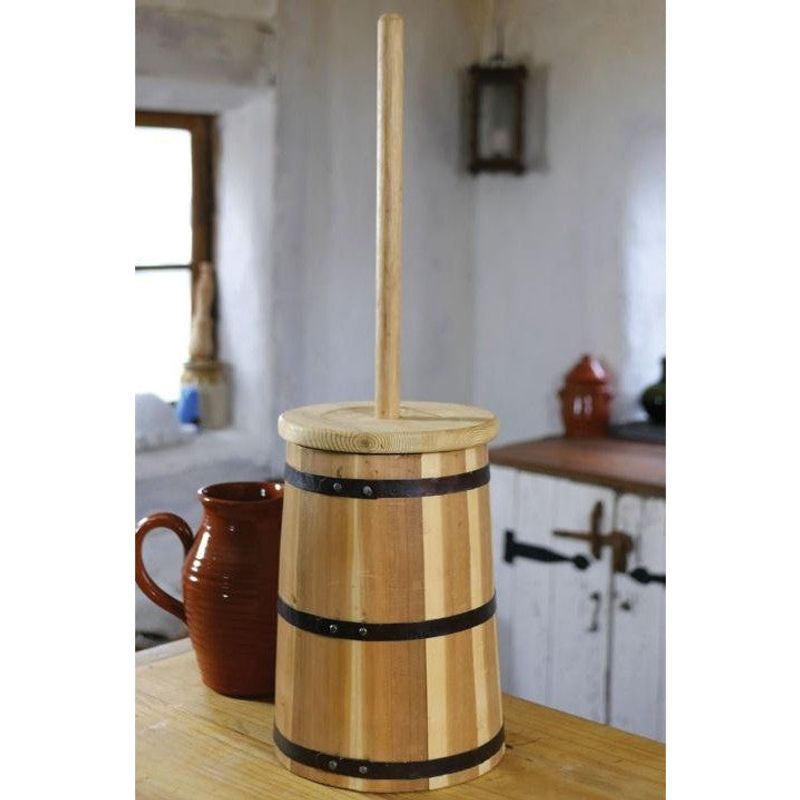
Long before artisan butter became a trend, grandparents were making their own from scratch with a simple wooden churn. The process of agitating cream into rich, fresh butter is surprisingly satisfying — and the result tastes nothing like the store-bought version.
Craft food enthusiasts and chefs focused on farm-to-table cooking have started bringing butter churns back into their kitchens. Homemade butter really is that much better.
4. Hand-Cranked Meat Grinder
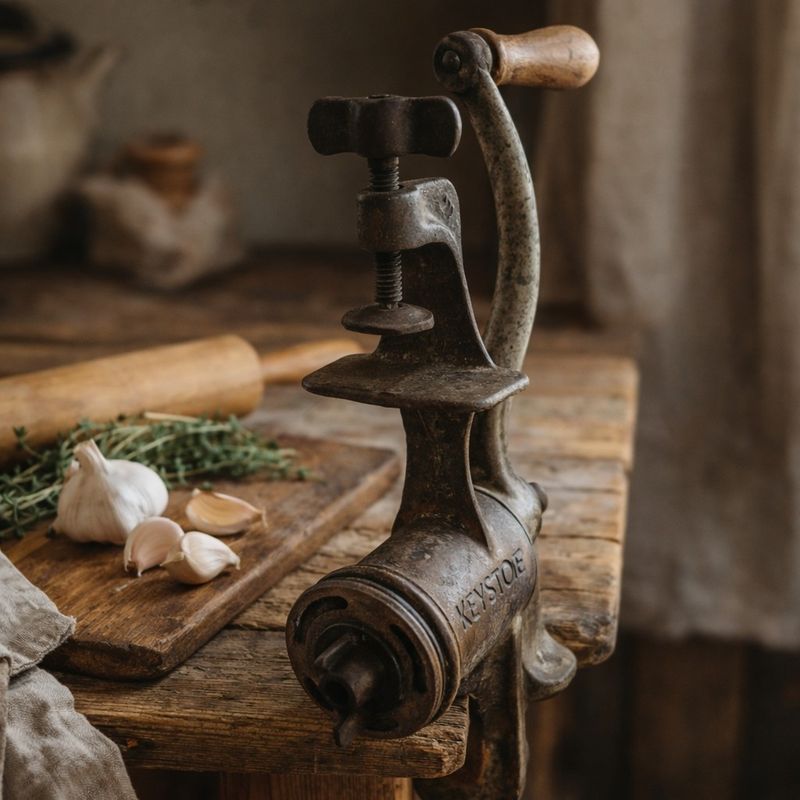
Before food processors took over, a hand-cranked meat grinder was the workhorse of the home kitchen. Cast iron models from the early 1900s are built so solidly that many still work perfectly today, decades after they were made.
Chefs love the control they get — you choose the cut, the fat ratio, and the coarseness of the grind. Fresh ground beef for burgers has never tasted better than when it comes from one of these.
5. Pastry Crimper
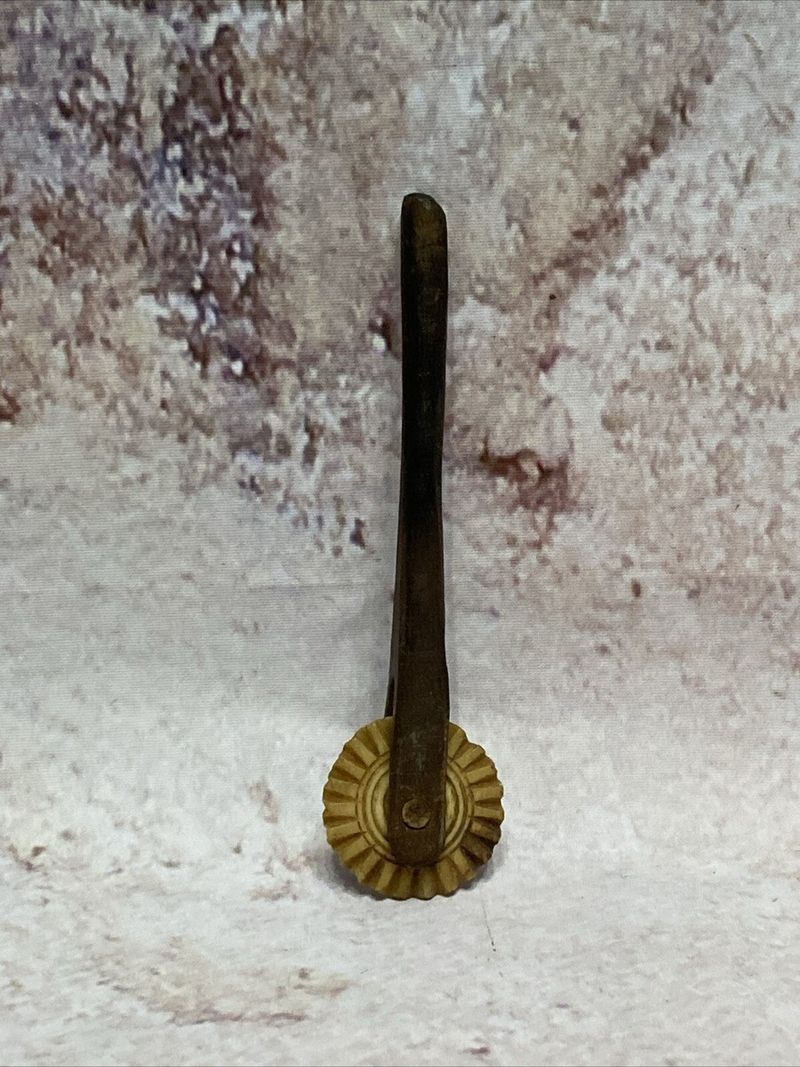
Pie edges used to be a work of art, and the pastry crimper was the tool that made it happen. These small rolling gadgets press decorative patterns into pie crusts and seal pastry edges with both function and flair.
Modern pastry chefs have rediscovered them for making elegant hand pies and galettes. Vintage crimpers often feature more intricate patterns than anything sold today, turning an ordinary crust into something worth showing off.
6. Tin Bread Box
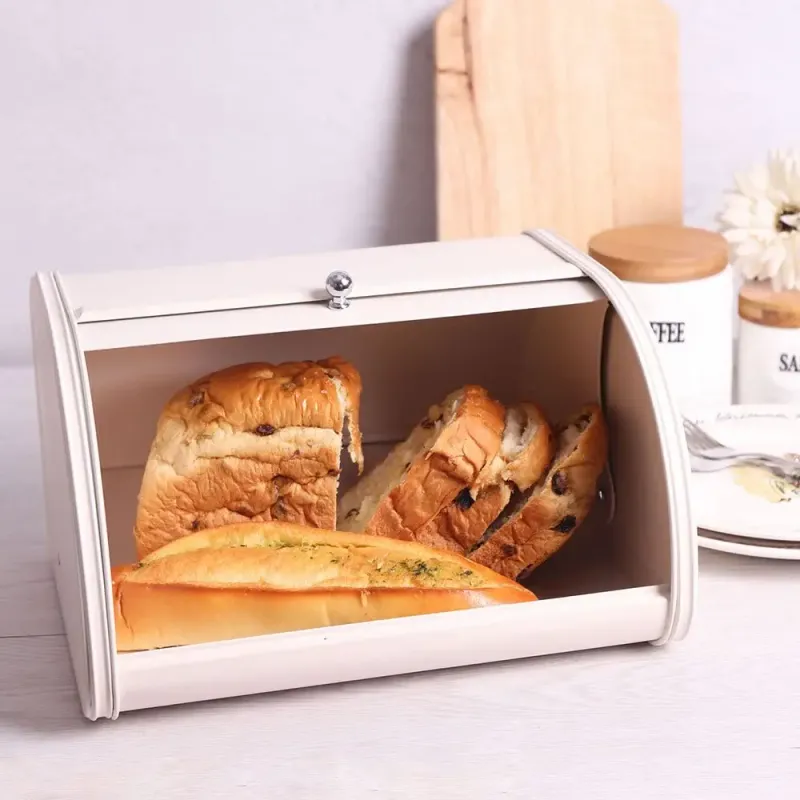
Bread boxes seem old-fashioned until you realize how well they actually work. Keeping bread in a sealed tin box maintains just the right humidity level to slow staling without causing mold — something plastic bags and open countertops can’t match.
Vintage tin bread boxes often feature gorgeous painted designs and roll-top lids that feel satisfying to open. Bakers who make sourdough or artisan loaves swear by them for keeping crusts crisp and centers soft.
7. Wooden Spoon Collection
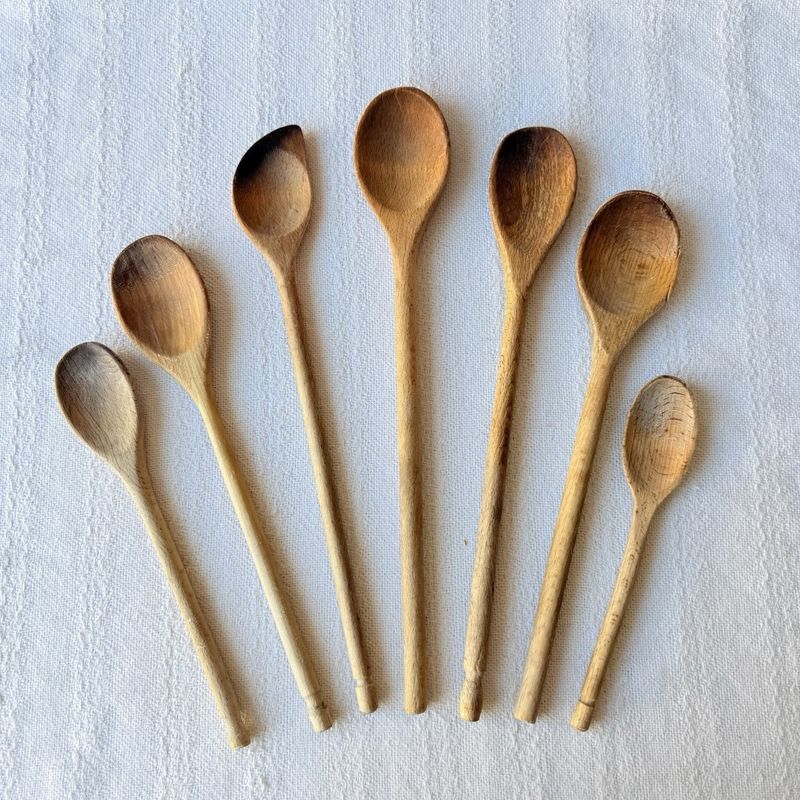
Nothing in a modern kitchen quite replaces the feel of a perfectly worn wooden spoon. Vintage hardwood spoons — especially those made from olive wood or dense maple — develop a smooth, slightly seasoned surface over years of use that no new spoon can replicate.
They won’t scratch pans, won’t conduct heat, and won’t react with acidic foods. Chefs who have cooked with a truly old wooden spoon know exactly why grandma never threw hers away.
8. Rotary Egg Beater
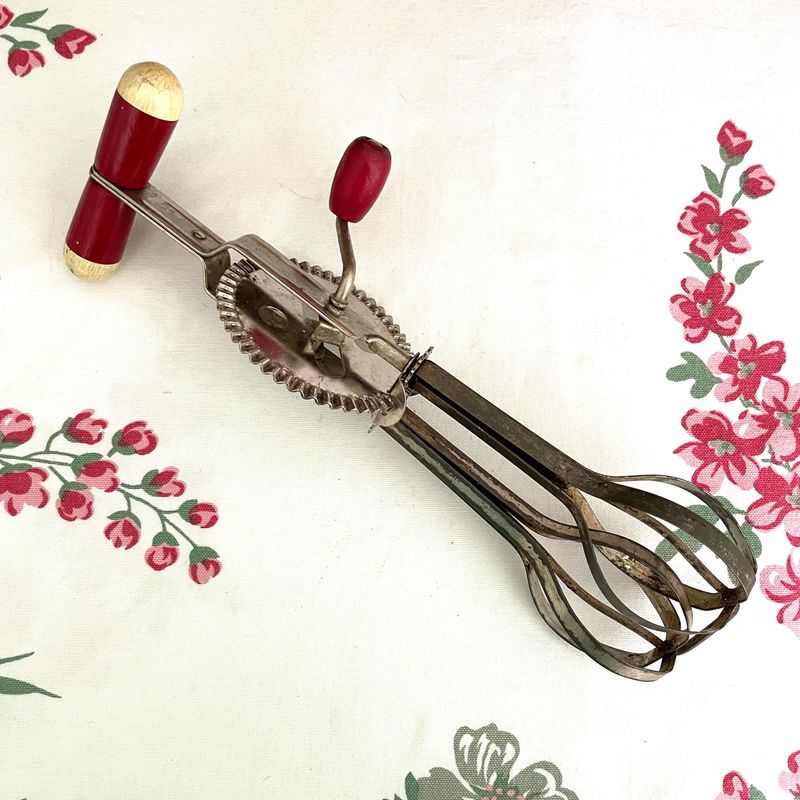
Plug-in mixers are convenient, but a rotary egg beater gives you a level of control that’s hard to match. These hand-cranked gadgets were engineered brilliantly — two interlocking gear wheels spin the beaters at impressive speed with minimal effort.
Pastry chefs appreciate how they let you feel the texture of whipped cream or egg whites as they develop. Vintage chrome models from the 1940s and 50s are especially sturdy and still function like new.
9. Enameled Cast Iron Dutch Oven
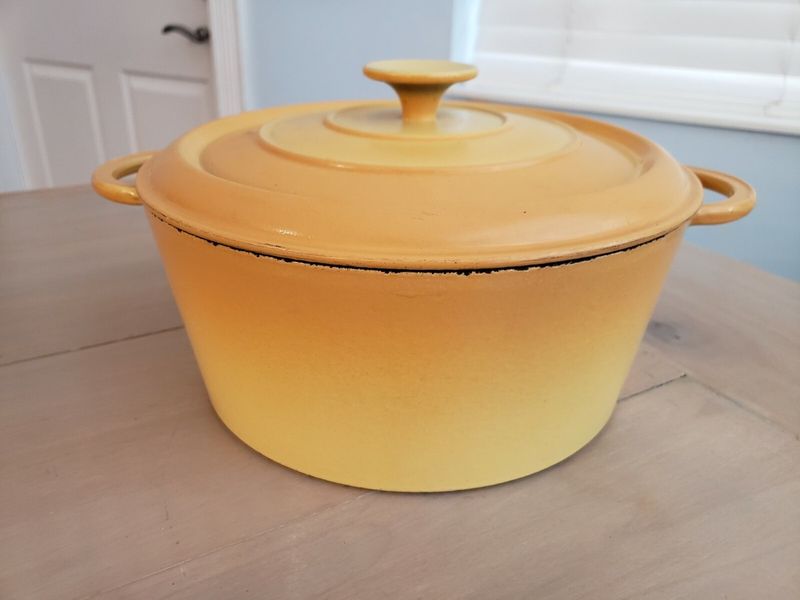
Long before Le Creuset became a status symbol, grandmothers were slow-cooking stews and braises in heavy enameled Dutch ovens that cost a fraction of the price. Vintage pieces — often found at thrift stores — are just as capable as anything sold today.
The thick walls trap moisture and distribute heat so evenly that even cheap cuts of meat turn fork-tender. Chefs prize older models because the enamel was often applied in thicker coats, making them more durable.
10. Flour Sifter
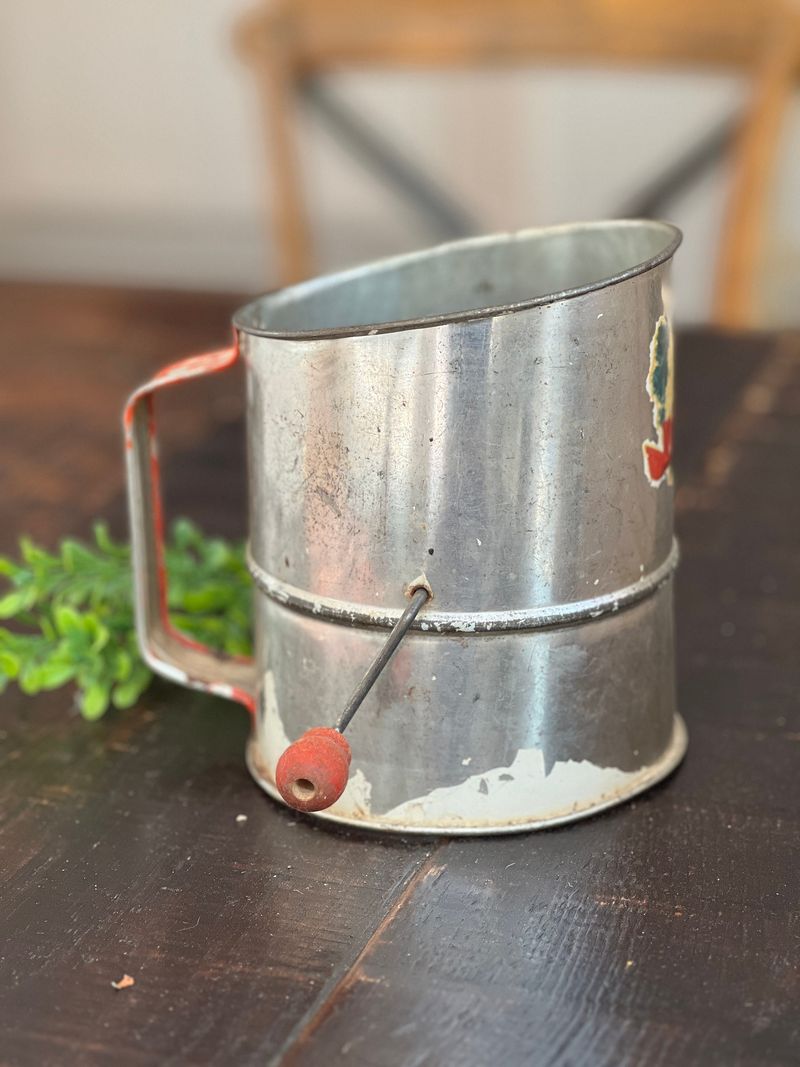
Baking is a science, and a flour sifter is one of its most underrated instruments. Sifting removes lumps and aerates the flour, which leads to lighter cakes, fluffier pancakes, and more consistent results across the board.
Vintage tin sifters with squeeze-handle or hand-crank mechanisms are far more satisfying to use than flimsy modern versions. Many pastry chefs still reach for old-school sifters because they produce a finer, more even flour stream with every use.
11. Mortar and Pestle
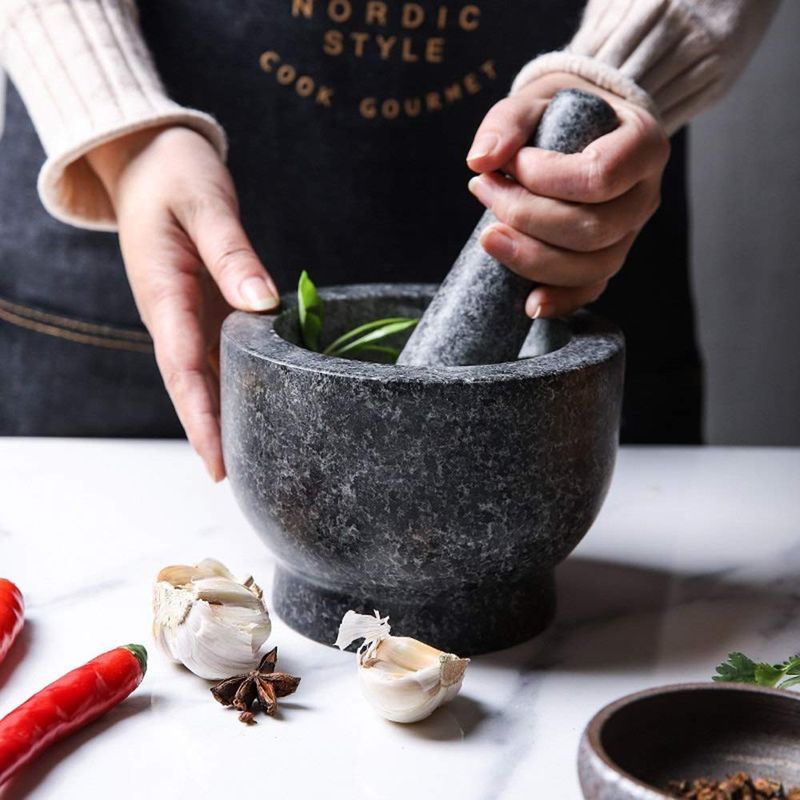
Electric spice grinders are fast, but they can’t replicate what a mortar and pestle does to flavor. Grinding spices by hand releases aromatic oils slowly and completely, producing a paste or powder with far more depth than machine-ground alternatives.
Vintage stone mortars — especially large granite or marble ones — have the weight and texture needed to grind tough spices efficiently. Chefs who work with Thai, Indian, or Middle Eastern recipes often say this tool is completely irreplaceable in their kitchens.
12. Tin Canister Set
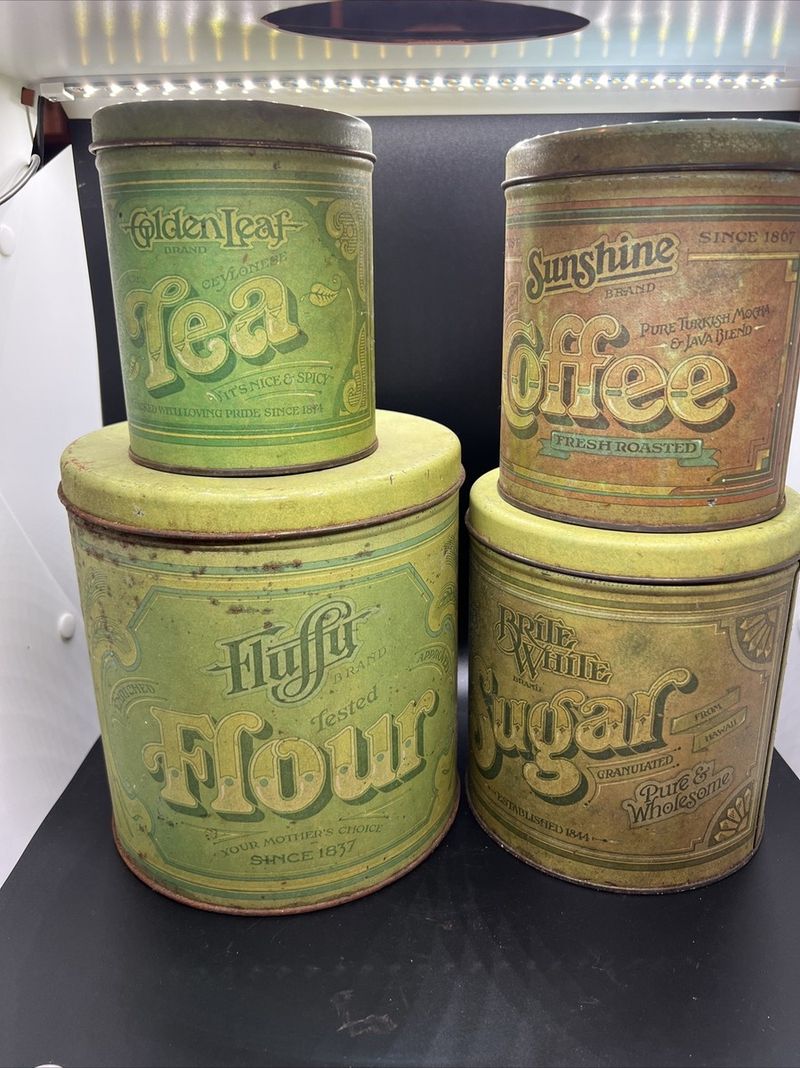
Keeping pantry staples fresh used to be a matter of choosing the right container — and tin canisters were the gold standard. Airtight tin seals keep flour, sugar, coffee, and tea protected from moisture and pests far better than loosely closed bags.
Vintage canister sets from the 1940s through 1960s came in coordinated designs that made kitchens look intentional and charming. Food stylists and chefs with open shelving are bringing these sets back because they look beautiful and actually work.
13. Cherry Pitter
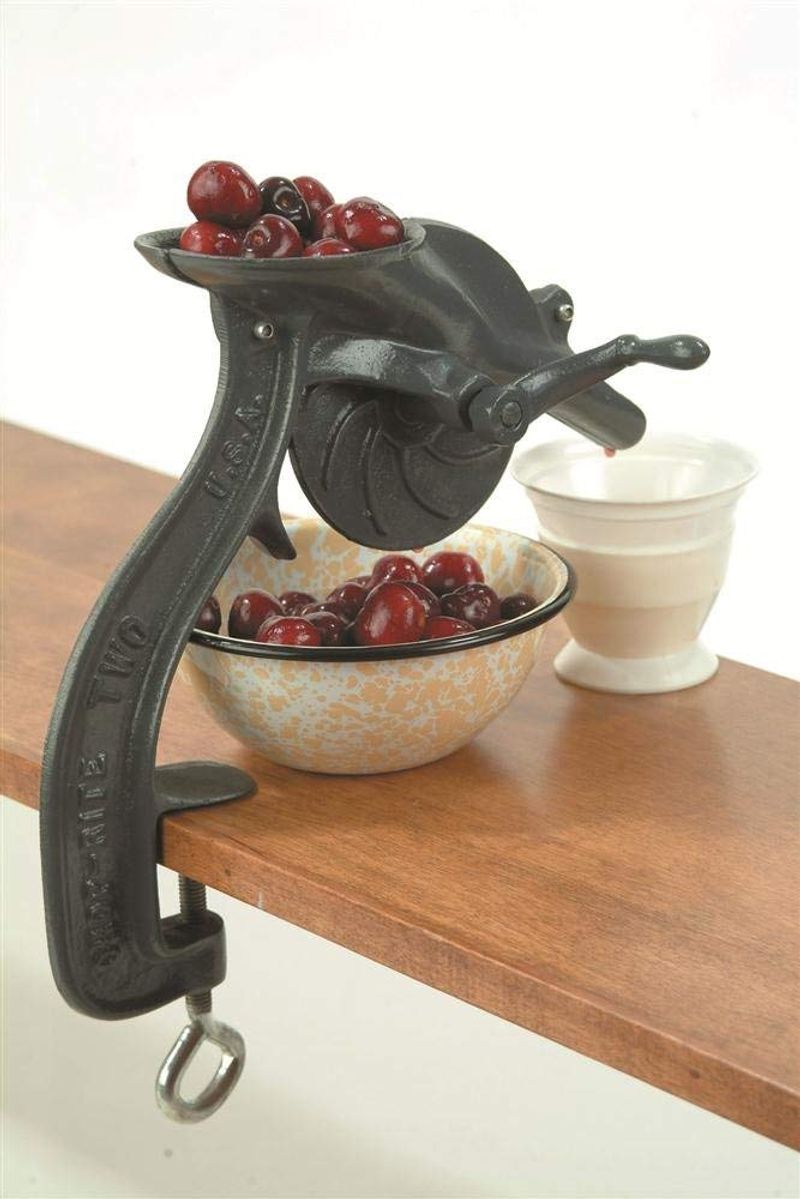
Cherry season is short, and pitting a pound of cherries by hand is nobody’s idea of a good time. A vintage cast iron cherry pitter changes the whole experience — clamp it to the table, feed in cherries, and watch the pit pop out cleanly every time.
Old cast iron models are more robust than flimsy plastic versions and handle both sweet and sour cherries with ease. Pastry chefs making pies or preserves say they refuse to work without one.
14. Copper Mixing Bowls
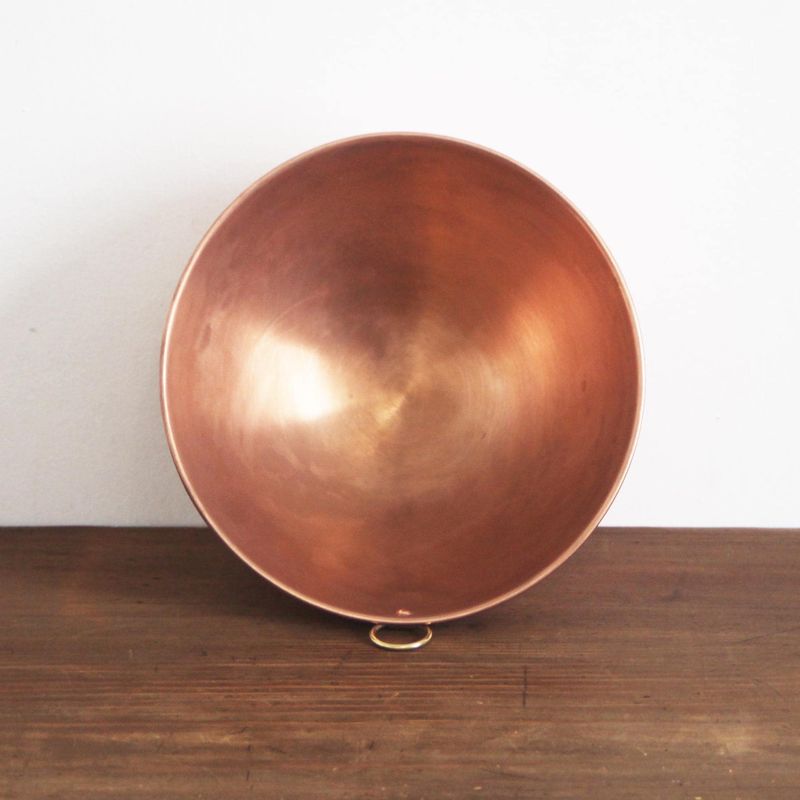
There is actual science behind why copper bowls make better meringue. Copper ions bond with egg white proteins during whipping, creating a more stable foam that holds its peaks longer and is harder to over-beat.
Vintage copper mixing bowls, often found in restaurant supply stores or estate sales, are heavier and more reactive than modern versions. Professional pastry chefs have never stopped using them — they just became harder to find for home cooks who don’t know where to look.
15. Vegetable Ricer
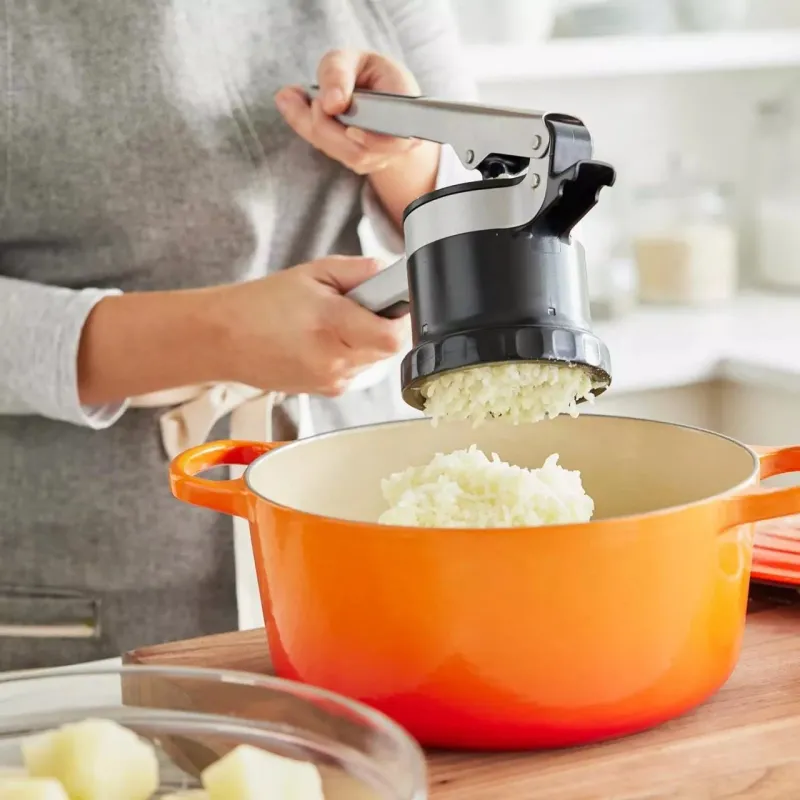
Mashed potatoes made with a ricer are on a completely different level from anything a hand masher or electric mixer produces. A ricer presses cooked potatoes through tiny holes, creating a light, lump-free texture that absorbs butter and cream like a dream.
Vintage models with wooden handles and heavy metal baskets are sturdier than most of what’s sold today. Chefs making gnocchi, potato croquettes, or silky purees consider a ricer non-negotiable — and grandma knew that long before any cooking show did.
16. Stovetop Percolator
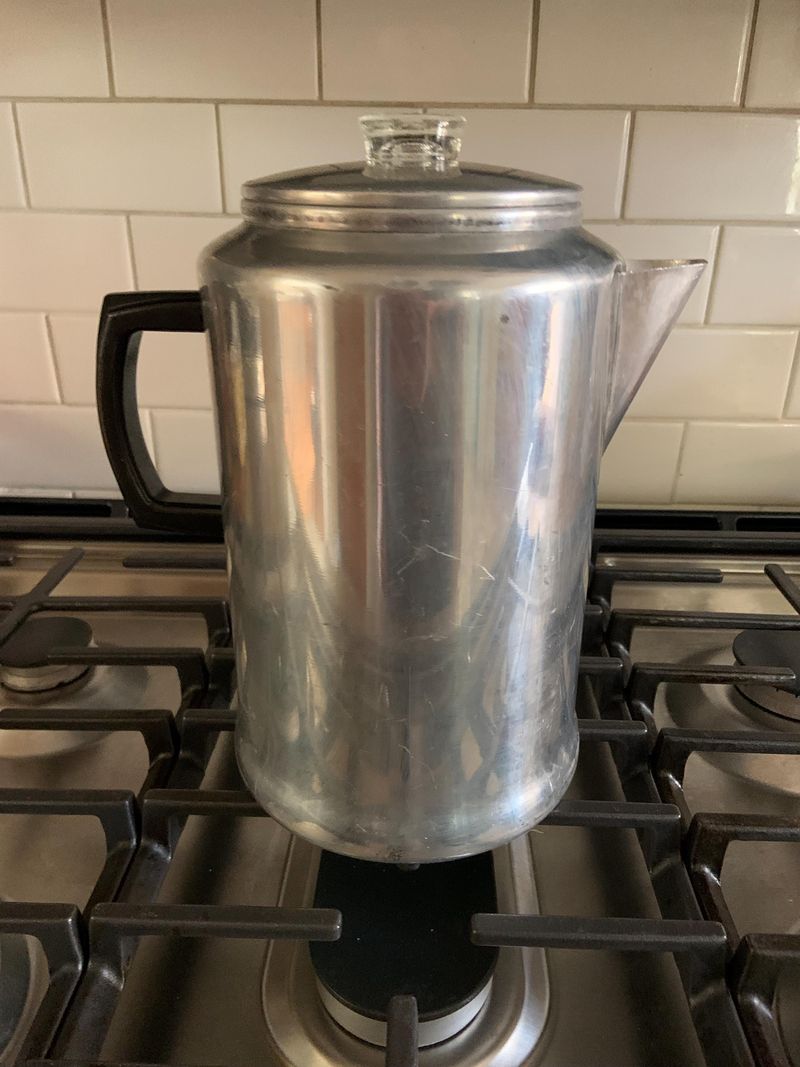
Coffee culture has gotten complicated, but the stovetop percolator keeps things beautifully simple. Hot water cycles up through a tube, percolates through coffee grounds, and drips back down — producing a bold, rich cup that modern drip machines rarely match.
Vintage stainless steel or aluminum percolators from mid-century kitchens are still fully functional and require zero electricity to operate. Chefs who camp or cook off-grid swear by them, and plenty of home cooks use them daily just because the coffee tastes so much better.
17. Glass Juicer
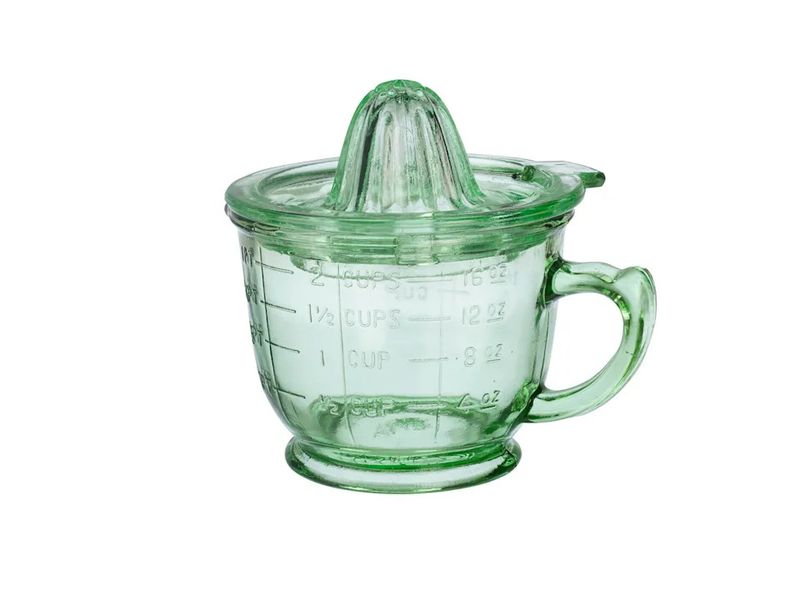
Squeezing fresh orange juice used to mean reaching for a heavy glass dome juicer — and honestly, that method still wins. Vintage glass citrus juicers from the Depression era were made from thick, molded glass that could take a beating without chipping.
The ridged cone design extracts maximum juice while catching seeds naturally. Chefs who prioritize fresh citrus for sauces, cocktails, and dressings love vintage glass juicers because they’re easy to clean, don’t absorb flavors, and look stunning on the counter.
18. Mandoline Slicer
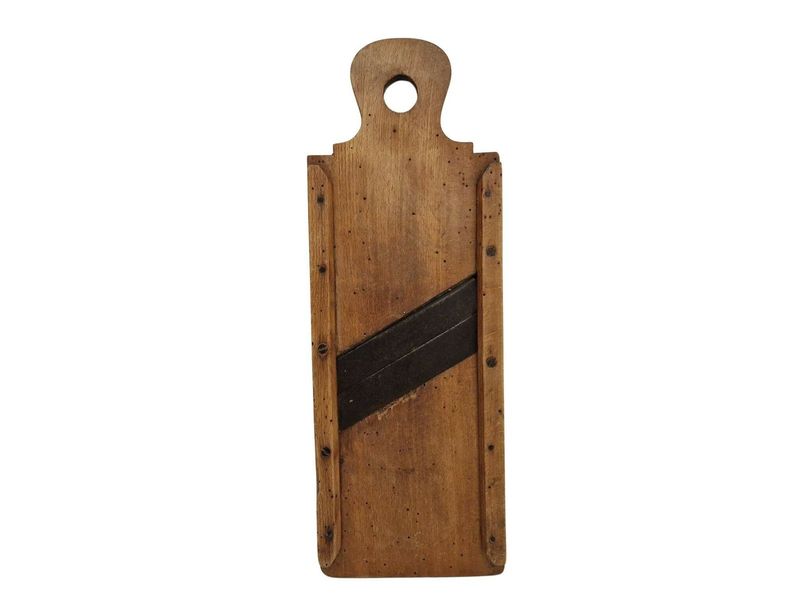
Before electric food processors showed up, professional cooks relied on a mandoline to produce paper-thin, perfectly uniform slices at serious speed. French wooden mandolines from the mid-20th century are engineering masterpieces — adjustable blades, solid frames, and a satisfying heft that modern plastic versions simply don’t have.
Slicing potatoes for gratin, cucumbers for salads, or fennel for crudites becomes effortless with a quality mandoline. Chefs who have used a vintage French model rarely go back to anything else.
19. Spice Rack with Glass Jars
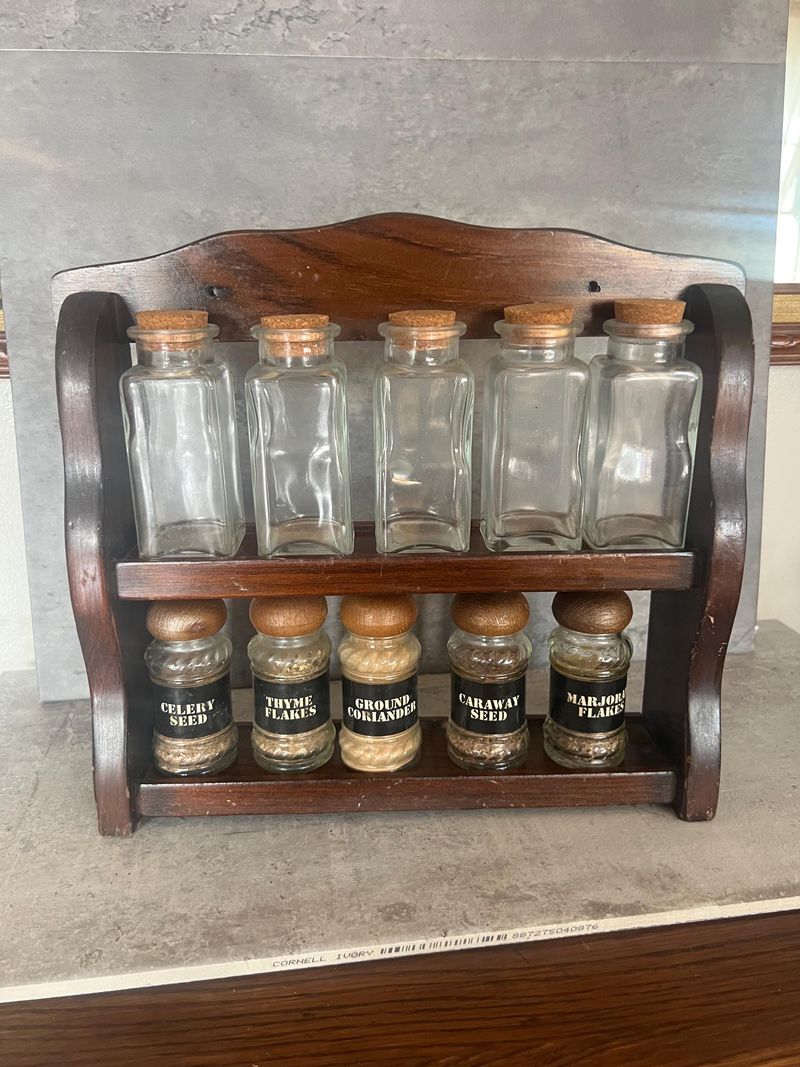
Keeping spices organized used to involve a charming wooden rack mounted on the kitchen wall, holding little glass jars with metal lids. Vintage spice racks from the 1940s and 50s were built from solid wood and designed to last a lifetime.
Glass jars preserve spice potency far better than plastic containers because they’re airtight and don’t absorb odors. Chefs who care about ingredient quality have started hunting down vintage spice jar sets because they’re functional, beautiful, and surprisingly hard to improve upon.
20. Tin Cookie Cutters
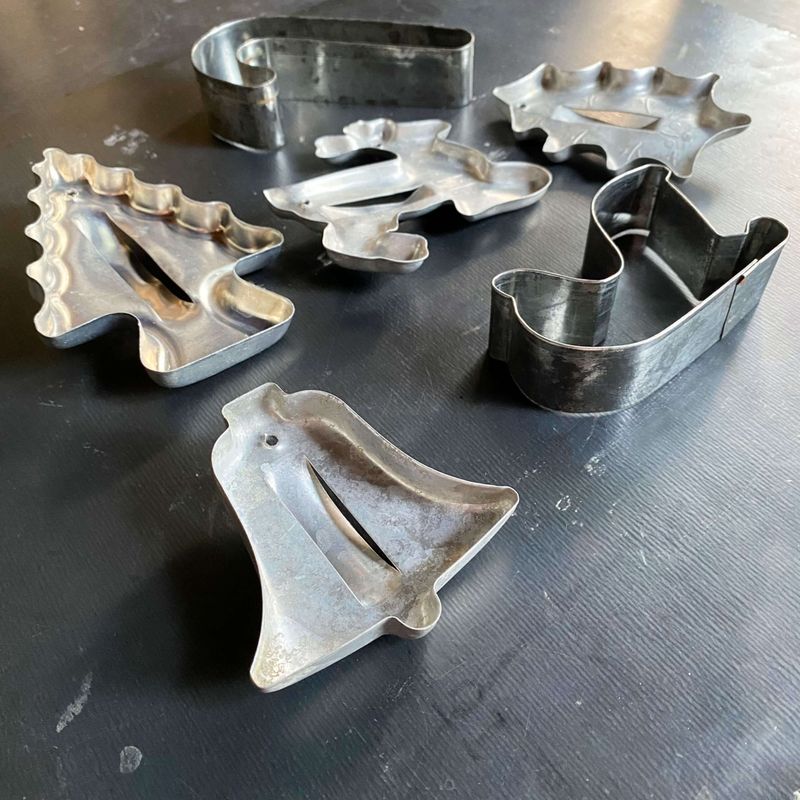
Stamped tin cookie cutters from decades past have sharper edges and more interesting shapes than most of what’s sold in kitchen stores today. Bakers who have compared the two notice right away — vintage cutters produce cleaner edges and hold their shape better in the dough.
Many old sets include figures that aren’t manufactured anymore, like intricate animals or regional folk shapes. Pastry chefs and home bakers hunt for these at antique markets because they add a personal, handcrafted quality to every batch of cookies.