
There is something special about the objects that once filled our grandparents’ homes. From bulky gadgets in the living room to hand-powered tools in the kitchen, these items tell the story of everyday life decades ago.
Many of them have completely disappeared, replaced by sleeker technology or simply left behind as habits changed. Take a walk down memory lane and discover 20 vintage household items that are no longer made today.
1. Kodak Carousel Slide Projector
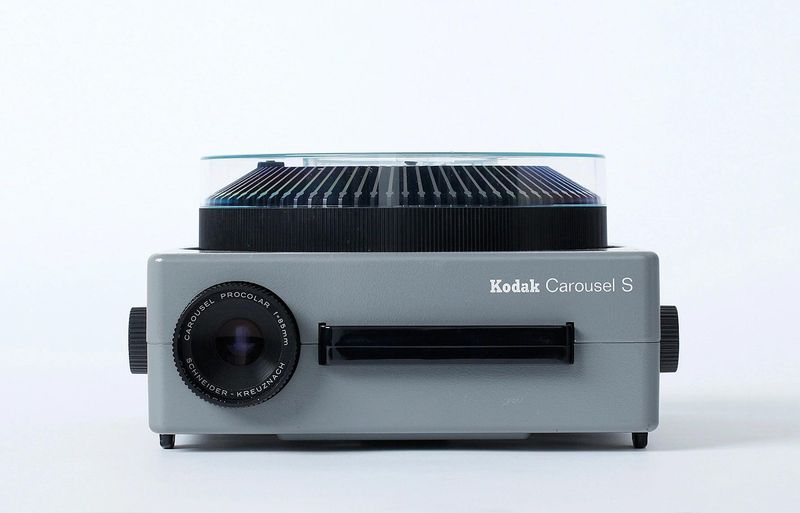
Saturday nights used to mean pulling down the screen and loading up the Carousel. Kodak introduced this iconic projector in 1961, and for decades it was how families relived vacations and holidays through glowing 35mm slides.
The circular tray could hold up to 80 slides at once, making it easy to flip through memories.
Kodak stopped making the Carousel in 2004 as digital cameras took over. Today, finding one at a garage sale feels like striking gold.
2. 8-Track Tape Player
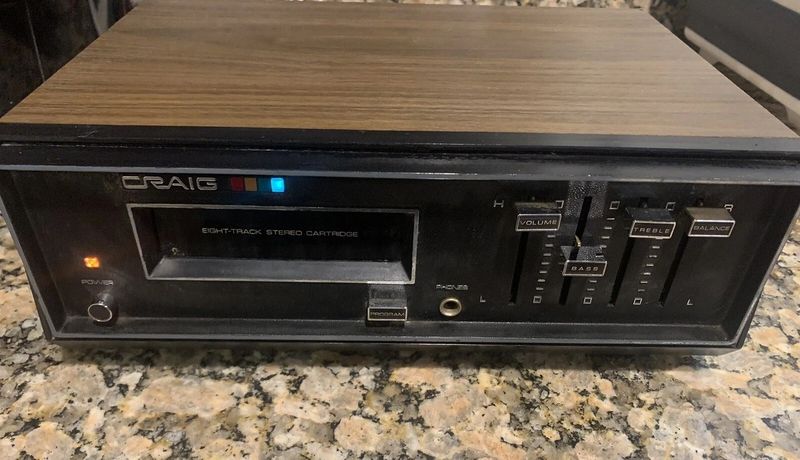
Before playlists existed, there were 8-tracks. These chunky cartridges ruled car dashboards and living rooms throughout the late 1960s and 1970s, delivering music with a satisfying click when the track switched.
Bands like the Eagles and Led Zeppelin were best known to many listeners through this format.
Cassette tapes eventually pushed 8-tracks out of the picture entirely. The format faded fast, but collectors still hunt down working players and original cartridges with serious enthusiasm.
3. Sony Betamax VCR
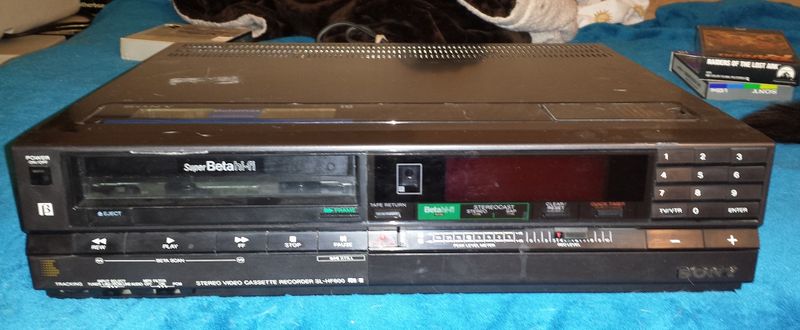
Sony was so confident in Betamax that they never imagined losing. Launched in 1975, Betamax offered slightly better picture quality than VHS, yet consumers chose VHS overwhelmingly because of its longer recording time.
It became one of the most famous product defeats in tech history.
Sony kept producing Betamax tapes until 2016, long after the format had become a curiosity. Finding a working Betamax machine today is like discovering a relic from an alternate timeline where Sony won the format war.
4. LaserDisc Player
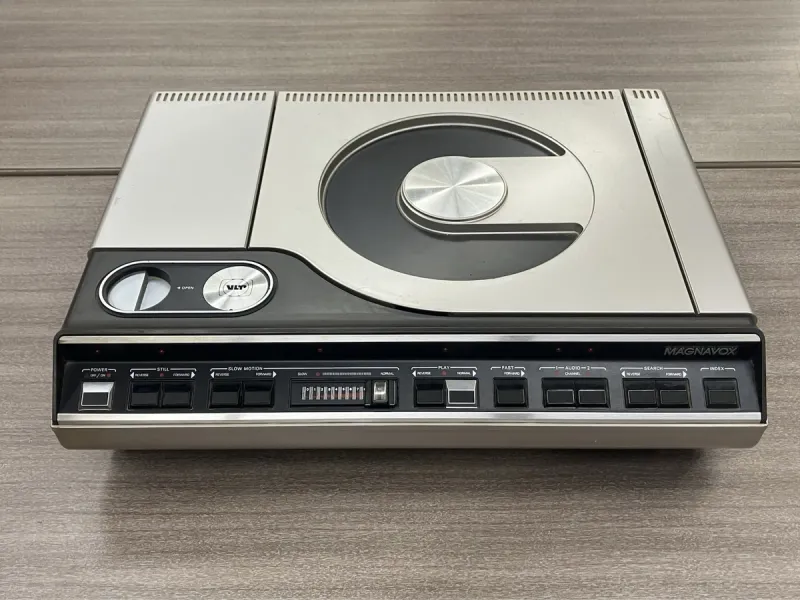
Imagine a DVD the size of a vinyl record and you have a LaserDisc. Introduced in 1978, these 12-inch optical discs offered sharper picture quality than VHS, making them a favorite among serious film fans and early home theater enthusiasts.
Studios loved releasing special editions on the format.
Despite the quality advantage, the high price and inability to record kept LaserDisc from going mainstream. DVDs arrived in the late 1990s and finished the job quickly, leaving LaserDisc as a beloved niche footnote.
5. VHS VCR
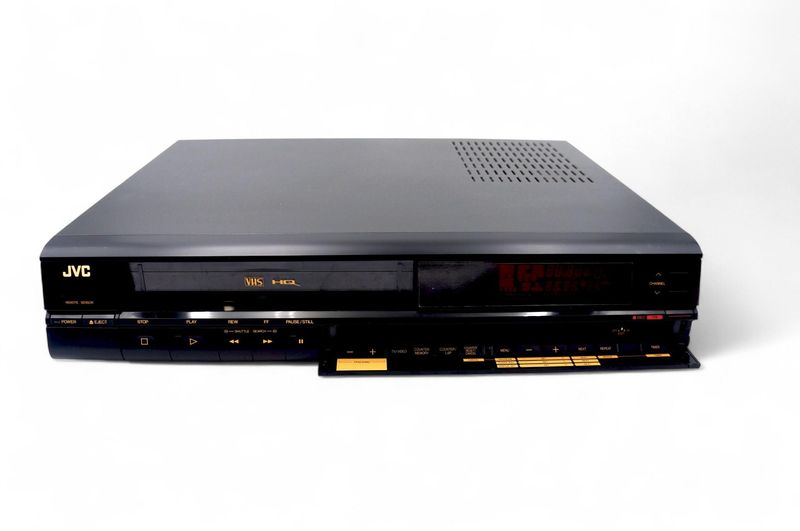
Rewinding a tape before returning it to the video store was practically a civic duty in the 1990s. VHS VCRs dominated home entertainment for nearly 30 years, letting families record TV shows and rent movies from the corner video store.
At their peak, nearly every household owned one.
The last VCR ever manufactured rolled off the production line in 2016. That quiet end marked the close of an era that defined how millions of people experienced movies and television for generations.
6. Iomega Zip Drive
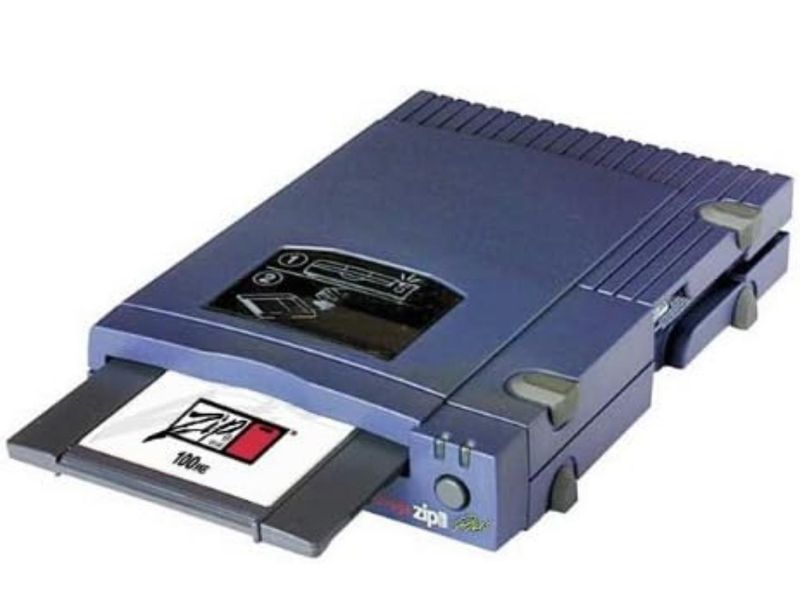
Back when floppy disks could barely hold a few photos, the Zip drive felt like a miracle. Iomega launched it in 1994, offering cartridges that stored 100 megabytes, later expanding to 250 and 750.
Graphic designers and office workers relied on them heavily for moving large files between computers.
CD burners and USB flash drives made Zip drives unnecessary almost overnight. Production wrapped up around 2003, leaving behind a generation of people who still remember the satisfying click of inserting a cartridge.
7. MiniDisc Deck
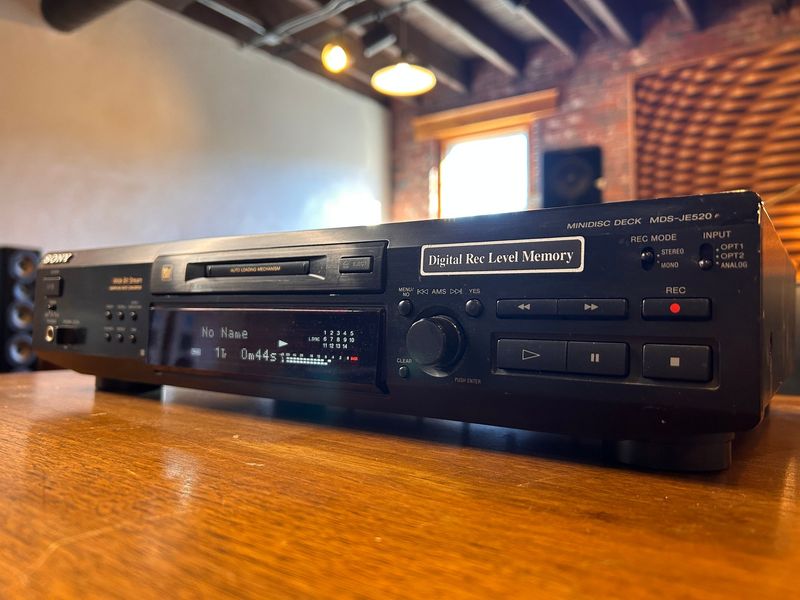
Sony genuinely believed MiniDisc would replace the CD. Launched in 1992, these small rewritable discs offered digital sound quality with the ability to record, edit, and label tracks, something CDs could not do at the time.
In Japan, the format was a massive hit for years.
Western consumers mostly stuck with CDs and later MP3 players, leaving MiniDisc in an awkward middle ground. Sony officially ended production of home MiniDisc decks around 2013, closing a chapter on one of audio history’s most underappreciated formats.
8. Burn Barrel

For much of the 20th century, burning trash in the backyard was just part of the weekly routine. Metal barrels with holes punched in the sides served as makeshift incinerators where paper, cardboard, and household waste disappeared in a cloud of smoke.
Rural families especially depended on them before regular trash pickup existed.
Environmental regulations and expanded municipal waste services made burn barrels illegal or heavily restricted in most areas. What once seemed practical is now understood to release harmful pollutants into the air and soil.
9. Typewriter
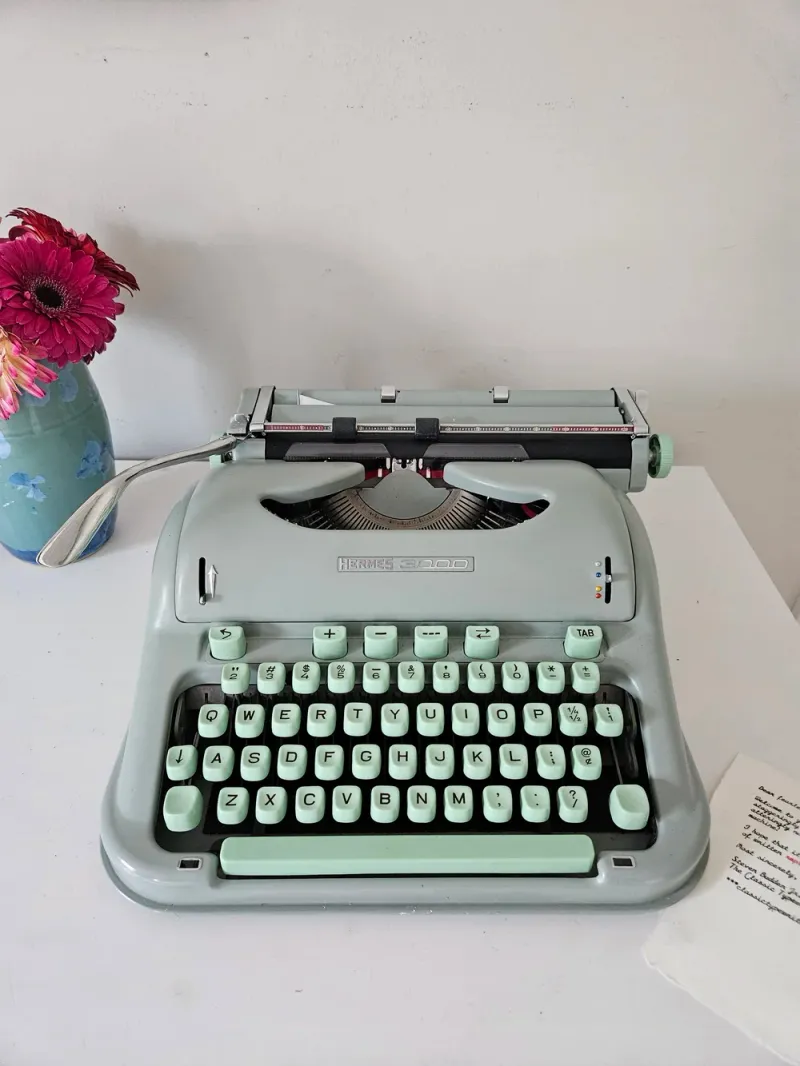
Every keystroke on a typewriter came with a satisfying clack and the occasional ding of a carriage return. These mechanical writing machines were household essentials from the late 1800s well into the 1980s, used for letters, school reports, and business documents.
Learning to type on one was a genuine life skill.
Computers and word processors made typewriters obsolete for everyday use. Though no longer manufactured for mainstream households, they hold a devoted following among collectors and writers who love their tactile charm.
10. Manual Carpet Sweeper
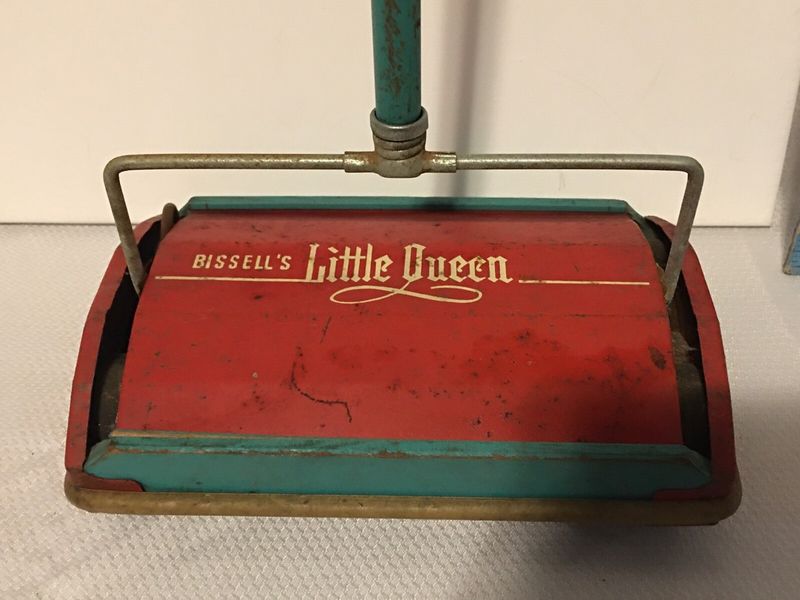
Before robot vacuums and cordless cleaners, there was the humble carpet sweeper. Powered entirely by pushing, these lightweight devices used rotating brushes to collect crumbs, pet hair, and dust from rugs and carpets without any electricity.
They were quiet, cheap to run, and surprisingly effective for everyday tidying.
Modern vacuum cleaners became so affordable and efficient that manual sweepers nearly vanished from homes entirely. A few niche versions still exist, but spotting one in actual daily use today is genuinely rare.
11. Traditional Hardwired Landline Phone
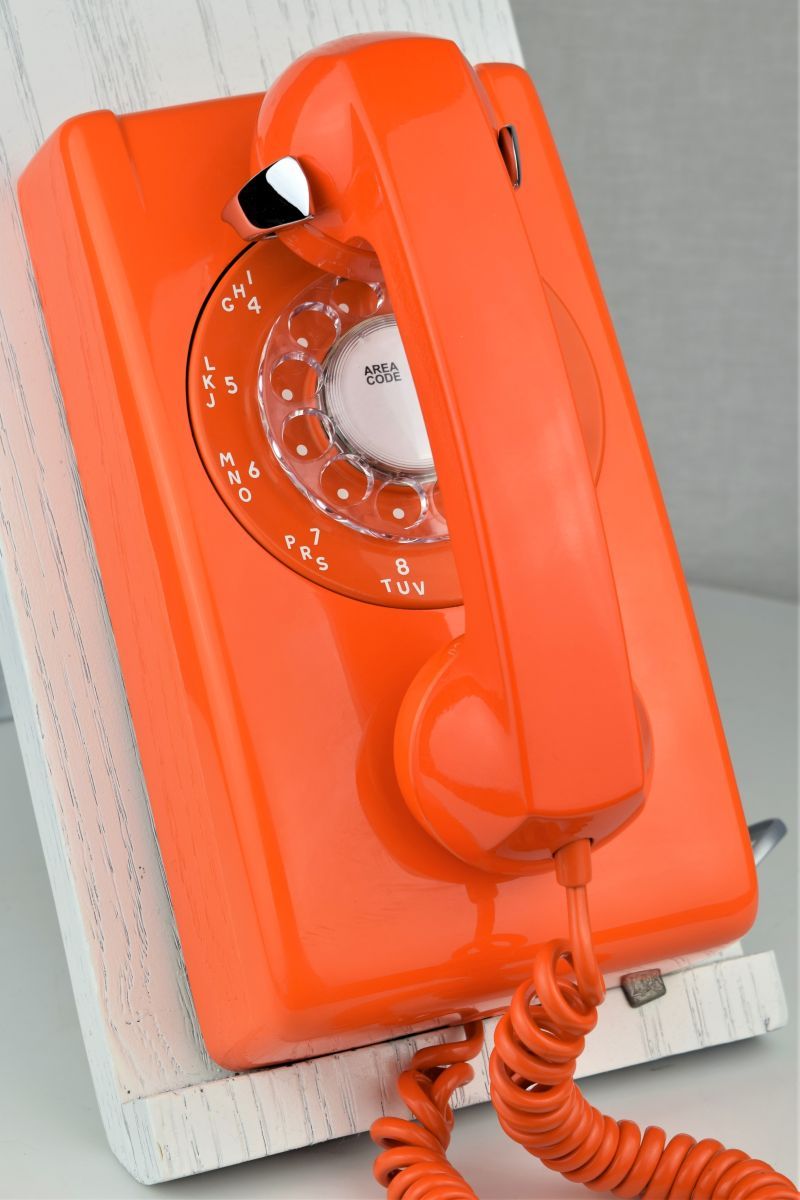
Growing up, the kitchen phone was practically a family member. Hardwired directly into the wall, these phones required no battery, no Wi-Fi, and no charging.
They worked during power outages and thunderstorms when everything else went dark, making them quietly dependable in ways modern phones simply are not.
Mobile phones steadily replaced landlines through the 2000s. Today, fewer than 25 percent of U.S. households keep a landline, and only about 3 percent rely on one exclusively, a dramatic shift in just two decades.
12. Physical Telephone Answering Machine
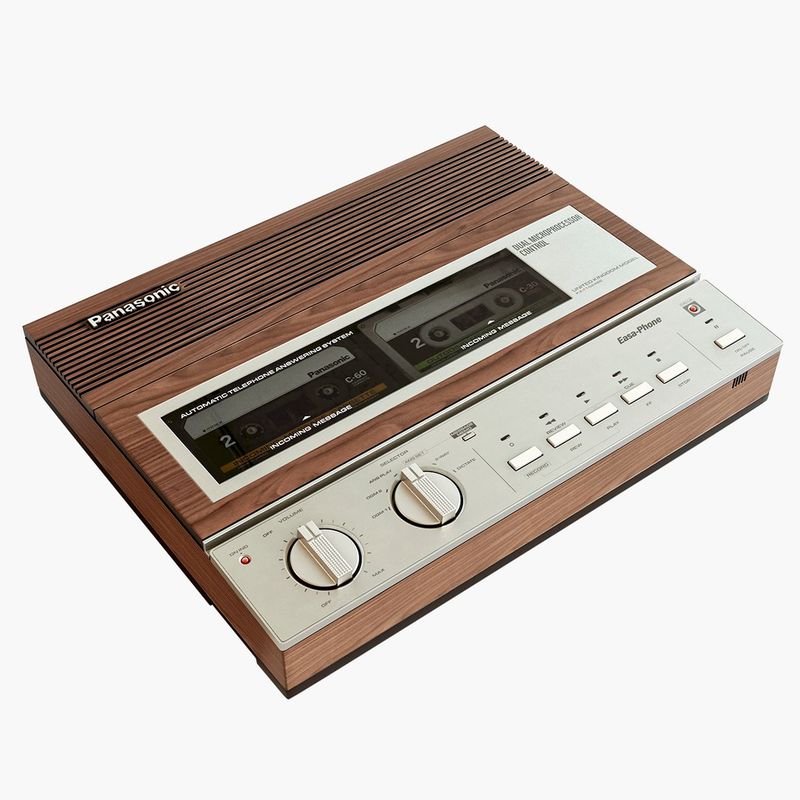
That blinking red light meant someone had called while you were out. Standalone answering machines became household staples in the 1980s, recording messages on tiny cassette tapes and letting people finally stop missing calls.
Checking messages felt like a small daily ritual, especially waiting to hear who had called.
Voicemail services built into phone plans made physical machines unnecessary by the early 2000s. Caller ID added another layer of convenience, and the boxy little device on the hallway table quietly disappeared from homes forever.
13. Bulky TV Cabinet with Doors
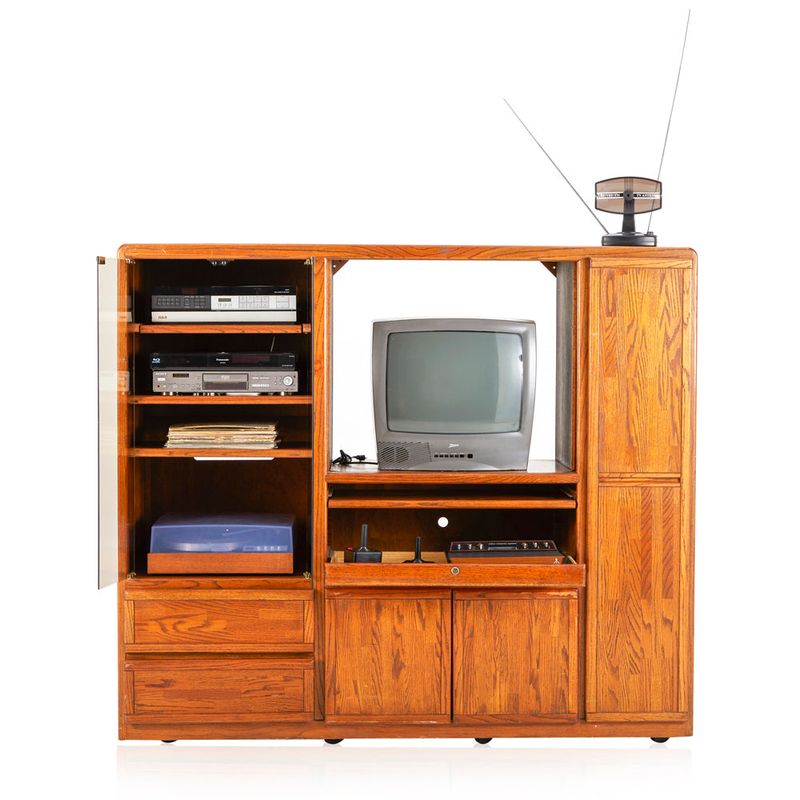
Hiding the television behind closed doors was once considered a mark of good taste. These large wooden cabinets were built specifically to house heavy CRT televisions and included shelves for VHS tapes, remotes, and other accessories.
When company came over, you could simply shut the doors and pretend it was furniture.
Flat-screen TVs changed everything. Suddenly, the television became something people wanted to display, not conceal.
Wall mounts replaced hulking cabinets, and these ornate pieces of furniture became obsolete almost immediately after slim screens arrived.
14. Waterbed Frame
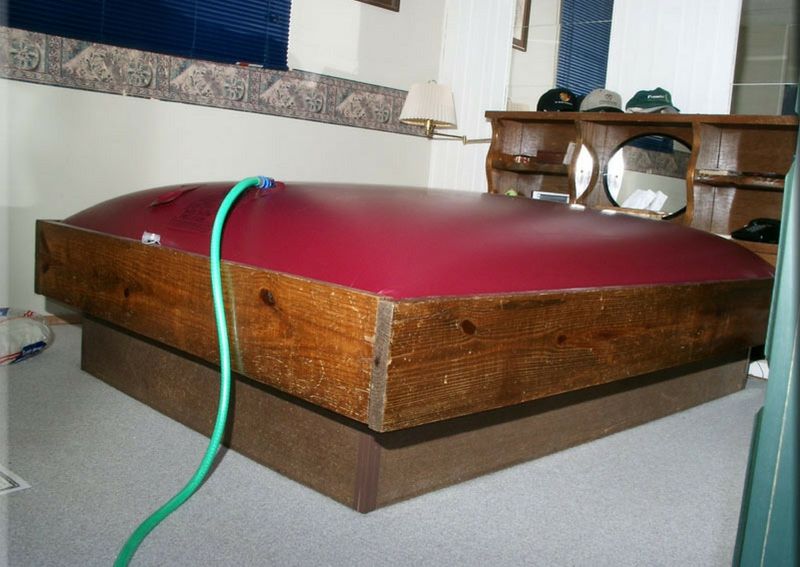
Nothing said 1970s cool quite like sleeping on water. Waterbeds surged in popularity between the mid-1970s and late 1980s, offering a floating sensation that fans swore relieved back pain and improved sleep.
The heated mattress version even promised warmth on cold nights, which sounded luxurious at the time.
Practical downsides piled up fast. They were heavy enough to crack floors, expensive to move, and prone to leaks.
Memory foam and advanced spring mattresses eventually offered similar comfort without the risk of flooding your bedroom.
15. Formal Dining Room Set with China Cabinet
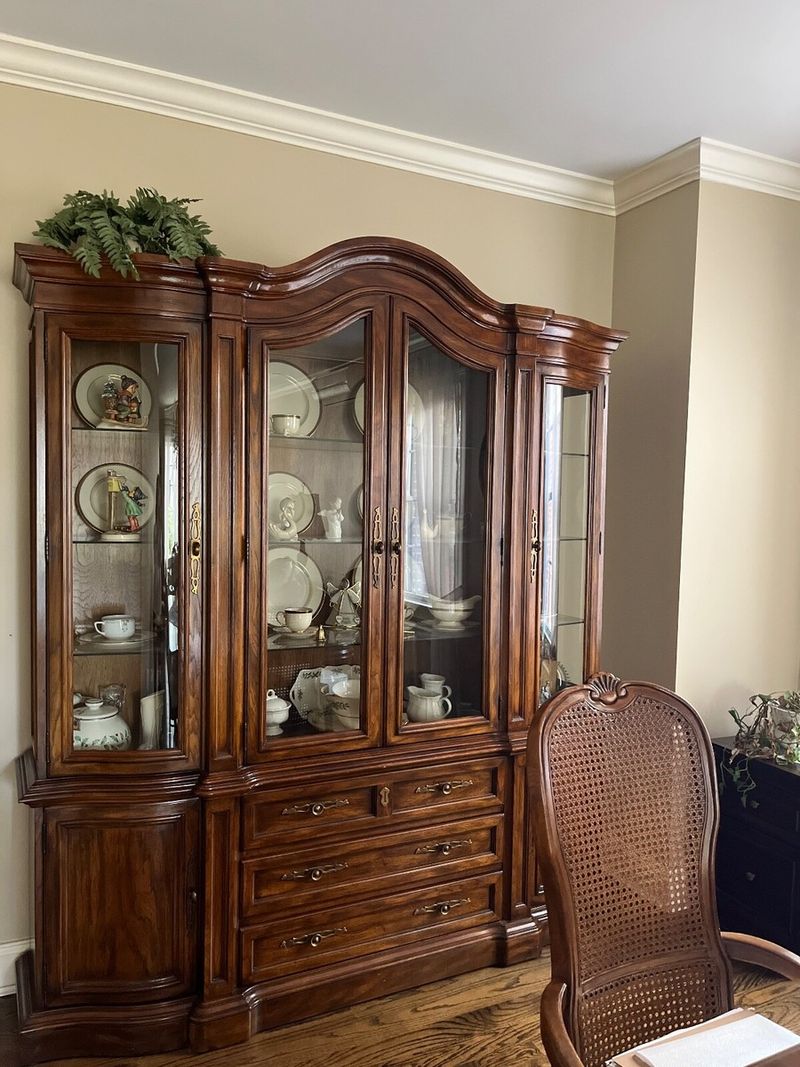
Formal dining rooms once signaled that a home was well-established and serious about entertaining. A matching table, chairs, and towering china cabinet filled with rarely used dishware was considered the gold standard of adult homeownership through much of the 20th century.
Sunday dinners in that room felt like an event.
Open-concept floor plans and casual dining habits shifted priorities. Younger generations skipped the formal set entirely, preferring flexible spaces.
Thrift stores today are packed with these once-prized sets, selling for a fraction of their original cost.
16. Rug Beater
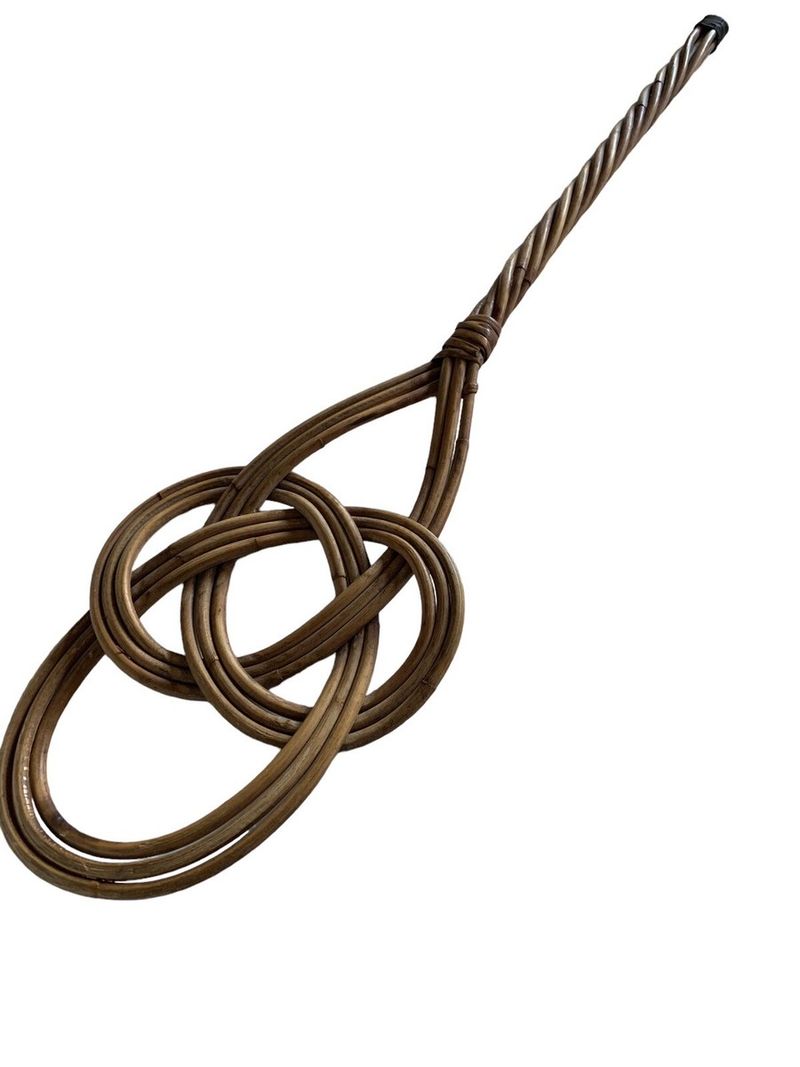
Before vacuums, cleaning a rug meant hauling it outside and whacking it repeatedly with a wicker or wire paddle. Rug beaters came in beautifully woven shapes, almost decorative in appearance, and the task of beating dust out of rugs was a regular part of spring cleaning for generations of households.
Electric vacuum cleaners arrived and made the rug beater essentially extinct in American homes. Today they show up mostly as wall decorations or antique store curiosities, with younger shoppers often having no idea what they were actually used for.
17. Hand-Crank Butter Churn
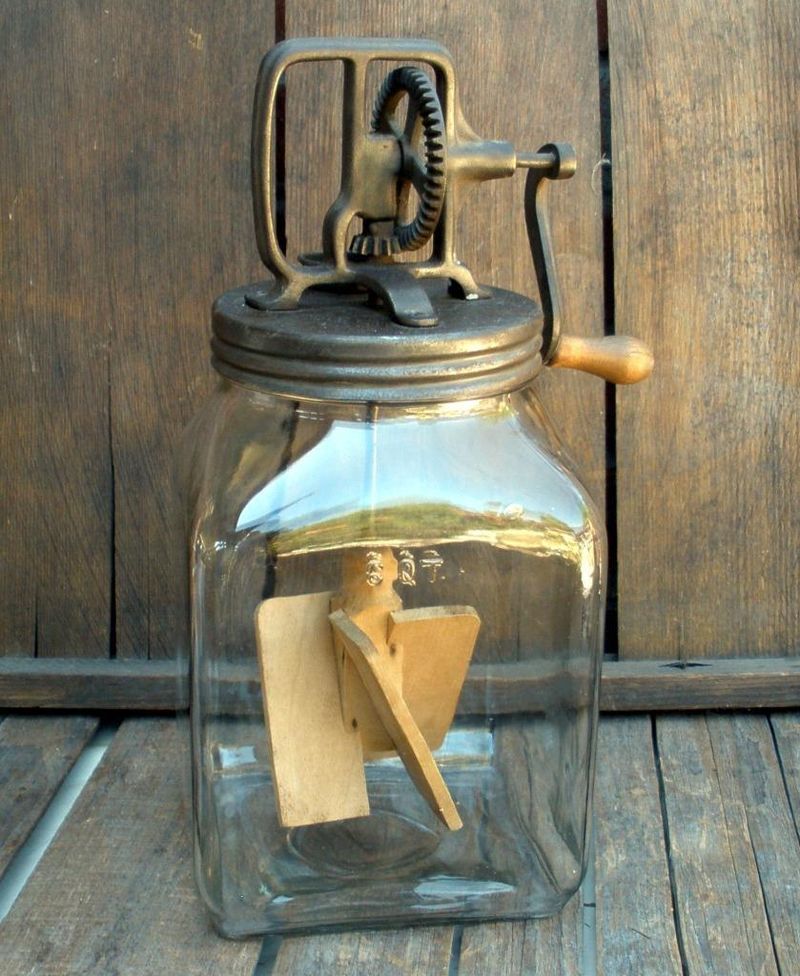
Making butter used to require muscle, patience, and about 30 minutes of cranking. Hand-crank churns were essential kitchen tools from the mid-1800s through the 1940s, converting heavy cream into fresh butter through simple but relentless agitation.
Farm families used them regularly, and the results were far richer than anything store-bought.
Commercially produced butter became widely available and affordable after World War II, making home churning unnecessary. The churn moved from the kitchen counter to the barn, and eventually to antique shops and nostalgic country-style displays.
18. Wringer Washing Machine
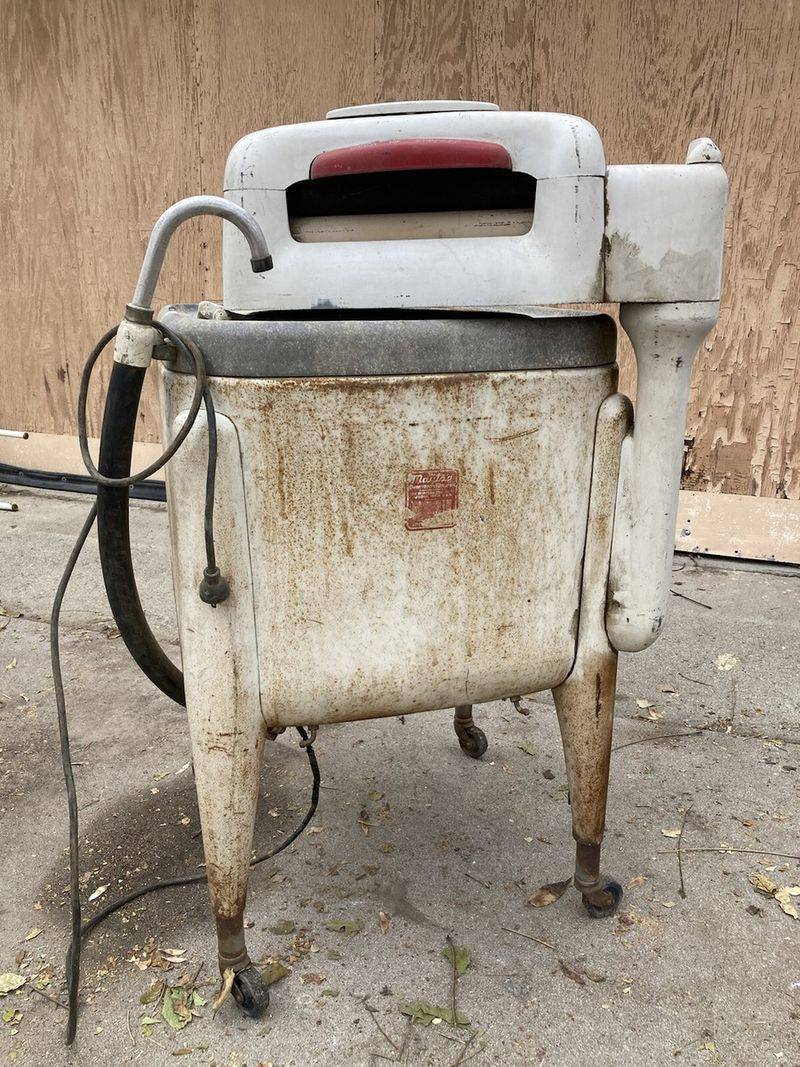
Laundry day used to be an all-day event, and the wringer washing machine was the centerpiece. Invented around the 1840s and widely used through the 1950s, these machines agitated clothes in soapy water and then fed them through two rubber rollers to squeeze out excess water before hanging them to dry.
Automatic electric washers with spin cycles replaced wringers and cut laundry time dramatically. Safety was another concern since fingers and hands could get caught in the rollers, making the upgrade to automatic machines more than just a convenience.
19. Metal Ice Cube Tray with Pullout Lever Handle
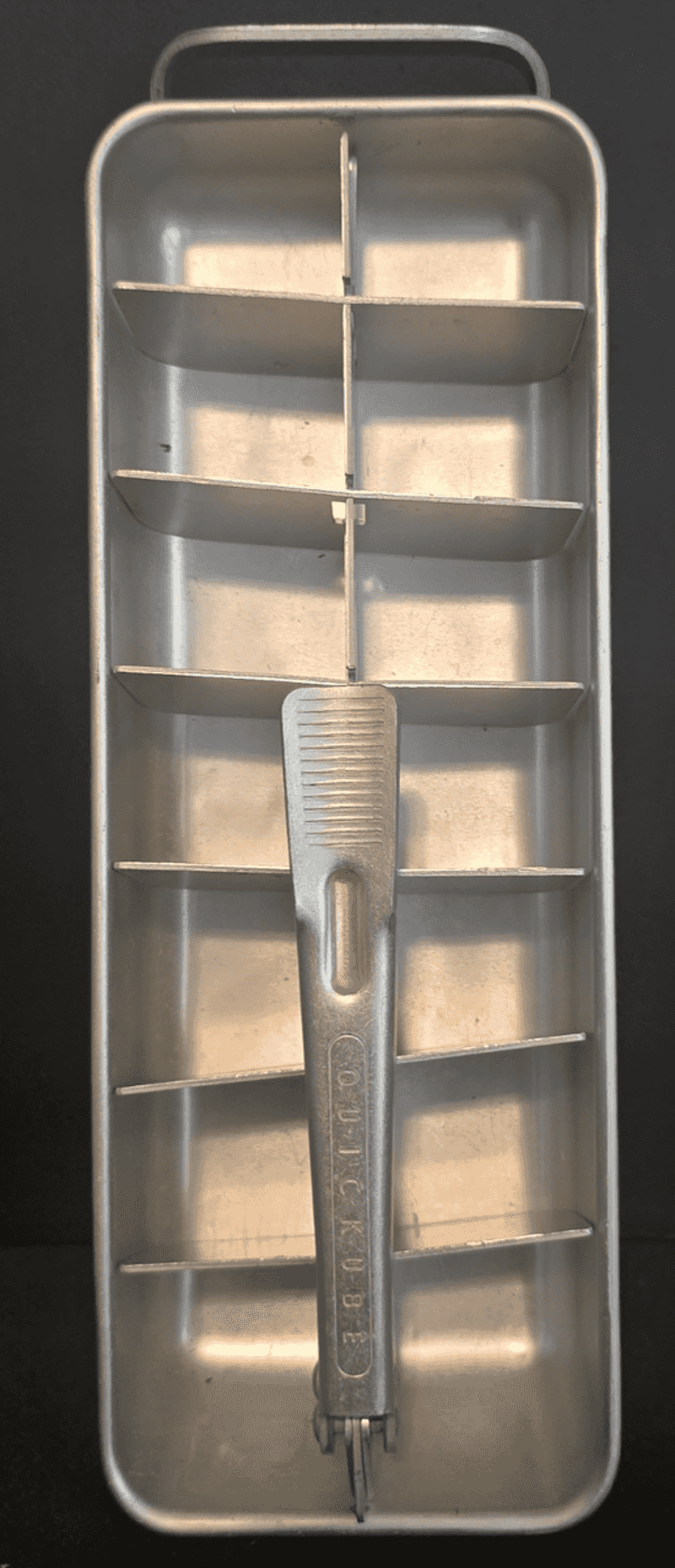
Releasing ice from one of these trays required a firm grip and a satisfying upward pull on the center lever. Made from aluminum, these trays were standard equipment in refrigerators from the 1930s through the 1960s, producing perfectly square cubes that clinked into glasses with a sharp, clear sound.
Plastic and silicone trays made the metal versions obsolete, and built-in ice makers finished the job entirely. Still, plenty of people remember the metallic chill of handling one and the occasional frozen-stuck lever that required running it under warm water.
20. Rotary Dial Telephone
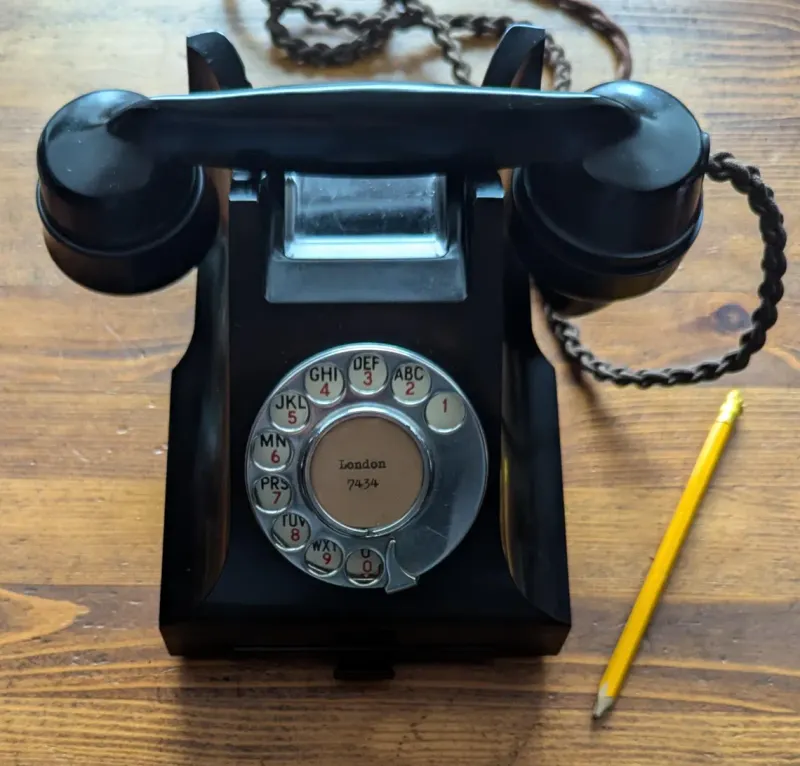
Dialing a number on a rotary phone took real commitment. Each digit required hooking a finger into the correct hole and spinning the dial all the way around, then waiting for it to click back before dialing the next one.
Calling a number with lots of nines and zeros felt like a workout.
Push-button phones replaced rotary dials by the late 1980s, offering speed and convenience. Cordless and mobile phones finished the transition entirely.
These heavy, nearly indestructible phones are now prized as retro decor, admired for a durability that modern devices rarely match.