
Most of us grew up hearing that vegetables are always good for us, and most of the time, that is absolutely true. But some veggies, eaten in large amounts or by certain people, can actually cause unexpected health problems.
Nutritionists want you to know that even healthy foods have limits depending on your body and your situation. Read on to find out which vegetables might be worth watching and why.
1. Spinach
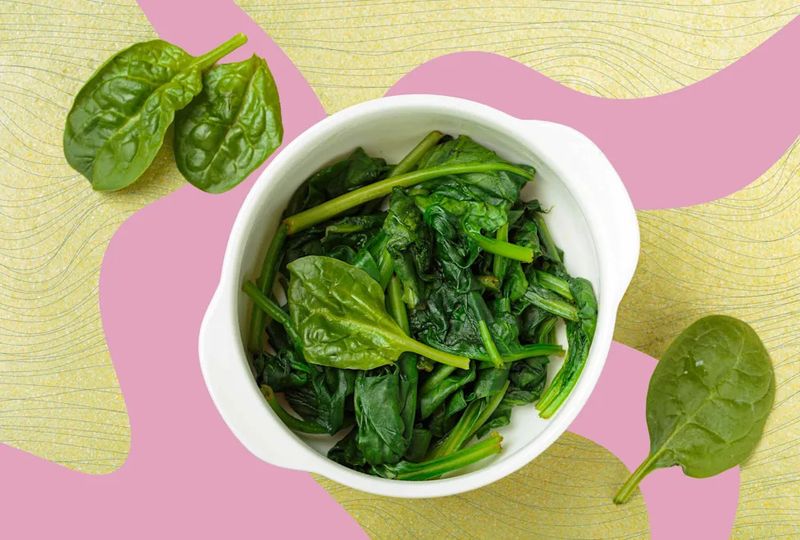
Spinach might be Popeye’s favorite, but eating huge amounts of it every day is not always a smart move. Spinach is loaded with oxalates, natural compounds that can bind to calcium in your body and block its absorption.
For people who are prone to kidney stones, this is a real concern.
Boiling spinach can cut its oxalate content significantly. Pairing it with calcium-rich foods also helps your body handle oxalates better.
Enjoy spinach, but mix it up with other greens too.
2. Beets
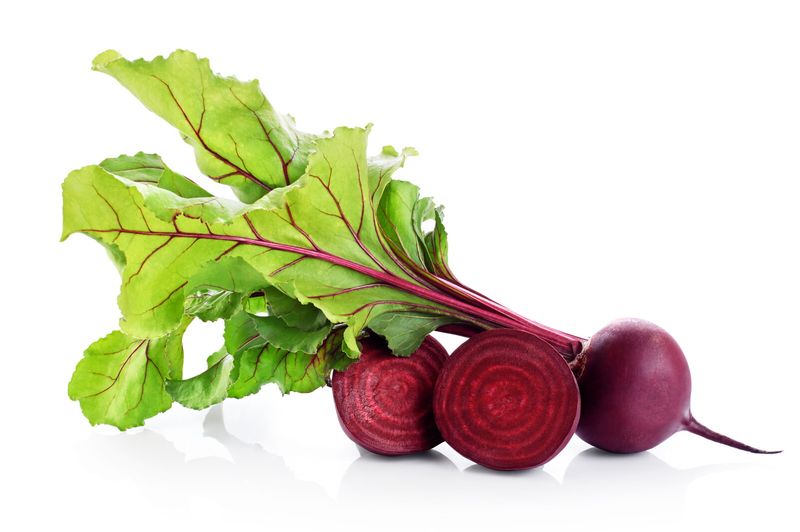
Beets have a gorgeous color and a naturally sweet taste, but they come with a hidden catch for some people. Like spinach, beets are high in oxalates, which can contribute to calcium oxalate kidney stones in those who are already susceptible.
They also contain a lot of natural sugar compared to most other vegetables.
If you have a history of kidney stones, limiting beet intake makes sense. Roasting or boiling them may slightly reduce oxalate levels.
Moderation is the key word here.
3. Swiss Chard
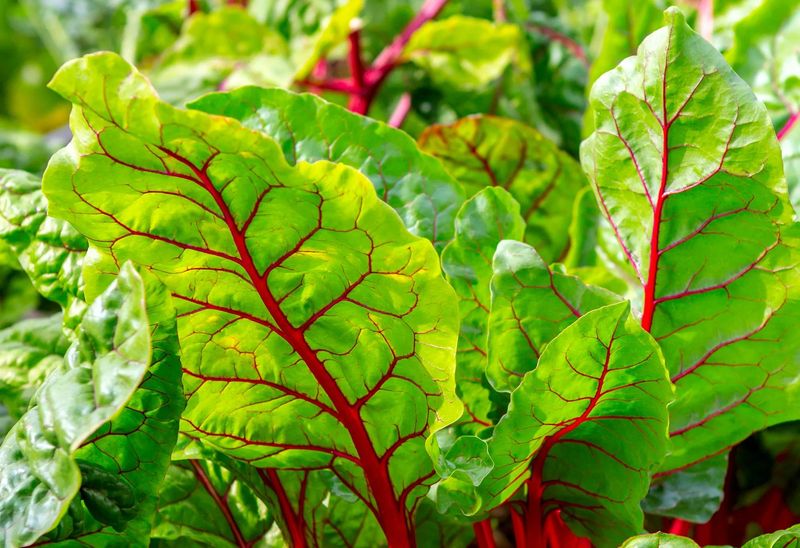
Swiss chard is stunning on the plate, with its rainbow-colored stems and deep green leaves. However, it ranks among the highest vegetables for oxalate content, which surprises many health-conscious eaters.
For people with kidney issues or a tendency toward kidney stones, eating it raw and in big portions regularly could be problematic.
Cooking Swiss chard, especially by boiling and draining, removes a good chunk of those oxalates. Rotating it with lower-oxalate greens like romaine or arugula is a practical and tasty solution.
4. Kale
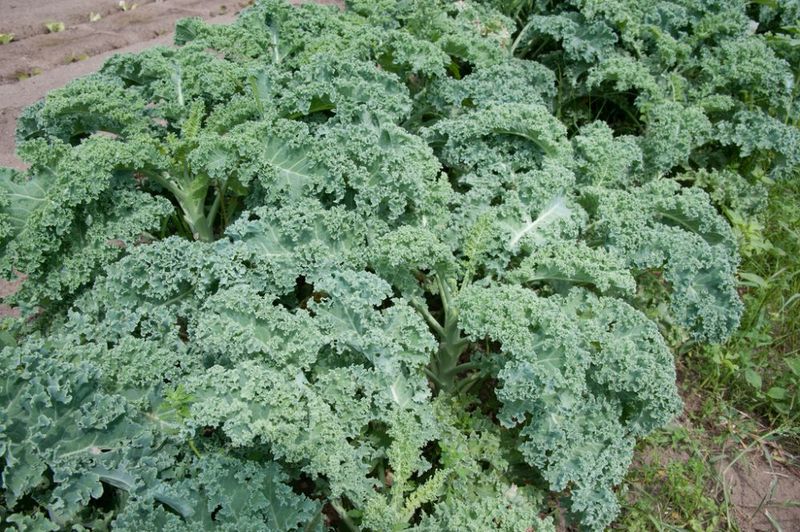
Kale earned superfood status fast, showing up in smoothies, salads, and chips everywhere. The tricky part is that kale belongs to the cruciferous family, which means it contains goitrogens.
Goitrogens can interfere with the thyroid gland’s ability to absorb iodine, which is needed to make thyroid hormones.
For most healthy people, this is not a big deal at all. People with hypothyroidism or low iodine levels, though, may want to cook kale before eating it, since heat breaks down most goitrogenic compounds.
5. Cabbage
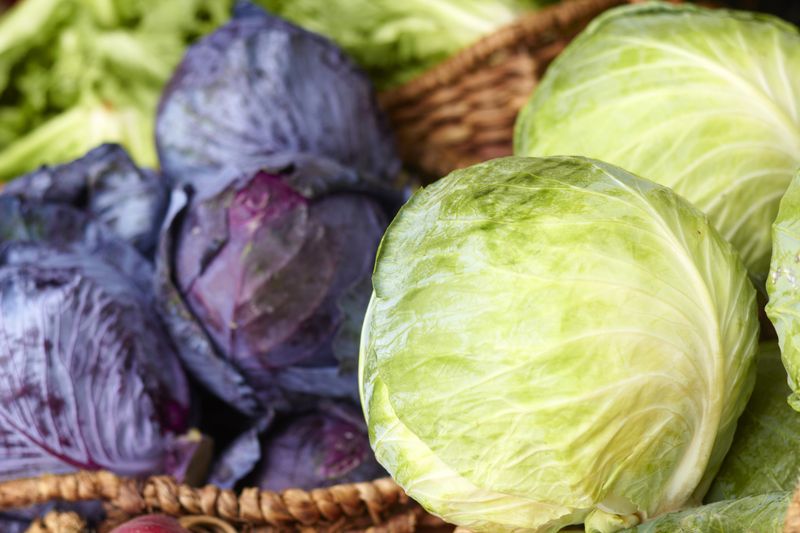
Cabbage is cheap, crunchy, and incredibly versatile, but eating mountains of it raw could be harder on your thyroid than you might expect. Raw cabbage contains goitrogens, which can slow down thyroid hormone production when consumed in very large amounts, especially in people who already have thyroid concerns.
Cooking cabbage largely neutralizes those goitrogenic compounds. Fermented cabbage, like sauerkraut, is actually well-tolerated by most people.
A bowl of coleslaw here and there is perfectly fine for the vast majority of folks.
6. Brussels Sprouts
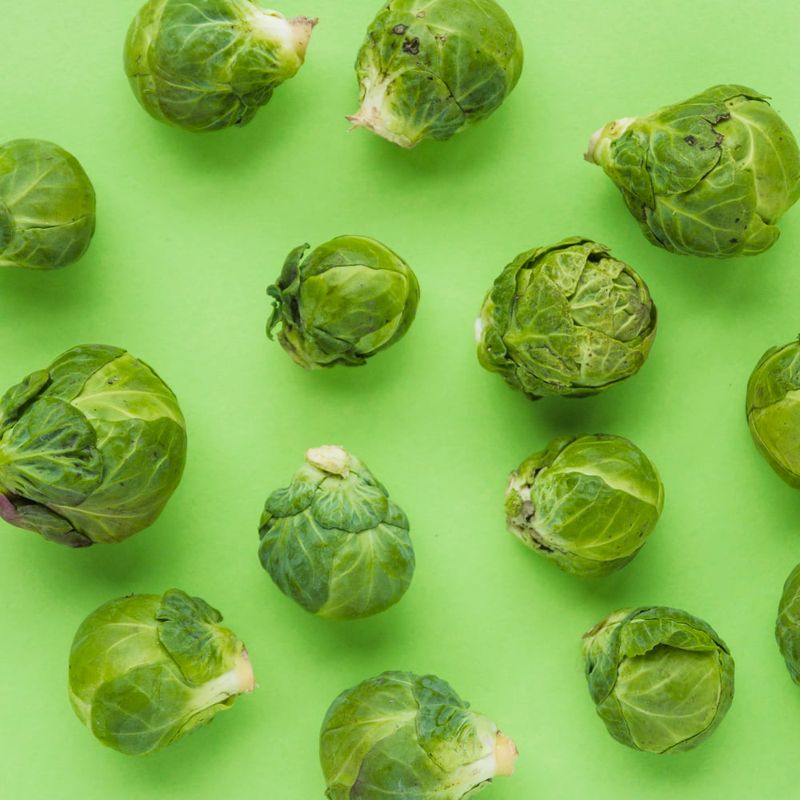
Love them or hate them, Brussels sprouts are packed with nutrients. The catch?
They are both goitrogenic and high in phosphorus, making them a vegetable that certain groups should keep an eye on. People with kidney disease need to watch phosphorus intake carefully, since too much can weaken bones over time.
For thyroid patients, cooking Brussels sprouts before eating them is the smart move. Roasting them at high heat makes them delicious and reduces the goitrogenic effect at the same time.
Win-win, mostly.
7. Broccoli
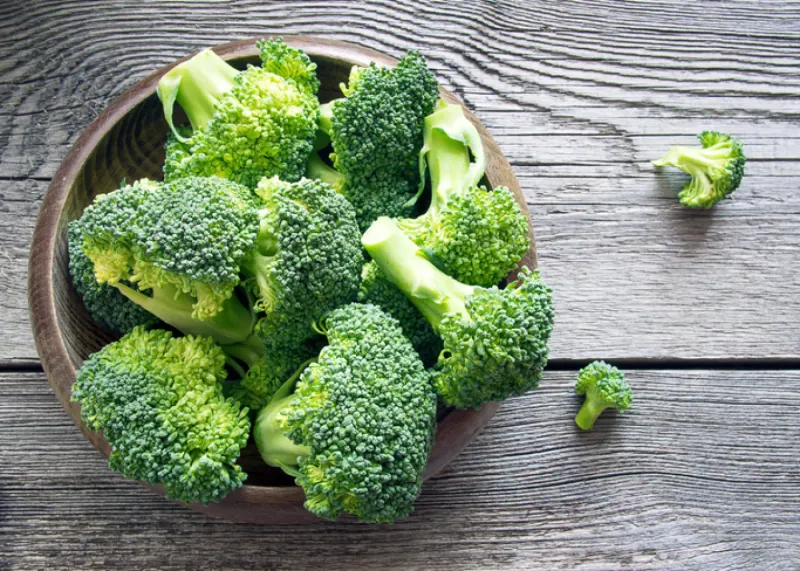
Broccoli is one of the most recommended vegetables on the planet, and for good reason. Still, it comes with a few asterisks depending on who is eating it.
Like other cruciferous vegetables, broccoli contains goitrogens that can affect thyroid function if eaten raw in very large quantities by sensitive individuals.
Broccoli is also relatively high in phosphorus, which matters for anyone managing kidney disease. Lightly steaming or roasting broccoli reduces the goitrogenic load while keeping most of its impressive nutrient profile intact.
Balance is everything.
8. Cauliflower
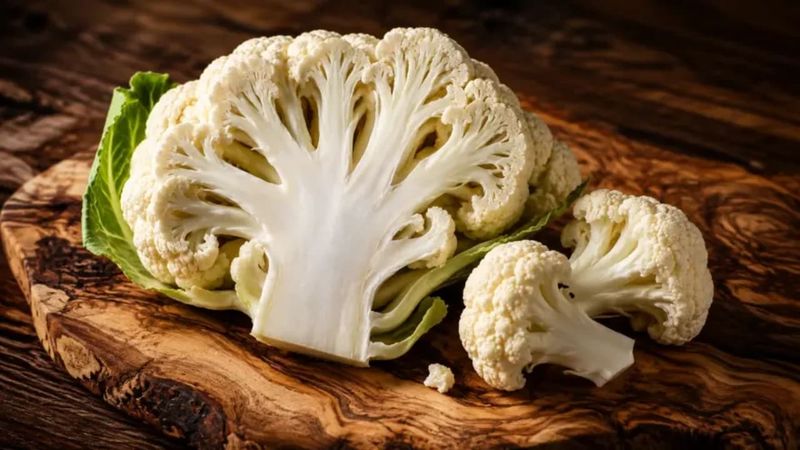
Cauliflower has become the trendy substitute for everything from rice to pizza crust. Despite its popularity, it is another cruciferous vegetable that carries goitrogenic compounds.
People with underactive thyroid glands who eat very large amounts of raw cauliflower frequently may notice their symptoms worsening.
Cooking cauliflower breaks down most of the goitrogens, making it much safer for thyroid-sensitive individuals. If you are using cauliflower as a rice substitute daily, consider steaming or roasting it rather than eating it raw.
Your thyroid will thank you.
9. Potatoes
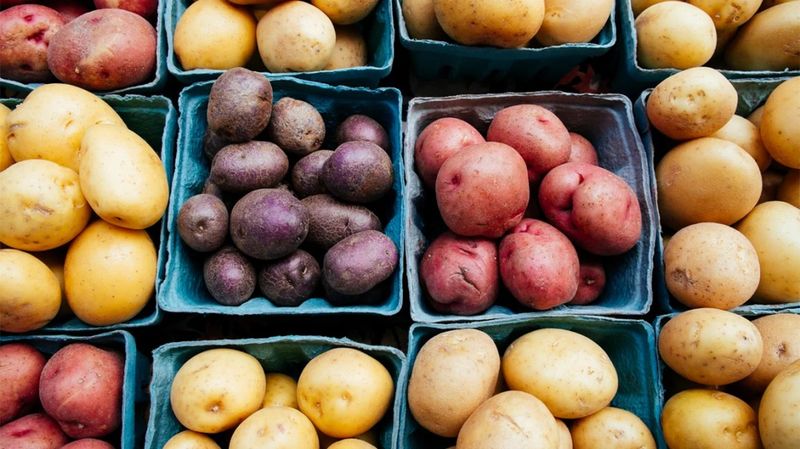
Potatoes are a staple food for billions of people, but nutritionists often suggest being mindful of how much you eat. White potatoes are starchy vegetables with a high glycemic index, meaning they can spike blood sugar levels quickly.
For people managing diabetes or trying to lose weight, that matters a lot.
Potatoes also contain solanine, an alkaloid found in nightshade plants, which some people with inflammatory conditions like arthritis find aggravates their symptoms. Choosing smaller portions and opting for boiled over fried makes a real difference.
10. Corn
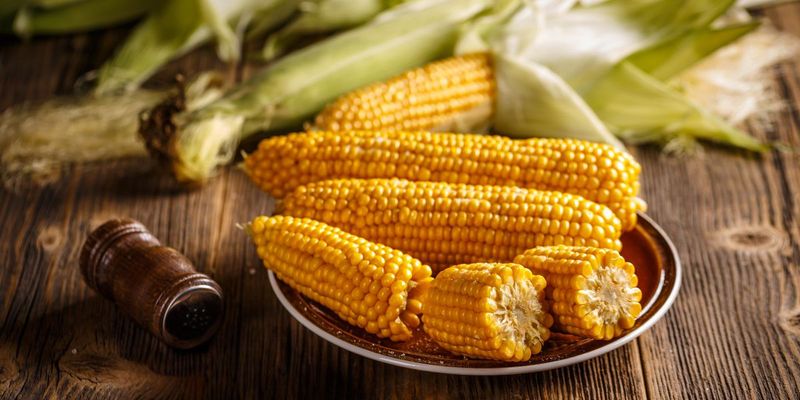
Corn is sweet, satisfying, and beloved at summer cookouts. Classified as a starchy vegetable, it packs significantly more carbohydrates and calories than non-starchy options like zucchini or green beans.
People watching their carb intake or blood sugar levels should keep portions in check.
Beyond the starch factor, corn is also relatively low in nutrients compared to other vegetables. A small ear of corn with a meal is perfectly reasonable.
Problems tend to arise when corn becomes a dietary staple eaten in large quantities day after day without much variety.
11. Green Peas
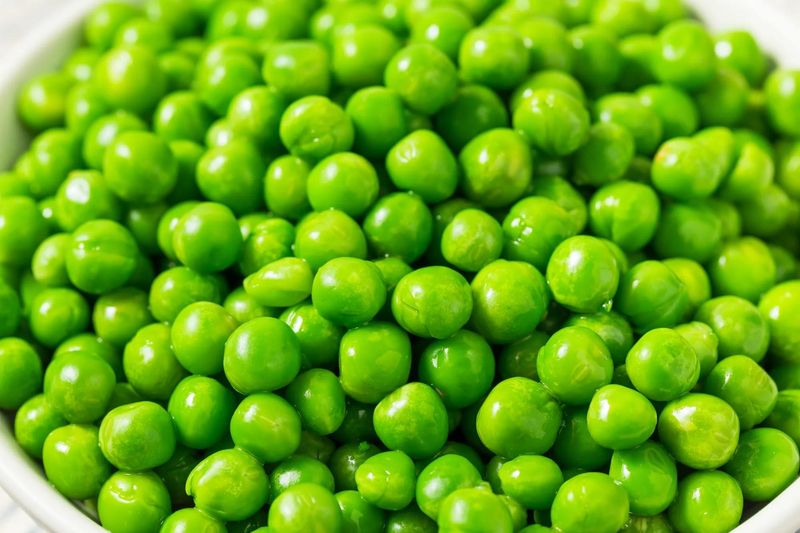
Green peas feel light and innocent, but they actually sit in the starchy vegetable category alongside potatoes and corn. A single cup of cooked peas contains around 20 grams of carbohydrates, which is considerably more than most people realize.
That can add up quickly in a low-carb eating plan.
Peas also contain lectins, which may cause bloating or digestive discomfort for people with sensitive guts, including those with IBS. Cooking peas thoroughly reduces lectin content.
They are still nutritious, just worth measuring out rather than piling high on your plate.
12. Tomatoes
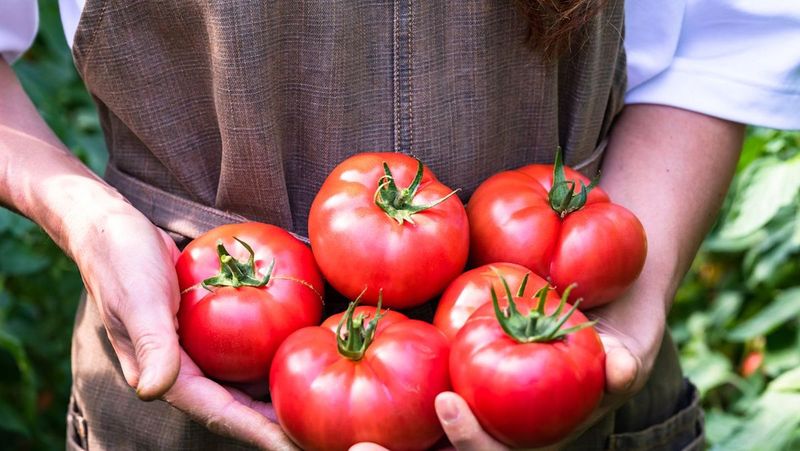
Technically a fruit but used as a vegetable, tomatoes are nightshade plants that some people with inflammatory conditions, like arthritis or psoriasis, believe worsen their symptoms. The alkaloids naturally present in nightshades, such as solanine, are thought to potentially trigger inflammation in sensitive individuals, though research is still ongoing.
Tomatoes are also naturally acidic, which can aggravate heartburn or acid reflux in some people. For most healthy individuals, tomatoes are genuinely nutritious, offering lycopene and vitamin C.
If you suspect a sensitivity, try an elimination diet with guidance from a dietitian.
13. Eggplant
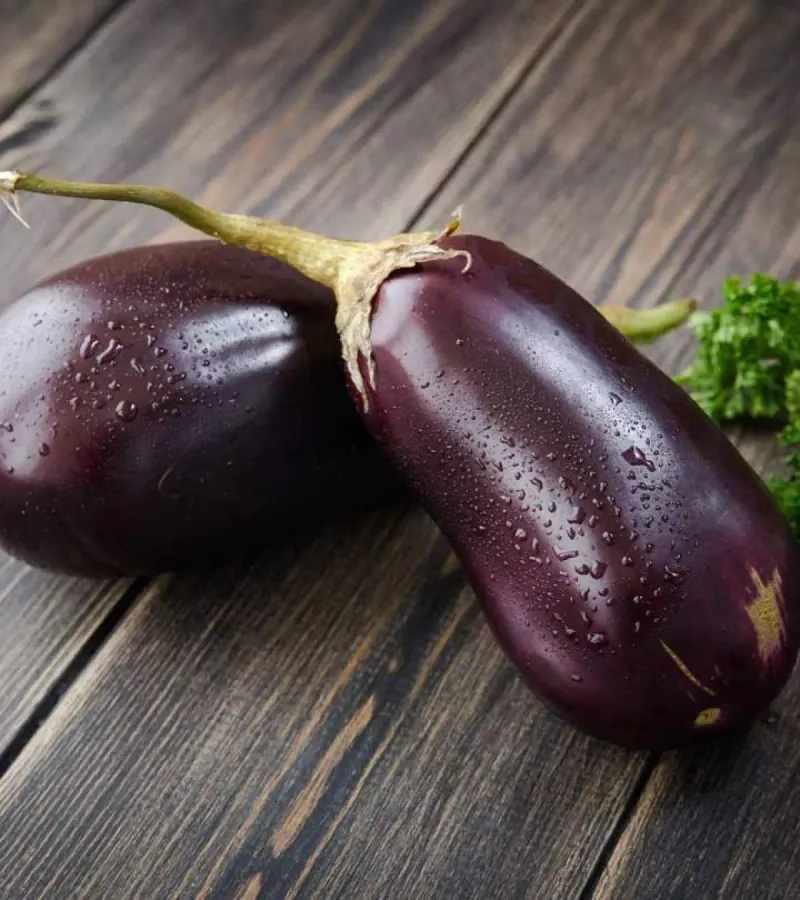
Eggplant has a rich, meaty texture that makes it a favorite in Mediterranean cooking. As a nightshade vegetable, it contains alkaloids like solanine and also has a moderate amount of oxalates.
For people dealing with joint pain, inflammatory bowel disease, or kidney stone history, eggplant is worth monitoring.
Cooking eggplant well reduces some of the compounds that cause concern. Salting and rinsing sliced eggplant before cooking, a classic technique, also helps.
Most healthy people can enjoy eggplant freely without any issues whatsoever.
14. Bell Peppers
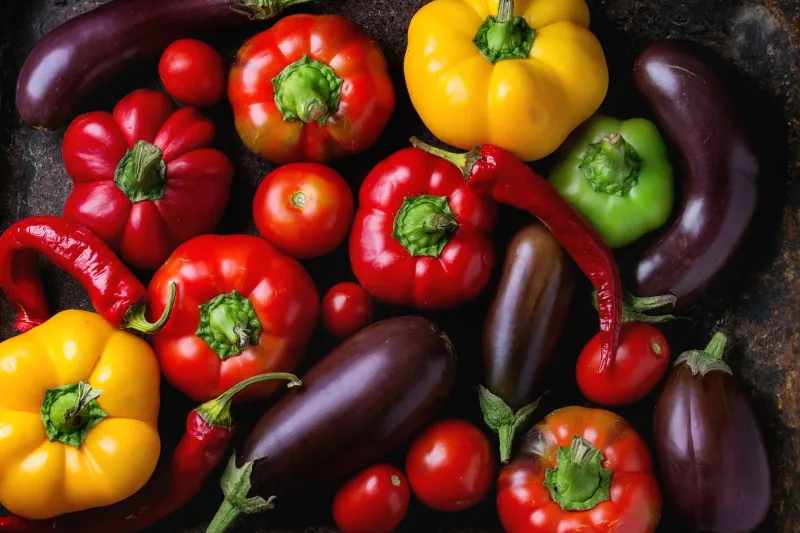
Bell peppers are crunchy, colorful, and full of vitamin C, but they belong to the nightshade family, which surprises many people. Some individuals with autoimmune conditions or inflammatory diseases report that nightshades, including bell peppers, seem to trigger flare-ups or digestive discomfort.
The alkaloids in bell peppers are generally at low levels, and for most people they are completely harmless. If you follow an elimination diet to identify food sensitivities, bell peppers are typically included in the nightshade group to temporarily cut out and then reintroduce carefully.
15. Raw Kidney Beans
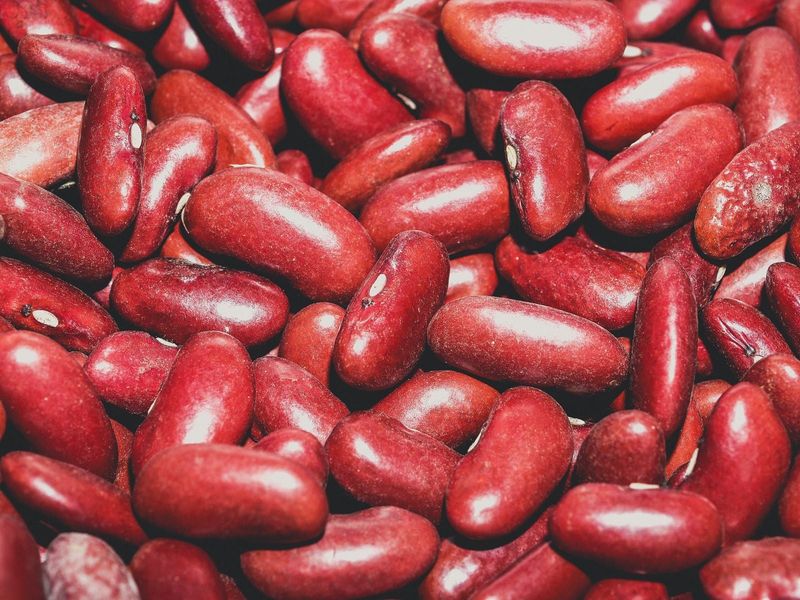
Raw kidney beans might seem like just another healthy legume, but eating them undercooked is genuinely dangerous. They contain extremely high levels of lectins called phytohaemagglutinin, which can cause severe nausea, vomiting, and diarrhea within just a few hours of eating them.
Even a small number of raw beans can make a person very sick.
Fully cooking kidney beans, especially by boiling for at least 10 minutes, destroys almost all of those harmful lectins. Canned kidney beans are pre-cooked and safe to eat straight from the can after rinsing.
16. Rhubarb
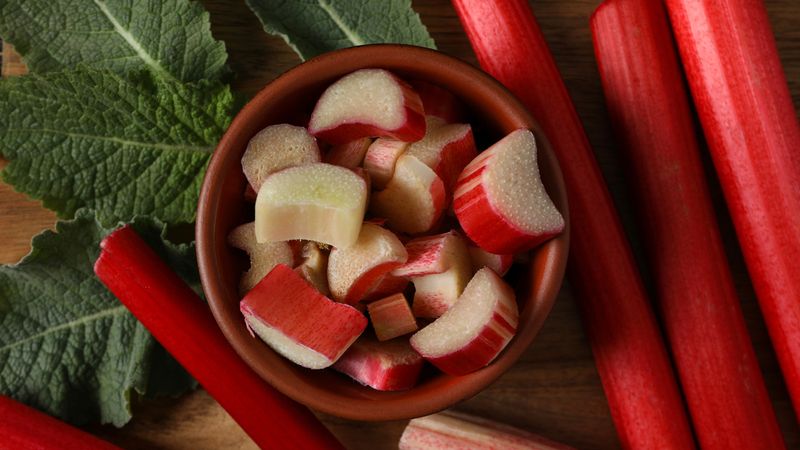
Rhubarb is most famous for pies and jams, but it is surprisingly high in oxalates, placing it among the top vegetables to limit for people prone to kidney stones. The leaves of the rhubarb plant are actually toxic and should never be eaten under any circumstances.
Even the edible stalks should be consumed in moderation, especially by anyone with kidney concerns or a history of calcium oxalate stones. Cooking rhubarb does reduce some oxalate content, though not as dramatically as with other high-oxalate vegetables like spinach.
17. Turnips
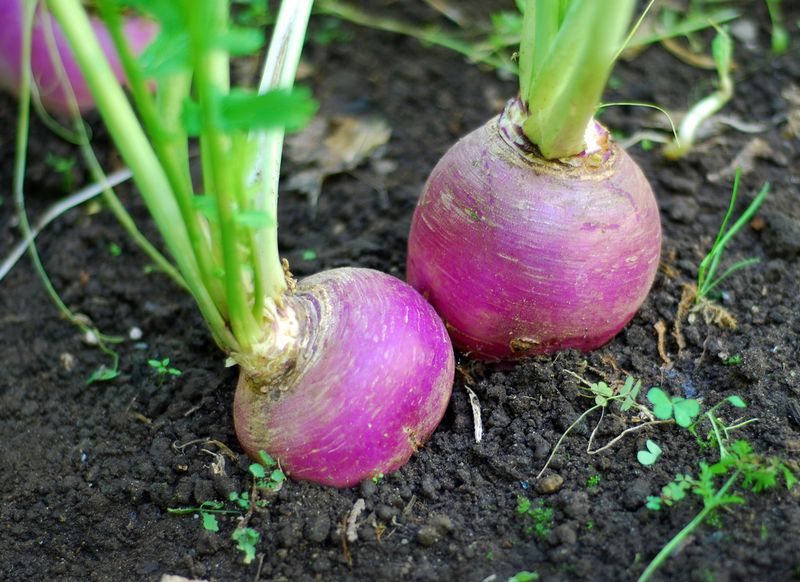
Turnips are old-fashioned root vegetables that do not get much attention these days, but they belong to the cruciferous family alongside broccoli and kale. That means they carry goitrogenic compounds that could potentially interfere with thyroid hormone production when eaten raw in very high amounts by thyroid-sensitive people.
Roasting or boiling turnips largely removes this concern. They are relatively low in calories and provide fiber, vitamin C, and potassium.
For most people, turnips are a healthy and underrated vegetable worth adding to the rotation in reasonable amounts.
18. Mustard Greens
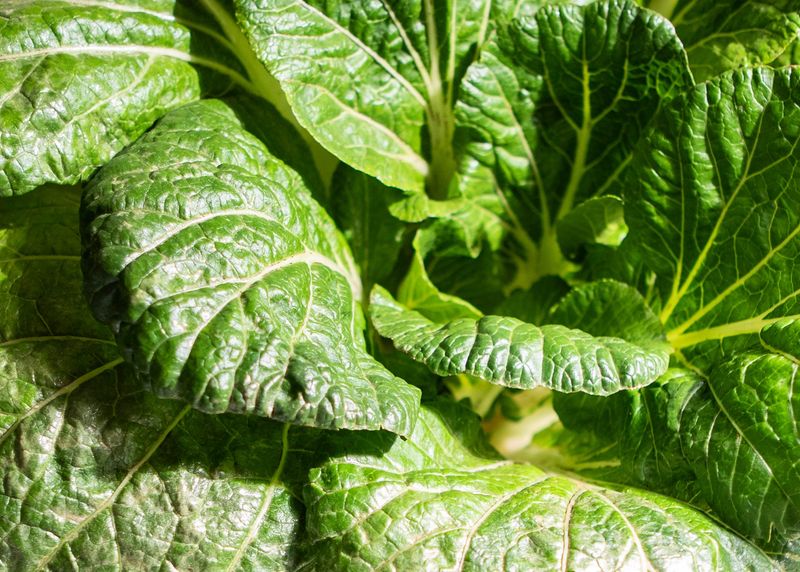
Mustard greens have a peppery, bold flavor that works well in Southern cooking and Asian stir-fries. Like other cruciferous vegetables, they contain goitrogens, which can reduce iodine uptake in the thyroid if eaten raw and in large quantities over time.
People with existing thyroid conditions should take note.
Cooking mustard greens substantially reduces the goitrogenic effect, making them much safer for regular consumption. They are rich in vitamins K, A, and C, so cutting them out entirely would mean missing out on real nutritional benefits.
Cooking is the simple solution.
19. Avocado
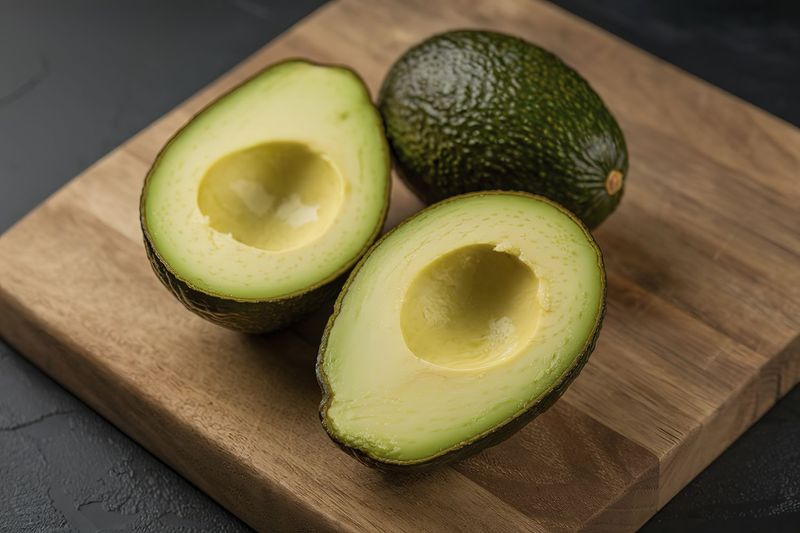
Avocado is often celebrated as a healthy fat powerhouse, but it is one of the highest-potassium vegetables around. For people with kidney disease, that is a serious issue.
When kidneys cannot filter potassium efficiently, too much of it can build up in the blood, leading to dangerous heart rhythm problems.
Even for healthy individuals, avocado is calorie-dense, so large portions eaten daily can contribute to extra calorie intake without much thought. Half an avocado per serving is typically what nutritionists suggest, rather than scooping out the whole thing at once.
20. Bok Choy

Bok choy is a staple in Chinese cooking and a nutritional powerhouse in many ways. However, it is a cruciferous vegetable with one of the stronger goitrogenic profiles of the group.
There are documented cases of people developing severe thyroid problems after eating very large amounts of raw bok choy daily for extended periods.
Cooking bok choy thoroughly is the straightforward fix. Stir-frying or steaming it breaks down most of the goitrogens while preserving its crisp texture and vitamins.
Eaten in normal amounts, cooked bok choy is completely safe and genuinely good for you.