
Loneliness can creep up on people slowly, especially as they get older. It does not always look like sitting alone in a dark room.
Sometimes it shows up in small, easy-to-miss habits that build up over time. Knowing what to look for can make a big difference for someone you care about.
1. Letting Personal Hygiene Slip

Skipping showers, wearing the same outfit for days, or forgetting to brush teeth can be quiet signs that something deeper is going on. When people stop caring about how they look, it often means they feel like no one notices them anyway.
Hygiene routines usually stick around because we want to feel good around others. Without that social motivation, self-care can quietly fall apart.
Noticing this change in someone you love is a gentle nudge to reach out.
2. Eating Less or Skipping Meals
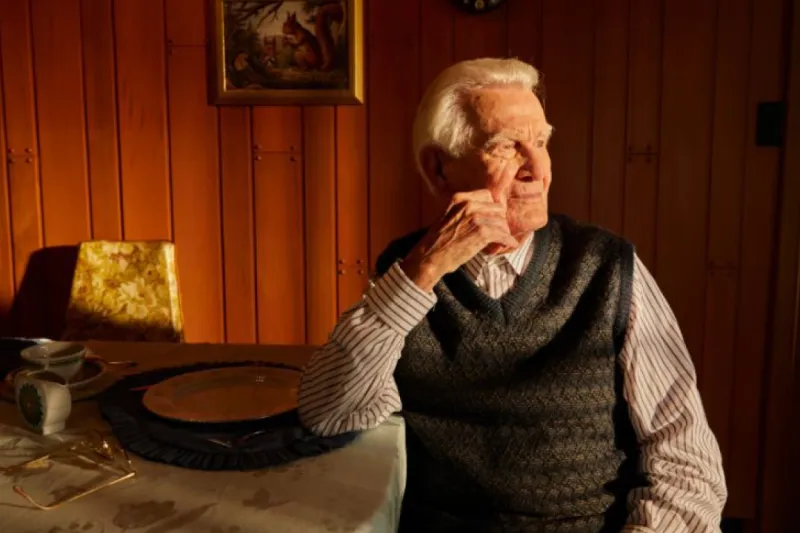
Food is often tied to connection. People eat together at family dinners, share snacks with friends, and celebrate with meals.
When someone starts skipping meals or barely eating, it can signal that mealtimes feel empty and pointless.
Unexplained weight loss or a fridge full of uneaten food are worth paying attention to. Loneliness can reduce appetite in a very real way, making eating feel like just another reminder that no one is around to share it with.
3. Disrupted Sleep Patterns
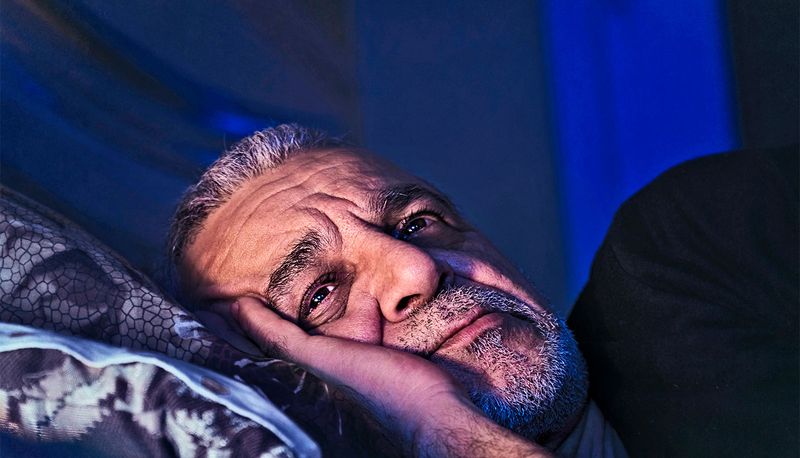
Tossing and turning at night, sleeping way too much during the day, or waking up exhausted even after a full night’s rest are all signs the mind is struggling. Sleep and emotional health are deeply connected, and loneliness stirs up both.
Seniors who feel disconnected often report that nights feel the longest and hardest. If someone you know mentions sleeping poorly or seems tired all the time without a clear medical reason, loneliness might be playing a quiet but powerful role.
4. Letting the House Go Untidy
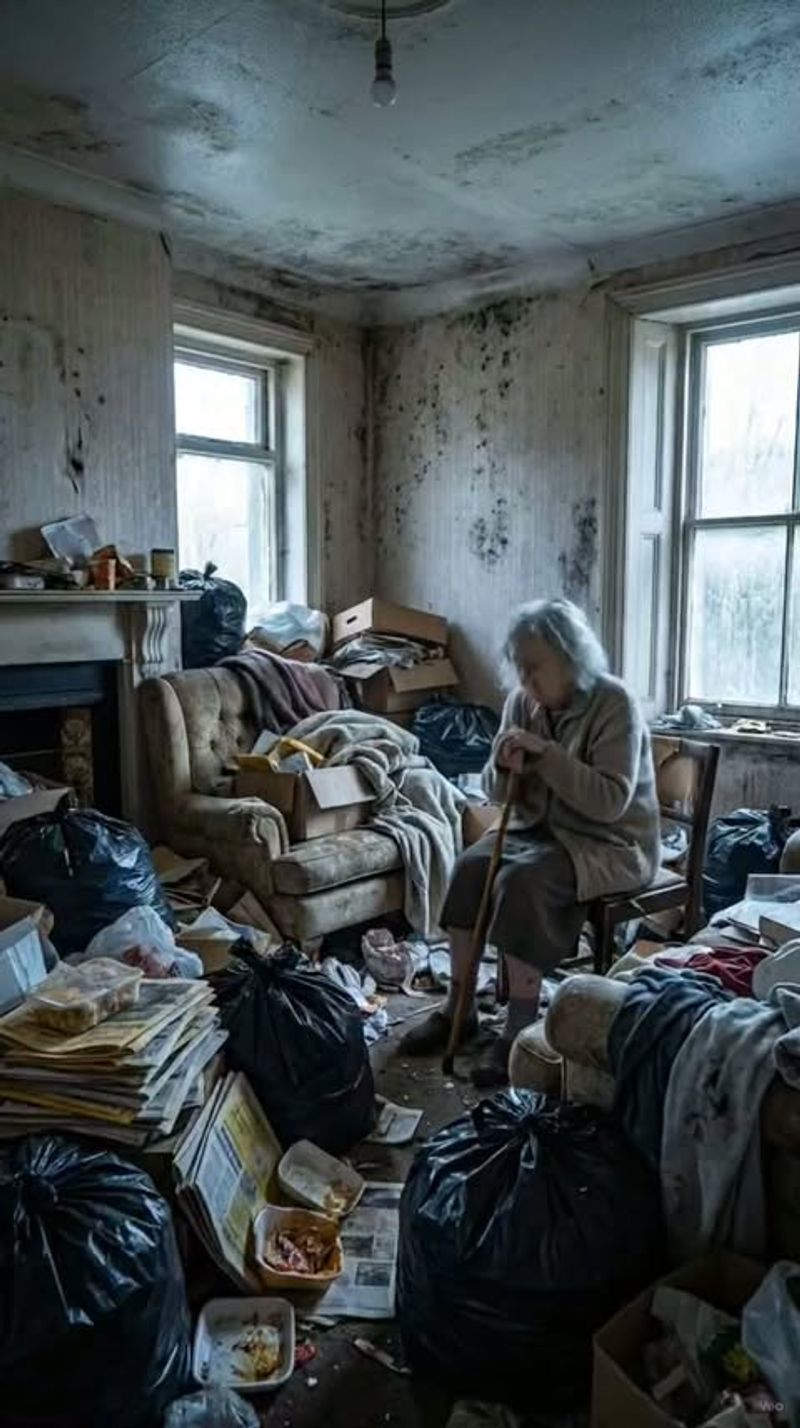
A home that was once tidy slowly becomes cluttered, dishes pile up, and dust settles in places that used to shine. Keeping a home clean takes energy and motivation, and both can fade when a person feels deeply alone.
Chores feel purposeful when guests might drop by or family is expected. Without that social reason to tidy up, it becomes easy to let things slide.
A noticeably unkempt home can be one of the earliest visible signs of growing loneliness.
5. Spending Hours in Solitary Activities

Watching TV for hours on end, taking extra-long baths, or scrolling through a phone alone can become ways to fill time that used to be spent with others. Solitary habits are not bad on their own, but when they replace all social activity, they become a warning sign.
People sometimes use these routines to avoid feeling the weight of an empty house. The activity itself becomes a distraction from the silence.
If someone you know seems to live entirely in solo routines, it may be time to gently check in.
6. Pulling Away from Hobbies They Once Loved
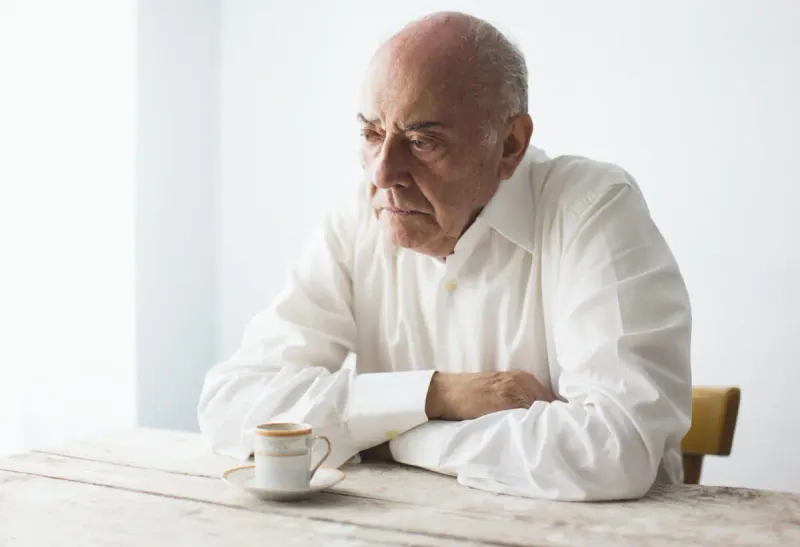
Hobbies light people up. Gardening, painting, playing music, cooking special recipes – these are things people do because they bring joy.
When someone quietly stops doing the things they used to love, it can feel like a piece of who they are is fading away.
Loneliness has a way of draining enthusiasm. Activities that once felt exciting start to feel pointless when there is no one to share them with.
Watching a loved one abandon their passions without explanation is a signal worth taking seriously.
7. Shorter and Less Frequent Communication

Phone calls that used to last an hour now end in five minutes. Texts go unanswered for days.
Replies become one-word responses. These small shifts in communication can be easy to brush off as someone being busy, but they often mean something more.
When a person feels lonely, reaching out can feel exhausting or even pointless. They may worry they are a burden or that no one really wants to hear from them.
Noticing these communication changes and responding with patience can mean the world to someone drifting away.
8. Avoiding Social Events and Gatherings
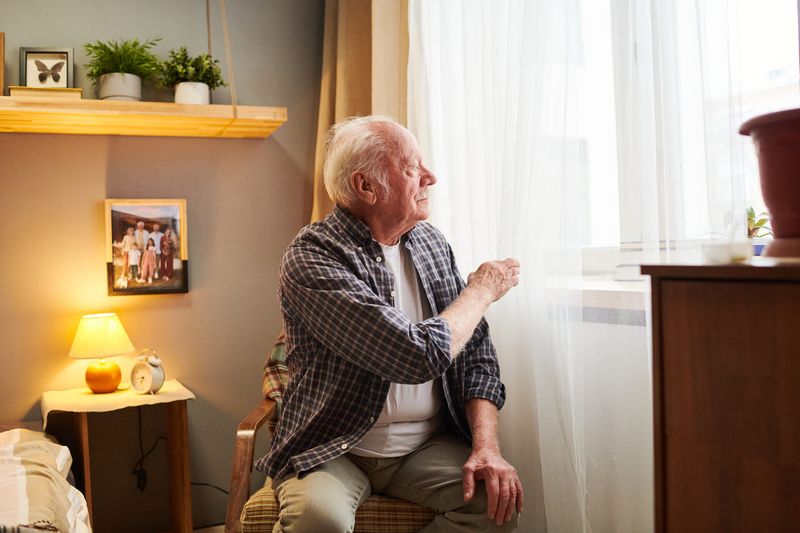
Turning down birthday parties, skipping holiday dinners, or making excuses to avoid group outings can be a quiet way of retreating from the world. At first it might seem like tiredness or a scheduling conflict, but a pattern of avoidance tells a different story.
Social situations can feel overwhelming or even painful when someone already feels disconnected. Showing up to a room full of laughing people can actually make loneliness feel worse.
Gentle, low-pressure invitations from caring people can sometimes help ease someone back into connection.
9. Replacing Real Connection with Screen Time

Social media likes, online forums, and video calls can feel like connection, but they often leave people feeling emptier than before. Scrolling through other people’s happy moments while sitting alone can quietly deepen feelings of isolation.
Many older adults lean into digital communication because it feels safer or easier than face-to-face interaction. But a screen cannot replace a hug, shared laughter, or the warmth of being truly present with someone.
Over-relying on digital contact is a sign that real connection may be missing.
10. Reaching Out Then Suddenly Going Quiet
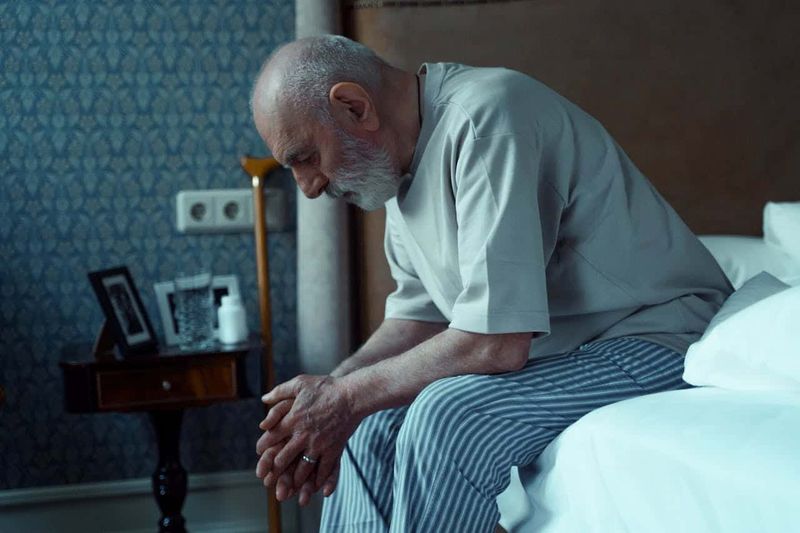
Some people go through a cycle where they try hard to reconnect, calling family more often or joining a club, but then suddenly go silent again. It happens when those efforts do not bring the warmth or relief they were hoping for.
Feeling like your attempts at connection did not work can be deeply discouraging. Rather than keep trying, many people shut down instead.
If someone in your life seemed to be reaching out and then disappeared, they may be struggling with loneliness more than they let on.
11. Mood Swings and Bursts of Irritability

Snapping at small things, getting defensive easily, or having unpredictable emotional reactions can all be tied to chronic loneliness. When someone carries a heavy emotional load with no one to share it with, frustration often spills out in unexpected ways.
It can be confusing when a normally calm person suddenly seems short-tempered or easily upset. Loneliness creates a kind of emotional pressure that builds quietly over time.
Understanding this connection makes it easier to respond with empathy rather than frustration when someone lashes out.
12. Persistent Sadness or Tearfulness
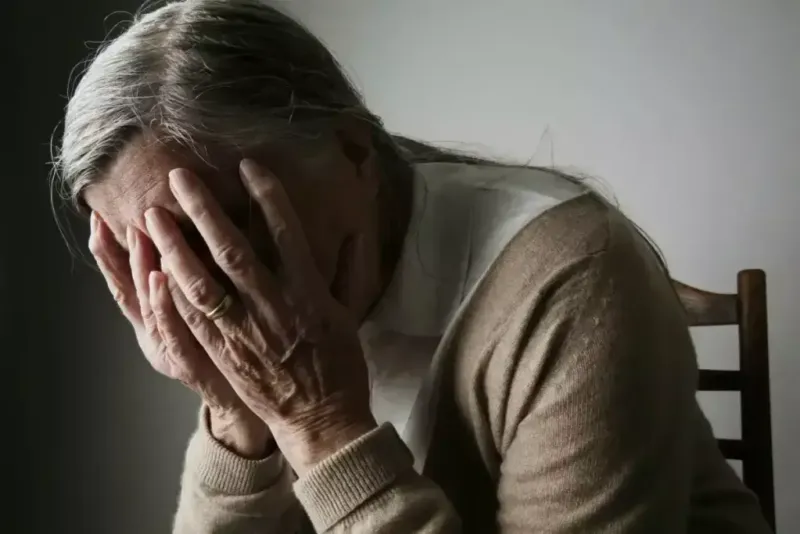
A low mood that never quite lifts, crying without a clear reason, or a quiet sense of hopelessness hanging over everyday life are all signs that something emotional is weighing heavily. Loneliness and depression often travel together, feeding each other in a painful loop.
Older adults are sometimes expected to just accept sadness as part of aging, which makes it easy to overlook. Persistent tearfulness is not something to dismiss as just getting older.
Reaching out to ask honestly how someone is feeling can open a door they may have been afraid to knock on themselves.
13. Worrying More Than Usual

Expressing concern about health, safety, money, or family more frequently than before can be a quiet way of saying, I need someone to talk to. Worry becomes louder when there is no one around to offer reassurance or perspective.
Chronic loneliness can make the world feel more threatening and uncertain. Small problems start to feel enormous because there is no one to help sort through them.
If someone you care about has become noticeably more anxious or fearful, consider that they may simply need more human connection in their daily life.
14. Becoming Quieter and Less Engaged
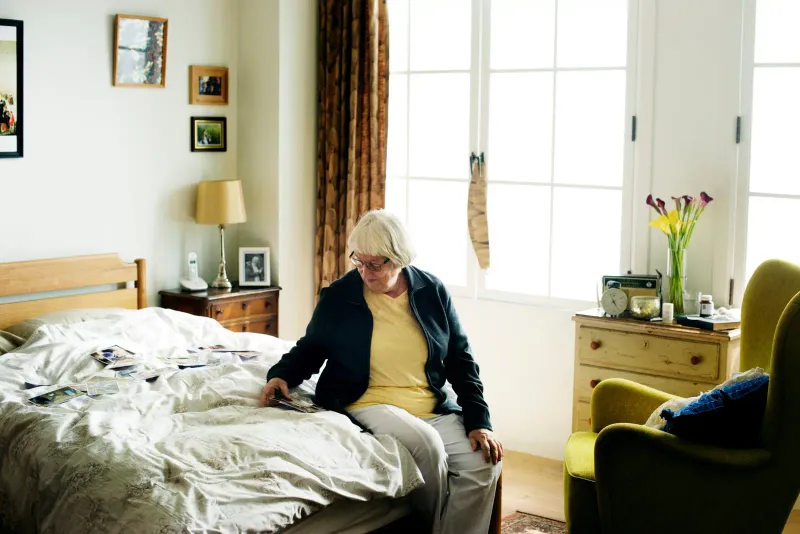
Someone who used to light up a room with stories or opinions gradually becomes the quiet one in the corner. Their personality seems to dim.
They stop sharing thoughts, offering advice, or joining in on conversations the way they once did.
A fading social presence is one of the most heartbreaking signs of growing loneliness. People pull inward when they feel like their voice no longer matters.
Making space for someone to speak, and genuinely listening when they do, can slowly help bring them back to themselves.
15. Frequent Physical Complaints Without Clear Cause
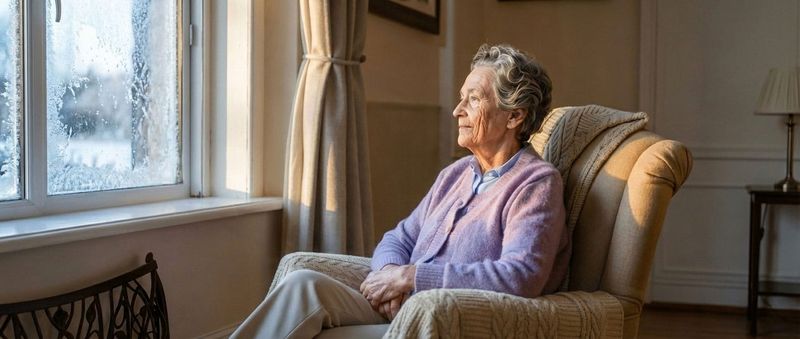
Headaches, stomachaches, vague body pain, and constant fatigue that doctors cannot fully explain may actually have an emotional root. Research shows that loneliness has real physical effects on the body, triggering stress responses that show up as physical symptoms.
Older adults sometimes express emotional pain through physical complaints, partly because it feels more acceptable to say your back hurts than to say you are lonely. Frequent medical visits with no clear diagnosis can be a clue worth paying attention to.
The body often speaks what the heart cannot say out loud.
16. Constant Fatigue and Low Energy

Feeling tired all the time, even without doing much, is something many lonely older adults experience. Loneliness activates stress hormones in the body and disrupts sleep, both of which drain energy over time in ways that are hard to shake.
When someone has no plans, no one to see, and nothing to look forward to, the day itself can feel exhausting. Low energy can become a cycle where the tiredness makes it harder to connect, and the lack of connection deepens the tiredness.
Breaking that cycle often requires help from someone else.
17. Mild Memory Lapses and Trouble Focusing

Forgetting names, losing track of conversations, or struggling to concentrate on simple tasks can sometimes be linked to loneliness rather than aging alone. Studies have found that chronic social isolation can speed up cognitive decline in older adults.
A brain that is not regularly stimulated through conversation and interaction can start to slow down. Memory and focus thrive on engagement.
When someone seems more forgetful or mentally foggy than usual, and there is no medical explanation yet, their level of social connection is worth considering as a factor.
18. Missing Medical Appointments or Skipping Medications

Skipping doctor visits or forgetting to take prescribed medications can be signs that a person has stopped feeling like their health matters. Self-neglect often grows from a belief that no one would notice or care if something went wrong.
Staying on top of medical care requires motivation, and motivation requires feeling like your life has value and purpose. Lonely seniors may unconsciously stop prioritizing their health.
Checking in on whether someone is keeping up with their medical routine is a practical and caring way to show them that they matter.
19. Difficulty Talking About Feeling Lonely

Loneliness carries a quiet shame for many older adults. Admitting to feeling lonely can feel like admitting failure, as if they have done something wrong or are somehow less worthy of connection.
So instead of saying it, they stay silent.
Society often expects older people to be content and grateful, which makes it even harder to speak up about emotional pain. That silence can last for years.
Creating a space where someone feels safe enough to say they are struggling, without judgment, may be the most important thing a loved one can offer.
20. Feeling Alone Even in a Crowd
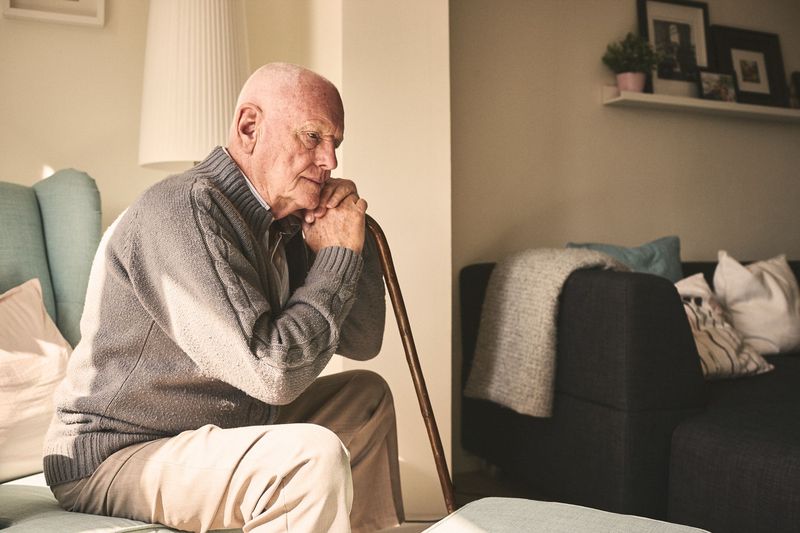
Loneliness is not the same as being physically alone. A person can sit at a family reunion, surrounded by noise and laughter, and still feel completely invisible.
That disconnect between being present and feeling truly seen is one of the most painful forms of loneliness.
Older adults often feel this way when conversations move fast, topics feel irrelevant to their life, or no one asks how they are really doing. Being in a room full of people who do not truly engage with you can feel lonelier than an empty house.
Real connection requires more than just showing up.