
Fame can make a star’s future look easy to predict, but life rarely follows a script. Some performers traded packed schedules for school, family, or a different kind of work.
Others faced setbacks, found fresh roles, or made surprising comebacks. Several names here had already reached the top, proving that a quieter chapter does not erase a great career.
1. Richard Gere: A Leading Man Takes a Quieter Road
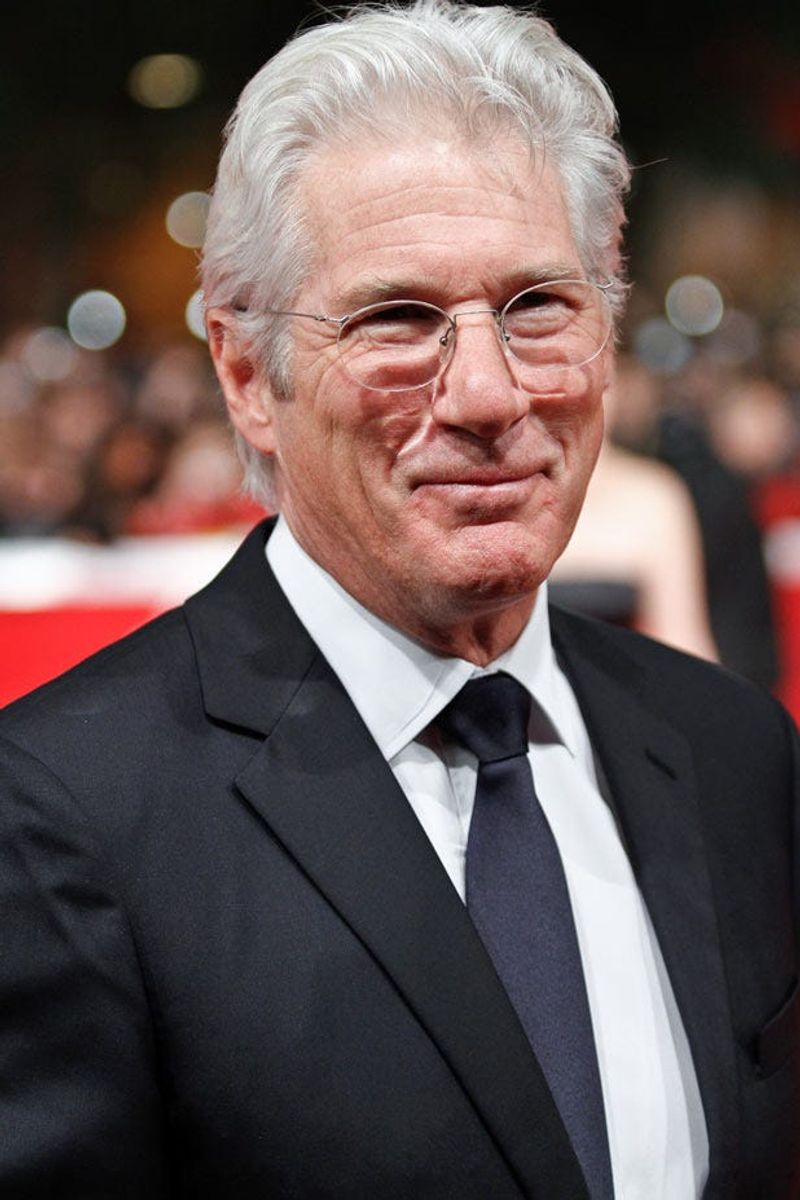
A smile and a sharp suit helped make him one of Hollywood’s most familiar romantic leads. Pretty Woman and An Officer and a Gentleman secured Gere’s place among major movie stars.
Later years brought fewer mainstream vehicles and more independent films, including Arbitrage. That shift was not a disappearance or proof of failure.
His career offers a useful reminder: smaller releases can give an established actor interesting work without the noise of blockbuster fame surrounding it.
2. Helen Hunt: Making Room Behind the Camera
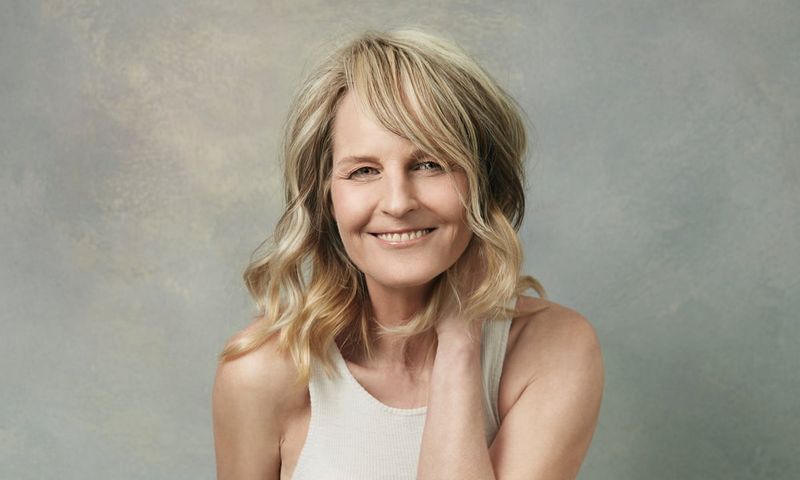
Few performers ruled television and movies quite so neatly in the 1990s. Mad About You made Hunt a household name, while As Good as It Gets earned her an Oscar.
Rather than chase a steady run of blockbusters, she also directed and took smaller roles. The Sessions later brought another Oscar nomination.
Her path shows that working less visibly can still mean doing strong work, especially when creative control matters more than constant public attention does.
3. Brendan Fraser: The Comeback Nobody Should Overlook
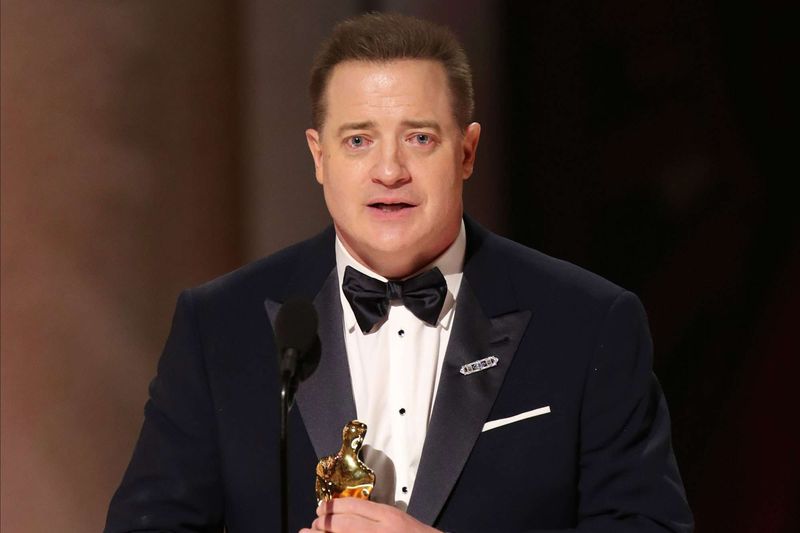
Adventure fans once counted on him to outrun danger with a grin. The Mummy turned Fraser into a major star, but injuries and personal challenges helped make later years much harder.
His story did not end with that quieter stretch. The Whale brought him the Academy Award for best actor in 2023.
Calling his career simply a decline misses its biggest lesson: a long break from major roles does not close the door on future success.
4. Bridgit Mendler: From Disney Sets to Space Technology

A Disney Channel favorite becoming a space company leader sounds like a television plot. For Mendler, known for Good Luck Charlie and a singing career, it became a real change.
She earned a master’s degree at MIT and a law degree at Harvard, then became CEO of Northwood Space, a satellite communications company. Her move makes an encouraging point for young readers: an early talent does not have to decide everything you study or build next.
5. Amanda Bynes: Putting Well-Being Before Applause

Comic timing came naturally to the young performer who led The Amanda Show. Movies such as She’s the Man suggested Bynes could grow into a lasting comedy star beyond children’s television.
She stepped away from acting and later spoke publicly about mental health challenges. Fashion studies and an interest in cosmetology offered other creative directions.
Her experience deserves care, not gossip. Choosing health over a demanding career is a meaningful decision, even when fans miss someone’s work.
6. Eliza Dushku: Seeking Purpose Beyond the Set

Tough characters made her stand out, especially Faith on Buffy the Vampire Slayer. Leading roles in Tru Calling and Dollhouse seemed to promise a long future at the center of television dramas.
Dushku later stepped back, pursued psychology studies, and discussed training in psychedelic-assisted therapy. That training should not be confused with proof of a particular professional license.
Her change of direction shows how an interest in helping people can become more compelling than another acting credit.
7. Greta Garbo: A Screen Legend Chooses Privacy

Walking away at 36 was hardly the ending audiences expected for a screen legend. Garbo had already become one of classic Hollywood’s greatest names through films including Camille and Ninotchka.
Her final movie, Two-Faced Woman, arrived in 1941, and she never returned to acting. Years of public curiosity did not change that choice.
Her lasting fame challenges a familiar idea: a star does not need endless new projects to leave a powerful mark on movie history itself.
8. Mary-Kate and Ashley Olsen: Building a Fashion Identity
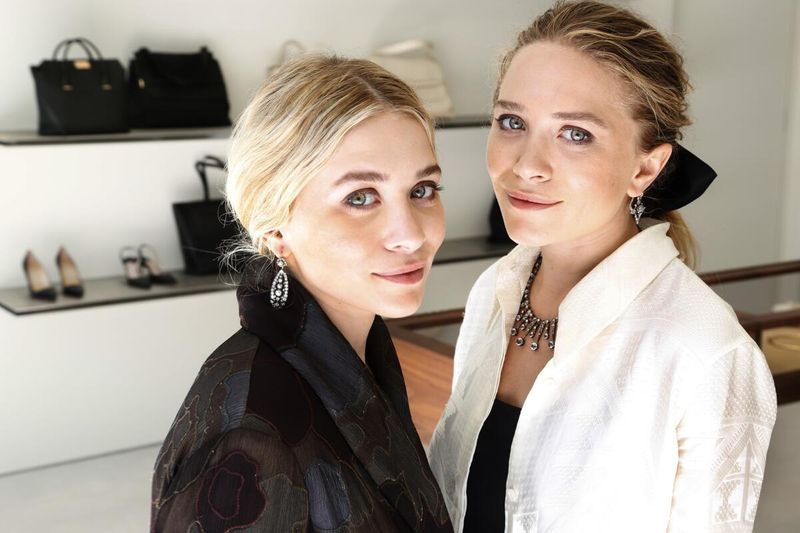
Matching childhood fame did not lead to matching adult movie careers. After Full House, the Olsen twins built a huge entertainment business through videos, television projects, and products for young fans.
As adults, they turned toward fashion and founded The Row, earning serious industry respect. Neither returned for Fuller House.
Their story is less about vanishing than changing audiences: shoppers and designers became more central to their working lives than viewers waiting for another familiar television reunion.
9. Jonathan Taylor Thomas: Trading Teen Fame for School
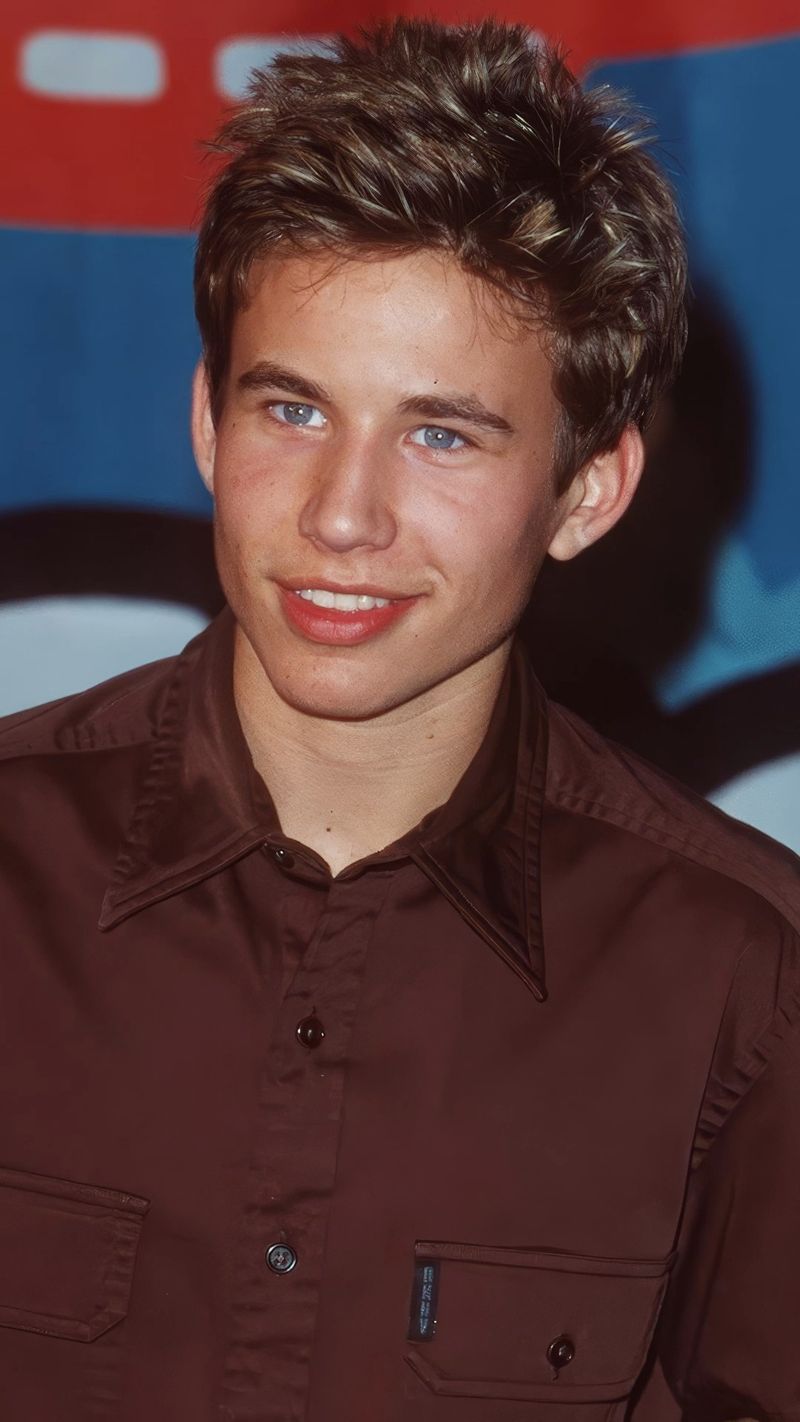
Teen magazines once seemed unable to get enough of him. Home Improvement and his voice role as young Simba in The Lion King made Thomas a major name during the 1990s.
He stepped back from that attention and pursued education, including studies at Harvard and Columbia. Occasional acting and directing work followed, rather than a constant push for celebrity.
His choice gives young fans permission to value learning and personal interests alongside any exciting early professional success.
10. Macaulay Culkin: Life Beyond the Child-Star Label
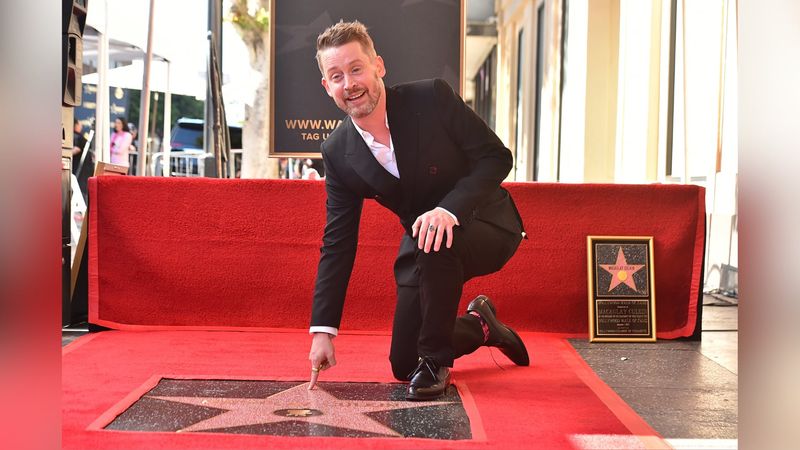
For many families, his face still means holiday movie night. Home Alone made Culkin one of the biggest child stars ever, creating expectations few young performers could reasonably live up to.
After stepping back, he took occasional roles and explored other creative projects instead of maintaining a nonstop movie schedule. His Hollywood Walk of Fame honor in 2023 celebrated that lasting impact.
Childhood success can remain meaningful without requiring someone to spend every adult year chasing bigger fame.
11. Haley Joel Osment: Finding Strength in Supporting Roles
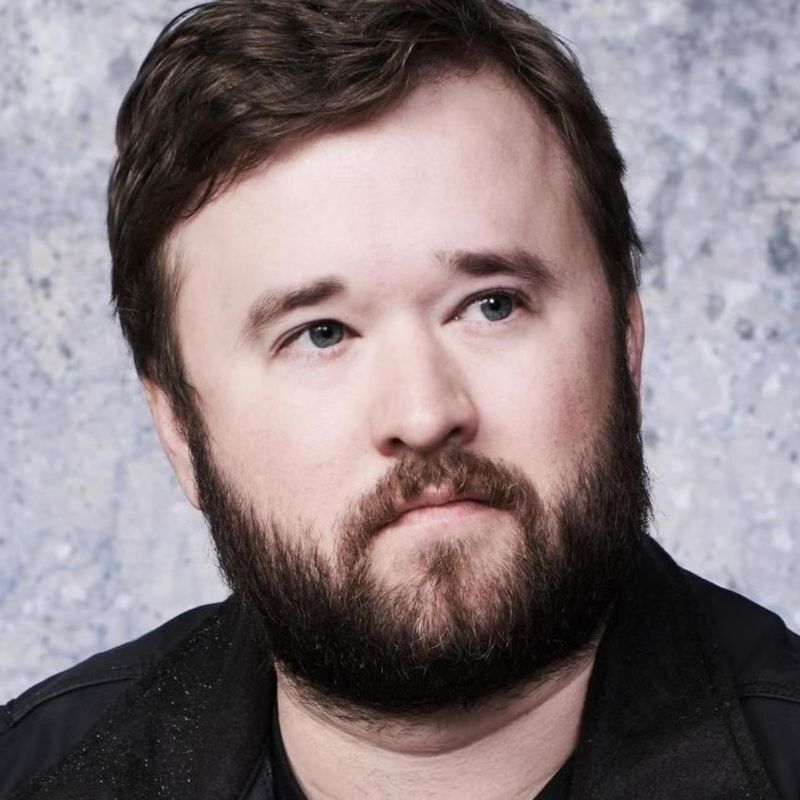
An Oscar nomination before his teenage years set an unusually high bar. The Sixth Sense and A.I.
Artificial Intelligence made Osment seem destined for a future filled with major leading roles.
Adulthood brought a different mix: college, comedy, voice acting, and supporting parts. He continued working rather than disappearing, even when the projects drew less attention.
Watching those later performances offers a fairer view than judging his entire career against one remarkable childhood moment on the screen.
12. Kevin Jonas: Construction, Business, and a Musical Return
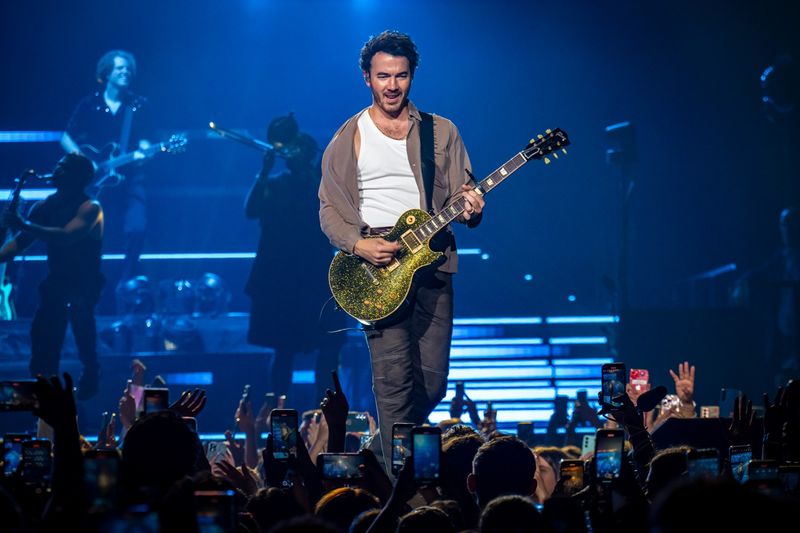
Not every pop star spends a band break making solo records. When the Jonas Brothers split in 2013, Kevin explored construction and business while his brothers pursued more visible entertainment projects.
He helped launch JonasWerner, a homebuilding company, but music was not permanently behind him. The brothers reunited in 2019 and returned to major success.
His career is a useful example of branching out: another line of work can exist beside, rather than replace, a familiar talent.
13. Lauryn Hill: A Legacy Larger Than an Album Schedule
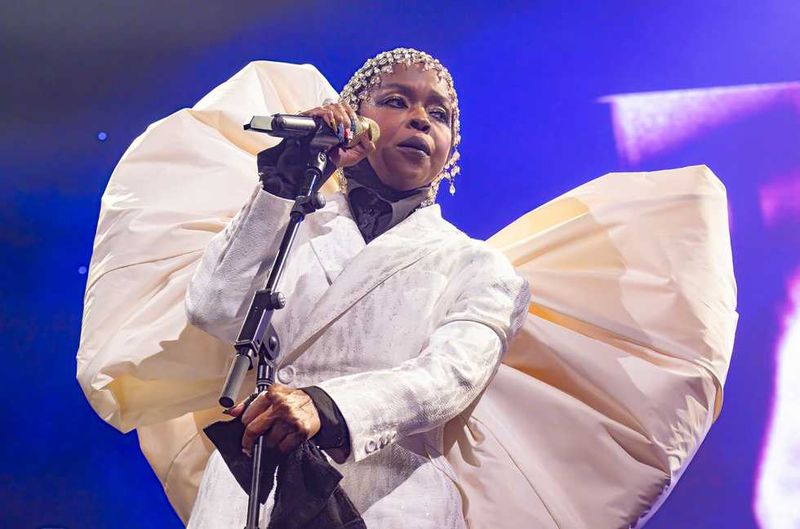
One solo studio album helped change the sound of popular music. After success with the Fugees, Hill released The Miseducation of Lauryn Hill, which won five Grammys and became a landmark.
Fans expected a steady stream of follow-up albums, but her path included fewer releases and periods away from mainstream attention. She has continued performing, including Fugees reunions.
Her influence shows why an artist’s value cannot be measured only by how regularly new records reach store shelves.
14. Cat Stevens: Faith Changes the Direction
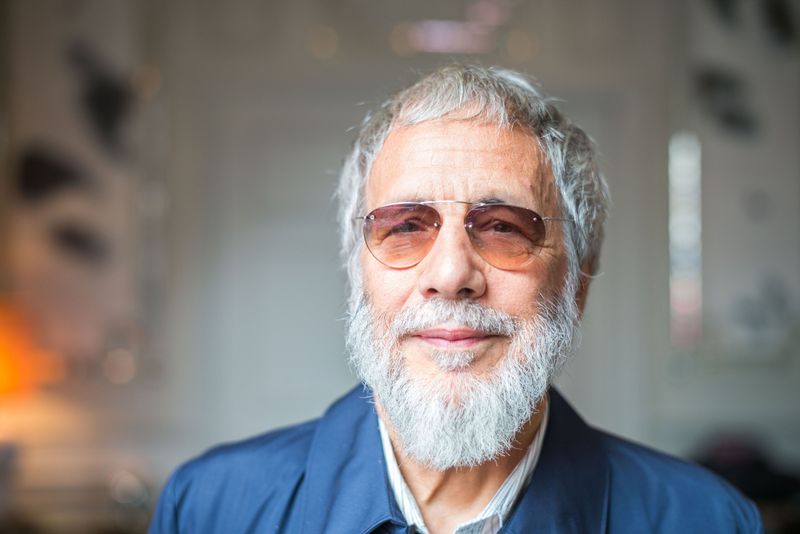
Songs such as Wild World made his warm voice a signature sound of the 1970s. Yet the singer born Steven Georgiou found that chart success did not answer every personal question.
After converting to Islam and adopting the name Yusuf Islam, he stepped away from mainstream music for years. Family, education, and charitable work became priorities before his later musical return.
His journey connects success with personal values, not simply with the pressure to keep producing familiar hits.
15. Syd Barrett: An Early Exit From Pink Floyd
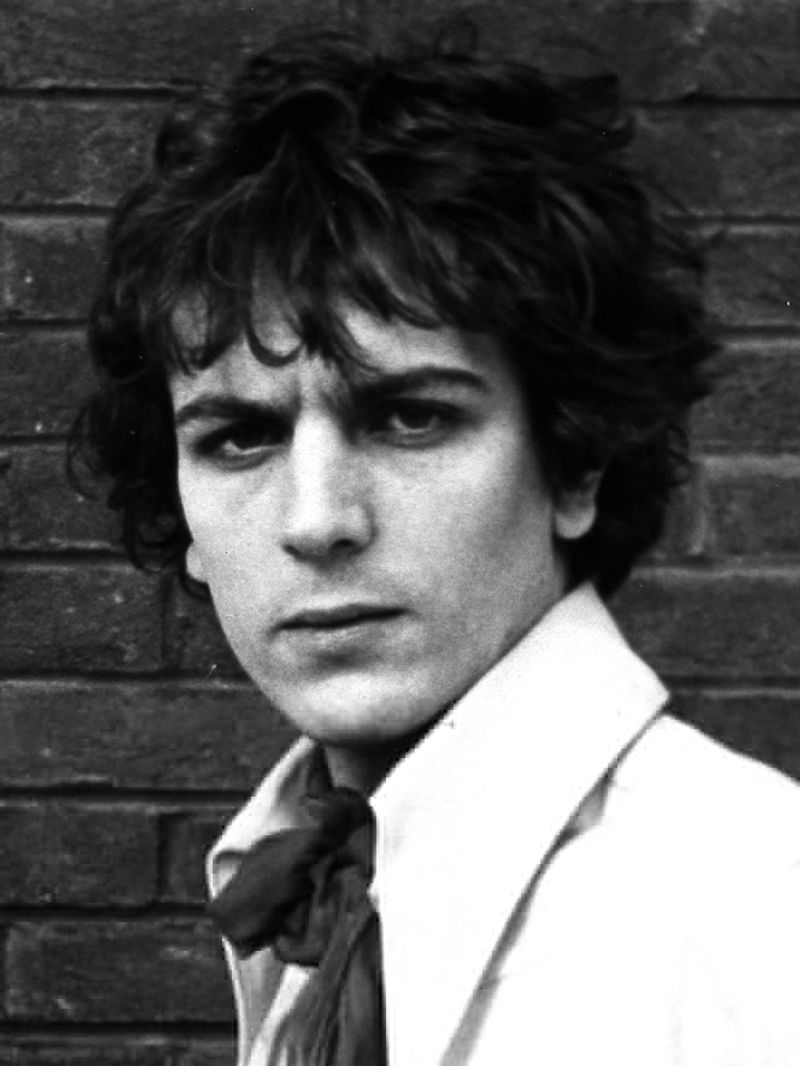
Pink Floyd’s early sound carried the stamp of an inventive young songwriter. Barrett helped shape the band’s strange, playful music before leaving in 1968 amid serious difficulties with his health and behavior.
Two solo albums followed, then a retreat from public performance. Accounts often focus on drug use, but claims about a specific diagnosis need caution.
His story deserves more than rock mythology: creative achievement and personal vulnerability can exist together, without either explaining a person’s whole life.
16. Meg White: Silence After the Stadium Sound
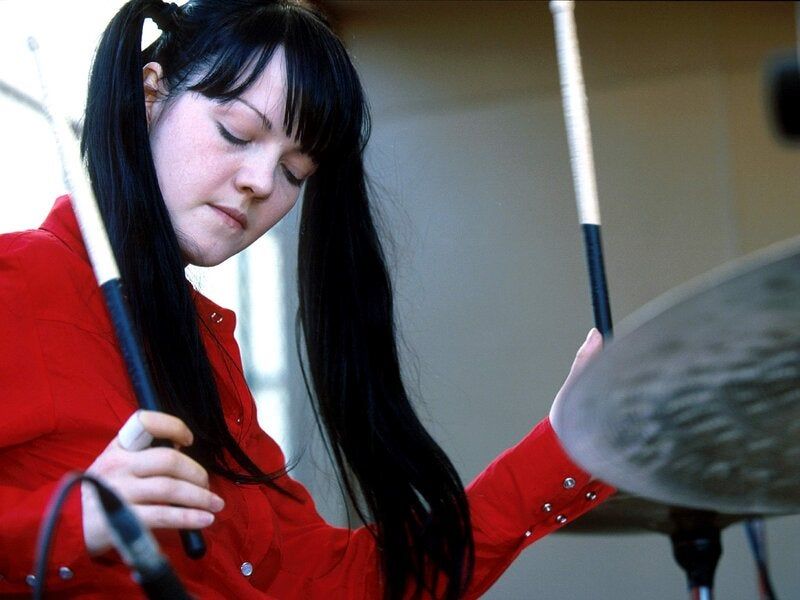
A spare drumbeat could fill an arena when she was behind the kit. Alongside Jack White, Meg helped turn the White Stripes into one of the most recognizable rock acts of their era.
The group canceled tour dates in 2007 while she faced acute anxiety, then announced its end in 2011. She has largely avoided public life since.
Respecting that privacy matters more than demanding a comeback, even when listeners still love the music she helped create.
17. Taylor Lautner: Rethinking the Action-Hero Future
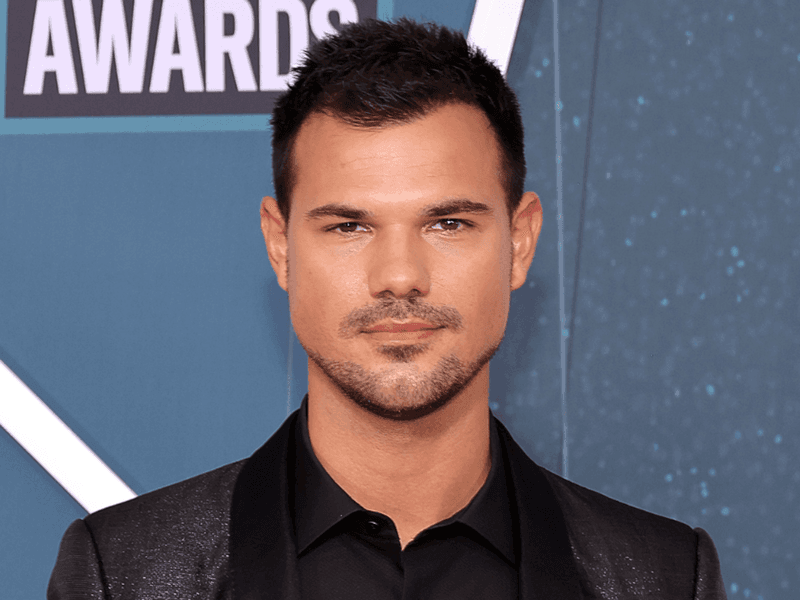
Team Jacob enthusiasm made him seem ready for a huge solo movie career. Twilight gave Lautner global fame, but the action thriller Abduction failed to turn that attention into lasting box-office momentum.
Later work included television comedy, while his podcast with his wife, Taylor, opened conversations about mental health. That is a different public role, not an empty one.
His experience highlights how fame from a beloved franchise does not guarantee that audiences will follow every new project.
18. Lindsay Lohan: Writing a New Screen Chapter
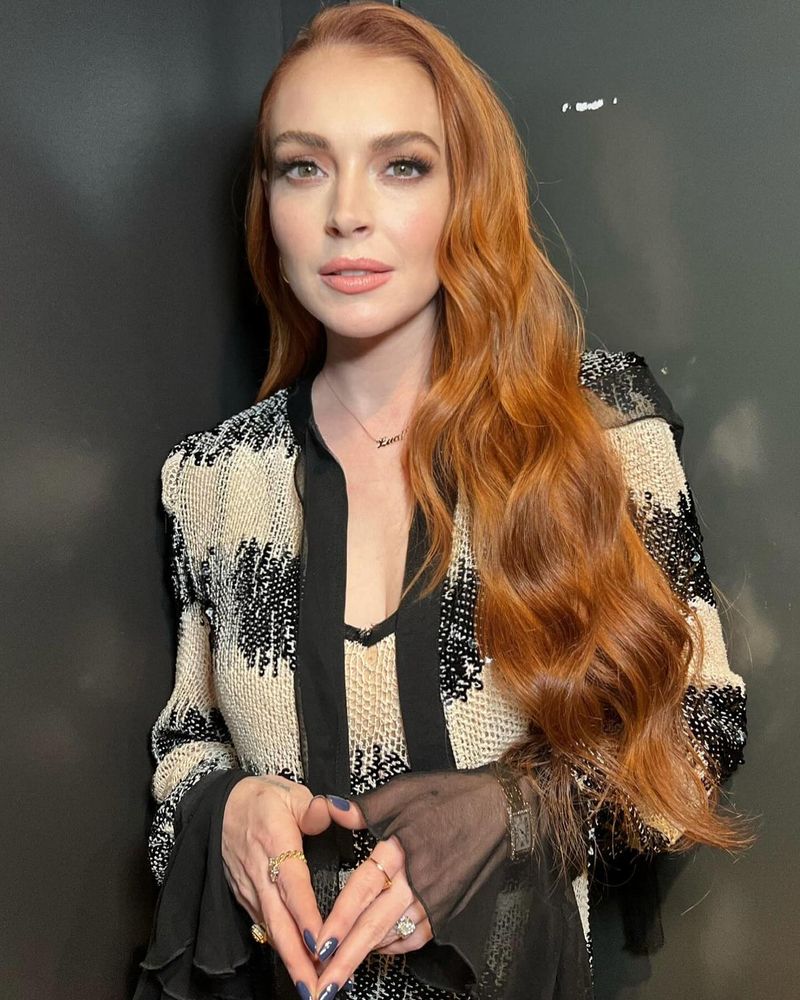
Switching between twins in The Parent Trap made her talent clear early. Freaky Friday and Mean Girls strengthened Lohan’s standing, before legal troubles and personal struggles disrupted a once rapid rise.
Her later career has included a return to romantic comedies, such as Falling for Christmas and Irish Wish. Those projects complicate the old story that her Hollywood future simply ended.
A fair career portrait leaves room for recovery, changing goals, and work made after a difficult chapter.
19. Phoebe Cates: Choosing Family and a Shopfront
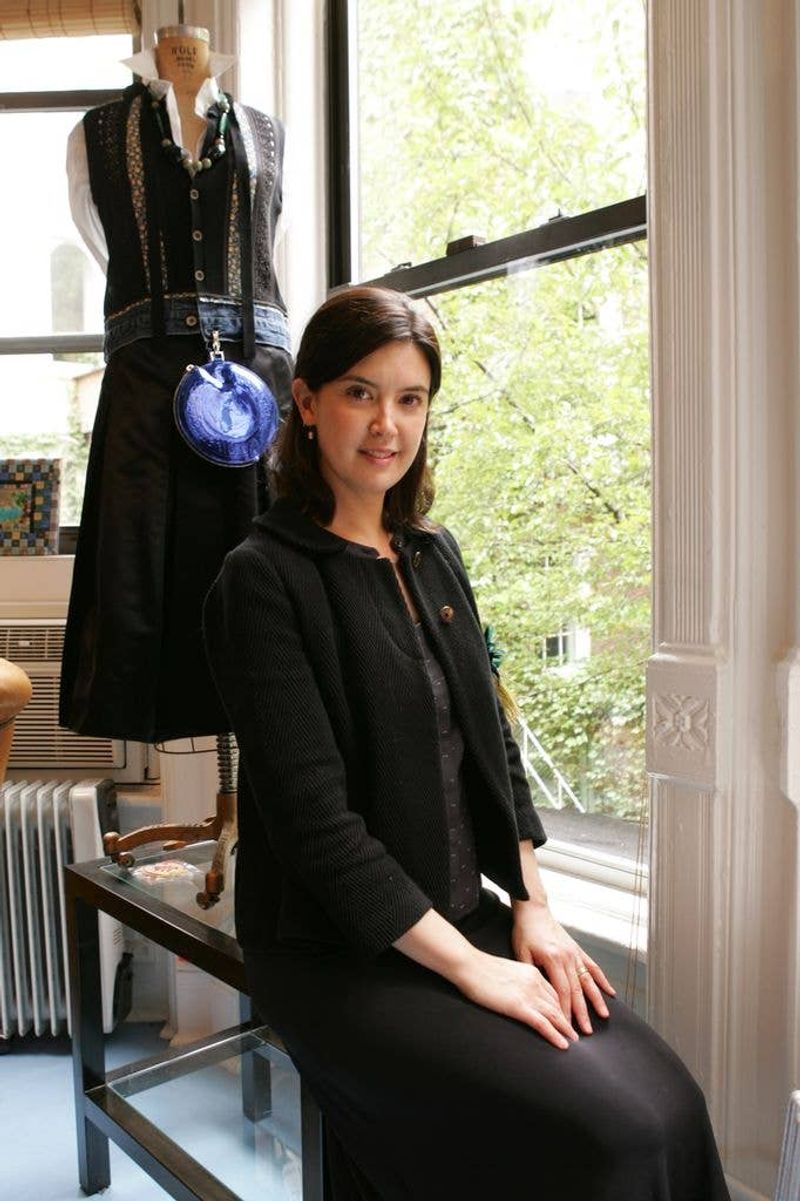
Being part of Fast Times at Ridgemont High and Gremlins could have led to decades of regular screen appearances. Instead, Cates largely stepped away from movies during the 1990s to focus on family.
She returned for The Anniversary Party in 2001 and later opened the New York boutique Blue Tree. Her working life moved toward a very different kind of customer connection.
Leaving acting did not mean leaving creativity behind; it meant finding another place to use it.
20. Jake Lloyd: A Child Actor Deserves Compassion
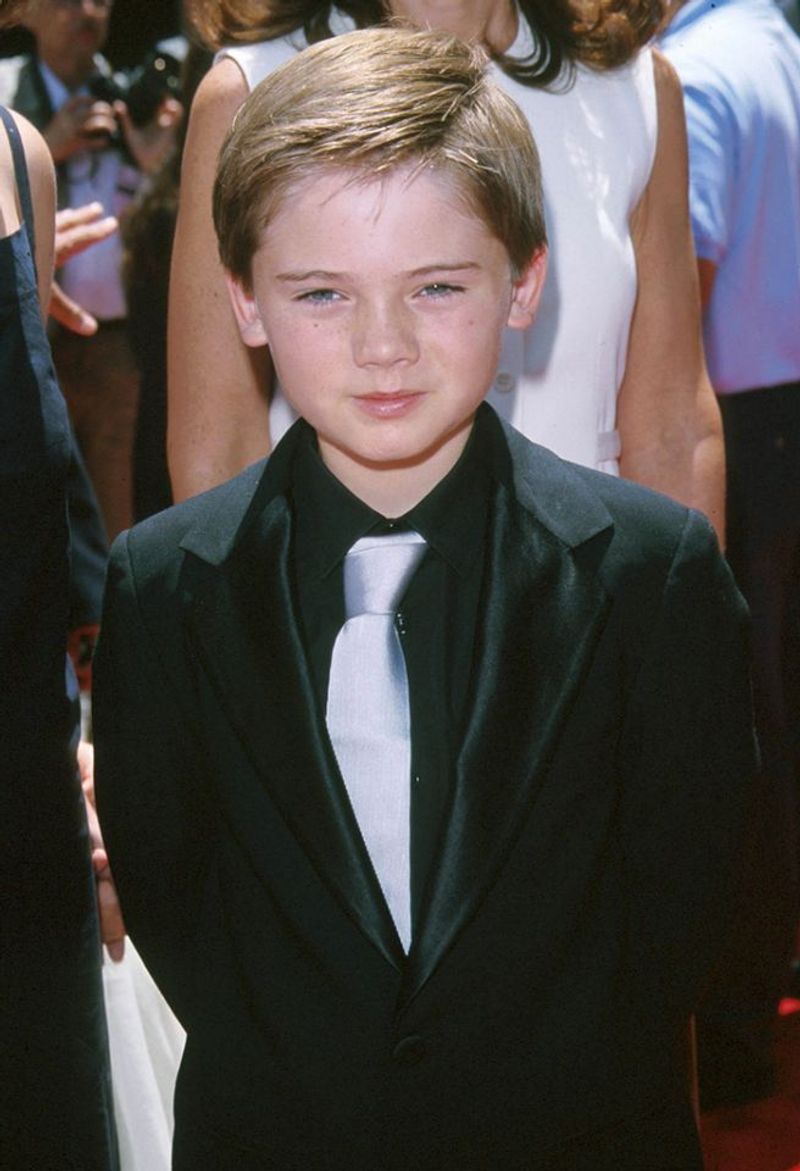
Playing young Anakin Skywalker placed a child inside one of the world’s biggest film franchises. The Phantom Menace brought Lloyd extraordinary attention, but it did not lead to a long adult acting career.
He later left the profession, and his family has discussed his mental health challenges publicly. Those experiences should never become a punchline or a simple explanation for everything.
The humane takeaway is clear: a former child performer owes audiences neither constant access nor another movie.