
Divorce is one of the most life-changing events a person can go through, and the financial side of it can feel overwhelming fast. Knowing what steps to take early can protect your money, your credit, and your future.
Experts agree that getting financially prepared before the process begins makes a huge difference in how things turn out. These 20 practical strategies can help you feel more confident and in control during a very difficult time.
1. Gather and Copy All Financial Documents

Paper trails tell the whole story. Start collecting tax returns from the past three to five years, along with bank statements, investment records, retirement account documents, mortgage statements, and credit card bills.
Make copies of everything.
Store those copies somewhere safe outside your home, like a trusted friend’s house or a secure cloud account. Having these records ready early gives you a major advantage when negotiations begin.
2. Understand Your Complete Financial Picture
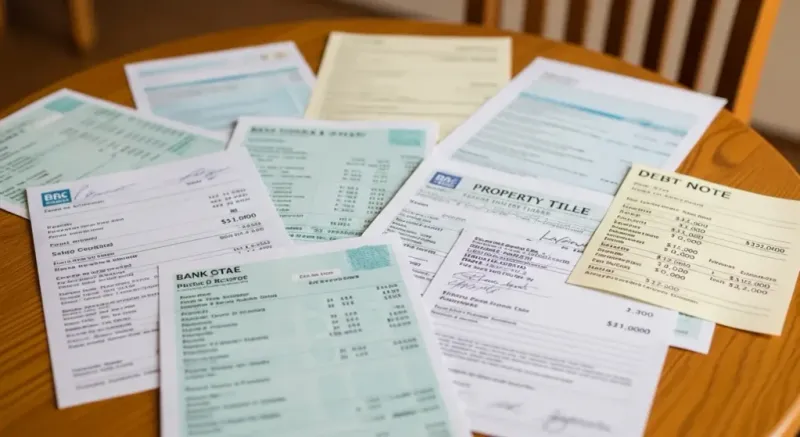
Most people are surprised by how much they own and owe once they sit down and write it all out. Create a full list of every asset you and your spouse share, including bank accounts, real estate, vehicles, and personal property.
Then list every debt: mortgages, car loans, credit cards, and student loans. Seeing the full picture helps you and your attorney make smarter decisions throughout the entire divorce process.
3. Calculate Your Net Worth

Your net worth is simply what you own minus what you owe, and knowing that number is a game-changer during divorce. Subtract all your liabilities from your total assets to get a clear snapshot of your financial health right now.
Courts and attorneys use this figure to guide fair asset division. Doing this calculation yourself first means you walk into every conversation with solid facts, not guesses.
4. Open Individual Bank Accounts

One of the first practical moves experts recommend is opening your own checking and savings accounts as soon as possible. Having money in your name alone ensures you can cover rent, groceries, and bills without depending on a shared account.
Joint accounts can be frozen or disputed during divorce proceedings, leaving you without access to funds at the worst possible time. Starting fresh with your own accounts puts you back in the driver’s seat financially.
5. Establish Credit in Your Own Name

If most of your credit history is tied to joint accounts or your spouse’s cards, you may have very little credit standing on your own. Building independent credit before or during a divorce protects your ability to rent an apartment, buy a car, or get a loan later.
Apply for a credit card in your name alone, use it responsibly, and pay it off monthly. Even small steps build a strong credit foundation quickly.
6. Cancel Joint Accounts and Remove Authorized Users

Leaving joint accounts open during a divorce is risky business. Either spouse can rack up debt or drain funds, and you could be held legally responsible for charges you never made.
Close joint checking, savings, and credit card accounts, or convert them to individual ones as soon as possible. Remove your spouse as an authorized user on your cards, and ask to be removed from theirs.
Protecting your credit now prevents painful surprises later.
7. Adjust Automatic Payments and Direct Deposits

Money flowing into or out of the wrong accounts can create real problems once you separate finances. Update your employer’s payroll department so your paycheck goes directly into your new individual account.
Then go through your bills and subscriptions and switch automatic payments to your new account or card. Catching every recurring payment takes a little time, but it stops your money from getting tangled up in shared finances when you least want it to.
8. Monitor Financial Accounts and Credit Reports

During a divorce, keeping a close eye on every account is not paranoia, it’s smart planning. Watch joint accounts regularly for unusual withdrawals or purchases that seem out of place.
Pull your full credit reports from Equifax, Experian, and TransUnion to check for errors or any accounts you did not open yourself. Catching problems early can save you months of headaches and protect your financial reputation when you need it most.
9. Avoid Large Purchases or Devaluing Assets

Splurging on a new car or selling off shared property during a divorce can seriously backfire. Courts look closely at financial behavior during proceedings, and big moves often raise red flags that hurt your case.
Stay away from major purchases, and never try to hide or undervalue shared assets. Judges notice these patterns, and attorneys know how to find them.
Playing it straight financially keeps you on solid legal ground and protects your credibility in court.
10. Consult a Divorce Attorney Early

Waiting too long to talk to a lawyer is one of the most common and costly mistakes people make. An experienced divorce attorney explains your rights, what you’re entitled to, and what your responsibilities are under your state’s specific laws.
Early legal advice helps you avoid accidental missteps that can weaken your position later. Many attorneys offer initial consultations at low or no cost, so getting that first conversation on the calendar sooner rather than later is a wise move.
11. Assemble a Professional Support Team

No one should navigate divorce alone, especially the financial part. Beyond a divorce attorney, consider bringing in a certified financial planner who specializes in divorce, plus an accountant who understands how asset splits affect your taxes.
A therapist helps you stay emotionally grounded so you make clear-headed decisions. A mediator can reduce legal costs by helping both sides reach agreements without going to court.
Building the right team early saves time, money, and stress.
12. Identify Separate vs. Marital Property

Not everything you own gets split down the middle. Property you brought into the marriage, inherited, or received as a personal gift is generally considered separate and may not be subject to division.
Assets acquired together during the marriage are typically marital property and fair game for division. The tricky part is when separate property gets mixed with marital funds, which can blur the lines.
Talk to your attorney about what qualifies as what in your state.
13. Get Professional Valuations for Major Assets

Guessing the value of your home, a business, or a valuable collection is never a good idea during divorce. Inaccurate numbers can lead to unfair settlements that hurt you for years to come.
Hire certified appraisers to put an official dollar amount on significant shared assets. Real estate agents, business valuation experts, and certified personal property appraisers each handle different asset types.
Accurate valuations give both sides a fair starting point and hold up better in court if things get contested.
14. Understand the Tax Implications of Divorce

Divorce reshapes your tax situation in ways most people don’t expect. How assets are divided, whether you receive alimony, and how child support is structured can all change what you owe the government each year.
For example, transferring retirement accounts incorrectly can trigger major tax penalties. Sitting down with a tax professional before finalizing any agreements helps you avoid costly surprises.
Knowing the after-tax value of what you’re receiving is just as important as knowing the face value.
15. Create a Realistic Post-Divorce Budget

Life after divorce comes with a whole new set of expenses. Housing, utilities, groceries, childcare, and health insurance all need to be covered on what is now one income, not two.
Build a detailed monthly budget that reflects your expected take-home pay plus any alimony or child support you anticipate receiving. Be honest about your spending habits and realistic about what things cost.
A solid budget removes the guesswork and gives you a clear financial roadmap going forward.
16. Build an Emergency Fund

Divorce is unpredictable, and unexpected costs have a way of popping up at the worst moments. Legal fees, moving expenses, car repairs, or a sudden job change can all drain your finances fast if you have no cushion.
Financial experts recommend saving three to nine months of living expenses in an emergency fund. Start small if you have to, even setting aside a little from each paycheck adds up over time.
Having that safety net means one bad month does not become a financial disaster.
17. Prioritize Your Career and Income Stability

Your earning power is one of your most valuable financial assets going into life after divorce. If you stepped back from your career during the marriage, now is the time to refocus and level up.
Update your resume, explore advancement opportunities, or consider additional certifications that could boost your salary. Consistent, reliable income is the foundation everything else is built on.
The stronger your career position, the more financial stability and independence you gain once the divorce is finalized.
18. Update Wills and Estate Planning Documents

Many people forget that a divorce does not automatically cancel an outdated will. If something happened to you before those documents were updated, your ex-spouse could still inherit your estate.
Revise your will, any trusts, your power of attorney, and your medical directives as soon as possible. Name new people you trust to make decisions on your behalf.
Updating these documents is one of the most important steps you can take to protect yourself and your loved ones during this transition.
19. Review and Update All Beneficiary Designations

Here is a detail that trips up a lot of people: beneficiary designations on retirement accounts, life insurance policies, and annuities typically override whatever your will says. That means your ex could still receive those assets even after the divorce is final.
Contact each financial institution and insurance provider to update your beneficiary information right away. Choose new beneficiaries carefully, whether that is your children, a sibling, or another trusted person.
Do not wait until everything is settled to handle this step.
20. Make a Plan to Cover Divorce Costs

Divorce is not cheap. Attorney fees, court filing costs, mediator sessions, and professional appraisals can add up to thousands of dollars, sometimes much more depending on how complicated things get.
Plan ahead by setting money aside specifically to cover these expenses. Talk to your attorney about billing arrangements and ask for an estimate of total costs upfront.
Knowing what you’re likely to spend prevents you from being caught off guard and helps you make smarter decisions about how to approach the entire process.