
Eating out should be a fun and delicious experience, but not every menu item is worth your hard-earned money or your health. Some dishes sound amazing on paper but end up being overpriced, disappointing, or even unsafe to eat.
Knowing which items to skip can save you from a bad meal, a stomachache, or a shocking bill. Here are 20 restaurant menu items you might want to think twice about before ordering.
1. Truffle Oil Dishes
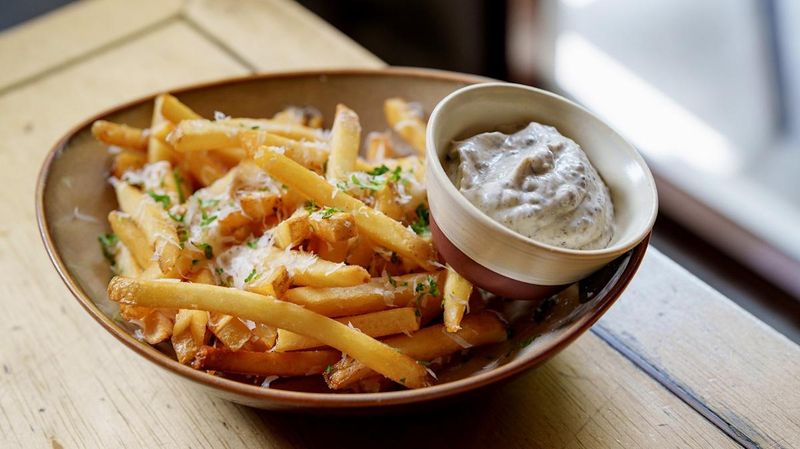
That rich, earthy aroma wafting from truffle dishes might smell luxurious, but there’s a good chance it comes from a lab, not the forest. Most restaurants use synthetic truffle oil made from chemicals, not real truffles.
Real truffles cost hundreds of dollars per pound, so they rarely make it onto a budget menu.
You end up paying a premium price for an artificial flavor. Save your money and skip the truffle fries.
2. Wagyu or Kobe Burgers
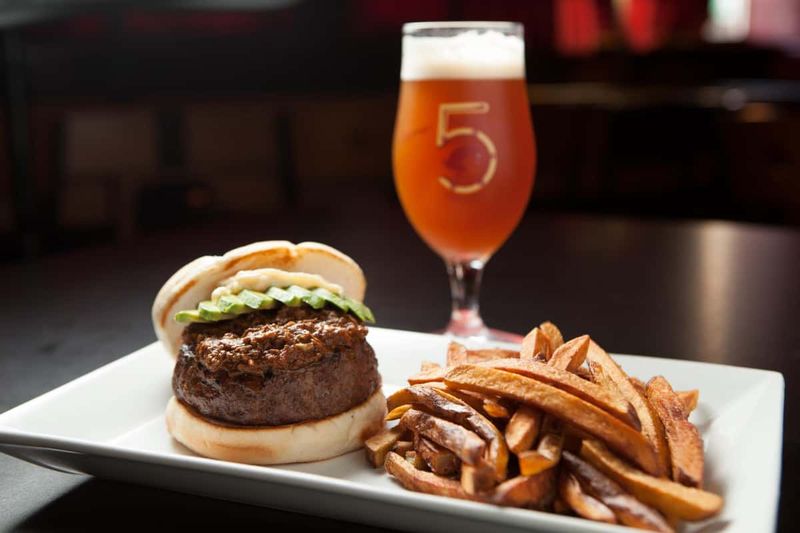
Wagyu beef is one of the most prized meats in the world, known for its incredible marbling and buttery flavor. But here’s the catch: grinding that meat into a burger patty destroys the very thing that makes it special.
The delicate fat marbling disappears the moment it hits the grinder.
Worse, many restaurants use a cheap blend and still slap the Wagyu label on it. You’re mostly paying for a fancy name, not a fancy burger.
3. Charcuterie Boards
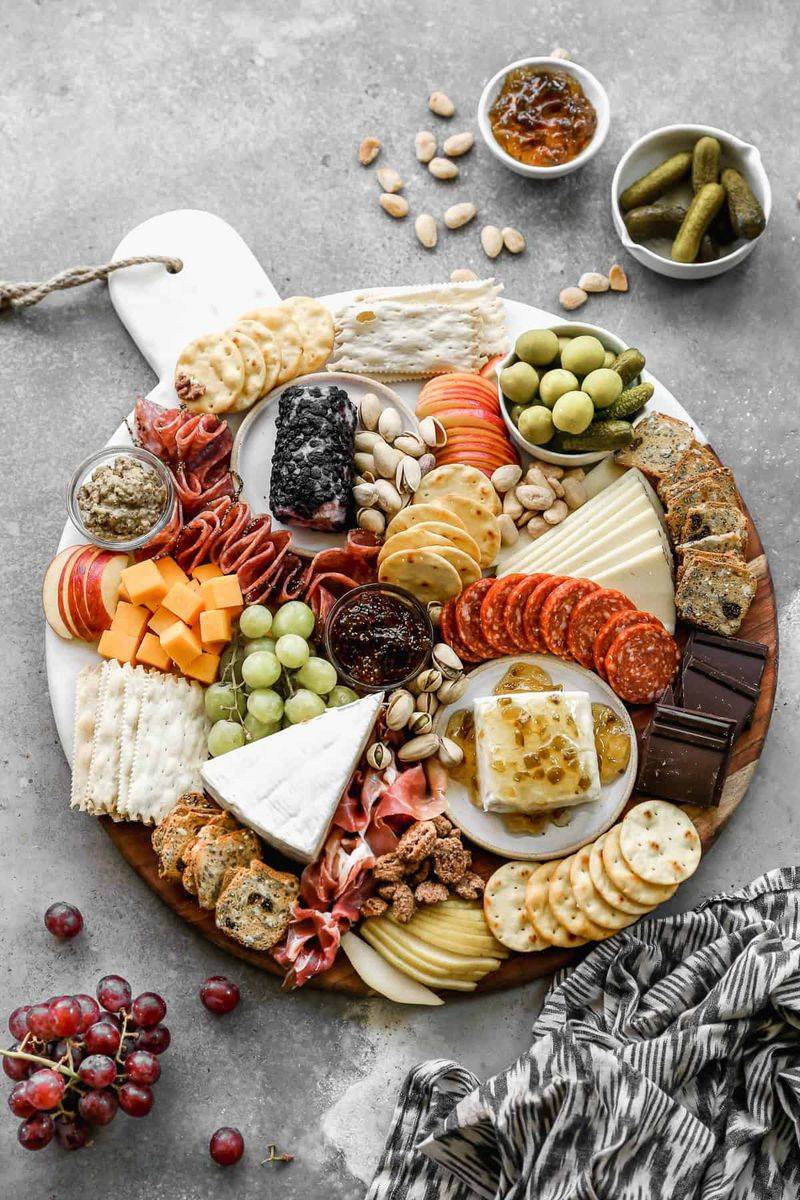
Charcuterie boards look stunning on Instagram, but they’re one of the worst values on any menu. A restaurant might charge $25 or more for a few slices of salami, a couple of cheese cubes, and some crackers.
Those same ingredients from a grocery store would cost a fraction of that price.
You’re essentially paying for the arrangement. Building a better board at home takes about ten minutes and costs far less.
4. Lobster Mac and Cheese
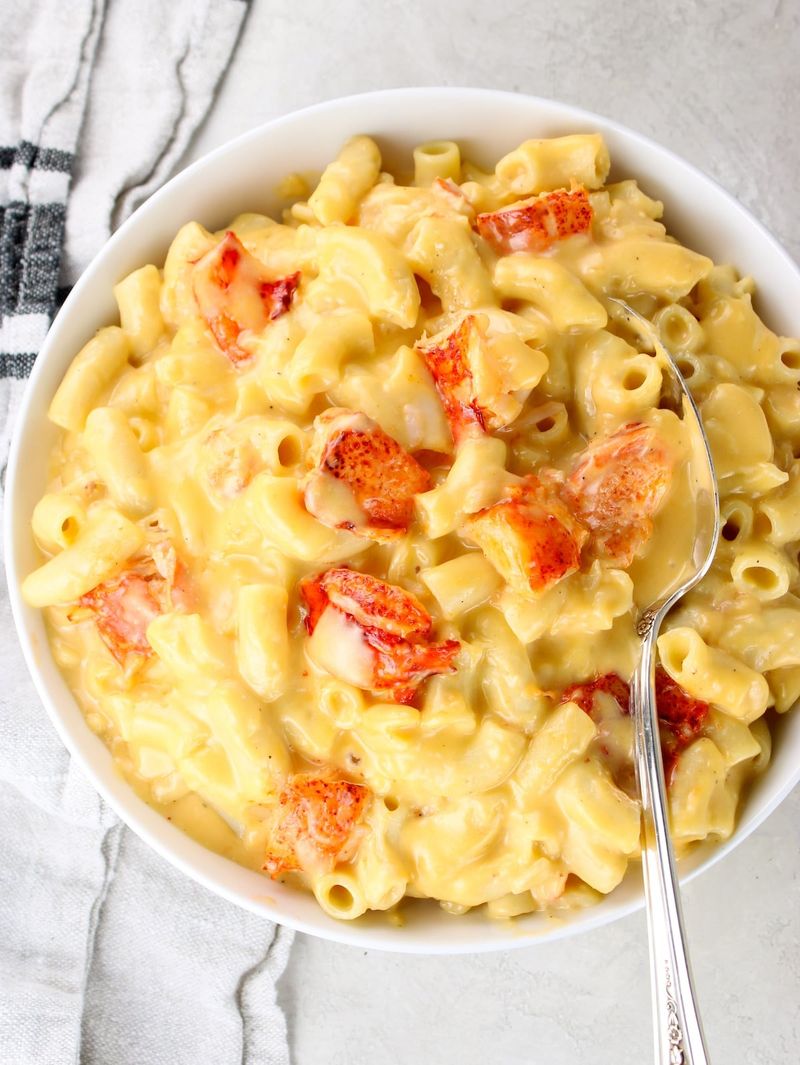
The name alone sounds like a dream come true. But lobster mac and cheese at most restaurants is mostly just mac and cheese with a few tiny lobster scraps buried underneath a mountain of heavy sauce.
Restaurants charge $30 or more for this dish, yet the actual lobster content is often laughably small.
The thick, creamy sauce hides everything, including the truth about how little seafood you actually got. Order something more honest instead.
5. Gold-Flaked Dishes
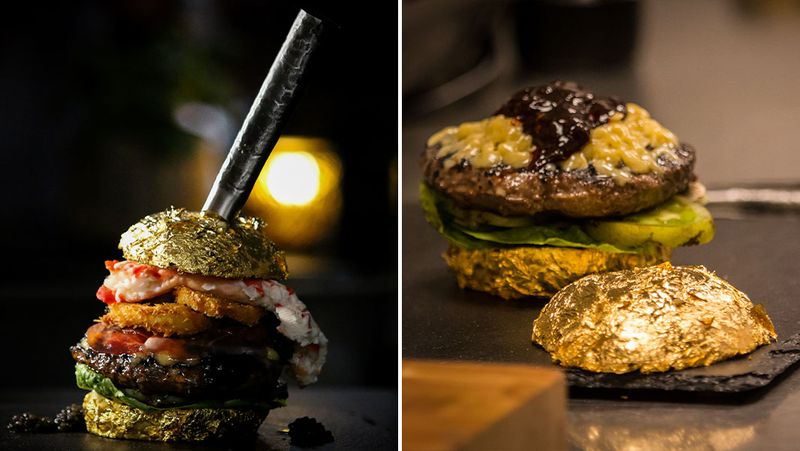
Edible gold sounds wildly extravagant, and restaurants bank on that feeling when they price these dishes. The reality?
Gold has absolutely zero flavor. It doesn’t make food taste better, richer, or more complex in any way.
It’s purely a visual gimmick designed to justify a massive markup.
Some gold-flaked burgers and desserts cost hundreds of dollars. You’re literally eating metallic decoration.
If a dish needs gold to feel special, the food itself probably isn’t doing enough work.
6. Basic Salads
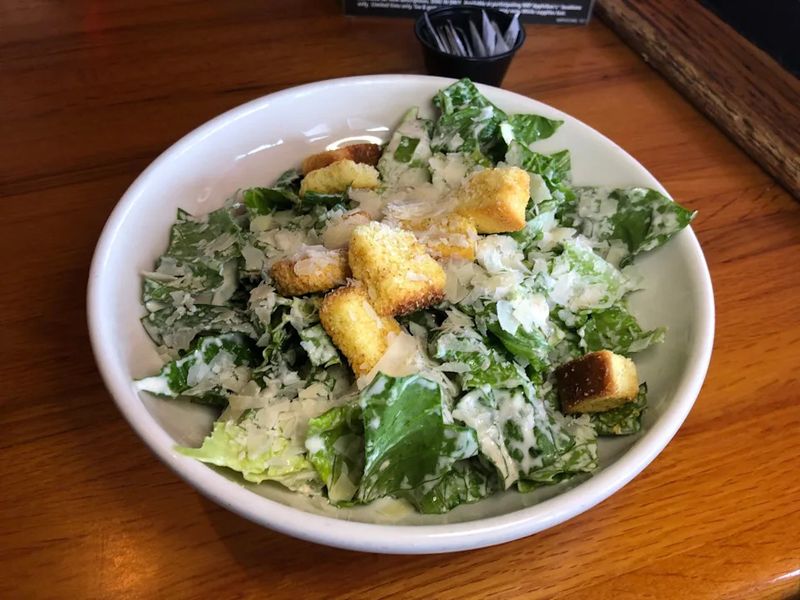
A Caesar salad at a restaurant can easily run $16 to $18, yet the actual ingredients, romaine lettuce, croutons, dressing, and a bit of parmesan, cost maybe $2 to $3 at the grocery store. That’s one of the steepest markups on any menu, and the portion is rarely impressive either.
Worse, pre-made salad ingredients can sit out longer than you’d like. A wilted, overpriced salad is one of dining’s most frustrating disappointments.
7. Pancakes, Waffles, or French Toast
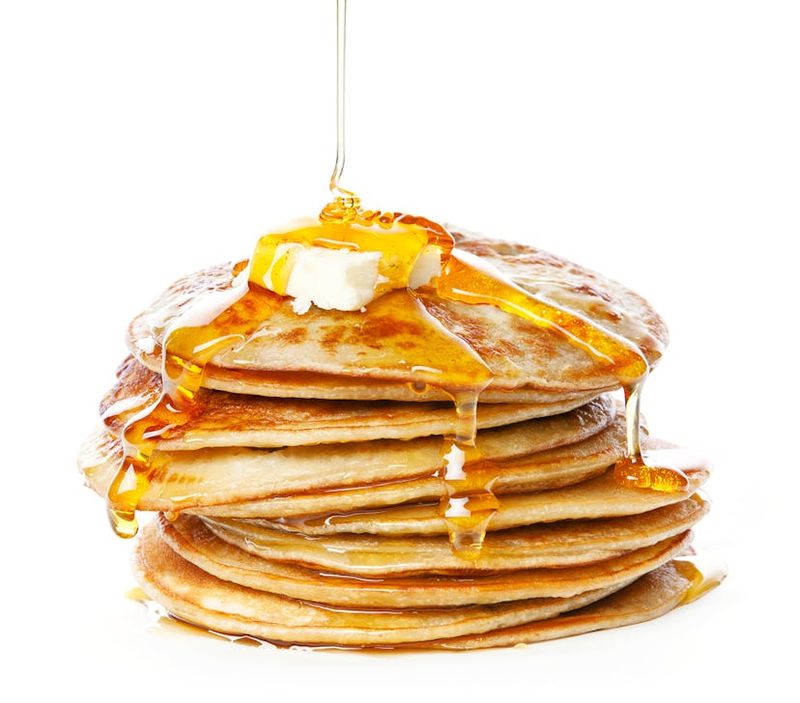
Breakfast dishes like pancakes and waffles are some of the most marked-up items on any menu. Studies have found that pancakes can carry a markup of over 2,000 percent.
Flour, eggs, butter, and syrup are incredibly cheap, yet restaurants charge $14 or more for a short stack.
These are also some of the easiest things to make at home in under 20 minutes. If you’re trying to get real value from a brunch outing, look elsewhere on the menu.
8. Grilled Cheese or Simple Sandwiches
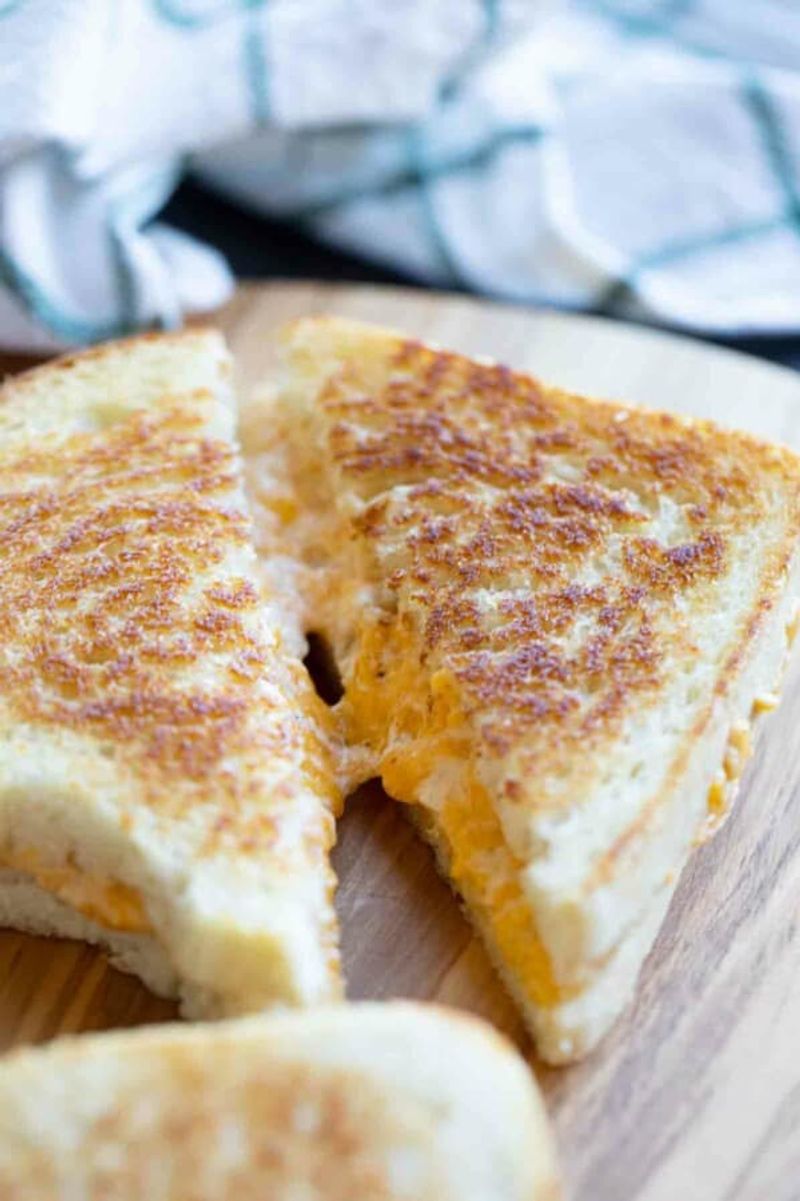
There’s something almost bold about charging $14 for two slices of bread and melted cheese. Yet plenty of trendy restaurants do exactly that, sometimes using standard grocery store bread and basic cheese slices.
The ingredients for a grilled cheese cost less than $2, making the markup staggering by any measure.
Simple sandwiches fall into the same trap. Unless the restaurant is using truly exceptional ingredients, you’re overpaying for something most people can make blindfolded at home.
9. Basic Pasta Dishes
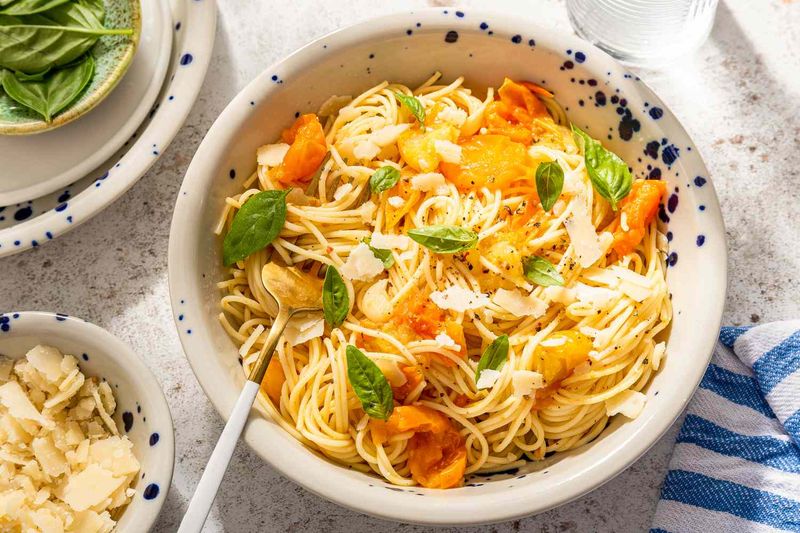
Spaghetti with marinara sounds simple because it is. Pasta, canned tomatoes, garlic, and olive oil cost almost nothing, yet restaurants regularly charge $18 to $22 for a bowl.
The markup on basic pasta can be as high as twenty times the ingredient cost, which makes it one of the worst deals on the menu.
Unless the restaurant is making fresh, hand-rolled pasta with exceptional technique, you’re paying restaurant prices for a Tuesday-night home dinner.
10. Gourmet Mac and Cheese
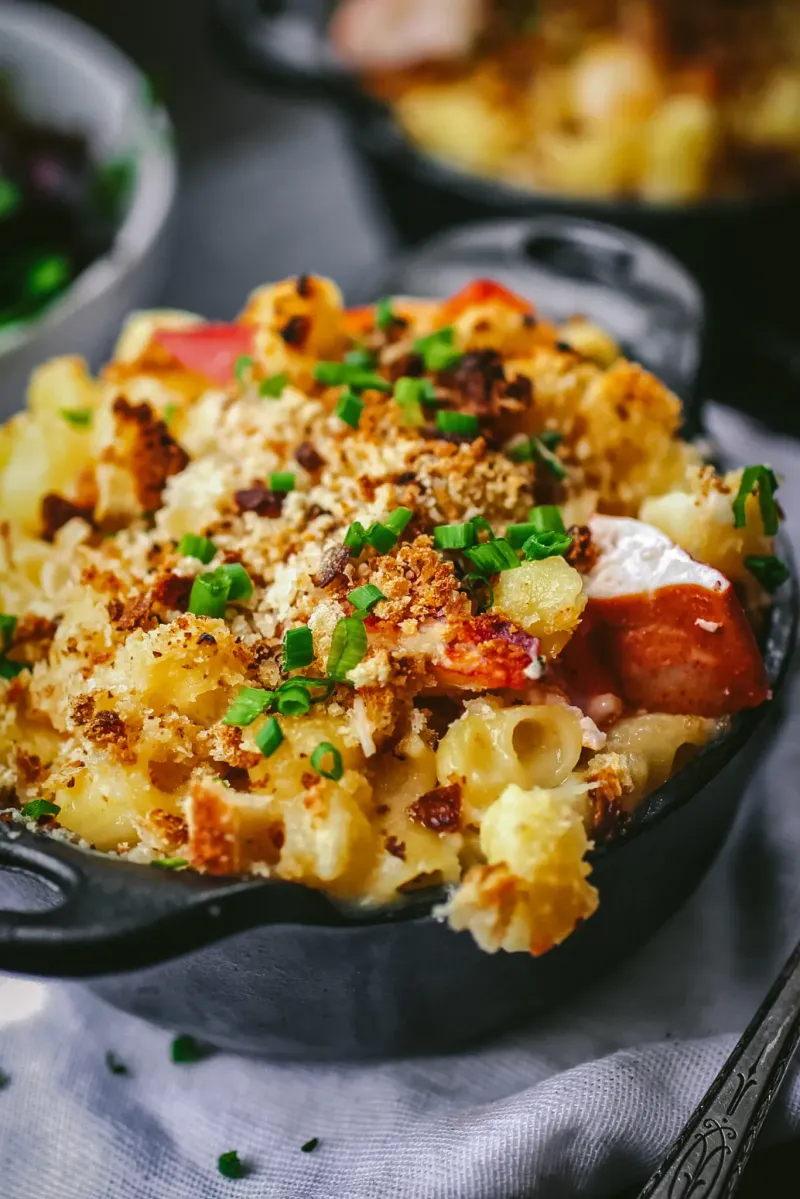
Mac and cheese has become a comfort food cash cow for restaurants. Gourmet versions with fancy toppings like lobster, truffle, or smoked gouda can cost $20 or more, yet the base dish is still just pasta and cheese sauce.
Restaurants earn some of their highest profit margins on this single item.
Even the “elevated” versions rarely justify the price jump. A box of the good stuff at home costs $3 and takes 15 minutes.
11. Gourmet Cheeseburgers
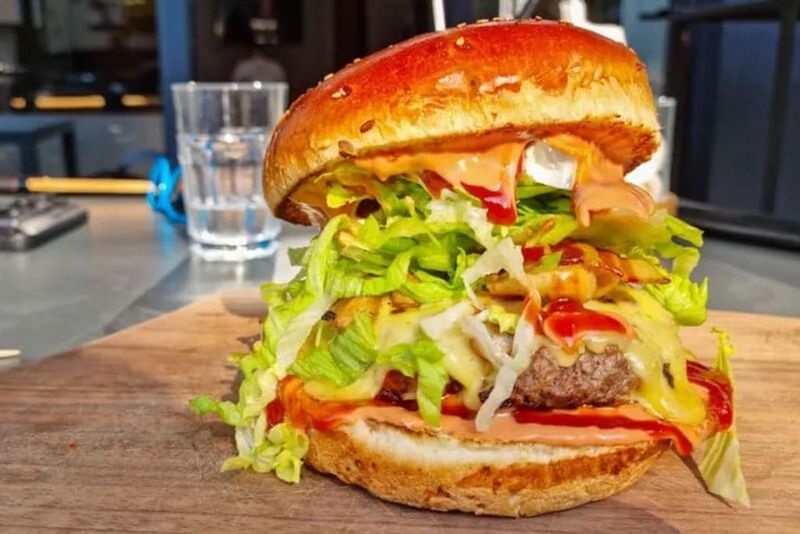
A standard cheeseburger already carries a markup of over 400 percent at most restaurants. Pile on expensive toppings like foie gras, truffle aioli, or specialty cheeses, and the price can skyrocket past $30.
The problem is that grinding high-quality beef wastes its best qualities, so those premium ingredients don’t always translate to a better bite.
Often, a well-made classic burger from a no-frills spot beats an overloaded gourmet version that’s more spectacle than substance.
12. Eggs Benedict
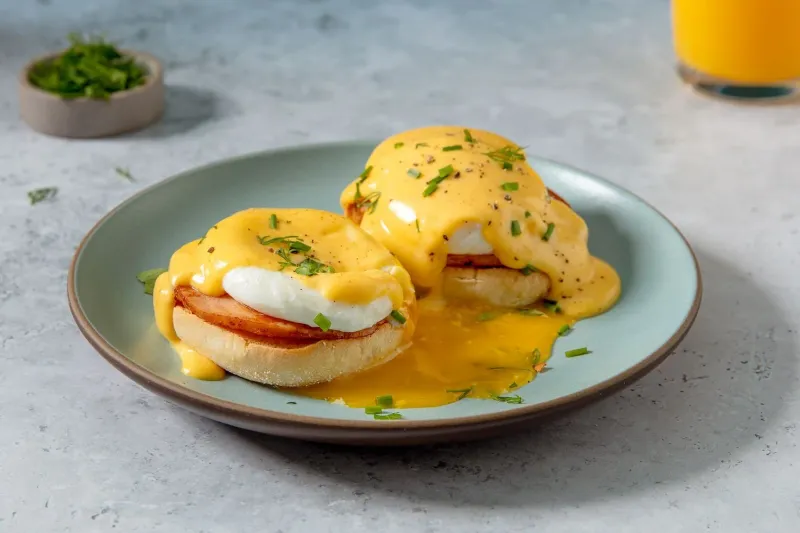
Hollandaise sauce is notoriously tricky to keep safe. It’s made with raw egg yolks and butter, and if it isn’t kept at the right temperature, bacteria like Salmonella can multiply quickly.
Busy brunch restaurants often make large batches that sit out for extended periods, which creates a real food safety concern.
Beyond the health risk, eggs Benedict is also one of the most marked-up brunch items. A dish that costs a few dollars to make often sells for $18 or more.
13. Avocado Toast
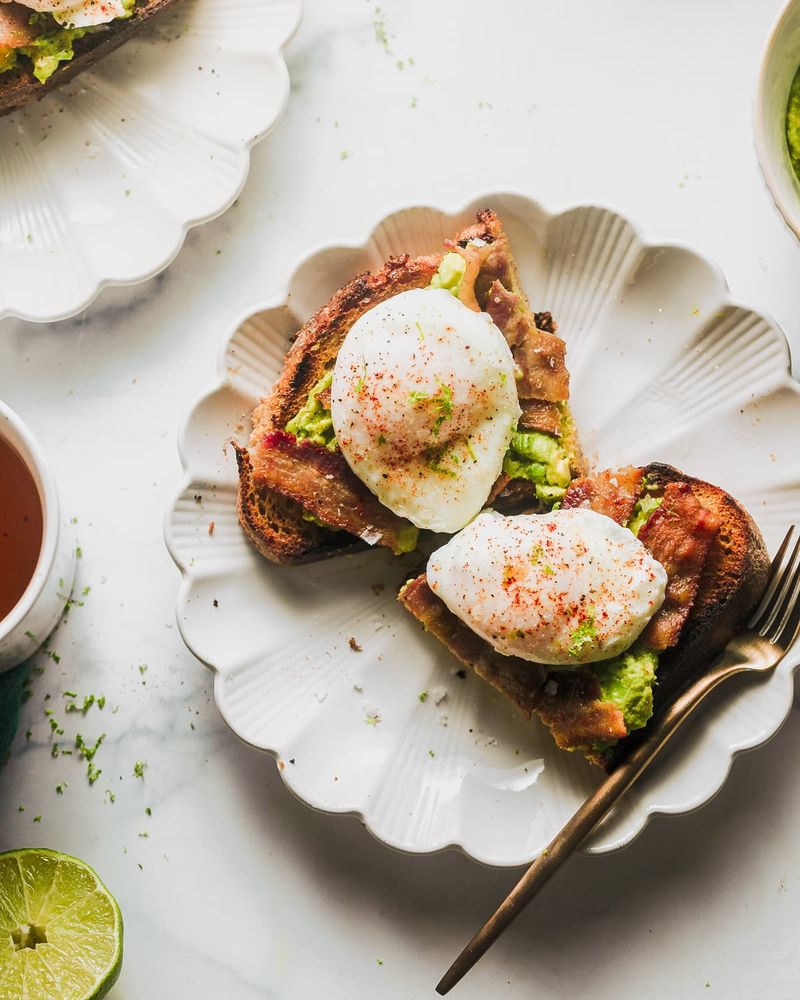
Avocado toast became a cultural phenomenon, and restaurants have been cashing in ever since. A single slice of toast with smashed avocado can cost anywhere from $12 to $18 at trendy brunch spots, even though the ingredients cost roughly $2 to make at home.
The trend may have cooled slightly, but the prices haven’t followed.
Making avocado toast at home takes about three minutes. It’s hard to think of another dish where the restaurant markup feels quite so audacious.
14. Shrimp Cocktail
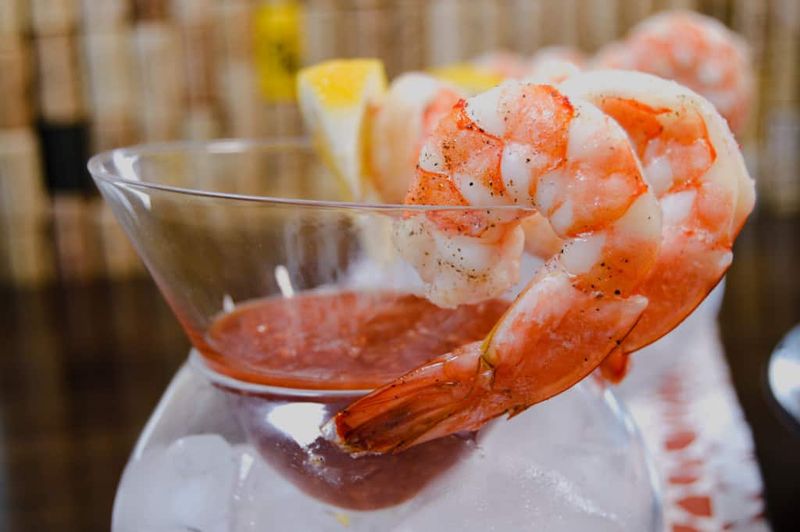
Shrimp cocktail has a reputation as an elegant starter, but food industry insiders have long called it one of the biggest rip-offs on any menu. A handful of pre-cooked, chilled shrimp with a small cup of cocktail sauce might cost a restaurant $2 to $3, yet it easily sells for $16 to $20.
You’re mostly paying for the fancy presentation and the glass it comes in. Frozen shrimp from the grocery store and a bottle of cocktail sauce will get you the same experience for much less.
15. Risotto
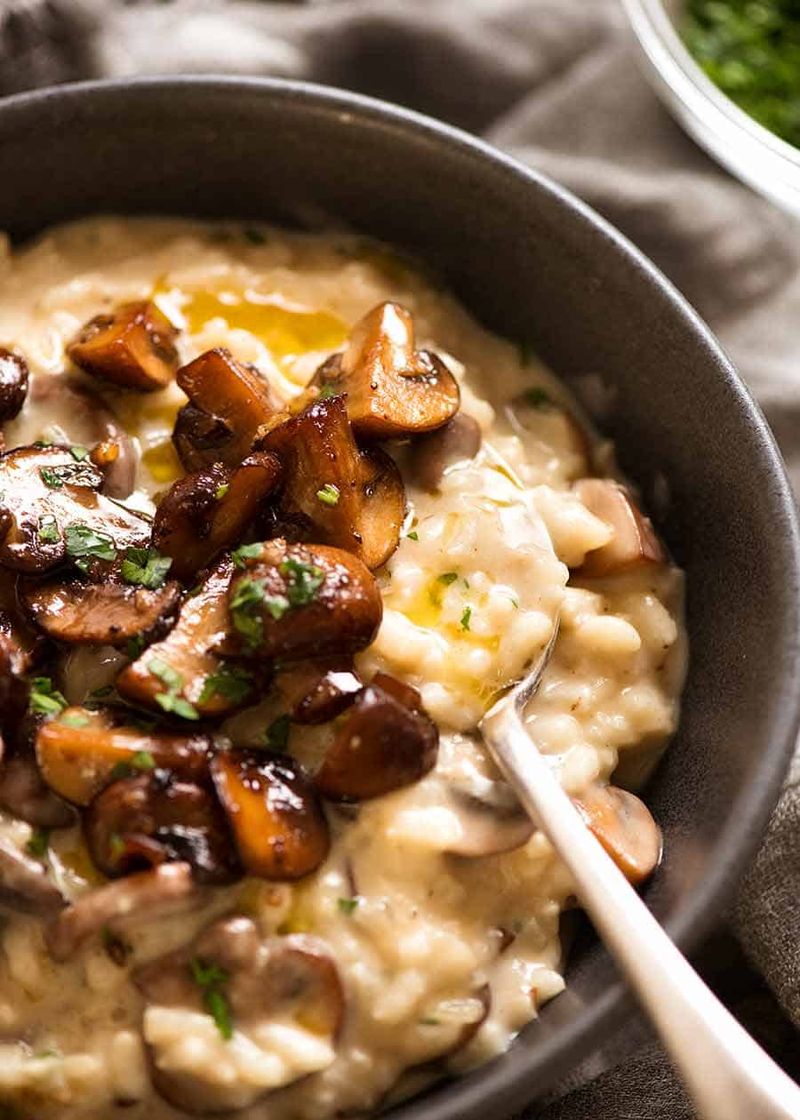
Authentic risotto requires constant stirring and careful timing, making it nearly impossible to execute properly in a packed restaurant kitchen during a Friday dinner rush. Most busy spots pre-cook large batches, then reheat and finish them with cream to mask the texture.
The result is often gluey, overcooked, and far from what a true risotto should feel like.
When a restaurant nails risotto, it’s genuinely special. The problem is that most of the time, they’re cutting corners you can’t see.
16. Soup of the Day
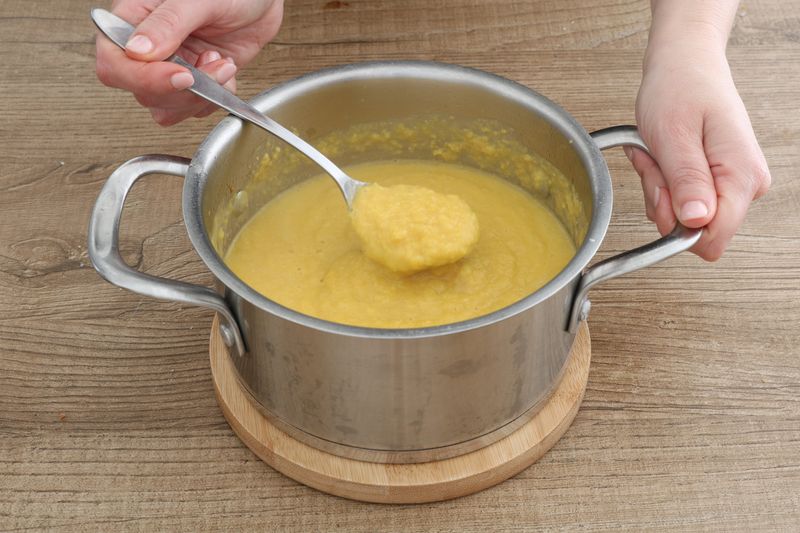
“Soup of the day” sounds charming and homey, but in many kitchens it’s a polite way of saying “we need to use these ingredients before they go bad.” Wilting vegetables, leftover proteins, and stock that’s been sitting around can all find their way into the daily pot. Quality and freshness can vary wildly from one day to the next.
That doesn’t mean it’s always bad. But if you’re paying top dollar for a bowl of soup, you deserve to know exactly what went into it.
17. Raw Oysters and Bargain Sushi
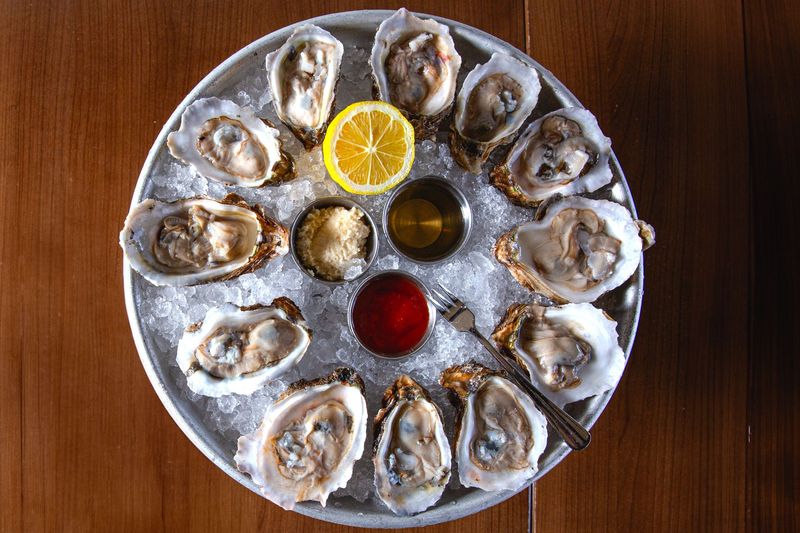
Raw shellfish and cheap sushi carry some of the highest food safety risks of anything on a restaurant menu. Oysters can harbor norovirus and Vibrio bacteria, which can cause serious illness within hours.
Bargain sushi often signals low-quality or mislabeled fish, and some studies show that cheaper sushi restaurants frequently substitute one species for another.
If a sushi restaurant is offering rolls at suspiciously low prices, that’s a sign worth paying attention to. Fresh, properly handled seafood costs money for a reason.
18. Raw Sprouts
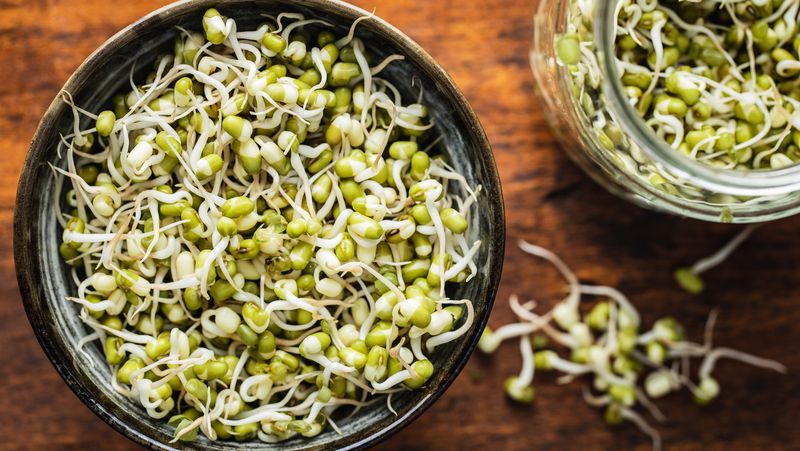
Raw sprouts might seem like a healthy, innocent topping, but they’re actually one of the riskiest ingredients a restaurant can serve. Sprouts grow in warm, moist conditions that are practically perfect for bacteria like E. coli and Salmonella to thrive.
The FDA has linked sprouts to dozens of foodborne illness outbreaks over the years.
Unlike other risky foods, washing sprouts doesn’t reliably remove the bacteria. If you see them on a menu, it’s perfectly reasonable to ask for them to be left off your dish.
19. Plain Chicken Breast
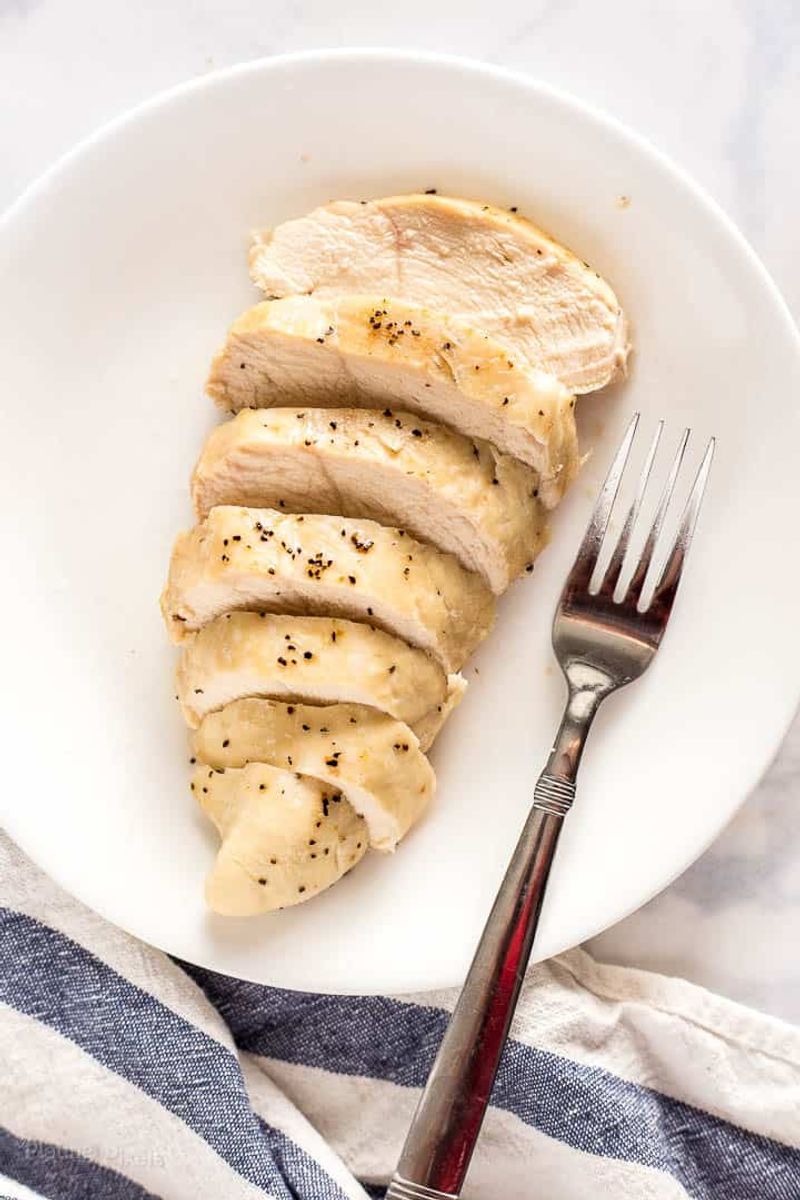
Chicken breast has a reputation problem in professional kitchens. Many chefs consider it the least inspiring cut to work with, largely because it dries out fast and punishes any cook who leaves it on the heat a few seconds too long.
To avoid the food safety risk of undercooked poultry, most restaurant kitchens err on the side of overcooking it.
The result is often a pale, rubbery slab that costs $24 and tastes like disappointment. Thighs, drumsticks, or whole roasted chicken almost always deliver more flavor and value.
20. Well-Done Steak
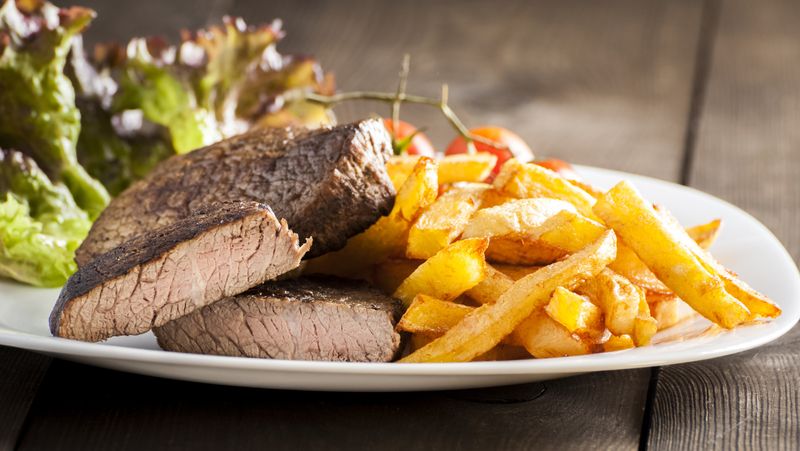
Ordering a steak well-done is a personal choice, but it comes with a hidden risk many diners don’t consider. Some chefs admit to reserving older or lower-quality cuts for well-done orders, knowing that the extended cooking time will mask any imperfections in flavor or texture.
Heavy charring can cover a lot of sins in a kitchen.
Overcooking also eliminates the complex flavors that make a quality steak worth the price. If you prefer well-done, at least ask about the cut before ordering.