
Back in the day, plenty of everyday products were considered totally normal, even helpful, but turned out to be surprisingly dangerous. From glowing clock hands to kids’ toys, some of history’s most popular items were hiding serious health risks.
It’s wild to think about how many households used these things without a second thought. Looking back at these old-school products is a great reminder of how far safety standards have come.
1. Lead-Based Paint

Walk into any home built before 1978, and you might be standing near a hidden hazard. Lead-based paint was everywhere, coating walls, windowsills, and furniture without anyone thinking twice.
When it aged and chipped, it released toxic dust and flakes that children often touched or swallowed.
Even tiny amounts of lead exposure caused serious developmental delays and behavioral problems in kids. It took decades of research before the government finally banned it from household use.
2. Asbestos Insulation
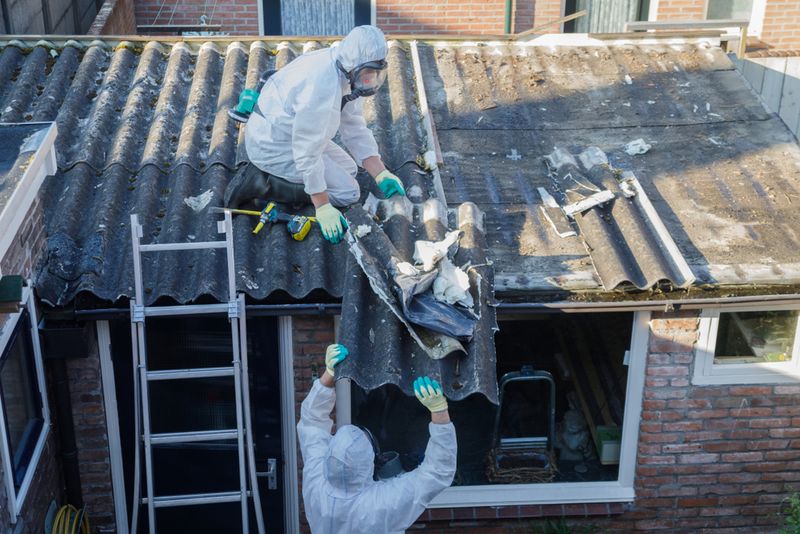
Builders in the mid-1900s thought asbestos was basically a miracle material. It resisted fire, held up under pressure, and seemed like the perfect insulator for homes, schools, and factories.
It showed up in everything from roofing tiles to fake Christmas snow sprayed from a can.
The trouble came when those fibers broke loose and floated into the air. Breathing them in over time caused deadly lung diseases like mesothelioma, often showing up decades after the exposure happened.
3. Mercury Thermometers
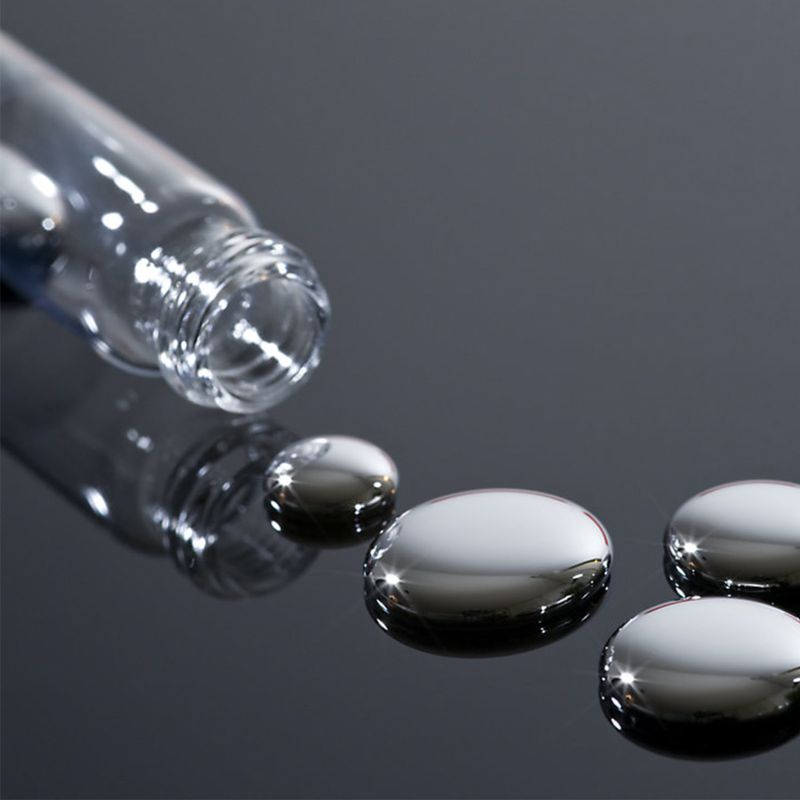
For most of the 20th century, a glass mercury thermometer was standard gear in every medicine cabinet. Parents used them to check fevers without a second thought about what was inside.
That shiny silver liquid looked almost magical rolling around inside the tube.
Dropping one was a different story. Broken mercury thermometers released invisible toxic vapors that could linger in a room and harm the nervous system, especially in young children.
Many cities now have special disposal programs just for them.
4. Radium Clocks and Health Tonics
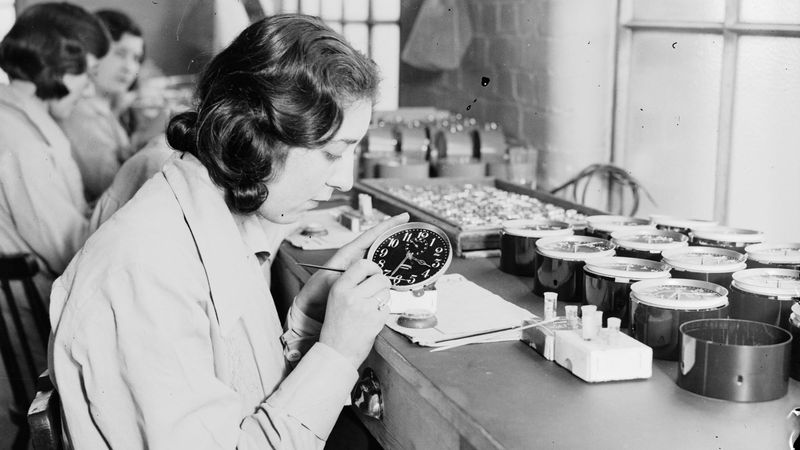
Glowing clock hands in the dark felt futuristic and cool to early 20th-century consumers. What they did not know was that the glow came from radium paint, and the workers who applied it, mostly young women called the Radium Girls, were told to lick their brushes to get a fine point.
Radium was also sold in health tonics and beauty creams as a so-called miracle ingredient. Instead of health benefits, users got radiation poisoning, bone decay, and cancer.
5. Lawn Darts (Jarts)

Summer backyard fun in the 1970s and 80s often meant pulling out a set of Jarts, the oversized metal-tipped darts meant to be lobbed through the air toward a plastic ring on the ground. Kids and adults played together, and nobody thought much about the risk.
Those heavy pointed tips could reach speeds fast enough to pierce a skull, and they did, causing deaths and hundreds of serious injuries before the U.S. Consumer Product Safety Commission banned them in 1988.
Many families still had sets in their garages for years after.
6. Drop-Side Cribs
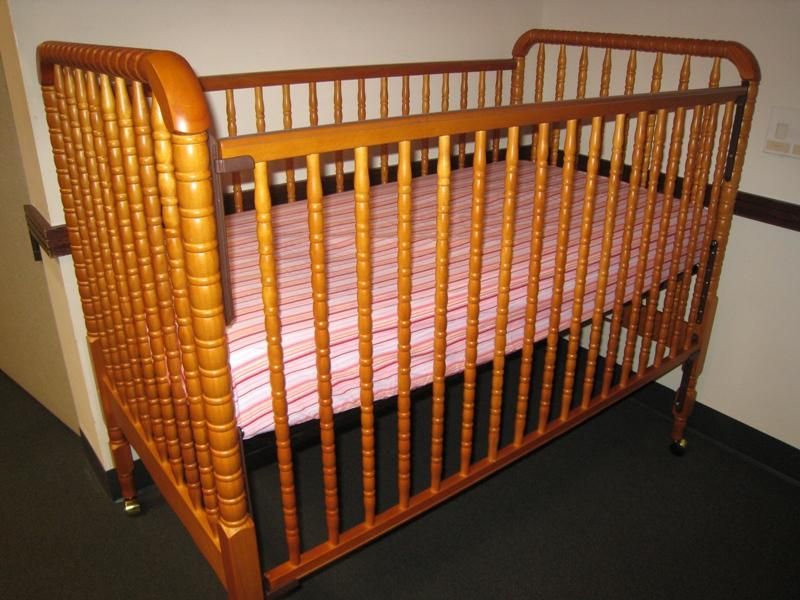
Drop-side cribs were designed for convenience, letting tired parents lower one side to pick up their baby without straining their back. They were everywhere in nurseries for decades and looked perfectly safe with their cheerful painted finishes and cozy mattresses.
Over time, the hardware that held the drop side in place could loosen or break, creating dangerous gaps. Infants rolled into those spaces and suffocated.
After years of reported deaths, the CPSC banned drop-side cribs in 2011, changing nursery safety rules for good.
7. Pressure Cookers Without Safety Valves

Early pressure cookers promised to slash cooking time and were celebrated as a modern kitchen marvel. Housewives across America embraced them, not realizing that the safety technology inside was far from reliable.
Pressure built fast, and there was often very little standing between a meal and a mini-explosion.
Without dependable pressure-release valves, these pots could blow their lids with terrifying force, sending boiling food and metal pieces across the kitchen. Burns and injuries were common enough that pressure cooker accidents became a real household fear.
8. Indoor Coal and Gas Heaters
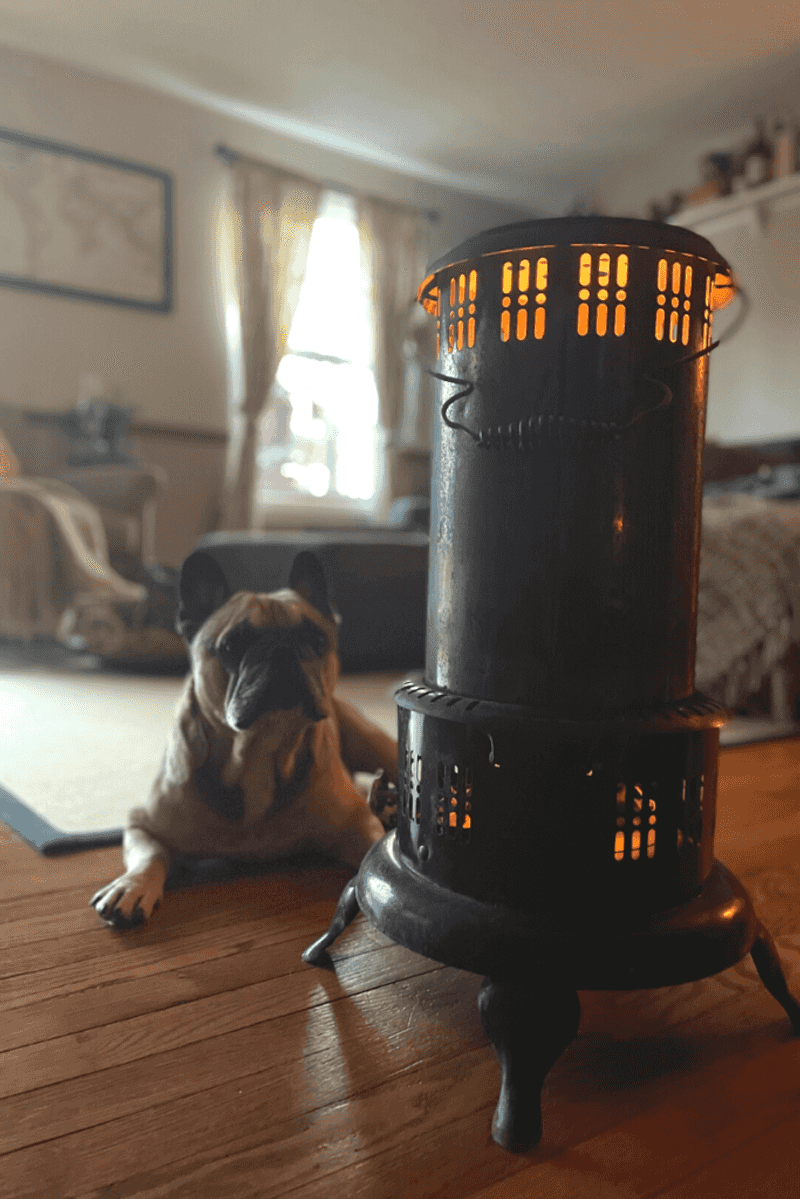
Before central heating became standard, families huddled around coal or gas heaters to survive cold winters. These units pushed out warmth efficiently enough, but they had a deadly flaw most users never considered.
Carbon monoxide, a gas with no color or smell, seeped quietly into the room.
Poorly ventilated homes trapped the gas indoors, and people fell asleep never to wake up. Carbon monoxide poisoning from old heaters claimed countless lives before awareness campaigns and detector technology made the danger widely understood.
9. Naphthalene Mothballs

Mothballs were practically a household tradition, tucked into closets and storage chests to keep wool sweaters safe from insects. That sharp, chemical smell was so familiar it felt almost comforting, like the scent of grandma’s house.
Most people had no idea those little white balls were genuinely toxic.
Naphthalene fumes cause respiratory irritation, dizziness, and nausea. Children and pets were especially at risk because the round shape made them look edible.
Swallowing even one mothball could trigger serious poisoning requiring emergency medical treatment.
10. Cloth-Covered Electrical Wires
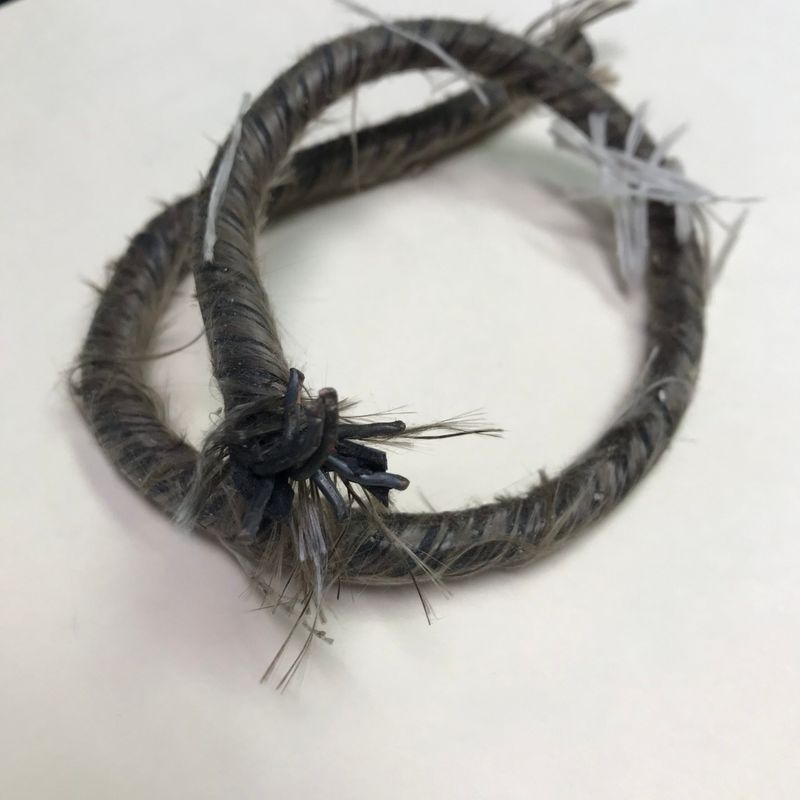
Early electrical appliances in American homes were wired with cloth-covered insulation that looked tidy enough on the outside. Toasters, fans, and lamps all came with this braided fabric coating, which nobody questioned because electricity in the home was still relatively new and exciting.
Over time, that cloth dried out, frayed, and crumbled, leaving bare copper wire exposed inside walls and behind appliances. Sparks found their way to wood and insulation, starting fires that swept through homes before anyone smelled smoke.
Old wiring in historic houses still causes fires today.
11. Toxic Cosmetics with Lead and Arsenic

Beauty has always come with a price, but for centuries that price was literally poisonous. Venetian Ceruse, a fashionable white face powder used from the 1500s through the 1800s, was packed with lead.
Women applied it daily, absorbing the metal through their skin over years.
Arsenic showed up in vibrant green dress dyes and complexion wafers marketed as skin brighteners. Mercury was mixed into creams and soaps.
Users suffered hair loss, nerve damage, and organ failure, all in the name of looking their best.
12. Dangerous Children’s Toys: Clackers and Creepy Crawlers
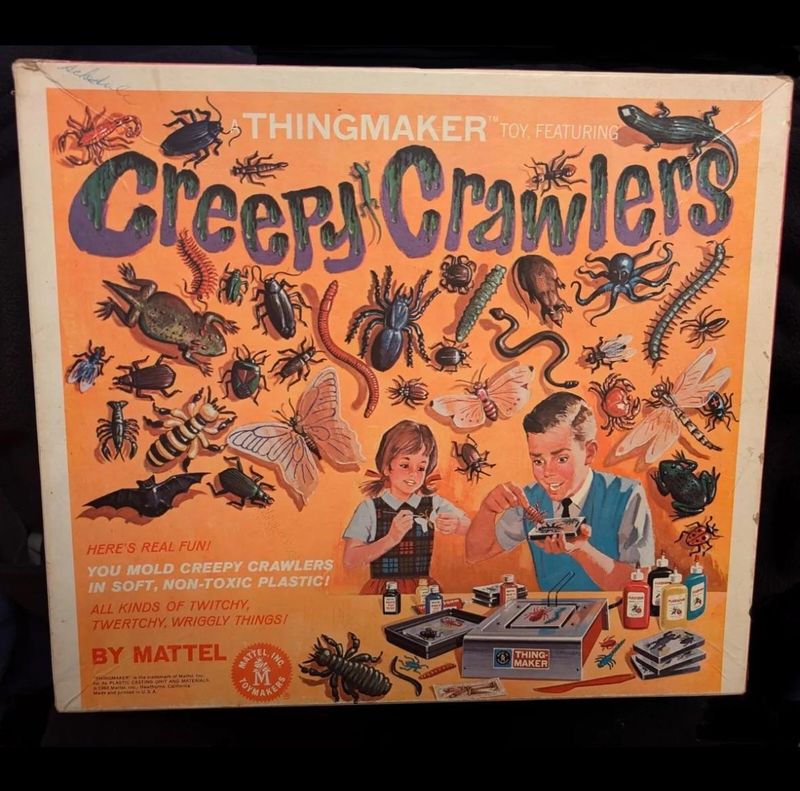
Some classic toys from the 60s and 70s look almost unbelievably risky by today’s standards. Clackers were two heavy acrylic balls on a string that kids swung together until they cracked with a satisfying sound.
The problem was the balls could also crack apart, sending sharp shards flying toward eyes and faces.
The Creepy Crawlers Thingmaker let kids melt rubbery plastic on a hot metal plate that reached scorching temperatures. Burns and scars were common results.
Both toys were eventually pulled from shelves after injury reports piled up.
13. Gilbert U-238 Atomic Energy Lab
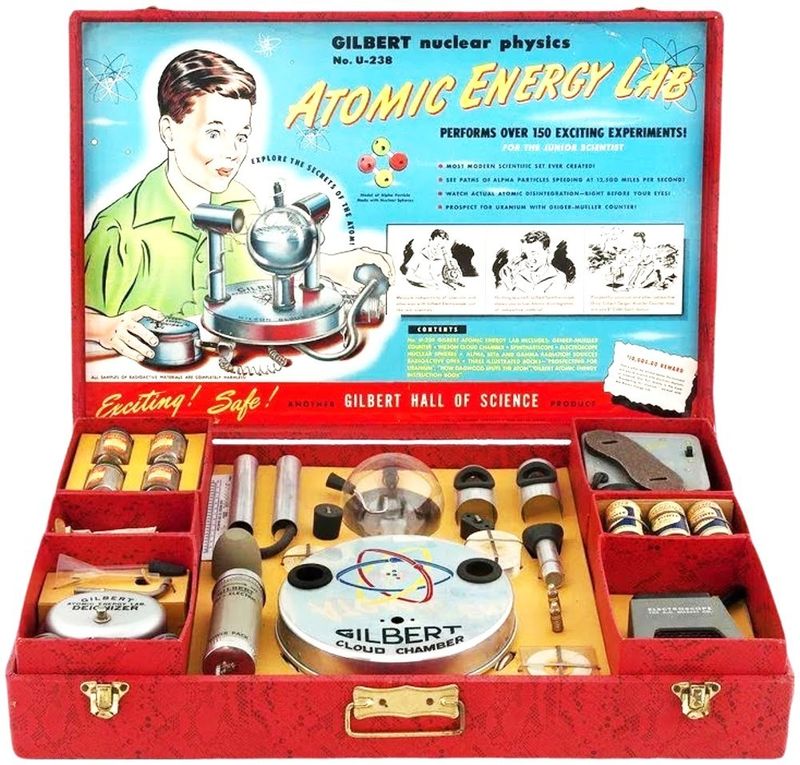
Marketed in 1950 and aimed at curious young scientists, the Gilbert U-238 Atomic Energy Lab came with actual samples of uranium ore sealed in small jars. The box promised hours of educational fun and even claimed the materials were completely safe for home experimentation.
Uranium, of course, is radioactive. While the doses were relatively low, children handling open containers had no protective gear and no way to measure their exposure.
The set was discontinued after just one year, but its existence remains one of the most jaw-dropping moments in toy history.
14. Morphine-Laced Children’s Medicines
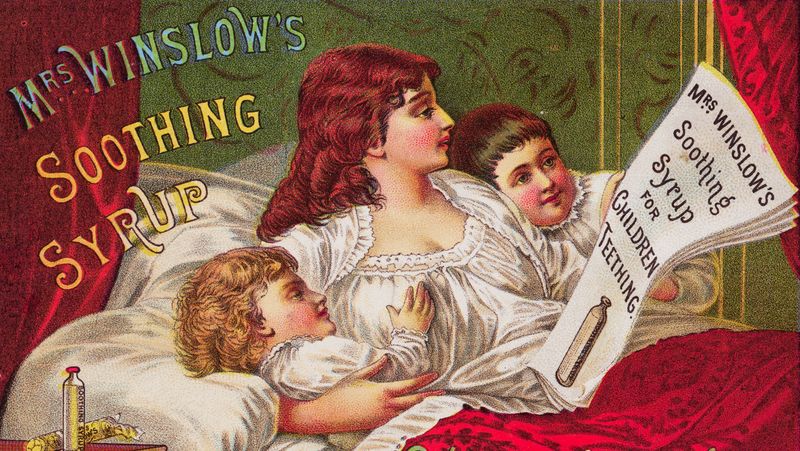
Parents in the late 1800s and early 1900s trusted soothing syrups like Mrs. Winslow’s to calm teething babies and help them sleep. Advertisements promised gentle, natural relief, and doctors rarely raised concerns.
What the labels did not mention was the morphine and alcohol hiding inside every dose.
Infants given these syrups often became unnaturally quiet, which parents mistook for relief. Many babies died.
The product was eventually nicknamed the “baby killer” by critics, and it helped spark early drug regulation efforts in the United States.
15. Lead-Soldered Food Cans
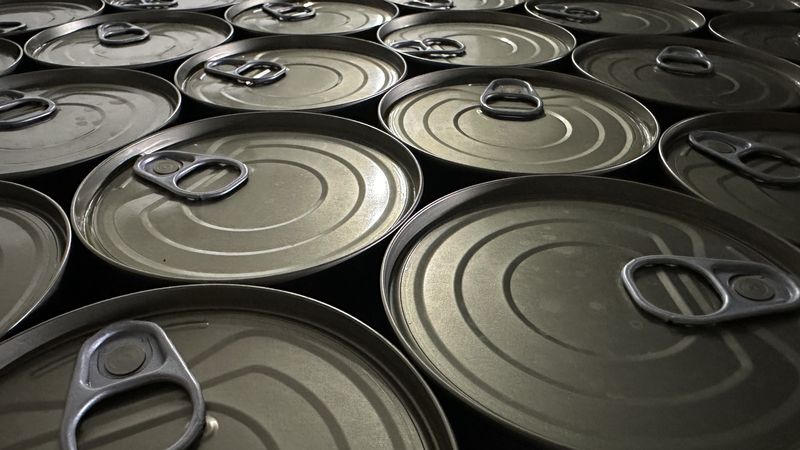
Canned food felt like one of the greatest inventions of the modern age, keeping meals shelf-stable for months and making feeding a family much easier. But the cans common through the 1970s were sealed with lead solder along their inner seams, and that lead did not stay put.
Acidic foods like tomatoes and fruit juices drew lead out of the solder and straight into the meal. Families ate from these cans regularly without any warning.
The FDA phased out lead-soldered cans in the U.S. by 1991, but the damage had already spanned generations.