
Something remarkable is happening across the country: women over 60 are walking away from long-term marriages in record numbers. Researchers call it the “gray divorce” revolution, and it is reshaping how we think about love, loyalty, and life after 60.
These women are not giving up on happiness. They are finally choosing it.
Here are the real reasons why so many women in this age group are putting themselves first.
1. Empty Nest Clarity Finally Hits Home
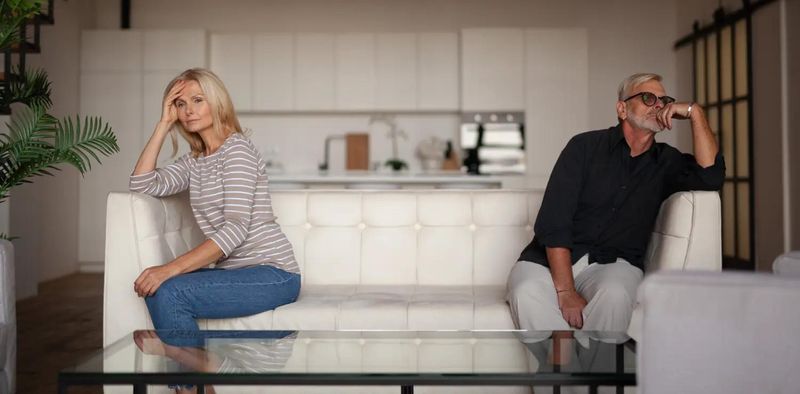
When the last child moves out, the house goes quiet in a way that feels brand new. Suddenly, there are no school pickups or dinner schedules to hide behind.
For many women over 60, that silence becomes a mirror.
What they see surprises them: a marriage that has been running on autopilot for years. The emotional distance that was always there, masked by busy parenting days, becomes impossible to ignore once the kids are gone.
2. Rediscovering Who They Were Before the Marriage
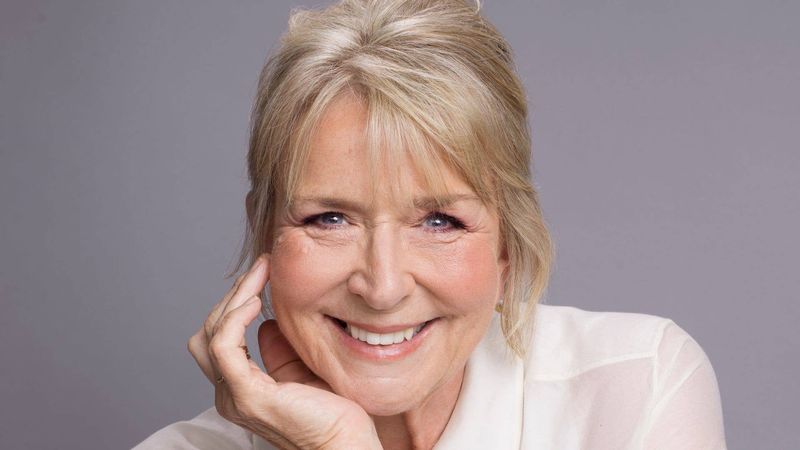
Before the wedding rings and school lunches, there was a woman with big dreams and a strong sense of self. Decades of being a wife and mother can quietly erase that version of her.
Many women over 60 reach a point where they feel a deep pull to find her again. They want to travel solo, pick up old hobbies, or simply sit with their own thoughts without someone else’s needs taking center stage.
3. Emotional Labor Burnout Is Very Real
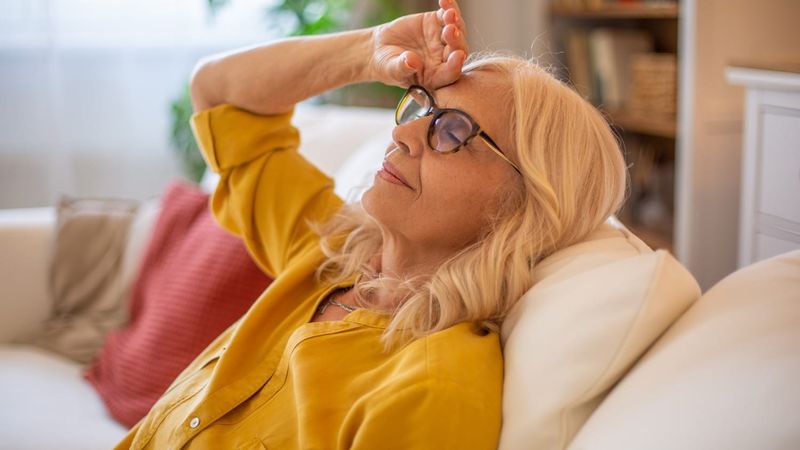
For decades, she remembered every birthday, managed every appointment, and kept the emotional temperature of the household stable. That invisible work has a real cost, and by 60, many women have simply had enough.
Studies consistently show that women carry a disproportionate share of emotional labor in marriages. After years of giving without receiving equal effort in return, exhaustion turns into a clear-eyed decision: enough is enough.
4. Unequal Roles Built Up Too Much Resentment
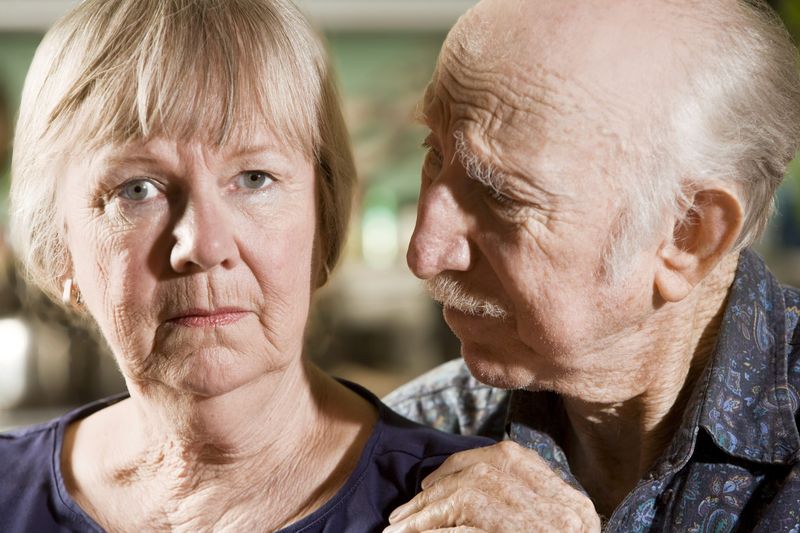
Resentment does not show up overnight. It builds slowly, one unfair expectation at a time, over many years.
When one partner consistently does more of the cooking, cleaning, and emotional heavy lifting, bitterness becomes the foundation of the relationship.
By the time women reach their 60s, that resentment can feel permanent. Many decide that starting fresh, even alone, feels healthier than staying in a partnership that stopped feeling like one long ago.
5. Years of Feeling Unheard Take a Toll
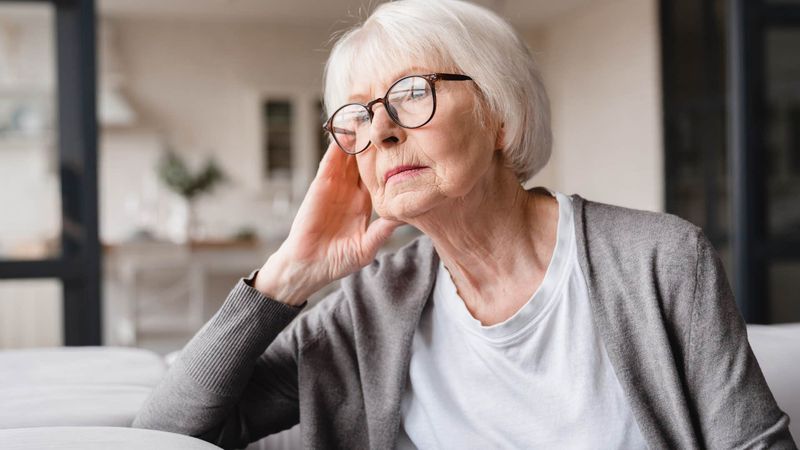
Feeling invisible inside a marriage is one of the loneliest experiences a person can have. Many women describe spending years trying to communicate needs that were brushed aside or dismissed entirely.
Over time, that pattern chips away at self-worth and emotional health. By their 60s, a growing number of women decide they would rather be alone and heard by themselves than stay in a relationship where their voice never truly mattered.
6. Their Values and Goals No Longer Match His
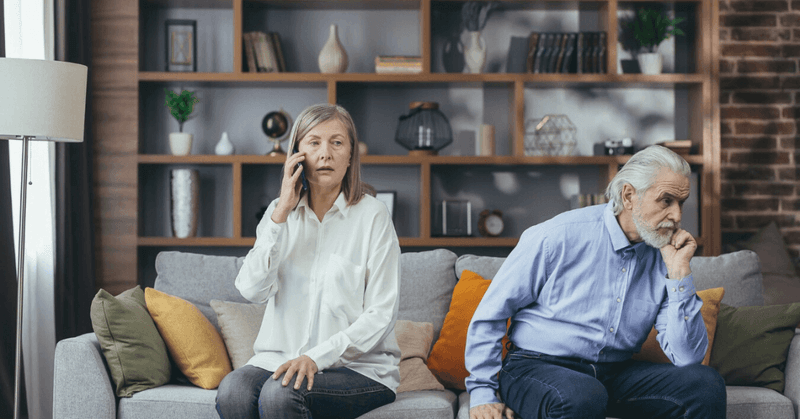
People grow, and sometimes they grow in completely different directions. A woman who wants to travel, volunteer abroad, or move closer to family may find her spouse perfectly content with the same routine they have had for 30 years.
By 60, these lifestyle gaps can feel enormous. Retirement plans, spending habits, and ideas about what makes life meaningful can diverge so widely that staying together starts to feel like settling for a life that was never truly hers.
7. Financial Independence Changed Everything

Previous generations of women often stayed in unhappy marriages simply because they could not afford to leave. That reality has shifted dramatically.
Today, more women over 60 have their own careers, retirement savings, and financial literacy than ever before.
That independence is powerful. Knowing you can pay your own bills and support your own lifestyle removes the financial fear that once kept so many women trapped.
Money, or the lack of it, no longer has to be the deciding factor.
8. Gray Divorce No Longer Carries a Stigma
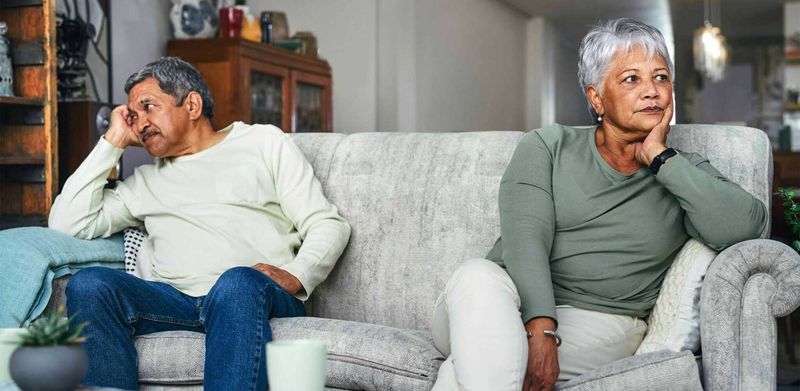
Not long ago, divorcing after 30 or 40 years of marriage was considered scandalous. Neighbors whispered, families judged, and women often stayed just to avoid that shame.
Times have changed considerably.
Divorce rates among adults over 50 have doubled since the 1990s, according to Pew Research. With more women speaking openly about gray divorce, the cultural shame has faded.
Many women now feel supported rather than judged when they choose to put their happiness first.
9. Health Scares Make Life Feel Urgently Short
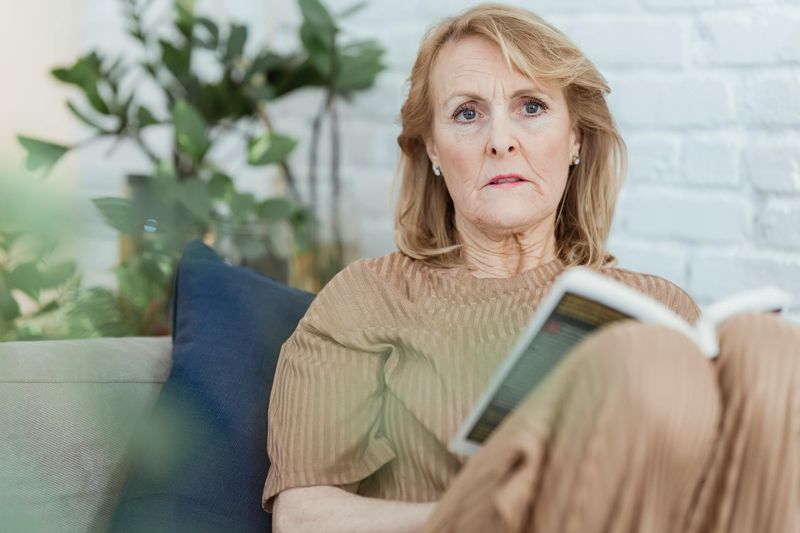
A cancer scare, a parent’s passing, or the physical changes of menopause can flip a switch inside a person. Suddenly, the idea of spending another decade in an unfulfilling marriage feels not just sad, but wasteful.
Health challenges have a way of cutting through denial. Many women over 60 describe a specific moment, a diagnosis or a loss, that made them ask honestly: is this the life I want for whatever time I have left?
For many, the answer was no.
10. Growing Apart Turned Partners Into Strangers
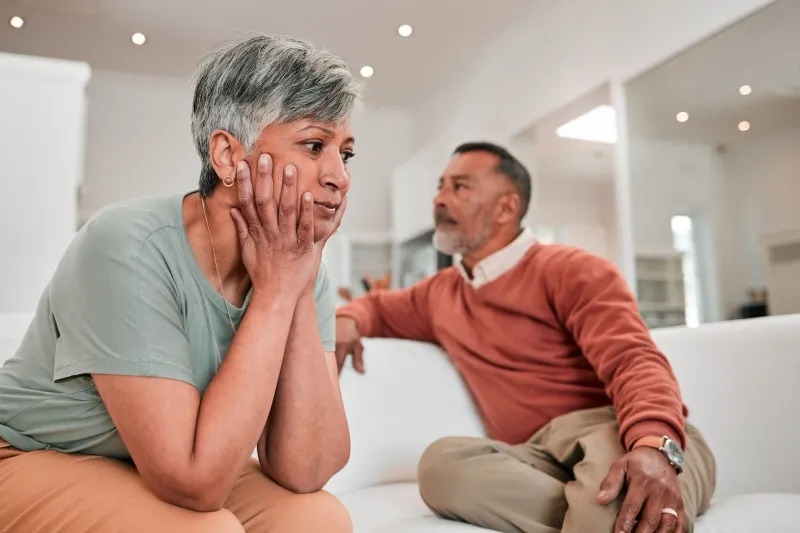
There is a particular kind of loneliness that comes from living with someone you no longer truly know. Over decades, couples can drift so far apart that they share a home but nothing deeper.
Shared interests disappear. Conversations shrink to logistics.
By 60, many women realize they have been living with a roommate, not a partner. When the emotional bond that once defined the relationship has quietly dissolved, staying together can feel more like habit than love.
11. Old Communication Problems Came Roaring Back
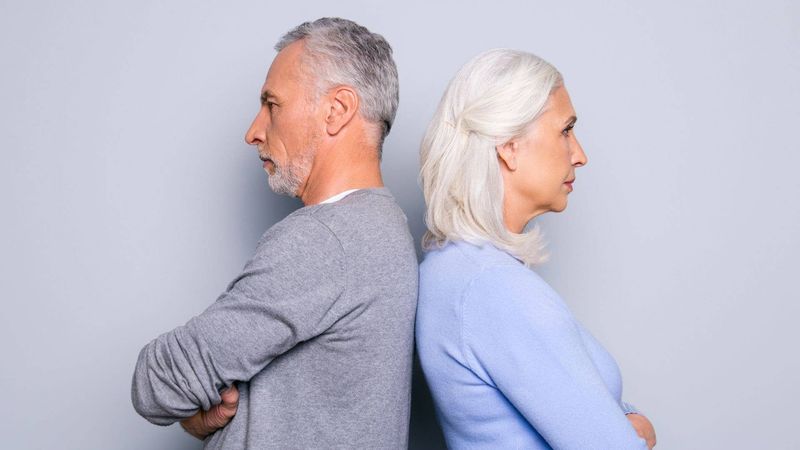
While the kids were home, unresolved arguments often got pushed aside in the name of keeping the peace. Once the house empties, those buried conflicts have nowhere left to hide.
Couples therapists frequently note that communication breakdowns become impossible to ignore in post-parenting marriages. Women who spent years hoping things would improve eventually stop waiting.
Recognizing that the same fights keep cycling without resolution can be the final push toward choosing a different path entirely.
12. Emotional Abuse Is Finally Being Named for What It Is
Emotional abuse does not always look like screaming or obvious cruelty. Sometimes it looks like constant criticism, subtle belittling, or a partner who slowly convinces you that your feelings are always wrong.
Many women only recognize these patterns in their 60s, often after therapy or honest conversations with trusted friends. Naming what happened gives them the clarity and courage to leave.
Research shows that psychological abuse is one of the top reasons older women cite when filing for divorce.
13. Personal Freedom Becomes Non-Negotiable

Ask most women over 60 what they want more of, and the answer is often the same: freedom. Freedom to make their own choices, keep their own schedule, and stop asking permission for the life they want to live.
After decades of compromising and accommodating, independence stops feeling like a luxury and starts feeling like a right. Many women describe the decision to prioritize themselves as the first truly selfish thing they have ever done, and the most liberating.
14. Infidelity Breaks Trust That Cannot Be Rebuilt
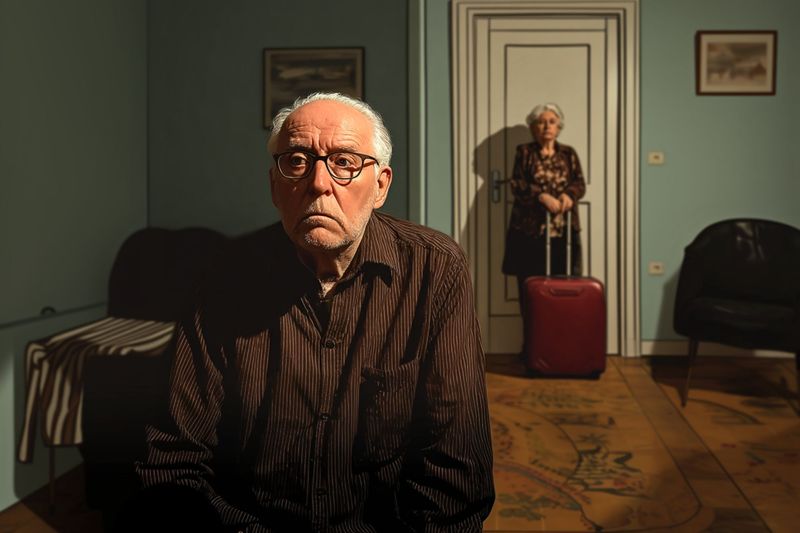
Betrayal does not get easier with age. When infidelity happens in a long-term marriage, the wound cuts through decades of shared history, making the pain feel even more profound.
Some couples work through it, but many women over 60 decide they no longer have the energy or the desire to rebuild what was broken. After years of loyalty and sacrifice, discovering a partner’s unfaithfulness can be the moment a woman finally decides she deserves far better than what she has been given.
15. Becoming a Full-Time Caregiver Was Not the Deal

When a spouse develops a serious illness, the dynamic of a marriage shifts dramatically. The person you married becomes someone who needs round-the-clock care, and you become their nurse, scheduler, and emotional anchor all at once.
That level of caregiving is exhausting, and for some women, it reveals just how one-sided the relationship has always been. Without mutual support or reciprocity, the weight of that role can push women past their breaking point, prompting them to seek a different kind of life.
16. Longer Lives Mean More Time to Get It Right

A woman turning 60 today can reasonably expect to live another 25 to 30 years. That is not a footnote to her life.
That is a whole second act, and many women are unwilling to spend it in a relationship that makes them unhappy.
Longer life expectancy has quietly changed the math on staying in a bad marriage. When you have potentially three decades ahead of you, the idea of waiting things out no longer makes sense.
Many women are choosing joy now, not later.
17. Not Wanting Another Caretaking Role in Retirement
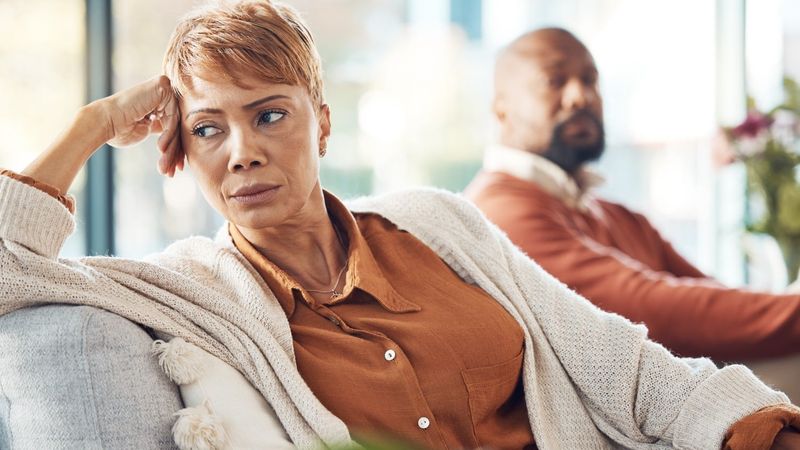
After raising children and managing a household for decades, some women enter their 60s with a very clear vision: they want to take care of themselves for once. The idea of entering a new relationship, or staying in an old one, where caregiving is expected feels exhausting before it even begins.
This is not selfishness. Experts call it healthy self-preservation.
Women who have spent a lifetime giving are learning to recognize their own needs as just as valid and important.
18. Identity Crises Hit Homemakers Especially Hard
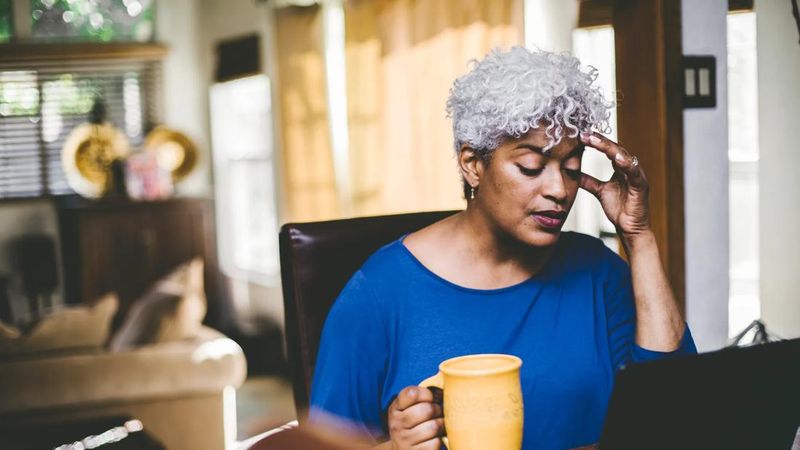
For women who built their entire identity around being a wife and mother, the later years can bring a quiet crisis. When those roles fade, the question “who am I now?” can feel overwhelming and urgent.
Rather than looking to the marriage to answer that question, many women find they need to step away from it entirely. Exploring that new identity, free from the expectations of a spouse, becomes the only path that feels honest and genuinely their own.
19. Some Men Simply Refused to Evolve
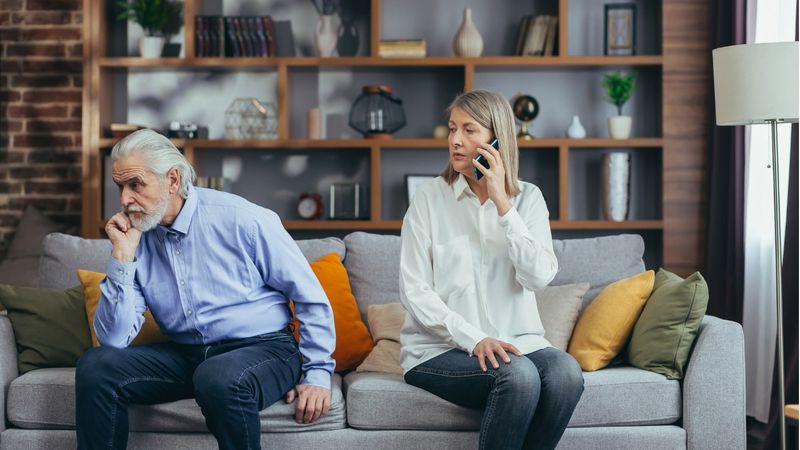
The world has changed enormously over the past 40 years, and so have women’s expectations of marriage. Equal partnership, shared household responsibilities, and emotional availability are no longer optional extras for many women.
They are baseline requirements.
When a husband refuses to adapt to these evolving standards, the gap between what a woman needs and what she receives grows wider every year. For many women over 60, that gap eventually becomes impossible to bridge, no matter how long they have tried.
20. Divorce Now Looks Like a Door, Not a Failure

The story used to go like this: divorce was a tragedy, a sign that someone failed. That story is being rewritten by millions of women over 60 who see it very differently now.
Leaving a marriage that no longer serves you is not giving up. It is showing up, for yourself.
Many women describe the decision to divorce as the bravest and most hopeful thing they have ever done, a genuine beginning rather than a painful ending, full of possibility and long-overdue peace.