
Marriage is one of the most beautiful and challenging journeys two people can share. Over time, small habits can quietly chip away at the love and trust you have built together.
I learned this the hard way when I started noticing cracks in my own marriage. Recognizing these habits was the first step, and changing them made all the difference.
1. Always Expecting My Partner to Read My Mind

Somewhere along the way, I started believing my spouse should just know what I needed without me saying a word. Spoiler alert: nobody can do that.
When I stopped dropping hints and started saying what I actually felt, our conversations became so much clearer.
Using simple, direct statements like “I feel overwhelmed and need help tonight” replaced the silent frustration. That one shift alone reduced so many unnecessary arguments between us.
2. Criticizing Instead of Addressing the Problem

There is a big difference between saying “You never help around the house” and “I feel stressed when I handle chores alone.” One attacks the person; the other addresses the issue. According to relationship expert Dr. John Gottman, criticism is one of the top predictors of divorce.
Once I learned to separate the problem from the person, my spouse stopped shutting down. We actually started solving things together instead of just arguing in circles.
3. Rolling My Eyes During Arguments
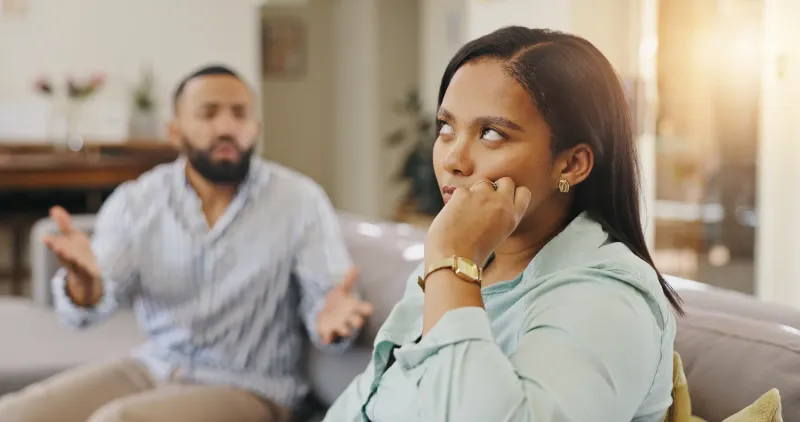
Eye-rolling might seem small, but it sends a loud message: “I don’t respect you.” Gottman calls this contempt, and research shows it is the single strongest predictor of relationship breakdown. Ouch.
Every time I caught myself doing it, I had to stop and ask why I felt superior in that moment. Replacing contempt with curiosity changed everything.
Now when I disagree, I try to understand first before reacting.
4. Giving the Silent Treatment When Upset

Stonewalling, or completely shutting down during conflict, leaves your partner feeling invisible and alone. I used silence as a weapon without even realizing it.
My spouse would try to talk and I would just walk away, which made things so much worse.
Learning to say “I need 20 minutes to calm down, but I promise we will talk” was a game changer. It gave me space without abandoning the conversation entirely.
5. Making Excuses Instead of Taking Responsibility

Every time my spouse brought up a concern, my first instinct was to explain why it was not my fault. That defensiveness shut down every honest conversation we tried to have.
Being defensive is like building a wall right when your partner needs a door.
Practicing accountability, even just saying “You are right, I should have handled that better,” created a surprising amount of relief in our home. It showed my spouse I was actually listening.
6. Scrolling My Phone While My Spouse Was Talking

Nothing says “you are not a priority” quite like staring at your phone while your partner is mid-sentence. I did not even notice how often I did it until my spouse said, “You never really listen anymore.” That hit hard.
Now I put my phone face-down during conversations. It sounds simple, but that small act of full attention has rebuilt so much trust and closeness between us.
Real listening is a gift.
7. Bringing Up Old Arguments to Win New Ones

Dragging past mistakes into a current argument is like fighting with two fires instead of one. I used to stockpile old grievances and unload them whenever things got tense.
My spouse would feel blindsided every single time.
Therapists call this “kitchen sinking,” and it destroys productive conflict. Staying focused on the issue at hand, not a list of everything that went wrong last year, helped us actually resolve things instead of just rehashing pain.
8. Prioritizing Work Over Quality Time Together

Work deadlines, emails, and meetings started eating into the time we used to spend just being together. Before long, we felt more like roommates than partners.
The connection we had was slowly fading, and I barely noticed until it was almost gone.
Scheduling regular date nights, even something as simple as cooking together on Fridays, brought us back. Protecting that time like an important meeting made a huge difference in how connected we both felt.
9. Never Showing Physical Affection Anymore

Somewhere between the busy schedules and daily stress, the small touches disappeared. No more hand-holding, no random hugs, no goodnight kisses.
Physical affection is not just romantic; it is a language that says “I still choose you every day.”
Making a conscious effort to hug my spouse before leaving each morning completely changed the emotional temperature of our home. Touch communicates safety and love in ways words sometimes cannot.
It costs nothing but means everything.
10. Complaining About My Spouse to Friends and Family

Venting to your best friend or mom might feel harmless, but it can seriously damage your spouse’s reputation with the people who matter most. I used to unload every frustration to my sister, not realizing she was building a negative picture of my husband.
Talking to a therapist instead of a social circle changed everything. It gave me a safe space to process emotions without throwing my spouse under the bus.
Loyalty matters even in private conversations.
11. Keeping Financial Secrets From Each Other

Hidden purchases, secret credit cards, or undisclosed debt are trust bombs waiting to go off. Financial stress is already one of the leading causes of divorce, and secrecy makes it so much worse.
I had no idea how much anxiety my spending habits were creating.
Opening up about money, including the embarrassing stuff, felt terrifying at first. But creating a shared budget and weekly money check-ins turned finances from a source of shame into a team effort we both owned.
12. Taking My Spouse for Granted Every Single Day
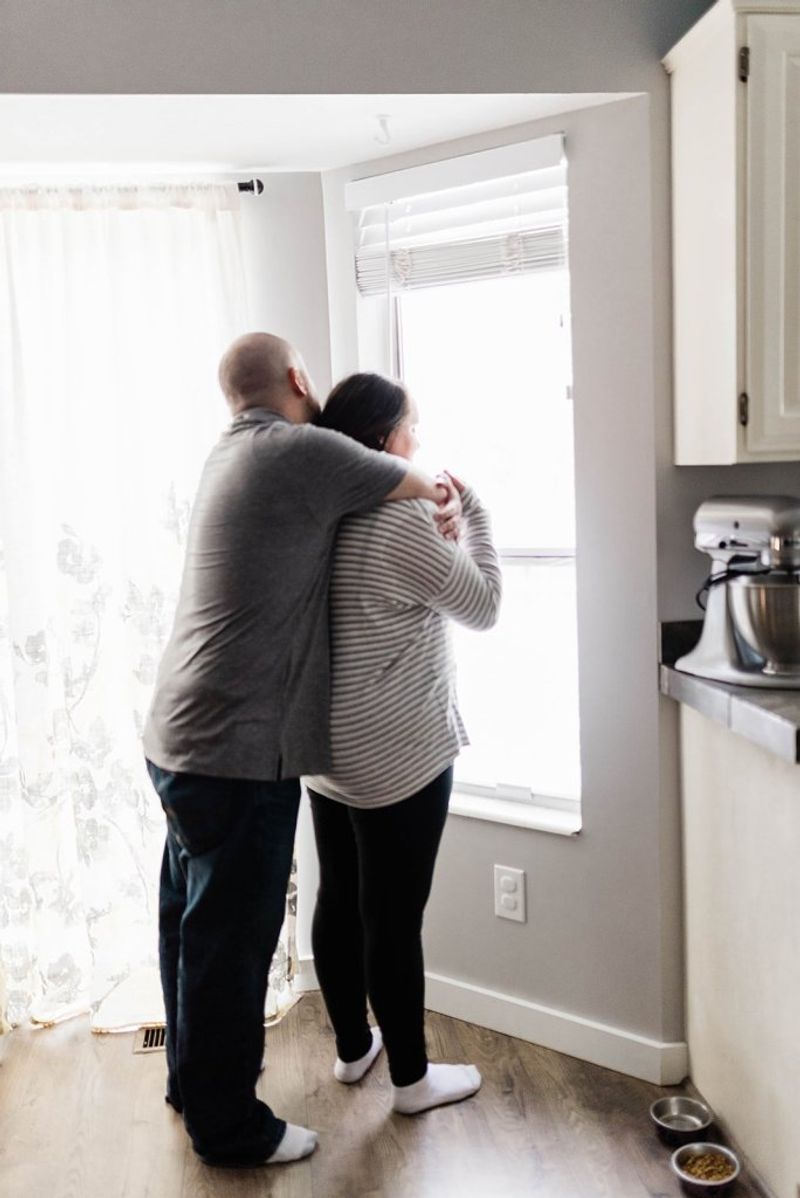
When was the last time you said thank you for something your spouse does every single day? Gratitude has a way of disappearing once life becomes routine.
I stopped noticing the little things my spouse did, and that made them feel invisible.
Writing down three things I appreciated about my spouse each week helped rewire my thinking. Saying “thank you for making dinner” or “I noticed how hard you worked today” sounds small but rebuilds emotional closeness in powerful ways.
13. Having Unrealistic Expectations About Marriage

Movies and social media paint a picture of marriage that is basically impossible to live up to. I had this mental checklist of how my spouse “should” act, and every time they fell short, I felt let down.
That was not fair to either of us.
Shifting from expecting perfection to appreciating effort changed my entire perspective. Real marriage is messy, funny, hard, and worth it.
Accepting that truth freed us both from an exhausting standard neither of us could ever meet.
14. Letting Jealousy Control My Actions

Jealousy that goes unchecked turns into control, and control slowly destroys trust. I used to question where my spouse was, who they texted, and why they laughed at something I did not see.
It came from my own insecurity, not from anything they did wrong.
Therapy helped me trace that jealousy back to old fears I had never dealt with. Building self-confidence and choosing to trust, rather than demand proof, gave our marriage room to breathe and grow again.
15. Avoiding Difficult Conversations to Keep the Peace

Avoiding hard conversations does not make problems disappear; it just lets them pile up until they explode. I used to tell myself I was “keeping the peace,” but really I was just letting resentment quietly build.
My spouse had no idea how much I was holding in.
Learning to say “this is uncomfortable for me to bring up, but it matters” opened doors I thought were permanently shut. Brave conversations, handled with kindness, are what actually keep the peace long term.
16. Using Social Media as an Emotional Escape

Social media became my go-to escape whenever I felt bored, stressed, or emotionally distant. The problem was that the more I scrolled, the less present I was in my actual life and marriage.
Hours disappeared without me even noticing.
Setting a phone curfew at 9 PM and replacing that scroll time with real conversation, a show we both liked, or even just sitting quietly together, brought back a closeness I had not felt in months. Presence is a form of love.
17. Never Saying Sorry and Truly Meaning It

Saying sorry just to end an argument is not an apology; it is a strategy. I was guilty of offering hollow apologies that came with zero change in behavior.
My spouse could always tell the difference, and it made things worse over time.
A real apology includes understanding what you did, why it hurt, and what you plan to do differently. Taking that extra step showed my spouse I was genuinely trying, not just trying to move on quickly and avoid discomfort.
18. Failing to Support My Spouse in Front of Others

Disagreeing with your spouse in front of family or friends might feel honest, but it can be deeply humiliating for the person you love. I made the mistake of correcting or contradicting my spouse at dinner parties, thinking I was just being real.
What I was actually doing was chipping away at their dignity. Now, if I disagree, I wait until we are alone to bring it up.
Having each other’s backs in public builds a sense of safety and unity that strengthens everything at home too.
19. Self-Sabotaging When Things Were Actually Going Well

This one surprised me the most. Whenever things between us were going really well, I would unconsciously pick a fight or pull away.
It was like I did not trust happiness. Researchers call this self-sabotage, and it often comes from deep-seated fear of loss or past trauma.
Recognizing the pattern was the hardest part. Working with a therapist helped me understand why I did it.
Now when I feel the urge to push my spouse away, I pause and choose connection instead of chaos.
20. Forgetting to Keep Growing Together as a Team

Two people can live in the same house and still grow in completely opposite directions without realizing it. That slow drift is sneaky.
We stopped sharing goals, trying new things together, or even asking each other “what do you dream about lately?”
Picking one new activity to try together each month, whether hiking, cooking a new recipe, or taking a class, reminded us that we are still a team with a future. Growing together is a choice you have to keep making, every single day.