
Some of the most iconic movie characters ever put on screen almost belonged to completely different actors. A last-minute casting change, a scheduling conflict, or a simple “no thanks” can reshape film history forever.
Imagine Neo without Keanu Reeves or Indiana Jones without Harrison Ford — the movies we love might look totally unrecognizable. These behind-the-scenes stories remind us just how much luck and timing shape the movies we grew up watching.
1. Scarlett O’Hara — Gone With the Wind (1939)
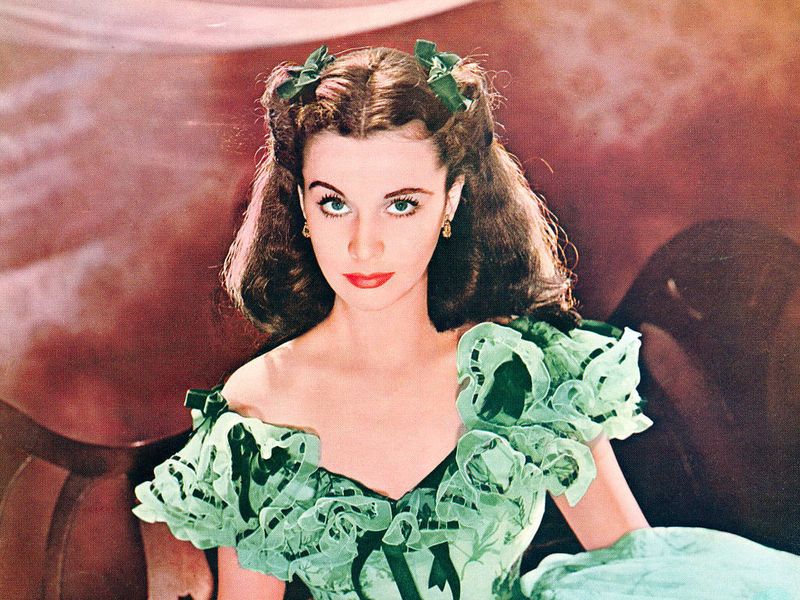
Before Vivien Leigh swept audiences off their feet as Scarlett O’Hara, Paulette Goddard was the frontrunner to land the role. Big names like Bette Davis, Mae West, and Katharine Hepburn also threw their hats in the ring.
Leigh’s casting came almost at the last minute, and it turned out to be one of the best decisions in Hollywood history. Her fiery performance earned her an Academy Award and made Scarlett O’Hara one of cinema’s most unforgettable characters.
2. Holly Golightly — Breakfast at Tiffany’s (1961)
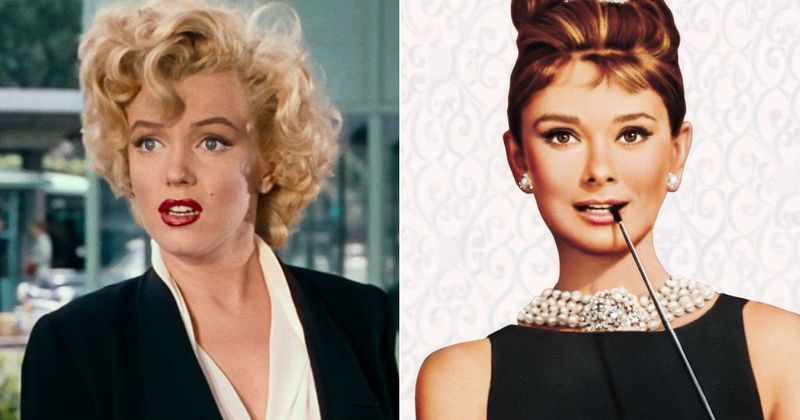
Author Truman Capote had one actress in mind when he wrote Holly Golightly — Marilyn Monroe. He pushed hard for her casting, believing she was the only one who could bring the character’s breezy, complicated charm to life.
Monroe’s acting coach, Lee Strasberg, ultimately advised her against taking the role. Audrey Hepburn stepped in and created a performance so iconic that it’s nearly impossible to picture anyone else in that little black dress.
3. James Bond — Dr. No (1962)
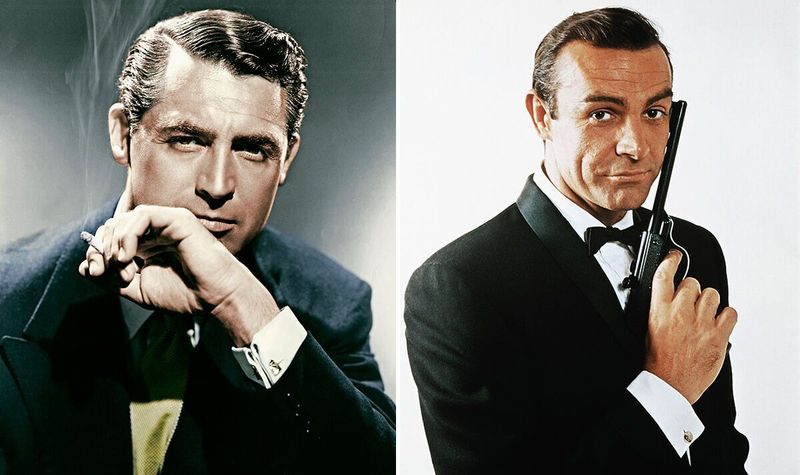
Cary Grant was the very first choice to play the world’s most famous spy. Producers believed his sophisticated charm was a perfect fit for the tuxedo-wearing, martini-sipping secret agent.
Grant turned the role down because he refused to commit to a multi-film franchise. That opened the door for Sean Connery, who stepped in and redefined cool for an entire generation.
Grant’s “no” accidentally launched one of the longest-running film series in history.
4. Michael Corleone — The Godfather (1972)
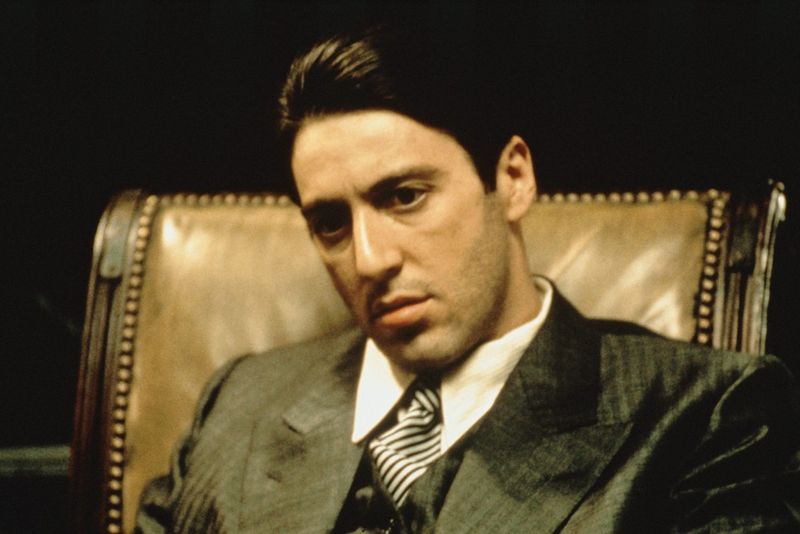
Paramount Pictures wanted a bankable star for Michael Corleone and pushed names like Warren Beatty and Robert Redford. Jack Nicholson was actually offered the role but turned it down, saying an Italian character should be played by an Italian actor.
Al Pacino, who was relatively unknown at the time, eventually won the part after director Francis Ford Coppola fought hard for him. That decision changed Pacino’s career — and film history — overnight.
5. Indiana Jones — Raiders of the Lost Ark (1981)
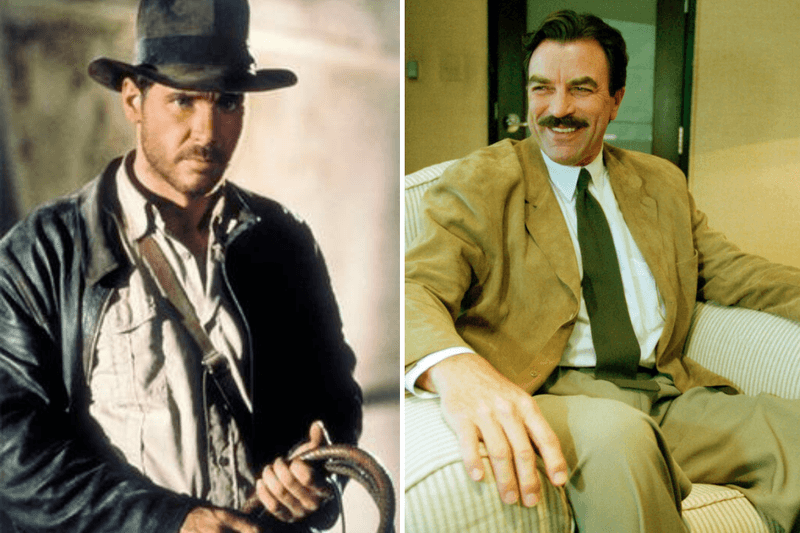
Tom Selleck was cast as Indiana Jones and even completed a screen test before a scheduling conflict with his TV show Magnum, P.I. forced him to walk away from the role.
Director Steven Spielberg had always wanted Harrison Ford, but George Lucas was hesitant since Ford had already starred in his Star Wars films. Once Selleck dropped out, Ford stepped in — and the rest is adventure movie legend.
His fedora became one of cinema’s most recognizable props.
6. Vivian Ward — Pretty Woman (1990)
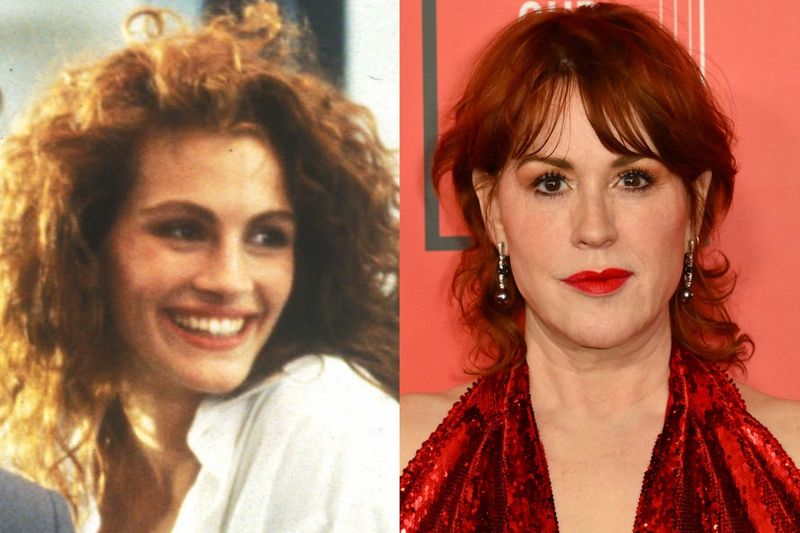
Molly Ringwald was offered the lead role in Pretty Woman back when the film had a much darker tone and went by the title $3,000. She passed on it, possibly unaware of how dramatically the script would be softened and reimagined.
Julia Roberts stepped into the role and turned Vivian Ward into one of the most beloved rom-com heroines ever. Roberts’ casting not only saved the film but launched her into full-on superstardom almost overnight.
7. Clarice Starling — The Silence of the Lambs (1991)
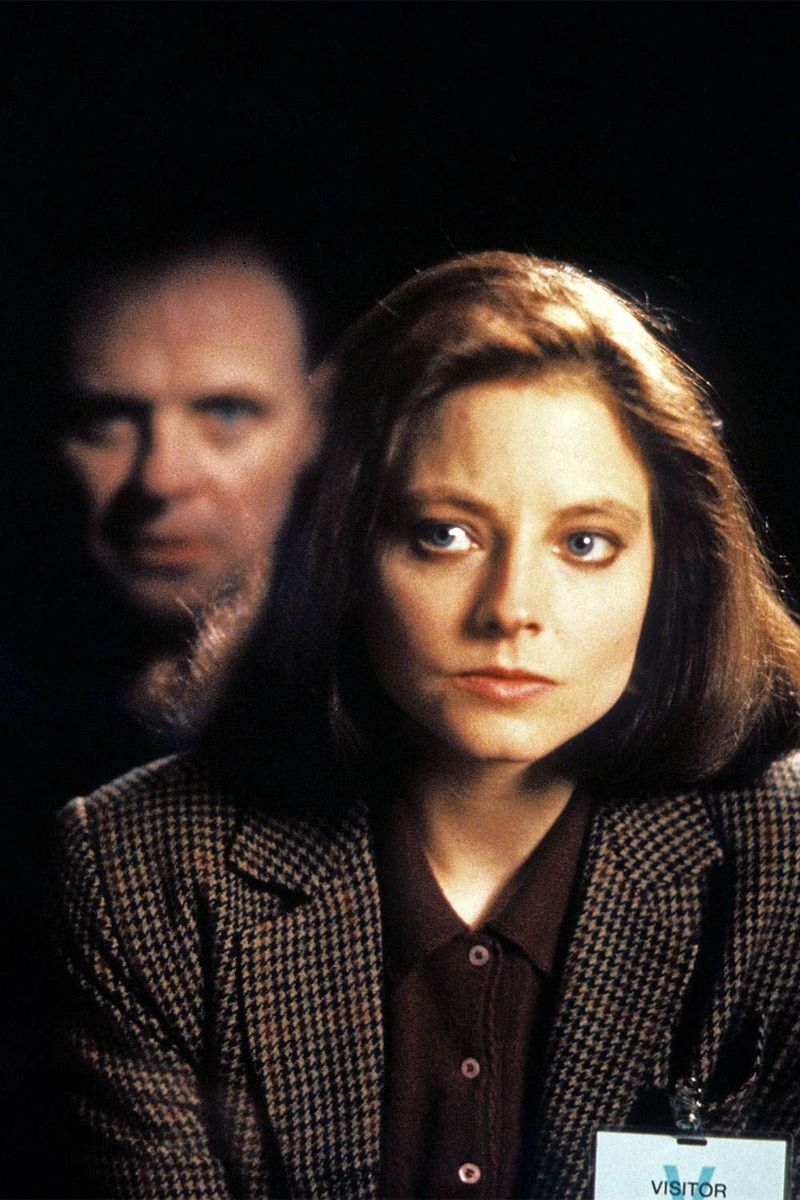
Michelle Pfeiffer was offered the role of Clarice Starling before Jodie Foster came on board. Pfeiffer turned it down, reportedly finding the material too dark and disturbing to take on.
Foster embraced the psychological intensity of the story and delivered a performance that earned her an Academy Award. Her portrayal of Clarice as sharp, vulnerable, and quietly fearless made the character a true feminist icon of 1990s cinema.
It remains one of her most celebrated roles.
8. Forrest Gump — Forrest Gump (1994)
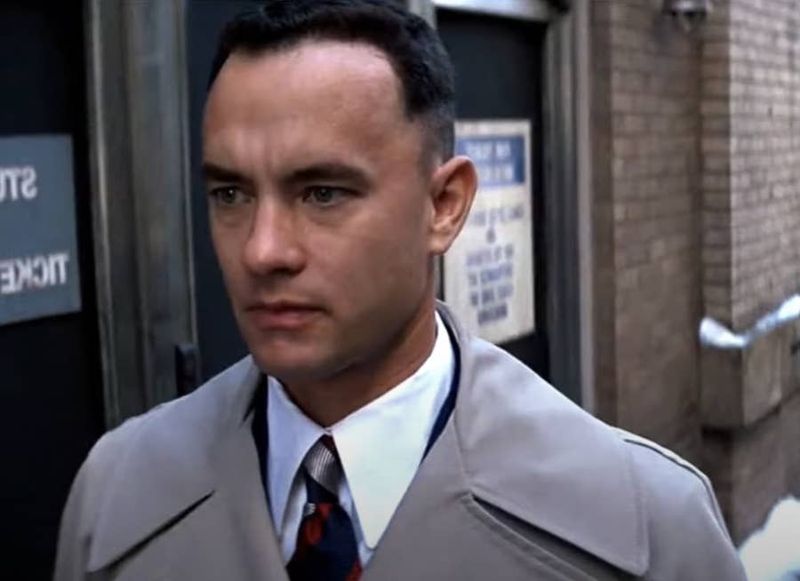
John Travolta was the first actor offered the role of Forrest Gump, but he chose to star in Pulp Fiction instead — a decision he later admitted was a mistake. Bill Murray and Chevy Chase were also reportedly in the mix at various points.
Tom Hanks grabbed the role and ran with it, literally and figuratively. His heartfelt, nuanced portrayal won him a second consecutive Academy Award and cemented Forrest Gump as one of the most beloved films of the 1990s.
9. Neo — The Matrix (1999)
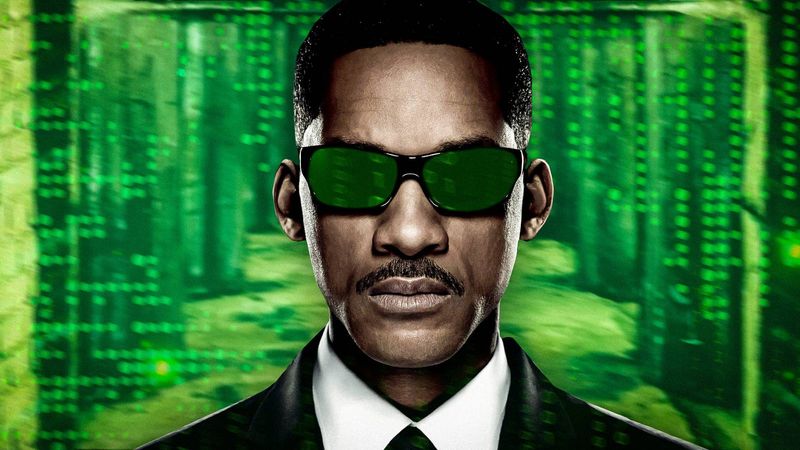
Will Smith turned down the role of Neo, later explaining he didn’t fully grasp the concept of “bullet time” and was skeptical about the film’s heavy reliance on visual effects. He chose to make Wild Wild West instead.
Keanu Reeves stepped in and brought a quiet, grounded intensity to Neo that perfectly matched the film’s philosophical undertones. Smith later admitted he probably would have made the movie worse — a surprisingly honest reflection on one of Hollywood’s biggest what-ifs.
10. Edward Scissorhands — Edward Scissorhands (1990)
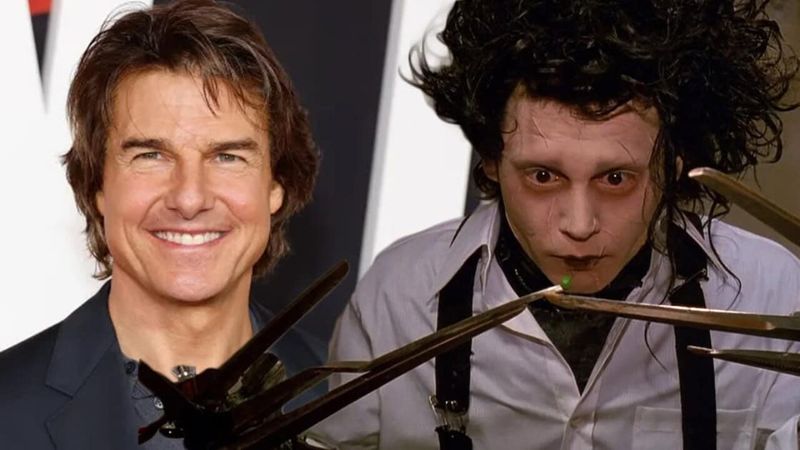
The studio wanted a bigger box-office name for the title role and pushed for Tom Cruise. Director Tim Burton actually met with Cruise, but the meeting went sideways when Cruise started asking oddly practical questions — like how Edward would use the bathroom with scissors for hands.
Burton decided Johnny Depp was the right choice all along. Depp brought a wordless, melancholy poetry to the role that no amount of star power could have replicated.
It became a defining film for both of them.
11. Buzz Lightyear — Toy Story (1995)
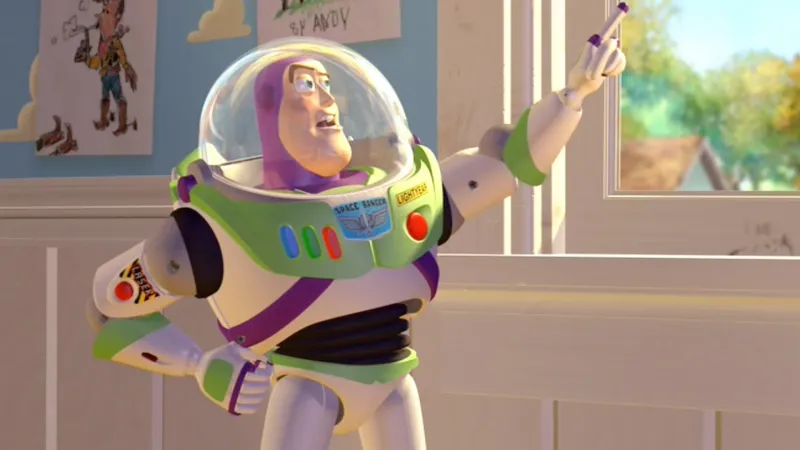
Billy Crystal was offered the voice role of Buzz Lightyear and turned it down — a decision he later called one of his biggest regrets in show business. At the time, he wasn’t sure voice acting in an animated film was worth his time.
Tim Allen took the role and made Buzz one of the most beloved animated characters of all time. Crystal eventually joined the Monsters, Inc. franchise, but he’s never quite shaken the sting of passing on Toy Story’s breakout star.
12. Gandalf — The Lord of the Rings Trilogy (2001–2003)
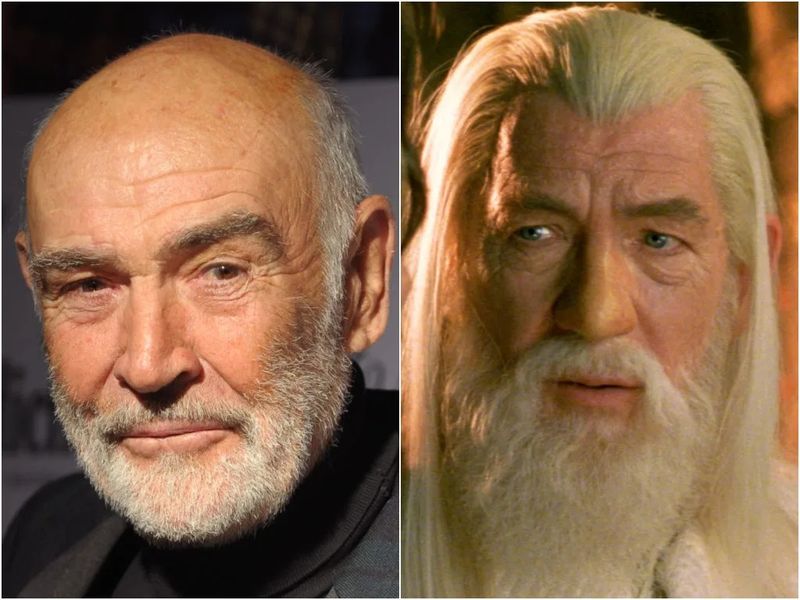
Sean Connery was offered the role of Gandalf and a deal that included a generous percentage of the film’s gross earnings — a package that could have made him extraordinarily wealthy. He passed on it anyway, saying he simply couldn’t understand the story.
Ian McKellen accepted the role and poured wisdom, warmth, and quiet authority into every scene. Connery’s share of the profits alone would have totaled around $400 million.
That might be the most expensive “I don’t get it” in film history.
13. Han Solo — Star Wars (1977)
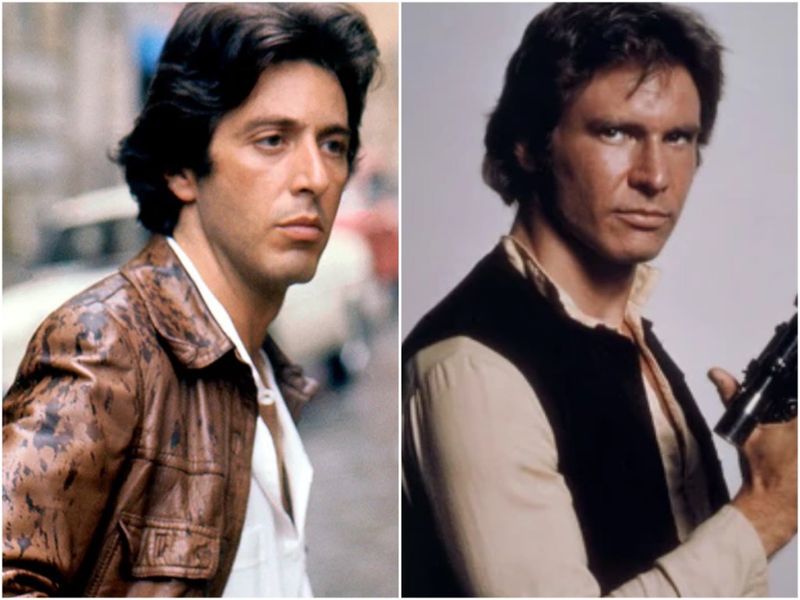
Al Pacino revealed years later that he was offered the role of Han Solo but turned it down because he couldn’t make sense of the script. Kurt Russell also auditioned for the part and came quite close to landing it.
Harrison Ford, who was working as a carpenter on the studio lot at the time, read lines with actors during auditions and caught director George Lucas’s eye. The rest is galaxy-spanning history — Ford’s effortless swagger made Han Solo one of cinema’s greatest antiheroes.
14. Marty McFly — Back to the Future (1985)
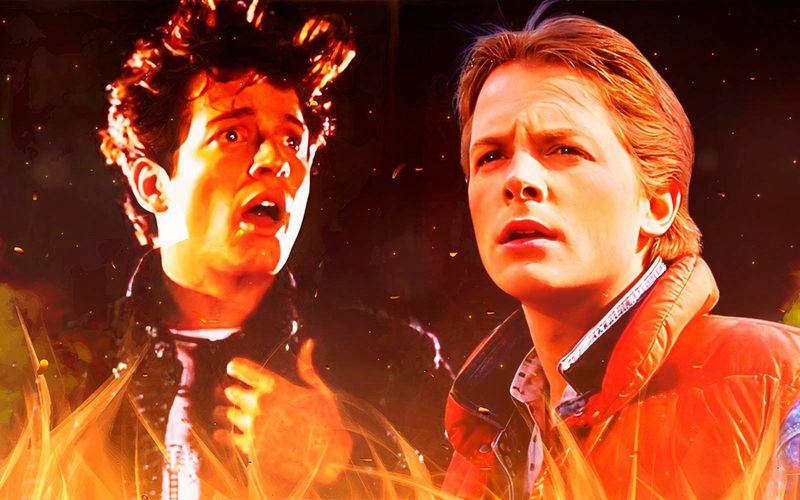
Eric Stoltz was actually cast as Marty McFly and filmed for five full weeks before director Robert Zemeckis made the tough call to recast. Stoltz played the role with a dramatic intensity that clashed with the film’s light, comedic tone.
Michael J. Fox had always been the first choice, but his Back to the Future schedule had to be juggled around his commitments to the TV show Family Ties.
Once his schedule cleared up, Fox stepped in and made Marty McFly feel like the kid next door — in the best possible way.
15. Jack Torrance — The Shining (1980)
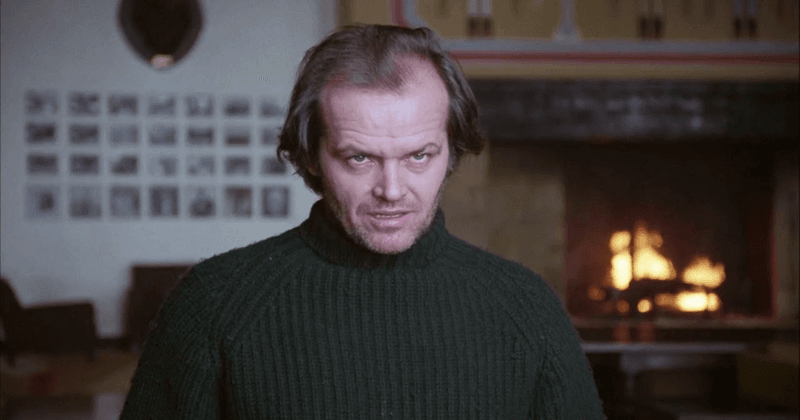
Stanley Kubrick reportedly considered Robin Williams for the role of Jack Torrance before settling on Jack Nicholson. Kubrick felt Williams, known for his manic comedic energy, might actually be too frightening — but not in the right way for the film.
Nicholson’s unpredictable intensity turned Jack Torrance into one of horror cinema’s most chilling performances. His “Here’s Johnny!” scene became a pop culture touchstone.
It’s fascinating to imagine how wildly different — and possibly even scarier — the film could have been with Williams in the lead.
16. Ripley — Alien (1979)
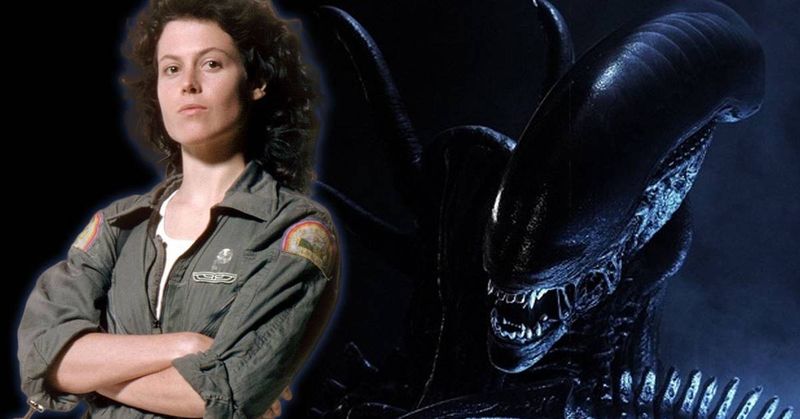
Meryl Streep was considered a strong candidate for the role of Ripley, but a personal tragedy — the death of her fiancé, John Cazale — caused her to miss her scheduled audition. Helen Mirren also auditioned for the part.
Sigourney Weaver ultimately won the role and redefined what a female action hero could look like on screen. Ripley became a trailblazer for strong women in genre films, and Weaver’s portrayal earned her an Academy Award nomination for the sequel, Aliens.
17. Rose DeWitt Bukater — Titanic (1997)
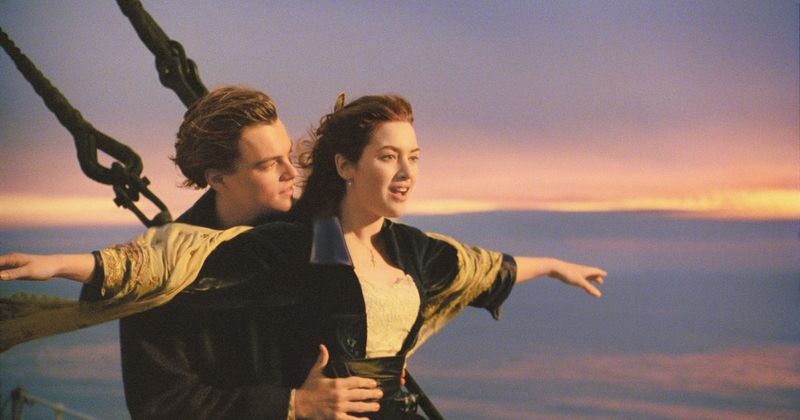
Gwyneth Paltrow was among the first actresses offered the role of Rose but turned it down. Winona Ryder and Claire Danes were also seriously considered before the role eventually went to Kate Winslet.
Winslet campaigned aggressively for the part, even sending director James Cameron a rose with a note that read “From your Rose.” Her passionate, emotionally rich performance helped make Titanic the highest-grossing film of its era and earned her an Academy Award nomination.
18. Ferris Bueller — Ferris Bueller’s Day Off (1986)
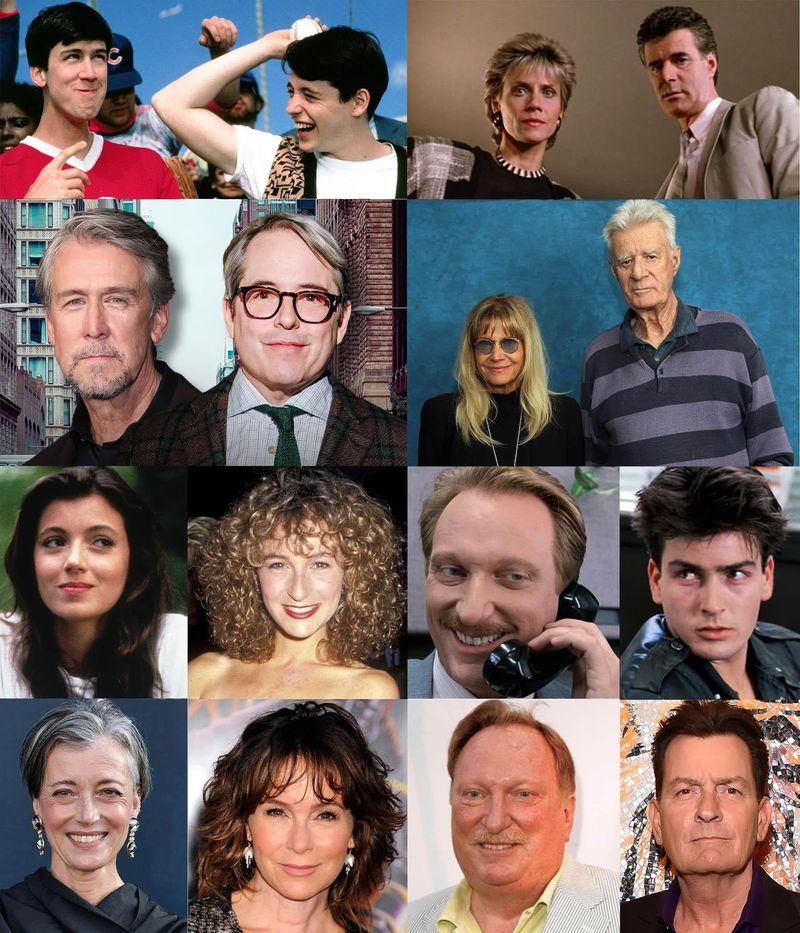
Johnny Depp was considered a frontrunner for the role of Ferris Bueller, with John Cusack, Tom Cruise, and Michael J. Fox also in the mix at various stages of casting.
Director John Hughes had quite a lineup to choose from.
Matthew Broderick ultimately got the part and brought an irresistible, wink-at-the-camera charisma to Ferris that felt completely effortless. His performance turned a simple skip-school story into a timeless celebration of teenage freedom that still resonates with audiences today.
19. Tony Stark — Iron Man (2008)
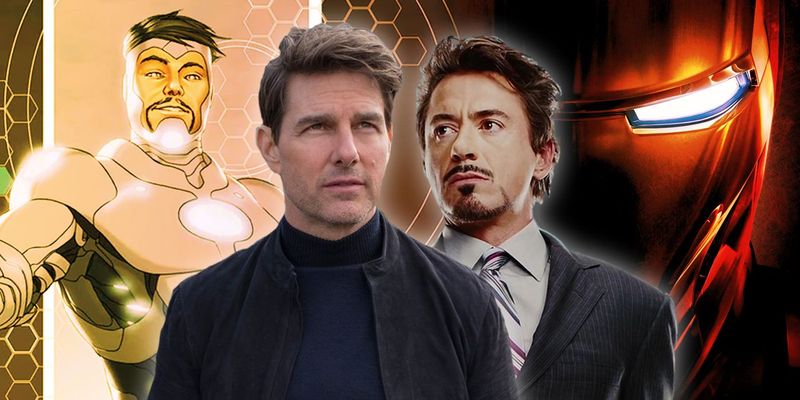
Tom Cruise was attached to the Iron Man role for years, even expressing interest in producing the film himself. He eventually walked away, saying the script wasn’t in good enough shape to move forward with.
Robert Downey Jr. stepped in and turned Tony Stark into the beating heart of the entire Marvel Cinematic Universe. His sharp wit, emotional depth, and effortless swagger made the character feel completely irreplaceable.
It’s hard to imagine the MCU existing in its current form without Downey in that suit.
20. Walter White — Breaking Bad (2008–2013)
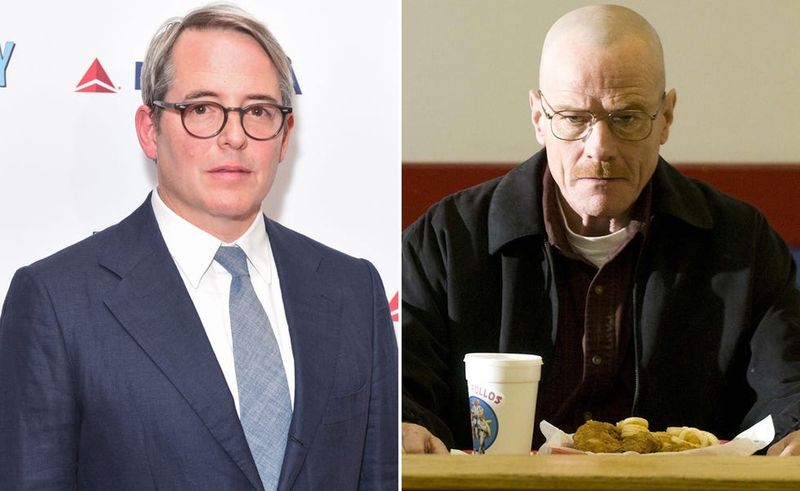
Matthew Broderick was reportedly on the initial casting shortlist for Walter White, the mild-mannered chemistry teacher who transforms into a ruthless drug kingpin. It’s a fascinating contrast given Broderick’s wholesome screen image from films like Ferris Bueller.
Bryan Cranston, best known at the time for playing a bumbling dad on Malcolm in the Middle, won the role and delivered one of the greatest acting performances in television history. His casting proved that sometimes the most unexpected choice turns out to be the most inspired one.