
The Balkans is a region in southeastern Europe packed with rich history, colorful cultures, and incredible food. While dishes like burek and cevapi get most of the attention, there is a whole world of lesser-known recipes hiding just beneath the surface.
From slow-cooked stews to crispy pastries and hearty soups, these dishes tell the story of generations of home cooks who knew how to make simple ingredients shine. Get ready to add some seriously delicious stops to your food bucket list.
1. Tarhana Soup
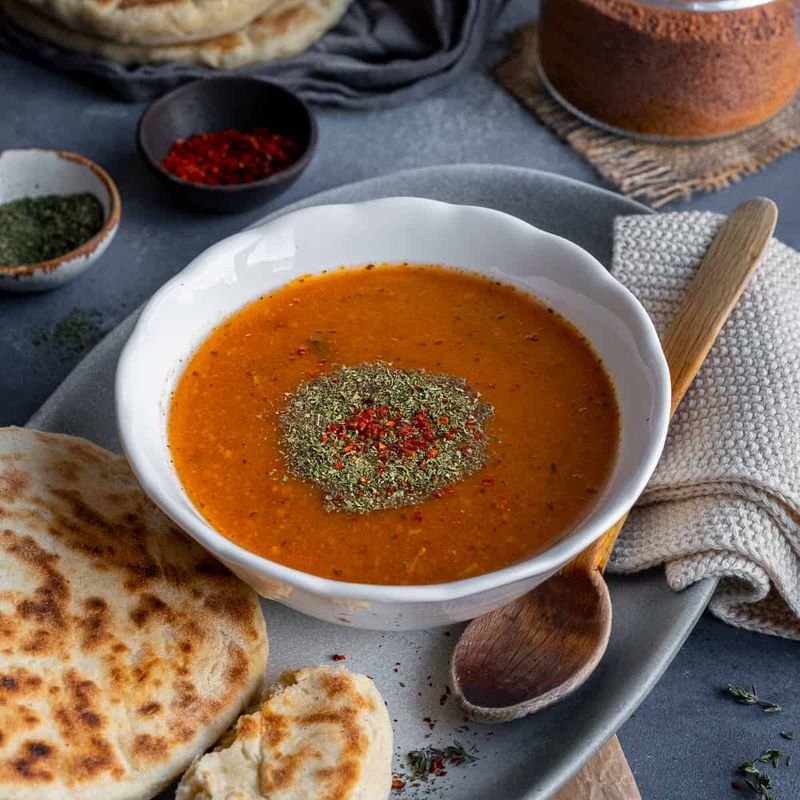
Fermented, dried, and packed with flavor, tarhana soup is one of the oldest comfort foods in the Balkans. It starts as a mixture of yogurt, vegetables, and flour that is left to ferment before being dried into crumbles or powder.
When cooked, it becomes a thick, tangy soup that warms you from the inside out. Many families still make their own tarhana at home each summer so they have it ready for cold winter months ahead.
2. Kapama
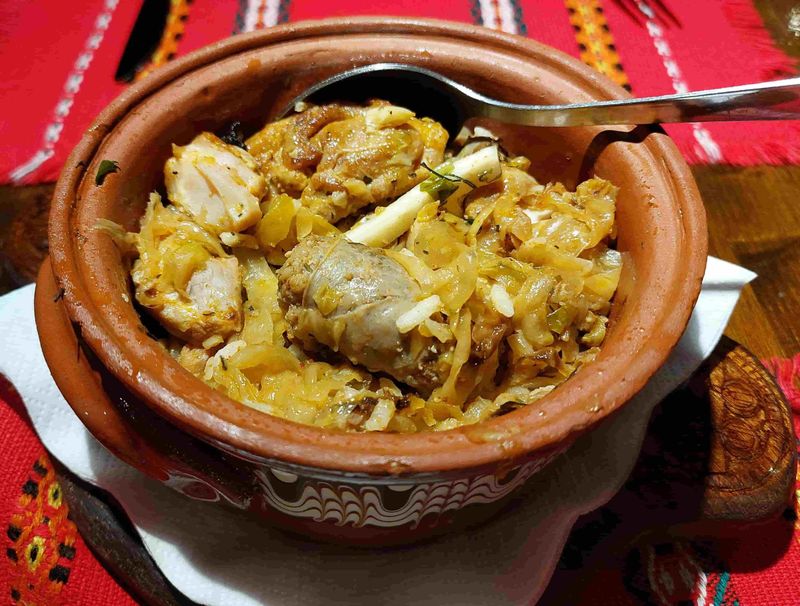
Kapama is a Bulgarian slow-cooked dish that layers meat, usually lamb or chicken, with rice, sauerkraut, and leeks inside a sealed clay pot. The magic happens in the oven, where everything steams together for hours.
The result is incredibly tender meat with a deep, savory flavor that you just cannot rush. It is traditionally made for big celebrations and holidays, making it one of those dishes that carries a lot of heart and meaning behind every bite.
3. Cicvara
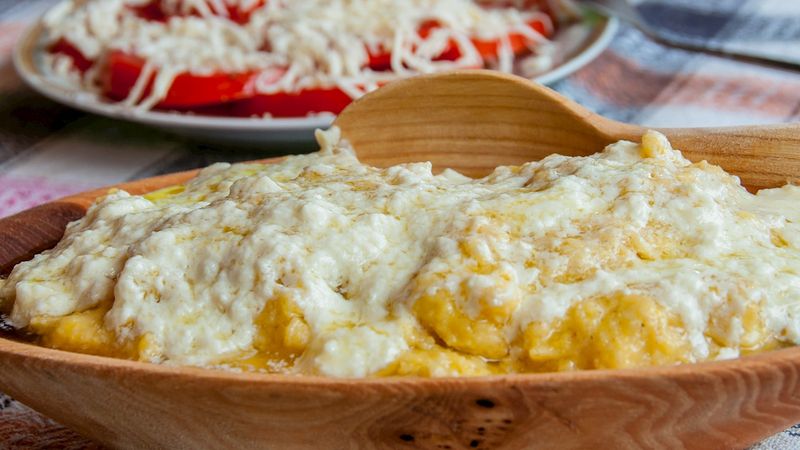
Cicvara might look like simple porridge, but one taste and you will understand why people in Montenegro and Bosnia have loved it for centuries. Made by cooking cornmeal with kajmak, a rich clotted cream cheese, it becomes incredibly creamy and satisfying.
Shepherds historically ate cicvara after long days in the mountains because it gave them serious energy. Today it shows up at family breakfasts and local restaurants as a proud symbol of mountain food culture done right.
4. Pasulj Prebranac
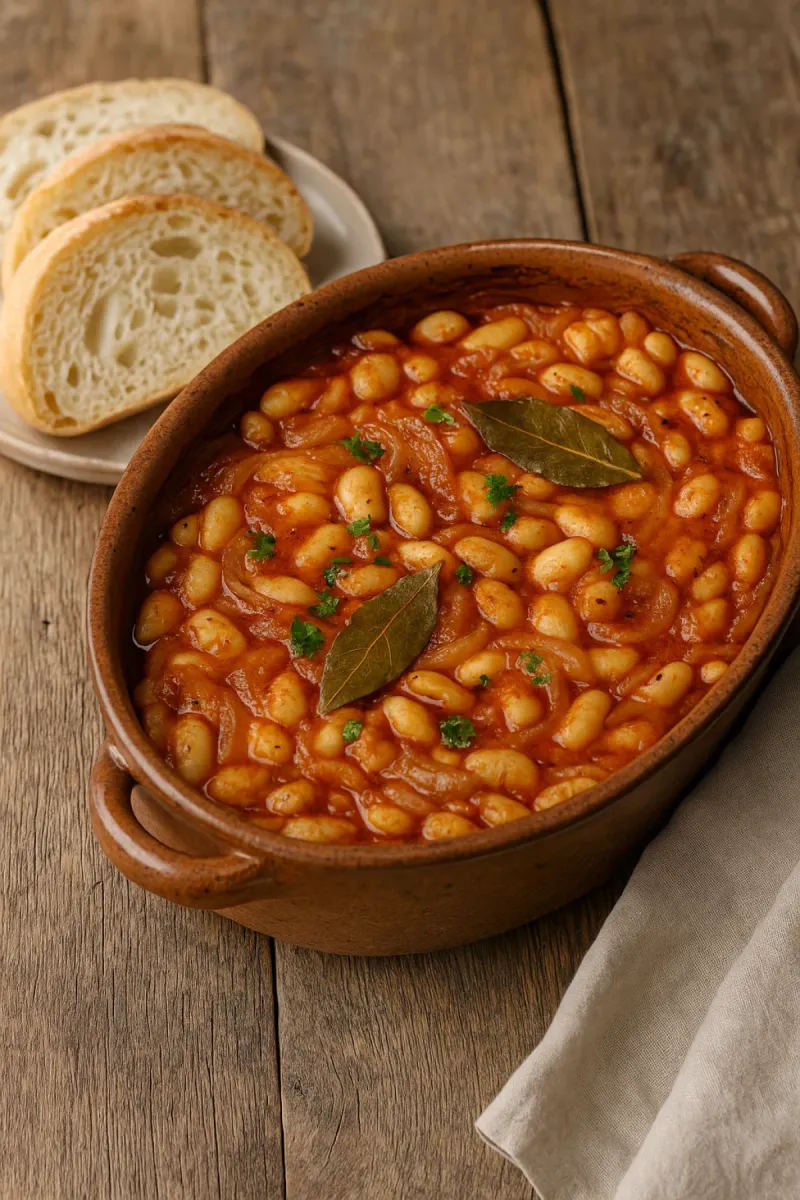
Serbia’s answer to baked beans, pasulj prebranac is slow-cooked white beans layered with caramelized onions and smoky paprika, then baked until golden and rich. It is a dish that requires patience, but every minute is worth it.
Traditionally served during fasting periods in the Orthodox Christian calendar, this hearty recipe proves that plant-based eating has been part of Balkan culture for a very long time. Pair it with crusty bread and you have a full, satisfying meal.
5. Mancare de Fasole
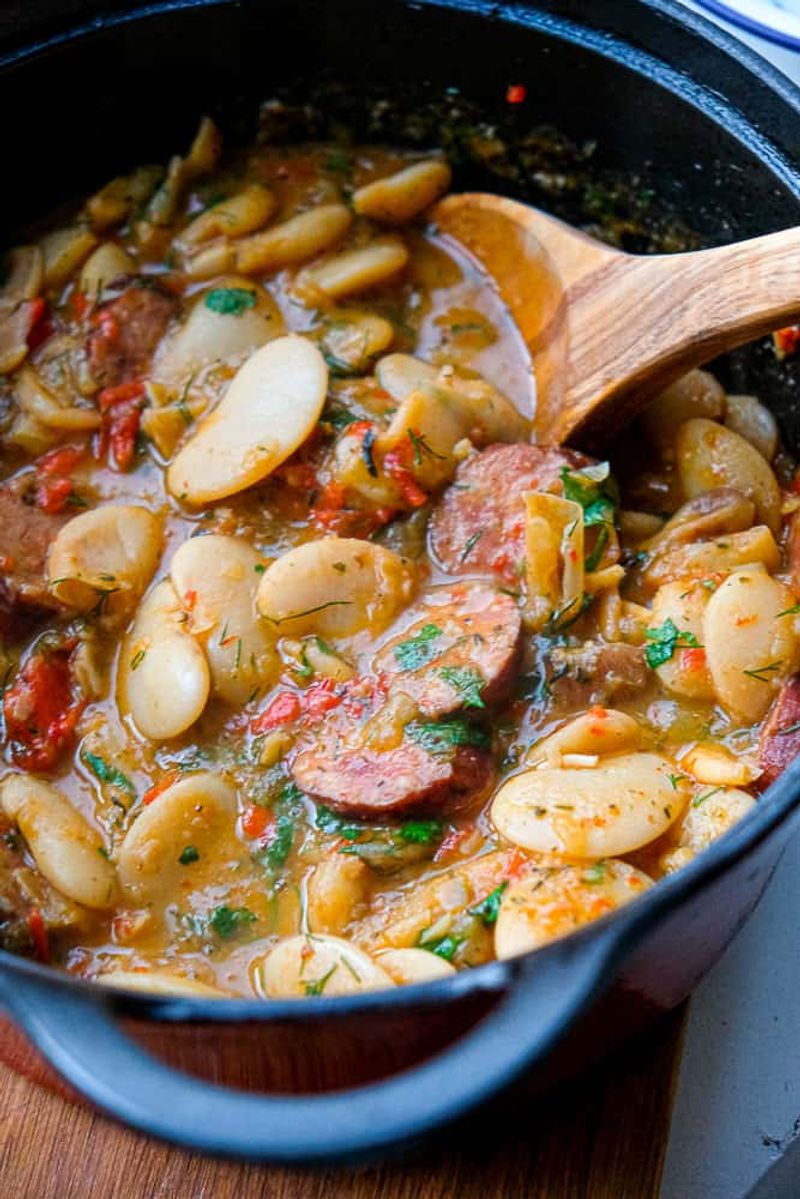
Romania’s mancare de fasole is a thick, smoky bean stew that has been feeding families through cold winters for generations. Creamy white beans are simmered with smoked sausage or pork and a rich tomato base until everything melts together beautifully.
What makes it stand out is that smoky depth from the meat, which turns an ordinary pot of beans into something truly crave-worthy. Romanians often serve it with pickled vegetables on the side, which cuts through the richness perfectly.
6. Zelnik
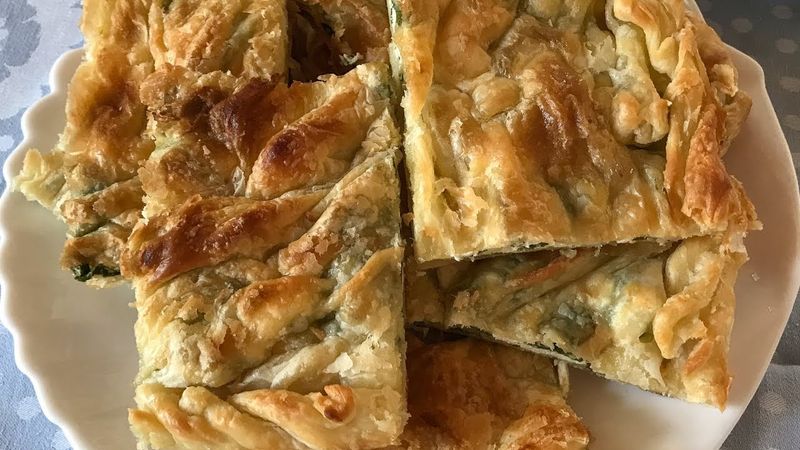
Zelnik is a Macedonian savory pastry pie that looks similar to burek but has its own distinct personality. Thin layers of homemade dough are filled with a mixture of greens, usually spinach or nettles, and crumbled white cheese.
Every region in Macedonia has its own version, and families often argue lovingly about whose recipe is best. Baked until the top is perfectly crispy and golden, zelnik is the kind of dish that makes you want seconds before you have even finished your first slice.
7. Popara
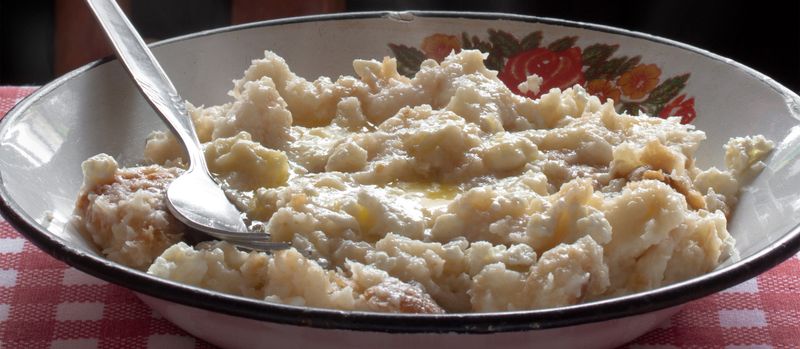
Popara is proof that the Balkans never waste good bread. Stale bread is crumbled into warm milk or water, then topped with kajmak or cheese until it becomes a soft, creamy, almost porridge-like dish.
It sounds humble, and honestly it is, but that is exactly the charm. Generations of Serbian, Bosnian, and Macedonian grandmothers have made popara for grandkids on cold mornings, and it remains one of those deeply nostalgic foods that tastes like home no matter where you eat it.
8. Sogan Dolma
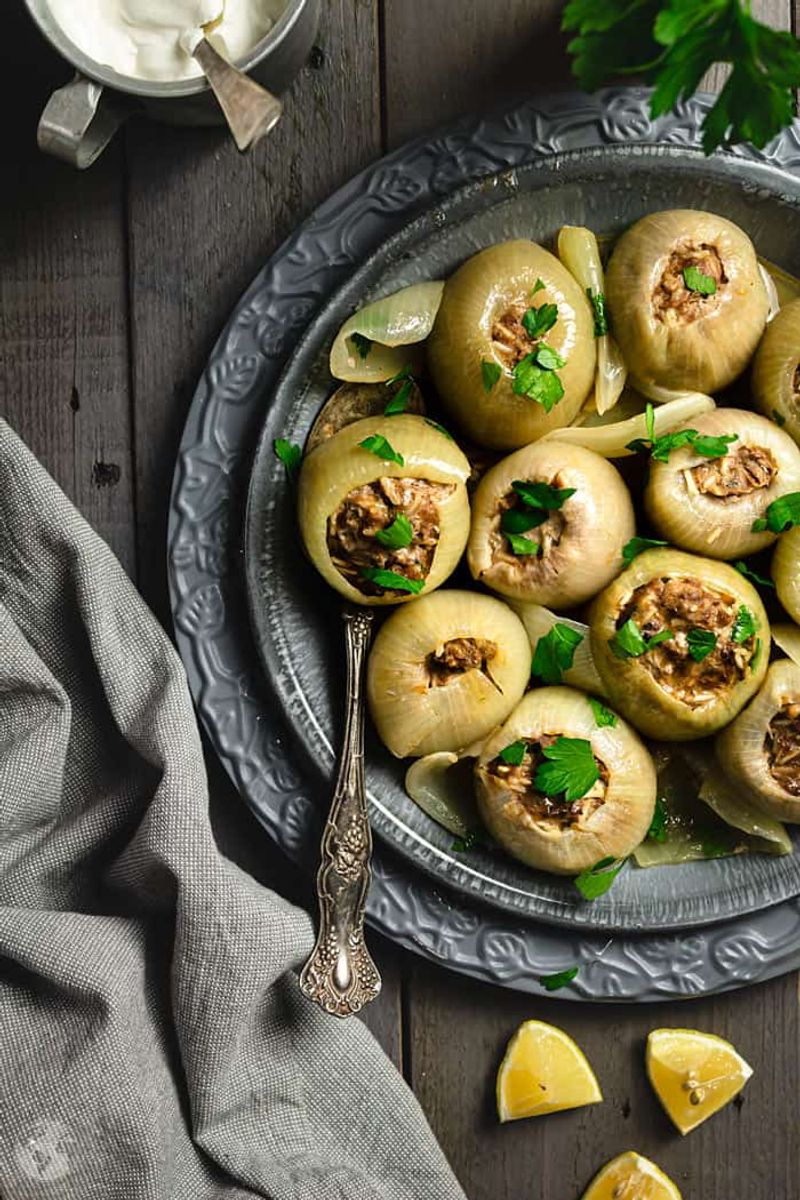
Most people have heard of stuffed peppers, but stuffed onions are a different adventure entirely. Sogan dolma is a Bosnian specialty where whole onions are hollowed out and filled with a seasoned mix of ground meat and rice, then slow-braised in a light sauce.
The onion becomes silky and sweet as it cooks, wrapping the filling in a flavor you just cannot get from any other vegetable. It is a dish that rewards curiosity and makes a stunning centerpiece at any dinner table.
9. Kacamak
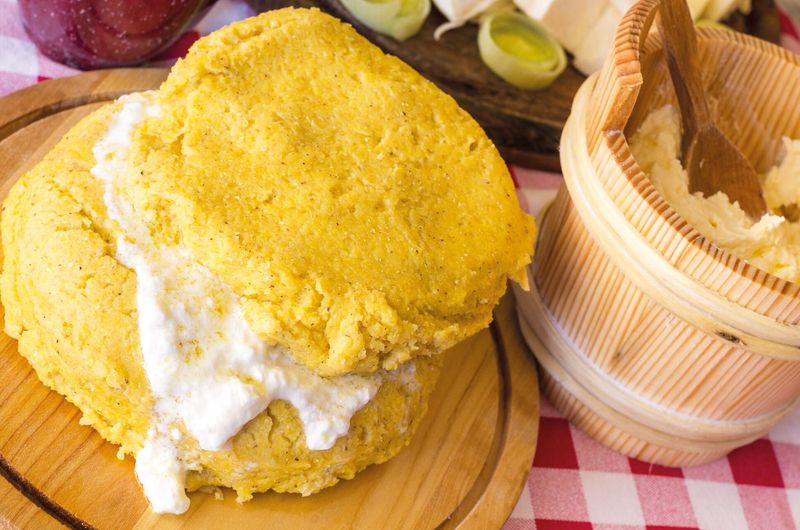
Kacamak is the Balkan cousin of polenta, but creamier, richer, and far more indulgent. Cornmeal is cooked low and slow, then vigorously stirred with kajmak and sometimes potatoes until it becomes one silky, golden mass.
In Montenegro, making kacamak is almost a sport because it requires serious arm strength to stir it properly. Locals joke that you have to earn every bite.
Served steaming hot straight from the pot, it is mountain comfort food at its most honest and satisfying.
10. Cozonac cu Nuca
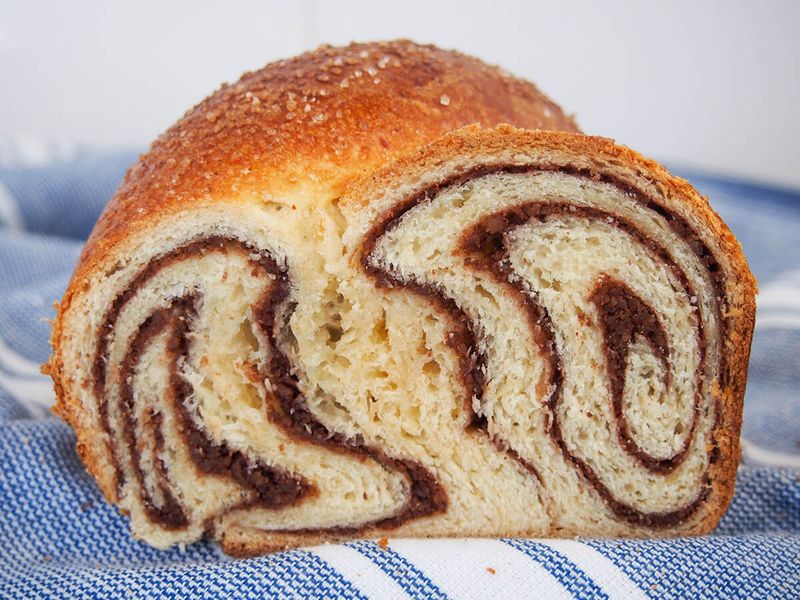
Cozonac cu nuca is Romania’s beloved sweet bread, braided and filled with a rich walnut and cocoa mixture that spirals through every slice. Baking it is a holiday tradition, especially around Easter and Christmas.
The dough is enriched with eggs, butter, and milk, making it pillowy soft with a gorgeous golden crust. The smell alone when it comes out of the oven is enough to make anyone feel festive.
Once you try a warm slice, store-bought sweet bread will never feel the same again.
11. Tarator
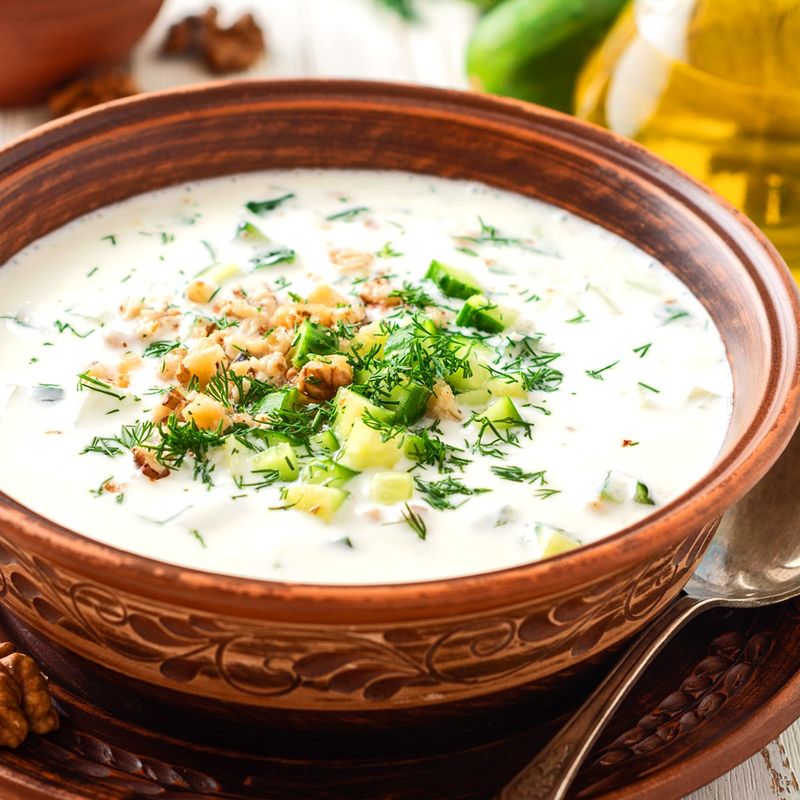
When Bulgarian summers get blazing hot, tarator is the answer. This cold soup is made from yogurt, grated cucumber, garlic, dill, and crushed walnuts, all stirred together into a refreshing, tangy bowl of cool relief.
It takes about ten minutes to make and requires zero cooking, which is exactly the kind of recipe you need on a sweltering afternoon. Tarator is light, probiotic-rich, and wildly flavorful for how simple it is.
Try it once and it might just become your go-to summer dish.
12. Grah s Kobasicama
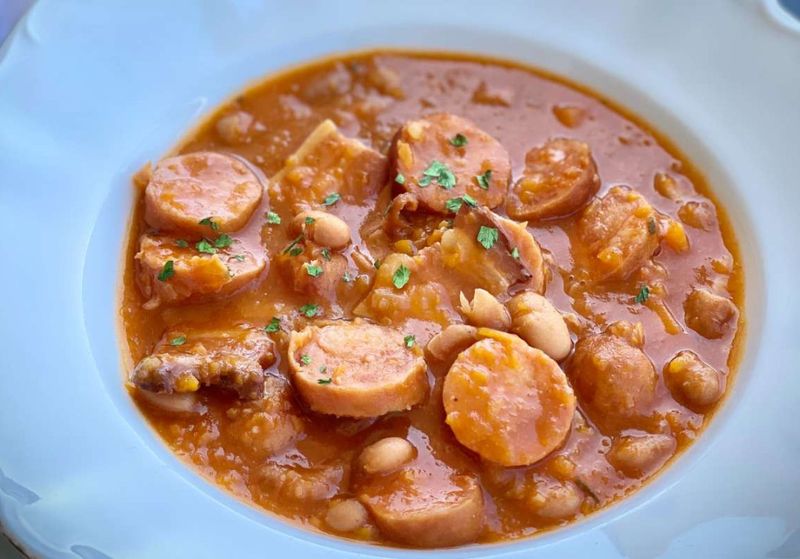
Croatia’s grah s kobasicama is a deeply satisfying bean and smoked sausage stew that has fueled generations of hardworking families. Slow-cooked beans absorb the smoky, paprika-laced broth until every spoonful is full of bold, layered flavor.
This dish is especially popular in the continental Croatian regions like Slavonia, where hearty, meat-forward cooking is a way of life. It is the kind of meal that gets better the longer it simmers, and even better the next day as leftovers reheated on the stove.
13. Meze Platter with Pindjur
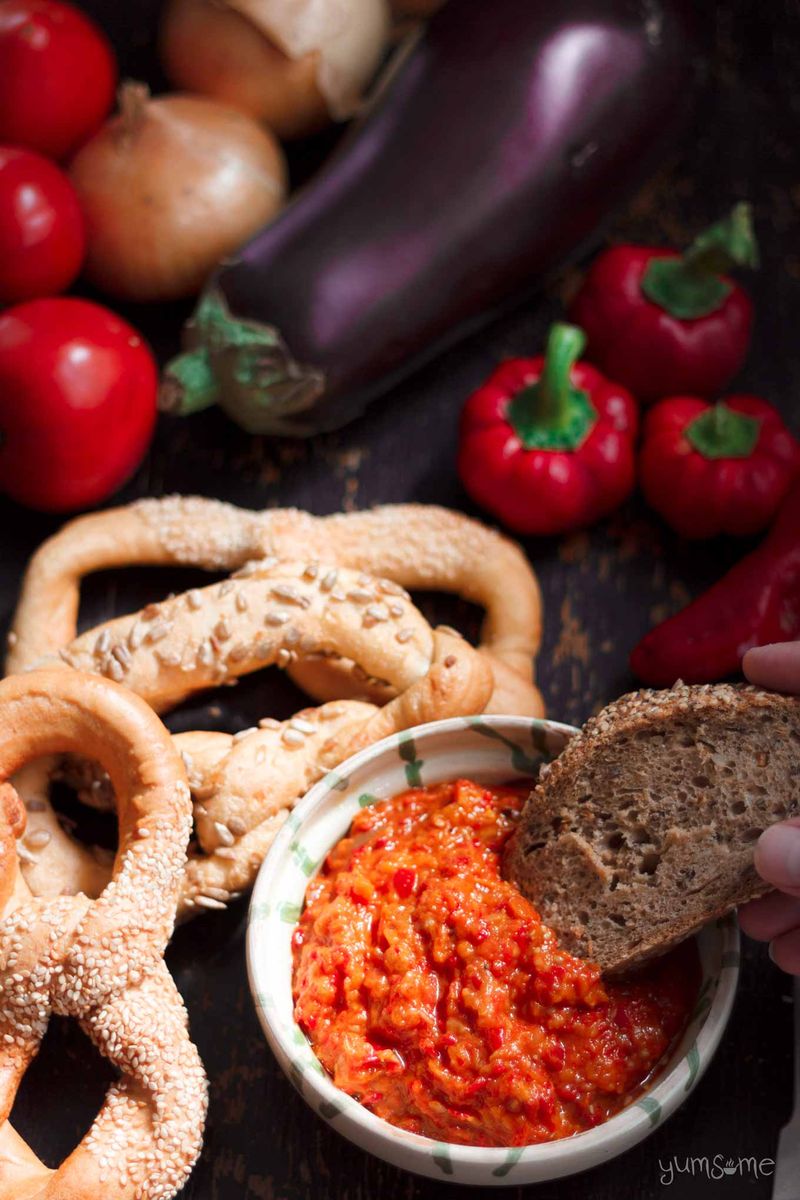
Pindjur is a roasted red pepper and eggplant relish that deserves far more global fame than it currently gets. Made by slow-roasting peppers and eggplant, then blending them with garlic and spices, it has a smoky, slightly sweet flavor that is completely addictive.
Spread it on bread, serve it alongside grilled meats, or eat it straight from the jar with a spoon. Homemade pindjur is a late-summer tradition across Serbia, Macedonia, and Bulgaria, when peppers are at their sweetest and most flavorful.
14. Sutlijas
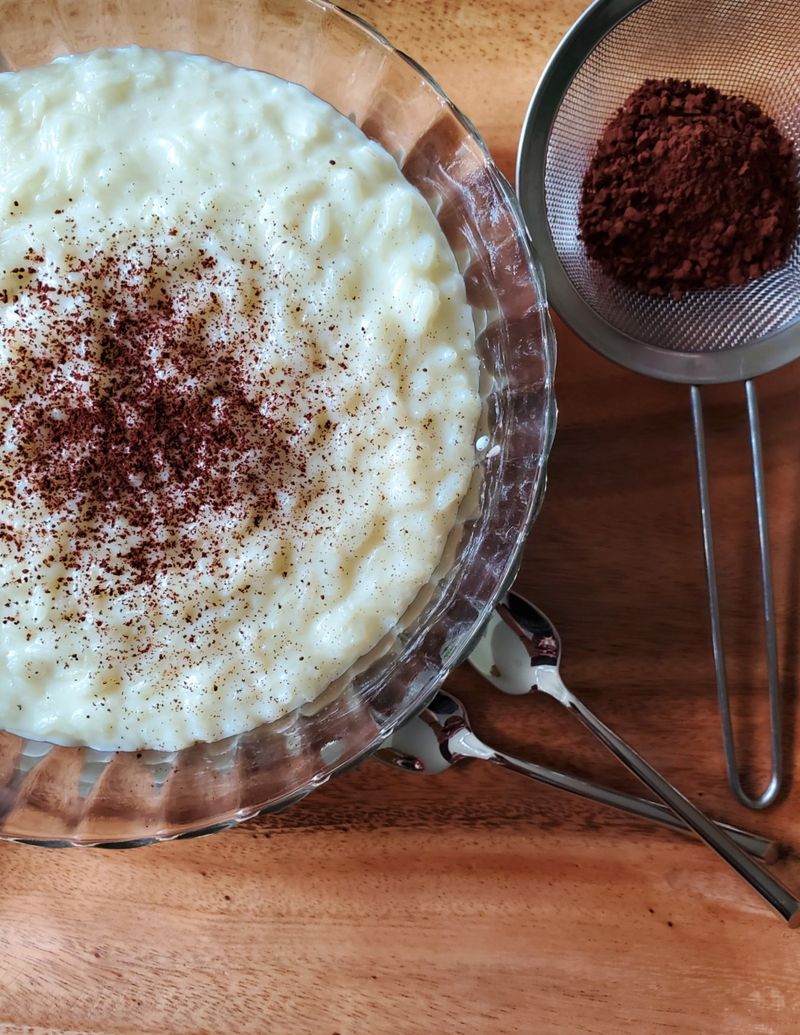
Sutlijas is Macedonia’s version of rice pudding, and it is the kind of dessert that feels like a warm hug even when served cold. Rice is cooked slowly in sweetened milk until it thickens into a velvety, creamy pudding, then dusted generously with cinnamon.
Some families bake it in the oven to create a lightly caramelized top layer, which adds a wonderful texture contrast. Simple as it sounds, sutlijas has a way of making people slow down and actually enjoy dessert rather than rushing through it.
15. Krofne

Serbia’s krofne are soft, pillowy doughnuts filled with jam, chocolate, or vanilla cream and rolled in powdered sugar. They are wildly popular during carnival season and winter holidays, when bakeries sell them as fast as they can fry them.
Unlike heavier American-style doughnuts, krofne have a light, airy texture that makes it dangerously easy to eat more than one. Rose hip jam is a classic filling that gives them a slightly tart, fruity surprise in the center.
Finding a fresh batch is a genuine Balkan joy.
16. Corba od Koprive
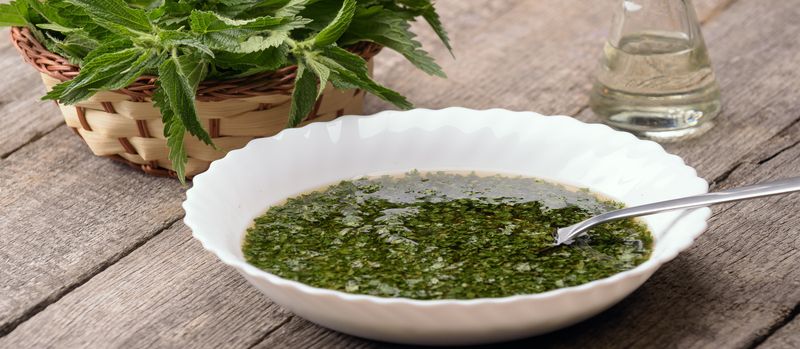
Nettles might sting your hands when you pick them, but cook them into a soup and they become silky, earthy, and surprisingly delicious. Corba od koprive is a Serbian nettle soup made every spring when the first fresh nettles appear, and people genuinely look forward to it all year.
Blended smooth with potatoes and onions, then finished with a swirl of sour cream, it has a vibrant green color and a fresh, slightly mineral flavor. It is also loaded with iron and vitamins, making it as good for you as it is tasty.
17. Kompot
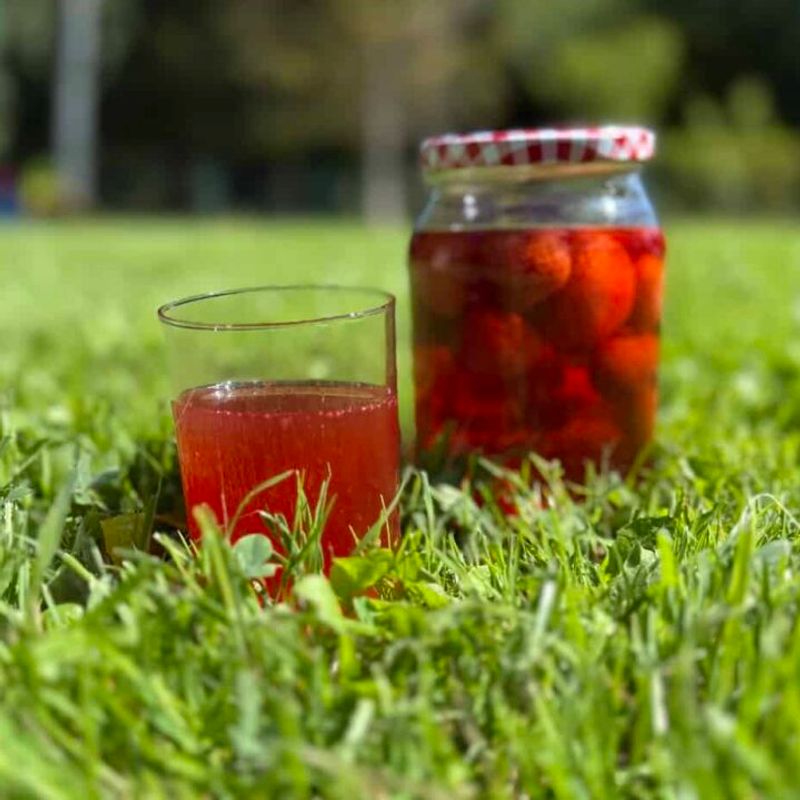
Kompot is the Balkan answer to juice, soda, and dessert all rolled into one glass. Fruits like plums, cherries, apples, or quince are simmered with sugar and water into a lightly sweetened, fragrant drink that can be served warm or chilled.
Every household has its own version and its own favorite fruit combination. Making and jarring kompot at the end of summer is a beloved tradition that fills pantry shelves for the months ahead.
It is humble, wholesome, and honestly one of the most refreshing drinks you will ever try.
18. Lutenica
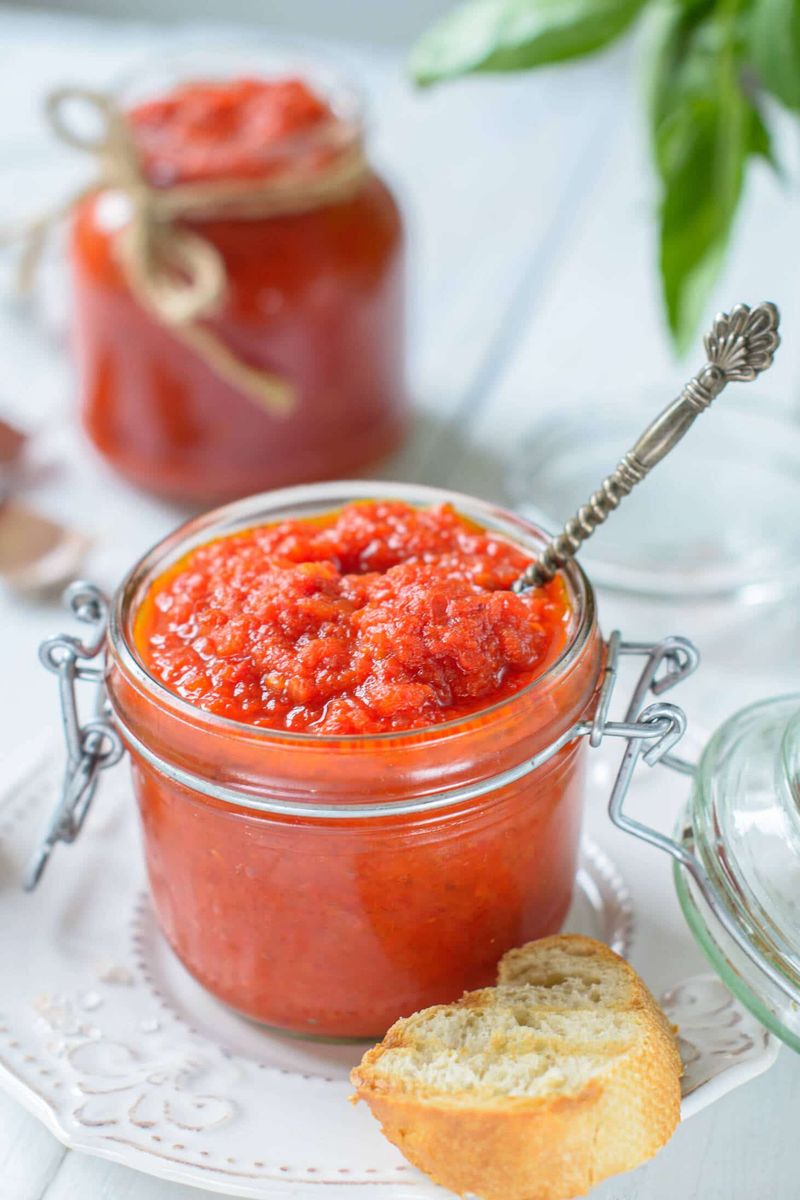
Lutenica is Bulgaria’s beloved roasted pepper and tomato relish, and once you open a jar, it has a way of disappearing very quickly. Thick, chunky, and bursting with sweet roasted flavor, it is spread on bread, served with cheese, or used as a sauce for meats.
Making lutenica in late summer is a Bulgarian family event, with big batches cooked down in huge pots and jarred for winter. Every grandmother has a slightly different recipe, and each one will insist hers is the correct one.
19. Podvarak
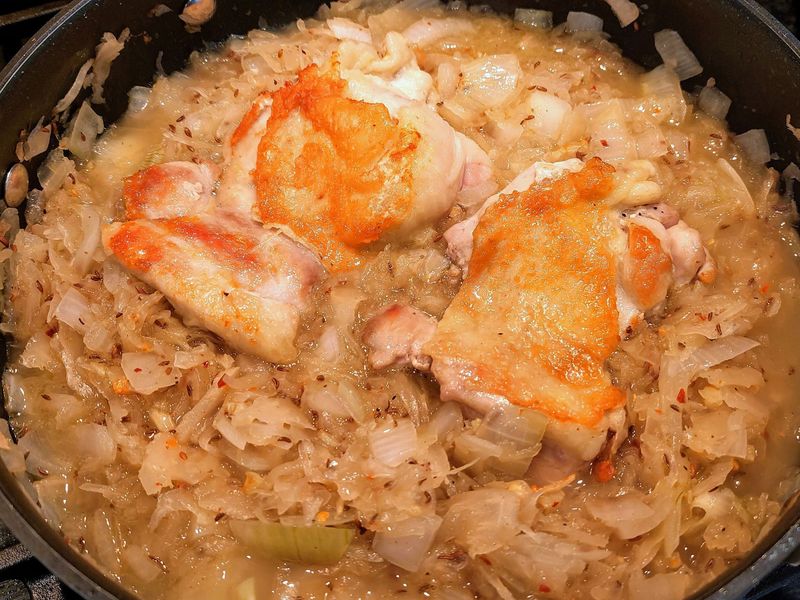
Podvarak might be the most underrated dish in Serbian cuisine. Roasted meat, usually pork or chicken, is placed on a bed of braised sauerkraut and onions, then slow-roasted until the meat is tender and the cabbage has soaked up all those incredible juices.
The sour cabbage cuts right through the richness of the meat, creating a balance that feels both rustic and sophisticated. It is a Sunday roast, a holiday centerpiece, and an everyday comfort food all at once, depending on who is making it and why.
20. Baklava s Orasima
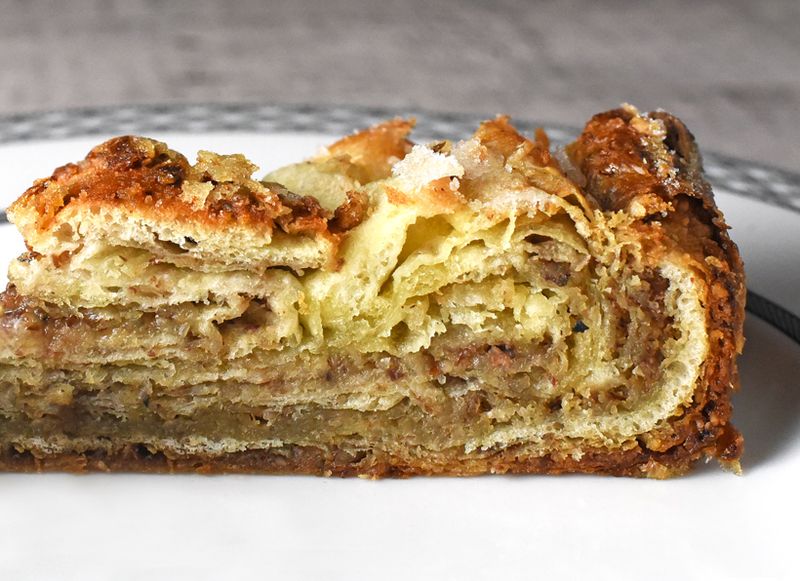
Bosnian baklava is a little different from its Turkish or Greek cousins, and pastry lovers should absolutely take note. Layers of ultra-thin dough are filled with finely ground walnuts rather than pistachios, then soaked in a clear sugar syrup instead of honey.
The result is lighter and less sticky, with a delicate crunch and a warm, nutty sweetness in every bite. In Sarajevo, specialized sweet shops called slasticarne have perfected this art over generations.
Picking up a box of fresh baklava there is a non-negotiable bucket list experience.