
Caring for a husband can be a loving choice. But when his needs always come first, a woman may slowly lose touch with her own.
The effects can show up in her health, friendships, money, and marriage. Noticing these changes can help her decide what needs to change.
1. Your Own Interests Can Fade

One day, an old hobby supplies box can feel like it belongs to a stranger. Years spent arranging life around a husband may leave little room for personal interests.
Losing touch with yourself can happen slowly, without a clear moment when things changed.
Start small. List three things you once enjoyed, then make time for one this week.
Your likes still matter, even if they have changed. Getting to know yourself again is not selfish.
2. Resentment Can Grow Quietly

A forgotten thank-you may seem small until it joins years of similar moments. When giving rarely goes both ways, resentment can build beneath a calm face.
It does not mean you are unkind. It may mean something needs attention.
Notice which tasks or choices leave you feeling bitter, and name the need behind that feeling. Ask for a specific change rather than waiting for your husband to guess.
Honest requests give both partners a place to begin.
3. Keeping Everyone Calm Has a Cost

Always watching for the next bad mood can leave a person worn out. If you spend each day trying to prevent conflict or ease someone else’s worries, your own mind gets little rest.
Ongoing stress may affect sleep, focus, and mood.
Check in with yourself during the day: Am I safe, and what do I need? A trusted friend or counselor can help you sort out patterns.
You are not responsible for managing another adult’s every feeling.
4. The Body May Ask You to Slow Down

Headaches, poor sleep, and constant tiredness are easy to brush aside when everyone needs something. Stress can affect the body, but symptoms can have many causes.
Do not assume you simply need to try harder.
Book a medical visit for ongoing problems, and tell the doctor what daily life is like. Protect time for meals, rest, and movement you enjoy.
Sharing care duties is part of looking after your health, not a reward you must earn.
5. Old Dreams Do Not Disappear on Their Own

Maybe a course, job, or trip kept moving to next year. Supporting a partner’s plans can be generous, but your goals deserve space too.
Regret often grows when postponing becomes the only plan.
Pick one dream and break it into steps you can take now. That might mean researching classes, asking about flexible work, or setting aside a small amount of money.
A shared life should make room for two futures, even when progress looks different for each person.
6. Invisible Work Is Still Work
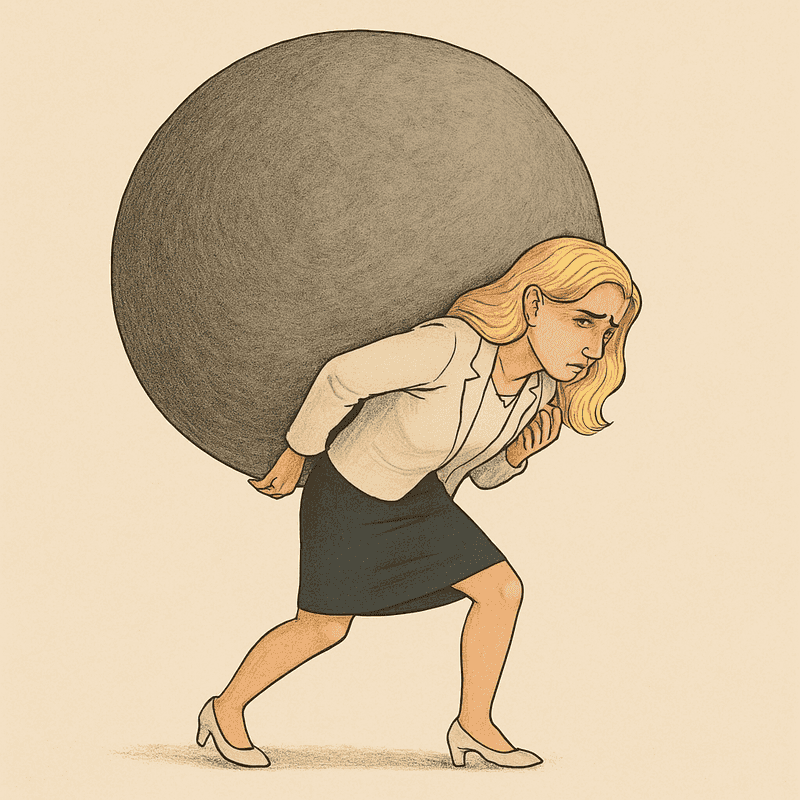
Someone remembers the dentist, plans the meals, and checks on relatives. Often, that someone is the wife.
These tasks take time and thought, even when nobody sees them happening.
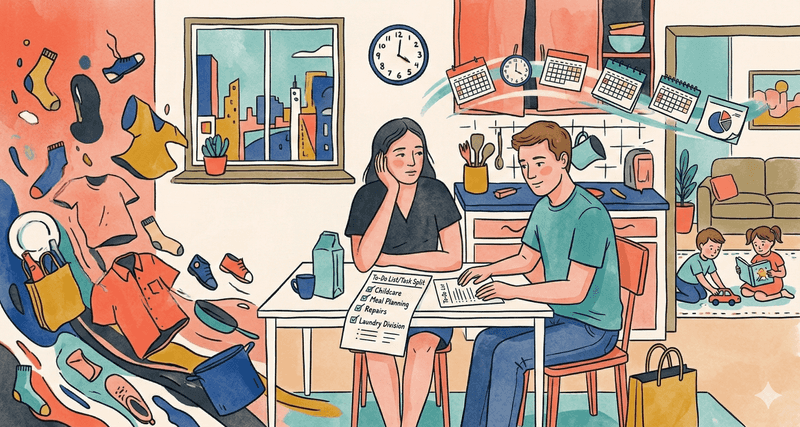
Write down what it takes to keep your household running, including planning and reminders. Then discuss who will own each task from start to finish.
Sharing the work means more than waiting to be asked to help. It gives both partners a fairer view of daily life.
7. A Partner Can Start Feeling Like Another Dependent

Reminding a grown man about every appointment and chore can change the feel of a marriage. Instead of two adults working together, one person becomes the manager and the other waits for directions.
That can drain both warmth and respect.
Choose a few areas your husband can handle without reminders. Agree on the result, then step back.
If he refuses any fair share, talk plainly about what that means for your relationship and your choices.
8. You Can Feel Lonely While Married

A full house does not always feel like company. If your thoughts are brushed aside for years, you may stop sharing them.
The distance that follows can make even ordinary evenings feel lonely.
Try naming one thing you miss, such as talking without phones or being asked how your day went. Listen to his answer as well.
Regular, calm talks may help you reconnect. If speaking up feels unsafe, seek support outside the relationship instead of facing that fear alone.
9. Avoiding Every Argument Does Not Bring Peace

Swallowing a hurt feeling can keep one evening quiet. Doing it again and again may leave the real problem untouched.
Peace is not the same as never disagreeing.
Bring up concerns when you both have time to listen, and focus on one issue at a time. Say what happened, how it affected you, and what you would like to change.
A respectful argument can be healthier than years of silence. If conflict turns threatening, put your safety first.
10. Being Chosen Is Not the Same as Being Happy

Looking back, some women wonder whether fear of being alone shaped a major choice. Others loved their husbands deeply but find the marriage no longer fits.
Either thought can feel hard to admit.
Do not judge your younger self with facts she did not have. Instead, ask what you need in the present: care, honesty, shared effort, or more freedom.
A counselor can offer space to think. Reflection does not force a decision; it helps you make one thoughtfully.
11. Money Choices Can Limit Your Options

Years away from paid work or out of financial decisions can leave a woman with fewer choices. Even in a caring marriage, knowing where the money goes matters.
Income, savings, debts, and account access should not be mysteries.
Review your household finances and keep copies of key records. If possible, build savings you can access and explore ways to refresh your work skills.
A financial adviser or local support service may help you plan without rushing into a decision.
12. Pleasing Someone Cannot Guarantee Attraction

You cannot make someone love you more by becoming smaller. Giving up friends, opinions, or passions to please a husband may leave you feeling less like yourself.
Attraction is complex, and no one can promise it will grow if you change.
Put your energy into activities that make your life richer, not into earning approval. Tell your partner what helps you feel close.
If he only values you when you give things up, take that pattern seriously.
13. A Safe Routine Can Still Feel Wrong
The days may look fine from the outside: bills paid, dinner made, plans kept. Inside, you might wonder how your life became one you barely recognize.
Feeling unsettled does not mean you must leave tomorrow, but it does deserve attention.
Write down which parts of your routine feel like yours and which feel chosen for you. Look for one change you can make now.
Talking with someone you trust may help you see more than two options.
14. Unnoticed Effort Starts to Hurt

After cooking, cleaning, earning, and caring, a simple thank-you can mean a lot. When your efforts are treated as automatic, you may feel unseen.
Appreciation cannot replace a fair division of work, but its absence still stings.
Tell your husband which contributions go unnoticed and what would help. Be clear if you need him to take over tasks, not just praise you for doing them.
Your work has value whether or not anyone remembers to say so.
15. Old Habits Can Shape What You Accept

If you grew up learning that needs cause trouble, asking for help may feel strange. Some people become skilled at keeping others happy long before they marry.
That history can explain a habit without making it your fault.
Notice when you agree while wanting to say no. Pause before answering, even for small requests. A therapist or trusted mentor can help you practice speaking up.
You can respect your past while choosing a different way to live now.
16. Your Care Cannot Stay Last Forever

It is easy to cancel your walk when someone else needs a ride. Over time, small choices like that can crowd out sleep, friends, checkups, and fun.
Caring for yourself is not a fancy extra.
Choose one basic need you have been putting off and schedule it this week. Ask your husband to cover a task during that time.
If you have lost interest in nearly everything you once enjoyed, consider talking with a health professional.
17. Your Mood May Be Sending a Message

Snapping over a small mess might not be about the mess. Irritability, sadness, or feeling numb can be signs that something in your life needs care.
They can also have health causes, so avoid blaming yourself.
Track when your mood shifts and what is happening around you. Share what you notice with a doctor or counselor if it lasts or affects daily life.
At home, ask for a real change in workload rather than promising to be more patient.
18. Closeness Cannot Be Forced

When you feel unheard or worn down, touch may not feel comforting. Pulling away from affection does not make you a bad wife.
Physical closeness works best when both people feel respected and free to choose.
Talk about the feelings around intimacy without assigning blame. Make room for care that does not demand sex, such as shared time or a kind conversation.
If pain, fear, or lasting changes are involved, a qualified health professional can offer help.
19. Elsewhere Can Start Feeling Easier Than Home

An extra hour at work or a long chat with a friend can feel like a breath of air. Outside interests are healthy, but always dreading home may point to an unmet need.
The goal is not to give up the people and places that support you.
Ask what feels easier elsewhere: being heard, having freedom, or simply resting. Keep your support network, and use that insight to decide what changes you want at home.
20. Doing Everything Can Hold Both People Back

When one spouse handles every hard talk and household problem, the other gets fewer chances to learn. Taking a step back can feel risky, especially after years of keeping things on track.
Still, a stronger partnership needs effort from both sides.
Agree on responsibilities each of you will handle, including planning and follow-through. Expect a learning curve, not instant perfection.
Watch whether your husband makes a sincere effort. You deserve a teammate, not another job.