
Some of your favorite snacks and dishes might actually be illegal in other countries, and you probably had no idea. From funky cheeses crawling with live bugs to popular sports drinks banned across Europe, the world of food laws is full of surprising twists.
Governments restrict certain foods to protect public health, animal welfare, or food safety standards. Get ready to look at your grocery cart in a whole new way.
1. Hormone-Treated Ground Beef
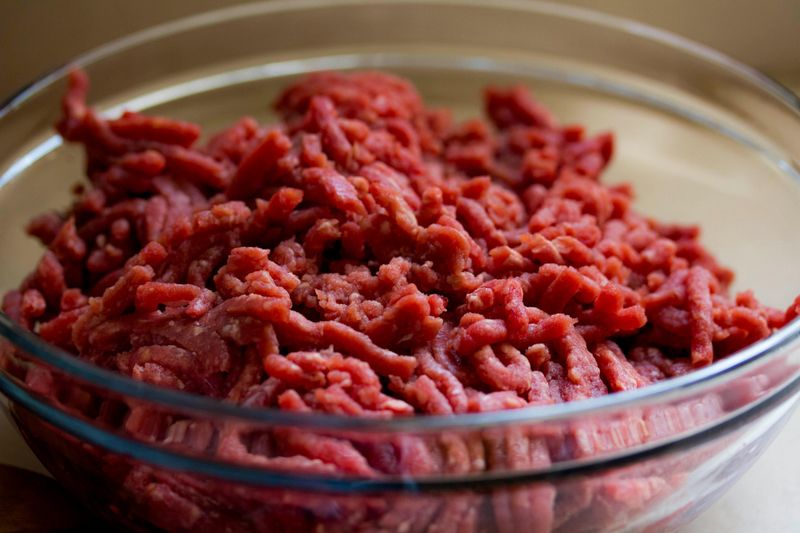
American beef has a secret that Europe wants nothing to do with. Since 1985, the European Union has banned ground beef from the U.S. because American cattle are often raised with growth hormones.
Regulators worry these hormones could affect human health over time.
The ban caused a massive trade dispute between the U.S. and the EU that lasted decades. It is a reminder that the same burger can be perfectly legal in one country and completely off-limits in another.
2. American Bread with Potassium Bromate
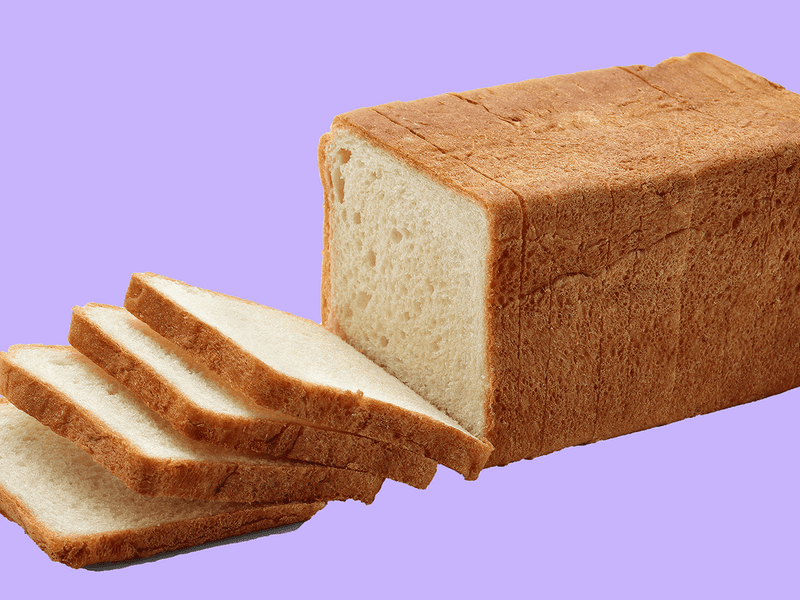
Soft, fluffy American sandwich bread sounds harmless enough, but certain loaves are banned across the European Union. The culprit is potassium bromate, an additive that bakers use to strengthen dough and give bread a perfect rise.
Scientists have flagged it as a potential cancer-causing compound.
The EU decided the risk was not worth it and banned the additive entirely. Many American bread brands still use it today, even though safer alternatives exist.
3. Wheat Thins (with BHT)
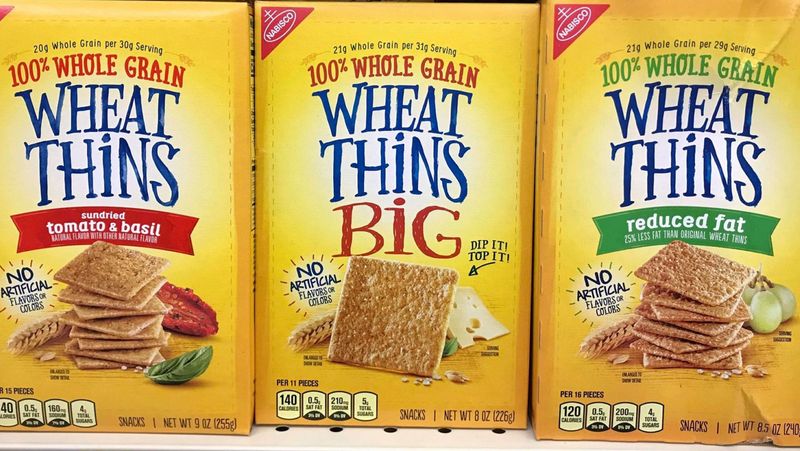
Wheat Thins are a lunchbox staple in America, but they have been shown the door in the UK, Japan, and parts of Europe. The reason?
Butylated Hydroxytoluene, or BHT, a preservative used in the packaging to keep the crackers fresh longer. Some studies on animals suggest BHT may have cancer-linked effects.
Regulators in those countries decided caution was the smarter call. American shoppers, meanwhile, keep munching away with no warning on the label at all.
4. Coffee Mate (with Trans Fats)
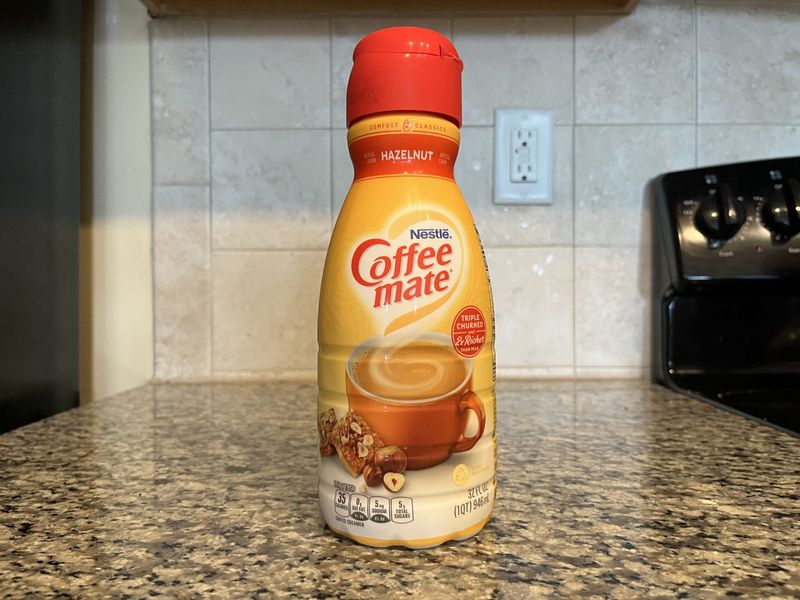
Millions of Americans stir Coffee Mate into their morning cup without a second thought. But many European countries have banned or heavily restricted it because of its trans fat content.
Trans fats raise bad cholesterol and lower good cholesterol, making them especially harmful to heart health.
Nutritionists have called trans fats the worst type of dietary fat a person can eat. Europe drew a hard line against them long before the U.S. started phasing them out of food products.
5. Gatorade (with Brominated Vegetable Oil)
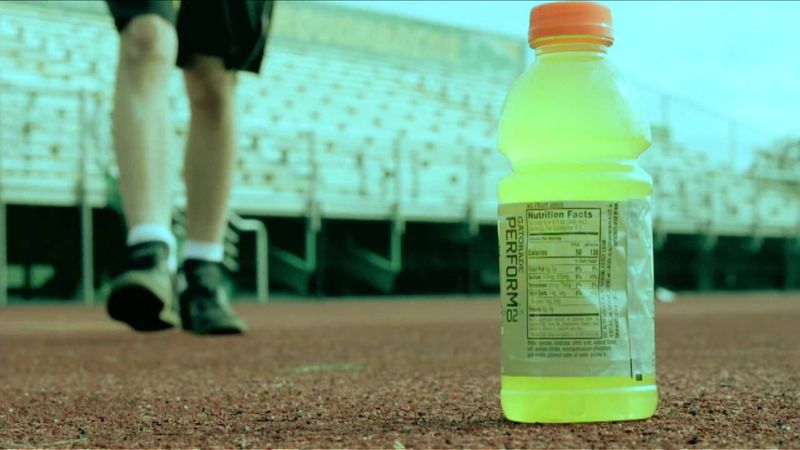
Gatorade is practically synonymous with sports and sweaty workouts, but Norway and Austria wanted no part of it. The drink used to contain brominated vegetable oil, or BVO, which keeps the artificial flavors from separating.
It also contained artificial dyes like Yellow 5 and Yellow 6, both linked to health concerns.
Norway and Austria banned the drink outright. Gatorade has since reformulated its recipe in the U.S. after the FDA banned BVO in 2024, but the controversy put a spotlight on what really goes into sports drinks.
6. Artificial Food Dyes (Yellow 5, Yellow 6, Red 40)
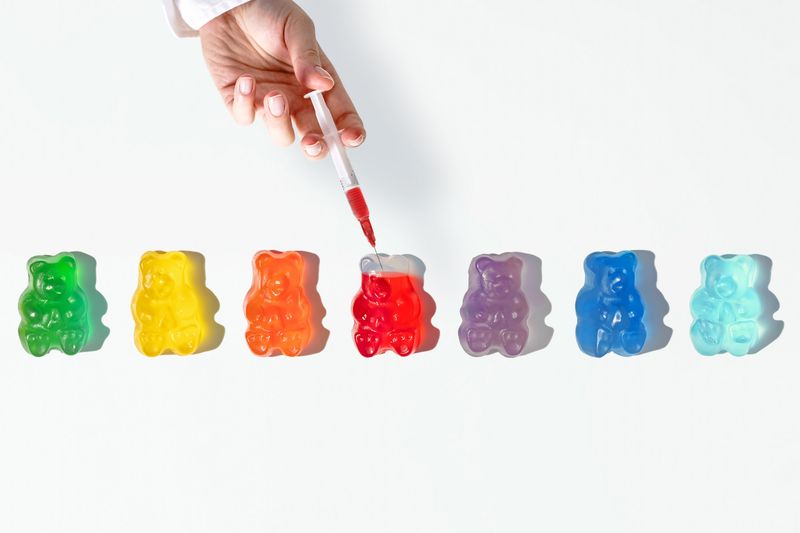
The rainbow of colors in your candy and cereal often comes from petroleum-derived dyes, which sounds alarming for good reason. The European Union requires warning labels on foods containing dyes like Yellow 5, Yellow 6, and Red 40, stating they may cause hyperactivity in children.
Some countries have gone further and banned them altogether.
Research has connected these dyes to behavioral problems and potential cancer risks. In the U.S., many of these same dyes are still used freely in popular snack foods.
7. Brominated Vegetable Oil (BVO)
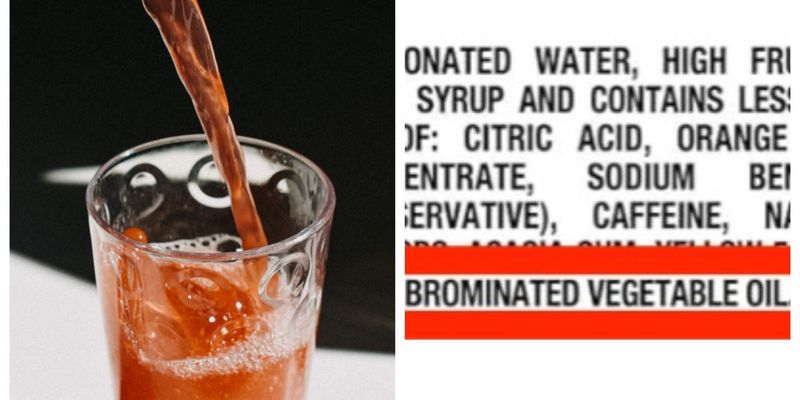
For decades, brominated vegetable oil quietly floated inside citrus-flavored sodas and sports drinks, keeping the liquid looking smooth and well-mixed. Japan and the EU banned it years ago after studies raised red flags about neurological damage.
The U.S. finally caught up and banned BVO in 2024.
High doses in animal studies caused memory problems and nerve damage, which was enough to alarm food safety experts worldwide. It is a good example of how different countries move at very different speeds when it comes to food safety.
8. BHA and BHT Preservatives
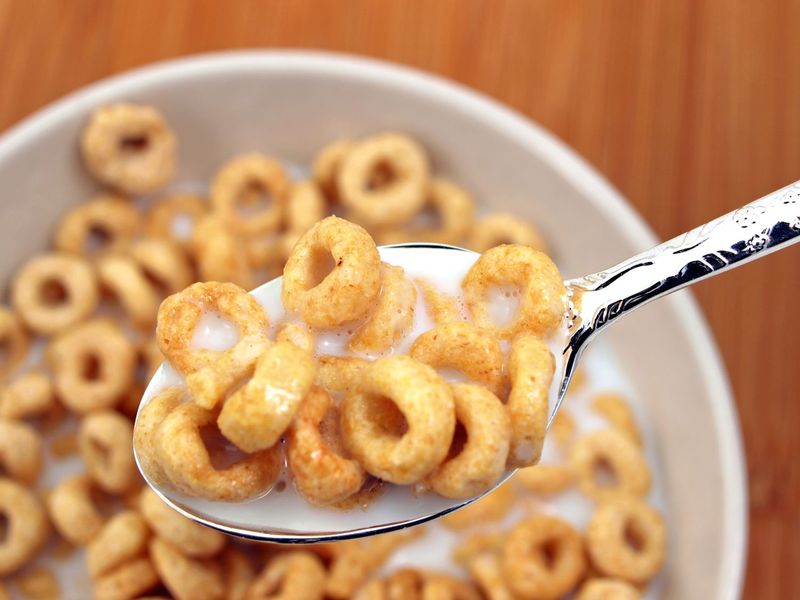
BHA and BHT are two chemical preservatives found in everything from breakfast cereals to potato chips. The European Union has banned both based on animal studies suggesting they could increase cancer risk.
They work by preventing fats in food from going rancid, which extends shelf life significantly.
Manufacturers love them because they are cheap and effective. However, when the science started pointing toward possible harm, Europe decided fresh food was worth more than a longer expiration date.
9. Dairy from rBST-Treated Cows
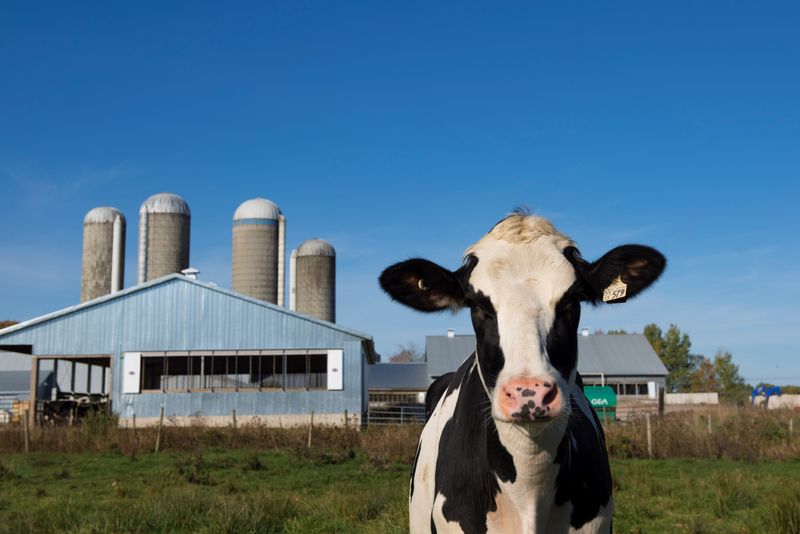
Recombinant bovine somatotropin, or rBST, is a synthetic hormone injected into dairy cows to boost their milk production. Europe and Canada have banned dairy products from rBST-treated cows, citing concerns about the welfare of the animals and potential effects on human health.
Cows treated with the hormone often suffer from infections and other complications.
The U.S. still allows rBST use, though some brands voluntarily label their milk as hormone-free. Consumer demand for cleaner dairy has been growing steadily.
10. Chlorine-Washed Chicken
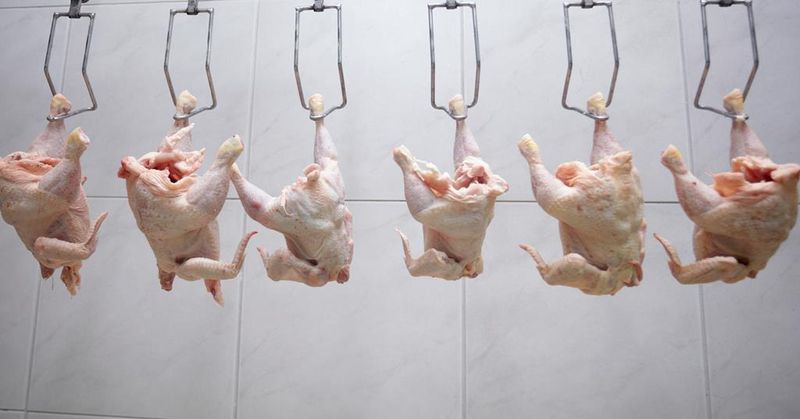
In the U.S., chicken is routinely rinsed in chlorinated water after slaughter to kill bacteria. Europe finds this practice deeply problematic.
The EU has banned chlorine-washed American chicken since the 1990s, arguing that the method is used as a shortcut to compensate for lower hygiene standards throughout the production process.
European regulators believe better farm and slaughterhouse conditions are the real solution. The debate has been a sticking point in U.S.-EU trade talks for many years.
11. High Fructose Corn Syrup
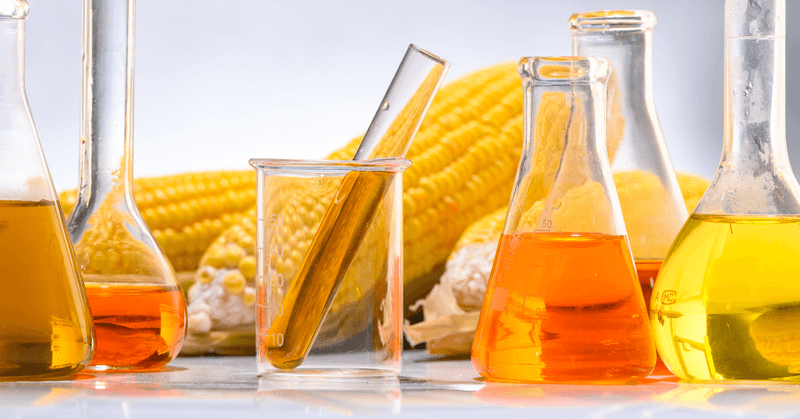
Walk through any American supermarket and high fructose corn syrup shows up in almost everything, from ketchup to bread to soda. Many countries, including those in the UK, have moved away from it or restricted its use in favor of regular sugar.
Health experts link high fructose corn syrup to obesity, type 2 diabetes, and fatty liver disease.
It became popular in the U.S. because corn subsidies made it incredibly cheap to produce. Other countries simply chose not to follow that path.
12. Titanium Dioxide in Food
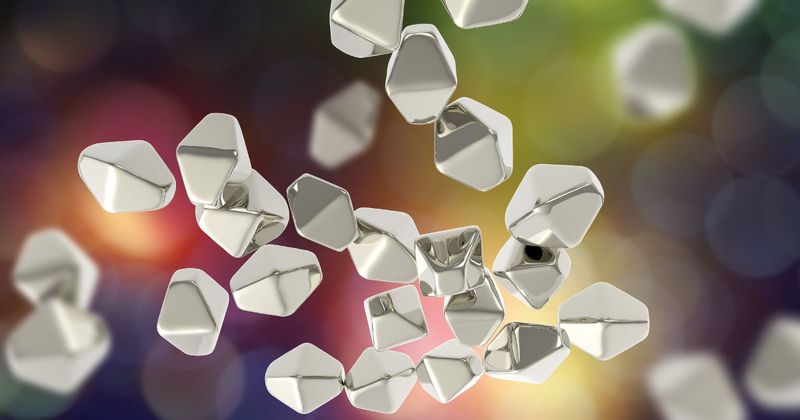
Titanium dioxide gives certain candies, frostings, and processed snacks their bright white color. The European Union banned it as a food additive in 2022, followed by Japan and parts of Asia and the Middle East.
Regulators determined it could not be proven safe, particularly because nanoparticles may accumulate in the body.
You might recognize it from sunscreen, where it is used on the skin rather than eaten. Putting it inside food is a different story entirely, and many scientists were glad to see the ban come through.
13. Horse Meat for Human Consumption
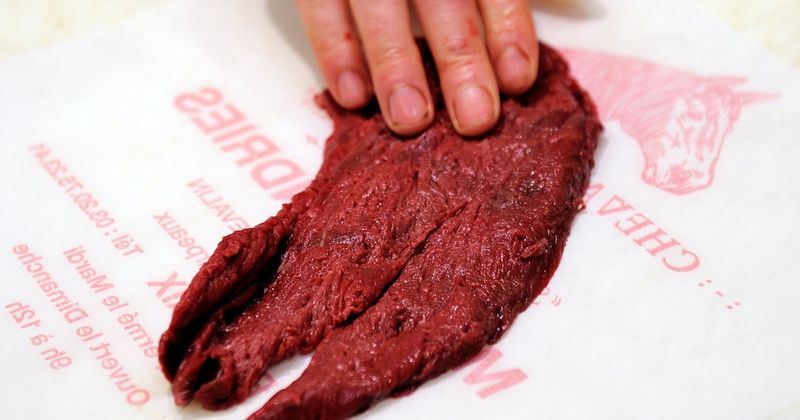
Horse meat is eaten in many parts of Europe and Asia, but selling it for human consumption in the U.S. is effectively illegal. A long-standing ban on federal funding for horse slaughter inspections has made domestic production impossible.
Cultural attitudes toward horses as companions rather than livestock play a big role in that stance.
A 2013 European scandal revealed horse meat secretly mixed into beef products, shocking consumers across the continent. The episode raised serious questions about food labeling and supply chain transparency worldwide.
14. Haggis
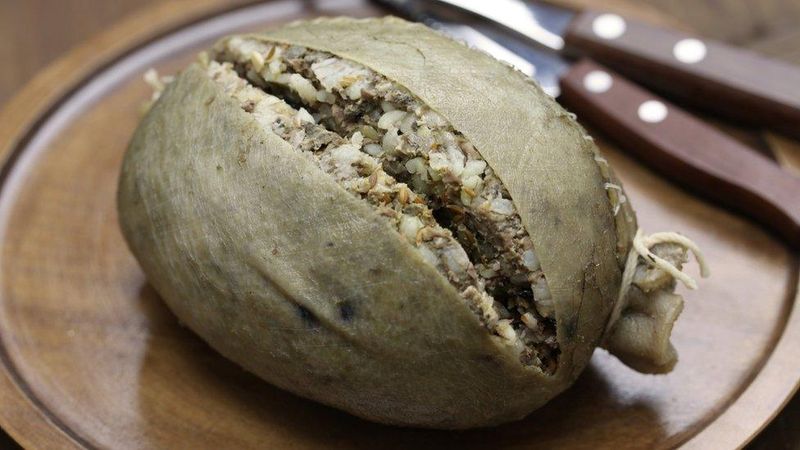
Scotland’s national dish, haggis, is a savory mix of sheep organs, oatmeal, onions, and spices cooked inside a sheep’s stomach. It sounds adventurous, but the real barrier to enjoying it in the U.S. is a 1971 law that banned sheep lungs as a food ingredient.
That ban remains firmly in place today.
Scottish communities in America have lobbied for years to get the law changed with no success. Burns Night celebrations in the U.S. require a modified, lung-free version that many Scots say just does not taste the same.
15. Sassafras as a Food Additive
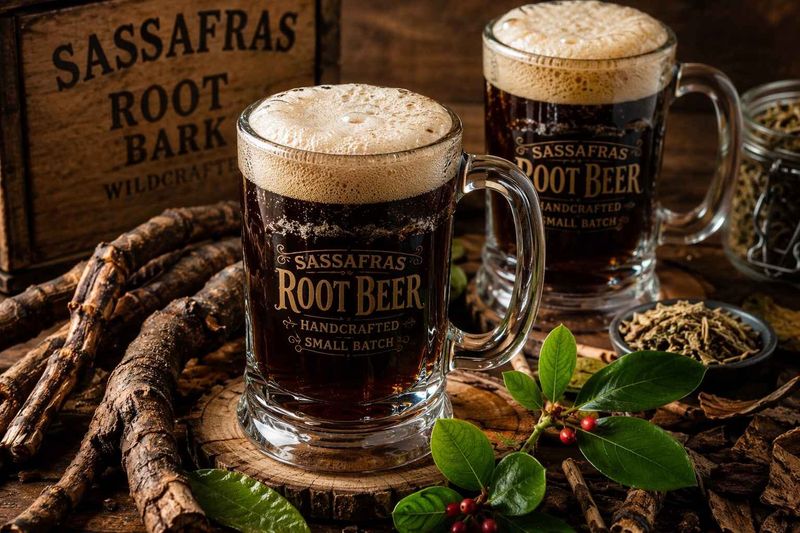
Sassafras root was once a beloved flavoring in old-fashioned root beer and herbal teas. The FDA banned it as a food additive back in 1960 after discovering that safrole, a compound found in sassafras oil, caused liver cancer in lab animals.
That was enough to pull it from the shelves permanently.
Old-school root beer fans might be surprised to learn their favorite drink once had a now-banned ingredient. Modern root beer uses artificial sassafras flavoring instead, which replicates the taste without the safrole.
16. Foie Gras
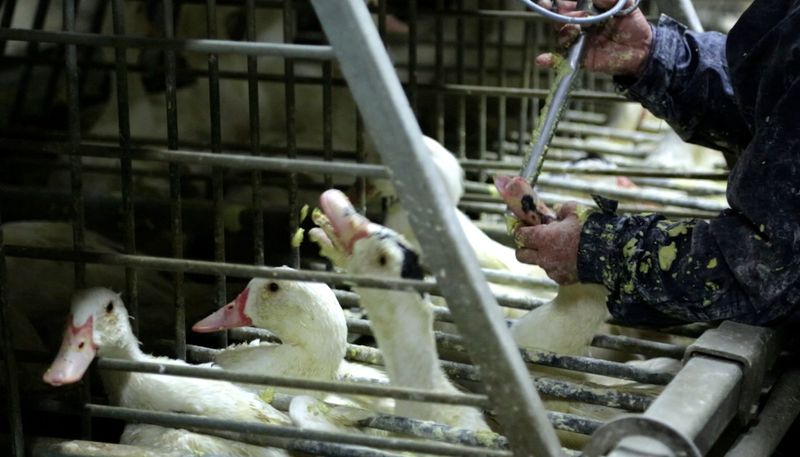
Foie gras is a French delicacy made from the fattened liver of a duck or goose, and it comes with serious controversy. California banned it in 2012 due to the force-feeding process used to enlarge the birds’ livers, which animal welfare groups call cruel and inhumane.
New York City followed with its own ban in 2019.
Several other countries, including the UK and Germany, have also restricted or banned its production. Chefs and food lovers continue to debate whether a luxury ingredient can justify the suffering involved in making it.
17. Unpasteurized Raw Milk
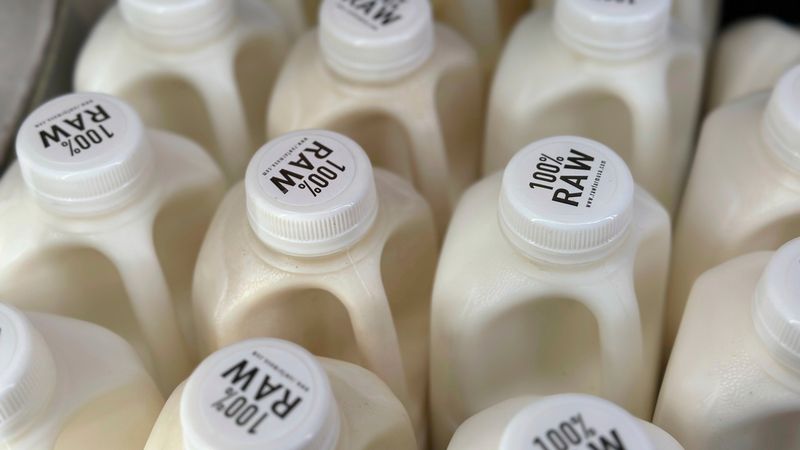
Raw milk straight from the cow has a passionate fan base that swears it tastes better and offers more nutrients. The federal government disagrees strongly enough to ban its sale across state lines.
Pathogens like E. coli, Listeria, and Salmonella can lurk in unpasteurized milk and cause serious illness, especially in children and elderly people.
Individual states have varying rules, with some allowing limited farm sales and others banning it outright. The raw milk debate sits at a fascinating crossroads between personal freedom and public health protection.
18. Unripe Ackee Fruit
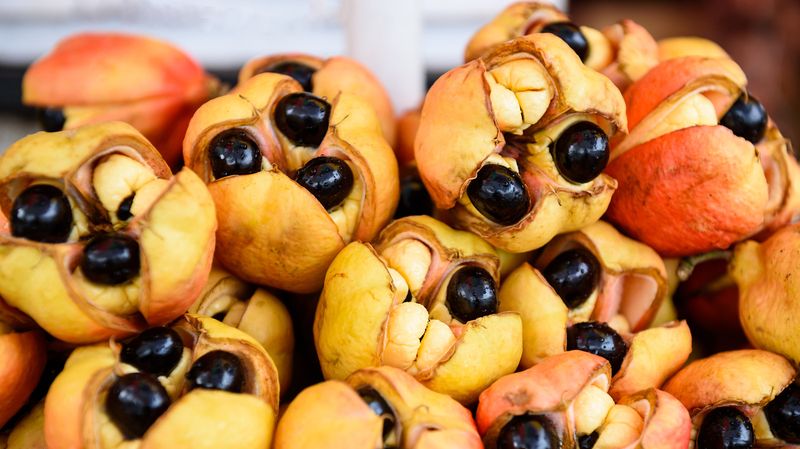
Ackee is the national fruit of Jamaica and a beloved part of Caribbean cooking, but eating it at the wrong time can land you in the hospital. Unripe ackee contains hypoglycin A and B, toxins that cause severe vomiting and can even be fatal.
The FDA restricts fresh ackee imports into the U.S. for exactly that reason.
Only properly ripened and prepared ackee is allowed in canned form. Jamaican cooks know exactly when the fruit is safe to eat, but the rules exist to protect people who might not know the difference.
19. Kinder Surprise Eggs (Original Version)
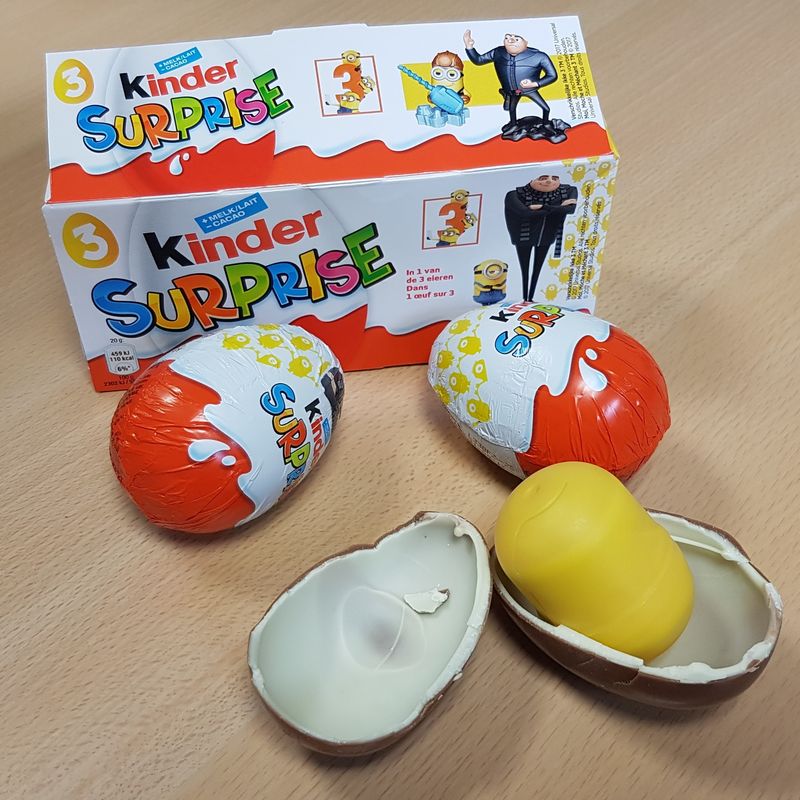
Kids across Europe and Canada have been cracking open Kinder Surprise eggs for decades, thrilled to find a tiny plastic toy hidden inside the chocolate shell. In the U.S., however, that same egg is banned.
A law from 1938 prohibits embedding non-edible objects inside candy, citing choking hazards for young children.
Customs agents have actually confiscated Kinder eggs at the border. Ferrero eventually created a U.S.-friendly version called Kinder Joy, where the toy and chocolate are separated into two halves, keeping the fun while following the rules.
20. Casu Marzu (Maggot Cheese)
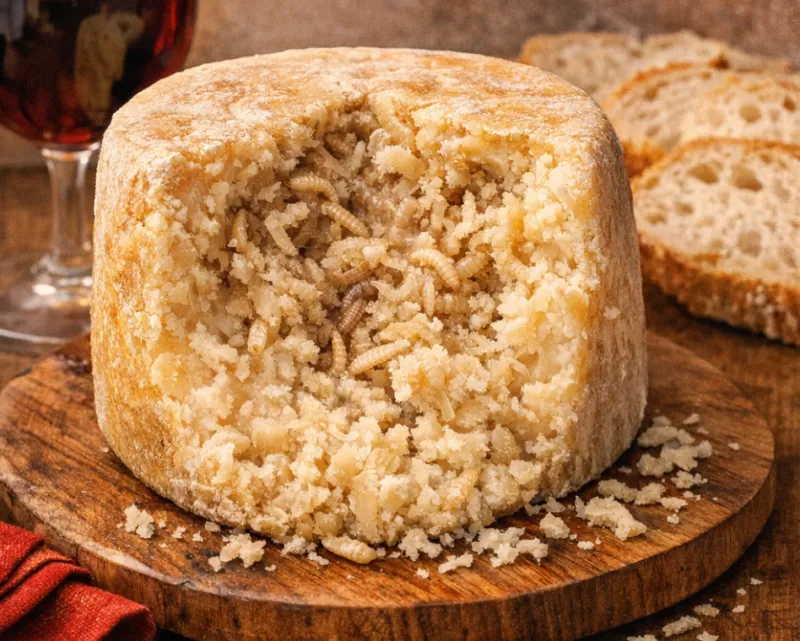
Casu Marzu is not your average cheese board selection. This traditional Sardinian delicacy is made by allowing fly larvae to live inside and break down the cheese as it ages, creating an intensely soft, pungent texture.
The larvae are sometimes still alive and jumping when the cheese is served.
Health regulators in the U.S. and most of the world have banned it outright due to concerns about live insects in food and the risk of intestinal myiasis. In Sardinia, it is considered a rare cultural treasure, sold quietly on the black market.