
Back in the day, parents cooked and served meals that would raise a lot of eyebrows today. From sugar-loaded snacks to questionable canned goods, feeding kids looked very different a few decades ago.
Many of these foods were simply part of everyday life, with little thought given to nutrition labels or health risks. Looking back, it is both funny and eye-opening to see what ended up on the dinner table.
1. Bologna Sandwiches
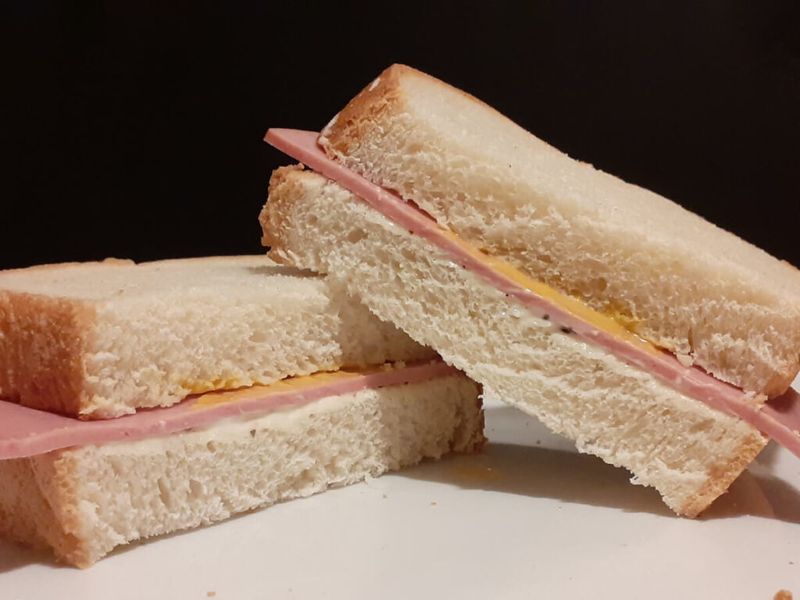
Few lunches were as reliable in the 1970s and 80s as a thick-cut bologna sandwich slapped between two slices of white bread. Parents tossed it in a lunchbox without a second glance.
What they did not know then was how much sodium and processed meat was packed into every slice.
Today, nutritionists flag processed meats as something kids should eat sparingly. Back then, it was just Tuesday lunch.
2. Canned Spaghetti
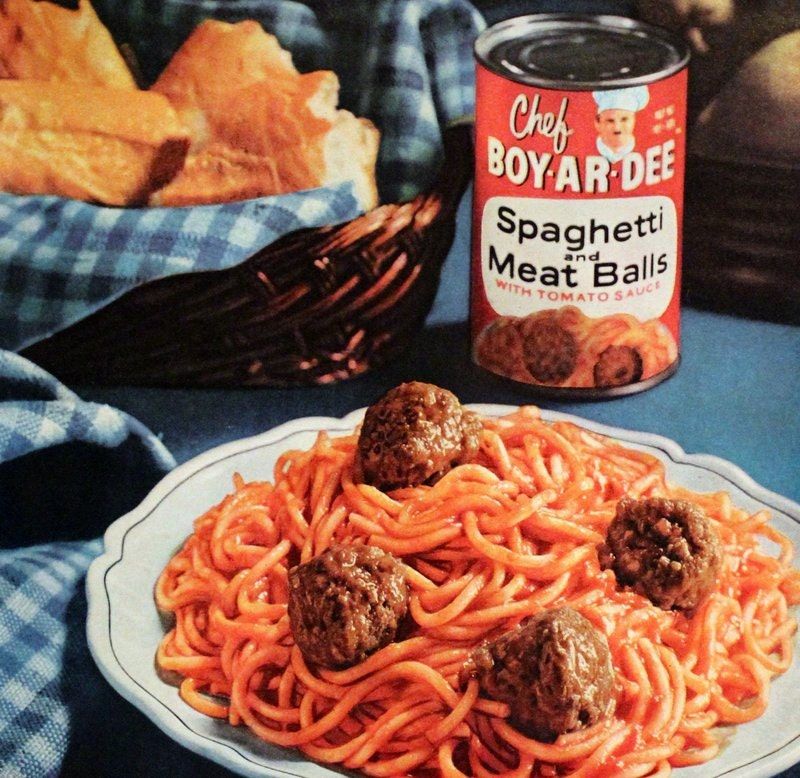
Opening a can of spaghetti and heating it up on the stove felt like real cooking to many parents in past decades. Brands like Chef Boyardee were household staples, trusted without question.
The sweet, tomato-flavored sauce and soft noodles made kids happy, and that was enough.
What nobody talked about was the high sugar content and low nutritional value hiding in every spoonful. It was comfort food with a lot of hidden baggage.
3. Tang Drink Mix
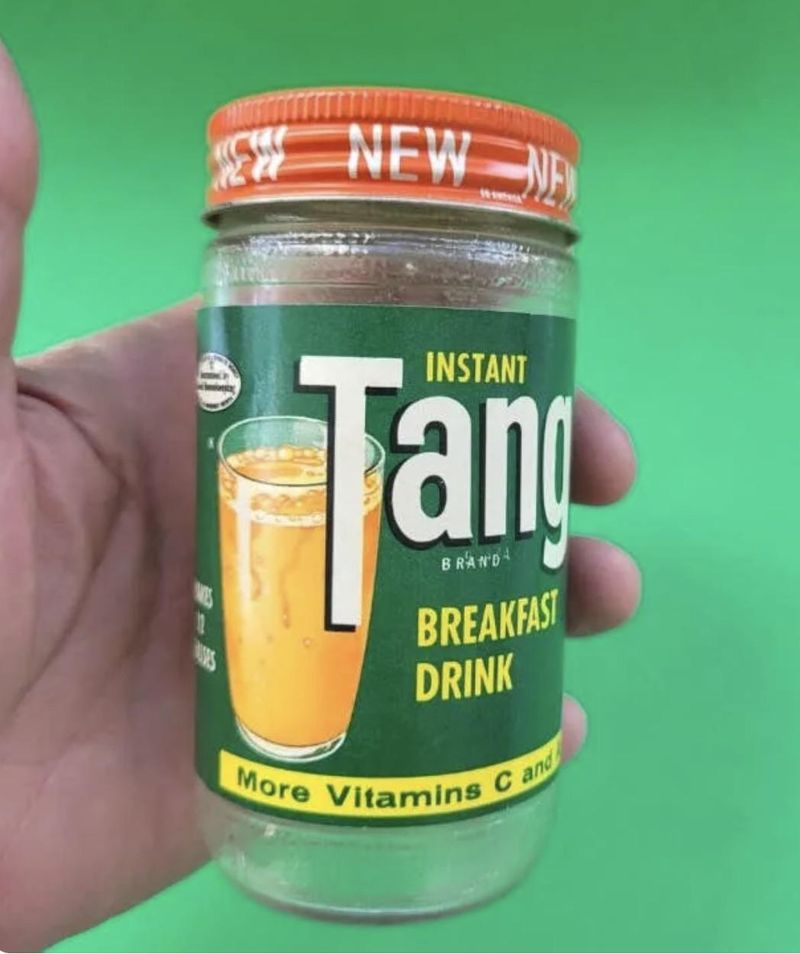
Tang was practically considered a health drink by many parents because it claimed to have vitamin C. Mixed with water, it turned a vivid orange and kids absolutely loved it.
The idea that astronauts drank it made it feel even more exciting and trustworthy.
In reality, Tang is mostly sugar with a splash of artificial flavoring. Compared to actual orange juice, it offers very little real nutrition, something most parents simply did not stop to consider.
4. Hot Dogs Straight from the Pack

Hot dogs straight from the package, sometimes not even fully heated, were a totally normal snack in many households. Parents saw them as a quick protein fix, easy to prepare and even easier for kids to eat.
Nobody was reading the ingredient list on the back of the package.
Hot dogs are loaded with nitrates, sodium, and fillers that health experts now consider risky for growing children. But back then, convenience won every time.
5. Sugar Cereals for Breakfast
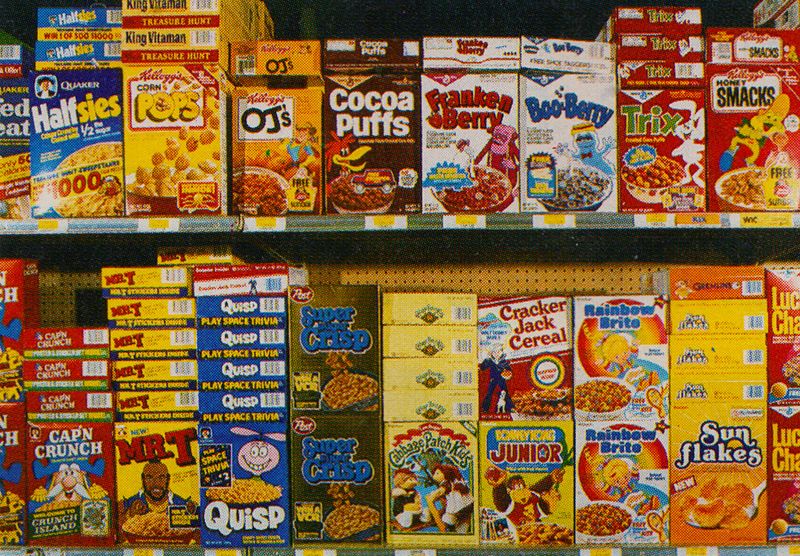
Breakfast cereals like Froot Loops, Count Chocula, and Cocoa Puffs were considered a perfectly reasonable way to start the school day. The box said it had vitamins, so parents felt good about pouring a heaping bowl.
Kids were thrilled, and mornings ran smoother because of it.
Some of these cereals contained more sugar per serving than a candy bar. Nutritionists today recommend whole grain, low-sugar options instead, but the nostalgia is hard to shake.
6. Jell-O with Canned Fruit
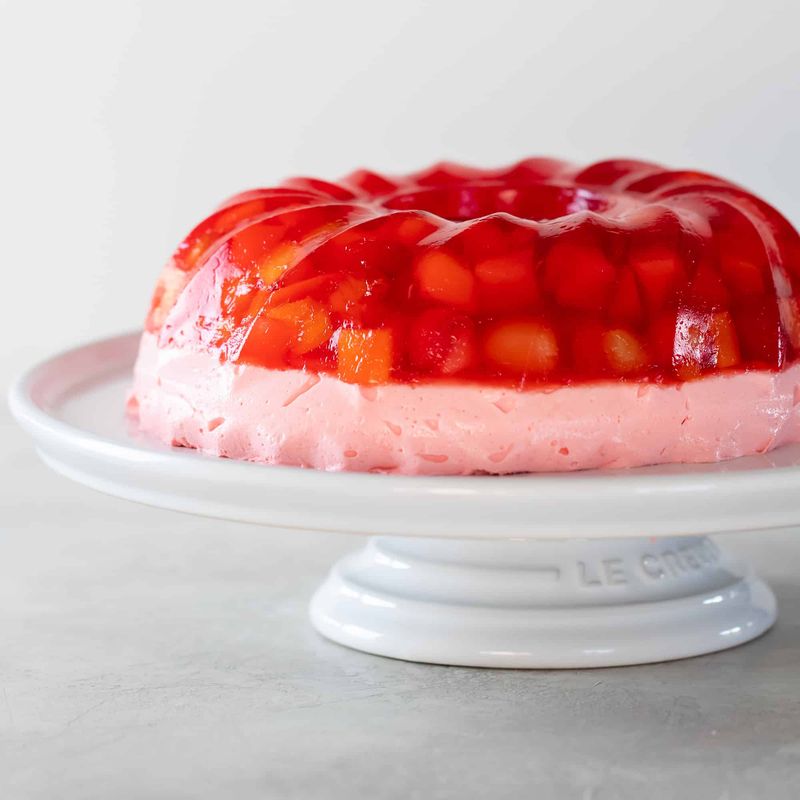
Jell-O molds packed with canned fruit were considered an elegant and wholesome side dish for decades. Mothers would prepare them the night before, proud to serve something colorful and fun.
It looked cheerful on the table and kids scooped it up eagerly.
Canned fruit in syrup adds a lot of extra sugar, and gelatin itself has very little nutritional benefit. Still, it was a beloved staple that felt festive and harmless at the time.
7. Kool-Aid by the Pitcher
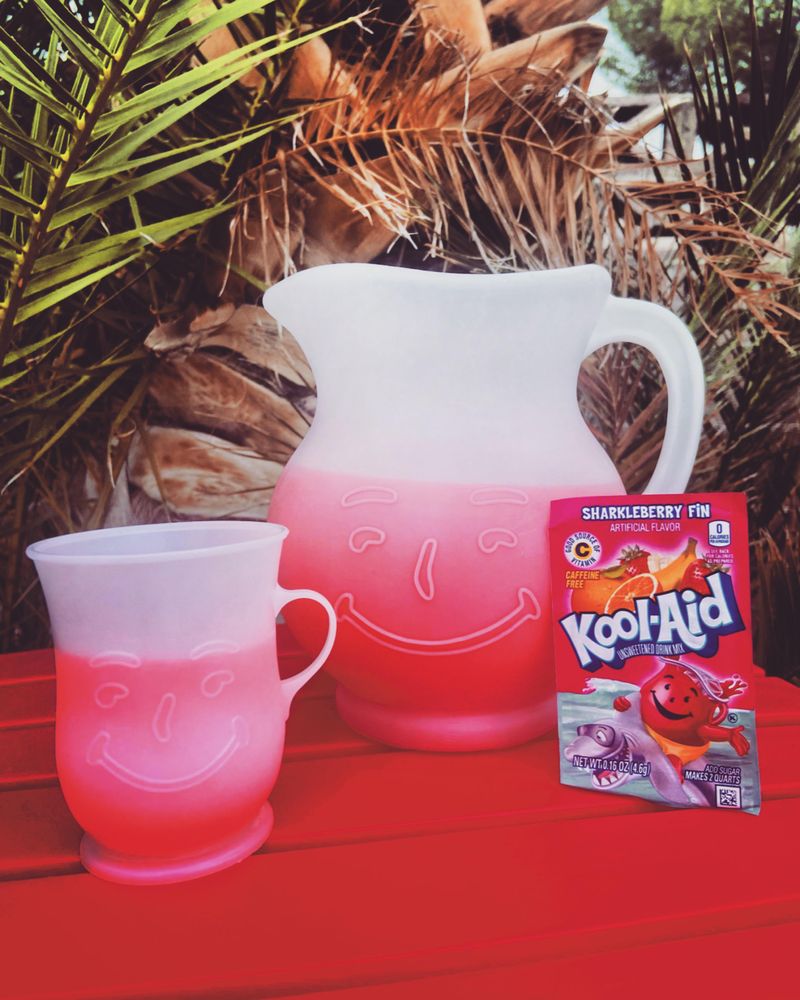
Nothing said summer like a sweating pitcher of Kool-Aid sitting on the kitchen counter. Parents mixed it up by the gallon, often adding more sugar than the packet even called for, and kids drank cup after cup without anyone worrying too much about it.
A single serving of Kool-Aid can carry as much sugar as a soda. Dentists today cringe at the thought, but for many kids growing up in the 70s and 80s, it was an everyday drink.
8. Spam Slices
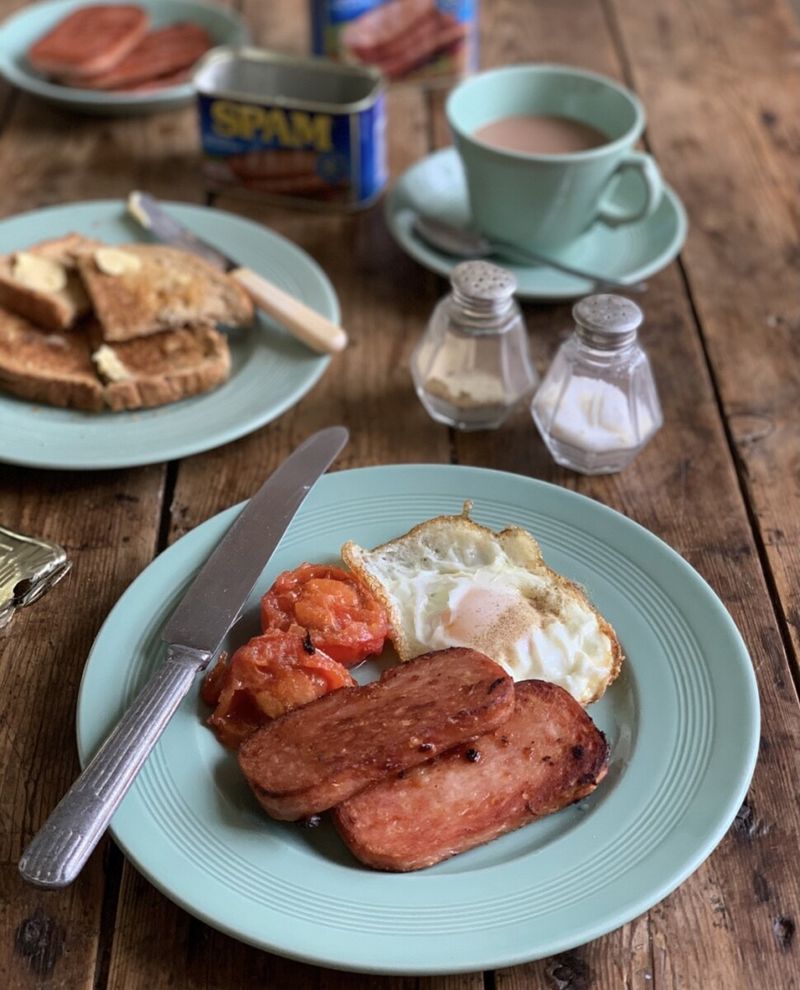
Spam found its way onto the plates of children across America for generations, fried up in a pan or served cold on crackers. It was cheap, shelf-stable, and required almost no effort to prepare.
Parents in the postwar era especially relied on it as a dependable protein source.
Spam is extremely high in sodium and saturated fat. Modern dietary guidelines would not recommend it as a regular part of a child’s diet, but it fed millions of families without complaint.
9. Margarine on Everything
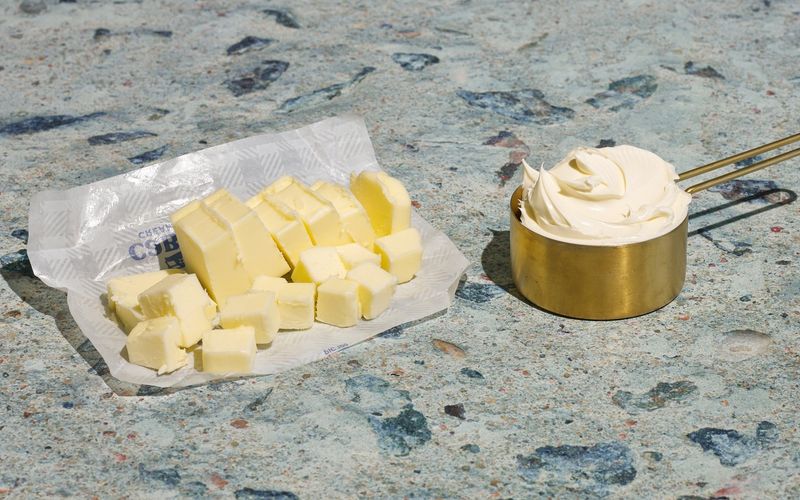
Margarine was once considered the healthier alternative to butter, and parents spread it generously on bread, vegetables, and toast for their kids every single day. Food scientists and government guidelines backed it up, so families felt confident they were making the smart choice.
Later research revealed that margarine is full of trans fats, which are now linked to heart disease. The health advice flipped completely, leaving many parents wondering what they had actually been feeding their children all those years.
10. Peanut Butter and Marshmallow Fluff Sandwiches
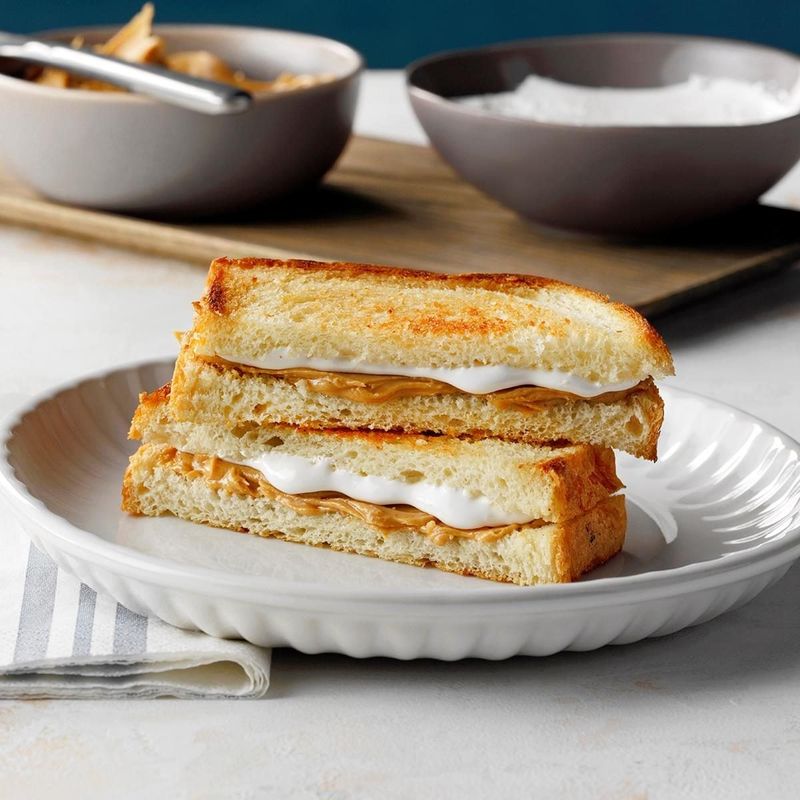
The Fluffernutter sandwich was a lunchbox legend. Parents packed it without hesitation because peanut butter had protein and, well, kids loved it.
The gooey, sweet combination felt like a treat that doubled as a meal, which made everyone happy at noon.
Marshmallow Fluff is essentially pure sugar with almost no nutritional value. Paired with peanut butter on white bread, it was a sugar and calorie bomb that most parents today would think twice about sending to school.
11. TV Dinners
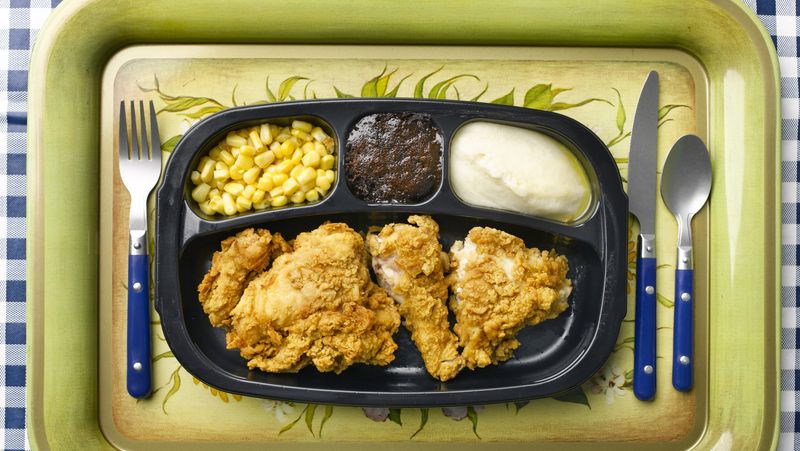
TV dinners were a modern miracle when they first appeared. Parents could slide a foil tray into the oven and have dinner ready in under an hour, no real cooking required.
Kids loved eating in front of the television, making it feel like a special occasion every time.
These meals were notoriously high in sodium, preservatives, and artificial ingredients. They were designed for convenience, not nutrition, but for busy families in the 1960s and 70s, that tradeoff seemed perfectly reasonable.
12. Velveeta Cheese Sauce
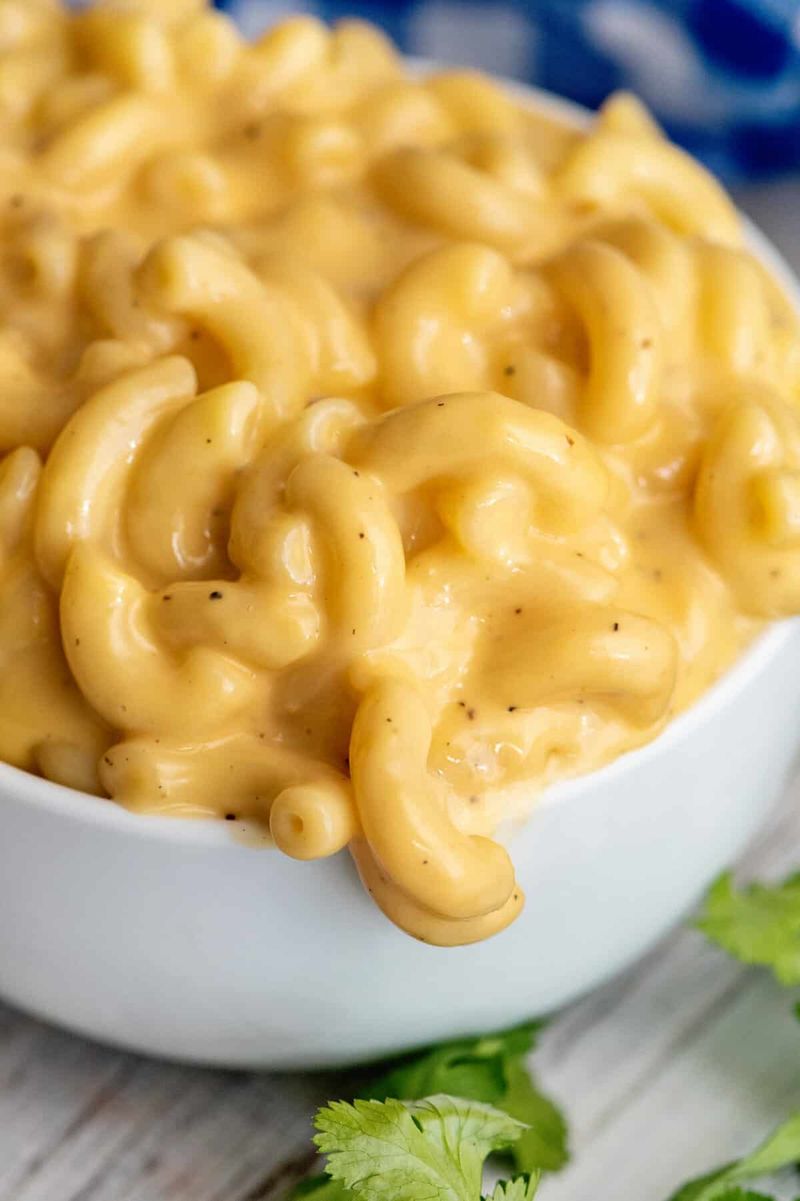
Velveeta was the go-to cheese product for generations of parents who wanted a quick, creamy sauce that kids would actually eat. Melted over pasta or vegetables, it created a silky, golden coating that felt indulgent and satisfying.
It was easy, reliable, and universally loved by picky eaters.
Velveeta is a processed cheese product, not real cheese, and it contains significant amounts of sodium and artificial ingredients. Still, it remains a nostalgic comfort food for millions of adults who grew up eating it.
13. White Bread with Every Meal

White bread was simply bread. Nobody questioned it.
Every sandwich, every dinner roll, every slice of toast was made from soft, fluffy white bread, and parents served it without a single concern. It was affordable, kids ate it happily, and it filled up little stomachs quickly.
Nutritionists now recommend whole grain bread because white bread spikes blood sugar and offers very little fiber or nutrients. The switch has been slow, largely because white bread is still deeply woven into food culture everywhere.
14. Sugary Fruit Punch Juice Boxes
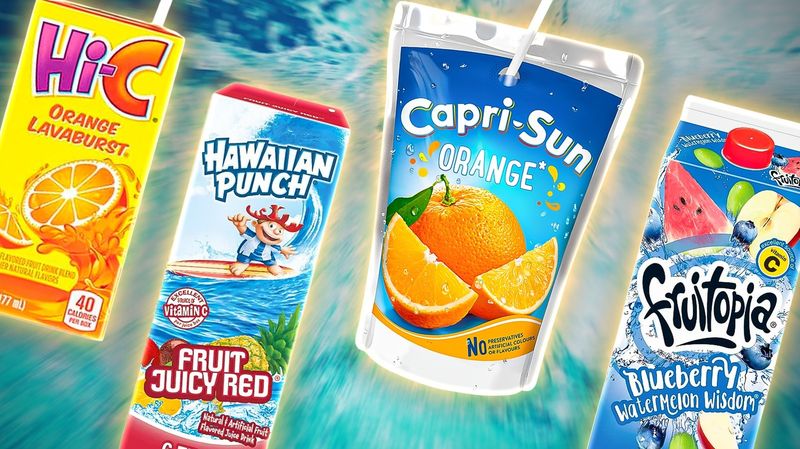
Juice boxes seemed like the perfect children’s drink because the word “fruit” was right there on the label. Parents tucked them into lunchboxes by the millions, confident that kids were getting something wholesome and natural.
The small size made them feel harmless and portion-controlled.
Many fruit punch juice boxes contain very little actual juice and are mostly sweetened water with artificial colors. Dentists and pediatricians now recommend water or real juice in limited amounts instead.
15. Canned Soup as a Full Meal
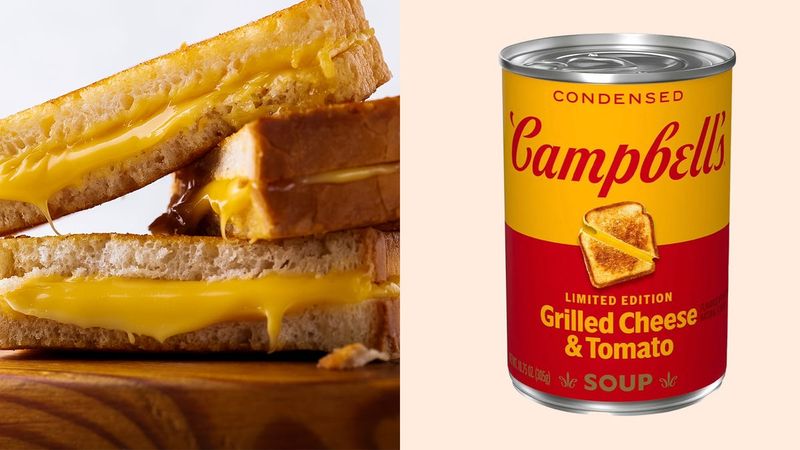
Campbell’s tomato soup paired with a grilled cheese sandwich was practically a sacred childhood meal for decades. Parents heated it up from the can, added a little milk or water, and called it a balanced lunch.
It was warm, filling, and kids never complained about it.
Canned soups are notoriously high in sodium. A single can can contain more than half the recommended daily sodium intake for a child, something most parents in the 1970s and 80s never stopped to check.
16. Candy Cigarettes
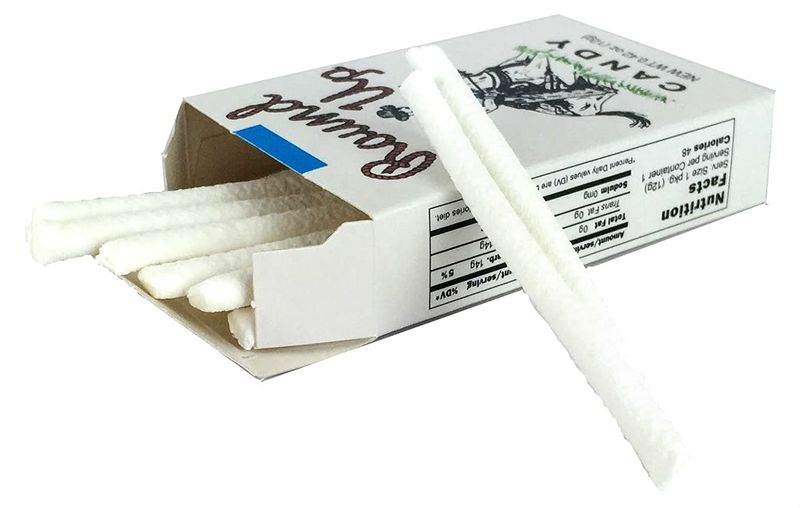
Candy cigarettes were sold in little white paper boxes that mimicked real cigarette packs, complete with a red-tipped sugar stick. Parents bought them for their kids at the corner store without a second thought, viewing them as just another novelty candy.
Kids loved pretending to smoke them on the playground.
Child health advocates eventually raised serious concerns about normalizing smoking behavior in children through candy. Many countries have since banned them, though they can still be found in some specialty shops.
17. Canned Vienna Sausages
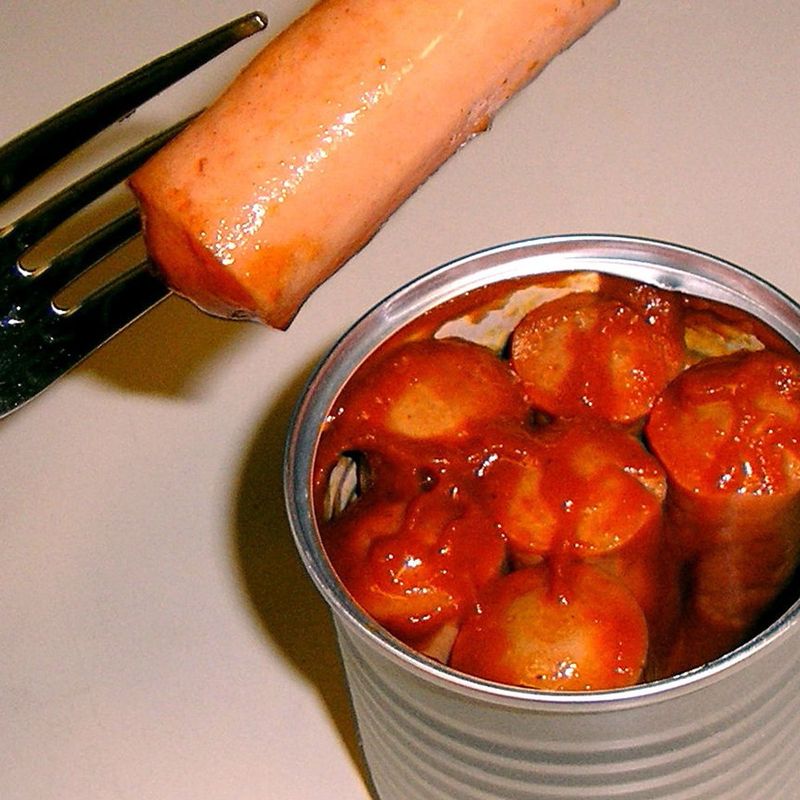
Crack open a can of Vienna sausages and you had an instant snack or meal component that kids seemed to genuinely enjoy. Parents served them cold, straight from the can, or warmed up with a side of beans.
They were cheap, easy, and required zero preparation or cleanup.
Vienna sausages are heavily processed and packed with sodium and preservatives. They fall into the same category as hot dogs and bologna, foods that modern guidelines suggest limiting in children’s diets significantly.
18. Whole Milk with Every Meal
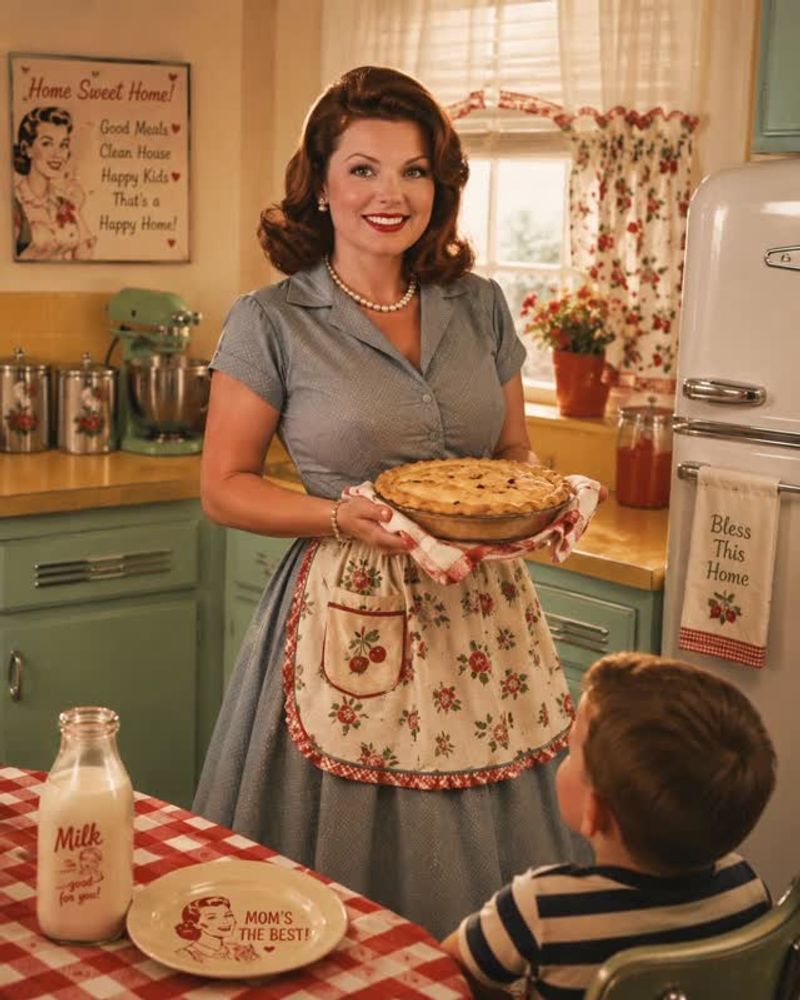
Whole milk was non-negotiable in most households for decades. Pediatricians recommended it, schools served it, and parents poured tall glasses of it three times a day.
It was seen as the cornerstone of a healthy childhood, essential for strong bones and proper growth.
Current guidelines now suggest switching children over age two to lower-fat milk options. While dairy is still considered valuable, the push for whole milk at every meal has softened considerably compared to how it was once promoted.
19. Sugary Breakfast Pastries
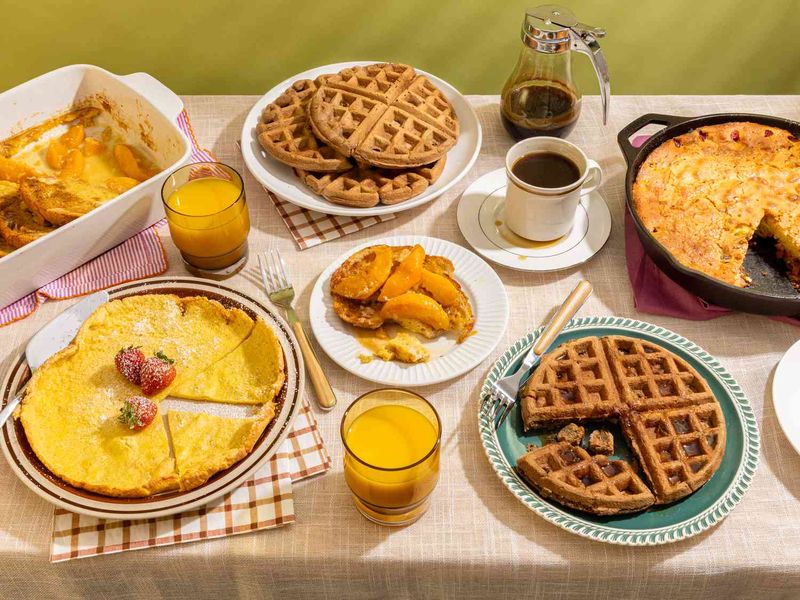
Pop-Tarts and similar toaster pastries were a breakfast revolution. Parents loved them because they were fast, kids loved them because they tasted like dessert, and nobody asked too many questions about what was actually inside.
Toss one in the toaster and breakfast was done in two minutes flat.
Most frosted toaster pastries are made with refined flour, artificial colors, and a surprising amount of sugar. Nutrition experts classify them closer to cookies than actual breakfast food, but convenience kept them popular for decades.
20. Luncheon Meat Rolls
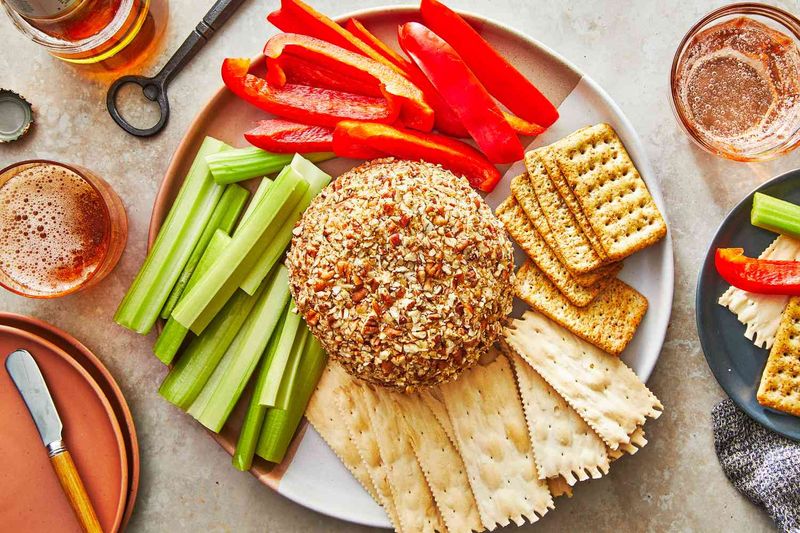
Rolling up slices of luncheon meat and stacking them on a plate with crackers was a common after-school snack or party appetizer that parents prepared without any nutritional hesitation. It felt like a fun, finger-food version of a real meal, and kids grabbed them eagerly from the platter.
Luncheon meat is another heavily processed food loaded with sodium, nitrates, and preservatives. Health guidelines today recommend limiting processed meats for both children and adults as much as possible.