
Food banks help millions of families put meals on the table every single day. Whether someone has lost a job, faced a medical emergency, or is simply struggling to make ends meet, these organizations provide real relief.
Knowing what to donate can feel overwhelming, but the right items go a long way. Here are 20 donations that truly make a difference for people in need.
1. Canned Beans
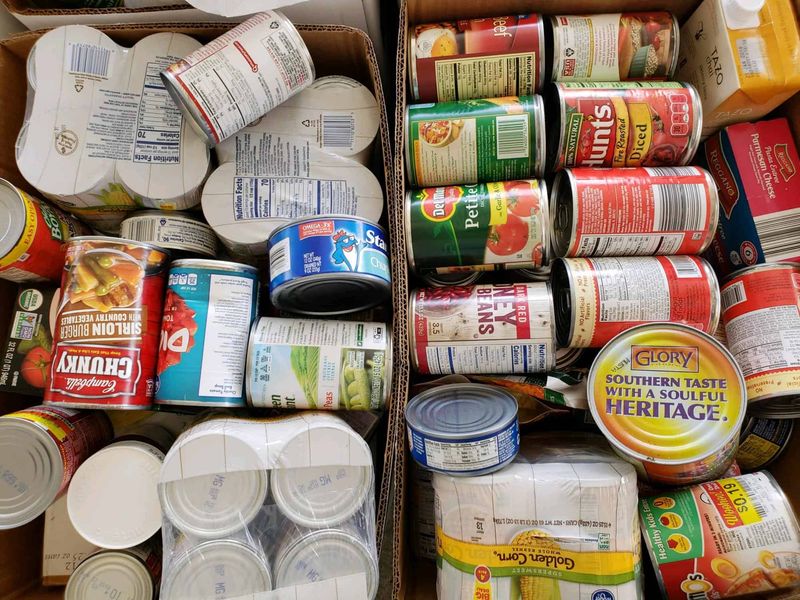
Canned beans are one of the most valuable items you can drop into a food bank box. Packed with protein and fiber, they help families stay full and energized without breaking the bank.
Black beans, kidney beans, pinto beans, and chickpeas are all welcome choices.
They require no refrigeration, have a long shelf life, and are incredibly versatile. One can of beans can stretch into soups, stews, salads, or side dishes, making them a true staple for any household.
2. Peanut Butter
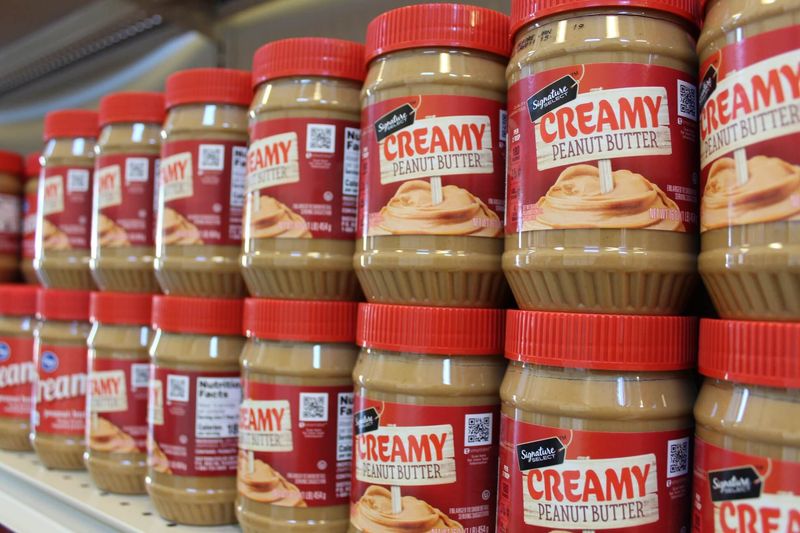
Few foods pack as much nutrition into a single jar as peanut butter. It is loaded with healthy fats, protein, and calories, which makes it especially valuable for families who need filling, energy-rich meals.
Food banks consistently rank it among their most-requested items.
Kids love it, adults rely on it, and it pairs with almost anything. A jar of peanut butter can become a quick lunch, a snack, or even a protein boost stirred into oatmeal.
It truly earns its place on the shelf.
3. Canned Tuna or Salmon
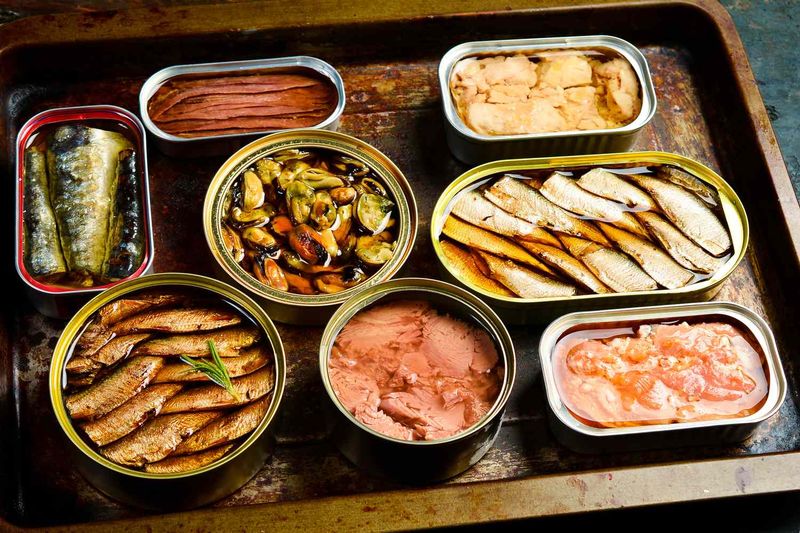
Canned fish is a powerhouse donation that often gets overlooked. Tuna and salmon are rich in protein and omega-3 fatty acids, nutrients that support heart health and brain function.
For families without easy access to fresh seafood, these cans are a genuine gift.
They are ready to eat, require no cooking, and work well in sandwiches, pasta, and salads. Donating a few cans of tuna or salmon means someone gets a nutritious, satisfying meal without any fuss or extra expense.
4. Whole Grain Pasta
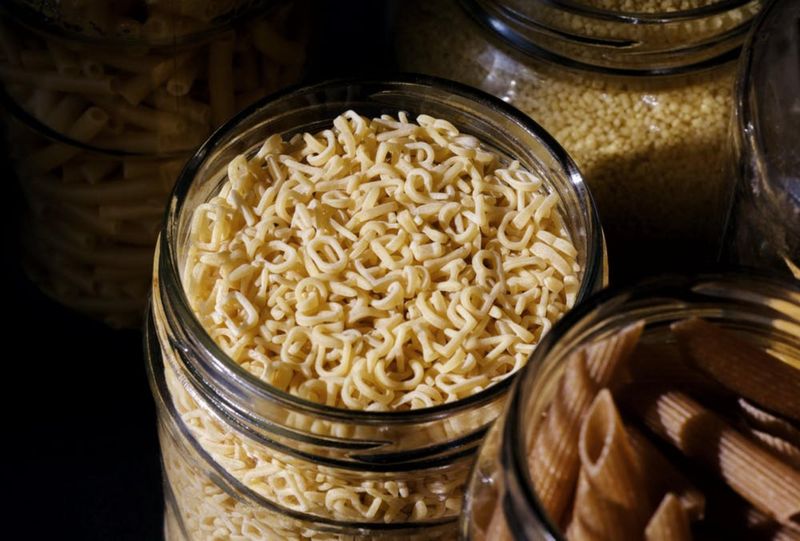
Pasta is practically a universal comfort food, and whole grain versions add a healthy twist to a classic pantry staple. Whole grain pasta provides more fiber and nutrients than regular white pasta, helping people feel fuller for longer after each meal.
It is affordable, easy to prepare, and pairs with almost any sauce or protein. A single bag can feed an entire family, which is exactly why food banks love receiving it.
Stock up and donate a few bags whenever you can.
5. Brown Rice
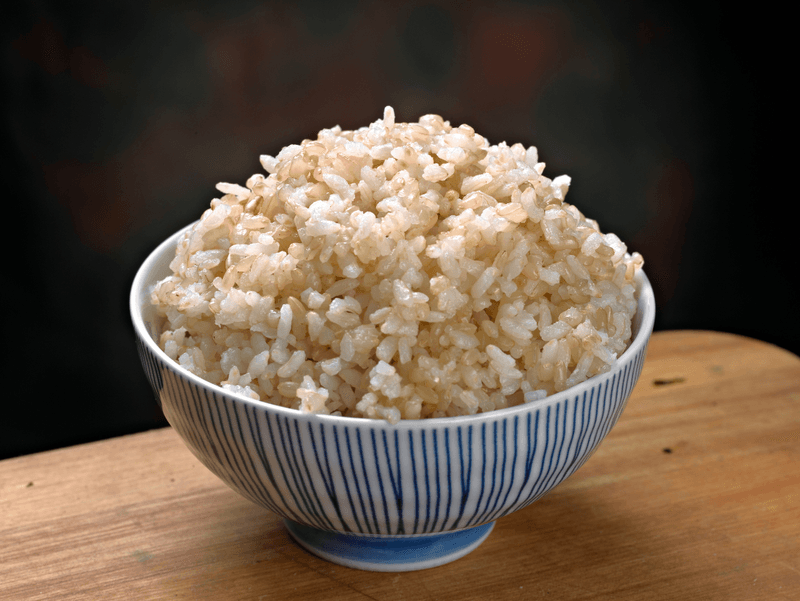
Brown rice is a nutritional step up from white rice, offering more fiber, vitamins, and minerals per serving. It is a filling, budget-friendly grain that forms the base of countless meals across many cultures.
Food banks appreciate it because it goes a long way and stores well.
Families can use it in stir-fries, soups, casseroles, or simply alongside canned beans and vegetables. Donating brown rice means you are giving someone the foundation of a healthy, satisfying meal every single time they reach for it.
6. Canned Vegetables
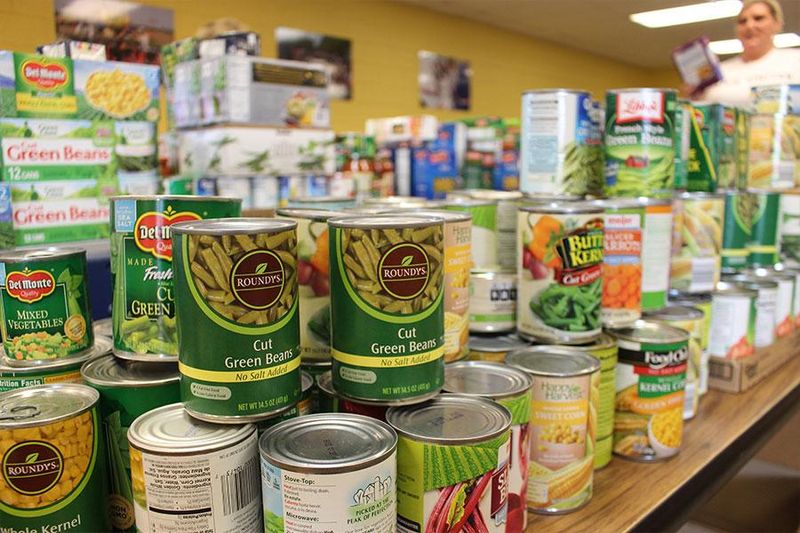
Getting enough vegetables is a real challenge for families relying on food assistance. Fresh produce spoils quickly and can be expensive, so canned vegetables fill a critical gap.
Corn, green beans, peas, diced tomatoes, and carrots are all excellent choices to donate.
Canned veggies are precooked and ready to heat, making mealtime faster and easier for busy or exhausted caregivers. They add color, nutrition, and flavor to simple dishes.
A few extra cans in your cart can mean a more balanced plate for someone who truly needs it.
7. Canned Soup
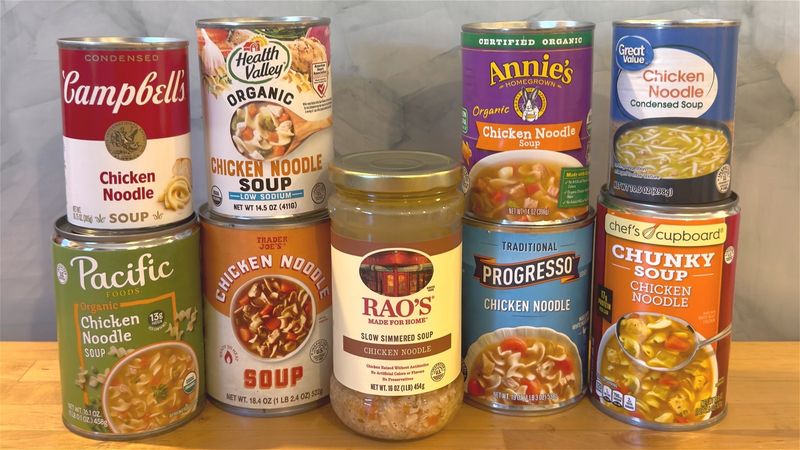
On a cold day, a bowl of warm soup can feel like a hug. Canned soups are quick, comforting, and require almost no preparation, which makes them perfect for people who are tired, unwell, or short on time and cooking supplies.
Low-sodium options are especially appreciated because they are healthier for children and older adults. Chicken noodle, tomato, lentil, and minestrone are all popular varieties at food banks.
Tossing a few cans into your donation bag is one of the simplest acts of kindness you can offer.
8. Oatmeal
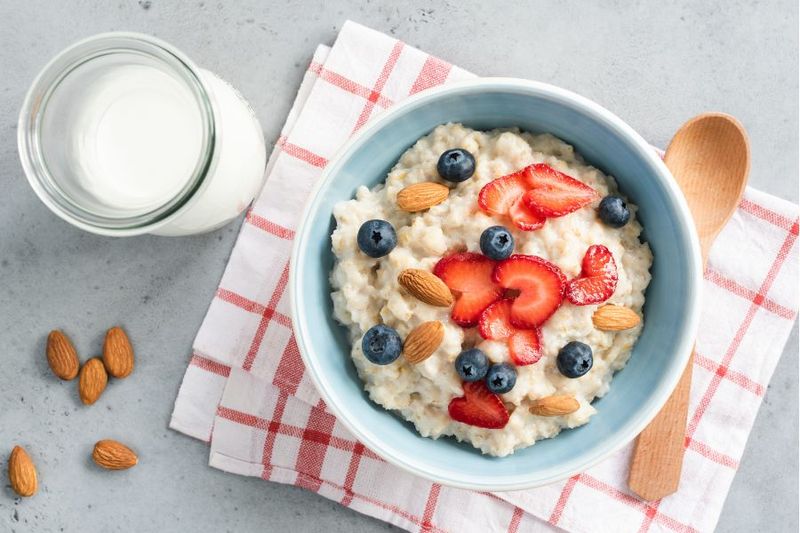
Breakfast is often the hardest meal to cover when food is scarce, and oatmeal is one of the best solutions out there. It is warm, filling, and packed with fiber that keeps hunger at bay through the morning hours.
Even kids tend to enjoy a good bowl of oatmeal.
Plain rolled oats are the most versatile option since families can sweeten them however they like. Instant oatmeal packets are also convenient for households without much cooking time.
Either way, oatmeal is a gift that starts someone’s day on a solid, nourishing note.
9. Baby Food and Formula

Parents of infants face unique challenges when food is tight. Baby formula and jarred baby food are expensive, and running out is not an option when a tiny person depends on them completely.
Food banks that stock these items provide enormous relief to young families.
If you can afford to donate formula or baby food, please do. These are among the most urgently needed yet least frequently donated items at food pantries.
Even one can of formula or a small box of baby cereal can make a world of difference for a struggling parent.
10. Cooking Oil

Here is something most people never think to donate: cooking oil. Yet it is used in almost every recipe, from sauteing vegetables to baking bread.
Without it, even a fully stocked pantry of dry goods becomes much harder to turn into real meals.
Vegetable oil, canola oil, and olive oil are all useful. Smaller bottles are easier for food banks to distribute and store.
This practical donation quietly powers hundreds of home-cooked meals and deserves far more attention than it typically gets from donors.
11. Canned Fruit
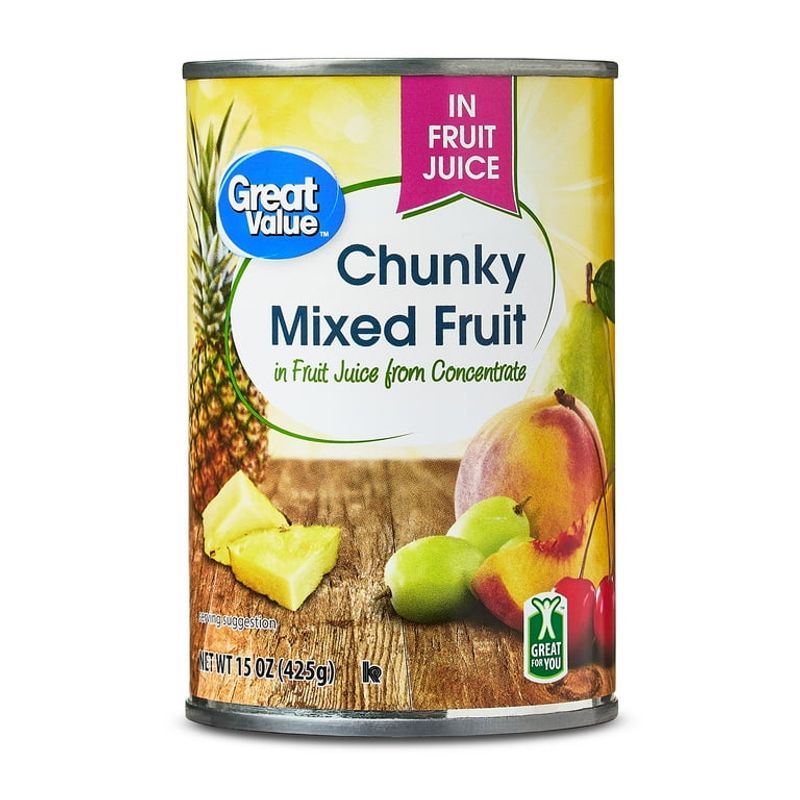
Sweet, ready-to-eat fruit in a can might seem like a small thing, but for kids who rarely get fresh produce, it is a genuine treat. Canned peaches, pears, mandarin oranges, and mixed fruit all bring natural sweetness and important vitamins to the table.
Look for varieties packed in juice rather than heavy syrup, as they contain less added sugar. Canned fruit works as a snack, a dessert, or a side dish.
Donating a few cans adds variety and a little joy to meals that might otherwise feel monotonous.
12. Shelf-Stable Milk
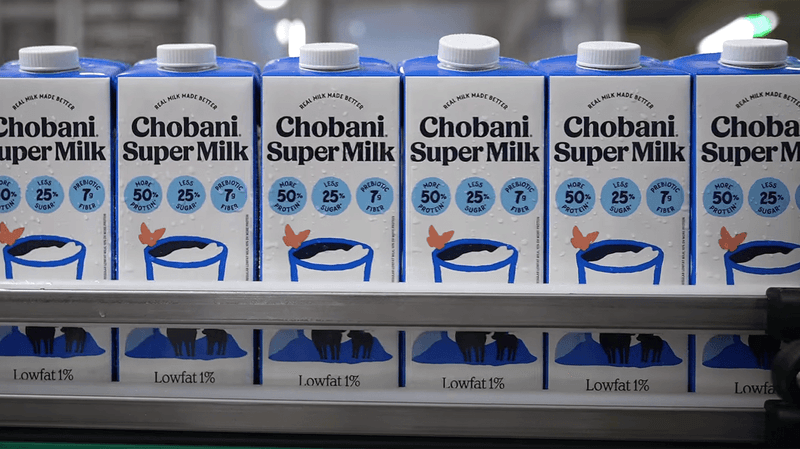
Milk is essential for growing children, but it spoils quickly and costs more than many families can manage consistently. Shelf-stable milk, also called UHT milk, solves that problem beautifully.
It does not need refrigeration until opened and lasts for months on the shelf.
Both dairy and plant-based versions like oat or soy milk are welcome at most food banks. Donating shelf-stable milk means kids get the calcium and vitamin D their developing bodies need, even when fresh groceries are out of reach.
It is a small carton with a big impact.
13. Dried Lentils
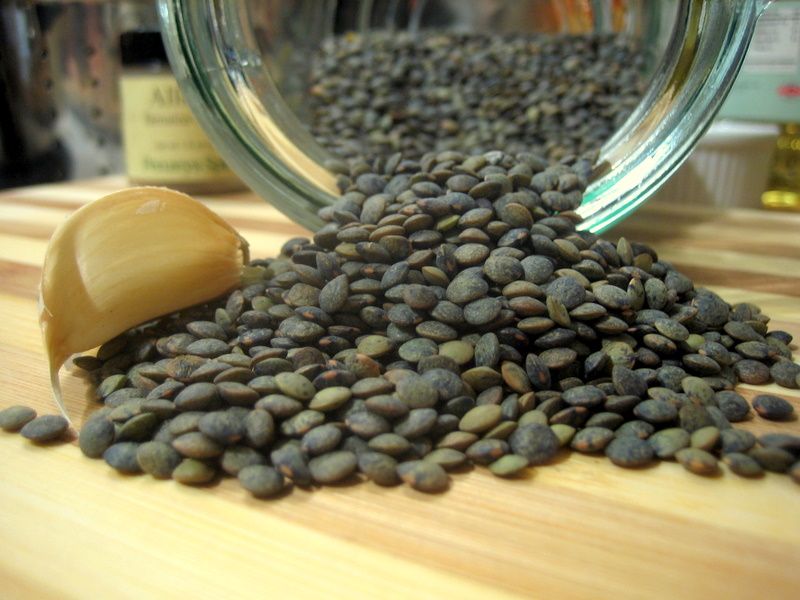
Lentils might be one of the most underrated donations on this entire list. They are loaded with protein, iron, and fiber, they are incredibly affordable, and a single bag can produce multiple hearty meals.
Many cultures around the world rely on lentils as a daily staple.
Unlike canned goods, dried lentils are lightweight and easy to transport in bulk. They cook relatively quickly compared to other dried legumes and do not require soaking.
Tossing a bag of lentils into your donation is a quietly powerful act of nutritional generosity.
14. Cereal
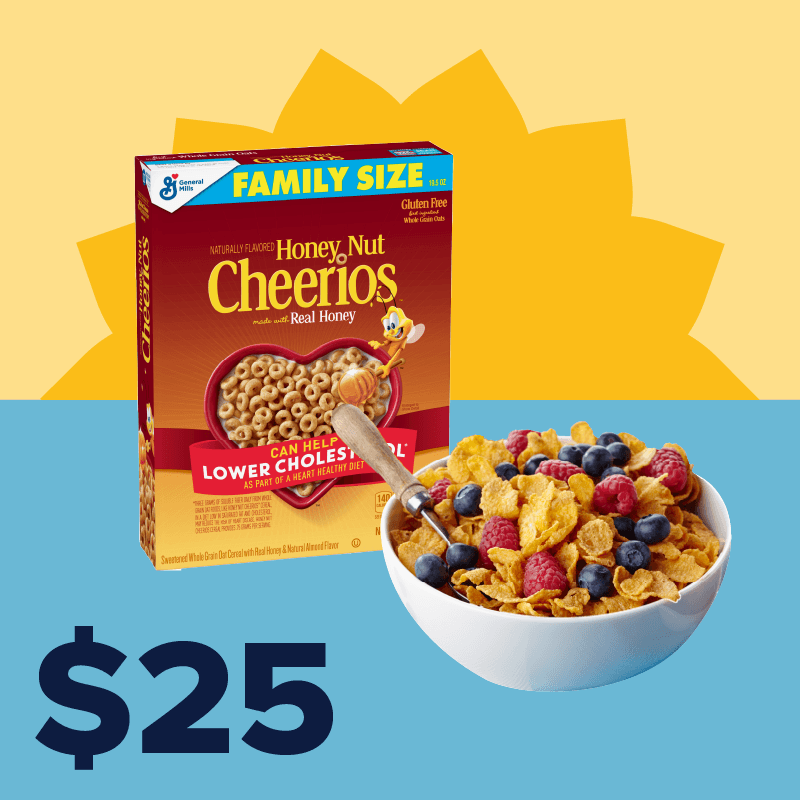
A good breakfast sets the tone for the entire day, especially for school-age children who need focus and energy to learn. Cereal is one of the most popular and appreciated donations at food banks across the country, and it disappears from shelves fast.
Whole grain, low-sugar options are the healthiest choice, but most cereals are genuinely welcome. They are easy to serve, require no cooking, and kids actually enjoy eating them.
Donating a couple of boxes means more children start their mornings with something in their stomachs and a better chance at a good day.
15. Tomato Sauce and Diced Tomatoes
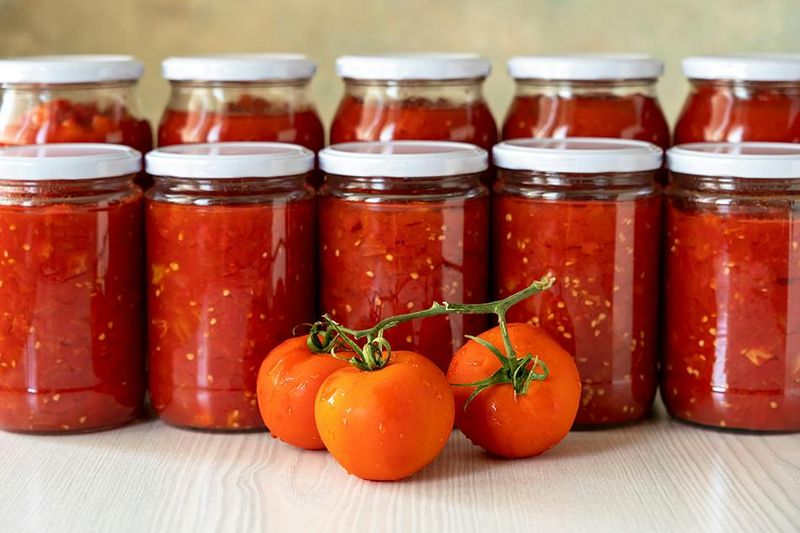
Tomato sauce is the backbone of so many beloved meals – pasta, pizza, shakshuka, chili, and more. A simple jar of marinara can transform a pot of plain pasta into a satisfying dinner that feels like real home cooking, even on the tightest budget.
Canned diced tomatoes are equally versatile and work wonderfully in soups and stews. These are items that food bank recipients use quickly and consistently.
Donating tomato products gives families the flavor and nutrition they need to turn basic pantry staples into genuinely enjoyable meals.
16. Healthy Snacks for Kids
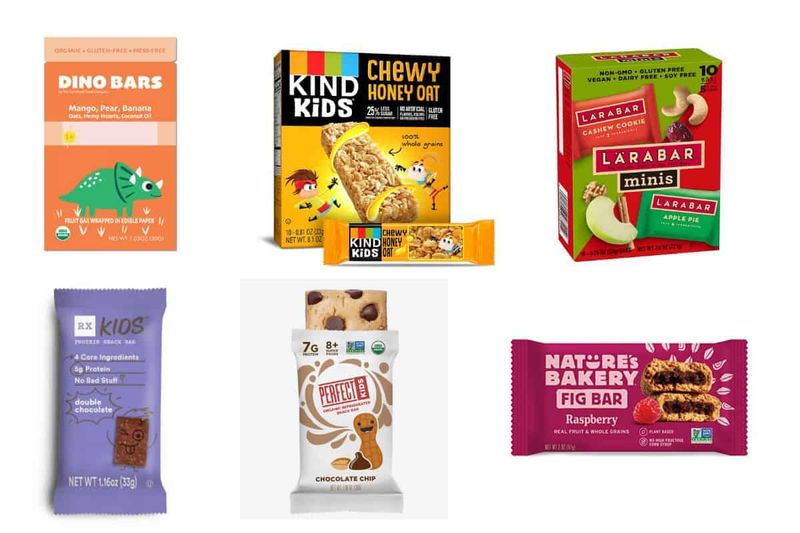
Children get hungry between meals, and when snacks are not available, it can affect their mood, focus, and wellbeing. Healthy, individually wrapped snacks are something many food banks struggle to keep stocked because they are less commonly donated than meal items.
Granola bars, raisin boxes, whole grain crackers, and nut-free trail mix are all great options. These snacks give kids something to reach for after school or between activities.
Donating them shows that you are thinking not just about dinner, but about the whole day for a hungry child.
17. Coffee and Tea
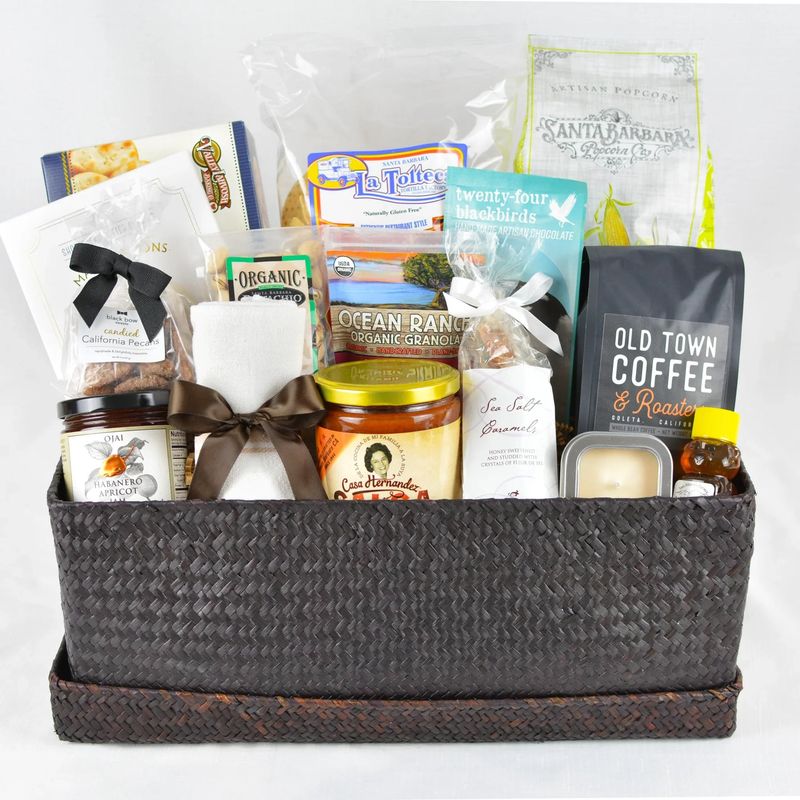
People often forget that food banks serve adults too, and adults have comfort needs beyond just calories. Coffee and tea are small luxuries that carry enormous emotional weight, especially for someone going through a difficult season of life.
A warm cup can feel like a moment of normalcy.
These items are rarely donated, which makes them extra special when they do arrive. Ground coffee, instant coffee, and a variety of tea bags are all appreciated.
Donating them says, quietly but clearly, that you see the whole person, not just their hunger.
18. Spices and Condiments
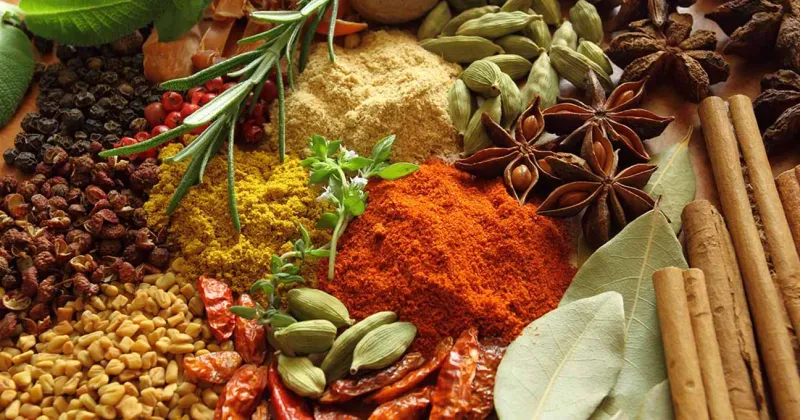
Imagine eating plain rice and beans every day with no seasoning whatsoever. Food without flavor can feel demoralizing, and that is exactly why spices and condiments matter more than most donors realize.
Salt, pepper, garlic powder, cumin, and paprika can transform a bland meal into something genuinely enjoyable.
Condiments like hot sauce, soy sauce, and mustard are also welcome. These small bottles and jars add dignity and enjoyment to mealtime.
Donating spices shows a thoughtful kind of generosity that goes beyond just filling someone’s stomach.
19. Hygiene Products

Many food banks also accept personal care items, and the need for them is urgent. Soap, shampoo, toothpaste, toothbrushes, deodorant, and feminine hygiene products are not covered by food assistance programs but are absolutely essential for health and dignity.
Families who cannot afford these basics often have to choose between food and hygiene, which is an impossible situation. Donating a few personal care items alongside your food donations makes a well-rounded difference.
You are helping someone stay clean, healthy, and confident in addition to keeping them fed.
20. Monetary Donations
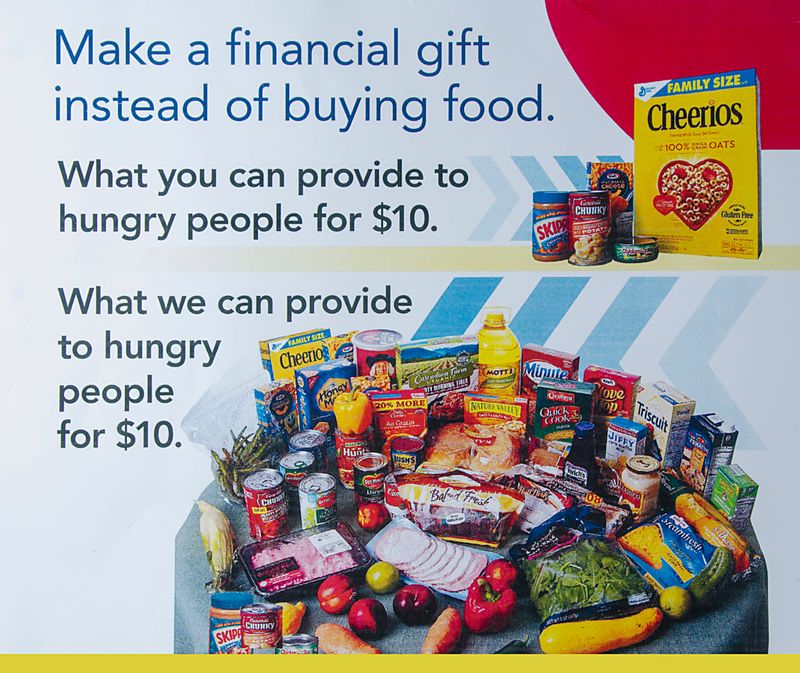
Sometimes the most powerful donation is not a can of soup but a few dollars. Food banks have purchasing power that individual donors do not.
Many organizations can buy several pounds of food for every single dollar donated because of bulk purchasing agreements and partnerships with grocery suppliers.
Your money goes further than your grocery cart ever could. Even a small monthly contribution adds up over time and allows food banks to buy exactly what they need most.
If you are unsure what to donate, giving money is always a safe and highly effective choice.