
Europe is full of famous spots like Paris, Rome, and Barcelona, but the continent hides so many more incredible places just waiting to be explored. Millions of American travelers visit each year yet skip over some of the most breathtaking destinations on the map.
From medieval hilltop villages to crystal-clear alpine lakes, these hidden corners of Europe offer unforgettable experiences without the overwhelming crowds. Pack your bags and get ready to discover the places most tourists never even hear about.
1. Etretat, France
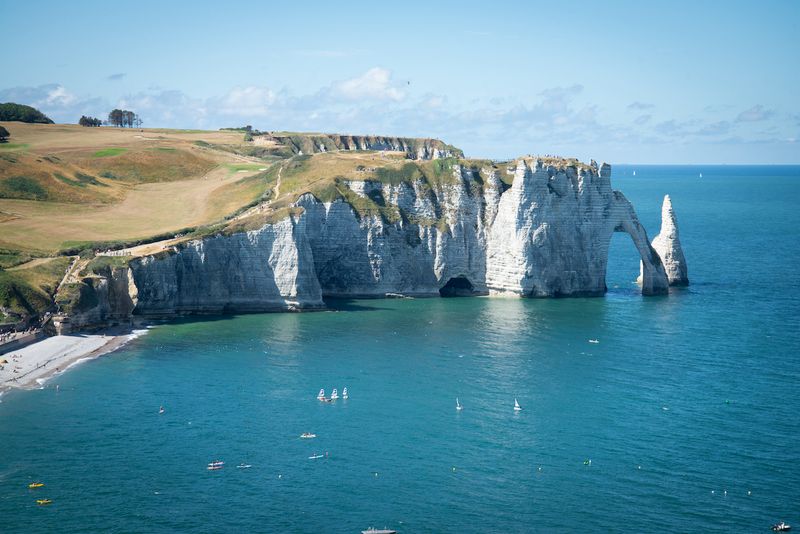
Standing at the edge of Normandy’s coastline, Etretat looks like something painted by a dreaming artist. The towering white chalk cliffs curve into the sea, forming natural arches that seem almost too perfect to be real.
Claude Monet famously painted these cliffs, and it is easy to understand why.
Visitors can hike along the clifftops for sweeping views of the English Channel. The needle-shaped rock jutting from the water below is one of the most photographed sights in all of France, yet surprisingly few American tourists make the trip here.
2. Tallinn, Estonia
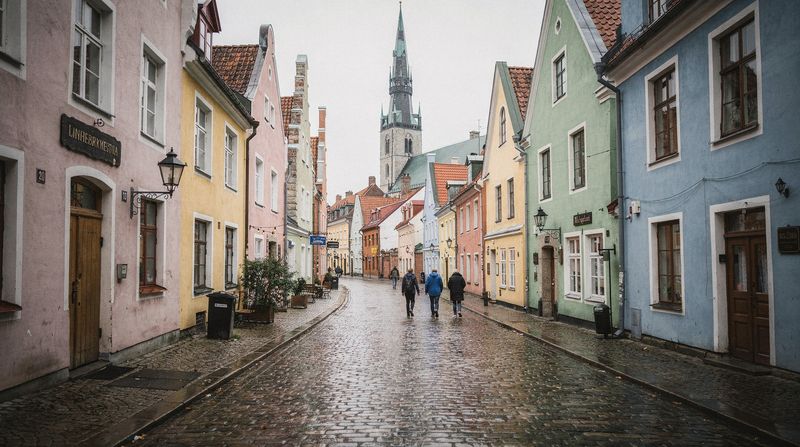
Tallinn feels like stepping straight into a fairy tale. Its medieval Old Town is one of the best-preserved in all of Europe, earning a well-deserved spot on the UNESCO World Heritage list.
Cobblestone streets wind past Gothic churches, merchant houses, and ancient watchtowers that have stood for centuries.
Getting around is easy and affordable, and the local food scene blends Estonian tradition with modern creativity. Many Americans overlook the Baltic states entirely, making Tallinn one of Europe’s most rewarding surprises for curious travelers willing to go off the beaten path.
3. Sintra, Portugal
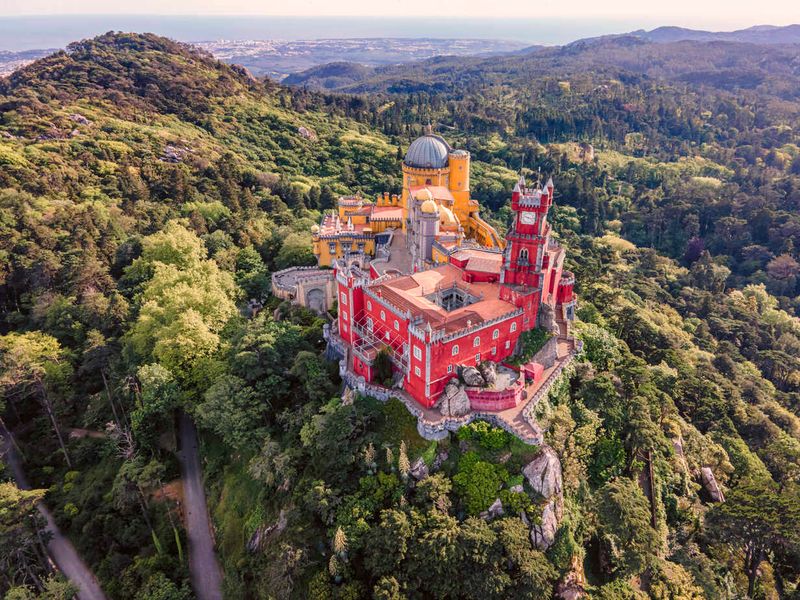
Just 40 minutes from Lisbon by train, Sintra packs an almost unbelievable amount of magic into a small mountain town. The Pena Palace sits high above the treetops, painted in bold shades of red and yellow that contrast beautifully against the misty green hills.
Royalty built their summer retreats here for good reason.
The mysterious Quinta da Regaleira estate features hidden tunnels and an inverted tower that descends deep underground. Sintra rewards slow exploration, so plan to spend a full day wandering its winding roads and fairytale-like gardens.
4. Maastricht, Netherlands
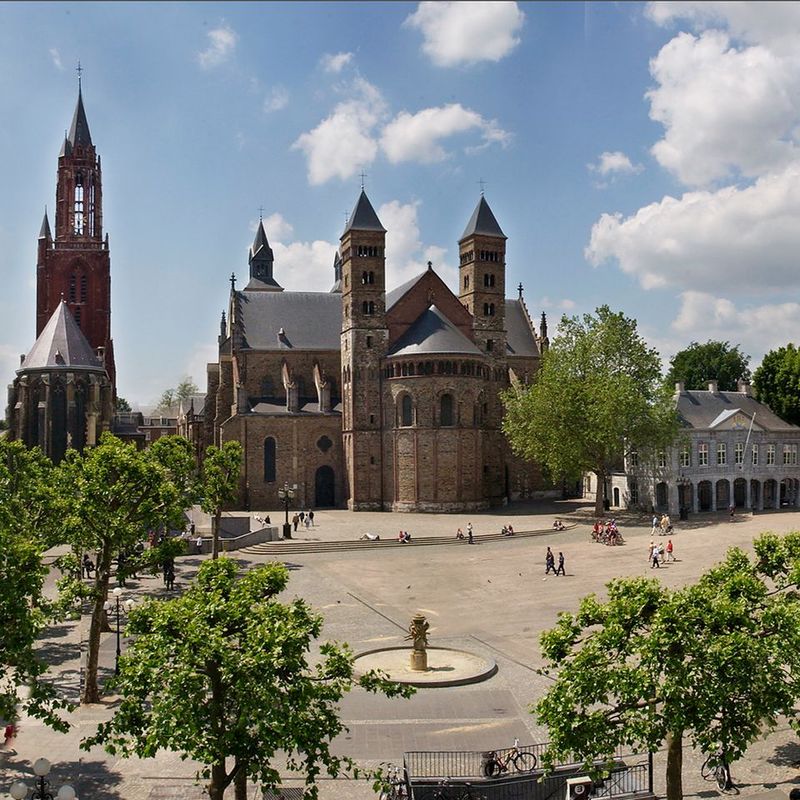
Most Americans think of Amsterdam when they picture the Netherlands, but Maastricht tells a completely different story. Tucked into the southernmost tip of the country, this city carries centuries of history in its limestone walls, underground caves, and Roman ruins hidden beneath its streets.
The Vrijthof square buzzes with outdoor cafes and markets, while the culinary scene here is considered among the finest in the Netherlands. Maastricht also gave its name to the famous European Union treaty signed here in 1992, adding a layer of modern history to its already rich past.
5. Zakopane, Poland
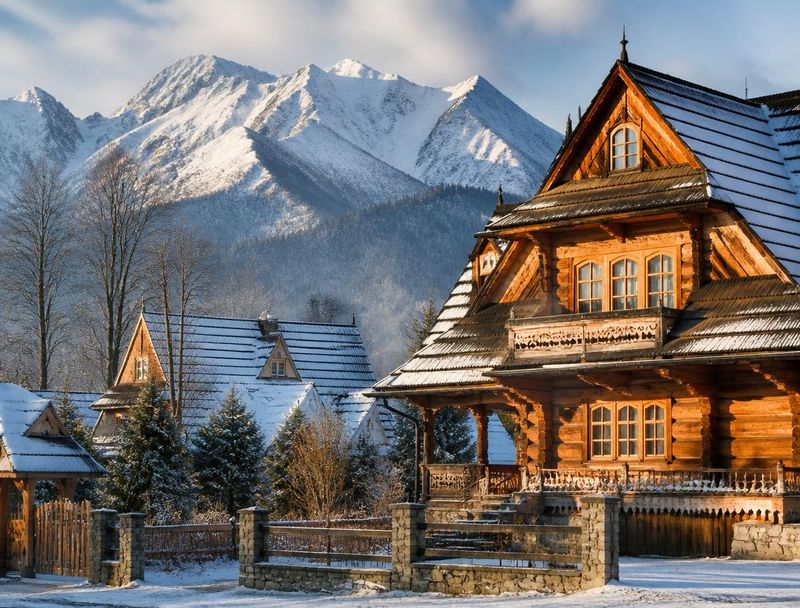
Zakopane sits at the foot of the Tatra Mountains and serves as Poland’s beloved highland capital. The town is famous for its distinctive wooden architecture, a style unique to the Podhale region that features intricate carvings and steeply pitched roofs.
Locals call it the “Winter Capital of Poland,” though it draws visitors year-round.
Hikers can tackle trails ranging from gentle forest walks to challenging rocky peaks. The local food, especially the smoked sheep’s cheese called oscypek, is absolutely worth trying at the busy outdoor market on Krupowki street.
6. Cluj-Napoca, Romania
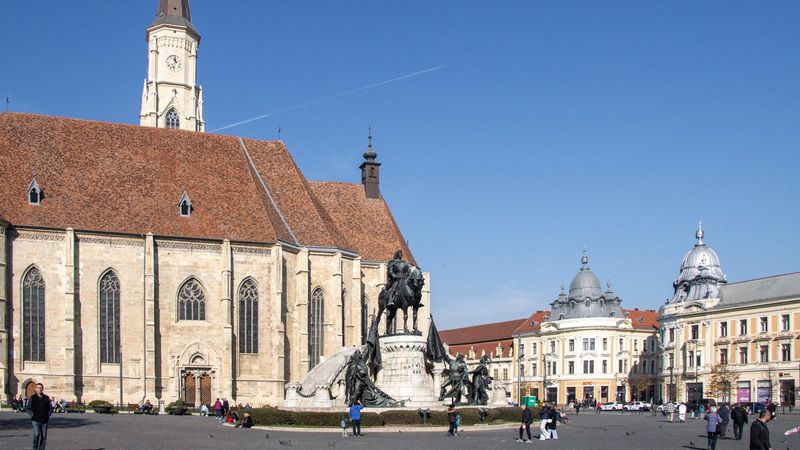
Cluj-Napoca is the beating heart of Transylvania, and it has far more to offer than vampire legends. Romania’s second-largest city thrives with a massive student population that fuels a creative arts scene, lively music festivals, and a restaurant culture that punches well above its weight.
Unirii Square, lined with baroque architecture, is a great starting point.
The city hosts UNTOLD, one of Europe’s biggest electronic music festivals, drawing hundreds of thousands of visitors every summer. Yet outside festival season, Cluj-Napoca remains wonderfully uncrowded and genuinely welcoming to curious travelers from abroad.
7. Plitvice Lakes National Park, Croatia
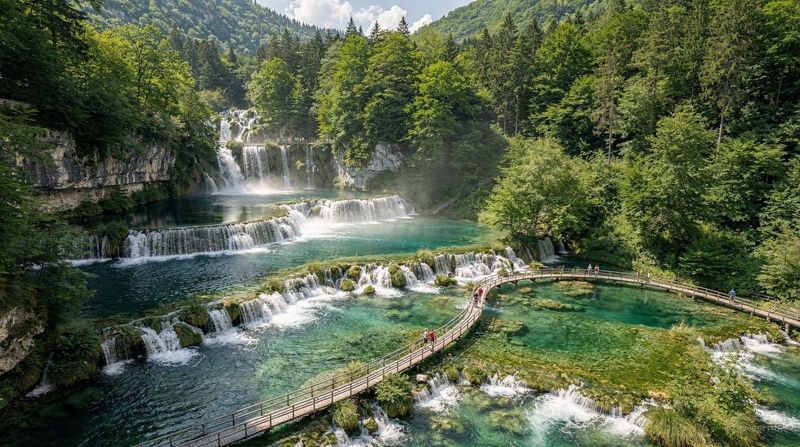
Few places on Earth look as otherworldly as Plitvice Lakes. Croatia’s most famous national park features 16 terraced lakes connected by a series of thundering waterfalls, all flowing over ancient dolomite and limestone formations.
The water shifts between brilliant shades of blue, green, and turquoise depending on the sunlight and mineral content.
Wooden boardwalks guide visitors right above the water’s surface, creating an up-close experience that feels surreal. While Dubrovnik tends to steal the spotlight in Croatia, Plitvice is a UNESCO World Heritage site that genuinely deserves a spot at the top of any European bucket list.
8. Lake Bohinj, Slovenia
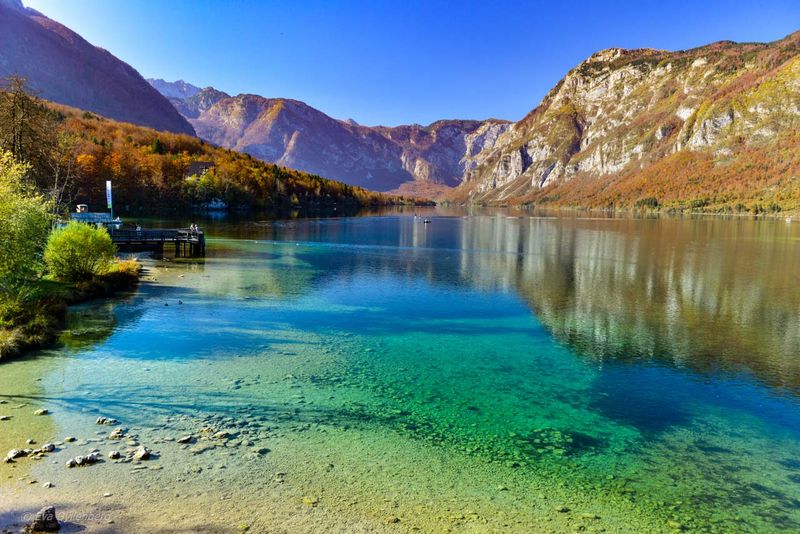
Lake Bled gets all the Instagram attention in Slovenia, but Lake Bohinj, just a short drive away, is larger, quieter, and arguably more beautiful. Nestled inside Triglav National Park, it is Slovenia’s biggest permanent lake and sits surrounded by the dramatic peaks of the Julian Alps.
The water is so clear you can see straight to the bottom.
Kayaking, swimming, and cycling trails make it a paradise for outdoor lovers. Visitors who make the short detour from Bled almost always say Bohinj was the highlight of their entire Slovenian adventure.
9. Veliko Tarnovo, Bulgaria
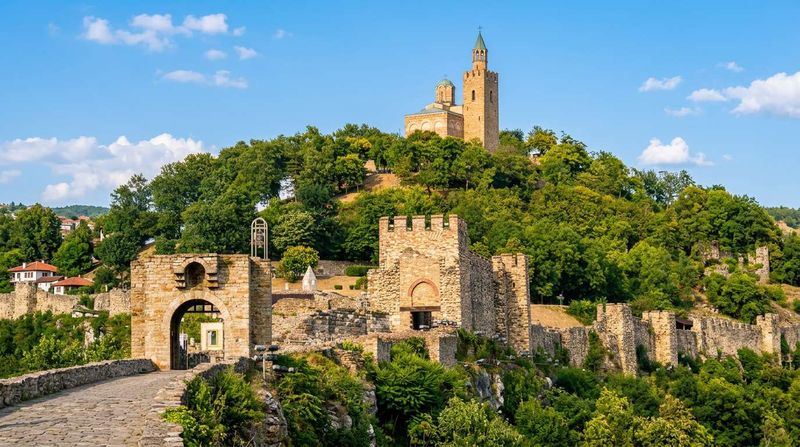
Perched dramatically above a bend in the Yantra River, Veliko Tarnovo is one of Bulgaria’s most spectacular cities and one of Europe’s best-kept secrets. The medieval Tsarevets Fortress crowns the hilltop, its stone walls and towers telling the story of the Second Bulgarian Empire that once ruled from this very spot.
The city’s colorful houses cascade down the steep riverbanks, creating a skyline unlike anything else in the Balkans. Bulgaria remains one of the most affordable destinations in the European Union, making Veliko Tarnovo an extraordinary value for budget-conscious American travelers.
10. Gozo Island, Malta
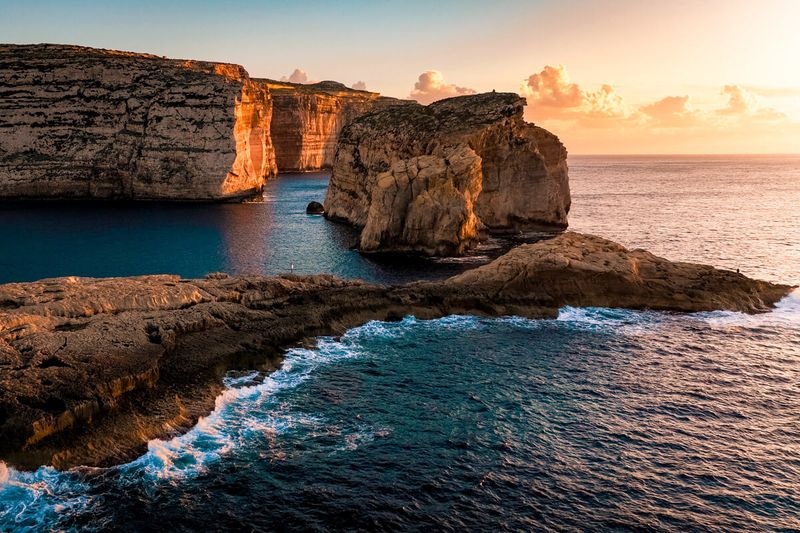
Malta itself is often overlooked by American tourists, but its smaller sister island of Gozo is even further off the radar. Gozo moves at a slower pace, with stone-walled villages, prehistoric temples older than Stonehenge, and some of the clearest diving waters in the entire Mediterranean Sea.
The Azure Window rock arch may have collapsed in 2017, but Gozo’s appeal remains strong. Inland, the hilltop citadel of Victoria offers panoramic views across the island.
With fewer than 40,000 permanent residents, Gozo delivers an authentically unhurried Mediterranean experience that feels rare in today’s crowded tourism landscape.
11. Thessaloniki, Greece
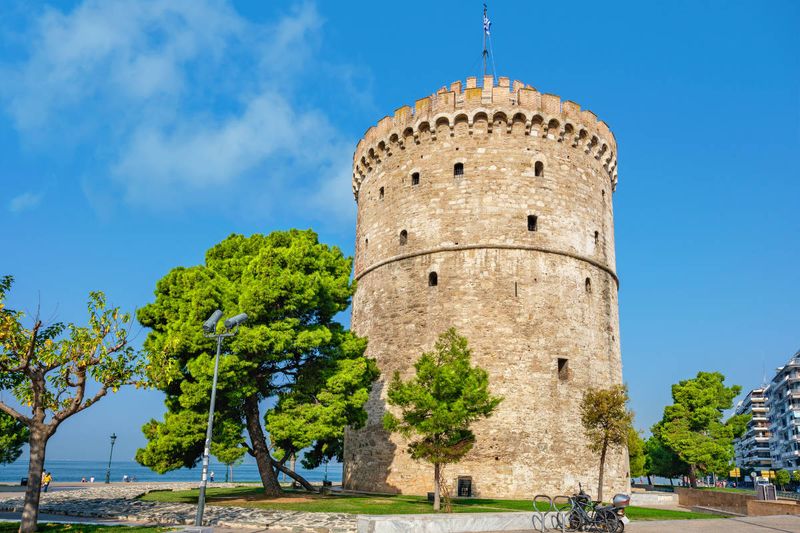
Athens draws the crowds, but Greeks themselves will often tell you that Thessaloniki is the country’s real cultural capital. Greece’s second-largest city layers Roman, Byzantine, and Ottoman history into a single compact and walkable center.
The famous White Tower on the waterfront is just the beginning of what this city has to offer.
Thessaloniki’s food scene is legendary throughout Greece, especially its bougatsa pastry and hearty mezze spreads. The covered Modiano Market overflows with local produce, spices, and seafood.
Visiting here feels like discovering a side of Greece that most American tourists never get to experience.
12. County Sligo, Ireland
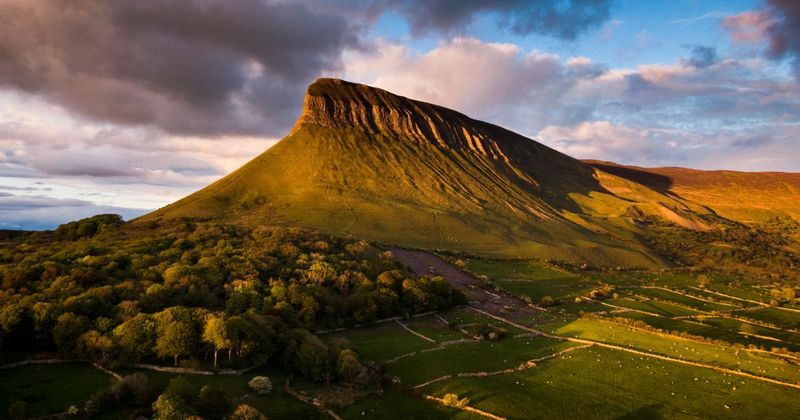
County Sligo sits along Ireland’s rugged Wild Atlantic Way and carries a quiet, soul-stirring beauty that feels worlds apart from the tourist trails of Dublin or Galway. The flat-topped mountain of Benbulben dominates the landscape, and the surrounding countryside is scattered with ancient Neolithic burial sites, including Carrowmore, one of Europe’s largest megalithic cemeteries.
The poet W.B. Yeats grew up here and is buried in the shadow of Benbulben, and his words still seem to echo across the misty hills.
Sligo rewards visitors who love wild nature, deep history, and the kind of solitude that genuinely restores the spirit.
13. Vicenza, Italy
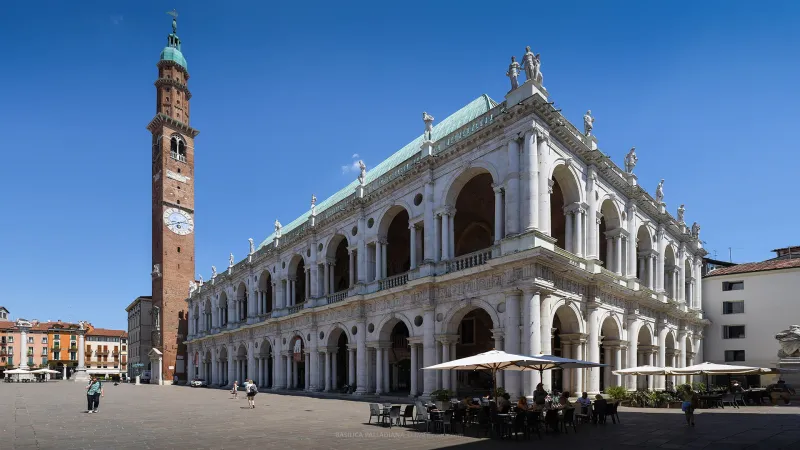
Sitting between Venice and Verona in northeastern Italy, Vicenza is a city that architects and design lovers dream about. Andrea Palladio, the Renaissance architect whose style influenced buildings from Washington D.C. to London, built much of his life’s work right here.
The Basilica Palladiana and the Teatro Olimpico, Europe’s oldest surviving indoor theater, are genuine masterpieces.
Vicenza is a UNESCO World Heritage city, yet it sees a fraction of the visitors that flock to nearby Venice. Staying here overnight lets travelers explore at a relaxed pace while enjoying the Veneto region’s outstanding wine and cuisine without the tourist markup.
14. Vejer de la Frontera, Spain
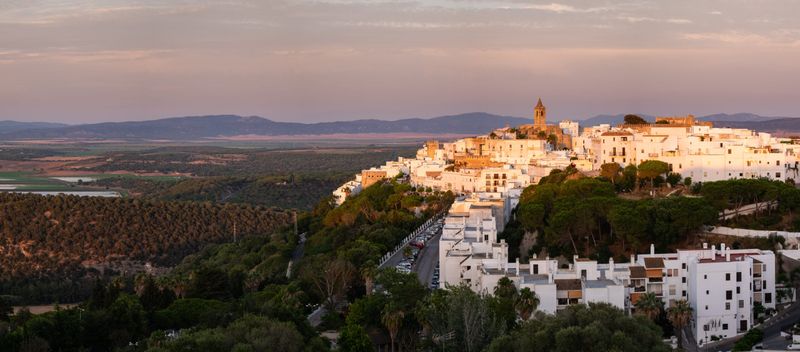
Clinging to a rocky hilltop above the Andalusian plains, Vejer de la Frontera is one of Spain’s most beautiful white villages. Its maze of narrow cobbled streets, blue-rimmed doorways, and flower-draped walls carry clear traces of the Moorish culture that shaped this region for centuries.
The views stretching toward the Atlantic coast are simply stunning.
Vejer has become a quiet favorite among European food lovers, thanks to its excellent local restaurants and a popular cooking school. Yet American tourists still rarely find their way here, leaving its charming plazas refreshingly crowd-free compared to Seville or Granada.
15. Mani Peninsula, Greece
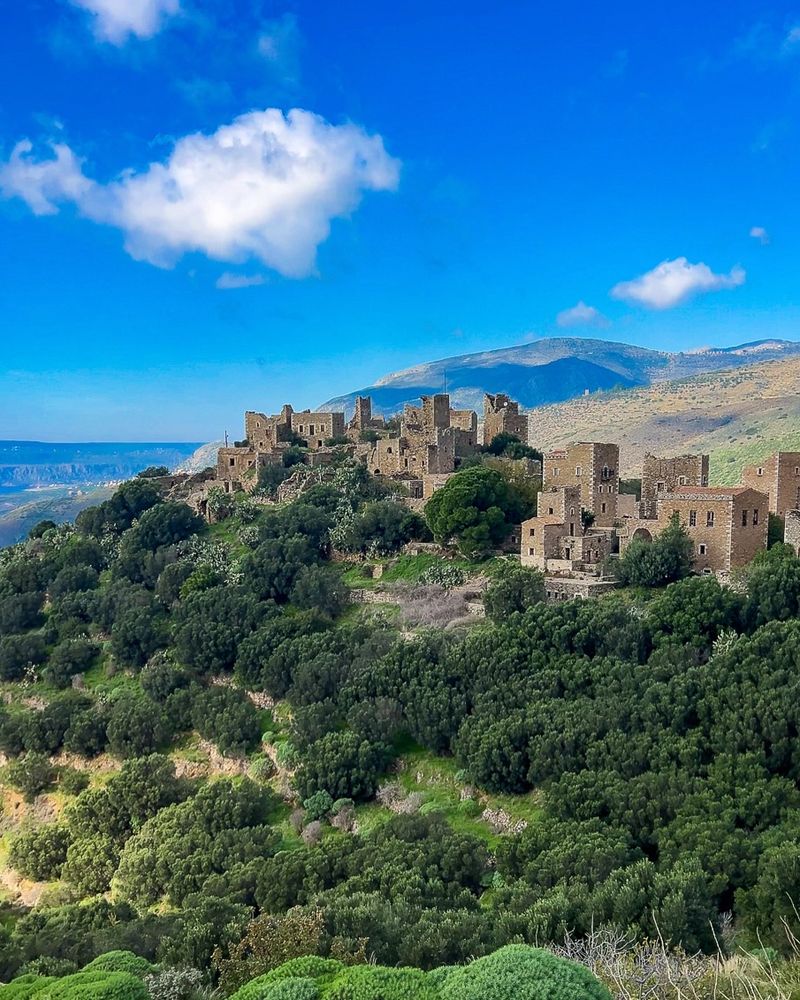
The Mani Peninsula is unlike anywhere else in Greece. Jutting into the Mediterranean from the southern Peloponnese, this rugged and largely roadless region is famous for its clusters of tall stone tower houses, built by rival clans during centuries of fierce local feuds.
The landscape feels ancient, raw, and completely untouched by modern tourism.
Hidden sea caves, tiny pebble beaches, and Byzantine chapels dot the coastline. Mani is also home to the Diros Caves, a stunning underground lake system accessible only by boat.
Travelers who make the effort to reach Mani almost always describe it as the most memorable part of their entire Greece trip.
16. Lavaux Vineyard Terraces, Switzerland
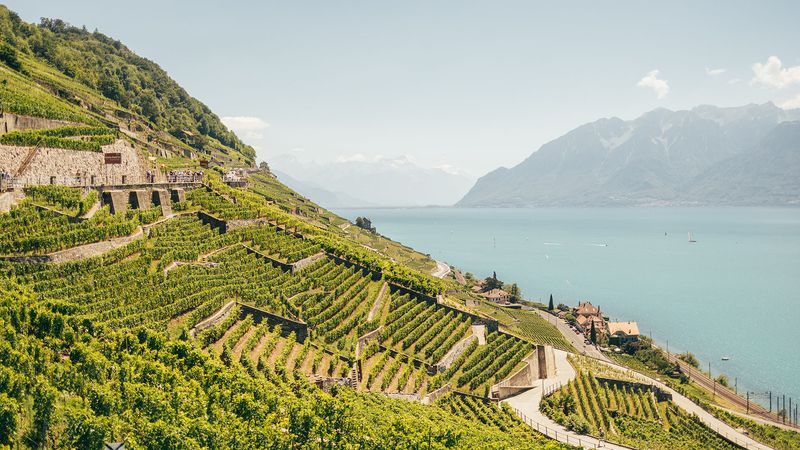
Switzerland is famous for mountains and chocolate, but its wine country is a revelation that most visitors never discover. The Lavaux Vineyard Terraces stretch along the northern shore of Lake Geneva, covering about 800 hectares of steep hillside that local monks began cultivating back in the 11th century.
UNESCO recognized the area in 2007 for its outstanding cultural landscape.
Walking the terraced vineyard trails rewards hikers with breathtaking views over the lake and the Alps beyond. Local wine tastings along the route offer the chance to sample crisp Chasselas whites that are rarely exported and practically impossible to find back home in the United States.
17. Matera, Italy
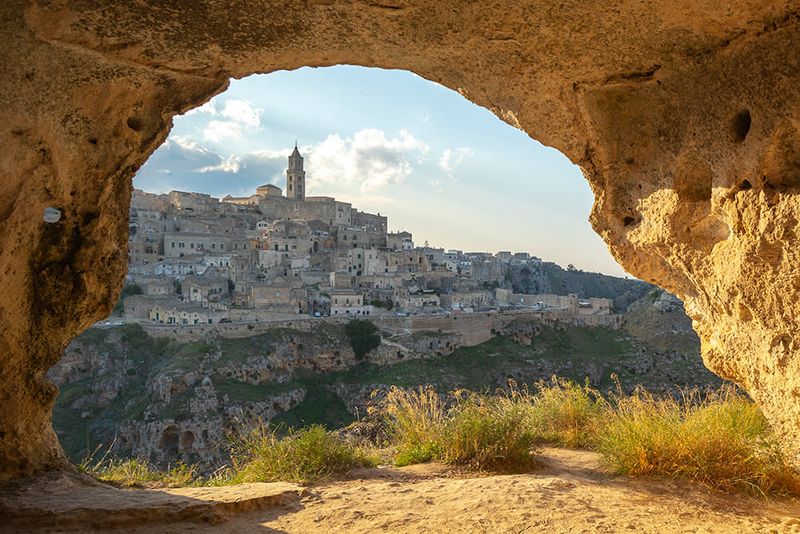
Matera might be the most unusual city in all of Europe. Carved directly into the rocky ravines of southern Italy’s Basilicata region, its ancient cave dwellings, known as the Sassi, have been inhabited continuously since the Paleolithic era, making them among the oldest human settlements on the planet.
The city served as a filming location for several Hollywood productions, including a James Bond film.
After decades of neglect, Matera was named a European Capital of Culture in 2019 and has since blossomed into a world-class destination. Boutique cave hotels let visitors sleep in the same rock-cut rooms where people lived thousands of years ago.
18. Tbilisi, Georgia
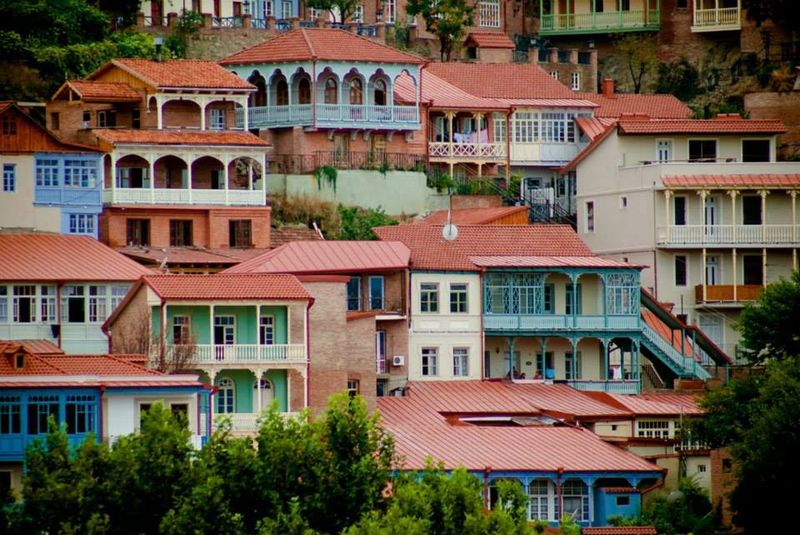
Technically sitting on the border of Europe and Asia, Tbilisi is one of the most captivating cities most Americans have never seriously considered visiting. Georgia’s capital has been continuously inhabited for over 1,500 years, and its Old Town layers Persian, Russian, and European architectural styles into a wonderfully chaotic and photogenic streetscape.
Georgia is also credited with an 8,000-year-old winemaking tradition, the oldest in the world, and local restaurants serve extraordinary food at prices that feel almost unbelievably low by American standards. The warm hospitality of Georgian locals makes every visitor feel like an honored guest rather than just another tourist.
19. Ghent, Belgium
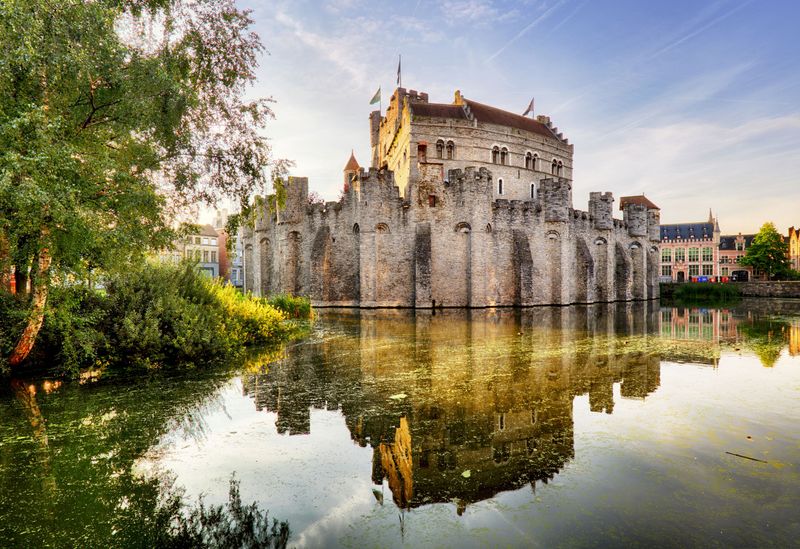
Brussels and Bruges tend to get all the attention in Belgium, but Ghent has a strong argument for being the country’s most complete city. Its medieval center is astonishingly well-preserved, centered around the dramatic Gravensteen castle and the Graslei harbor, where centuries-old guild houses line the waterway in a nearly unbroken row.
Ghent also surprises visitors with a thriving street art scene and a food culture that rivals any city in the country. The famous Ghent altarpiece, “The Adoration of the Mystic Lamb,” painted by Jan van Eyck, has been called the most influential painting in Western art history.
20. Ferrara, Italy
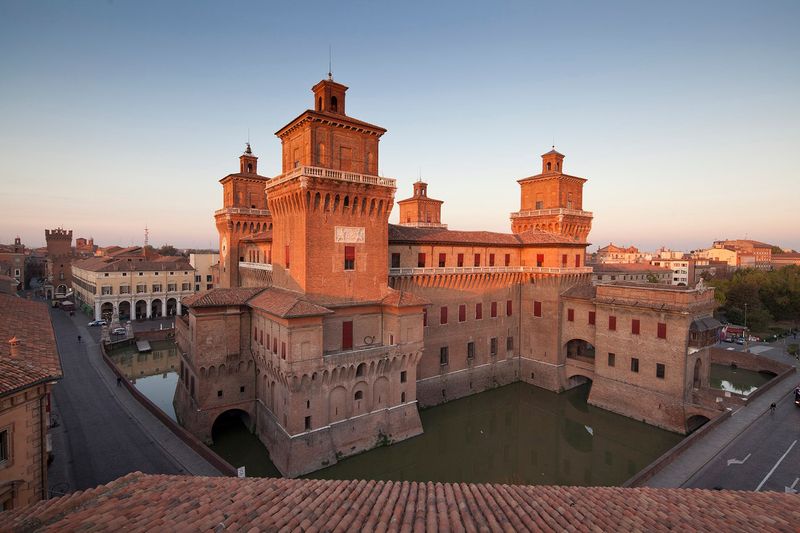
Ferrara is the kind of Italian city where you can actually hear your own footsteps. Located in the Emilia-Romagna region between Bologna and Venice, this UNESCO World Heritage city was shaped almost entirely by the powerful Este family during the Renaissance.
The massive moated castle at its center, the Castello Estense, still dominates the skyline just as it did 600 years ago.
Wide streets designed for Renaissance pageantry now make Ferrara one of Italy’s most bicycle-friendly cities. Visitors who skip the typical tourist trail and come here instead often say it feels like discovering the real Italy, unhurried, elegant, and genuinely welcoming.