
Some albums don’t just end — they leave a mark that stays with you long after the music stops. The final track on an album is like the last chapter of a great book: it shapes everything you just heard and decides whether you’ll come back for more.
Artists who nail their album closer create something truly special, turning a simple song into a powerful statement. These 20 album endings changed what a final song could be.
1. The Beatles – A Day in the Life (Sgt. Pepper’s Lonely Hearts Club Band, 1967)
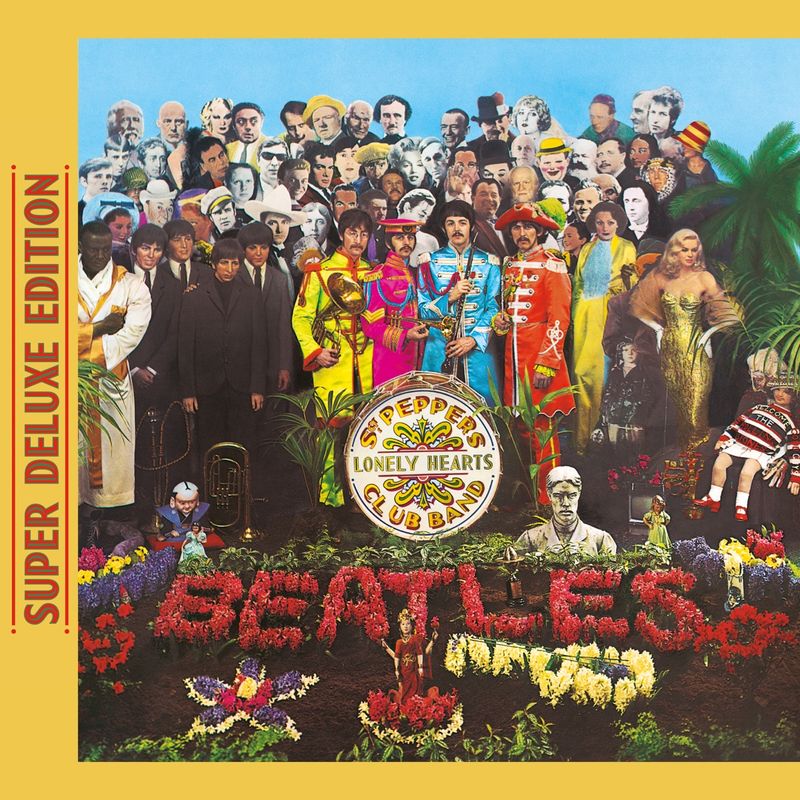
Few songs have ever closed an album quite like this one. All four Beatles struck grand pianos simultaneously, creating a crescendo that rang out for a staggering 41 seconds of pure, sustained sound.
That final chord didn’t just end the record — it opened a door to silence that felt infinite.
Music historians regularly call it the greatest album closer ever recorded. It turned an ordinary ending into a philosophical statement about beginning and end existing at the same time.
2. Pink Floyd – Eclipse (The Dark Side of the Moon, 1973)
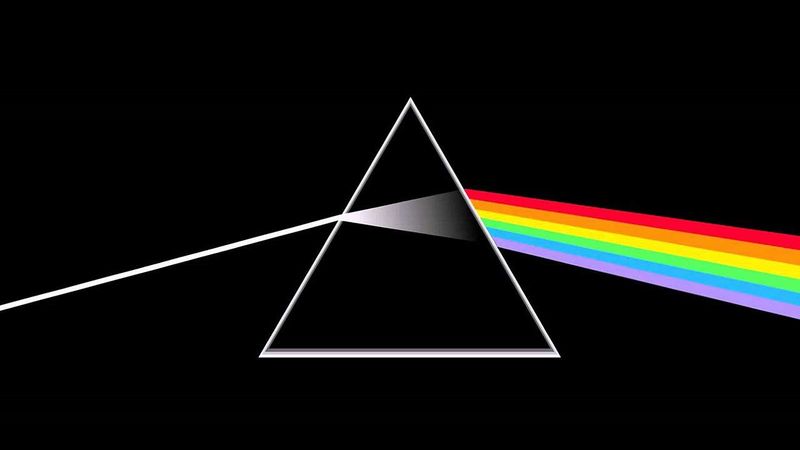
Circular storytelling rarely gets more elegant than this. “Eclipse” wraps up the entire album by referencing earlier themes, then fades into a heartbeat — the exact same sound that opened the record 43 minutes earlier. That closing pulse makes the whole album feel like one continuous, breathing organism.
After a stretch of silence, a quiet spoken voice adds one final, unsettling thought. It’s a closer that rewards listeners who pay close attention from the very first second.
3. The Rolling Stones – Moonlight Mile (Sticky Fingers, 1971)
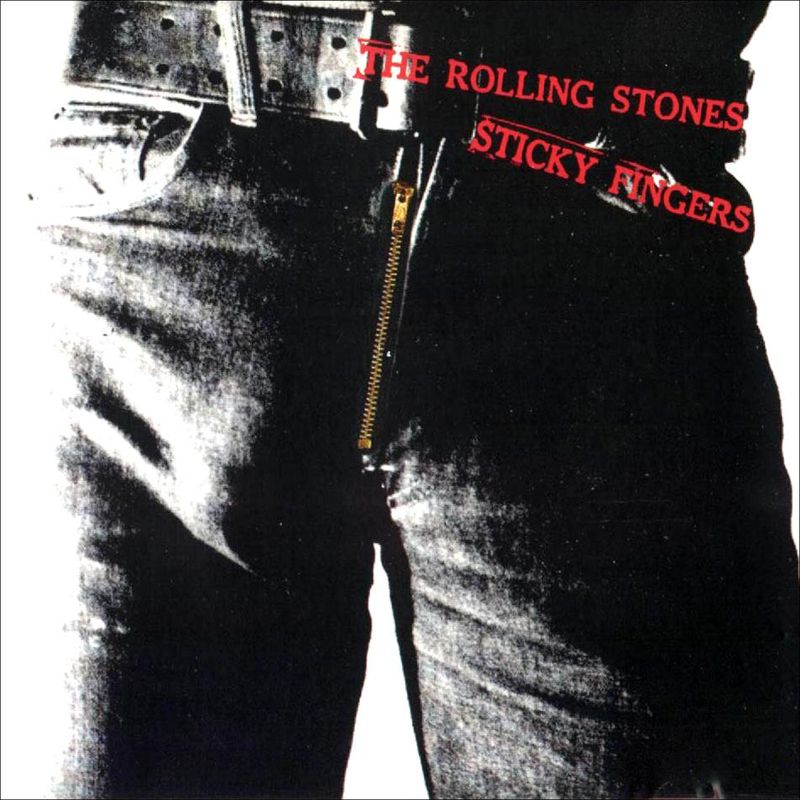
After an album packed with swagger and edge, “Moonlight Mile” arrives like an exhausted traveler finally sitting down. Sweeping strings carry Mick Jagger’s most exposed, vulnerable vocal performance on record.
The song feels cinematic — like watching the credits roll after something genuinely intense.
What makes it unforgettable is the contrast. Nobody expected Sticky Fingers to end this quietly or this beautifully.
That emotional whiplash is exactly what makes it one of rock’s most stunning final moments.
4. Led Zeppelin – When the Levee Breaks (Led Zeppelin IV, 1971)
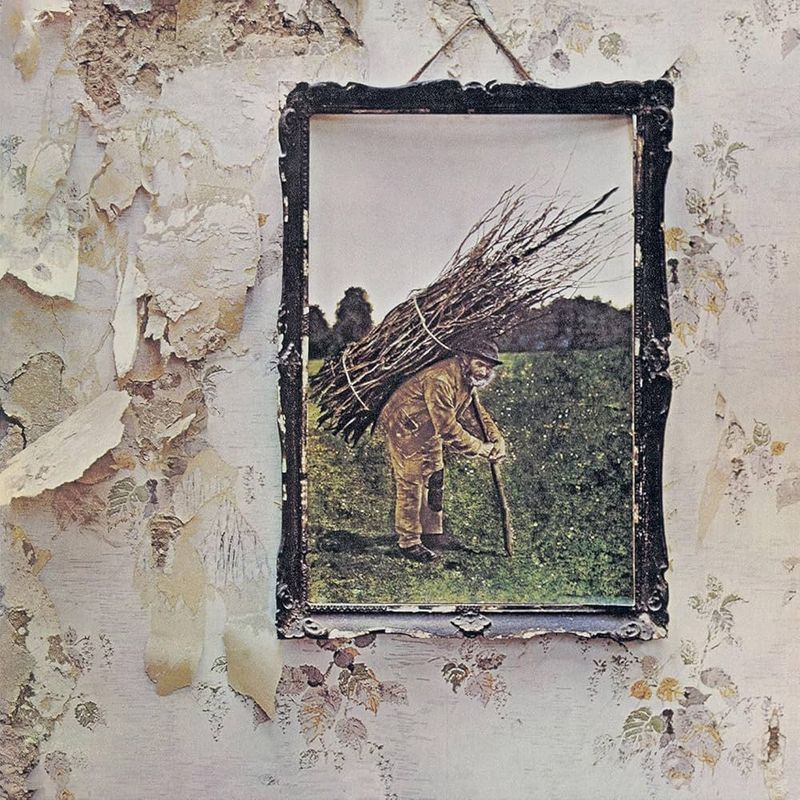
John Bonham’s drums on this track sound like the earth itself cracking open. Recorded in a stairwell at Headley Grange, the thunderous reverb gives the song an almost supernatural weight that no studio trick could replicate.
It rumbles forward like a force of nature refusing to be stopped.
Closing Led Zeppelin IV with a blues-drenched apocalypse was a bold choice. But it worked perfectly — leaving listeners feeling like they had just survived something enormous and unforgettable.
5. Radiohead – Street Spirit (Fade Out) (The Bends, 1995)

Thom Yorke once described “Street Spirit” as the most terrifying thing Radiohead ever wrote. Its arpeggiated guitar loop spirals endlessly while Yorke’s voice climbs toward something almost unbearable.
The final whispered line — “Immerse your soul in love” — lands like a quiet miracle after so much tension.
Closing The Bends with this song was a masterstroke. It sends the album off like a soul drifting upward, turning what could have been a dark ending into something strangely transcendent and deeply moving.
6. David Bowie – Rock ‘n’ Roll Suicide (Ziggy Stardust, 1972)
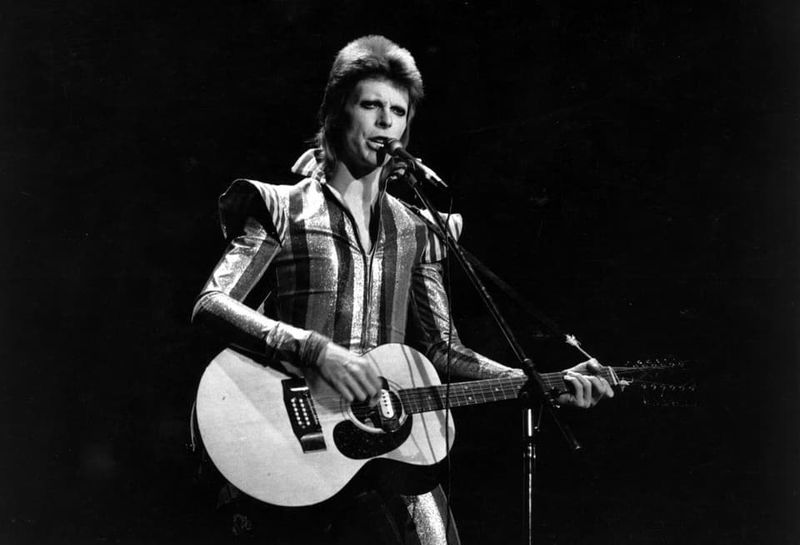
Ziggy Stardust had to die, and Bowie made sure the moment was theatrical enough to match the legend. Starting with a quiet acoustic guitar, “Rock ‘n’ Roll Suicide” builds slowly before exploding into a full orchestra and gospel-tinged backing singers.
The climactic cry of “You’re not alone!” still gives listeners chills decades later.
That string arrangement at the close echoes “A Day in the Life” deliberately. Bowie was drawing a direct line between Ziggy’s fall and rock history’s grandest moments.
7. Bruce Springsteen – Jungleland (Born to Run, 1975)
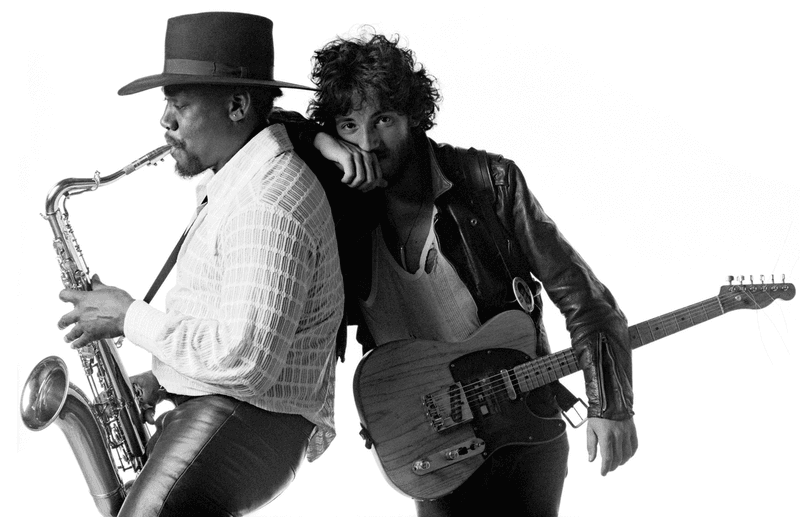
Nearly ten minutes long and operatic in every sense, “Jungleland” mourns the American dream with the kind of weight that most artists spend entire careers chasing. Clarence Clemons’ saxophone solo near the end is one of the most emotionally devastating instrumental moments in rock history — raw, soaring, and achingly human.
Springsteen called it the center of Born to Run’s emotional universe. When the final verse lands, it doesn’t just close an album.
It closes an era.
8. The Doors – The End (The Doors, 1967)
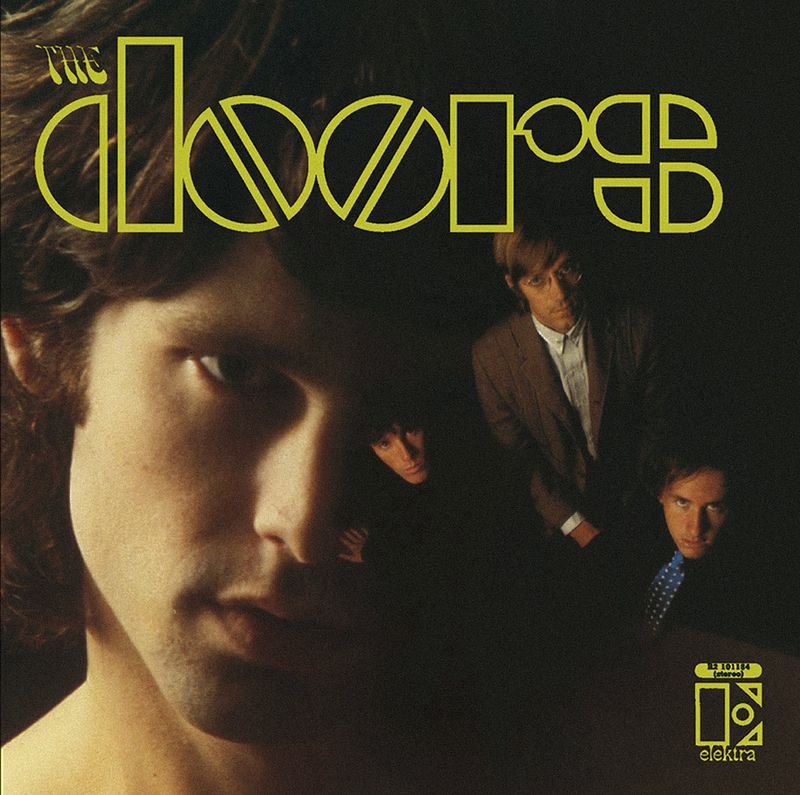
“The End” doesn’t resolve anything — and that’s entirely the point. Running nearly 12 minutes, it blends ritual, prophecy, and psychological breakdown into something that feels more like a ceremony than a song.
Jim Morrison’s spoken-word passages push into genuinely unsettling territory that few rock artists had dared explore before.
Closing the debut Doors album with this track announced something radical: rock music could be dark in a completely new way. It didn’t fade out.
It obliterated.
9. Jeff Buckley – Dream Brother (Grace, 1994)
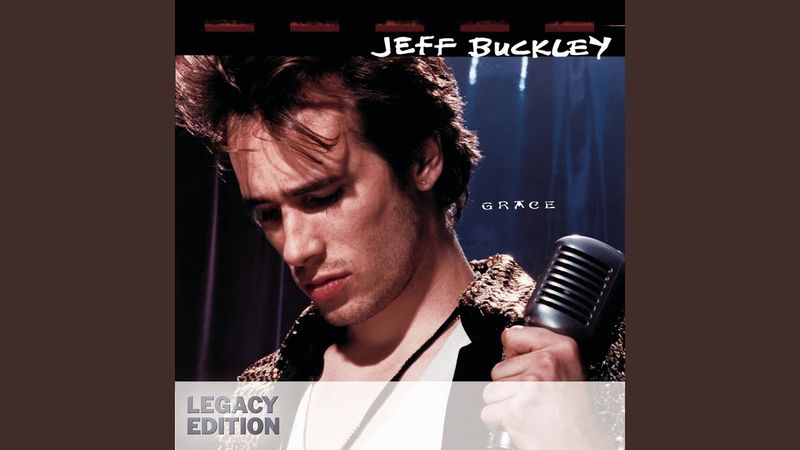
Grace saves its most hauntingly beautiful moment for last. “Dream Brother” builds through layers of shimmering guitars and Buckley’s extraordinary vocal range before dissolving into several minutes of ambient noise that seem to float in zero gravity. It’s the kind of ending that makes time feel irrelevant.
Many listeners describe finishing Grace as an almost physical experience. That final drift into ambient sound doesn’t just end the record — it suspends you somewhere between the music and complete silence, reluctant to return.
10. Nirvana – All Apologies (In Utero, 1993)
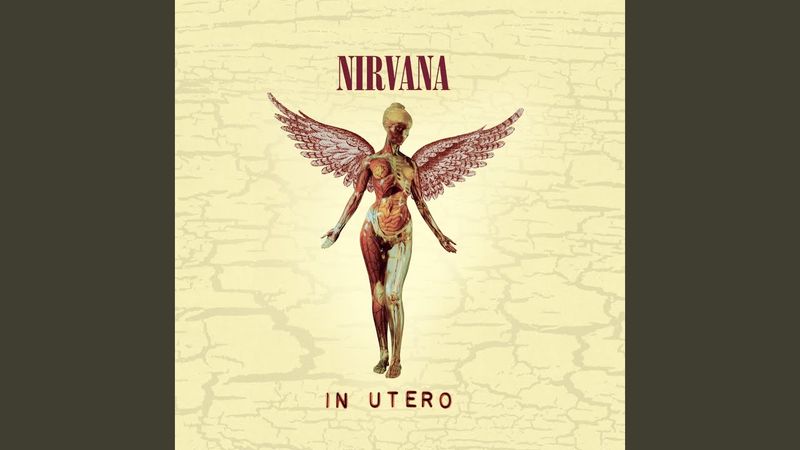
In Utero was Nirvana’s most confrontational album, so ending it with something this tender and melodic felt almost rebellious. “All Apologies” is deceptively simple — its lyrics walk the line between sincerity and sarcasm in a way that keeps listeners guessing even now. The repeated closing chant of “All in all is all we are” carries enormous weight.
Knowing what came after makes revisiting this song an emotional experience unlike almost anything else in rock. Kurt Cobain’s voice here sounds both exhausted and at peace.
11. Oasis – Champagne Supernova (What’s the Story Morning Glory?, 1995)
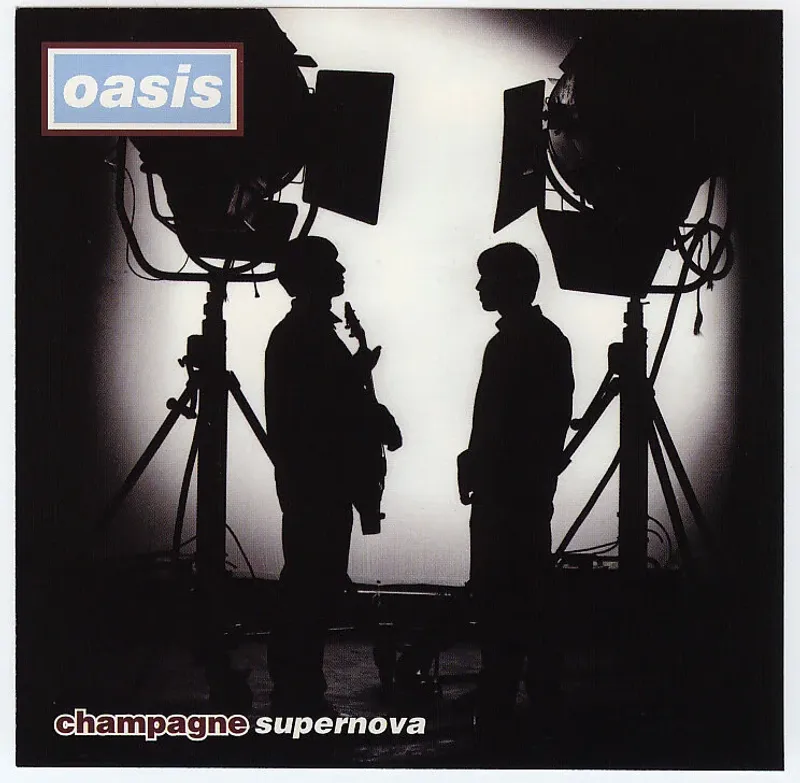
Eight minutes of pure Britpop ambition, “Champagne Supernova” somehow manages to feel both enormous and deeply wistful at the same time. Liam Gallagher’s vocals ride over swelling guitars and strings with a confidence that borders on reckless — and it absolutely works.
The song doesn’t try to explain itself, and that mystery is part of its charm.
Closing Morning Glory with this track elevated the album beyond its singles. It turned a collection of great songs into something that genuinely felt like a generation’s soundtrack.
12. Prince – Purple Rain (Purple Rain, 1984)
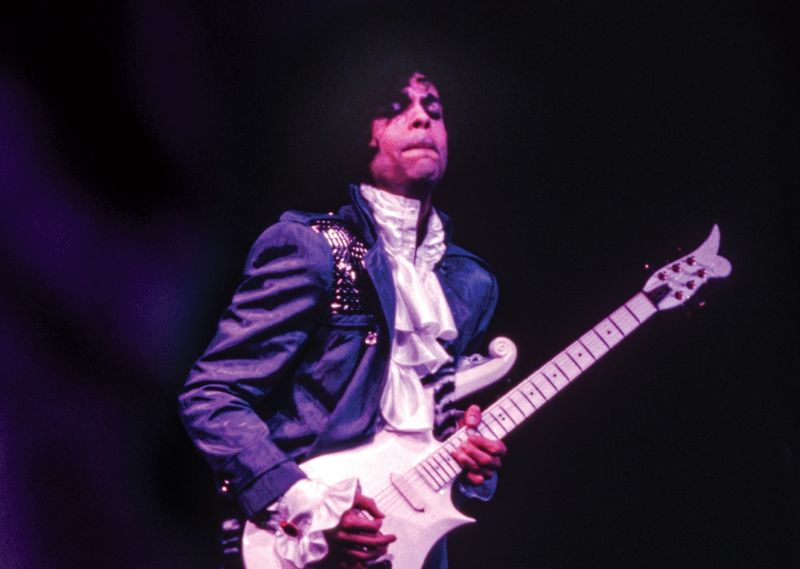
Prince’s guitar solo on “Purple Rain” is widely considered one of the most emotionally devastating performances ever captured on record. He builds from restrained, aching notes to a full release that sounds like grief transforming into something sacred.
The crowd noise woven into the recording gives it the feeling of a religious experience shared by thousands.
After an album full of tension and conflict, this closer delivers genuine transcendence. Those final moments feel completely earned — monumental in a way that very few songs ever achieve.
13. Phoebe Bridgers – I Know the End (Punisher, 2020)

Starting as a quiet, conversational folk song, “I Know the End” transforms into something completely unexpected: a horn-driven, chaotic apocalypse that ends with Bridgers howling wordlessly into silence. That shift is shocking the first time you hear it, and somehow even more powerful on every listen after.
The track cleverly weaves in references to earlier songs on Punisher, making it feel like a true conclusion rather than just a final track. Few modern album closers are this deliberately and brilliantly constructed.
14. The Clash – Train in Vain (London Calling, 1979)
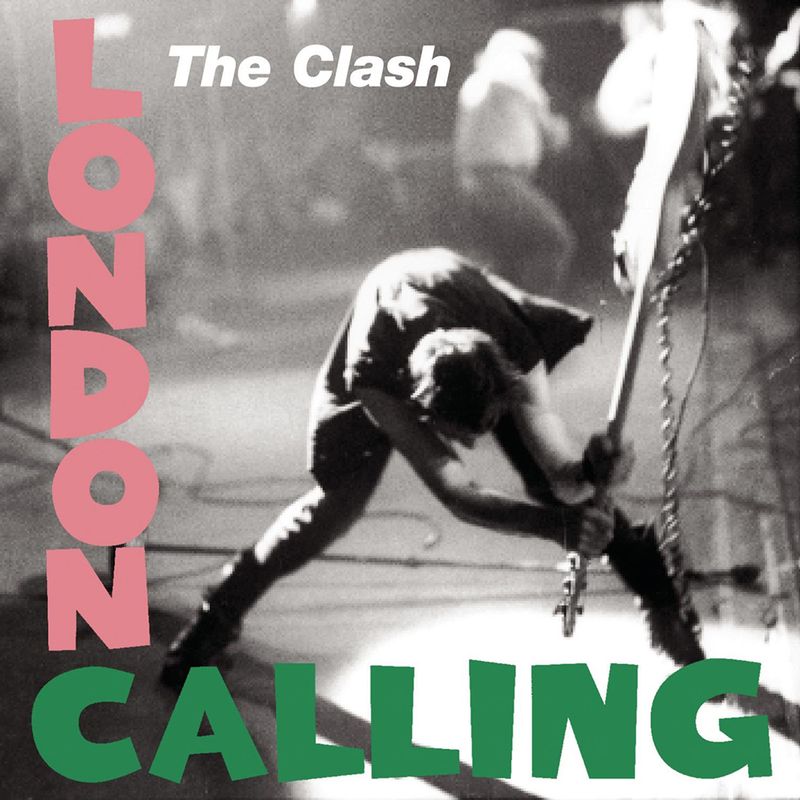
Here’s a fun piece of music history: “Train in Vain” wasn’t even listed on the London Calling album sleeve when it was released. It was added so late in production that there was no time to update the artwork, making it a genuine hidden track before hidden tracks were a thing.
Listeners discovered it by accident — and loved it immediately.
That spontaneity suits the song perfectly. Its driving rhythm and raw emotional energy made an already legendary album end on an unexpected, irresistible high note.
15. Talk Talk – Laughing Stock (1991)
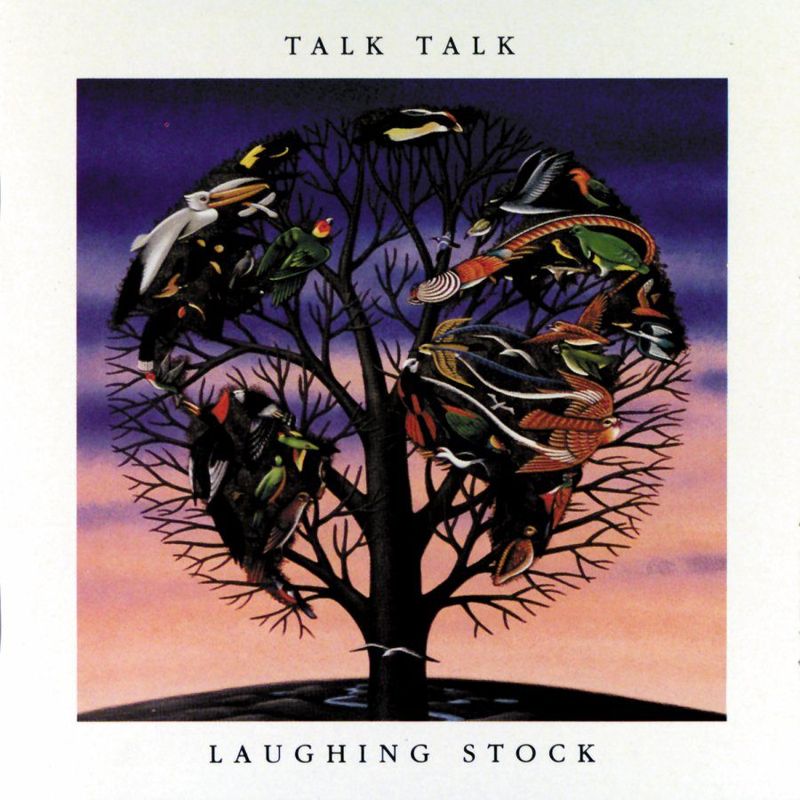
Laughing Stock isn’t just an album with a great ending — the entire record functions as one continuous, evolving closing statement. Mark Hollis recorded it in near-darkness, with long periods of silence between takes, and every sound that made the final cut was chosen with extraordinary care.
Silence itself became a musical instrument here.
The album influenced countless post-rock and ambient artists who followed. Its quiet refusal to follow any commercial logic made it one of the most singular and uncompromising records ever released.
16. David Bowie – Lazarus (Blackstar, 2016)

Released just two days before David Bowie died, Blackstar now reads as one of music history’s most extraordinary farewell letters. “Lazarus” — with its imagery of floating and looking down — takes on layers of meaning that are almost impossible to separate from what followed. Bowie knew exactly what he was doing.
Creating a personal obituary album while battling cancer privately showed remarkable artistic courage. Lazarus transformed a final recording into a gift: a way to say goodbye on his own extraordinary terms.
17. Stevie Wonder – As (Songs in the Key of Life, 1976)
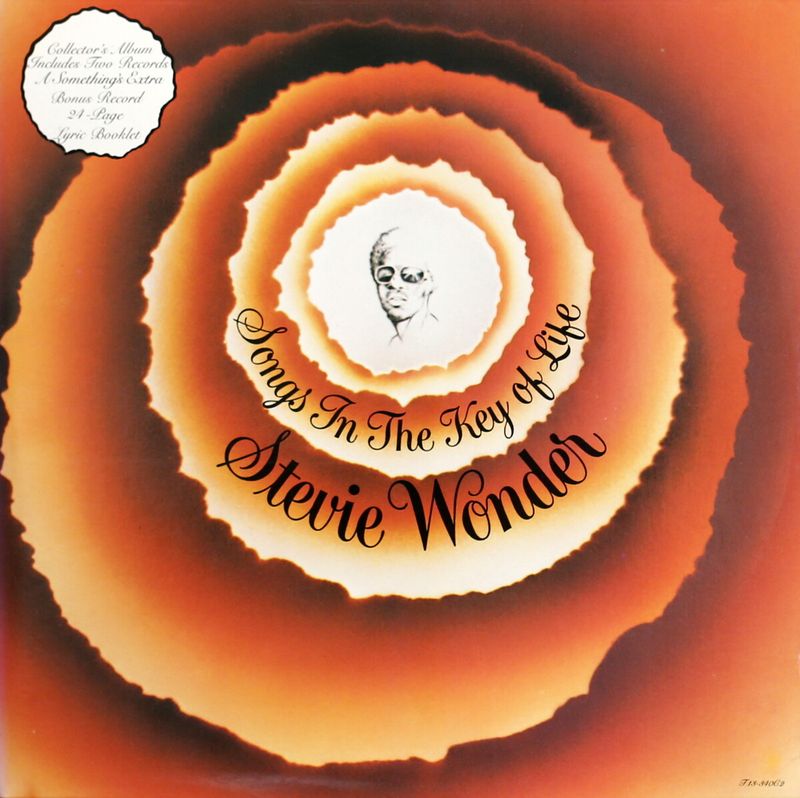
Songs in the Key of Life is widely regarded as the peak of Stevie Wonder’s classic period, and “As” closes it with a declaration of unconditional love so expansive it feels almost cosmic. Wonder played and arranged most of the music himself across this double album, and the depth of craft on display is genuinely breathtaking.
The song’s message — love that endures beyond all time — matches the album’s ambition perfectly. It’s a finale that doesn’t just end a record but affirms something fundamental about human connection.
18. The Velvet Underground – Sister Ray (White Light/White Heat, 1968)

At over 17 minutes of fuzz guitars, gothic organ, and Lou Reed narrating a story about drag queens and heroin in New York City, “Sister Ray” is an absolute wall of deliberately unhinged sound. The band reportedly didn’t even tell the engineer what they were planning — they just started playing and never stopped.
Closing White Light/White Heat with this track was a radical statement about what rock music could endure. It’s a total, glorious mess — and completely unforgettable because of it.
19. King Crimson – Starless (Red, 1974)
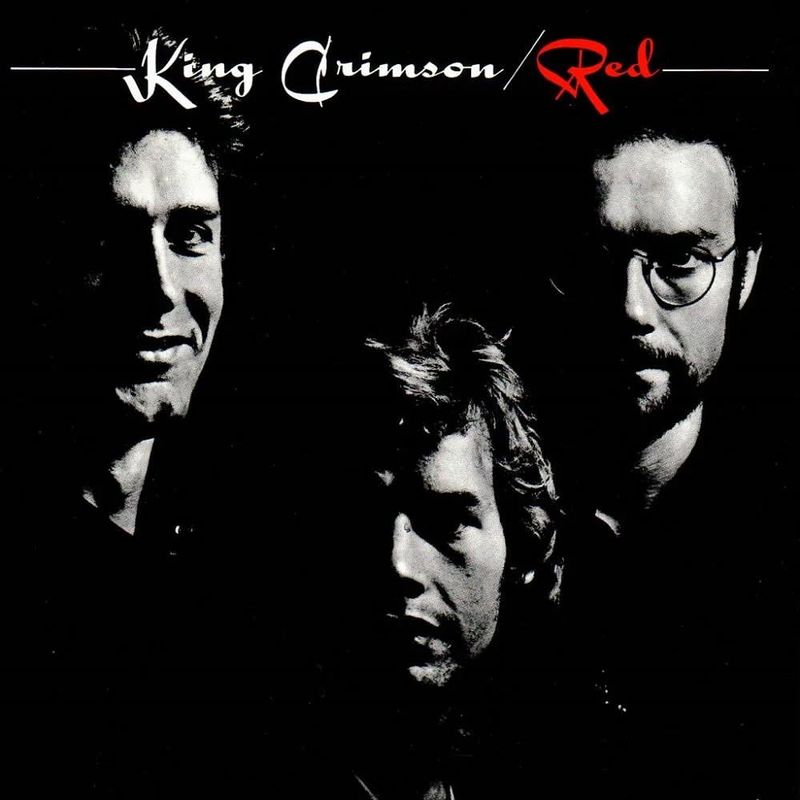
“Starless” earns its reputation as one of progressive rock’s greatest achievements through sheer patience. The track spends its first half building an atmosphere of creeping dread before a saxophone melody tears through the tension and the whole piece accelerates into something overwhelming and inevitable.
It feels like being pulled toward a horizon that keeps moving.
The song ends by returning to its opening melody — but nothing feels resolved. That deliberate lack of closure makes listeners hit play again almost immediately, which is exactly what a great album closer should do.
20. Nina Simone – Sinner Man (Pastel Blues, 1965)
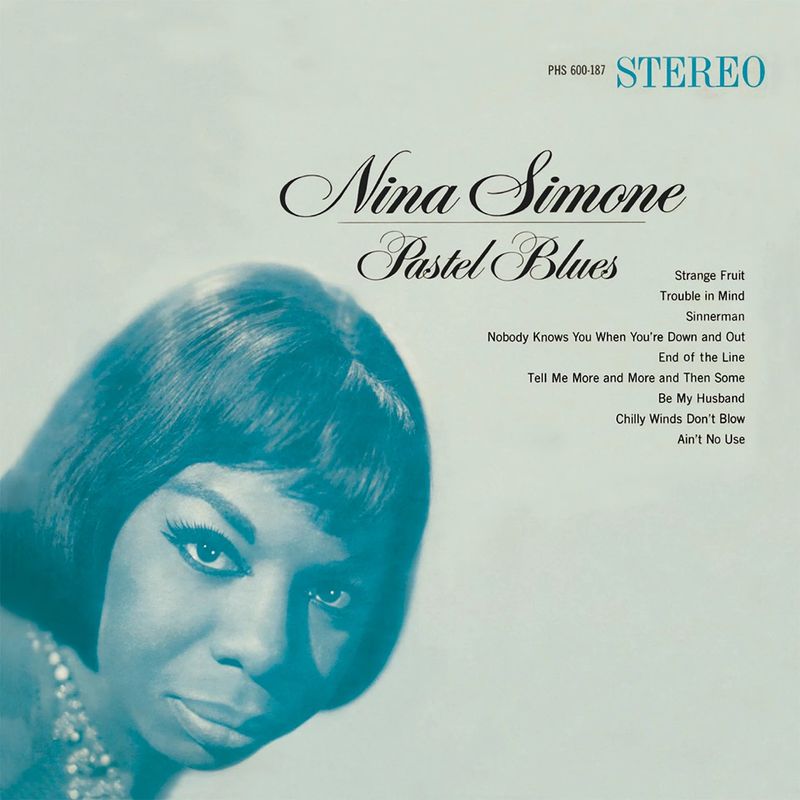
Taking up nearly 30% of the entire album’s runtime, “Sinner Man” is an extraordinary closing statement by any measure. Nina Simone transforms a traditional spiritual into something urgent and politically charged, her vocals shifting between fierce power and aching vulnerability within the same phrase.
The song feels alive in a way that’s genuinely rare.
Beyond its musical brilliance, it functioned as a cultural statement during the civil rights movement. Simone used gospel tradition to demand that the powerful answer for themselves — making this finale both timeless and historically essential.