
Baby Boomers grew up in a world shaped by post-World War II optimism, economic growth, and a strong belief in hard work. They developed a set of values they truly believed would set younger generations up for success.
But as times changed, many of those lessons fell on deaf ears. Here are 19 values Boomers tried to pass down that younger generations largely brushed aside.
1. Putting Work Above Everything Else

Clock in early, stay late, and never complain about it. That was practically the Boomer motto.
They believed that putting in long hours was the surest path to financial security and respect.
But Millennials and Gen Z pushed back hard. They want jobs that feel meaningful, not just ones that pay the bills.
Work-life balance is not a luxury to younger generations — it is a non-negotiable part of a healthy, fulfilling life.
2. Staying Loyal to One Employer for Life

Spending 30 years at the same company was once considered a badge of honor. Boomers believed that loyalty to an employer would be rewarded with job security, promotions, and a solid pension.
Younger workers see things very differently. Switching jobs every few years is now a smart career move, not a red flag.
Gen Z especially seeks workplaces that match their personal values, not just ones that offer a steady paycheck and a long handshake goodbye.
3. Saving Money Instead of Spending It

Boomers lived by the phrase “save for a rainy day.” Growing up after wartime scarcity, they understood that financial cushions were not optional — they were survival tools.
Younger generations, drowning in student loan debt and sky-high rent, often feel like saving is a fantasy. When every paycheck disappears before the next one arrives, the idea of tucking money away feels tone-deaf rather than wise.
Still, the habit has real long-term power that many are slowly rediscovering.
4. Respecting Authority Without Question

“Because I said so” was considered a perfectly reasonable answer when Boomers were growing up. Respecting elders, teachers, and bosses was not just expected — it was demanded.
Today’s younger generations have access to endless information and diverse viewpoints online. Blind deference to authority feels outdated when you can fact-check a statement in seconds.
Questioning leadership is now seen as healthy critical thinking, not disrespect — a shift that has quietly but completely changed how authority is viewed.
5. Owning a Home as the Ultimate Goal

For Boomers, buying a house was the clearest sign you had made it. A home meant stability, investment, and proof that hard work paid off.
It was practically step one in the American Dream playbook.
Millennials came of age during the 2008 housing crash and now face record-breaking home prices. Renting is not a failure — for many, it is just reality.
The dream of homeownership has not disappeared, but it has been pushed so far out of reach that it barely feels like a goal anymore.
6. Keeping Personal Problems Private

Boomers were largely raised to keep their struggles behind closed doors. Airing personal problems publicly was considered embarrassing, even shameful.
You handled things quietly, within the family.
Gen Z practically grew up sharing life online — mental health struggles, relationship issues, and all. Vulnerability is now celebrated as a strength, not a weakness.
Therapy is trendy, feelings are valid, and speaking openly about hardship is seen as brave. The wall of emotional silence that Boomers built has largely crumbled.
7. Prioritizing Family Milestones on a Traditional Timeline

Marry young, have kids, buy a house — in that order. Boomers followed a fairly predictable life script and often expected younger generations to do the same without much debate.
Millennials and Gen Z are rewriting that script entirely. Many are choosing to focus on personal growth, travel, and career before settling down.
Some are skipping marriage or parenthood altogether. Life milestones are no longer a checklist — they are personal choices made on individual timelines, not social expectations.
8. Toughing It Out Instead of Seeking Help

“Walk it off” was not just advice — it was a full philosophy. Boomers were taught that complaining about difficulties, whether physical or emotional, was a sign of weakness.
Mental health awareness has completely flipped that script. Younger generations understand that asking for help is not weakness — it is wisdom.
Therapy, medication, and open conversations about burnout are now mainstream. The old idea of silently suffering through hard times is fading fast, and honestly, that is a good thing.
9. Material Possessions as Proof of Success

A big house, a shiny car, and a full closet — these were the trophies Boomers worked toward. Material goods signaled achievement and told the world you had done something right with your life.
Millennials largely swapped that mindset for experiences. Concerts, travel, and weekend adventures matter more than a luxury vehicle sitting in the driveway.
Minimalism and sustainability have also reshaped how younger generations think about ownership. Stuff, it turns out, does not feel as satisfying as it once seemed to promise.
10. Face-to-Face Communication Over Everything

Nothing beats a firm handshake and a face-to-face conversation — or so Boomers firmly believed. In-person meetings were the gold standard, and phone calls were at least a close second.
Younger generations grew up texting before they could drive. Digital communication is not a shortcut to them — it is just how things work.
A quick Slack message or email gets the job done faster and often more clearly. The pressure to always meet in person feels unnecessary and honestly a little exhausting.
11. Optimism About the Future No Matter What
Boomers grew up during a time of economic expansion and national confidence. They genuinely believed that tomorrow would be better than today, and they carried that outlook like a badge.
Younger generations inherited climate anxiety, economic instability, and a global pandemic before hitting 30. Blind optimism can feel dismissive when real structural problems are stacking up.
That said, many younger people are channeling their concerns into activism and change — a different kind of hope, grounded in honesty rather than assumption.
12. The Value of Patience and Delayed Gratification

Boomers understood that good things take time. Whether it was climbing the career ladder or saving up for a vacation, waiting and working steadily was simply part of the process.
Instant streaming, same-day delivery, and social media have completely rewired expectations. Waiting feels foreign when everything else arrives in seconds.
Younger generations are not necessarily lazy — they just grew up in a world designed for speed. Relearning patience is a skill many are only now beginning to appreciate as genuinely valuable.
13. Community Involvement and Civic Duty

Joining the PTA, attending town hall meetings, volunteering at church — Boomers saw civic participation as a basic responsibility of being a good neighbor and citizen.
Younger generations are not disengaged, but their involvement looks different. Online activism, social media campaigns, and global causes have replaced the town square.
Critics call it slacktivism, but supporters argue it reaches far more people. Community still matters to Gen Z — the definition of it has just expanded well beyond the zip code.
14. A College Degree as the Path to Success

For decades, a college diploma was practically a golden ticket. Boomers pushed education hard, believing a degree was the most reliable bridge between hard work and a comfortable life.
The math has shifted dramatically. Tuition costs have skyrocketed while starting salaries have barely budged.
Many graduates are buried in debt for degrees that did not deliver promised opportunities. Trade schools, entrepreneurship, and online learning are now serious alternatives.
The diploma still has value, but younger generations are right to question whether it is always worth the price.
15. Self-Reliance and Not Asking for Handouts

Pull yourself up by your bootstraps — Boomers did not just say it, they lived it. Asking for financial help or government assistance was often seen as a personal failure, something to be avoided at all costs.
Younger generations grew up watching systems fail people who played by the rules. Student debt forgiveness, affordable healthcare, and housing assistance are not signs of weakness to them — they are reasonable responses to broken structures.
The idea that struggling alone is noble has lost a lot of its shine.
16. Dressing Professionally to Be Taken Seriously

Suits, ties, and polished shoes were not just a dress code — they were a statement. Boomers believed that looking professional was inseparable from being professional, full stop.
Casual Fridays eventually became casual every day for a lot of younger workers. Hoodies in board meetings and sneakers at job interviews are no longer shocking.
Many younger professionals argue that ideas and results should speak louder than clothing choices. Dressing up still has its place, but the strict rules around it have largely relaxed for good.
17. Keeping Politics and Religion Out of the Workplace
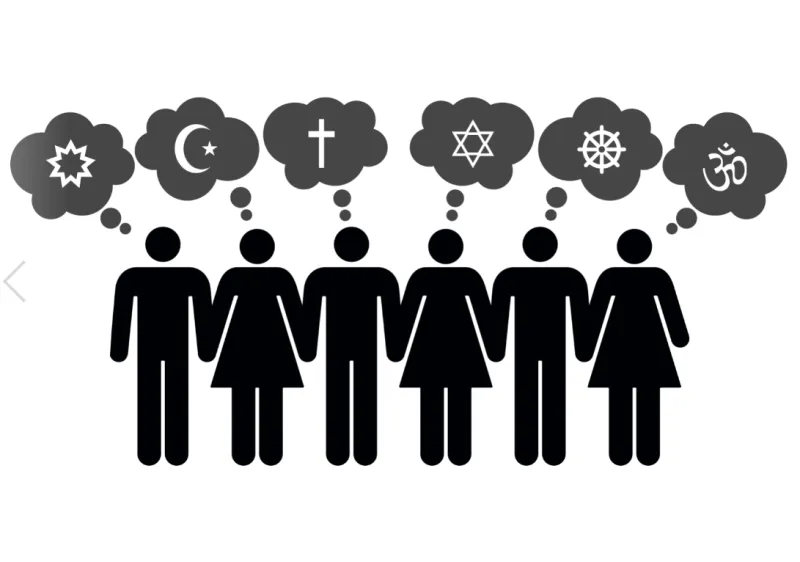
There was an unspoken rule in many Boomer workplaces: leave your beliefs at the door. Politics and religion were considered private matters that had no business showing up between nine and five.
Younger workers increasingly expect their employers to take public stances on social issues. Brand values, corporate activism, and workplace culture are now deeply connected.
Staying silent on major issues can feel like a statement in itself. The idea of a values-free workplace feels less like professionalism and more like avoidance to many in Gen Z.
18. Environmental Responsibility Through Personal Choices

Many Boomers did care about the environment — they just expressed it quietly. Turning off lights, not wasting food, and keeping a tidy yard were their versions of environmental stewardship.
Younger generations want systemic change, not just individual habits. Recycling one plastic bottle feels meaningless when corporations dump millions of tons of waste unchecked.
Climate activism, policy demands, and sustainability movements reflect a deeper urgency. Personal responsibility still matters, but younger generations argue that fixing the planet requires much bigger solutions than remembering to turn off the tap.
19. Defining Yourself by Your Achievements
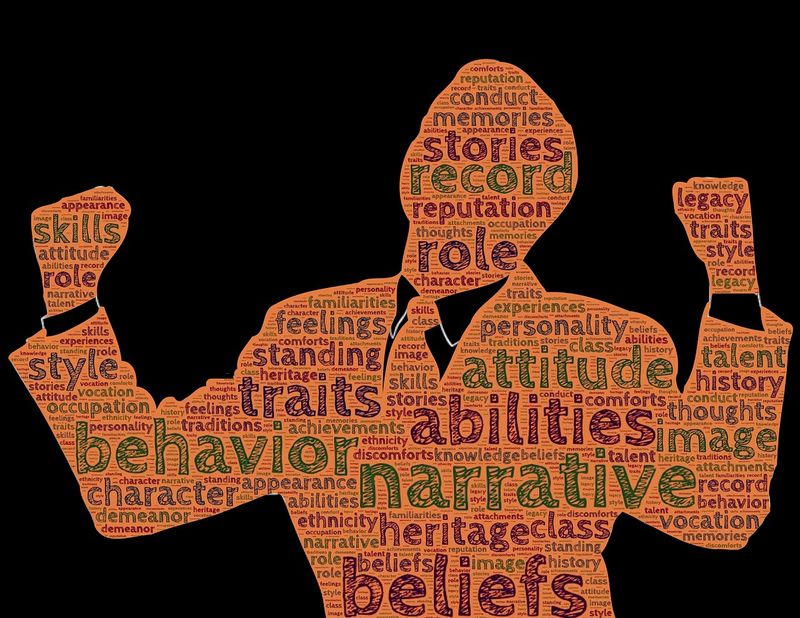
Ask a Boomer who they are, and chances are they will lead with what they do. Career achievements, titles, and accomplishments were the building blocks of identity for an entire generation.
Younger generations are actively pushing back on that idea. Mental health conversations have highlighted the danger of tying self-worth to productivity.
Gen Z especially values identity that includes passions, relationships, and personal growth — not just a job title. Being enough without constantly achieving something is a quiet revolution that Boomers largely never got the memo on.