
Some TV characters felt larger than life when we first watched them. We cheered them on, quoted their lines, and even wanted to be like them.
But as time passes and our values grow, we start seeing these characters in a very different light. What once seemed cool, funny, or romantic can now look selfish, manipulative, or just plain wrong.
1. Ross Geller from Friends
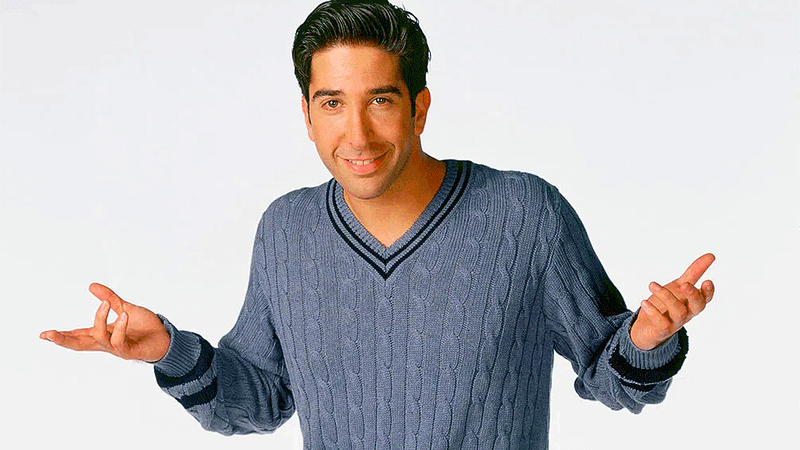
Remember when Ross felt like the relatable, nerdy romantic on Friends? Looking back now, his behavior tells a much darker story.
He was jealous, controlling, and constantly used “we were on a break” to dodge accountability.
His possessiveness over Rachel and his pattern of making everything about himself are hard to ignore. What once read as passion now reads as emotional immaturity.
Ross wasn’t the good guy we thought he was.
2. Barney Stinson from How I Met Your Mother
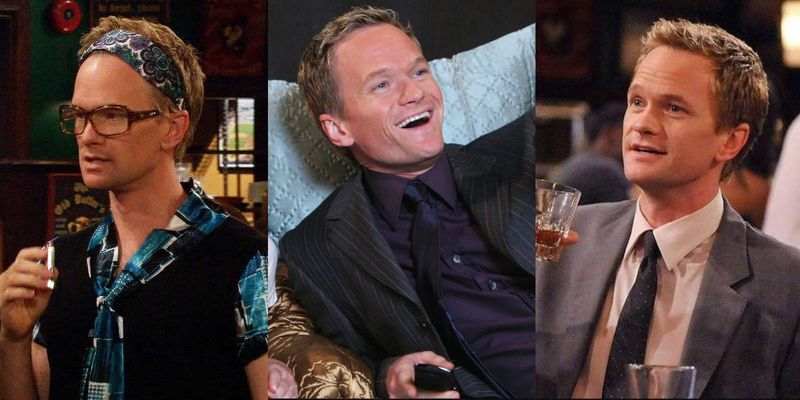
Barney Stinson had the whole package back in the day: the suits, the one-liners, and a confidence that made viewers laugh every single episode. He was the guy everyone wanted at their party.
But strip away the comedy, and his “playbook” is basically a manual for manipulation. He treated women as targets rather than people.
Rewatching those scenes today makes it clear his charm was hiding something much more troubling underneath.
3. Eric Cartman from South Park

Cartman was always meant to be a satirical villain, the kid you love to hate. His outrageous behavior got laughs because it felt so ridiculously over the top.
Surely no real person could be that awful, right?
The problem is, as time goes on, his cruelty stops feeling like satire and starts feeling uncomfortably familiar. Bullying, manipulation, and zero empathy aren’t funny punchlines anymore.
Cartman reflects behaviors we now recognize as genuinely harmful in the real world.
4. Homer Simpson from The Simpsons

Homer Simpson was the lovable goofball dad of an entire generation. His bumbling ways made millions laugh, and his heart always seemed to be in the right place.
We rooted for him constantly.
Watching now, though, it’s hard to miss how often Homer puts his family in danger through sheer laziness and poor choices. Strangling Bart as a joke doesn’t land the same way anymore.
His irresponsibility feels less funny and more like a real parenting problem.
5. Carrie Bradshaw from Sex and the City
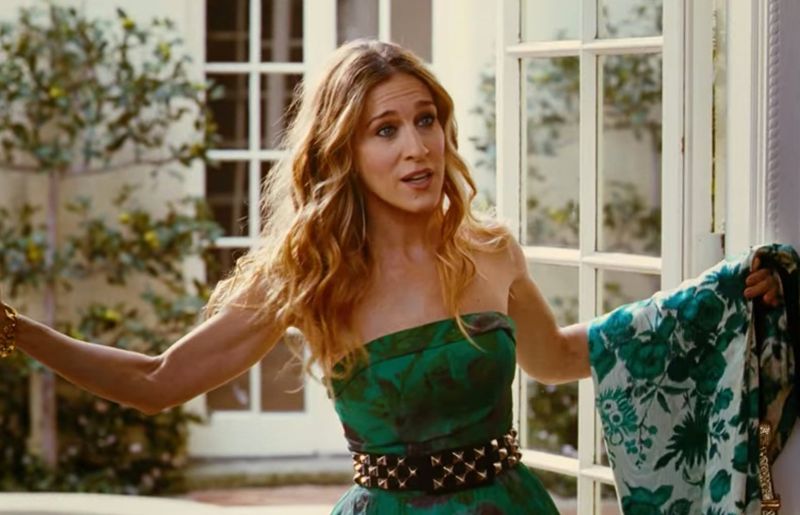
Carrie Bradshaw was supposed to be the ultimate symbol of modern, independent womanhood. She wrote about love, wore fabulous shoes, and navigated New York with flair.
Many viewers genuinely wanted her life.
Looking back, Carrie was often selfish and financially reckless, borrowing money from friends while spending on Manolos. She treated people around her poorly when things didn’t go her way.
The “relatable mess” persona has aged into something that feels more entitled than endearing by today’s standards.
6. Tony Soprano from The Sopranos
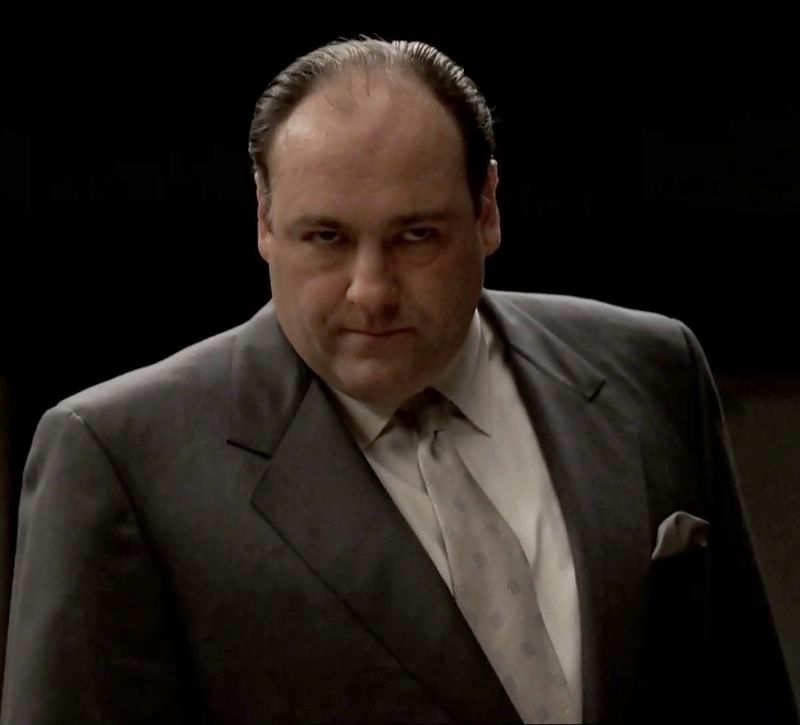
Tony Soprano was television’s antihero king. Viewers were fascinated by his complexity, his therapy sessions, and his moments of unexpected vulnerability.
He made organized crime feel strangely compelling to watch.
But Tony was also a murderer, an abuser, and a deeply manipulative husband and father. The show’s genius was making us forget that too easily.
Rewatching The Sopranos, it becomes harder to sympathize with a man who causes so much deliberate suffering to everyone around him.
7. Don Draper from Mad Men
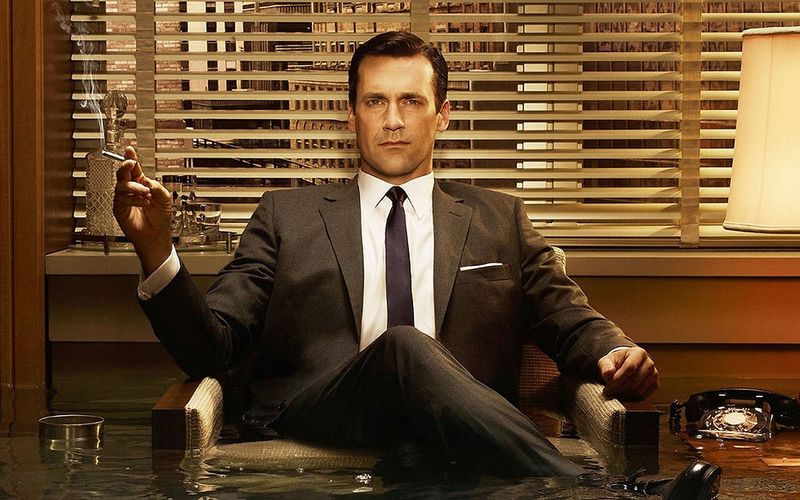
Don Draper was the definition of cool for a whole era of television. Impeccably dressed, brilliantly creative, and magnetic in every scene he walked through.
He made the 1960s look irresistible.
Underneath that polished surface, though, Don was a chronic liar who abandoned his real identity, cheated constantly on his wives, and emotionally neglected his children. His “tortured genius” label covered up genuinely destructive behavior.
The glamour of Mad Men made it easy to overlook just how much damage Don left behind.
8. Hank Moody from Californication
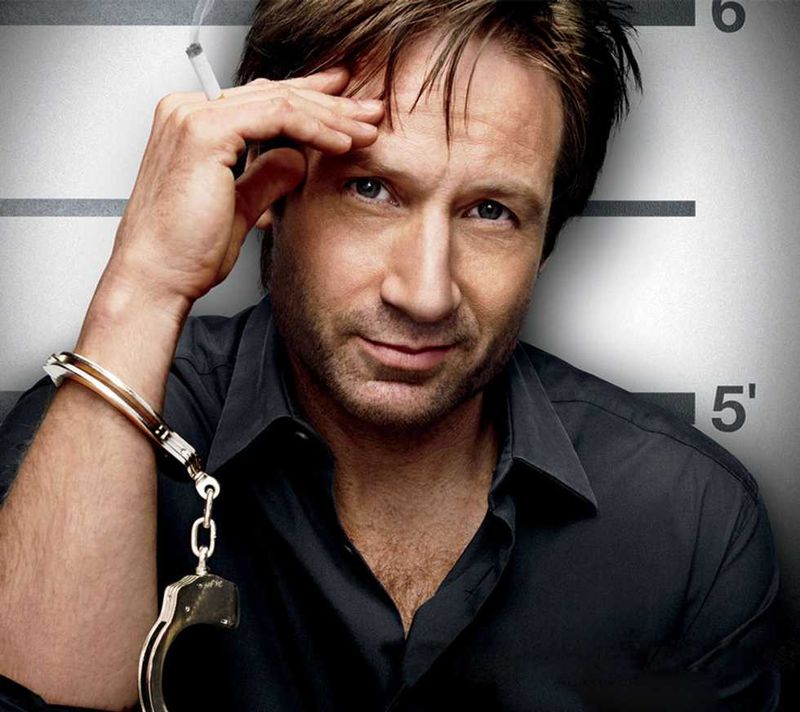
Hank Moody was pitched as the brooding, brilliant writer whose chaotic love life made for irresistible television. His wit was sharp, his passion undeniable, and somehow his mess always felt romantic.
In reality, Hank repeatedly hurt the people closest to him and used his “artist” identity as a free pass for bad behavior. The show framed his self-destruction as sexy rather than harmful.
Watching today, it’s much clearer that Hank needed accountability, not admiration.
9. Chuck Bass from Gossip Girl
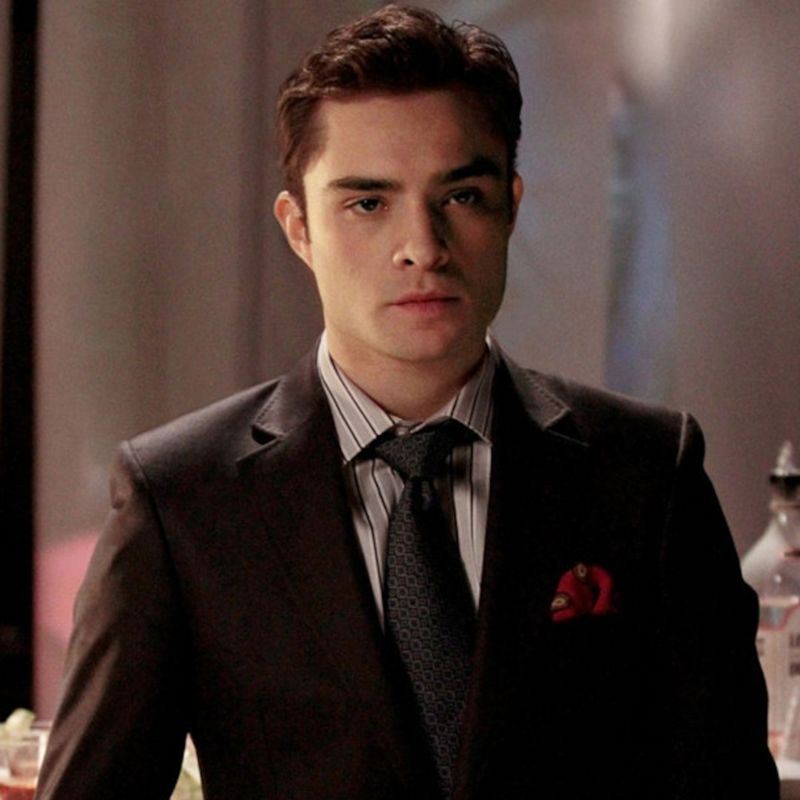
Chuck Bass was Gossip Girl’s most magnetic villain turned love interest, and somehow viewers cheered when Blair chose him. His brooding intensity and designer wardrobe made him look like the ultimate dark prince.
But Chuck attempted to assault two characters in the very first episode. That fact got buried under romantic storylines and stylish outfits.
No amount of character development fully erases those early moments, and many fans now question why he was ever framed as a romantic lead.
10. Walter White from Breaking Bad
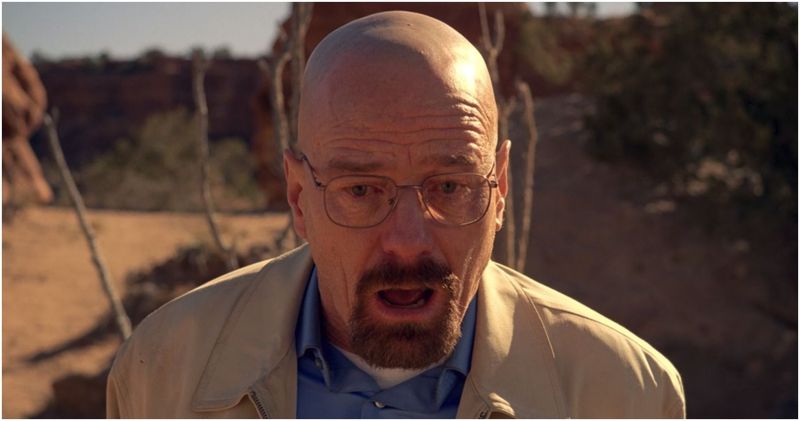
Breaking Bad was a masterclass in storytelling, and Walter White was its complicated centerpiece. Audiences followed his transformation from mild-mannered teacher to ruthless drug kingpin with genuine fascination.
It felt like watching a train wreck you couldn’t look away from.
What’s shifted is how many viewers initially rooted for Walt long past the point where he deserved it. His ego and pride drove him to destroy everyone he claimed to love.
He wasn’t a hero fighting the system. He was the villain all along.
11. Ted Mosby from How I Met Your Mother
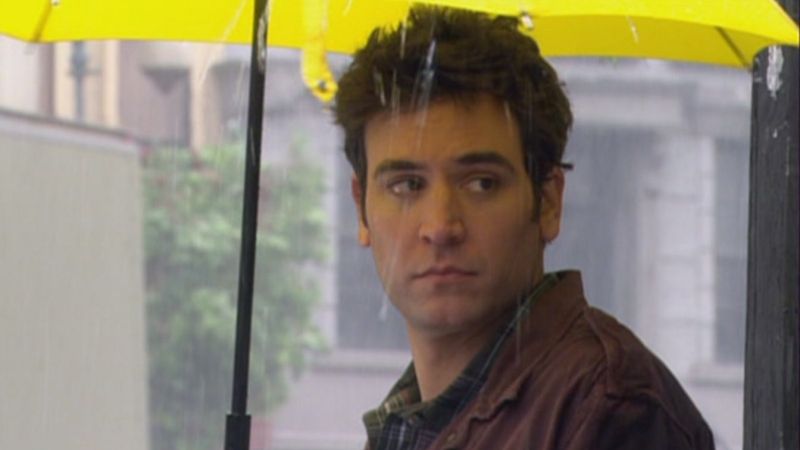
Ted Mosby was sold to audiences as the ultimate romantic, a guy who never stopped believing in love. His grand gestures and hopeless devotion made him seem like the dream partner everyone wanted to find.
Rewatching the show reveals a Ted who was often clingy, boundary-crossing, and obsessive. He put women on pedestals instead of seeing them as real people.
His “hopeless romantic” label masked some genuinely exhausting and self-centered behavior that viewers are now far less willing to excuse.
12. Rachel Berry from Glee
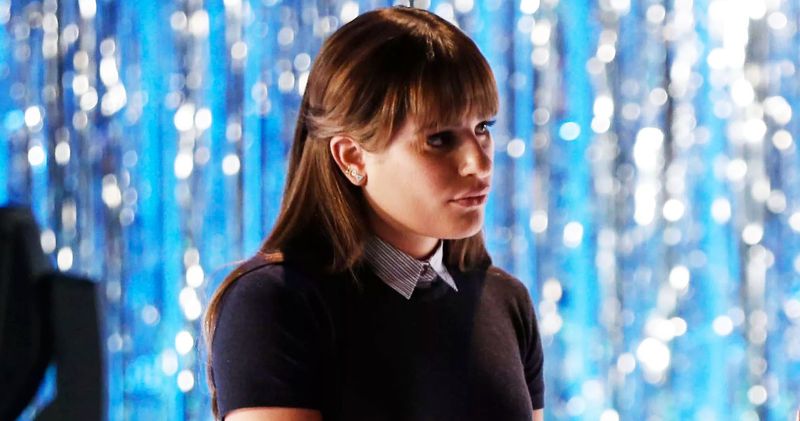
Rachel Berry was Glee’s star, the girl with the biggest voice and the biggest dreams. Her determination was supposed to be inspiring, and for many young viewers, it truly was.
She worked harder than anyone else in that choir room.
But Rachel also steamrolled her friends, made everything about herself, and treated others as stepping stones to her own success. Her ambition crossed into cruelty more often than the show admitted.
Looking back, she was less of a role model and more of a cautionary tale about unchecked ego.
13. Jess Day from New Girl

Jess Day was adored for her quirkiness, optimism, and warm heart when New Girl first aired. She felt like a breath of fresh air, a character who was unapologetically herself in every situation.
Over time, though, Jess’s “adorkable” personality sometimes crossed into self-righteousness and an inability to respect other people’s boundaries. She often inserted herself into situations uninvited and expected praise for it.
What read as charming then now sometimes reads as someone who struggles to understand that the world doesn’t revolve around her feelings.
14. Hawkeye Pierce from M*A*S*H
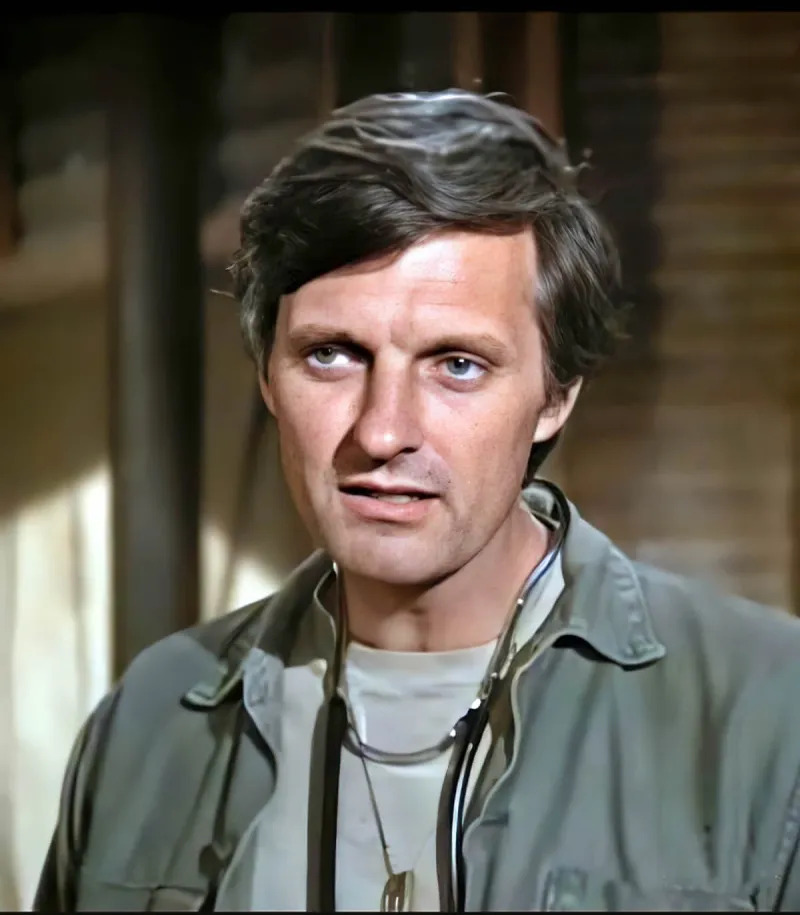
Hawkeye Pierce was the beating heart of M*A*S*H, a brilliant surgeon who used humor to survive the horrors of war. He was funny, principled, and deeply human in ways that made the show genuinely great television.
Still, Hawkeye’s constant womanizing and dismissiveness toward women’s boundaries haven’t aged well. He was often celebrated for behavior that today would be recognized as harassment.
His moral compass was real, but it had some significant blind spots that the show was too comfortable overlooking.
15. Piper Chapman from Orange Is the New Black

Piper Chapman was Orange Is the New Black’s entry point, the “relatable” white woman audiences were supposed to follow into the world of prison. She was framed as sympathetic and somewhat innocent compared to her surroundings.
Many viewers quickly realized Piper was actually one of the most frustrating characters on the show. Her privilege, self-pity, and refusal to take real responsibility made her difficult to root for.
The show itself eventually seemed to acknowledge this, which made Piper’s earlier framing feel even more misguided in hindsight.
16. Michael Scott from The Office
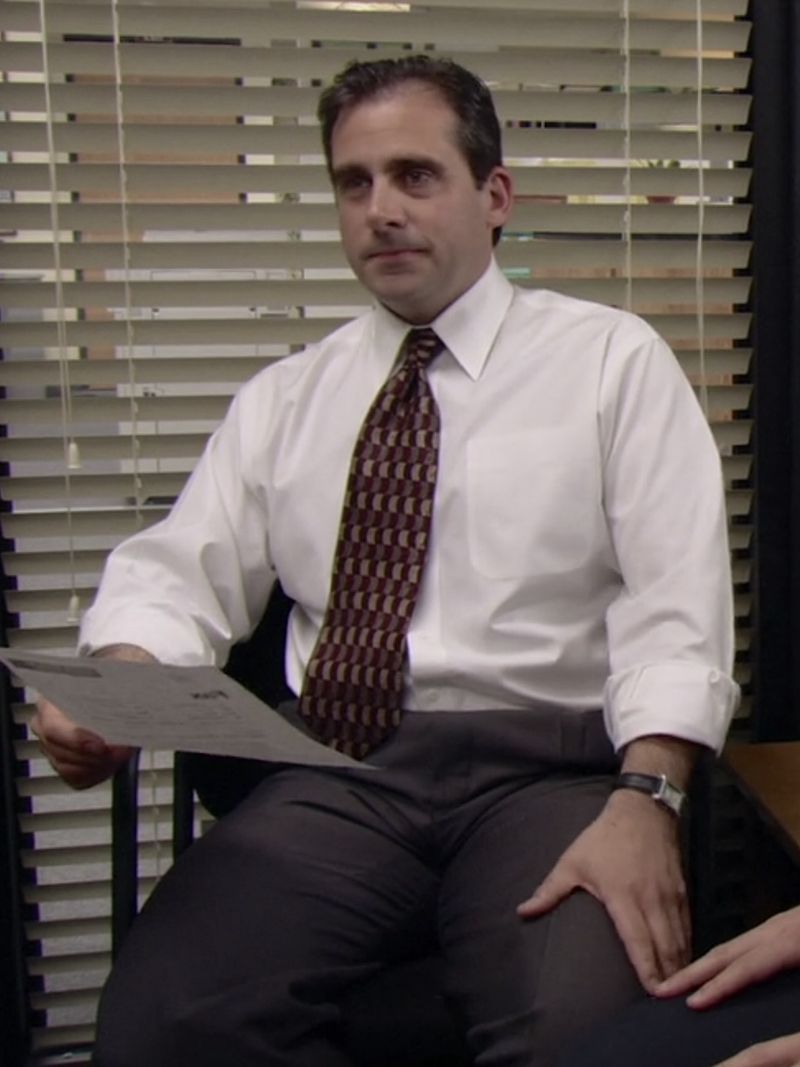
Michael Scott was the comedic engine of The Office, a boss so oblivious and well-meaning that his disasters felt endearing rather than damaging. Fans quoted him constantly and dressed as him for Halloween every year.
Watching those episodes fresh, Michael’s behavior in the workplace would be considered a human resources nightmare. His inappropriate comments, boundary violations, and favoritism created a genuinely toxic environment.
The laugh track made it easy to miss how miserable many of his employees actually were every single day.
17. Logan Huntzberger from Gilmore Girls
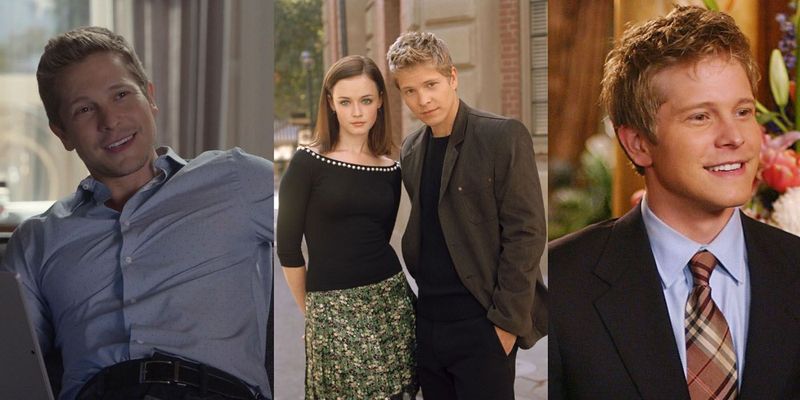
Logan Huntzberger swept Rory Gilmore off her feet, and many viewers swooned right along with her. He was charming, adventurous, and came from old money, which the show treated as glamorous rather than complicated.
But Logan repeatedly dismissed Rory’s feelings, pressured her, and used his wealth as both a weapon and a shield. His “live in the moment” attitude was actually a convenient excuse to avoid commitment and consequences.
The romanticization of his behavior feels much harder to accept watching the show today.
18. Nate Archibald from Gossip Girl

Nate Archibald was the golden boy of Gossip Girl, the handsome, well-meaning guy who always seemed to be caught between two women. He was easy to like because he rarely did anything overtly terrible on screen.
That passivity, though, was actually its own problem. Nate drifted through relationships without honesty, consistently cheated, and never faced real consequences for any of it.
His good looks and easygoing personality shielded him from accountability in ways that feel much more noticeable now than they did in 2007.
19. Ryan Atwood from The O.C.

Ryan Atwood arrived in Newport Beach as the brooding outsider, and the show made his troubled background feel romantic and magnetic. He was the bad boy with a good heart, and viewers absolutely loved him for it.
But Ryan’s solution to nearly every problem was his fists. The show consistently framed his violence as justified protectiveness rather than a serious behavioral issue.
That pattern of solving emotional problems through physical confrontation is something audiences today are far more likely to call out than celebrate.