
Nobody likes being told they’re wrong, but sometimes it has to happen. The way you say it makes all the difference between hurting someone’s feelings and having a real, productive conversation.
Thoughtful people know that choosing the right words can turn an awkward moment into a chance for connection and learning. Here are 19 clever phrases that make correcting someone feel respectful, kind, and even refreshing.
1. “I See Where You’re Coming From, But Here’s What I Think”

Empathy first, correction second. That’s the quiet genius behind this phrase.
When you lead with understanding, the other person feels heard rather than attacked, which makes them far more likely to actually listen to what you say next.
Acknowledging someone’s viewpoint before sharing your own turns a potential argument into a real exchange of ideas. It signals maturity and emotional intelligence, two things that go a long way in any conversation.
2. “I Think You Might Be Mistaken”

Sometimes the most direct path is still the kindest one. Saying “I think you might be mistaken” is soft enough to avoid sounding harsh, yet clear enough that nobody walks away confused about what you meant.
The word “might” does a lot of heavy lifting here. It leaves room for the possibility that you could be wrong too, which keeps the conversation balanced and open rather than one-sided and defensive.
3. “This Is How I Understood It”

Framing a correction as your own understanding rather than a flat-out contradiction is a smart move. It shifts the conversation from “you’re wrong” to “let’s compare notes,” which feels a lot less threatening to everyone involved.
This phrase works especially well when facts are fuzzy or when both of you might have partial information. It opens the door to a collaborative search for the truth rather than a competition over who’s right.
4. “Let’s Find a Time to Chat More About This”
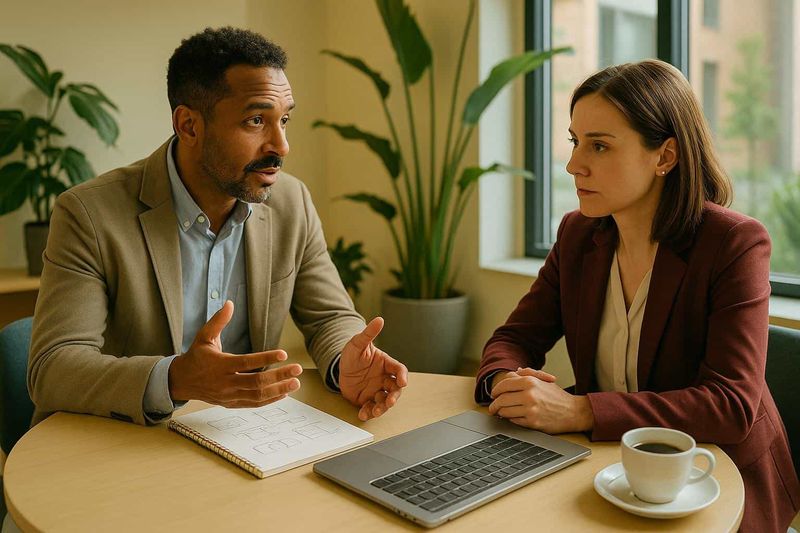
Not every correction needs to happen right now, in front of everyone. Suggesting a dedicated time to talk is a graceful way to pump the brakes when emotions are running high or when the setting just isn’t right for a deep discussion.
It also shows respect for the topic itself. By saying you want to revisit it properly, you signal that the matter is worth genuine attention, not just a quick dismissal in passing.
5. “Have You Considered Another Perspective?”

Asking someone if they’ve considered a different angle is one of the most elegant ways to introduce a correction. You’re not telling them they’re wrong outright; you’re inviting them to think more broadly, which feels empowering rather than embarrassing.
People are much more willing to update their thinking when they feel like they arrived at the new idea themselves. This phrase quietly guides them there without bruising their ego along the way.
6. “I Respect Your Opinion, But I Disagree”

Short, honest, and remarkably respectful. Saying this phrase out loud takes courage because it doesn’t hide behind vague language or soft cushioning.
You’re making it clear that disagreement and respect can absolutely coexist in the same sentence.
It’s a phrase that models healthy communication for everyone listening too. In a world where disagreements often turn loud and ugly fast, this calm declaration stands out as something genuinely admirable.
7. “If You’re Open to It, I’d Love to Share My Viewpoint”

Asking permission before correcting someone is a surprisingly powerful move. It gives the other person a sense of control over the conversation, which makes them far more receptive to what you’re about to say.
When someone feels like they chose to hear your perspective rather than having it pushed on them, they’re more likely to genuinely consider it. This phrase turns you into a collaborator rather than a critic, and that changes everything.
8. “This Has Been My Experience”
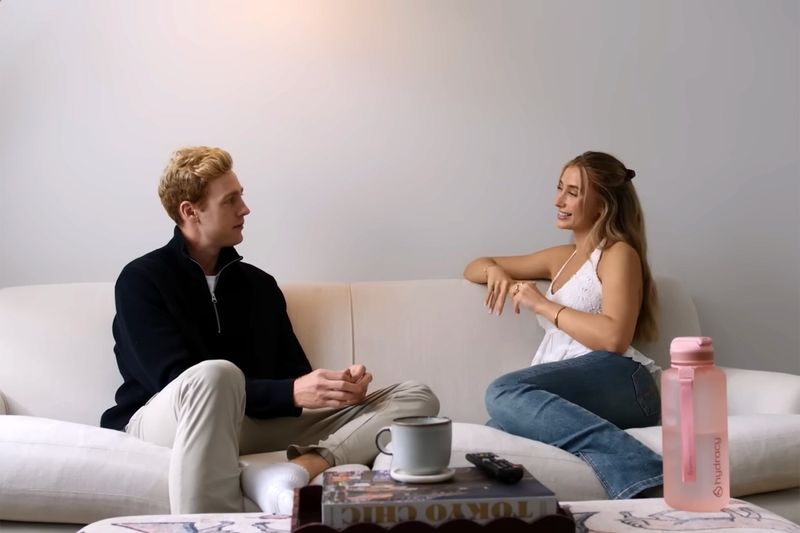
Personal experience is one of the most disarming tools in a conversation. When you share what you’ve lived through rather than just stating a fact, the correction feels less like a lecture and more like a story worth hearing.
Nobody can argue with your personal experience the way they might argue with a statistic or a general claim. It grounds the conversation in something real and human, making your correction both credible and easy to receive.
9. “There Might Be a Different Approach That Gets Better Results”

Redirecting someone toward a better solution is one of the most constructive forms of correction there is. Instead of dwelling on what went wrong, this phrase immediately points the conversation toward what could go right.
It’s especially useful in work settings where the goal is shared and nobody wants to waste time on blame. Framing a correction as a path to better outcomes keeps everyone focused on moving forward together rather than defending past choices.
10. “Let’s Find Our Common Ground”

When a disagreement starts to feel like a tug-of-war, reminding both sides that you share common goals can completely change the energy of the room. This phrase is less about winning and more about bridging the gap between two different viewpoints.
Starting from what you agree on builds trust and goodwill before the harder parts of the conversation even begin. It’s a reminder that most disagreements aren’t as total as they first appear.
11. “I’d Love to Look at This From a Different Angle”

Proposing a fresh angle on a problem is a diplomatic and genuinely exciting way to introduce a correction. It frames your input as curiosity rather than criticism, which makes the other person curious too instead of defensive.
Thoughtful people know that how you present an idea matters just as much as the idea itself. Framing your correction as an exploration rather than a verdict keeps the atmosphere collaborative and mentally stimulating for everyone at the table.
12. “Actually, the Latest Information Suggests Something Different”

Facts change, and sometimes people are working with outdated information without even knowing it. Pointing to newer data is one of the least personal ways to correct someone because it shifts the focus from them to the information itself.
Nobody feels targeted when the correction comes from updated research rather than your personal opinion. It takes the edge off completely and positions both of you as people simply trying to get to the most accurate version of the truth.
13. “That’s an Interesting Point, Though I’ve Heard It Differently”

Leading with a genuine compliment before introducing a correction is a classic technique that never goes out of style. Calling someone’s point interesting isn’t false flattery; it acknowledges that they were thinking and engaging, which is always worth something.
Following it up with “I’ve heard it differently” keeps the tone exploratory rather than corrective. You’re not saying they’re wrong; you’re saying there’s more to the story, which invites curiosity instead of defensiveness.
14. “Just to Clarify, I Think the Facts Are a Bit Different”

Clarity is a gift. When you frame a correction as a clarification, you remove the sting almost entirely because you’re not attacking the person’s intelligence, you’re simply filling in a gap.
The phrase also sets a calm, measured tone that signals you’re not looking for a fight. It’s the conversational equivalent of a gentle tap on the shoulder rather than a loud interruption, and people respond to that kind of measured approach with far less resistance.
15. “I Wonder If We Might Be Working From Different Information”

Suggesting that a disagreement might come from different sources of information is one of the most charitable interpretations you can offer. It assumes good faith on both sides, which immediately lowers the temperature of any tense exchange.
When you frame it as a gap in information rather than a gap in intelligence, you protect the other person’s dignity completely. That kind of emotional generosity tends to come back to you in the form of a much more productive conversation.
16. “You Raise a Fair Point, But Here’s Another Way to Look at It”

Validation before redirection is a formula that works remarkably well in almost any conversation. When someone feels genuinely heard, their defenses drop and they become far more willing to consider what comes next.
Saying “you raise a fair point” isn’t empty flattery; it’s an honest acknowledgment that the other person was engaged and thinking. From that foundation of mutual respect, introducing an alternative perspective feels natural rather than combative, and the conversation stays productive.
17. “From What I Know, That Might Not Be Quite Right”

Hedging your correction with “from what I know” does something smart: it keeps you humble while still being clear. You’re not pretending to be an all-knowing authority; you’re simply sharing what you understand to be true.
That kind of intellectual honesty is actually more persuasive than overconfidence. People trust someone who admits the limits of their knowledge far more than someone who speaks in absolutes, which means your correction is more likely to be taken seriously.
18. “Can We Double-Check That Together?”

Inviting someone to fact-check alongside you is one of the most collaborative corrections you can make. Instead of positioning yourself as the one who knows better, you become partners in a shared search for the truth.
There’s something almost playful and adventurous about this phrase. It turns the moment of correction into a mini investigation, and when the truth reveals itself through the process, nobody feels singled out or embarrassed.
Everyone just learns together, which is the best possible outcome.
19. “I Appreciate Your Thinking, Though I’d Gently Push Back on That”

The word “gently” is doing remarkable work in this phrase. It signals your intentions before you even make your point, letting the other person know that what’s coming is feedback, not an attack.
Pairing appreciation with a pushback is a sign of real emotional intelligence. It shows you can hold two things at once: respect for the person and disagreement with their idea.
That combination builds trust over time and makes people genuinely want to keep talking with you.