
Food rules are not just about eating your vegetables or skipping dessert. Around the world, governments have passed some truly odd laws about what you can eat, drink, sell, and even how you can cook it.
Some of these rules protect health or tradition, while others seem downright silly. Get ready to learn about real food laws that might make you laugh, scratch your head, or rethink your next snack.
1. Singapore Says No to Chewing Gum
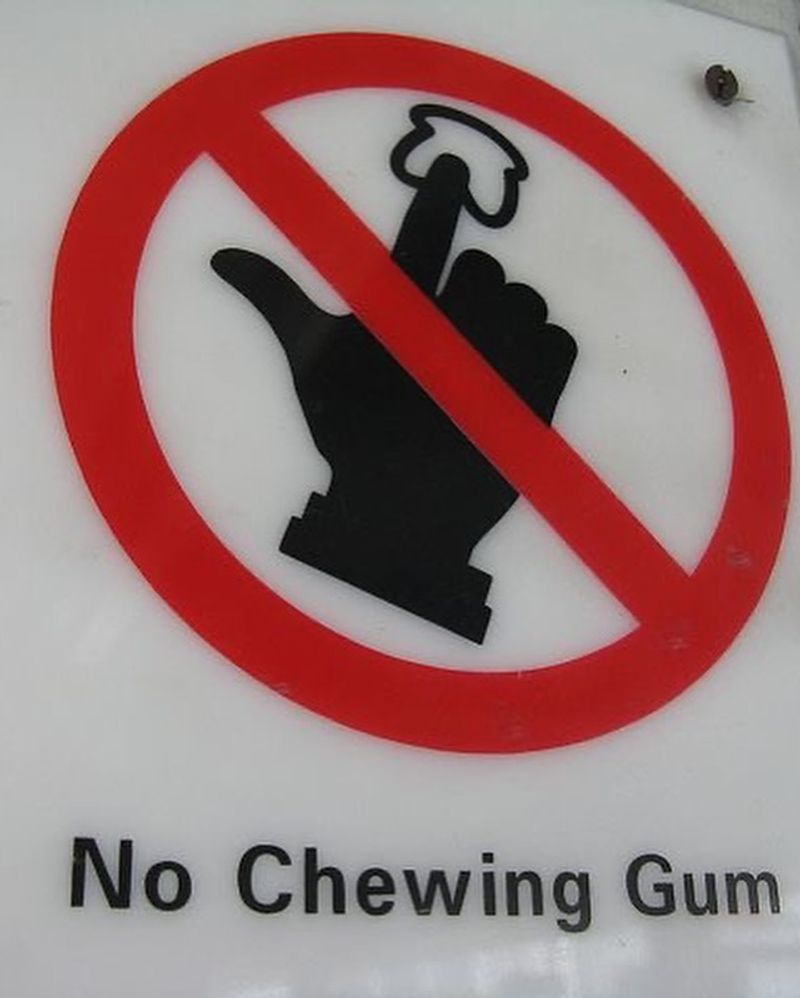
Picture a city so spotless you could almost eat off the sidewalk. Singapore banned selling chewing gum in 1992 after sticky wads kept jamming subway doors and messing up public spaces.
Today, you still cannot buy regular gum in stores there. Only special dental or nicotine gum is allowed, and you need it from a pharmacist.
Planning a trip? Leave your pack of bubblegum at home to avoid any awkward moments at customs.
2. Fried Chicken With a Fork? Not in Gainesville

Fingers were made for fried chicken, at least according to Gainesville, Georgia. The city calls itself the Poultry Capital of the World and has an old rule saying chicken must be eaten with your hands.
Back in 2009, a 91-year-old woman was jokingly arrested for using a fork. Police let her go right away, of course.
So next time you grab a crispy drumstick, ditch the silverware and dig in proudly.
3. Lonely Guinea Pigs Are Illegal in Switzerland

Guinea pigs are social little critters, and Swiss lawmakers take that seriously. In Switzerland, owning just one guinea pig is against the law because they get lonely without a buddy.
Pet owners must keep at least two, so the furry friends can chat, cuddle, and share snacks like hay and veggies.
Fun fact: some Swiss services even rent out partner guinea pigs when one passes away. That way, no pet ever eats dinner alone.
4. Feeding Pigeons Costs Money in Venice

Tossing breadcrumbs to birds sounds sweet, right? In Venice, Italy, it could cost you hundreds of euros.
The city banned feeding pigeons in St. Mark’s Square back in 2008.
Officials say the birds damage old buildings and statues with their droppings. Thousands of hungry pigeons also crowd tourists looking for treats.
Want to enjoy the square? Snap photos of the birds instead, and save your snack money for gelato.
5. Ketchup Limits in French School Cafeterias
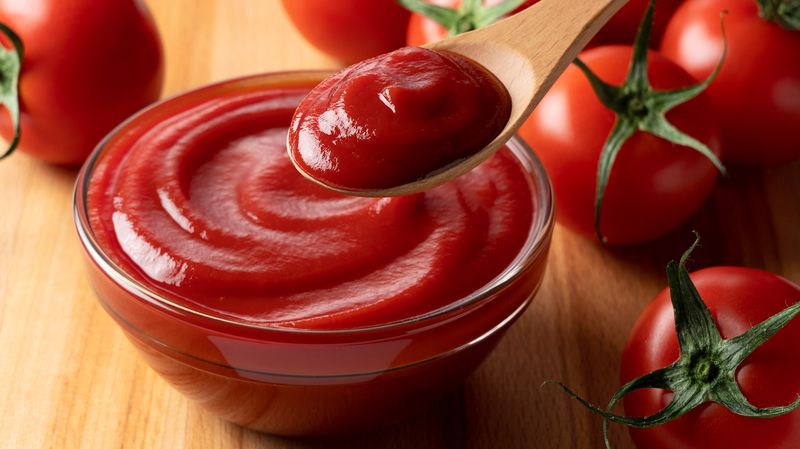
Kids in France might be jealous of American lunches. In 2011, French schools limited ketchup, serving it only with french fries, and fries just once a week.
The goal was to protect traditional French cooking and help students eat healthier meals. Leaders worried tasty sauces were hiding the real flavors of good food.
Try it yourself sometime. Skip the ketchup on one meal and notice what the food actually tastes like.
6. Milan Wants You to Smile

Grumpy faces beware! Milan, Italy, has an old rule that people must smile in public, except at funerals or hospitals.
While not strictly a food law, it often gets mentioned because Milan is full of cafes and restaurants where locals gather to eat and laugh. Nobody really enforces it today.
Still, it is a cheerful reminder. A friendly grin while ordering pasta or espresso can make anyone’s day a little brighter.
7. Mince Pies on Christmas in England

Legend says eating mince pies on Christmas Day is illegal in England. The story goes back to the 1600s, when Oliver Cromwell’s government cracked down on rowdy holiday feasting.
Here is the twist: experts say that ban disappeared long ago, so the myth is mostly just fun trivia today.
These little fruit-filled pastries are now a holiday favorite. Grab one with warm tea and enjoy a taste of British history.
8. Only Real Champagne Comes From Champagne
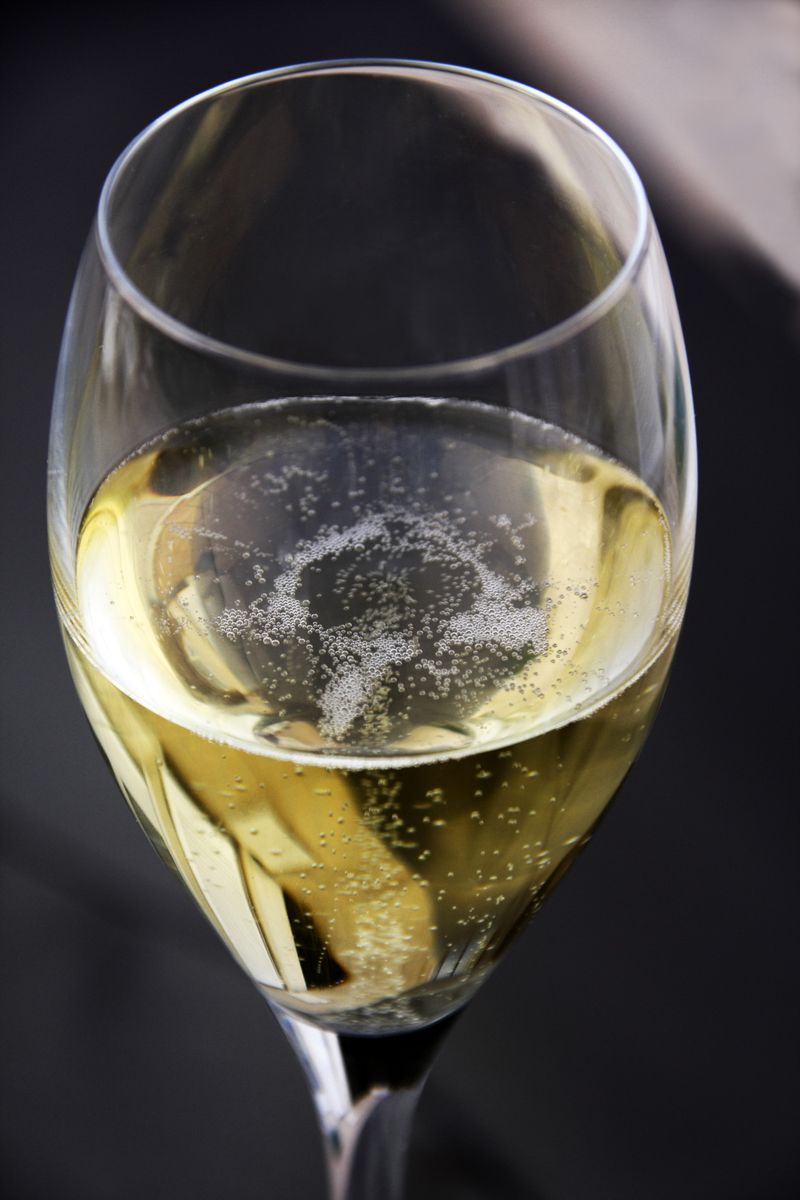
Bubbles alone do not make champagne. European law says only sparkling wine made in the Champagne region of France can use that famous name.
Wine made the same way elsewhere gets other names, like prosecco from Italy or cava from Spain. Many foods, including Parmesan cheese and Roquefort, have similar protections.
Next time you shop, check labels closely. Those place names actually tell you where your food came from.
9. Japan’s Metabo Law Measures Waistlines
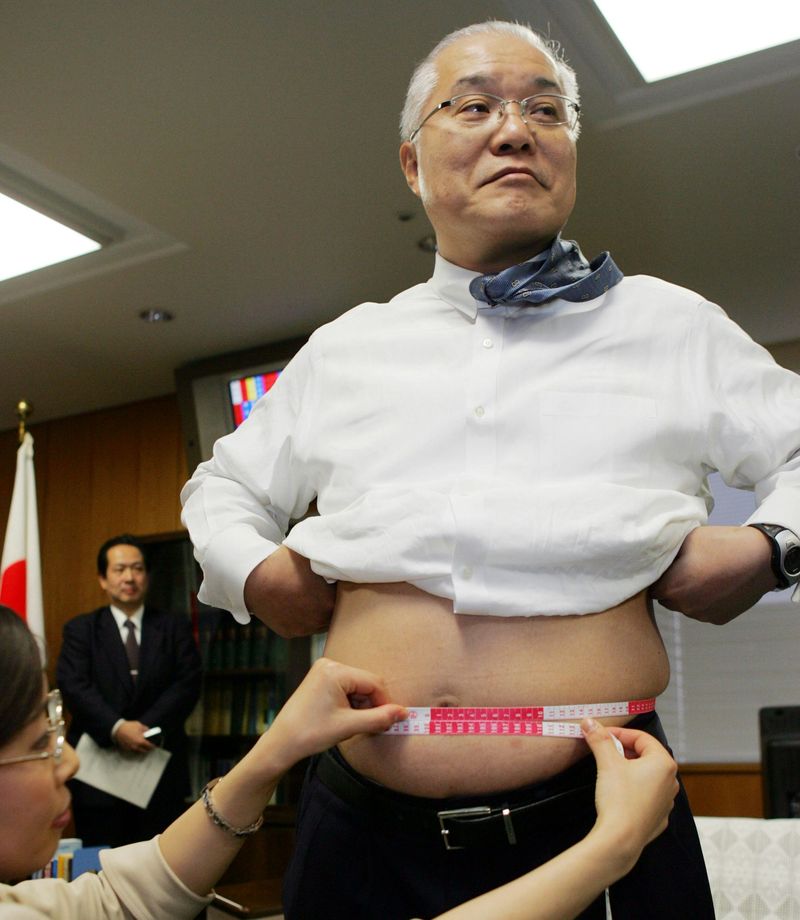
Imagine your boss checking your belly size every year. Since 2008, Japan’s Metabo Law requires adults aged 40 to 74 to have their waists measured during health checkups.
Companies and local governments must help people who go over the limit with diet and exercise advice. Nobody gets fined personally, though.
Japan has one of the lowest obesity rates in the world. Maybe a measuring tape is a sneaky health coach.
10. Raw Milk Rules Across the United States

Straight from the cow sounds wholesome, yet many US states restrict selling raw milk. Unpasteurized milk can carry germs that make people very sick.
Rules vary wildly. Some states allow store sales, others only farm sales, and a few ban it completely.
Some folks even buy a share of a cow to get around the rules.
Curious about trying it? Always check local laws and talk with a doctor first.
11. Denmark’s Old Rule on Restaurant Bills
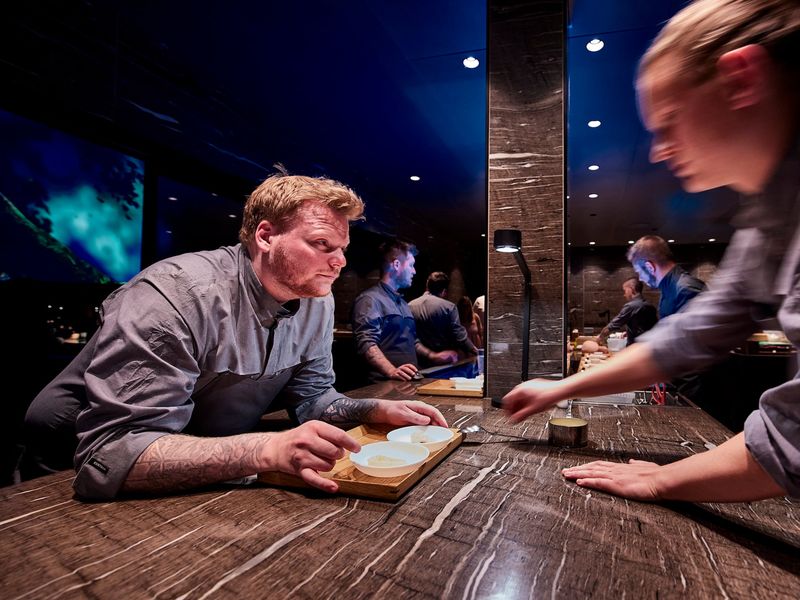
Ever worried about leaving a restaurant still hungry? A popular story claims that in Denmark you do not have to pay if you are not full.
The real rule is about fair prices. Danish restaurants must clearly show prices, and diners can refuse to pay for food they never ordered or received.
Tipping is also not expected there since wages are higher. Honest menus make eating out stress-free.
12. Germany’s Beer Purity Law
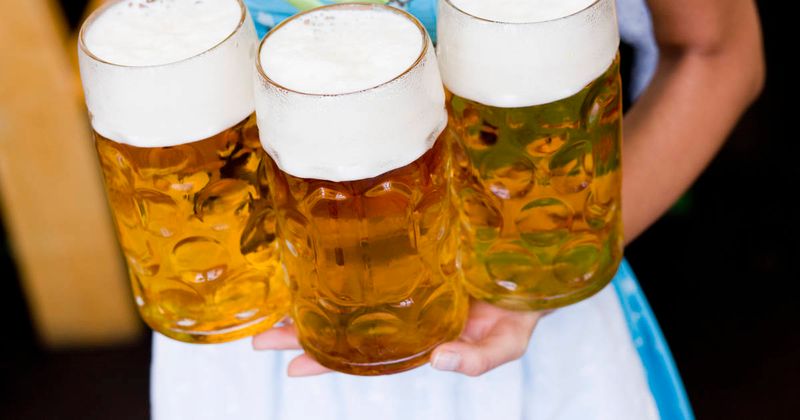
Back in 1516, Bavarian leaders wrote one of the oldest food laws still remembered today. The Reinheitsgebot said beer could only contain water, barley, and hops.
Yeast was added later once people understood how brewing worked. The law aimed to keep bread grains like wheat affordable for bakers.
Modern rules are looser, yet many German brewers still proudly follow the original recipe as a badge of quality.
13. Bread Prices Once Controlled in France
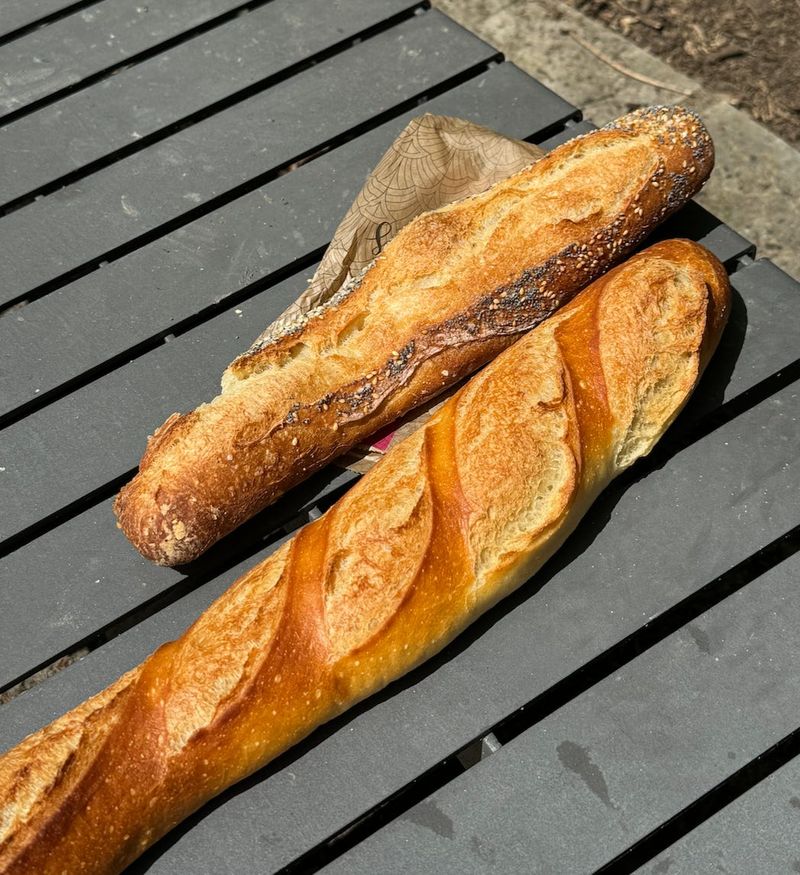
Few things feel more French than a warm baguette. For centuries, France strictly controlled bread prices so every family could afford their daily loaf.
These price rules lasted until 1986. Even today, a law describes what a traditional baguette can include: flour, water, salt, and yeast only.
Bakers compete in yearly contests to make the best baguette in Paris. The winner supplies bread to the president.
14. No Kinder Surprise Eggs in America
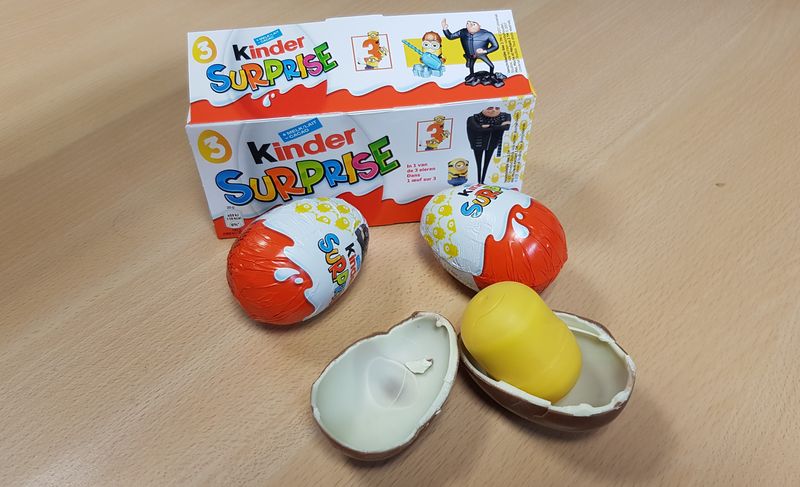
Chocolate with a toy inside sounds like a dream. Yet classic Kinder Surprise eggs are banned in the United States.
A 1938 law forbids candy with non-food objects hidden inside, since small toys could be a choking risk. Travelers have been fined at the border for carrying them.
Kids in America can try Kinder Joy instead. It keeps the toy and the chocolate in separate halves, which follows the rules.
15. Boiling Lobsters Alive Banned in Switzerland
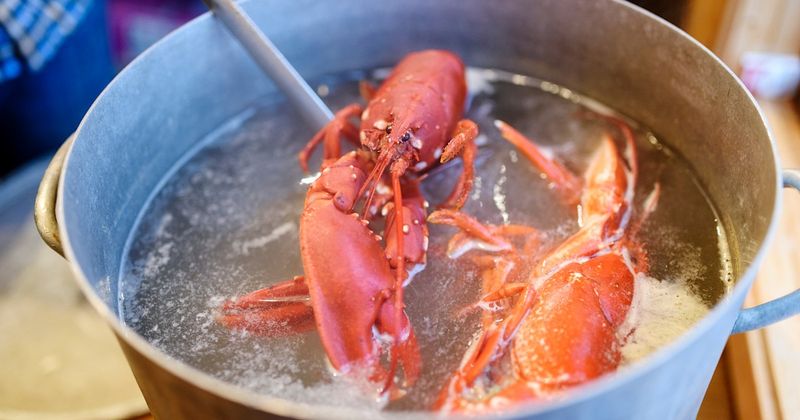
Animal kindness reaches the kitchen in Switzerland. Since 2018, cooks there cannot drop live lobsters into boiling water.
Scientists believe lobsters may feel pain, so chefs must stun them first. Lobsters also cannot be shipped on ice or in icy water anymore.
Other places, like parts of the United Kingdom, are thinking about similar rules. It shows how food laws change as we learn more about animals.
16. Selling Tiny Pickles Wrong in Connecticut

Bounce, bounce, crunch! A famous story says Connecticut requires pickles to bounce to be sold legally.
It started in 1948 when two sellers were caught selling rotten, mushy pickles. Officials showed the pickles were bad because they did not bounce when dropped.
No real bouncing law exists, but the tale is great trivia. A fresh pickle should still be firm and snappy when you bite it.
17. Trans Fats Banned in Denmark
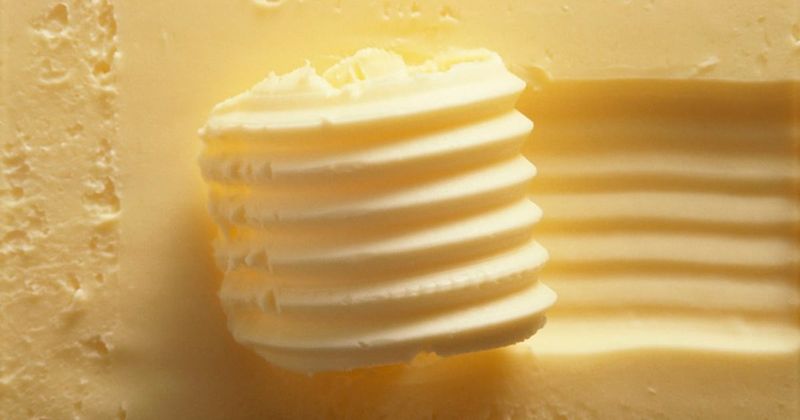
Denmark was a food safety trailblazer. In 2003, it became the first country to limit artificial trans fats, which are linked to heart disease.
Cookies, fries, and pastries had to be made with healthier oils. Heart problems in Denmark dropped in the years that followed.
Many countries, including the United States, later copied the idea. Reading nutrition labels can help you spot fats worth avoiding.
18. Ice Cream Cone Pocket Rule in Alabama
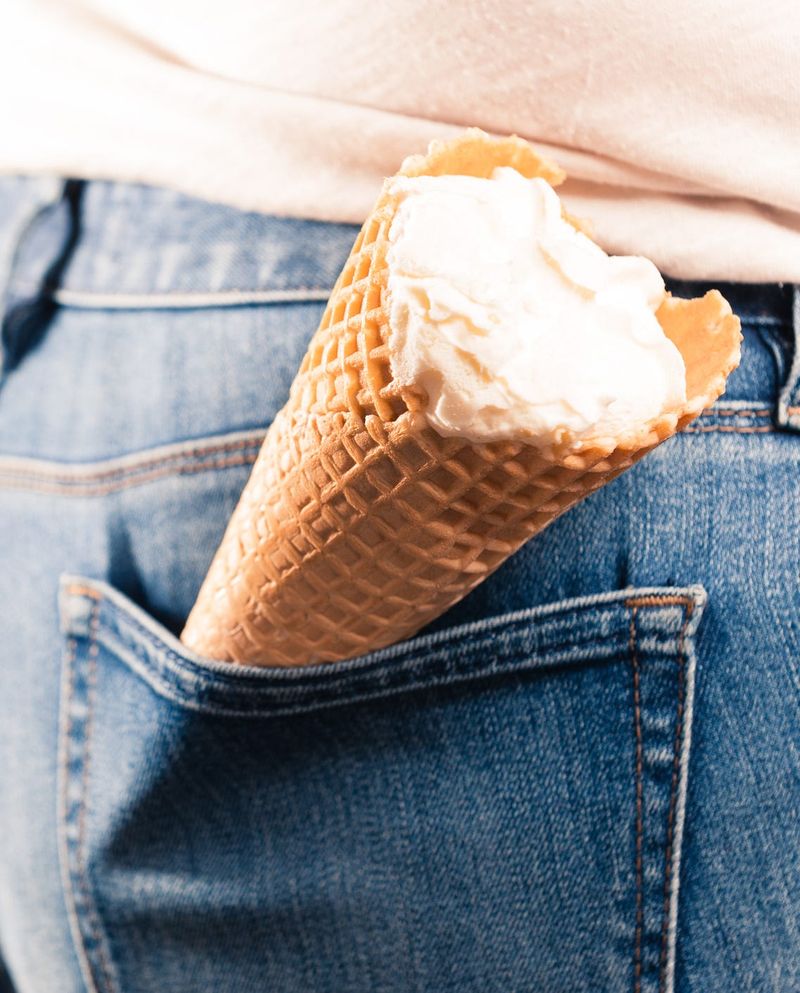
Strange but often repeated, Alabama supposedly bans carrying an ice cream cone in your back pocket.
Why? Horse thieves in the old days allegedly used cones to lure horses to follow them, then claimed the animals wandered off on their own.
Historians doubt it was ever enforced. Even so, keeping your cone in your hand is smart advice, unless you enjoy melted vanilla in your jeans.
19. Sugar Tax on Soda in Mexico
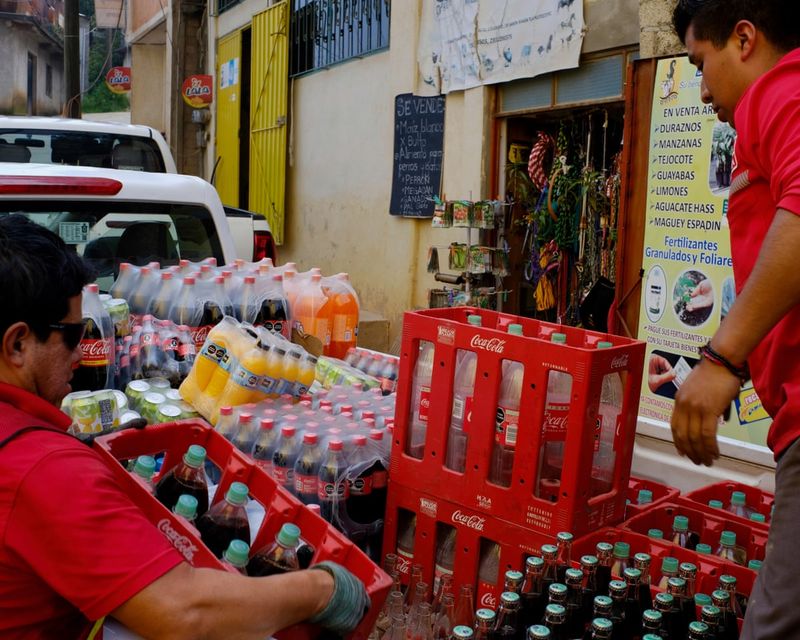
Mexicans once drank more soda than almost anyone on Earth. In 2014, the country added a tax on sugary drinks to fight rising health problems.
Prices went up about ten percent, and sales dropped, especially among families watching their budgets. Bottled water became more popular.
Countries like the UK and South Africa followed with their own taxes. Swapping one soda a day for water is an easy healthy habit.