
Some movie characters are so bold, strange, or shocking that audiences can never quite agree on how to feel about them. Whether they inspire admiration, disgust, or heated debate, these characters have left a permanent mark on cinema.
From terrifying villains to controversial heroes, each one sparked conversations that went far beyond the movie theater. Get ready to revisit some of the most talked-about, argued-over characters ever put on screen.
1. Travis Bickle – Taxi Driver
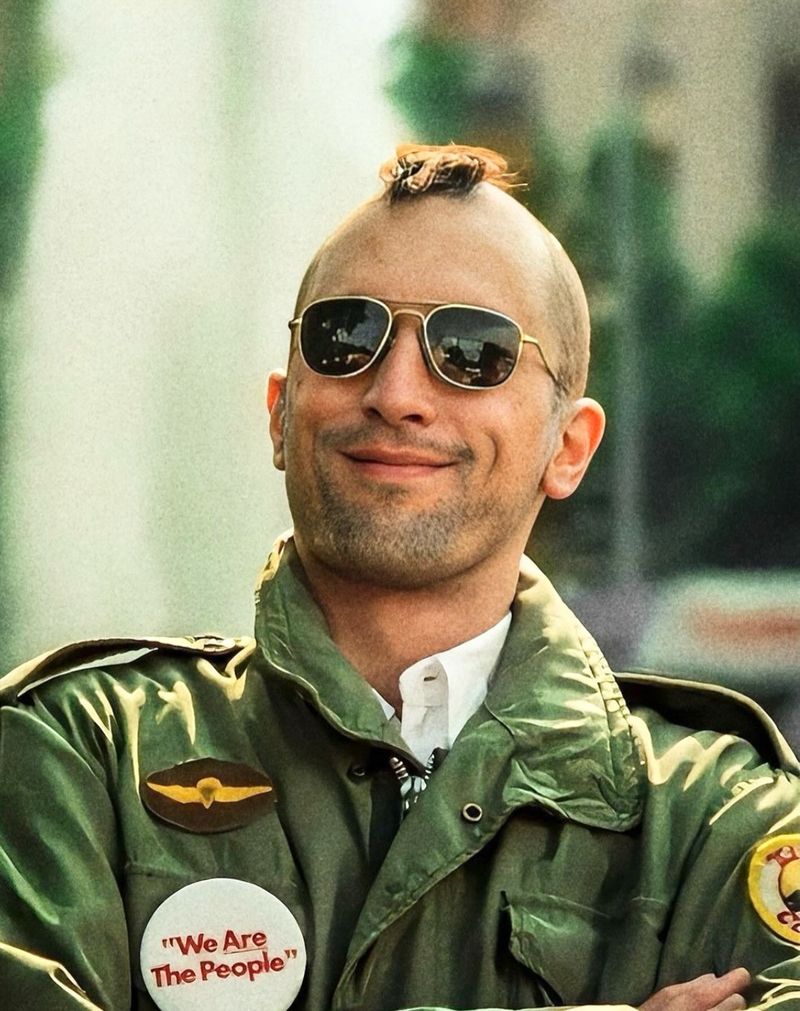
Few characters in film history make you feel as uncomfortable as Travis Bickle. Robert De Niro played this lonely, unstable Vietnam veteran who prowls the streets of New York at night, convinced he alone must clean up the city.
His slow descent into violence had audiences both horrified and oddly sympathetic. Travis became a symbol of social isolation and moral confusion, inspiring debate about heroism and mental illness that film students still argue about today.
2. Alex DeLarge – A Clockwork Orange
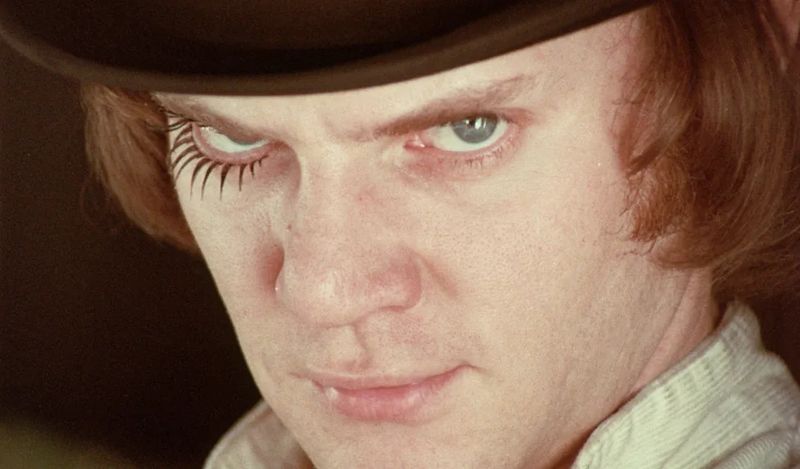
Stanley Kubrick once said that art should disturb the comfortable, and Alex DeLarge does exactly that. Malcolm McDowell’s portrayal of this ultra-violent, classical-music-loving delinquent shocked audiences so deeply that Kubrick himself pulled the film from UK cinemas.
Alex is charming one moment and terrifying the next. His story raises hard questions about free will, punishment, and whether a person can truly change.
Even now, he remains one of cinema’s most unsettling and unforgettable creations.
3. Jar Jar Binks – Star Wars: Episode I

No character in blockbuster history has inspired more collective groaning than Jar Jar Binks. Introduced in Star Wars: Episode I – The Phantom Menace, this bumbling, goofy alien was meant to bring comic relief but instead became a lightning rod for fan frustration.
Critics called him annoying, and some raised concerns about racial stereotyping in his design and speech. His presence arguably changed how studios think about comic sidekicks in big-budget franchise films forever.
4. Borat Sagdiyev – Borat
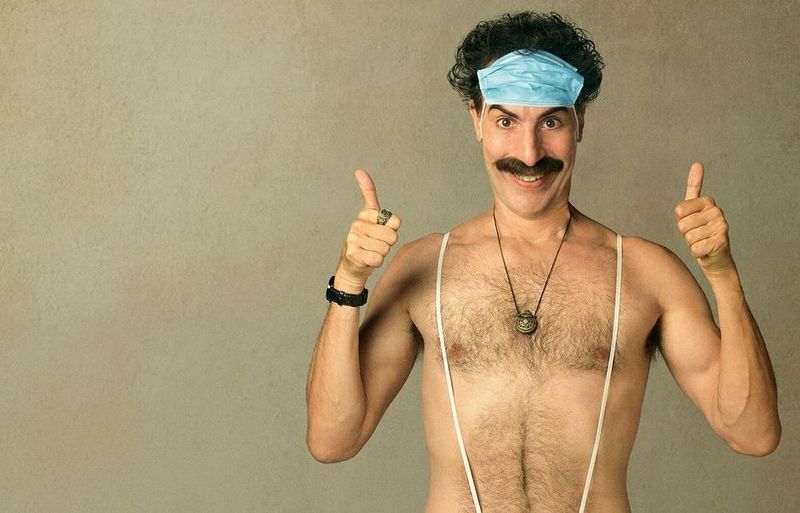
Sacha Baron Cohen’s Borat Sagdiyev is one of the most daring characters ever committed to film. Pretending to be a clueless journalist from Kazakhstan, Borat tricked real Americans into saying things they would never say on camera otherwise.
The film sparked actual lawsuits and caused a diplomatic stir with the government of Kazakhstan. Some loved it as sharp satire, while others felt it mocked vulnerable people.
Either way, Borat permanently changed the mockumentary genre.
5. Regan MacNeil – The Exorcist
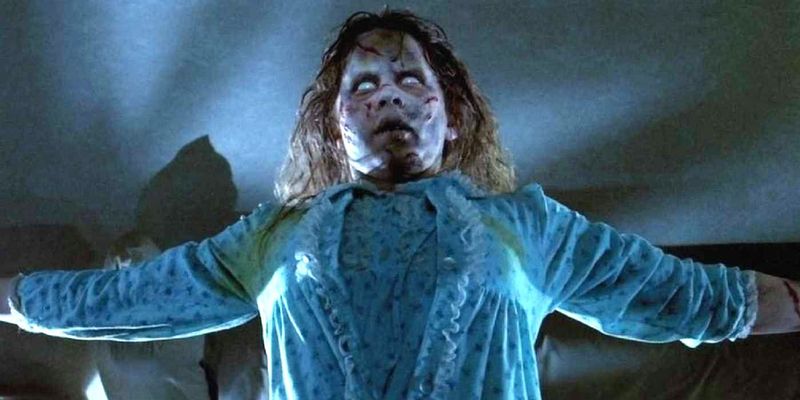
When The Exorcist arrived in theaters in 1973, audiences reportedly fainted and ran screaming from cinemas. At the center of it all was Regan MacNeil, a sweet twelve-year-old who becomes horrifyingly possessed by a demon.
Linda Blair’s performance was so convincing and so disturbing that it genuinely traumatized viewers worldwide. Regan forced conversations about religion, evil, and what film should be allowed to show.
She remains the gold standard for horror characters who truly shook audiences to their core.
6. Bill Maplewood – Happiness
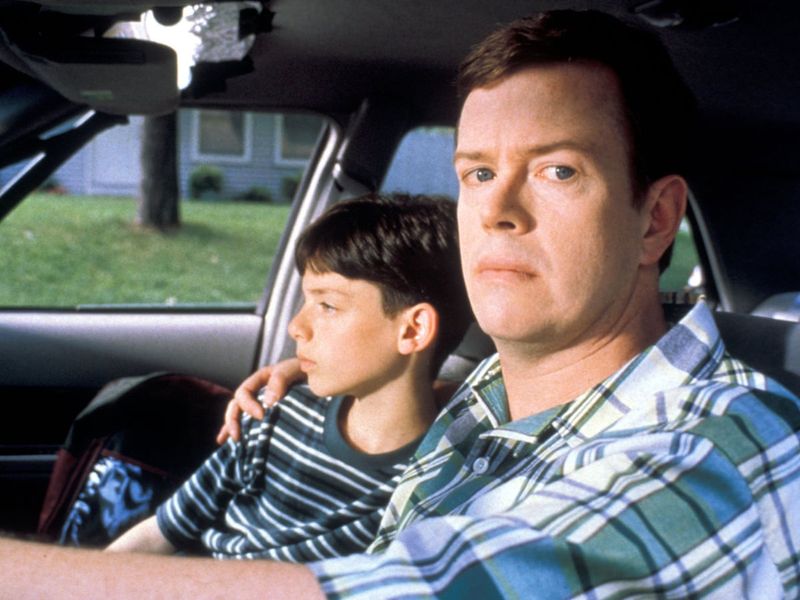
Happiness is one of the most uncomfortable films ever made, and Bill Maplewood is the reason why. Played by Dylan Baker, Bill appears to be a perfectly ordinary suburban therapist and father, but beneath that calm exterior lies something deeply disturbing.
His portrayal as a pedophile in what is technically a dark comedy forced audiences to confront how evil can hide in plain sight. Many critics praised the film’s honesty, while others found it completely inexcusable.
Few characters provoke such conflicted reactions.
7. Frank Booth – Blue Velvet
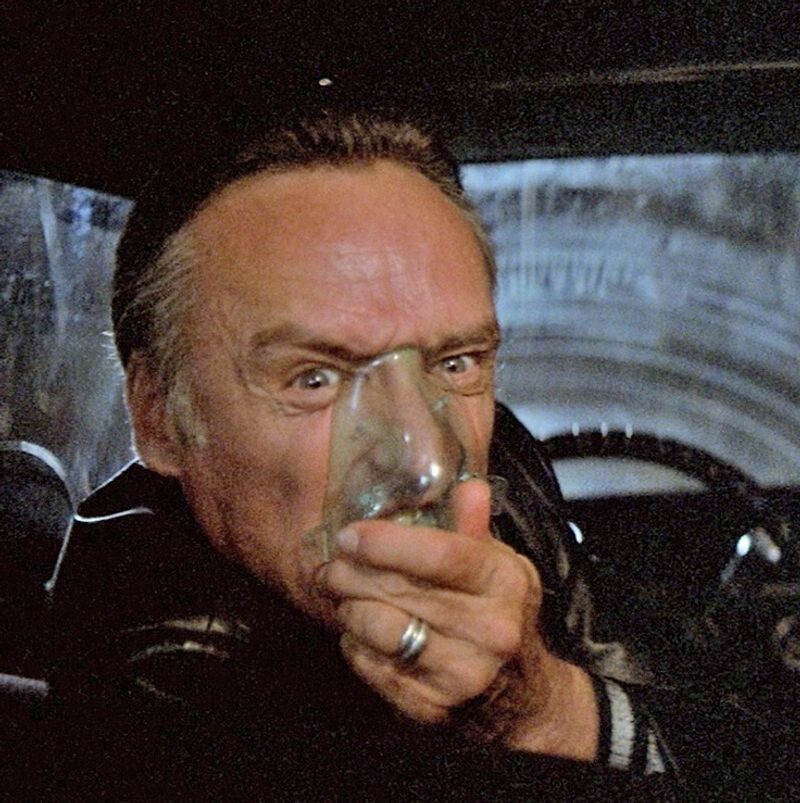
David Lynch built a career on unsettling audiences, but Frank Booth might be his most disturbing creation. Dennis Hopper plays this volatile, oxygen-inhaling criminal with a ferocity that feels genuinely dangerous every second he is on screen.
Frank exists in a nightmare version of small-town America, where the white picket fences hide shocking darkness. His character proved that a villain does not need a backstory to be terrifying.
Sometimes raw, unpredictable menace is more frightening than anything explained.
8. “She” – Antichrist
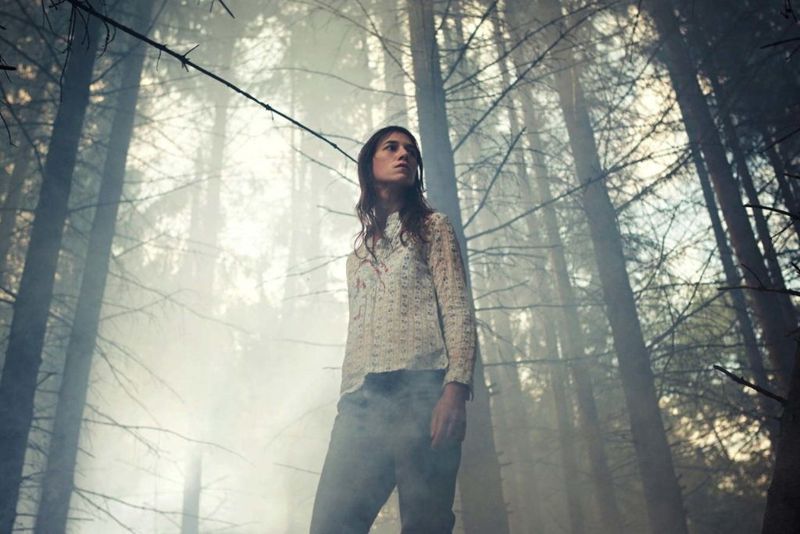
Lars von Trier’s Antichrist is not a film for the faint of heart, and its unnamed female protagonist, simply called She, is widely considered the most controversial female character in cinema history. Played by Charlotte Gainsbourg, she goes through unbearable grief and then does something so extreme it left audiences speechless.
Her character sparked fierce debate about whether the film was art or exploitation. Gainsbourg won Best Actress at Cannes, proving that even deeply uncomfortable portrayals can earn serious recognition.
9. Nate – The Devil Wears Prada
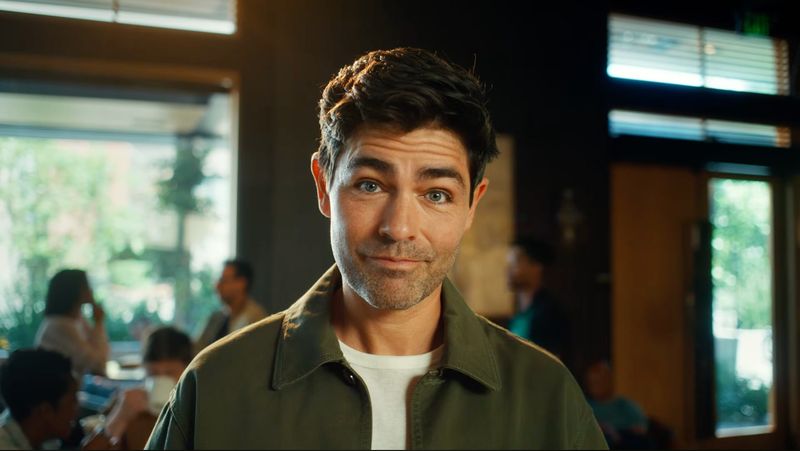
Here is a twist: the most talked-about villain in The Devil Wears Prada might not be Miranda Priestly. Nate, Andy’s boyfriend played by Adrian Grenier, has become a fan-debate favorite over the years.
Many viewers now argue that Nate consistently undermined Andy’s ambitions, made her feel guilty for pursuing her career, and expected her to shrink herself for his comfort. What once seemed like a sweet boyfriend role now reads very differently to modern audiences, making Nate a surprisingly polarizing figure.
10. The Siamese Cats – Lady and the Tramp
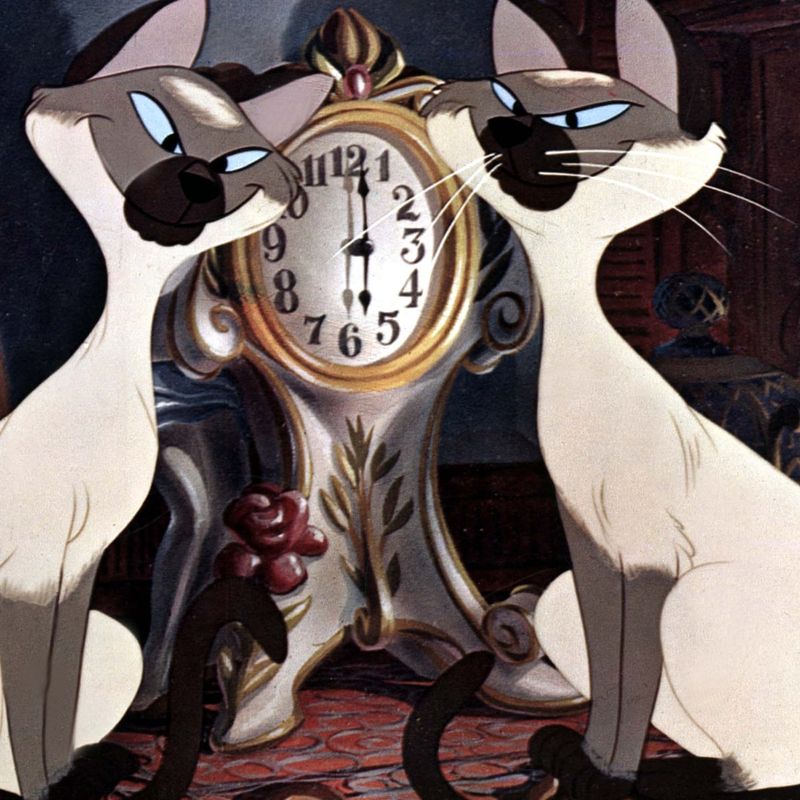
Disney’s Lady and the Tramp is a beloved classic, but Si and Am, the Siamese cats, have aged very poorly. Their song and design have been widely criticized for relying on harmful Asian stereotypes, from their exaggerated features to their accented voices.
When Disney made the 2019 live-action remake, the cats were completely redesigned and given a new song. The original characters serve as an important reminder that entertainment from the past can reflect the biases of its era, and those biases deserve honest discussion.
11. Tony Montana – Scarface
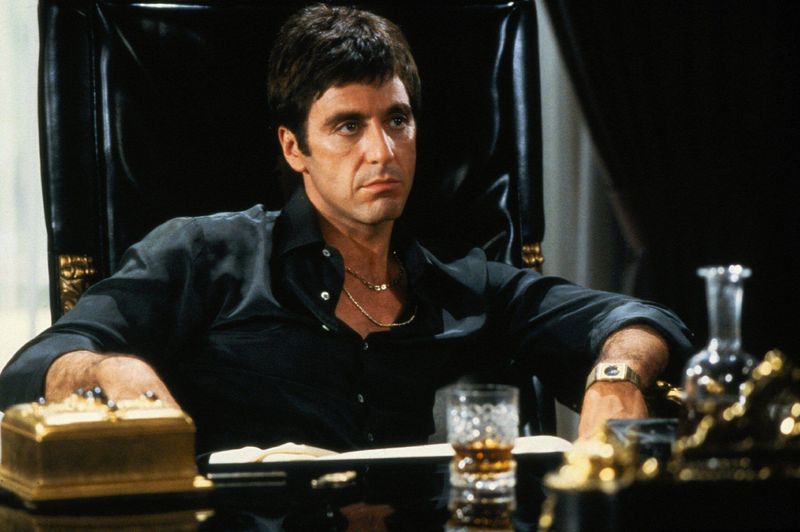
Say hello to one of cinema’s most copied and debated anti-heroes. Al Pacino’s Tony Montana in Scarface is loud, violent, foul-mouthed, and completely magnetic.
Audiences have been arguing ever since 1983 about whether Tony is a cautionary tale or a role model.
His rags-to-riches-to-ruin story became a blueprint for gangster films and hip-hop culture alike. Some see him as a tragic immigrant dreamer, others as a glorification of crime.
Tony Montana refuses to be neatly categorized, which is exactly why he endures.
12. Trevor Slattery – Iron Man 3
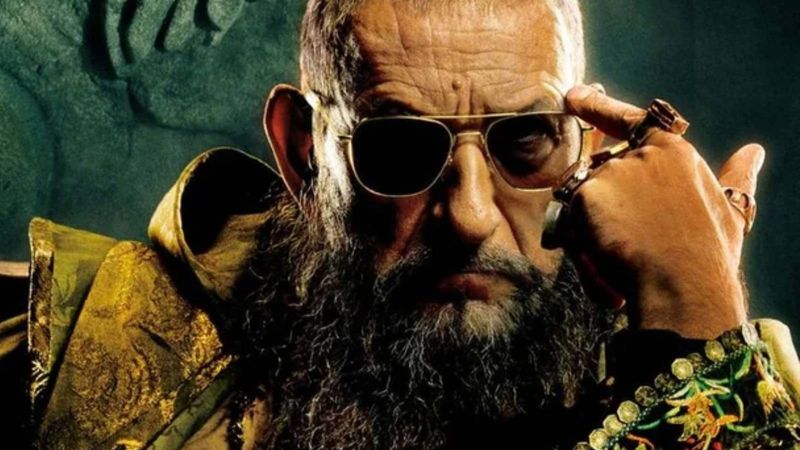
Comic book fans had waited years to see the Mandarin, Iron Man’s greatest villain, on the big screen. Then Iron Man 3 pulled the rug out completely, revealing that the terrifying Mandarin was actually Trevor Slattery, a bumbling British actor hired to play a fake terrorist.
Some fans thought it was a clever twist, but many felt genuinely cheated. Ben Kingsley played Trevor with hilarious commitment, yet the backlash was so intense that Marvel later made a short film trying to walk the reveal back.
13. Rose Tico – Star Wars: The Last Jedi
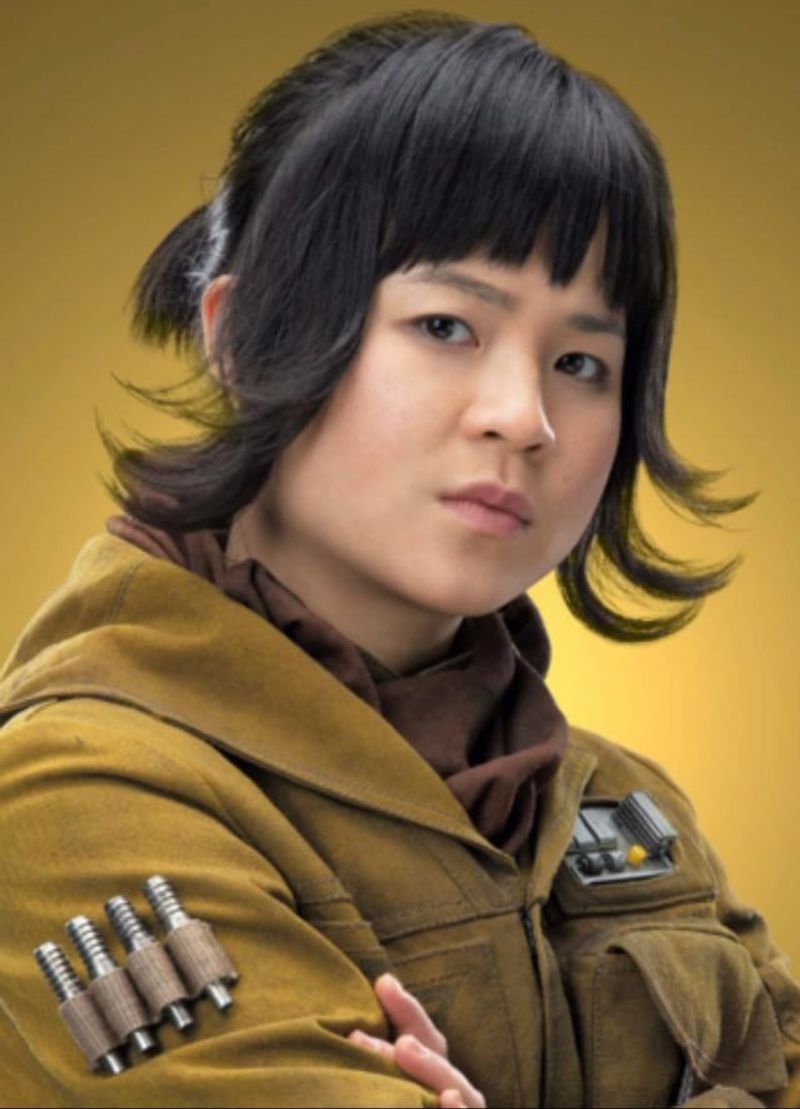
Kelly Marie Tran brought warmth and heart to Rose Tico in Star Wars: The Last Jedi, but a vocal segment of the fandom responded with hostility so severe that Tran eventually left social media entirely. Rose was labeled annoying and obstructive by critics of the film.
Many fans and film writers pushed back hard, calling the hate campaign unfair and rooted in bias. Rose’s story became about more than a movie character.
It sparked a wider conversation about harassment, representation, and who gets to belong in beloved franchises.
14. Hit-Girl – Kick-Ass
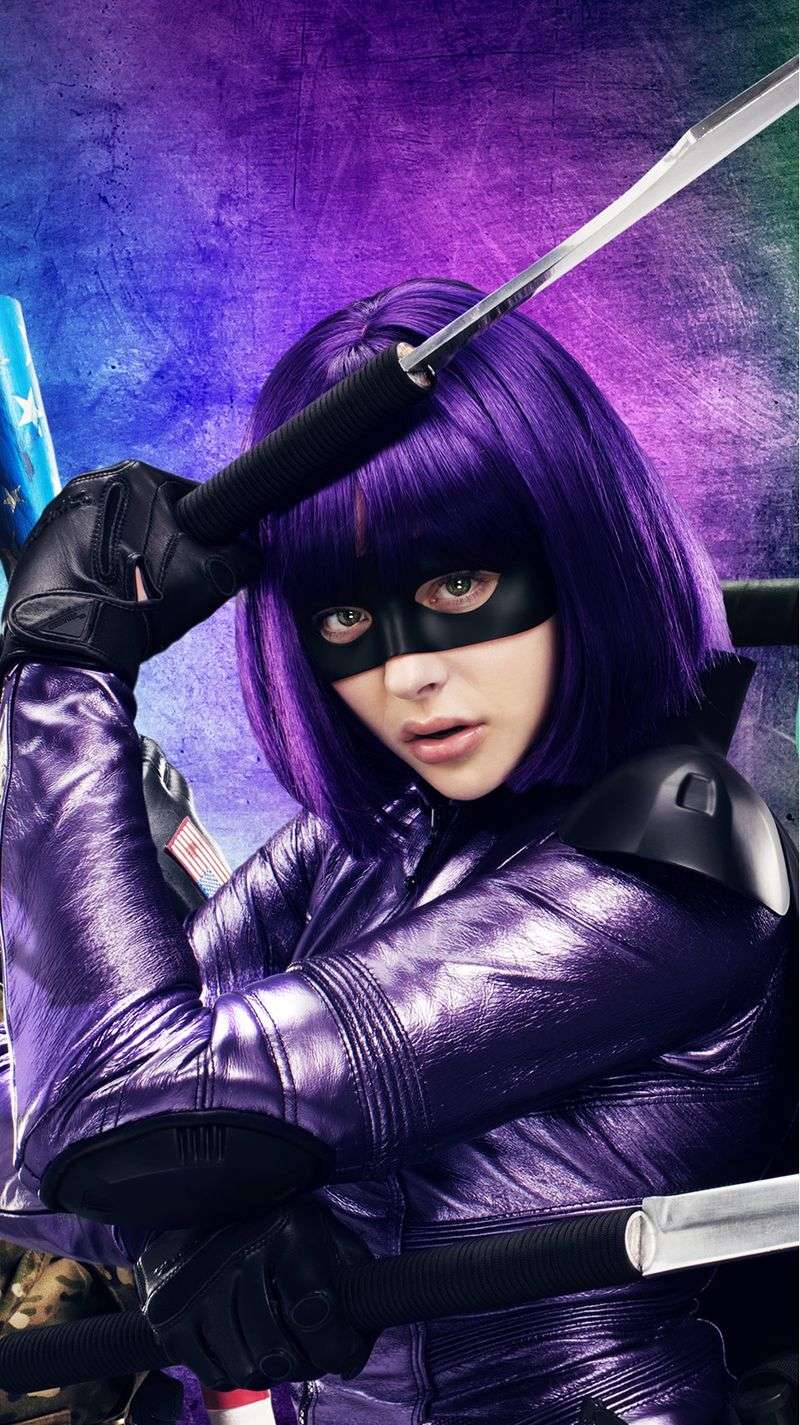
A foul-mouthed, knife-wielding, purple-costumed little girl named Mindy became one of the most debated characters of 2010. Chloe Grace Moretz played Hit-Girl in Kick-Ass with absolute fearlessness, delivering R-rated violence and language that made parents and critics genuinely uncomfortable.
Some argued the character was empowering and subversive, flipping the script on how young girls are portrayed in action films. Others felt it was irresponsible to put a child in such extreme content.
Hit-Girl forced Hollywood to ask where the line really is.
15. Arthur Fleck / Joker – Joker
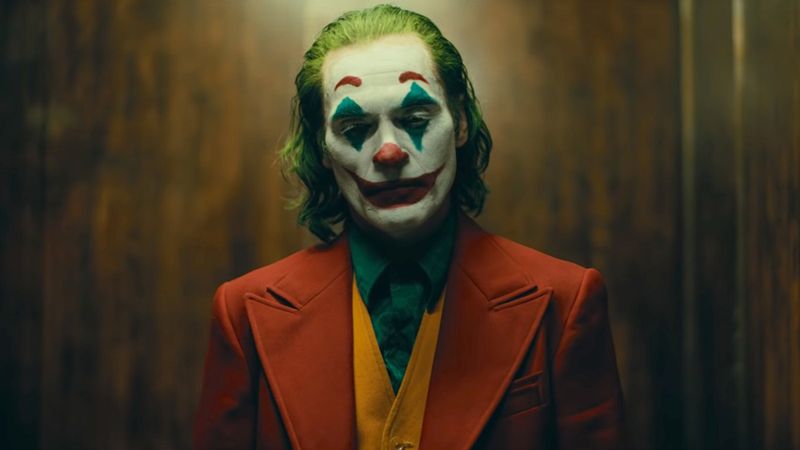
Joaquin Phoenix’s portrayal of Arthur Fleck in Joker divided critics and audiences right down the middle. Some called it a masterpiece of psychological character study, while others worried the film glorified violent, antisocial behavior in dangerous ways.
The film won the Golden Lion at Venice and Phoenix took home the Oscar, yet debates about its social responsibility raged for months. Joker proved that a superhero origin story could be genuinely unsettling art, and that not everyone is comfortable with that idea.
16. Admiral Holdo – Star Wars: The Last Jedi
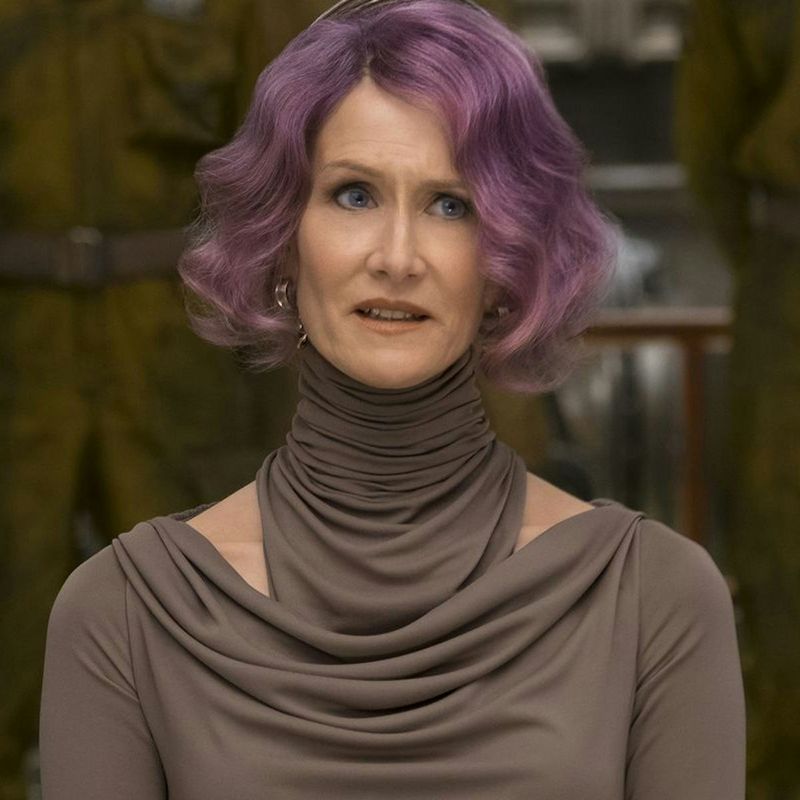
Purple hair, a flowing gown, and a refusal to explain her plans made Admiral Holdo one of the most argued-over characters in the entire Star Wars saga. Played by Laura Dern, Holdo frustrated fans who felt she needlessly withheld information from Poe Dameron, causing chaos and death.
Defenders pointed out that her arc was intentional, showing the cost of ego and the importance of trust. Her sacrifice scene is widely considered one of the most visually stunning moments in the franchise, which made the debate even more fascinating.
17. Nathan Algren – The Last Samurai
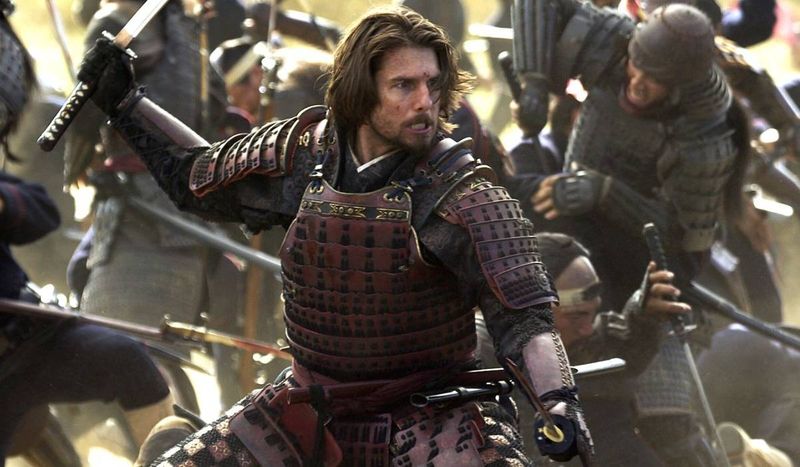
Tom Cruise riding into battle in samurai armor looked spectacular on screen in 2003, but The Last Samurai has faced growing criticism for centering a white American soldier as the hero of a Japanese historical story. Nathan Algren’s arc embodies the white savior trope almost textbook perfectly.
Some viewers appreciated the film’s respectful portrayal of Japanese culture. Others argued that making a Western man the emotional core of the story undermined the very culture it claimed to honor.
That tension keeps the conversation alive two decades later.
18. Thanos – Avengers: Infinity War
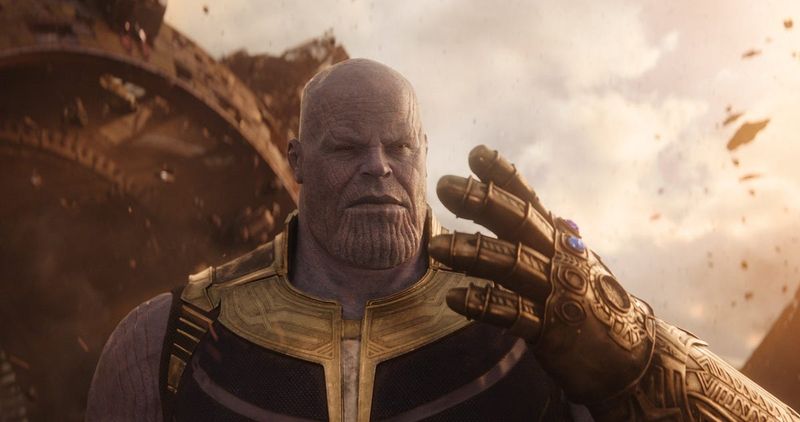
Villains are not supposed to make sense, but Thanos did, and that is what made him so polarizing. Josh Brolin’s performance gave the Mad Titan a calm, almost reasonable quality as he explained why wiping out half of all life in the universe was actually the compassionate choice.
Some fans found his logic genuinely compelling, even while knowing it was horrifying. Others appreciated that Marvel finally gave audiences a villain with real weight and purpose.
Thanos changed the standard for what a blockbuster antagonist could be.
19. Ursula – The Little Mermaid
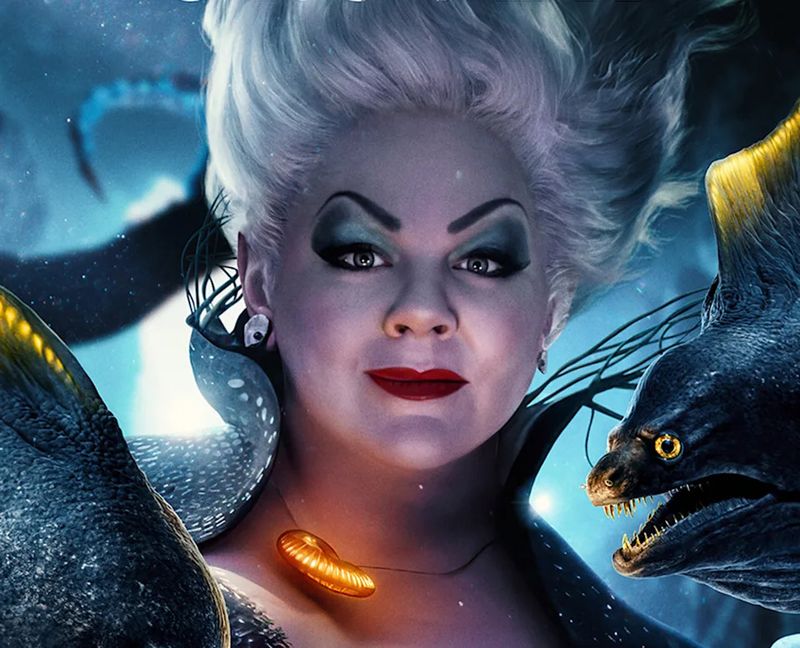
Ursula from The Little Mermaid has always been fabulous, but the 2023 live-action remake reignited a long-simmering conversation. The character was originally inspired by drag queen Divine, giving her a bold, theatrical energy that queer audiences have long celebrated and claimed as their own.
When the remake was announced, many fans argued passionately that a queer actor should be cast in the role to honor that history. The casting debate grew into a broader discussion about representation, legacy, and who gets to play iconic characters rooted in queer culture.