
The words we say to our kids stick with them far longer than we might think. Some everyday phrases that seem harmless can actually chip away at a child’s confidence, emotional health, and trust in you.
No matter how old your child is, certain things are simply better left unsaid. Here are 19 phrases to drop from your parenting vocabulary, along with what to say instead.
1. “Stop Crying – It’s Not a Big Deal”

Kids feel things deeply, and when a parent brushes off those feelings, it sends the message that their emotions do not matter. Over time, children who are told to stop crying may learn to suppress how they feel rather than work through it.
Validating emotions, even small ones, builds emotional intelligence and trust. Try saying, “I can see you’re really upset.
Let’s talk about it” instead.
2. “Why Can’t You Be More Like Your Sister or Brother?”

Comparison is one of the quickest ways to damage a child’s self-worth. Hearing that a sibling or friend is somehow better creates resentment, not motivation, and can poison sibling relationships for years.
Every child grows at their own pace and has their own strengths. Celebrate what makes your child unique rather than measuring them against someone else.
Specific encouragement goes a much longer way than comparison ever could.
3. “Because I Said So”

Kids are naturally curious, and they learn best when they understand the “why” behind a rule. Shutting down questions with “because I said so” teaches children to obey blindly rather than think critically.
Explaining your reasoning, even briefly, shows respect for your child’s developing mind. It also models good communication.
Something like “We do it this way because it keeps you safe” works much better and keeps the conversation open.
4. “You Always Mess Everything Up”

Words like “always” and “never” trap children in a fixed identity. Hearing “you always mess up” makes a kid feel like failure is just who they are, not something that happened once.
Research in child psychology shows that labeling behavior as permanent crushes motivation and self-confidence. Instead, focus on the specific moment: “That didn’t go as planned.
What could we try differently next time?” That small shift makes a huge difference.
5. “I’m So Disappointed in You”

Disappointment expressed without support can feel like rejection to a child. When kids hear this phrase, many internalize it as “I am a bad person” rather than “I made a bad choice.”
Separating the behavior from the child’s worth is key. Try something like, “That choice wasn’t okay, and I know you can do better.
Let’s figure this out together.” Offering guidance alongside honesty keeps the relationship strong and the child motivated to improve.
6. “You’re So Lazy”

Slapping a label like “lazy” on a child can become a self-fulfilling prophecy. Kids who are repeatedly called lazy often stop trying because they start to believe that is simply who they are.
There is usually a reason behind low motivation, whether it is boredom, anxiety, or feeling overwhelmed. Asking “What’s making this feel hard right now?” opens a door instead of closing one.
Labels stick; conversations heal.
7. “You’re So Smart” (as Generic Praise)
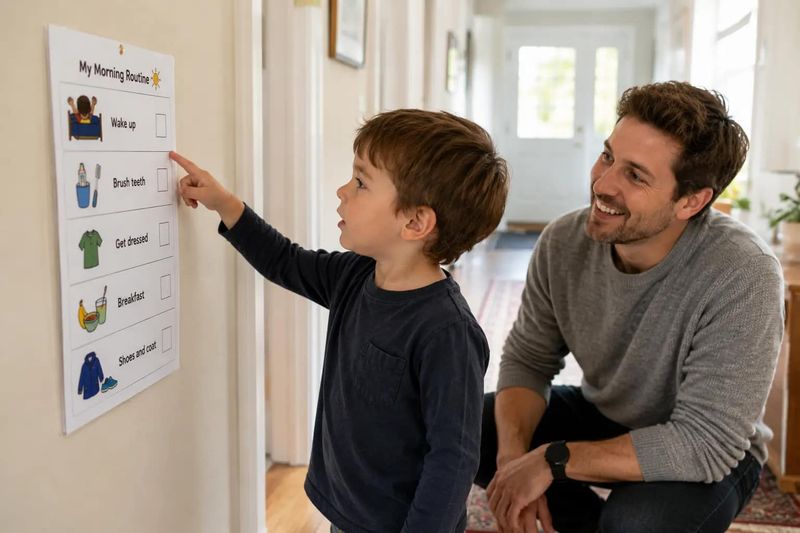
It sounds like a compliment, but telling kids they are “so smart” can actually backfire. When children believe their success comes from a fixed trait like intelligence, they tend to avoid challenges that might prove otherwise.
Praising effort instead of ability builds a growth mindset. Saying “You worked really hard on that” teaches kids that persistence matters more than natural talent.
Specific praise is always more powerful than a sweeping compliment.
8. “Nobody Will Ever Love You Like I Do”

At first glance, this sounds like a declaration of deep love. But underneath it, the message is unsettling: no one else is capable of truly loving your child.
That kind of thinking is emotionally manipulative, even if it is unintentional.
Children need to feel worthy of love from many people throughout their lives. Building that security means encouraging healthy relationships, not creating fear that love outside the family is impossible or inferior.
9. “Practice Makes Perfect”

Perfection is an impossible standard, and telling kids that practice leads to perfection sets them up for frustration and shame when they fall short. Mistakes are a natural part of learning, not signs of failure.
A better phrase is “Practice makes progress.” It shifts the focus from flawless results to growth over time. Kids who learn to value improvement rather than perfection tend to be more resilient, creative, and willing to take on new challenges.
10. “Stop It, People Are Looking at You”

Parenting in public comes with extra pressure, but making your child feel ashamed of their emotions to manage your own embarrassment is harmful. This phrase teaches kids to prioritize others’ opinions over their own feelings and needs.
Over time, children raised with this message may become overly focused on external approval and struggle to make decisions based on their own values. Addressing behavior privately and calmly is far more effective than using public shame as a tool.
11. “You Were an Accident”

Few phrases carry more weight than this one. Children who hear that they were unplanned often carry that wound into adulthood, questioning whether they are truly wanted or if their life has meaning.
Even if the circumstances of a child’s birth were unexpected, what matters most is that they are loved and cherished now. Every child deserves to feel like they belong, not like a surprise that disrupted someone’s plans.
Words like these cannot be easily taken back.
12. “I Sacrificed So Much for You”

Parents do sacrifice a lot, and that is real. But placing that weight on a child’s shoulders turns love into a transaction.
Kids who hear this regularly begin to feel like burdens rather than blessings.
Children are not equipped to carry adult emotional stress, and guilt is not a healthy motivator. Sharing struggles is fine, but framing them around sacrifice creates unhealthy dynamics.
A child should feel like a joy in your life, not a reason for your hardship.
13. “This Is So Easy – Why Don’t You Get It?”

What feels easy to an adult can be genuinely confusing to a child, and mocking that confusion does serious damage. Kids who are made to feel stupid for not understanding something quickly often stop asking for help at all.
Patience and encouragement are the real teaching tools. Try “Let’s look at this from a different angle” or “It’s okay, let’s break it down step by step.” A child who feels safe asking questions learns far more than one who is afraid to try.
14. “You’re Okay” When They Clearly Are Not

Telling a child they are fine when they are clearly hurting sends a confusing message. It teaches them that their physical or emotional pain is not worth acknowledging, and it can quietly erode their trust in you over time.
A more helpful response is “That looks like it really hurt. Let me take a look.” Acknowledging reality, even in small moments, shows your child that you are paying attention and that their experiences are valid and worth your care.
15. “You’re Just Like Your Father” (Said Negatively)

Pitting a child against one of their parents, even unintentionally, puts them in an impossible position. Kids love both parents, and being told they have inherited someone’s worst traits can feel like a personal attack on who they are.
This phrase burdens children with baggage that is not theirs to carry and can damage their sense of identity. If you have frustrations with a co-parent, keep that separate from your child’s emotional world.
They deserve to love both parents without guilt or confusion.
16. “We Are Poor”
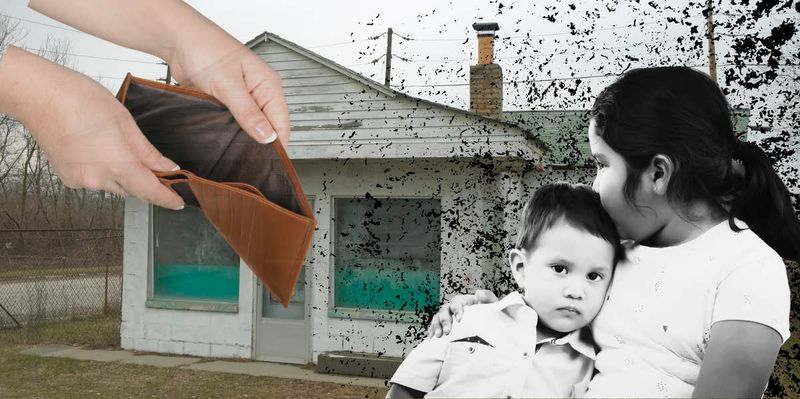
Financial honesty is important, but offloading adult-level stress onto a child is not fair to them. Kids who grow up hearing “we are poor” often develop anxiety around money and a sense of helplessness that can follow them into adulthood.
Age-appropriate conversations about budgeting and saving are healthy. But framing the family’s situation as dire places a burden on young shoulders.
Instead, focus on values like gratitude and smart choices without making your child feel responsible for financial stress they cannot control.
17. “Go Apologize” Without Explanation

Forcing an apology without helping a child understand why they hurt someone is just theater. A hollow “sorry” teaches nothing about empathy and can actually make kids more resistant to genuine accountability.
A better approach is to sit with your child and talk through what happened. Ask, “How do you think your friend felt when that happened?” When kids connect their actions to someone else’s feelings, real empathy starts to grow.
That is the foundation of lasting kindness.
18. “You’re Dumb” or Other Critical Labels

Calling a child dumb, useless, or stupid does not correct behavior. It wounds identity.
Children who hear these words repeatedly start to believe them, and that inner voice becomes a harsh critic that follows them for life.
Words shape the way kids see themselves, and negative labels have a way of becoming self-fulfilling. No matter how frustrated you feel, redirecting behavior without attacking character is always the better path.
Criticism of actions teaches; criticism of personhood only destroys.
19. “I Wish You Were Never Born”
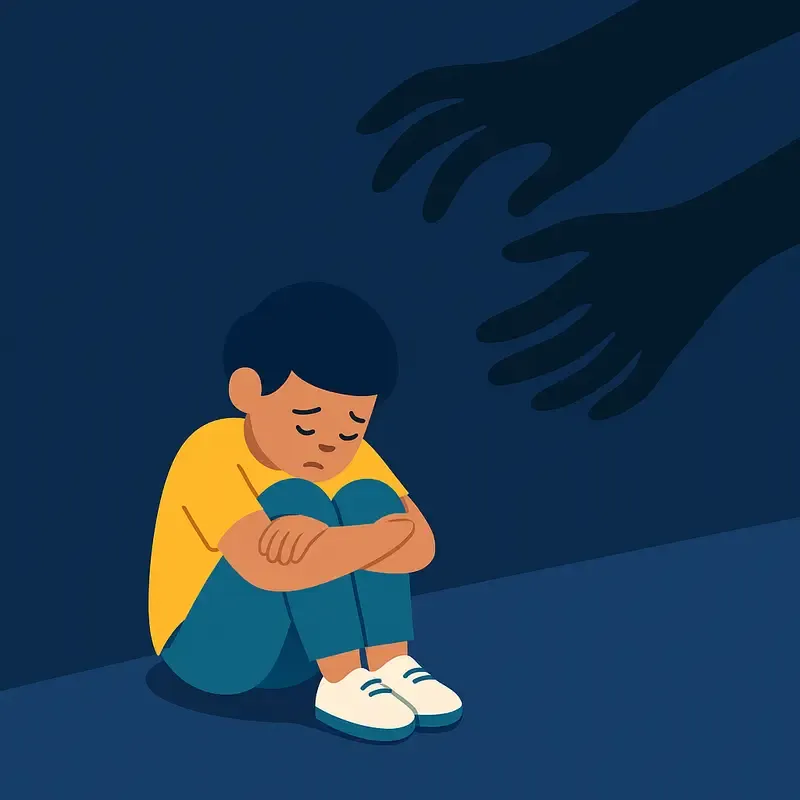
Even said in a moment of extreme frustration, this phrase can cause lasting psychological harm. A child who hears these words may spend years questioning their worth, their place in the family, and their reason for existing.
Anger is a natural human emotion, but children should never become the target of a parent’s worst moments. Walking away to cool down is always better than saying something that cannot be unsaid.
Your child’s sense of belonging depends on knowing, without a doubt, that they are wanted.