
Growing up, most kids assume their family life is normal, even when something feels off. But looking back as an adult, you might start to notice patterns that were anything but healthy.
Harmful parenting can leave deep marks on how you think, feel, and relate to others. Recognizing these signs is the first step toward understanding yourself and starting to heal.
1. You Always Felt Like You Were Walking on Eggshells
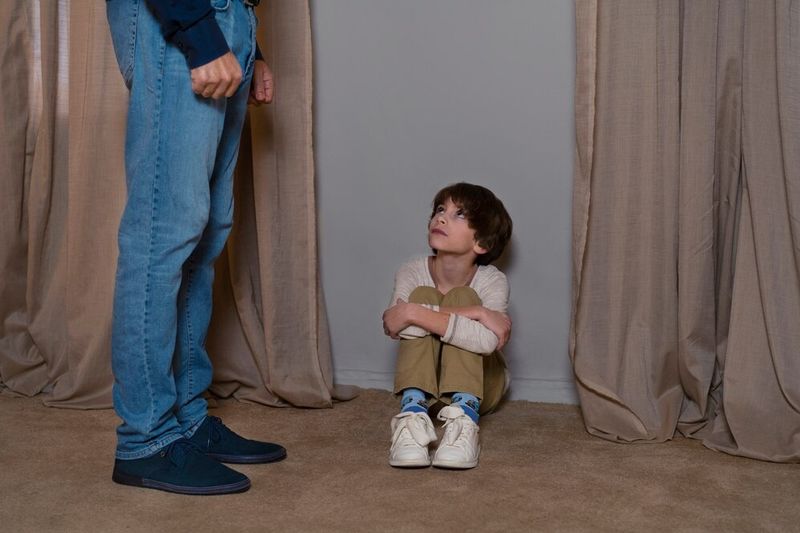
Living in constant fear of setting someone off is exhausting, especially for a kid. If you spent your childhood carefully watching a parent’s mood before speaking or acting, that was not normal caution.
That was hypervigilance born from an unpredictable home.
Children should feel safe at home, not like they are tiptoeing through a minefield. That constant alertness rewires the brain to expect danger everywhere, making it hard to relax even as an adult.
2. Their Criticism Never Seemed to Stop
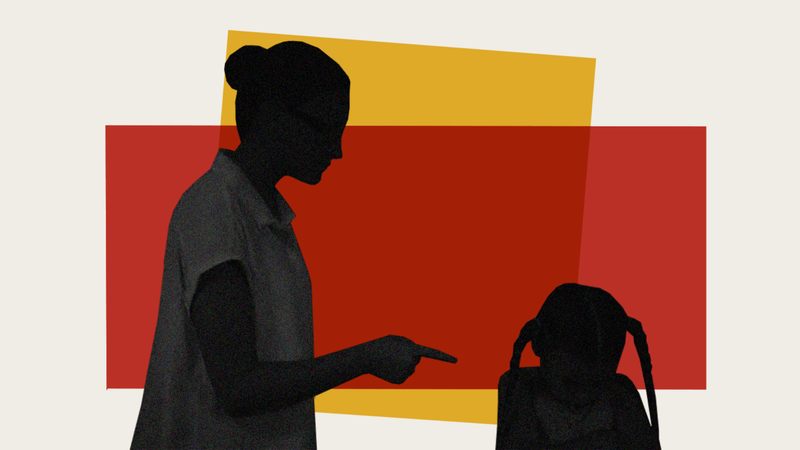
Every child makes mistakes, but there is a big difference between correction and constant criticism. If a parent regularly called you stupid, clumsy, or a disappointment, those words did real damage.
Verbal abuse through name-calling and sarcasm chips away at a child’s sense of worth over time.
Researchers confirm that ongoing harsh criticism from caregivers contributes to low self-esteem that can last well into adulthood. You deserved encouragement, not a running list of your flaws.
3. Love Felt Like Something You Had to Earn

Affection should not come with conditions attached. When parents withhold hugs, praise, or warmth until a child performs well, it teaches kids that love is a reward, not a given.
That belief follows people into adult relationships, where they keep trying to prove their worth.
Conditional acceptance is a hallmark of harmful parenting. Growing up feeling like you were never quite enough, no matter how hard you tried, is a clear sign something was wrong in your home environment.
4. Your Feelings Were Regularly Dismissed or Mocked

Crying and being told to stop being dramatic. Feeling scared and being laughed at.
Sharing excitement and getting a cold shrug. Sound familiar?
When a parent consistently dismisses or mocks a child’s emotions, that child learns their inner world does not matter.
Emotional neglect is just as damaging as physical harm, even though it leaves no visible marks. Adults who grew up this way often struggle to identify or trust their own feelings, a painful legacy of never being heard.
5. You Became the Parent in Your Own Family
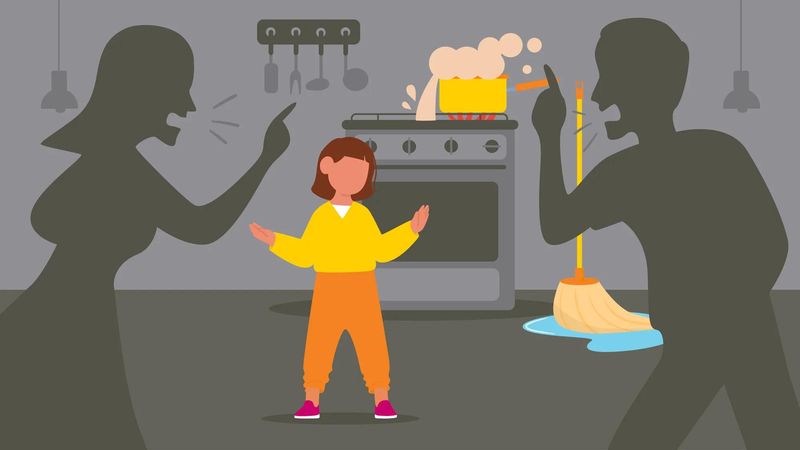
Some kids grow up way too fast, not by choice. If you were managing a parent’s emotions, caring for younger siblings, or handling adult responsibilities before your teenage years, you experienced what experts call parentification.
It robs children of a carefree childhood they can never get back.
Being forced into a caretaker role creates adults who feel responsible for everyone around them and guilty when they prioritize their own needs. That pattern often stems directly from a home where boundaries were completely absent.
6. Privacy Was Not Something You Were Allowed to Have

Every person, even a child, deserves some personal space. Parents who read journals, listened in on phone calls, searched rooms without reason, or demanded to know every thought crossed a serious line.
Control disguised as concern is still control.
Extreme invasion of privacy sends a damaging message: you are not trustworthy, and your inner world belongs to me. Adults who grew up under this kind of surveillance often struggle with boundaries and feel uncomfortable claiming personal space as their own right.
7. Gaslighting Made You Question Your Own Memory
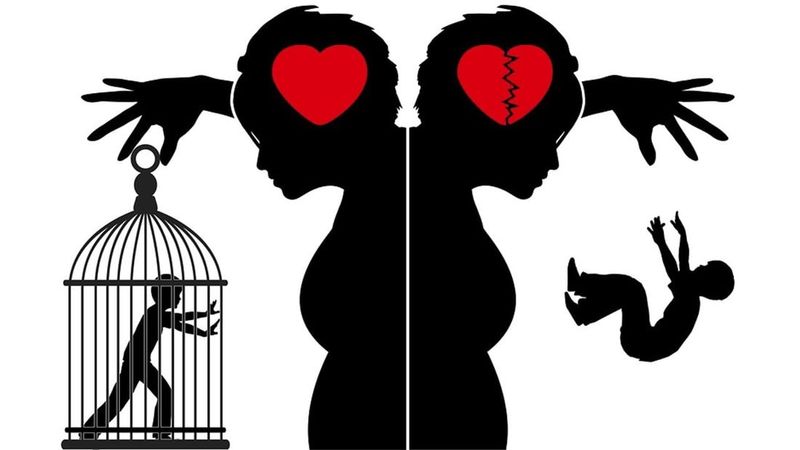
“That never happened.” “You are making things up.” “You are too sensitive.” If phrases like these were common in your home, you may have experienced gaslighting. Harmful parents often deny a child’s reality to avoid accountability, leaving kids doubting their own perceptions.
Over time, being told your memories and feelings are wrong creates deep confusion and self-doubt. Many survivors of gaslighting grow into adults who struggle to trust themselves, constantly second-guessing their judgment even in simple everyday situations.
8. Guilt Was Used as a Weapon Against You

Healthy parents guide their kids with love. Harmful ones rely on guilt to keep control.
Phrases like “After everything I have done for you” or “You are breaking my heart” were not expressions of pain. They were emotional tools designed to make you feel responsible for a parent’s happiness.
Guilt-tripping and emotional blackmail are forms of manipulation that leave lasting marks. Adults raised this way often find it nearly impossible to say no without a flood of shame washing over them immediately afterward.
9. You Developed an Intense Fear of Making Mistakes

Perfectionism that stems from fear is not ambition. It is survival.
Kids raised in homes where mistakes were met with harsh punishment, humiliation, or rage quickly learn that getting things wrong is dangerous. So they try to get everything right, all the time, at any cost.
That fear of failure does not disappear when childhood ends. Many adults from these backgrounds avoid taking risks, procrastinate heavily, or feel crushing anxiety over normal human errors, all because imperfection once felt genuinely threatening to their safety.
10. You Felt Completely Invisible at Home
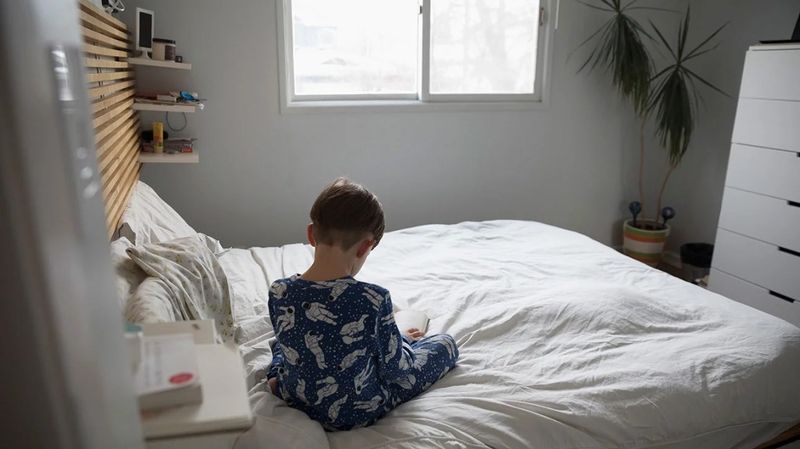
Not all harmful parenting involves yelling or hitting. Sometimes the damage comes from a parent who simply was not there, emotionally or physically.
Being consistently ignored, having your needs go unmet, or feeling like you were a burden are signs of serious emotional neglect.
Children need to feel seen and valued. When they grow up feeling invisible, they often carry a deep-rooted belief into adulthood that they do not matter.
Healing from that kind of quiet pain takes real time and intentional support.
11. Their Moods Were Completely Unpredictable

One minute everything was fine. The next, the house felt like it was on fire.
Growing up with a parent whose emotions swung wildly without warning creates a child who is constantly braced for the worst. Emotional volatility in a caregiver is deeply destabilizing for developing kids.
That unpredictability trains the nervous system to stay on high alert, even in safe situations. Many adults from these homes describe feeling unable to fully relax, always waiting for the next emotional storm to roll in without warning.
12. You Were Blamed for Things That Were Not Your Fault

Kids should never be made to feel responsible for adult problems. Yet in harmful homes, children often become the scapegoat for a parent’s stress, failed relationships, or bad days.
Being blamed repeatedly for things outside your control plants seeds of shame that grow for years.
Chronic blame teaches children that they are the problem, a belief many carry quietly into adulthood. That internalized shame can make it hard to advocate for yourself or recognize when you are genuinely not at fault in a situation.
13. Trust and Intimacy Feel Genuinely Scary as an Adult
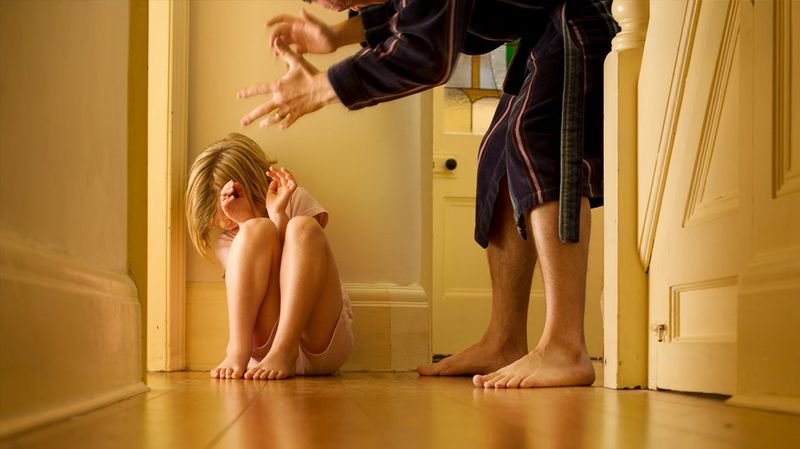
Relationships are built on trust, but trust is hard to give when the people who were supposed to be safest were the ones who hurt you most. Adults who grew up with harmful parents often struggle to open up, fear being abandoned, or push people away before they get too close.
Attachment patterns formed in childhood follow us everywhere. The good news is that with awareness and support, it is absolutely possible to build healthy, secure connections even after a childhood that taught you the opposite lesson.
14. A Harsh Inner Voice That Sounds Just Like Them

Many survivors of harmful parenting notice something unsettling: the critical voice inside their head sounds exactly like their parent. That inner critic is not your true self.
It is a learned soundtrack absorbed from years of exposure to constant negativity and harsh judgment.
Recognizing that voice as borrowed, not built-in, is a powerful step in healing. Therapy, journaling, and self-compassion practices can help you slowly replace that harsh internal narrator with something kinder and far more accurate about who you actually are.
15. You Struggle to Set Boundaries Without Feeling Guilty

Saying no should not feel like a crime, but for many adults from harmful homes, it does. When boundaries were never modeled or respected growing up, learning to set them as an adult feels foreign, even selfish.
That guilt is not a moral failing. It is a conditioned response.
Healthy limits are a basic human need, not a luxury. Practicing small boundaries over time, and noticing that relationships do not always fall apart when you do, is how many survivors slowly rebuild a healthier sense of self-worth and personal agency.
16. Physical Symptoms That Showed Up Without Obvious Cause

Bodies keep score. Chronic headaches, stomachaches, fatigue, and digestive problems in children are sometimes the body’s way of expressing emotional distress that has nowhere else to go.
Kids in harmful home environments often develop physical symptoms that doctors cannot easily explain.
Unresolved stress and trauma do not just live in the mind. When emotional pain is not addressed, it frequently shows up in the body.
Adults who experienced this as children sometimes still deal with stress-related physical symptoms tied to early trauma they never fully processed.
17. Sleep Was Rarely Peaceful or Restful
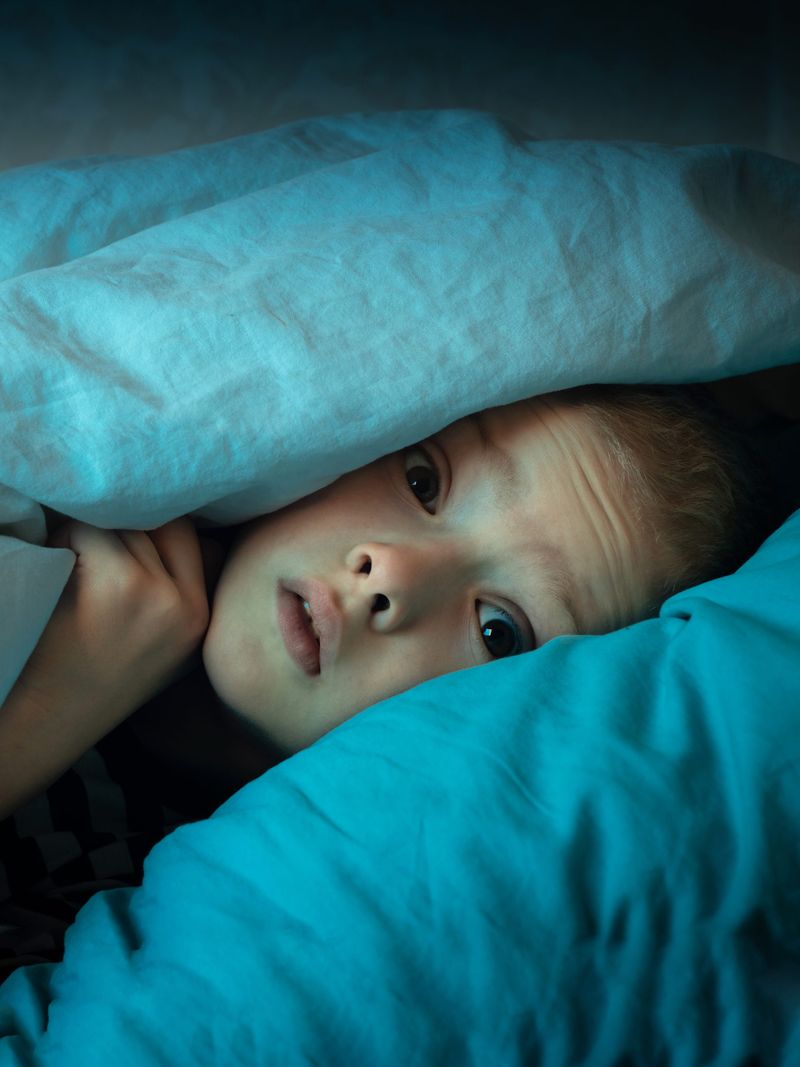
Nightmares, trouble falling asleep, waking up in a panic. These are not just childhood quirks.
Sleep disturbances in kids are frequently linked to stress and emotional trauma happening in the home. A child who does not feel safe during the day rarely feels safe enough to rest at night.
Poor sleep during childhood affects brain development, mood, and school performance. For many adults who grew up in chaotic or harmful households, sleep issues have followed them for years, a quiet but persistent reminder of a childhood that never felt truly secure.
18. You Became a Expert at People-Pleasing

When keeping the peace at home meant suppressing your own needs, people-pleasing becomes a survival skill. Kids who learned early that their safety or a parent’s mood depended on their behavior often grow into adults who cannot stop accommodating everyone around them, even at their own expense.
Constantly putting others first while ignoring your own needs leads to resentment, burnout, and a lost sense of identity. Recognizing people-pleasing as a learned coping pattern, rather than just being nice, is an important milestone on the road to genuine recovery.
19. You Feel a Deep Sense of Shame About Who You Are
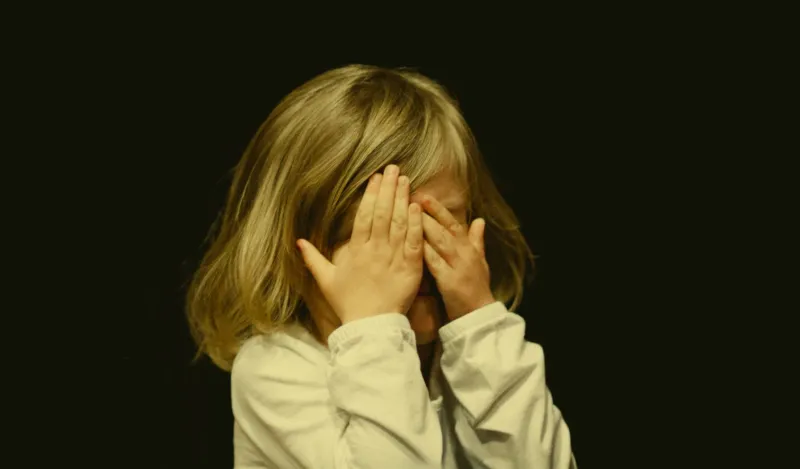
Shame is not the same as guilt. Guilt says “I did something bad.” Shame says “I am something bad.” Children raised by harmful parents often absorb a deep, persistent belief that they are fundamentally flawed, unlovable, or broken at their core.
That kind of shame does not come from within. It was placed there by caregivers who should have built you up instead.
Healing from toxic shame is possible, and it often starts with the radical act of recognizing that what happened to you was never actually your fault.