
New York City has one of the richest, most layered histories of any place on Earth. From Dutch settlers and waves of immigrants to skyscrapers and financial powerhouses, the city’s story is told through its incredible museums.
Whether you are a lifelong New Yorker or a first-time visitor, these museums offer a window into what made NYC the legendary city it is today. Get ready to explore 19 museums that bring the city’s fascinating past to life.
1. Museum of the City of New York
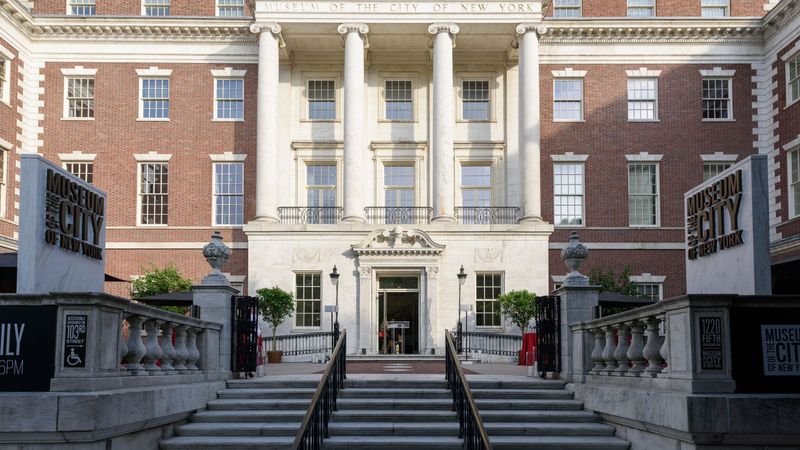
Perched on Fifth Avenue at the edge of Central Park, the Museum of the City of New York has been celebrating the city since 1923. Its galleries trace New York from a small Dutch trading post all the way to today’s buzzing metropolis.
Exhibits spotlight the city’s unmatched diversity, bold reinventions, and the everyday New Yorkers who shaped it. If you want one museum that captures everything NYC stands for, start right here.
2. New-York Historical Society
Founded in 1804, the New-York Historical Society holds the title of New York’s very first museum, and it has been collecting stories ever since. Four centuries of history are packed into its galleries through paintings, documents, and fascinating objects.
Rotating exhibits cover everything from the FDNY’s brave history to childhood toys and the city’s complicated relationship with slavery. It is a place where history feels personal, not just like a textbook lesson.
3. Lower East Side Tenement Museum
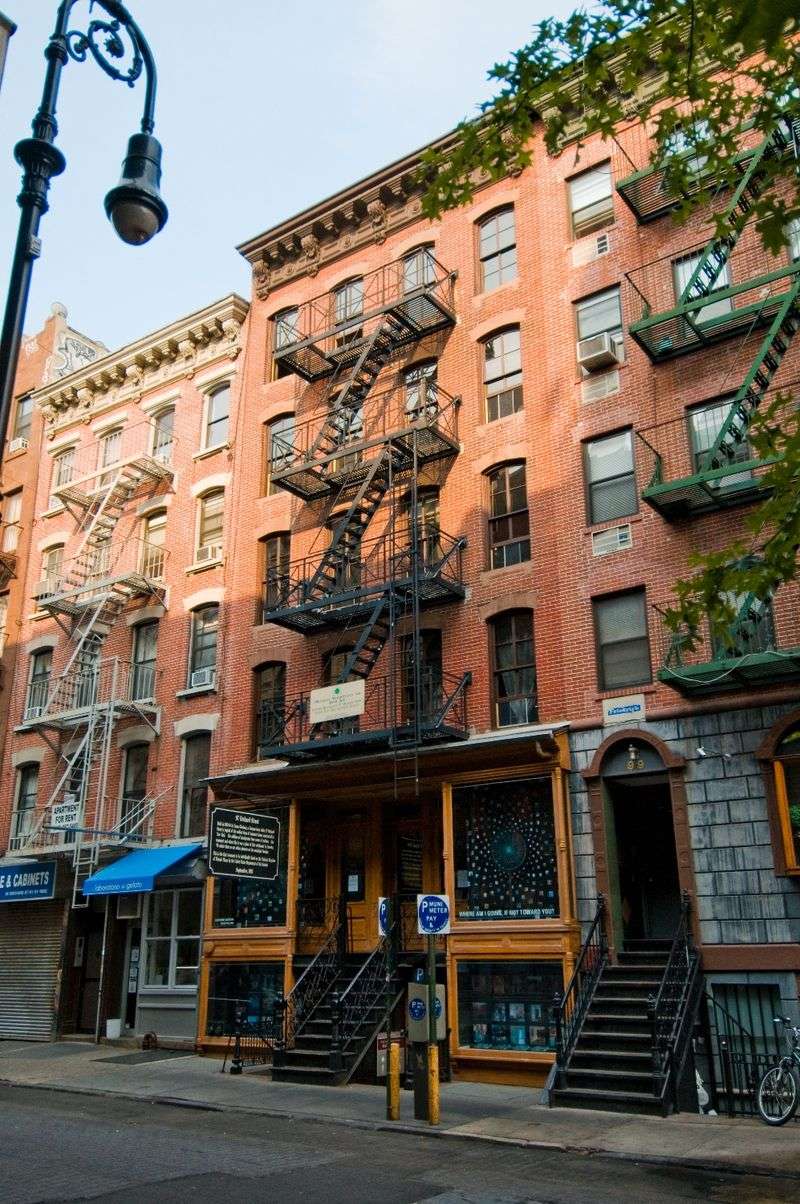
Stepping inside the Tenement Museum on Orchard Street feels like traveling back in time to the crowded, hopeful world of immigrant New York. Real families once squeezed into these tiny apartments, chasing the American dream one floor at a time.
Guided tours bring specific immigrant families to life, sharing their struggles, triumphs, and traditions. Few experiences in the city are as emotionally powerful or as deeply human as walking through these preserved rooms.
4. Ellis Island National Museum of Immigration
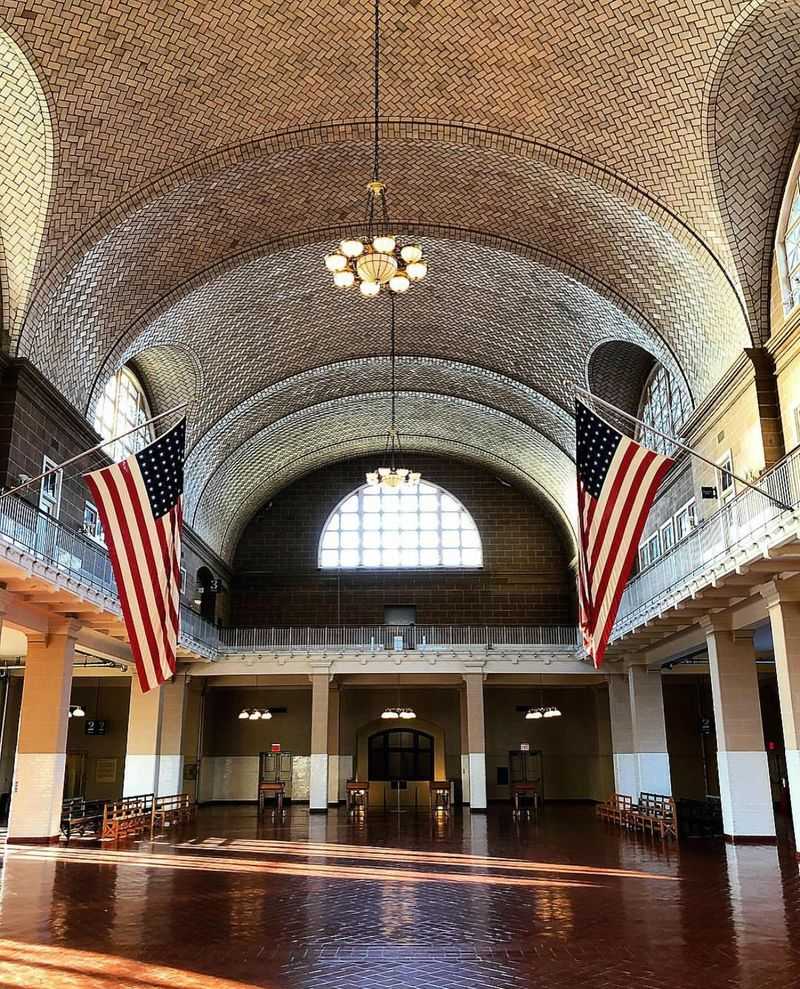
More than 12 million immigrants passed through Ellis Island between 1892 and 1954, each one carrying dreams bigger than their luggage. Today, the island’s stunning Beaux-Arts building serves as a museum dedicated to their remarkable journeys.
Visitors can search passenger records, explore restored processing rooms, and hear real immigrant voices through audio exhibits. Standing in the great Registry Room, you can almost feel the nervous energy of millions of people hoping for a fresh start.
5. The Skyscraper Museum
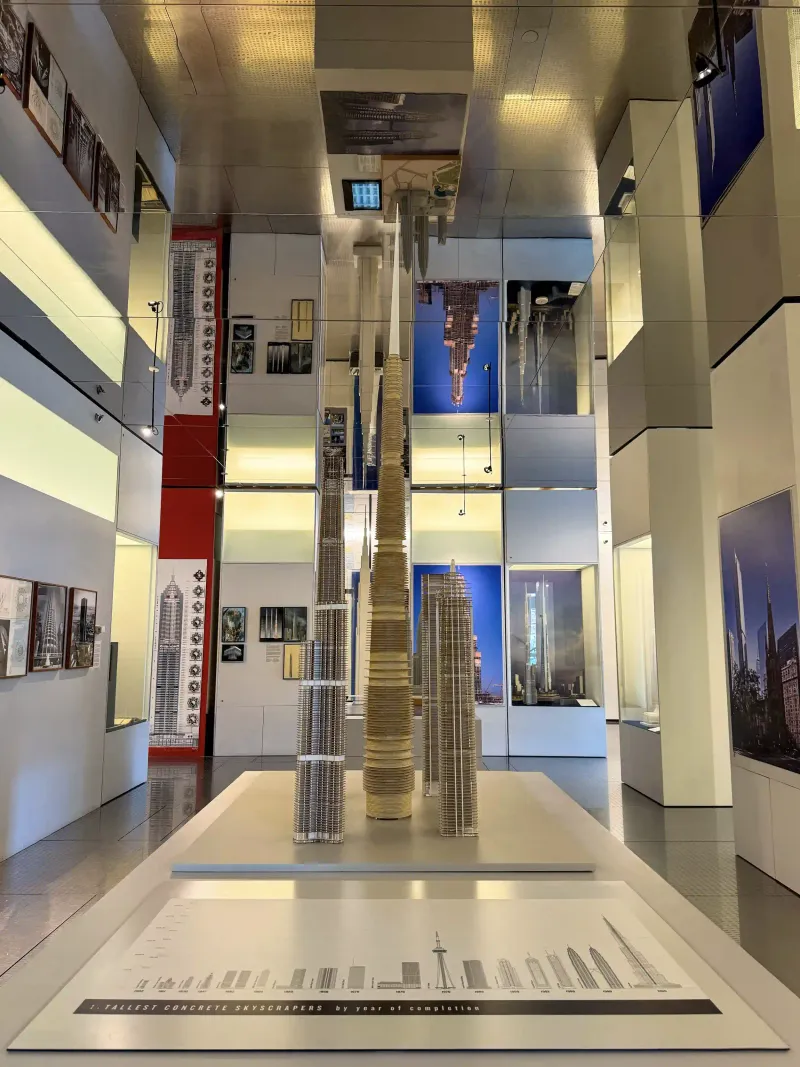
Tucked into Lower Manhattan’s Battery Park City, the Skyscraper Museum is a small space that tells an enormous story. New York basically invented the modern skyscraper, and this museum makes sure you understand exactly how that happened.
Scale models, archival photos, and interactive displays trace the evolution of tall buildings from the Flatiron era to today’s supertalls. Architecture fans and curious kids alike will leave with a whole new appreciation for the skyline outside.
6. National September 11 Memorial and Museum
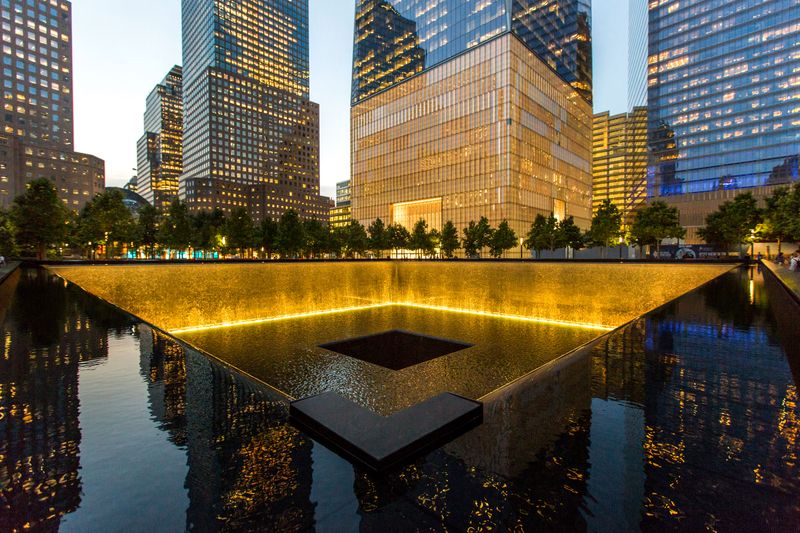
No place in New York carries more weight than the September 11 Memorial and Museum, built on the very ground where the Twin Towers once stood. The two massive reflecting pools, surrounded by the names of nearly 3,000 victims, are both heartbreaking and beautiful.
Underground, the museum uses artifacts, recordings, and personal stories to honor those lost on September 11, 2001, and February 26, 1993. A visit here is quiet, moving, and something visitors rarely forget.
7. Museum at Eldridge Street
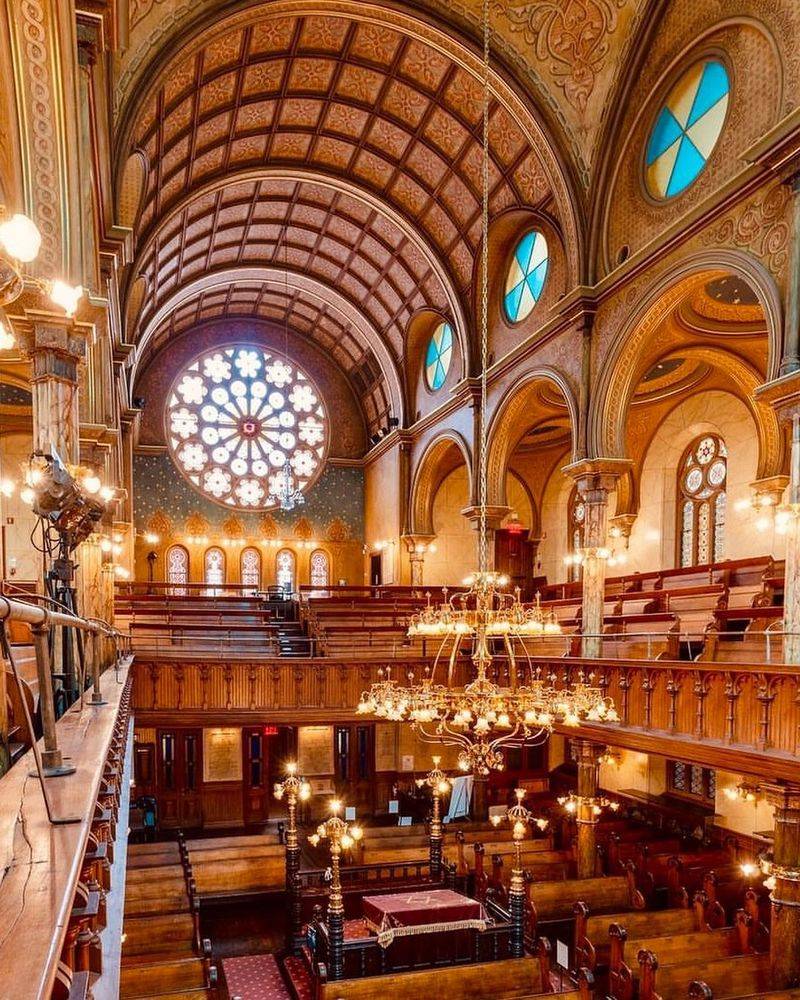
Built in 1887, the Eldridge Street Synagogue was the first great house of worship built by Eastern European Jews in America, and its restoration is jaw-dropping. The rose window alone is worth the trip to the Lower East Side.
The Museum at Eldridge Street uses this stunning space to tell the story of Jewish immigrant life and the community’s enormous impact on New York’s culture. History and architecture combine here in a way that few other museums can match.
8. Fraunces Tavern Museum
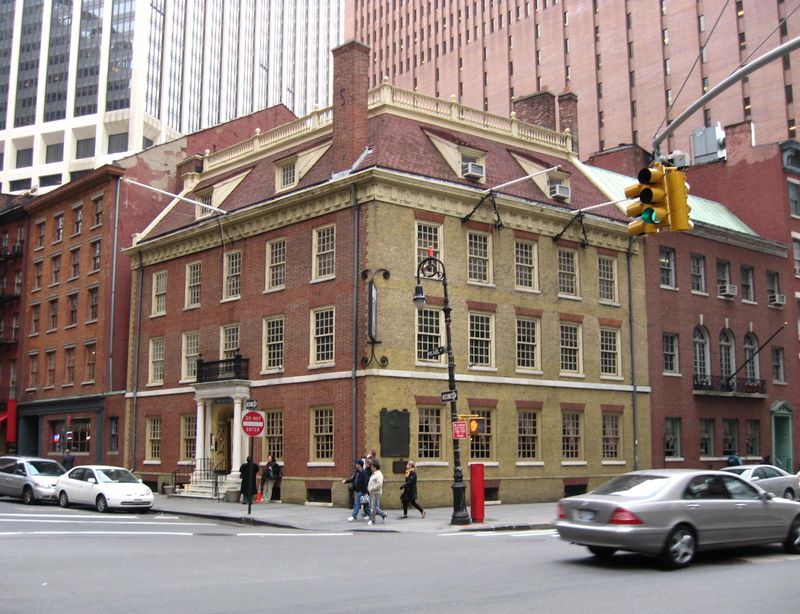
George Washington said his farewell to his officers here in 1783, and the building still stands at the corner of Pearl and Broad Streets in Lower Manhattan. Fraunces Tavern is one of the oldest surviving structures in New York City.
The museum inside preserves American Revolutionary War artifacts, period rooms, and rotating exhibits about the colonial era. History buffs will love knowing they are standing in a place where the nation’s founding generation actually gathered and made decisions.
9. New York Transit Museum
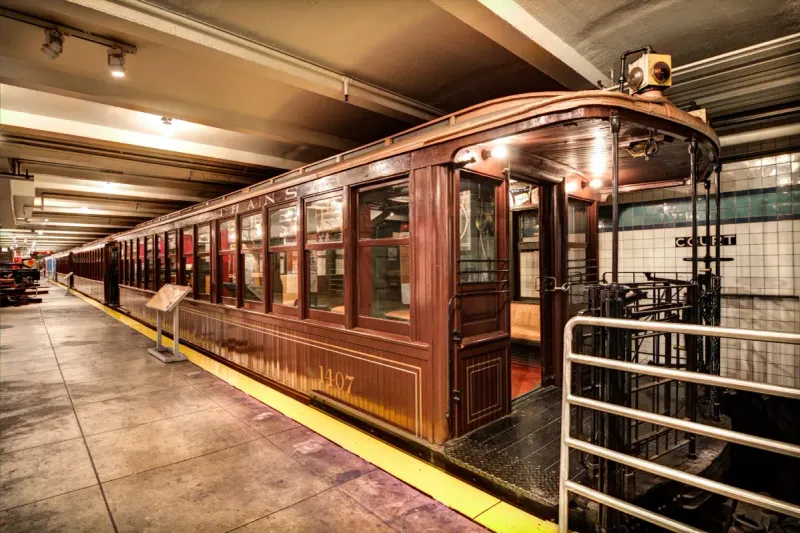
Housed inside a decommissioned 1936 subway station in Brooklyn Heights, the New York Transit Museum is one of the most unique museum settings in the entire city. Riding the escalator down feels like entering a time capsule.
Vintage subway cars from across the decades line the tracks, and exhibits explore how public transit transformed New York from a collection of neighborhoods into one connected city. Bus fans get their share of love too, with a full collection of historic vehicles upstairs.
10. Historic Richmond Town
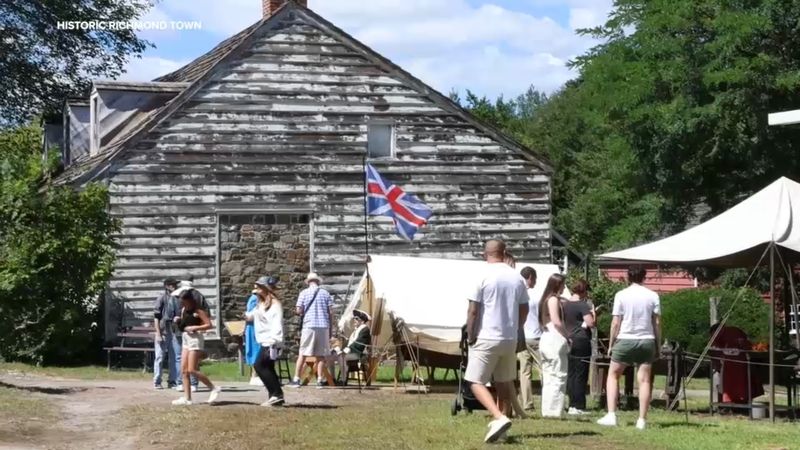
Staten Island holds a secret that many New Yorkers have never discovered: a living history village with more than 25 historic buildings spanning 300 years of city life. Historic Richmond Town feels like stepping off the ferry and into another century entirely.
Costumed interpreters demonstrate crafts, farming, and daily routines from the 1600s through the early 1900s. For families who want history that is interactive and outdoors rather than behind glass, this place is a genuine treasure.
11. Alice Austen House Museum
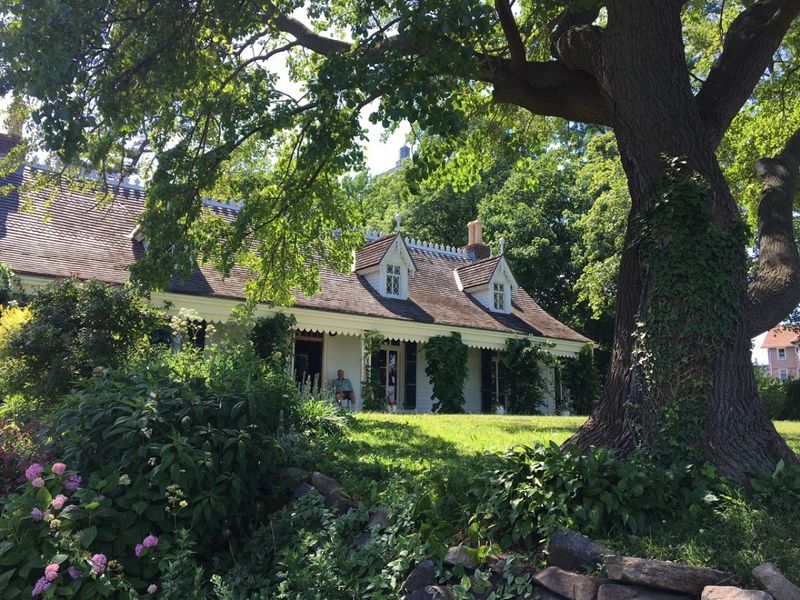
Alice Austen picked up a camera at age 10 in 1876 and spent the next five decades photographing New York life with an honesty and wit far ahead of her time. Her cottage on Staten Island’s waterfront is now a charming museum dedicated to her legacy.
Over 8,000 of her photographs document street scenes, immigrants, athletes, and social gatherings in ways that feel surprisingly modern. The harbor views from the grounds are spectacular, making this a rewarding visit on every level.
12. Bartow-Pell Mansion Museum
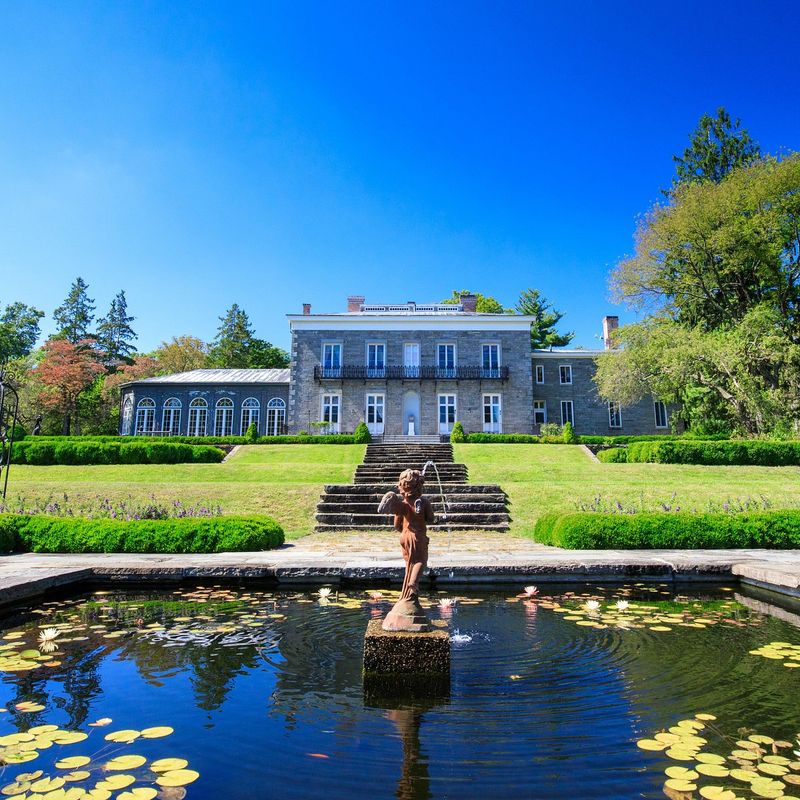
Sitting inside Pelham Bay Park in the Bronx, the Bartow-Pell Mansion is a gorgeous Greek Revival estate that once belonged to one of New York’s most prominent 19th-century families. The formal gardens alone make the trek to the Bronx completely worthwhile.
Inside, period furnishings and rotating exhibitions reveal how wealthy New Yorkers lived during the 1840s and 1850s. It offers a sharp contrast to the tenement stories told elsewhere in the city, showing the full range of New York’s social history.
13. Dyckman Farmhouse Museum
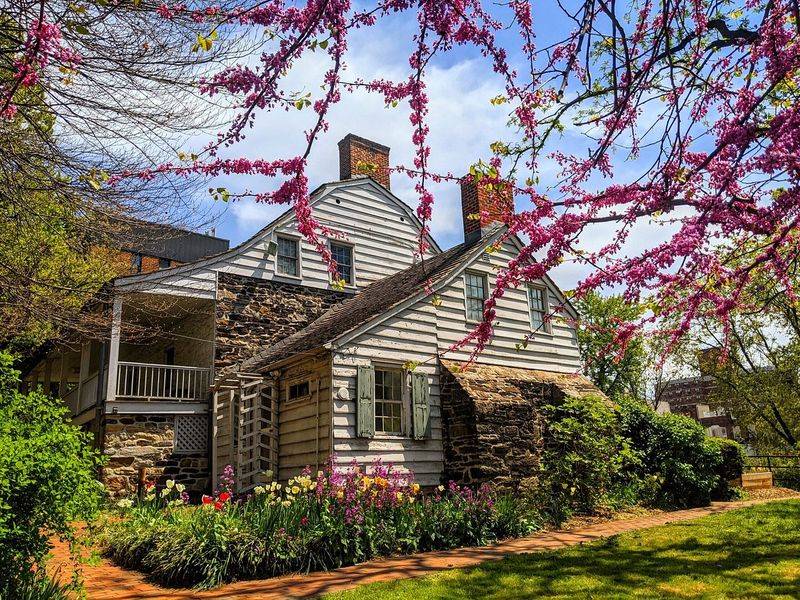
Somehow, in the middle of northern Manhattan’s busy Inwood neighborhood, a Dutch colonial farmhouse from the 1780s has survived. The Dyckman Farmhouse is the last of its kind on the entire island, which makes it genuinely remarkable.
Once part of a sprawling farm worked by enslaved people and tenant farmers, the site now tells an honest and layered story about early New York agriculture and colonial life. Visiting feels like finding a hidden portal to a version of Manhattan most people never imagine existed.
14. Gracie Mansion
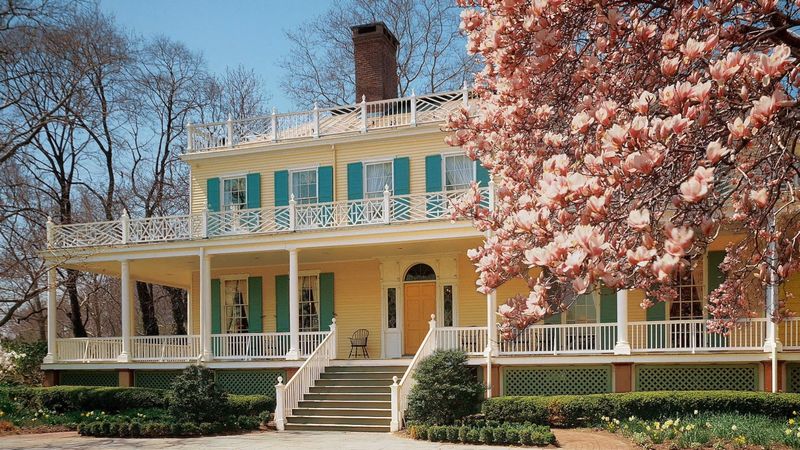
Built in 1799 as a wealthy merchant’s country retreat, Gracie Mansion has served as the official home of New York City’s mayor since 1942. The Federal-style house sits in Carl Schurz Park with sweeping views of the East River.
Tours of the mansion reveal beautifully preserved rooms filled with art and furniture that reflect the city’s political and cultural history across more than two centuries. Knowing that every mayor from Fiorello La Guardia onward has called this place home adds a special layer of meaning to every room.
15. The Metropolitan Museum of Art
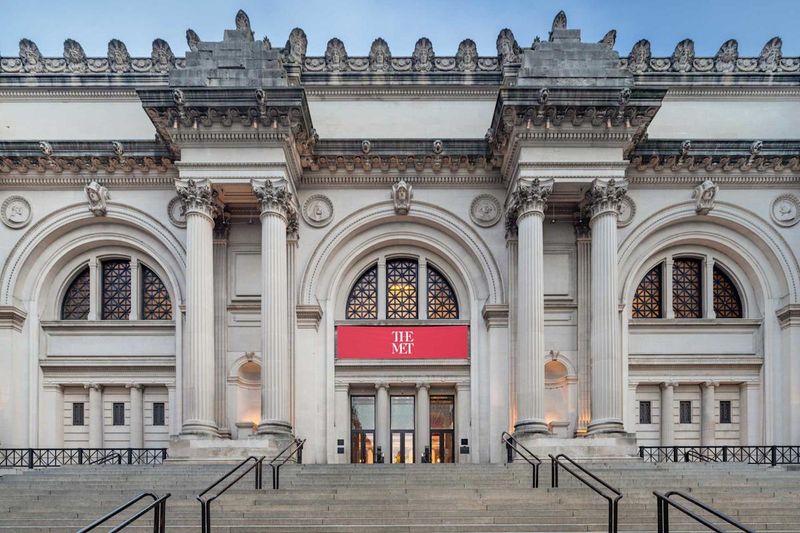
The Met is so vast that many visitors forget it holds one of the world’s finest collections of American art, spanning paintings, decorative objects, and period rooms that trace the country’s artistic identity from colonial times onward. New York’s own story is woven throughout its galleries.
The American Wing alone could take an entire afternoon to explore properly. Whether you are drawn to Hudson River School landscapes or early American furniture, the Met connects the city’s creative heritage to a global stage in a way no other institution can.
16. American Museum of Natural History
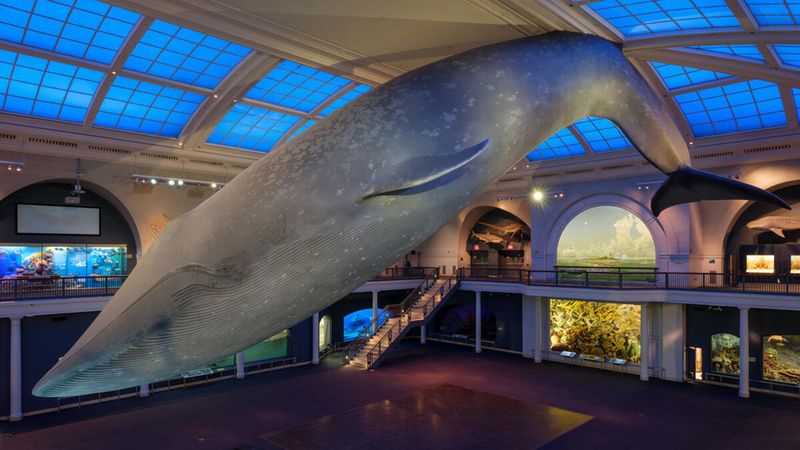
Long before New York City had skyscrapers, it had forests, rivers, and communities of Lenape people who called this land home. The American Museum of Natural History connects visitors to those deep roots through exhibits on local geology, ecology, and indigenous cultures of the region.
The Hall of New York State Environment is a quietly fascinating corner that many visitors rush past on their way to the dinosaurs. Slowing down there reveals just how dramatically the natural world of this region has changed over centuries of urban growth.
17. Intrepid Sea, Air and Space Museum
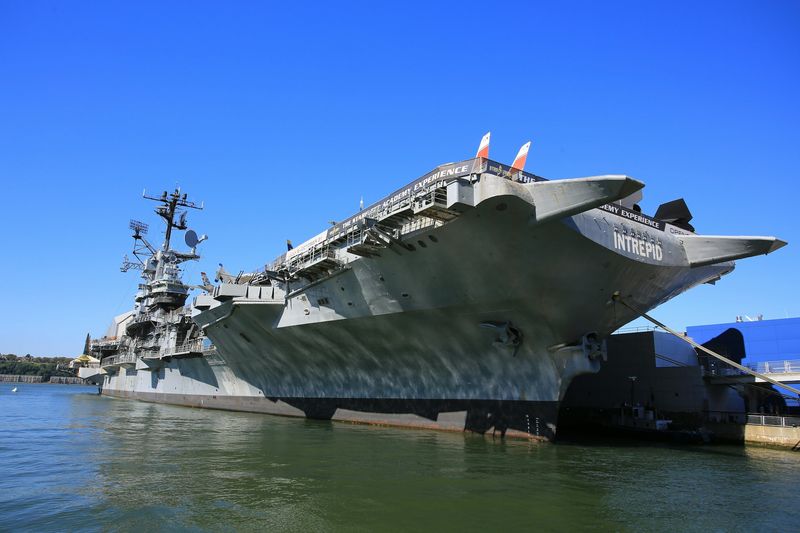
Few museums in the world let you walk across an actual World War II aircraft carrier, but the Intrepid does exactly that. Docked on the Hudson River at Pier 86, this floating museum connects New York’s identity as a great port city to its military and technological history.
The flight deck is packed with historic aircraft, and the space shuttle Enterprise is housed in a pavilion nearby. For anyone fascinated by ships, planes, or space exploration, the Intrepid delivers a hands-on experience that is hard to beat.
18. The Jewish Museum
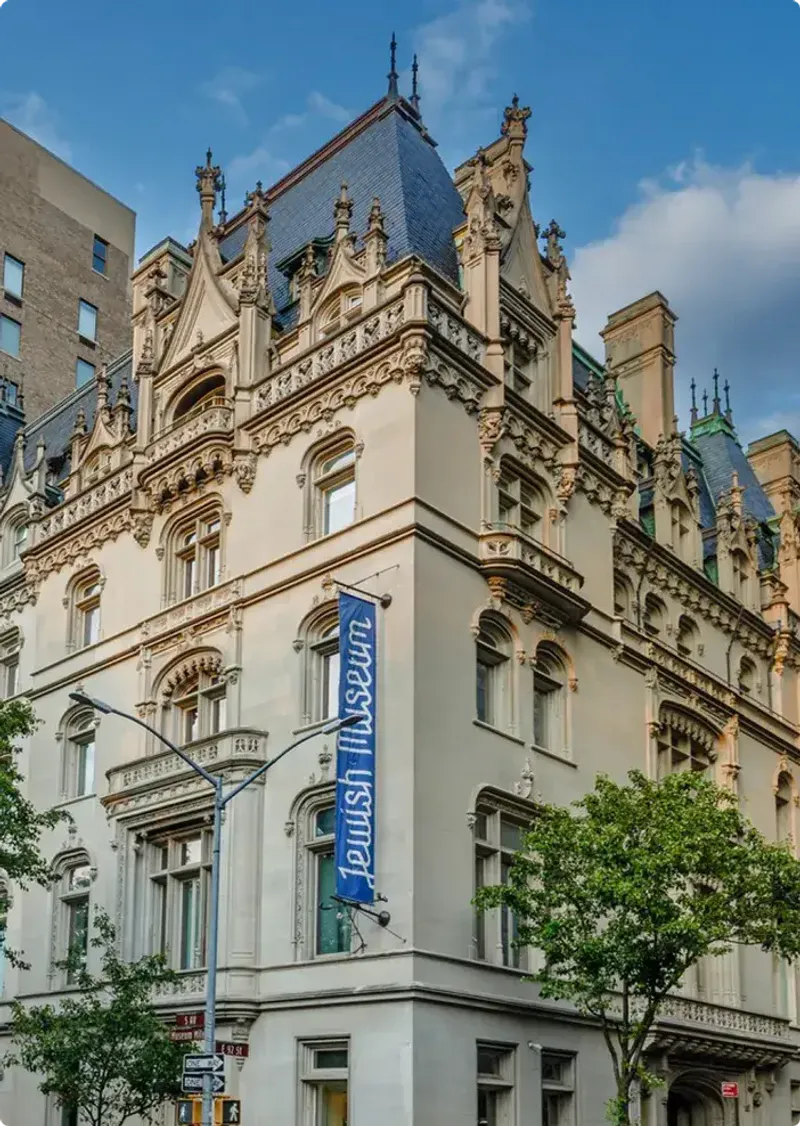
Established in 1904, the Jewish Museum on Fifth Avenue is the oldest Jewish museum in the world and one of the most culturally rich institutions in New York City. Its collection spans 4,000 years of Jewish art, history, and ideas.
Given that Jewish immigrants and their descendants have shaped so much of New York’s culture, food, business, and arts scene, this museum feels deeply connected to the city’s broader identity. The building itself, a stunning French Gothic mansion, is worth admiring before you even step inside.
19. Museum of American Finance
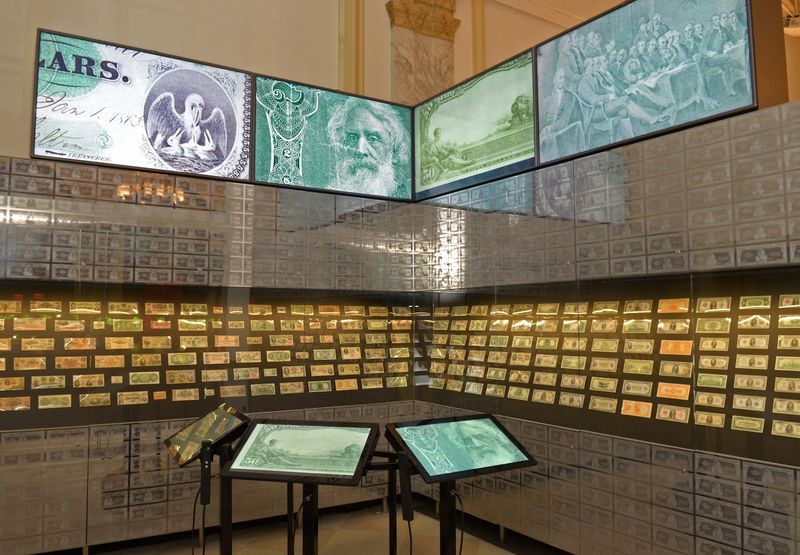
Wall Street and New York City are practically synonymous with global finance, and the Museum of American Finance on Wall Street tells the full story of how that happened. It is housed inside a stunning 1920s bank building with soaring marble columns that feel like a temple to commerce.
Exhibits cover the history of banking, stock markets, financial crises, and the rise of American capitalism. For anyone curious about why money flows through New York more than anywhere else on Earth, this museum delivers clear and surprisingly engaging answers.