
Some people seem incredibly warm, generous, and caring on the surface, but something about them always feels a little off. Kindness that comes with hidden strings attached can be confusing and even harmful to those on the receiving end.
Learning to spot the difference between genuine care and manipulative behavior is one of the most useful social skills you can develop. These 15 traits can help you recognize when someone’s “niceness” might not be as pure as it appears.
1. Conditional Generosity

Ever notice how some people’s helpfulness always seems to come with an invisible price tag? Conditional generosity looks kind on the outside, but it operates more like a transaction than a true gift.
When someone helps you, then later reminds you of it to get something they want, that is a red flag. Real kindness does not keep score.
Pay attention to whether someone’s giving stops the moment they feel they are not getting enough back in return.
2. Performative Empathy

Performative empathy is like watching someone act in a play. They say all the right things, make the right facial expressions, and seem deeply moved by your problems, but something always feels hollow about the exchange.
A genuinely empathetic person listens to understand, not to impress an audience. Watch for people who share your struggles loudly in public but offer little real support when no one is watching.
True empathy is quiet, consistent, and does not need applause.
3. Seeking Admiration for Selflessness

Good deeds done loudly are worth questioning. Someone who constantly talks about how much they sacrifice, how hard they work for others, or how giving they are may actually be fishing for admiration rather than genuinely helping.
Psychologists call this “martyr behavior,” and it is surprisingly common among people with narcissistic tendencies. If someone’s acts of kindness always seem to circle back to making them look heroic, their motivation may be self-serving rather than selfless.
Genuine helpers rarely need an audience.
4. Creating Dependency

Some people offer help in a way that quietly traps you rather than empowers you. Instead of teaching you to handle things on your own, they position themselves as the only solution to your problems.
Over time, this creates a sense of obligation and emotional reliance that can be hard to shake. A truly supportive person builds your confidence and independence.
If someone’s help always leaves you feeling like you owe them or cannot function without them, pay close attention to that feeling.
5. Subtle Control Through Kindness

Control does not always look like a raised voice or a firm demand. Sometimes it wears a smile and arrives wrapped in favors.
Subtle control through kindness is one of the sneakiest forms of manipulation because it is so easy to miss.
A person using this tactic might offer help you did not ask for, then use that help to influence your choices later. If you ever feel quietly pressured by someone who seems nice on the surface, trust that instinct and examine the pattern carefully.
6. Inconsistent Kindness

One day they are your biggest cheerleader, and the next they barely acknowledge you exist. Inconsistent kindness is a hallmark of narcissistic behavior because their warmth tends to switch on and off based on what they need from you at any given moment.
When their attention or generosity disappears without explanation, it can leave you feeling confused and even blaming yourself. Real kindness does not come and go depending on someone’s personal agenda.
Consistency is one of the clearest signs of genuine care.
7. Guilt-Inducing Favors

“After everything I have done for you” is a sentence that should raise a red flag every time you hear it. Using past kindnesses as emotional leverage is a classic manipulation tactic that people with narcissistic tendencies rely on heavily.
Favors should come without an expiration date or a hidden debt attached. When someone consistently brings up what they have done for you to pressure your behavior, they are turning generosity into a tool of control.
That is not kindness. That is a guilt trip with a friendly disguise.
8. Playing the Victim

Nobody goes through life without real struggles, but some people wear their suffering as a permanent costume. Adopting a victim persona allows a person to gain sympathy, avoid responsibility, and keep others feeling sorry enough to never challenge them.
Watch for people who always seem to be the one who was wronged in every story they tell. If accountability never lands on their shoulders and every conflict somehow ends with them as the misunderstood hero, that pattern reveals a lot about how they operate in relationships.
9. Hypersensitivity to Ungratitude

Most people appreciate a thank-you, but someone with narcissistic traits can become noticeably cold, angry, or withdrawn if their kindness is not praised quickly and enthusiastically enough. Their reaction feels way out of proportion to the situation.
This hypersensitivity reveals the real motive behind their giving. If the kindness were truly unconditional, a missed thank-you would not sting so deeply.
When someone’s mood depends entirely on how much you appreciate them, their generosity is really about feeding their ego, not genuinely serving your needs.
10. Exploiting Others’ Genuine Kindness

People with narcissistic tendencies are often skilled at spotting and targeting genuinely kind, empathetic individuals. They recognize warmth and use it as a resource rather than something to be valued and respected.
Your natural generosity, your tendency to give people the benefit of the doubt, becomes a tool in their hands. They may mimic your kindness back to you just long enough to gain your trust.
Recognizing this pattern is not about becoming cold. It is about understanding that not everyone who seems warm is actually safe.
11. Disregarding Personal Boundaries

Boundaries crossed with a smile are still violations. People who seem kind but carry narcissistic tendencies often use their “helpfulness” as an excuse to push past limits you have clearly set, framing their intrusiveness as care or concern.
You might hear phrases like “I am just trying to help” or “I know what is best for you” after they have already done something you asked them not to. Healthy relationships respect boundaries without needing an argument every time.
Kindness should never be used as a key to unlock spaces you have not invited someone into.
12. Public vs. Private Persona Discrepancy

Around friends and coworkers, they are the most warm, generous, and likable person in the room. But behind closed doors, a completely different version of that person shows up, one that is cold, critical, or even cruel.
This gap between public and private behavior is one of the most telling signs of a hidden narcissistic pattern. People close to them often struggle to get others to believe their experiences because the public persona is so convincing.
If someone’s kindness seems reserved exclusively for an audience, that contrast is worth taking seriously.
13. Love Bombing and Strategic Gifts
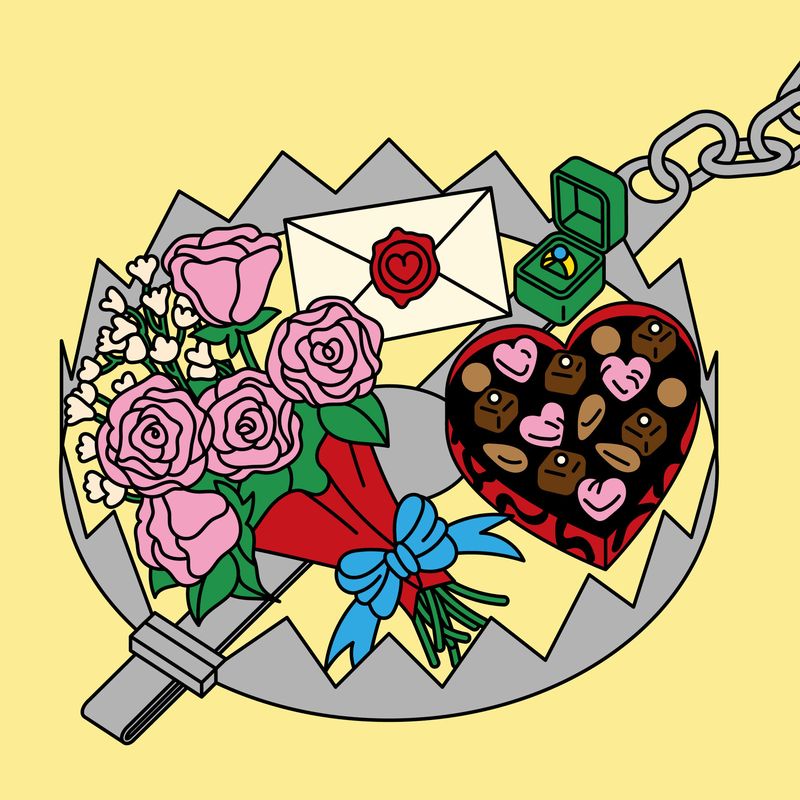
Being showered with affection, compliments, and thoughtful gifts feels amazing at first. But when it happens too fast and too intensely, it is worth pausing to ask why someone is working so hard to win you over so quickly.
Love bombing is a calculated strategy used to create fast emotional attachment and lower your defenses. Strategic gifts after arguments serve a similar purpose, replacing real accountability with a shiny distraction.
Genuine affection builds gradually and does not feel like a campaign designed to make you feel indebted or overwhelmed.
14. Blame Shifting and Avoiding Accountability

Mistakes happen to everyone, but someone with narcissistic tendencies rarely owns theirs. Instead, they expertly redirect blame onto others, often twisting the story so convincingly that the other person ends up apologizing for something that was never their fault.
This pattern, called blame shifting, protects their self-image at the expense of your sense of reality. Over time, being on the receiving end of consistent blame shifting can make you doubt your own memory and judgment.
That erosion of self-trust is one of the most damaging effects of this behavior.
15. Subtle Condescension Disguised as Kindness

Sometimes the most cutting remarks come wrapped in a helpful tone. “Oh, let me do that for you, you always struggle with this” sounds caring on the surface, but the underlying message is clear: you are not capable without them.
Subtle condescension disguised as kindness keeps others feeling small while the person delivering it gets to feel superior and generous at the same time. If you regularly feel a little worse about yourself after interacting with someone who is supposedly helping you, that emotional pattern is a signal worth listening to closely.