
A big paycheck is not always what brings an actor to a movie set. Sometimes a great story, a tough role, or the chance to work with a favorite director matters more.
These movies show how famous performers made unusual choices to help tell stories they believed in. Their decisions offer a look at the work behind the screen.
1. Keanu Reeves Made Room for Al Pacino in The Devil’s Advocate
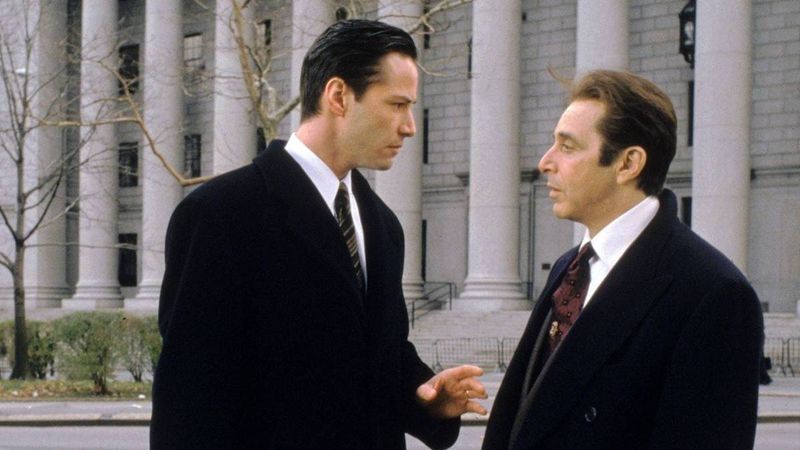
Imagine giving up part of your paycheck so your favorite costar can join the cast. Keanu Reeves reportedly did just that for The Devil’s Advocate, deferring some of his salary so the film could afford Al Pacino.
Their scenes together became a major part of the movie’s appeal.
The choice shows that a performance depends on more than one person. The right actor across the room can make a scene sharper, stranger, and more exciting for everyone watching.
2. Tom Cruise Took a Smaller Role in Magnolia
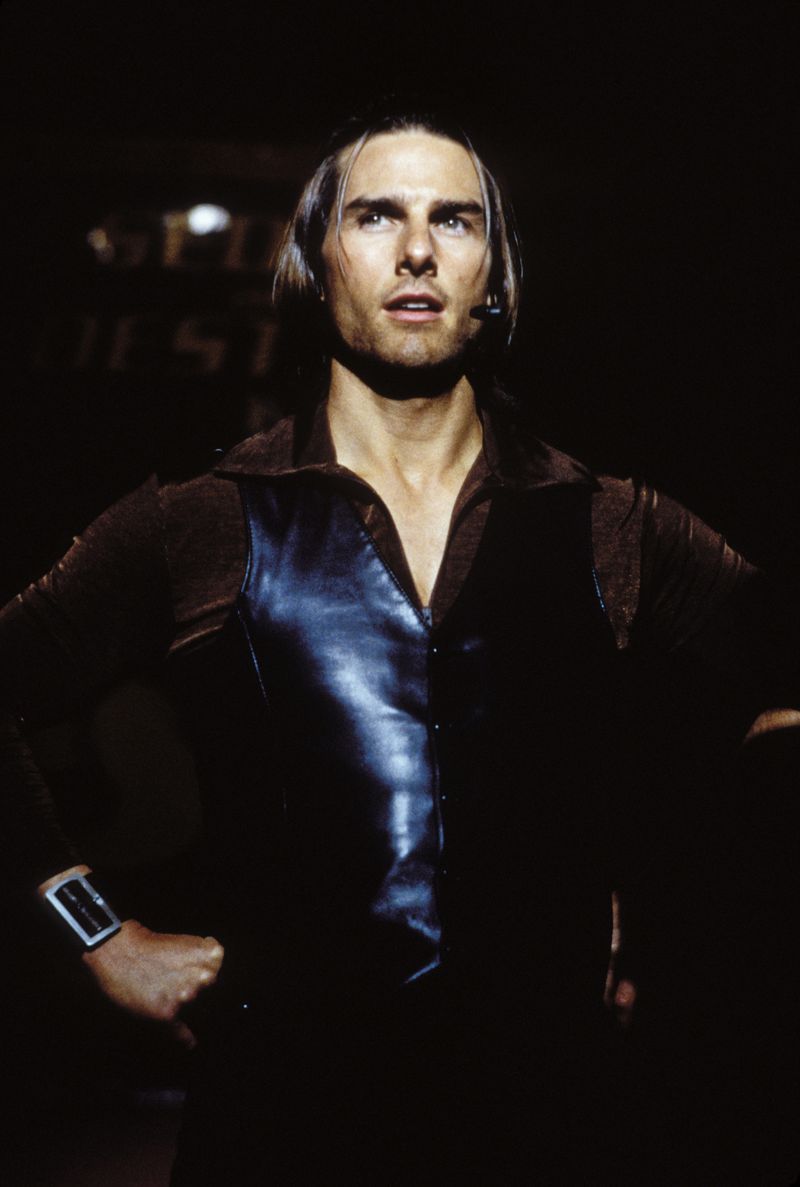
Big stars often lead the whole movie, but Tom Cruise chose a supporting role in Magnolia. He reportedly took less money to work with director Paul Thomas Anderson and play a character far from his usual heroes.
His loud, confident speaker hides a great deal of pain.
Watch how the performance changes when that confidence begins to crack. Cruise’s choice is a reminder that a smaller part can offer an actor a much bigger challenge than another familiar leading role.
3. Edward Norton Backed American History X
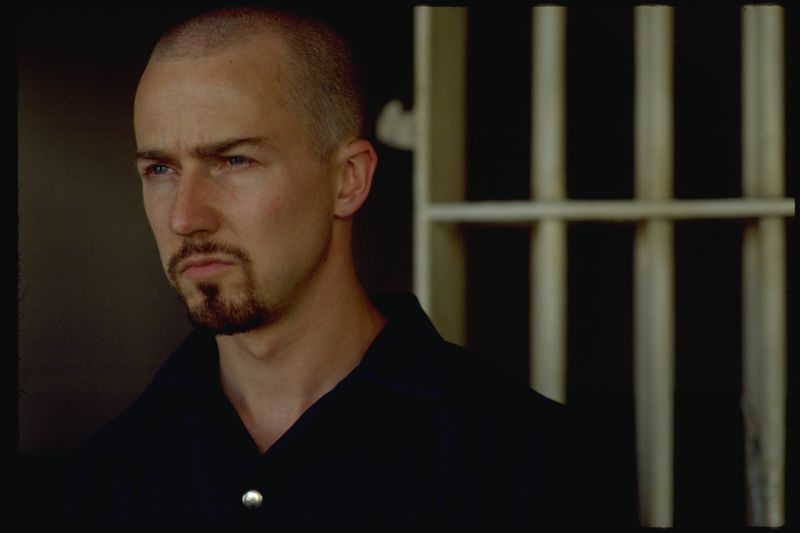
A difficult script caught Edward Norton’s attention before American History X reached theaters. Reports say he accepted less than his usual fee and passed on a better paying opportunity to play its troubled lead.
The film deals with violent hate and the hard work of changing one’s beliefs.
Norton also became deeply involved in shaping the finished movie. Viewers can take a simple lesson from the story: harmful ideas are learned, and leaving them behind takes courage and responsibility.
4. Robert Downey Jr. Changed Gears for Oppenheimer
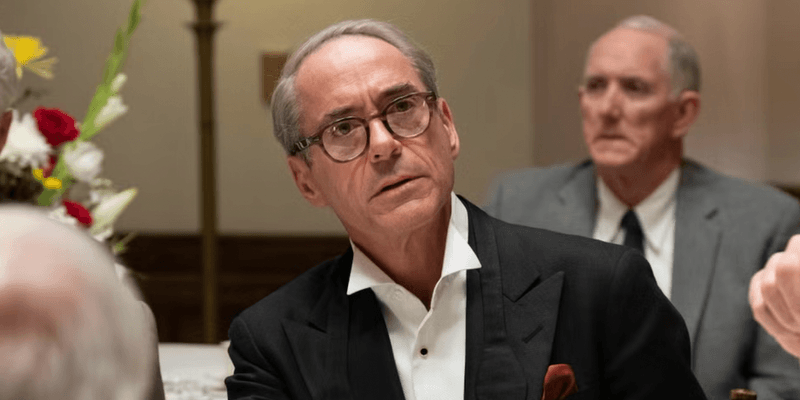
After years as Iron Man, Robert Downey Jr. stepped into a very different world with Oppenheimer. He reportedly accepted far less than his blockbuster pay to work with Christopher Nolan and play Lewis Strauss, a powerful figure with a bruised ego.
The part asked for quiet control rather than superhero charm.
Look closely at his pauses and glances. They show how an actor can build tension without action scenes, special powers, or even a raised voice.
5. Sylvester Stallone Refused to Let Go of Rocky
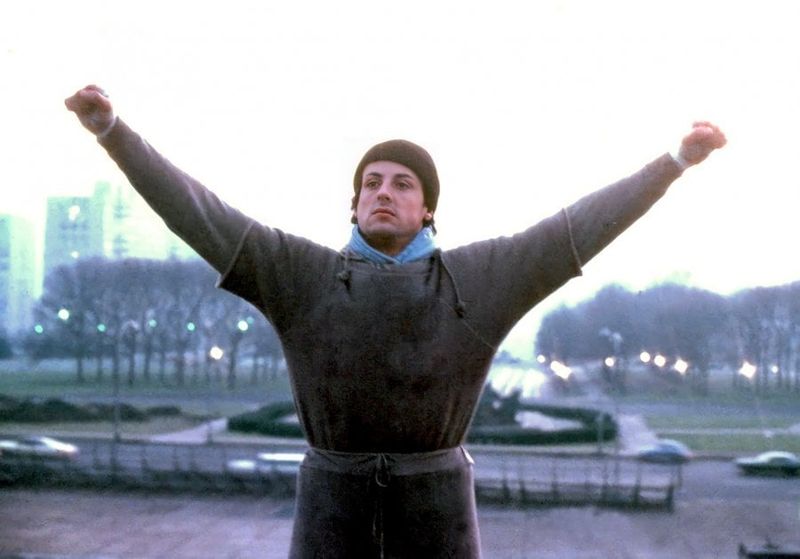
Rocky might have looked very different if Sylvester Stallone had sold his script and walked away. He turned down larger offers because he wanted to play the boxer himself.
Accepting a smaller deal gave him the chance to bring his own character to the screen.
That gamble fits Rocky’s story of an underdog asking for one fair shot. It also offers a useful thought for young creators: sometimes protecting your idea matters more than taking the first big offer.
6. Ryan Gosling Chose the Tough Story in Half Nelson
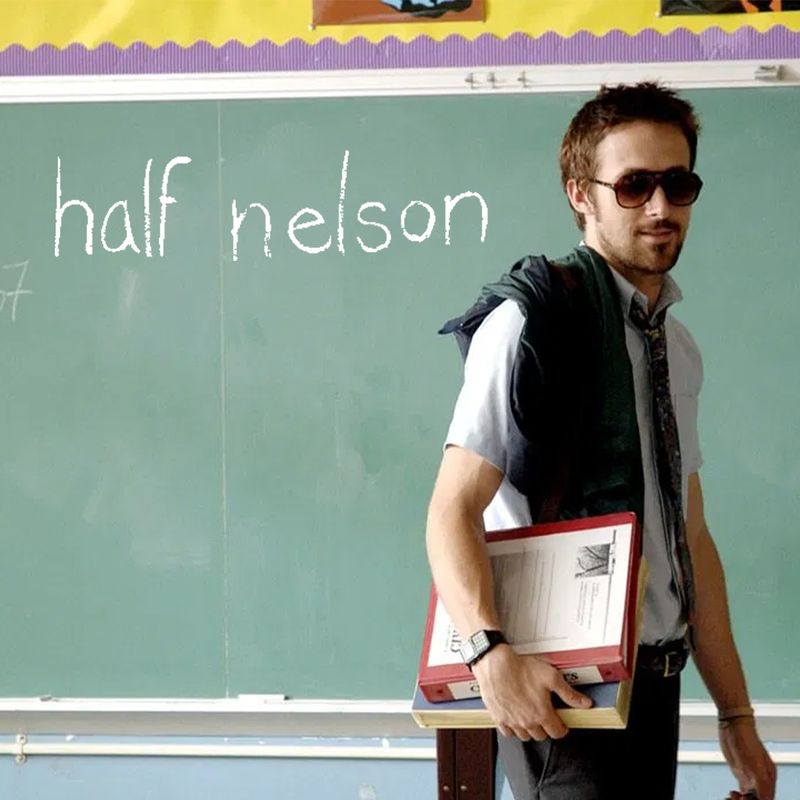
Fresh from the attention surrounding The Notebook, Ryan Gosling could have chased more glossy romances. Instead, he played a struggling teacher in the small drama Half Nelson for a reported $1,000 a week.
The role earned him an Academy Award nomination.
His character tries to help students while facing serious problems of his own. That contrast makes the performance feel human.
It is a good reminder that people who guide others may also need support themselves.
7. Kristen Stewart Stayed on Board for On the Road
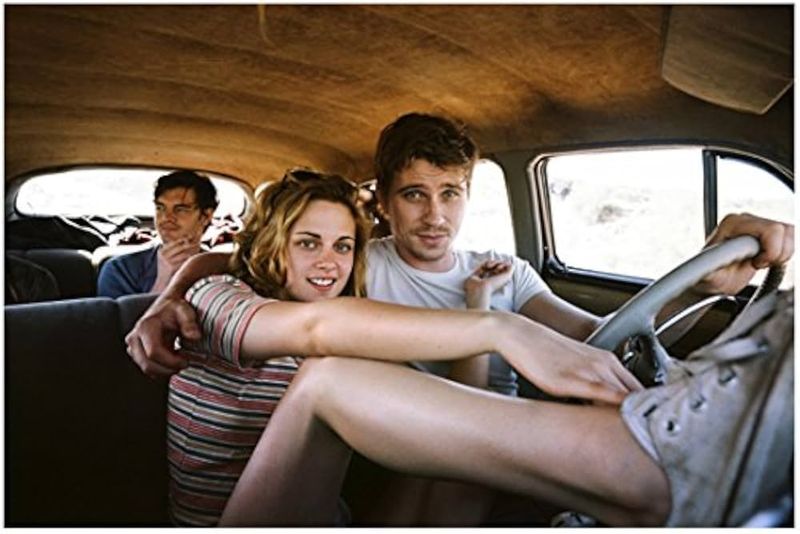
Budget cuts can send a movie’s plans off course. Kristen Stewart stayed with On the Road despite a reported reduction in her pay, helping the long planned adaptation move forward.
She played Marylou in a story about restless young people traveling across America.
For viewers, the film is also a chance to see how a book can change when actors bring its characters to life. Stewart’s decision shows that commitment to a project can survive a smaller paycheck.
8. John Travolta Found a New Beat in Pulp Fiction
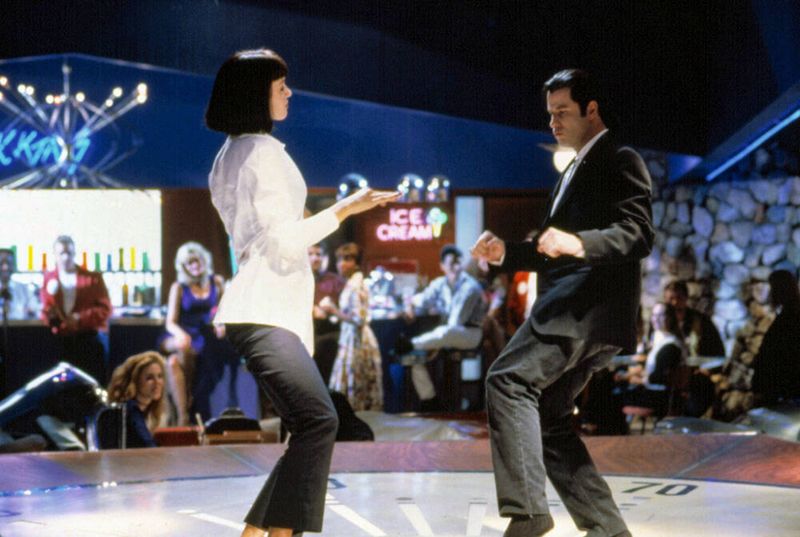
When John Travolta joined Pulp Fiction, the chance to work with Quentin Tarantino mattered more than a top star’s paycheck. He accepted a modest fee to play Vincent Vega, a hit man whose cool manner often gives way to confusion.
The role helped renew interest in Travolta’s career.
Notice how he makes small, everyday moments entertaining, even between the film’s bigger scenes. A memorable character is not built only from dramatic speeches; timing and reactions count too.
9. Christopher Lee Worked for Free on The Wicker Man
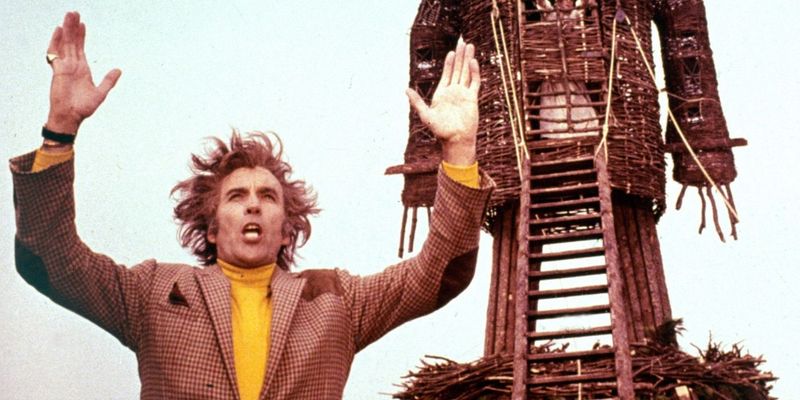
Few villains greet visitors quite like Lord Summerisle. Christopher Lee played the unsettling island leader in The Wicker Man without a fee, reportedly because the production had little money and the story excited him.
He later spoke proudly of the performance.
The film uses songs, customs, and bright daylight to create an uneasy feeling. If you watch it, pay attention to Lee’s calm voice.
His friendly manner makes the mystery more disturbing than a simple scary costume could.
10. Bruce Willis Dropped In for Four Rooms
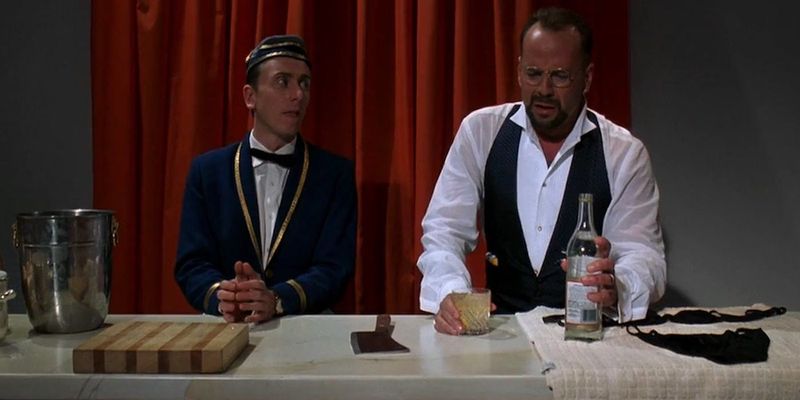
A surprise guest can make a short scene feel like a party. Bruce Willis appeared in Quentin Tarantino’s part of Four Rooms without taking a fee, reportedly doing it for fun and as a favor.
The movie follows a bellhop through several strange encounters at a hotel.
Willis did not need a long role to leave an impression. His appearance shows that actors sometimes join a project for the pleasure of working with friends and trying something unusual.
11. George Clooney Put His Money Behind Good Night, and Good Luck
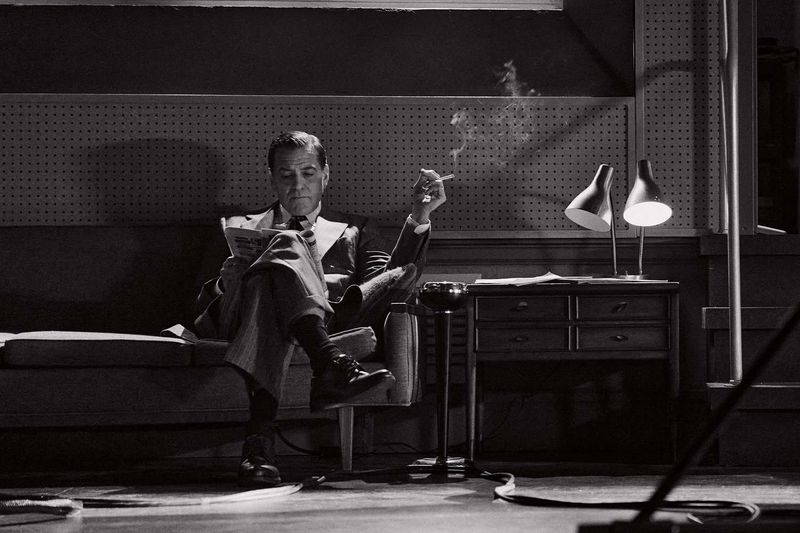
George Clooney did more than act in Good Night, and Good Luck. He co-wrote and directed the film, took a small upfront salary, and put his own money toward getting it made.
The story follows journalists who question a powerful senator during a fearful time in American history.
Its black and white look recalls old television broadcasts. More importantly, the movie asks what reporters should do when telling the truth might cost them their jobs or their friends.
12. Jennifer Lopez Took a Chance on Hustlers
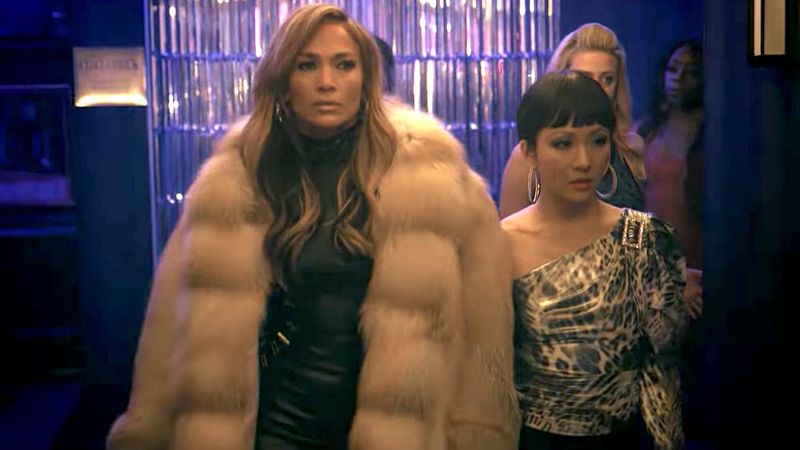
Jennifer Lopez helped make Hustlers as both a performer and a producer. She has said she received no upfront acting payment for playing Ramona, a dancer who takes younger coworkers under her wing.
The role let Lopez show warmth, confidence, and a much harder edge.
Her pay arrangement does not mean the movie had no financial upside for her. It does show her willingness to back a story she cared about and help bring its complicated characters to the screen.
13. Bill Murray Followed a Mix-Up to Garfield
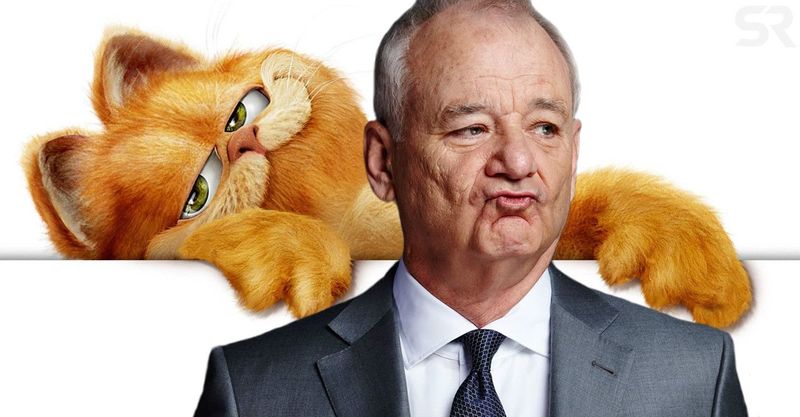
Sometimes an actor’s choice begins with a mistake. Bill Murray has joked that he agreed to voice Garfield partly because he thought the writer was Joel Coen of the famous filmmaking brothers.
The screenplay was actually credited to a different Joel Cohen.
That mix-up makes this case less like a planned sacrifice and more like a funny Hollywood lesson. Before saying yes to a project, it helps to check the names on the script, even if you are a movie star.
14. Meryl Streep Faced a Daunting Role in The Iron Lady
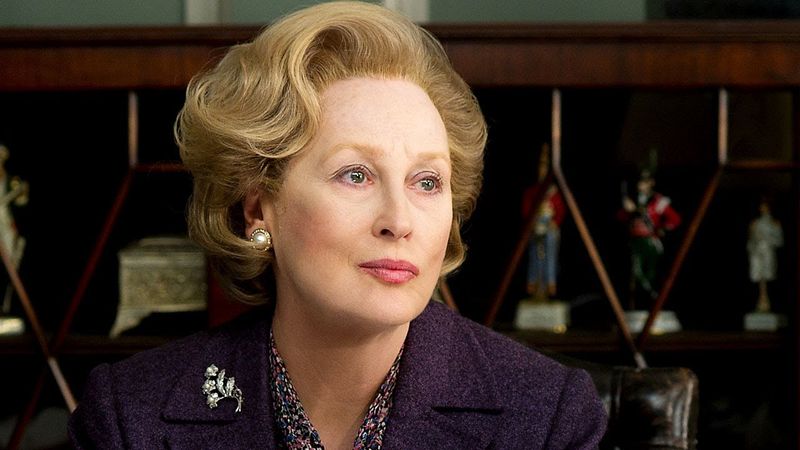
Playing a well-known leader means audiences arrive with strong opinions. Meryl Streep called the task of portraying Margaret Thatcher in The Iron Lady extremely daunting.
She studied the former British prime minister’s voice and manner to show both her public strength and her private struggles.
Streep’s performance won major awards, but the challenge was larger than copying famous speeches. Watch how small changes in posture and tone help show a person aging and facing the weight of her memories.
15. Mark Wahlberg Trained Hard for The Fighter
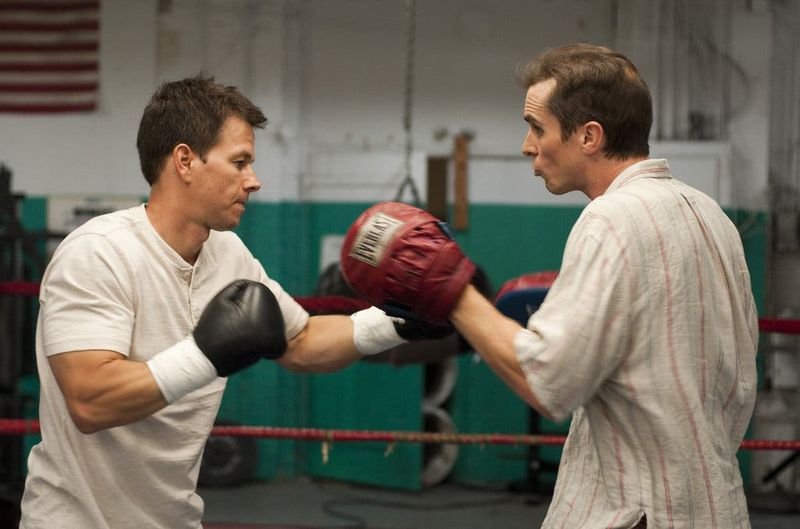
Boxing scenes demand more than looking tough for the camera. Mark Wahlberg spent years preparing to play Micky Ward in The Fighter and reportedly took less pay while covering costly training.
He has said those expenses left him losing money on the project.
The work helped him move and react like someone who belongs in a ring. For anyone watching a sports movie, it is worth remembering how much practice can hide behind a few convincing minutes onscreen.
16. Jonah Hill Chased a Scorsese Role in The Wolf of Wall Street
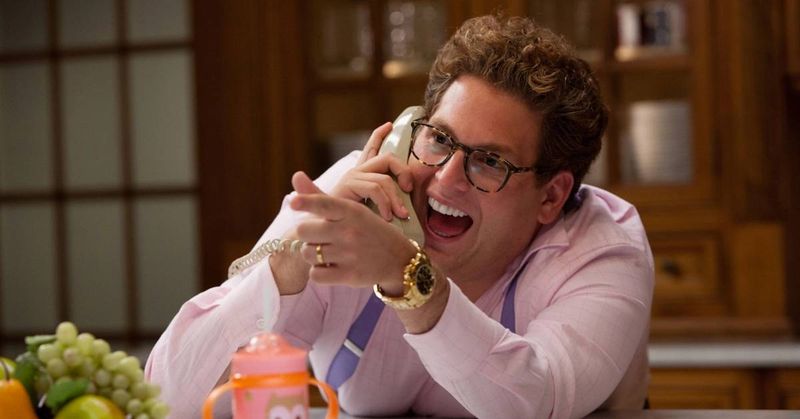
Jonah Hill badly wanted to work with Martin Scorsese. For The Wolf of Wall Street, he accepted a reported $60,000, far less than he might have earned elsewhere, to play the wild and reckless Donnie Azoff.
The part gave him room to push his comic energy in a darker direction.
Hill’s decision shows how a dream collaborator can shape an actor’s choices. It also reminds viewers that funny characters can reveal serious problems when a story looks beneath their jokes.
17. Matthew McConaughey Took a Hard Road in Dallas Buyers Club
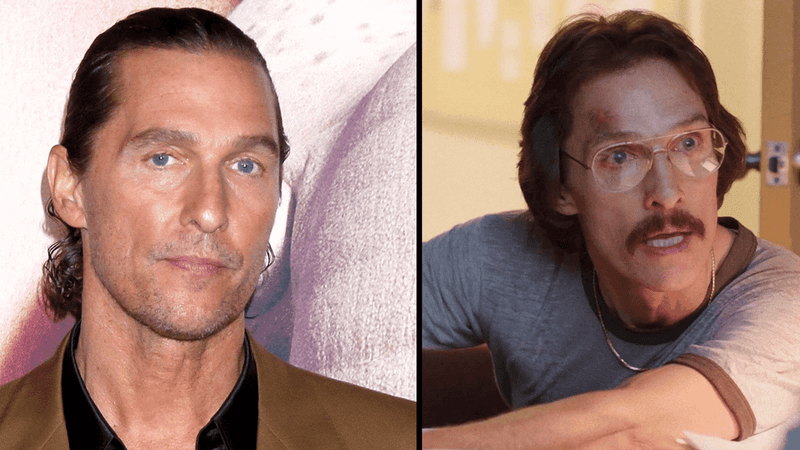
A challenging true story pulled Matthew McConaughey toward Dallas Buyers Club. Reports say he passed on a far larger offer for another film and earned much less to play Ron Woodroof.
The character responds to an HIV diagnosis by fighting for access to treatment.
McConaughey’s performance helped bring attention to people who faced fear, stigma, and barriers to care. Beyond the awards it won, the film offers a reason to ask whose voices get heard when health rules affect real lives.
18. Shahid Kapoor Helped Haider Happen
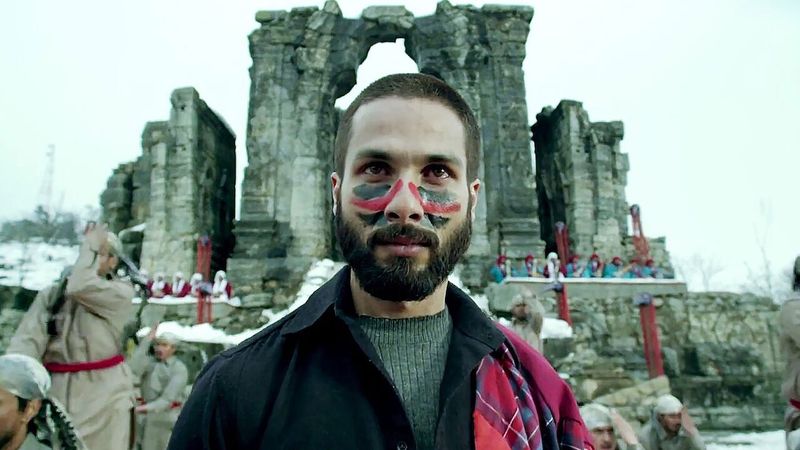
Snowy Kashmir gives Haider a striking backdrop, but its story is deeply personal. Shahid Kapoor reportedly waived his acting fee so the film’s tight budget could go further.
He plays a young man searching for his missing father in a tale inspired by Shakespeare’s Hamlet.
The choice helped support a movie with difficult themes and an unusual setting for a major star. Viewers unfamiliar with Hamlet can still follow Haider’s grief and anger, then notice how both shape his decisions.
19. Rajkummar Rao Committed to Trapped
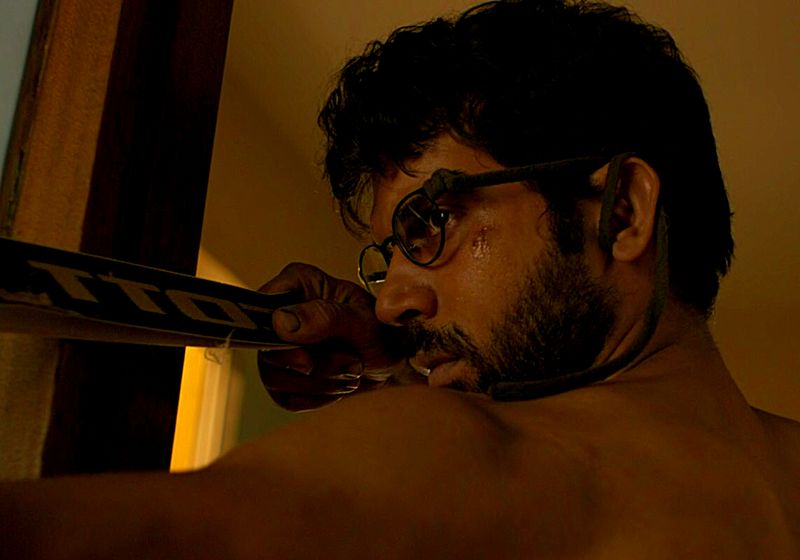
One actor, one apartment, and a locked door make Trapped feel painfully close. Rajkummar Rao reportedly worked without a fee on the film, which follows a man stranded inside a high-rise home.
Much of the story rests on his face, movements, and growing desperation.
Rao’s choice reflects his interest in a bold idea rather than a guaranteed hit. The movie also turns an ordinary question into gripping drama: what would you do if nobody could hear you call for help?