
Most people know chocolate cake and carrot cake, but the world is full of amazing cakes that rarely get the spotlight. From sticky Portuguese treats to fluffy Japanese sponges, these hidden gems can make your baking more exciting and fun.
Trying new cakes also teaches you fresh skills and tasty flavors from different cultures. Grab your apron, because your recipe book is about to get a lot more interesting.
1. Basque Burnt Cheesecake
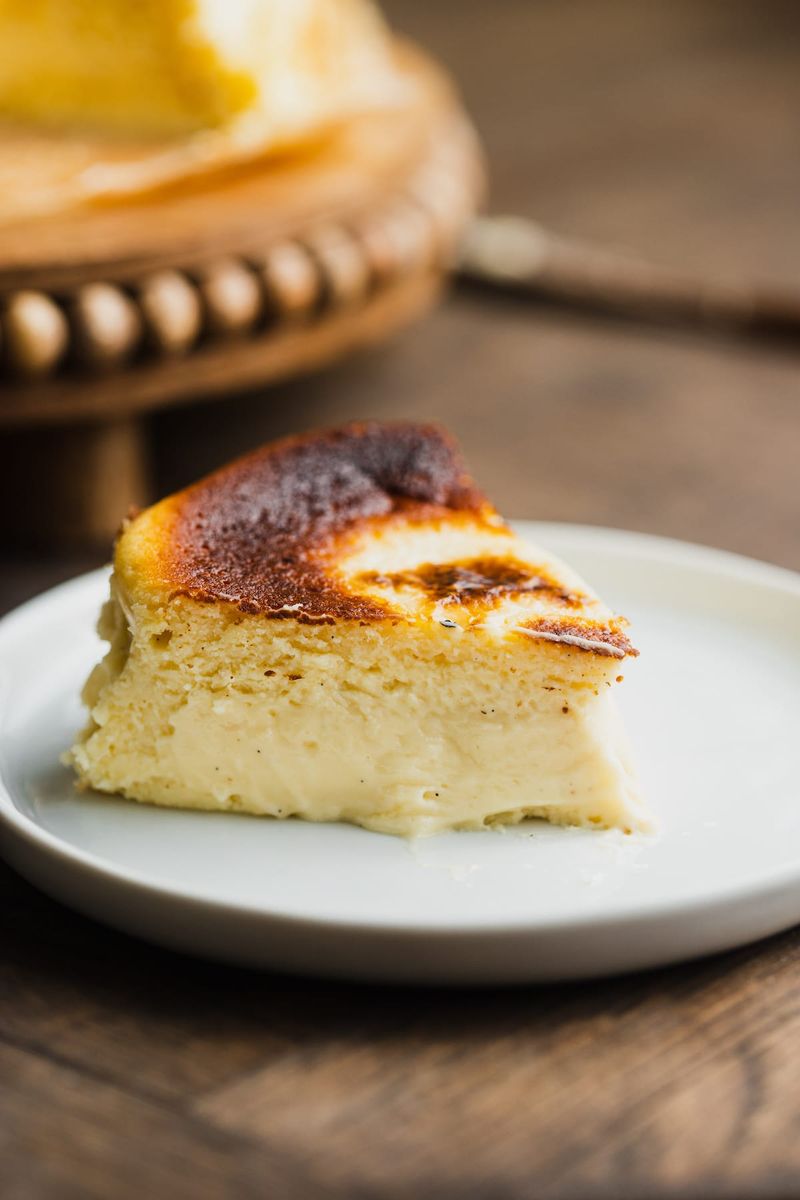
Burnt on purpose? Yes, and that is the whole charm.
Born in San Sebastian, Spain, in 1990, this cheesecake bakes at a very high heat until the top turns deep brown.
The outside tastes like caramel, while the middle stays soft and almost runny. You skip the crust completely, which makes it surprisingly easy.
Line your pan with crumpled parchment paper for those famous rustic edges. Let it cool fully before slicing.
2. Japanese Castella
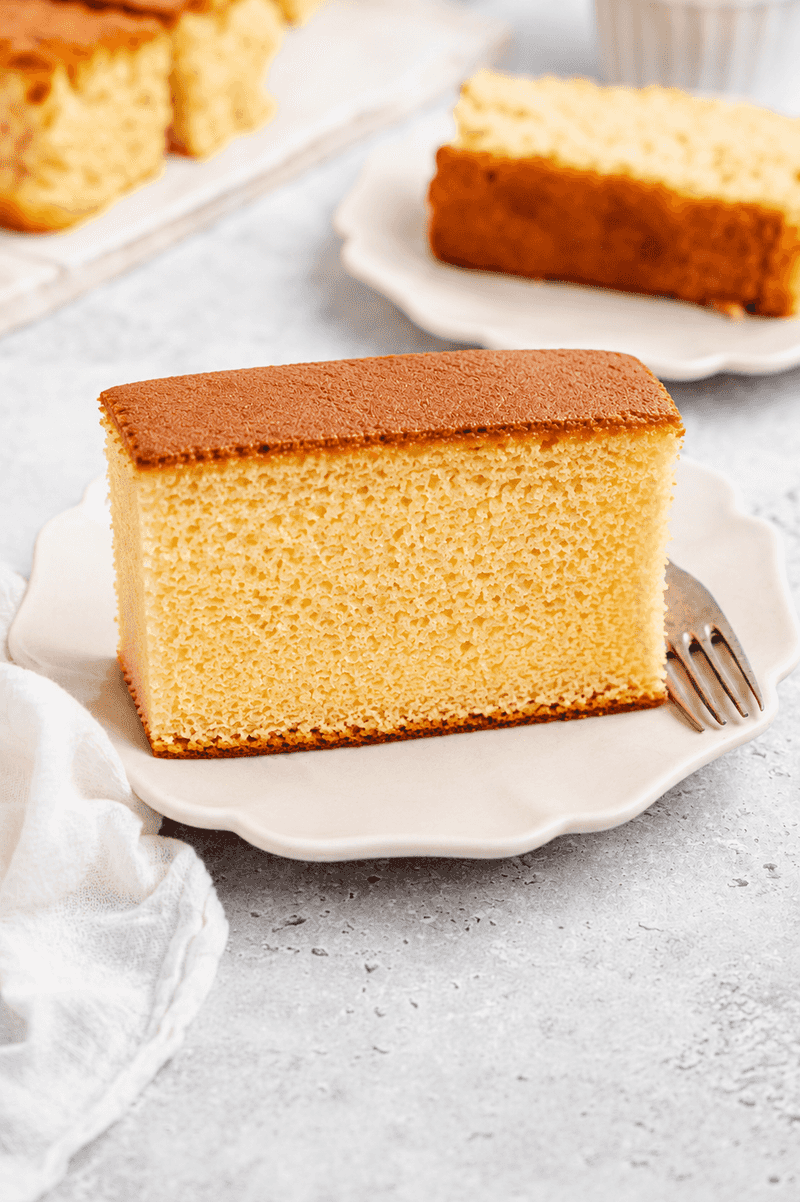
Portuguese traders brought a simple sponge cake to Nagasaki in the 1500s, and Japanese bakers made it their own. Castella uses just eggs, sugar, flour, and honey.
The result is springy, moist, and lightly sweet with a sticky brown top. Bakers often wrap it in plastic overnight so the texture gets even softer.
Beat your eggs for a long time. Air is the only thing making it rise.
3. Tres Leches Cake
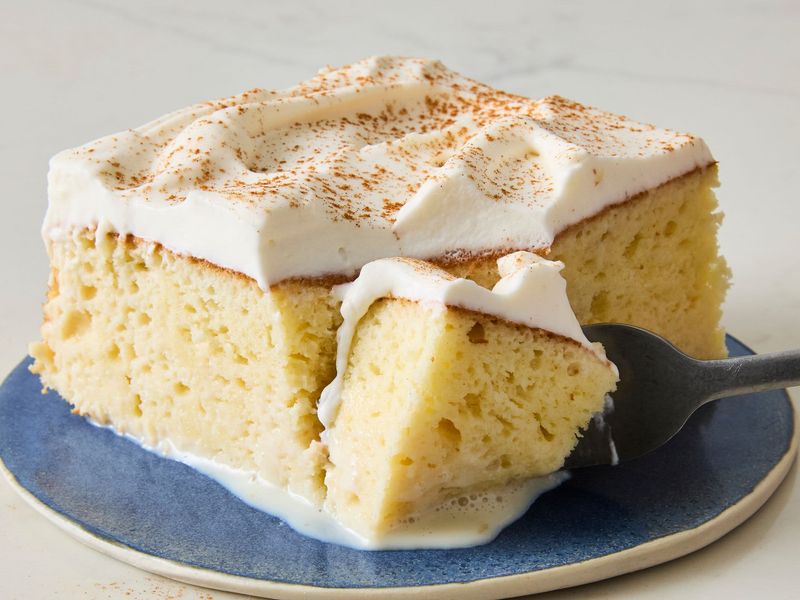
Imagine a sponge cake taking a milk bath. Tres leches means three milks, and the cake soaks up evaporated milk, sweetened condensed milk, and cream.
Popular across Latin America, it stays cold, juicy, and super refreshing on hot days. Somehow it never turns mushy, thanks to its sturdy, airy crumb.
Poke holes all over with a fork before pouring the milk. Then chill it overnight for the best flavor.
4. Swedish Kladdkaka
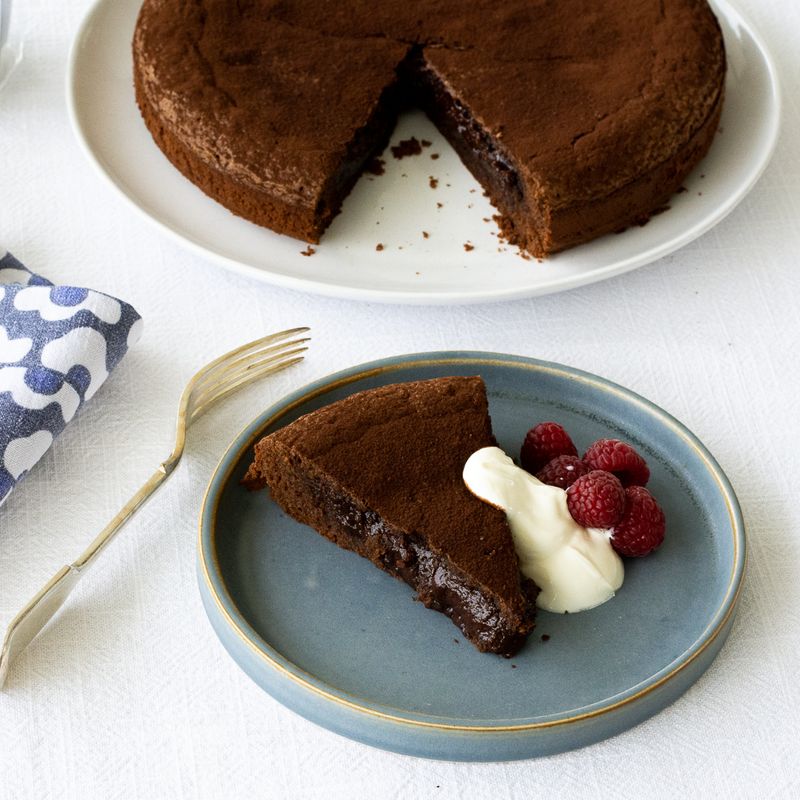
Kladdkaka translates to sticky cake, and Swedes are proud of that name. It is a chocolate lover’s dream with a crisp top and a gooey, fudgy middle.
Here is the best part. You only need one bowl, no mixer, and about thirty minutes from start to finish.
Pull it from the oven while the center still wobbles a little. Serve it with whipped cream or berries, just like they do in Stockholm.
5. Italian Olive Oil Cake
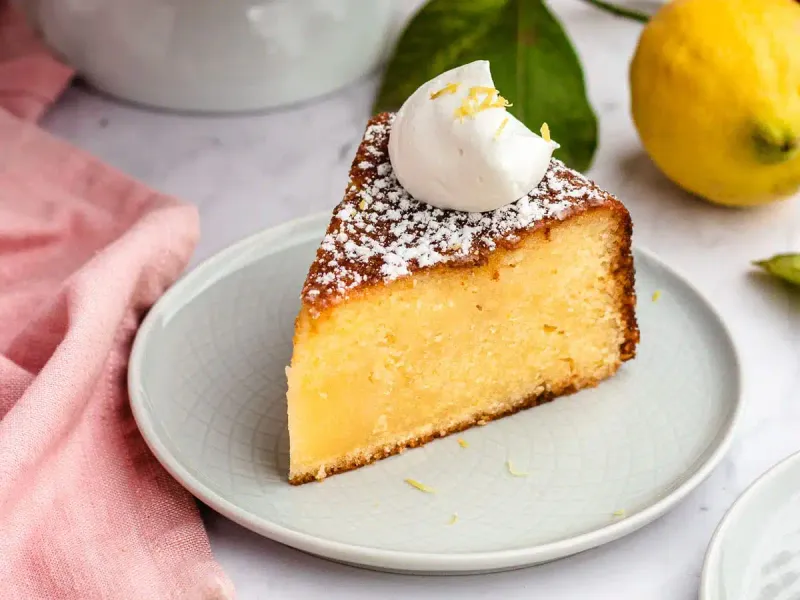
Olive oil in a cake might sound strange at first. Italian grandmothers would laugh, because they have baked it this way for generations.
The oil keeps the crumb tender and moist for days, much longer than butter does. Lemon or orange zest gives it a bright, sunny flavor.
Pick a mild, fruity olive oil rather than a strong peppery one. A dusting of powdered sugar is all the decoration it needs.
6. Portuguese Pão de Ló
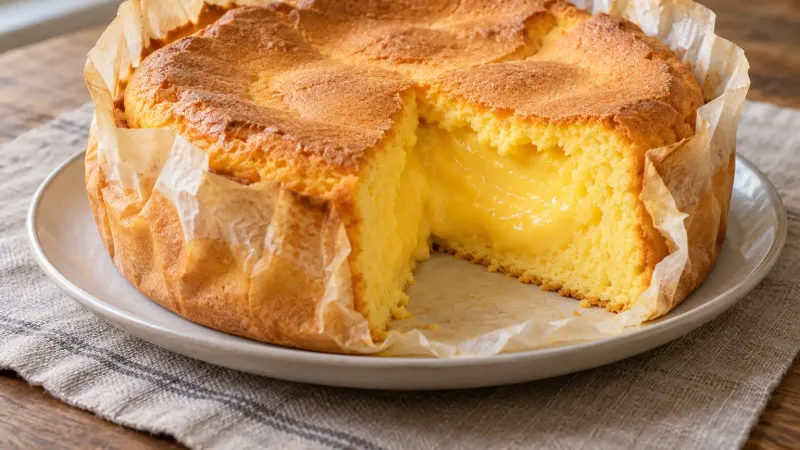
Some cakes are meant to be a little underbaked, and pão de ló proudly leads that group. In parts of Portugal, the center stays creamy and almost custard-like.
Families serve it at Easter and big celebrations. It is often baked right inside paper in a clay dish, giving it a homemade, cozy look.
Only eggs, sugar, and a little flour go in. Fresh, room-temperature eggs make a huge difference here.
7. Hungarian Dobos Torte
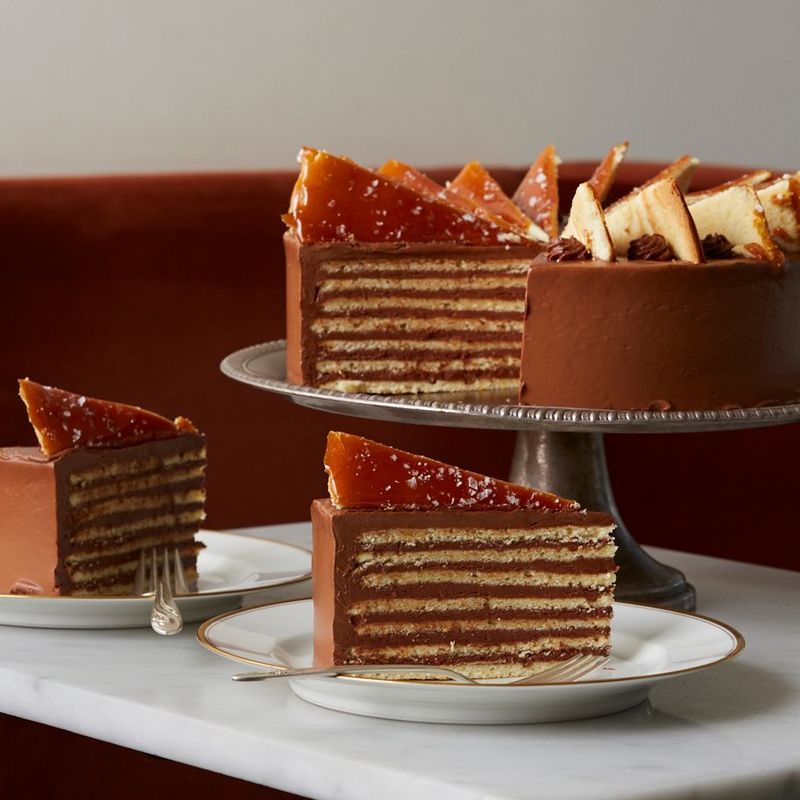
Back in 1885, a Budapest pastry chef named József Dobos invented a cake that could travel without spoiling. His secret was a hard caramel top that sealed in freshness.
Inside, you will find five or more thin sponge layers stacked with chocolate buttercream. Cutting the caramel into wedges before it hardens is the clever trick.
It takes patience, sure. Still, finishing one feels like winning a baking trophy.
8. Brazilian Bolo de Rolo
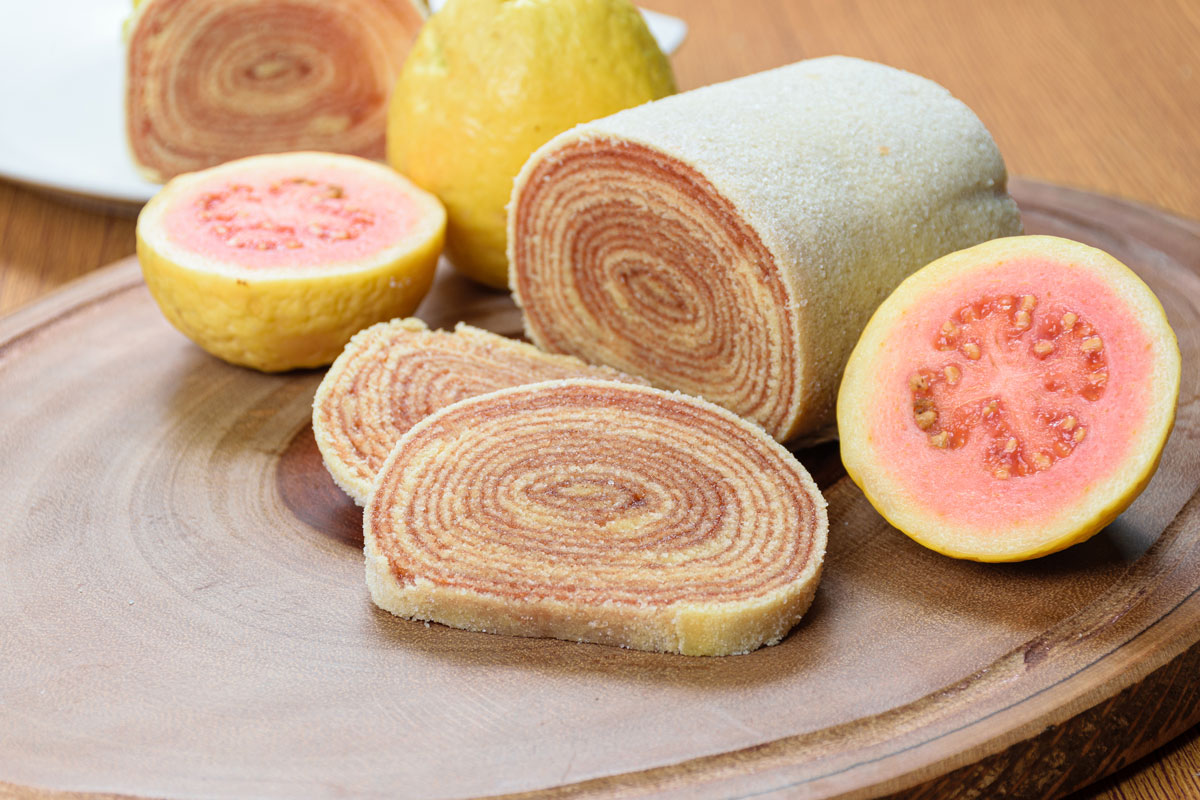
Count the swirls in one slice and you might lose track. Bolo de rolo, from Pernambuco in Brazil, rolls paper-thin cake layers around guava paste.
It looks like a tiny pinwheel and tastes fruity, buttery, and sweet. The state even named it a cultural treasure in 2007.
Spread each layer while it is still warm, so it rolls without cracking. Practice makes the spirals tighter and prettier.
9. German Bienenstich
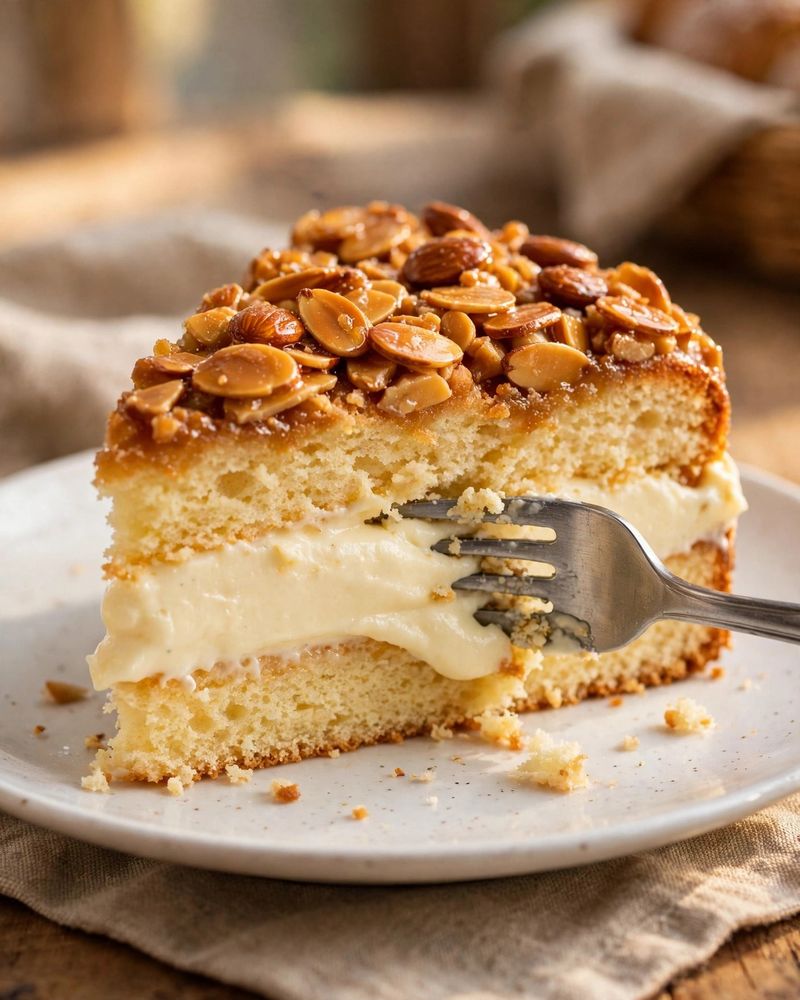
According to legend, a bee once flew toward this cake’s honey topping and stung the baker. That is how Bienenstich, or bee sting cake, got its name.
A soft yeast dough hides a cool vanilla cream filling. On top sits a crunchy layer of almonds baked in honey and butter.
Chill the filled cake before cutting. Use a serrated knife so the crunchy topping does not crack apart.
10. Russian Medovik
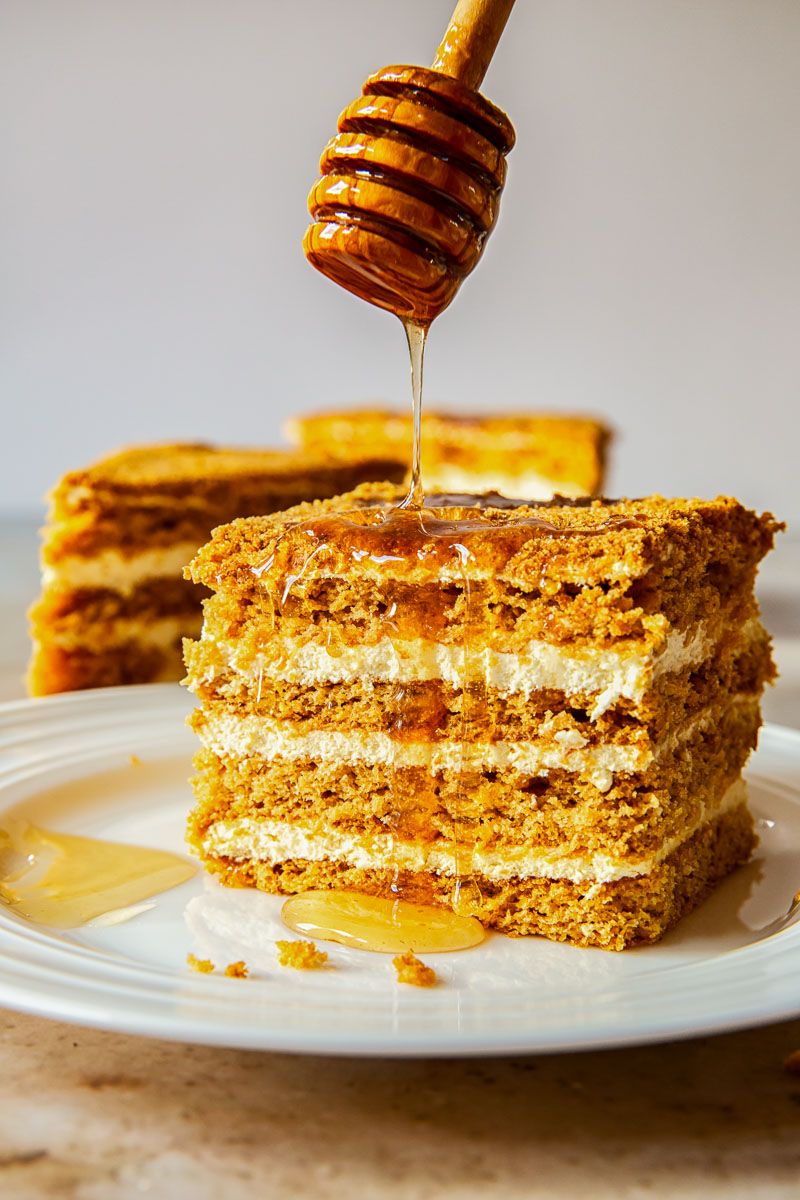
Picture eight or ten thin honey cookies stacked with tangy sour cream frosting. After a night in the fridge, they turn soft and cakey.
Medovik is a beloved Russian honey cake with a toasty, caramel-like taste. Legend says it was created for an empress who disliked honey, yet loved this cake anyway.
Save the trimmed edges, crush them into crumbs, and press them onto the sides for that classic finish.
11. Filipino Ube Cake
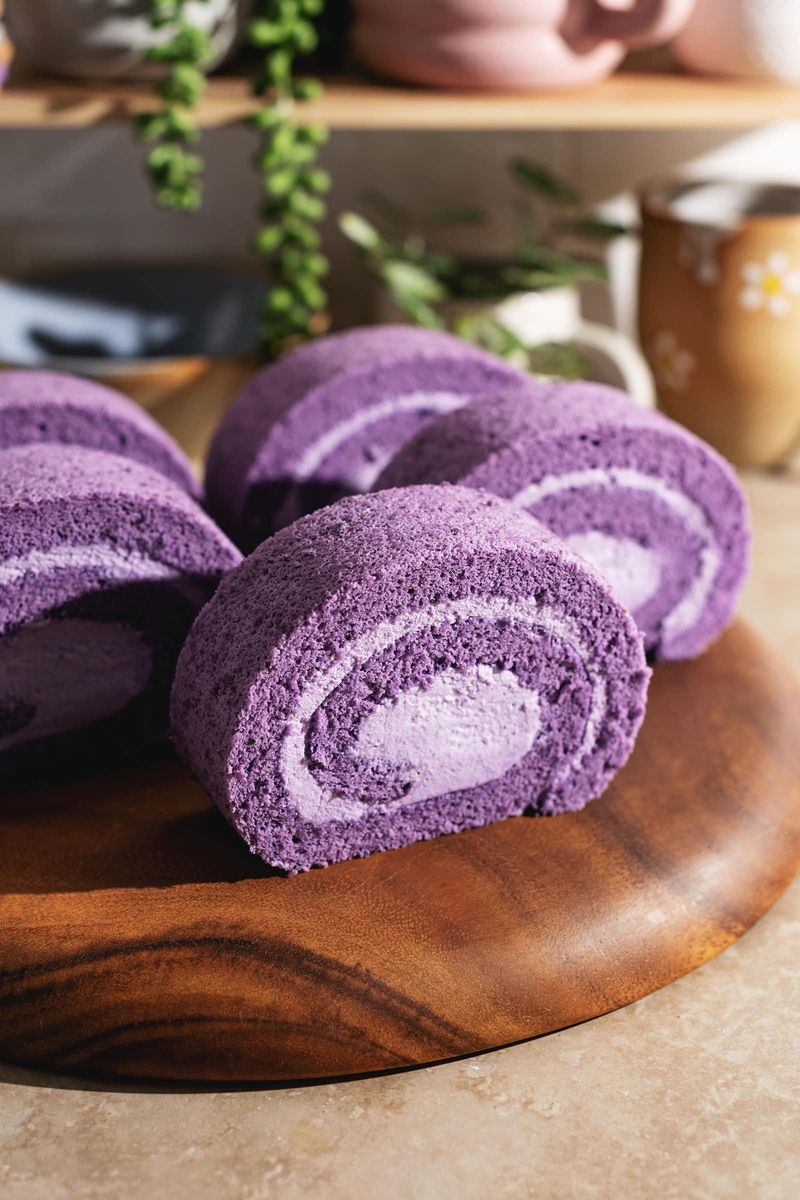
Nobody forgets their first slice of purple cake. Ube is a purple yam from the Philippines, and it gives baked goods a gorgeous violet color.
The flavor is gentle, nutty, and a bit like vanilla mixed with coconut. Filipino bakers often make it as a fluffy chiffon cake with ube frosting.
Look for ube halaya, a jam, or ube extract at Asian grocery stores. A little goes a long way.
12. French Gâteau Basque
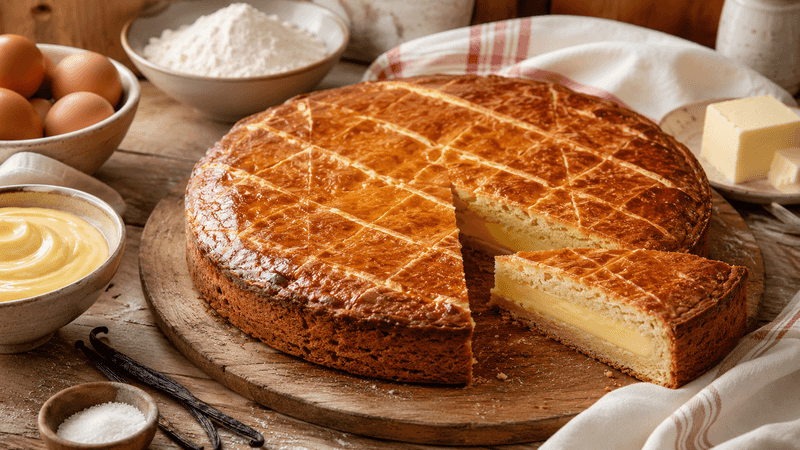
Half cake, half pie, completely delicious. Gâteau Basque comes from the Basque region of southwest France, and it hides a secret filling.
Traditional versions hold either vanilla pastry cream or black cherry jam. The crust is buttery, crumbly, and marked with a crisscross pattern before baking.
Fun fact: the town of Cambo-les-Bains holds a yearly festival just for this treat. Try the cherry version first.
13. Greek Portokalopita
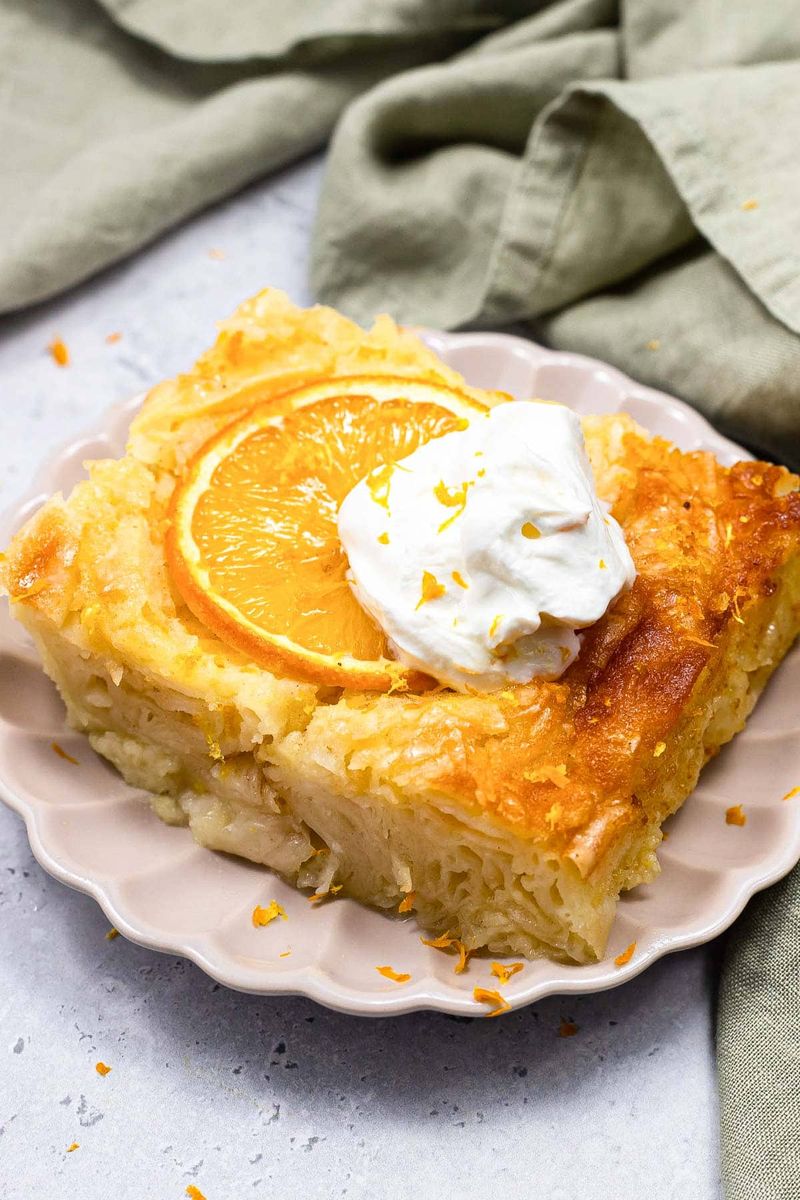
Got a box of dried-out phyllo dough sitting in your freezer? Greek bakers turn it into portokalopita, a juicy orange cake.
Crumpled phyllo sheets soak up a batter of yogurt, eggs, and orange zest. After baking, a warm orange syrup gets poured over the top, making every bite drip with citrus flavor.
Let the phyllo dry overnight before using. Crunchy sheets absorb syrup much better than fresh ones.
14. Indonesian Lapis Legit
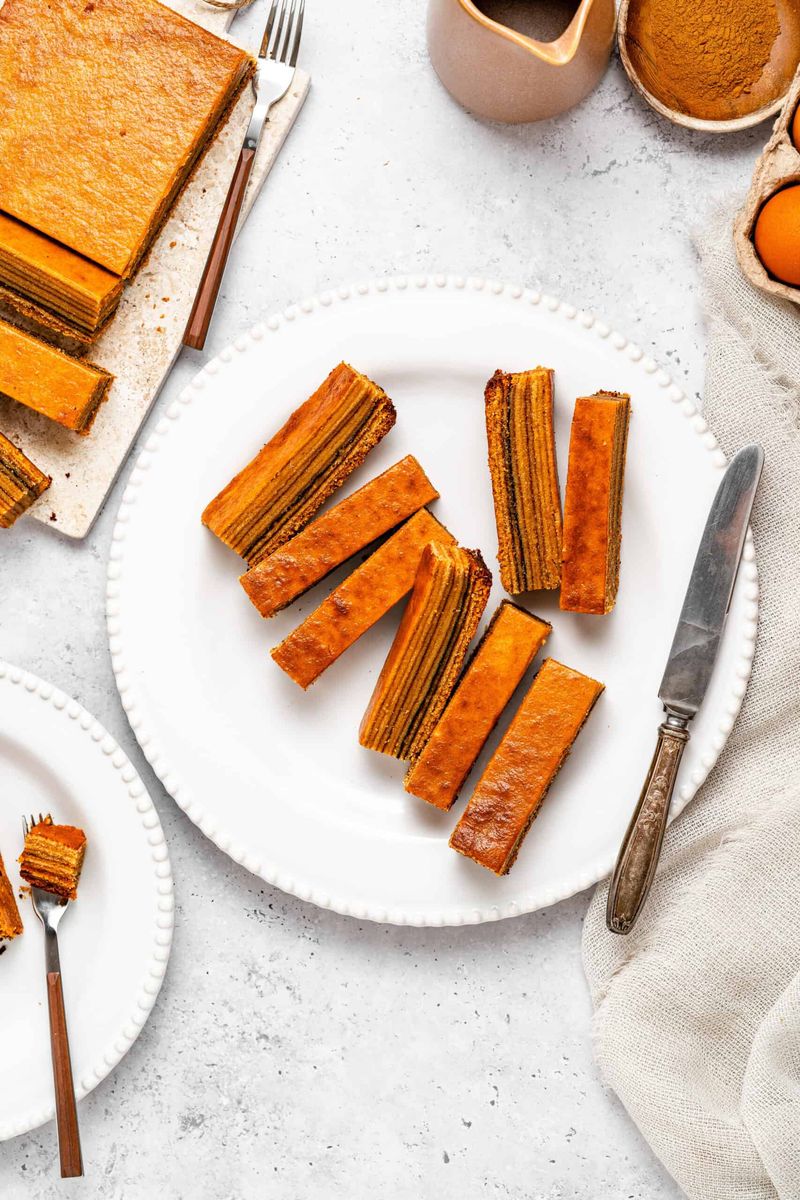
Patience is the main ingredient in lapis legit. Indonesian bakers build this cake one thin layer at a time, broiling each before adding the next.
A single cake can have eighteen or more stripes. Warm spices like cinnamon, nutmeg, and cloves fill your kitchen with a holiday smell.
Dutch colonists inspired it, but Indonesia made it famous. Families often give it as a gift during Chinese New Year and Eid.
15. Austrian Sachertorte
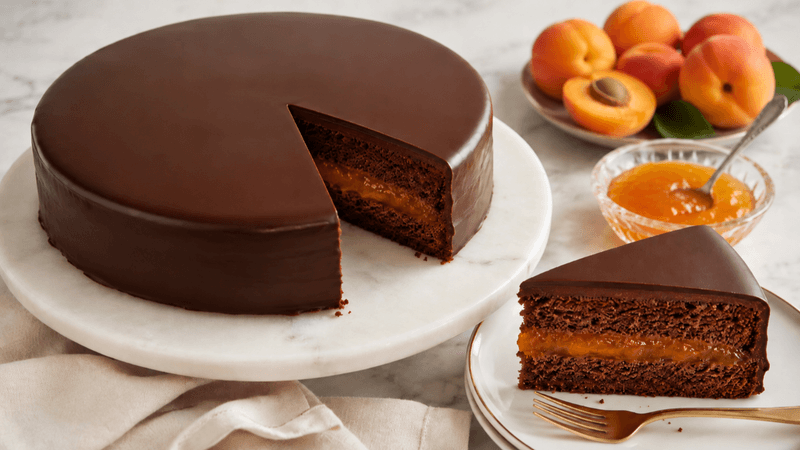
A sixteen-year-old kitchen helper named Franz Sacher created this cake in Vienna in 1832. His boss was sick, so the teen stepped up.
Dense chocolate sponge meets a thin layer of apricot jam, all covered in a glossy chocolate glaze. Viennese cafes serve it with unsweetened whipped cream on the side.
Warm the jam before spreading. It soaks in better and keeps the cake moist.
16. Welsh Bara Brith

Tea for breakfast, tea for baking. In Wales, bakers soak dried fruit in strong black tea overnight to make bara brith, which means speckled bread.
The fruit gets plump and juicy, and the loaf turns moist and lightly spiced. It is less sweet than most cakes, so it pairs perfectly with butter.
Wrap it tightly after baking. Like many fruit loaves, it tastes even better a day or two later.
17. Middle Eastern Basbousa
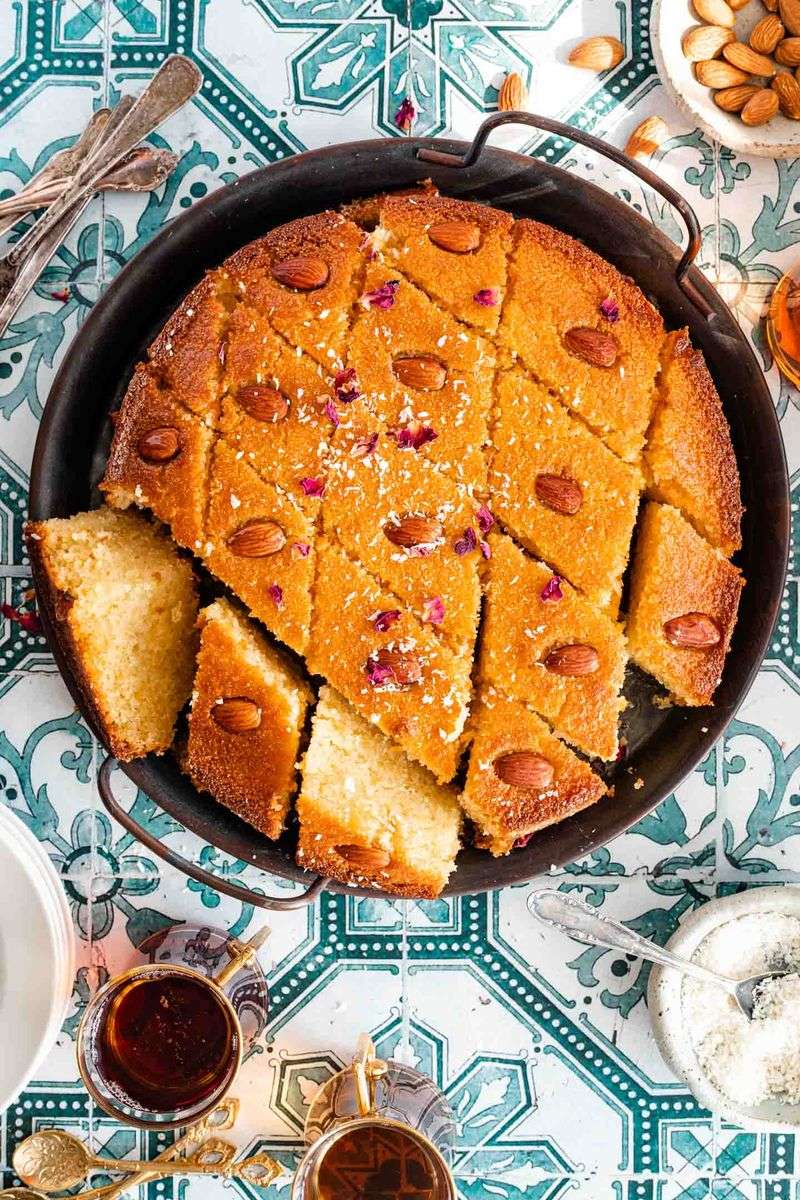
Grainy in the best way, basbousa swaps regular flour for semolina. This sweet treat is loved in Egypt and across the Middle East.
Once baked, it soaks up a lemony sugar syrup, sometimes flavored with rose or orange blossom water. Each diamond-shaped piece gets an almond pressed on top.
Pour cool syrup over hot cake, or hot syrup over cool cake. Mixing temperatures helps it absorb perfectly.
18. Norwegian Kvæfjordkake
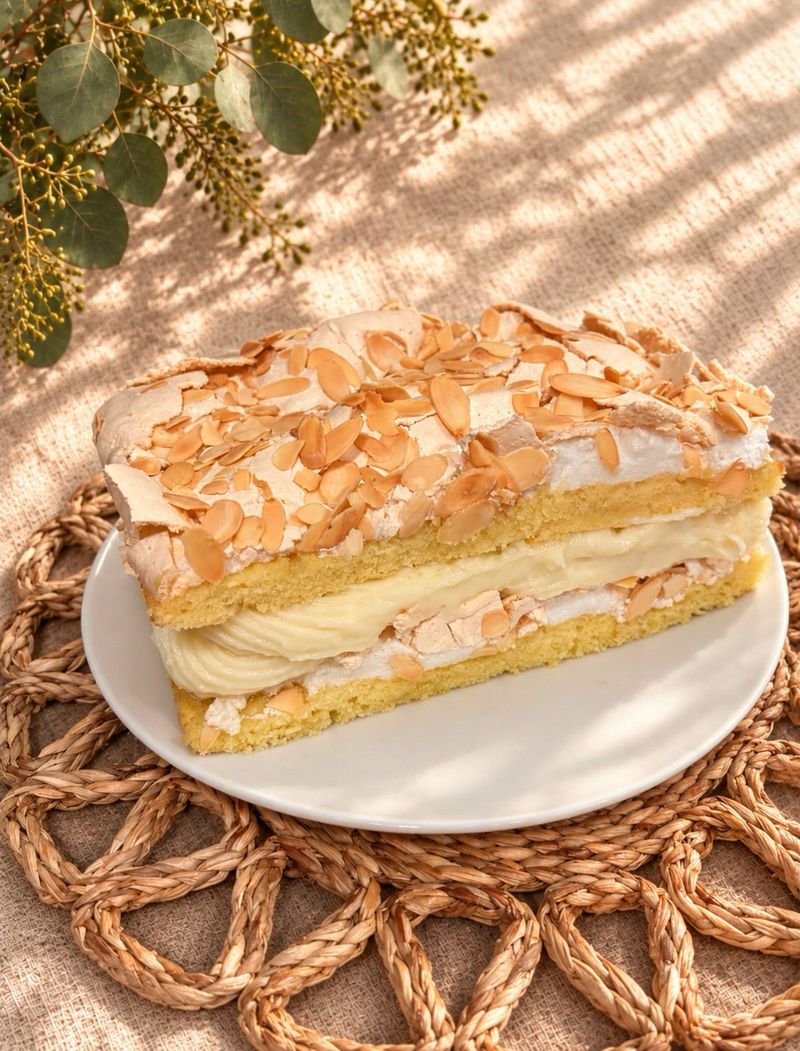
Norwegians voted it their national cake in 2002, and its nickname is simply the world’s best cake. Bold claim, right?
Kvæfjordkake stacks buttery sponge, crunchy meringue with almonds, and smooth vanilla custard cream. Every bite gives you soft, crisp, and creamy all at once.
Both cake and meringue bake together in one pan, which saves time. Just add the cream filling once everything cools completely.
19. American Hummingbird Cake
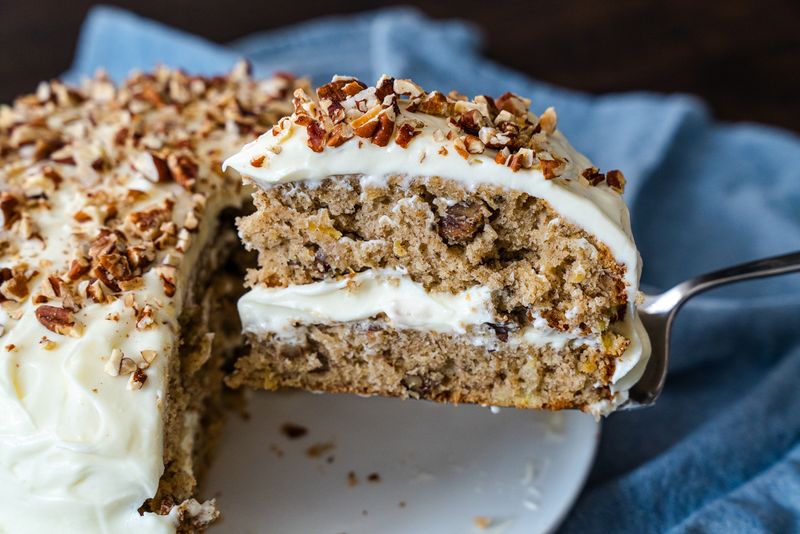
Bananas, pineapple, and pecans walk into a cake pan. The result is hummingbird cake, a Southern favorite that first traveled from Jamaica.
Southern Living magazine printed a reader’s recipe in 1978, and it became their most requested ever. The crumb is moist, fruity, and a little nutty.
Toast the pecans first for deeper flavor. Then pile on cream cheese frosting, because this cake truly loves it.