
Big movie dreams can lead to amazing scenes, but they do not always lead to great films. Sometimes the budget grows too large, the story gets lost, or the studio and director want different things.
These movies show how hard it can be to turn a bold idea into something that works. Even when they stumble, many still offer moments worth watching.
1. Heaven’s Gate (1980): A Western Too Big to Manage
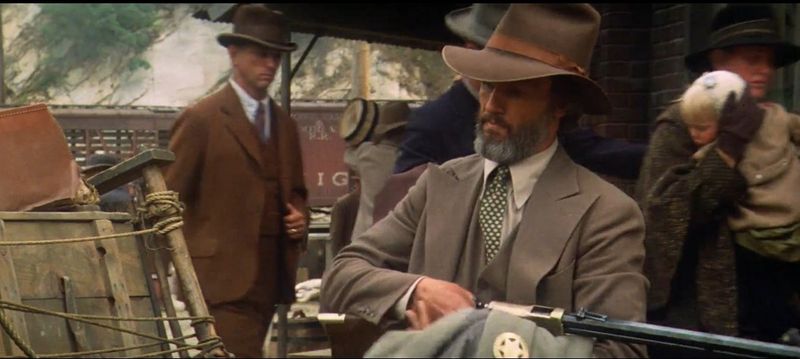
A whole frontier seems to breathe in Michael Cimino’s sweeping Western about the Johnson County War. Crowded streets, huge landscapes, and careful period details reveal a filmmaker determined to make every frame count.
That care also helped send costs and schedules soaring. The original release faced harsh reviews and poor ticket sales, though later restorations earned fresh praise.
Watch it for its visual craft, while expecting a slow and demanding story that tests your patience.
2. Waterworld (1995): An Ocean of Production Problems
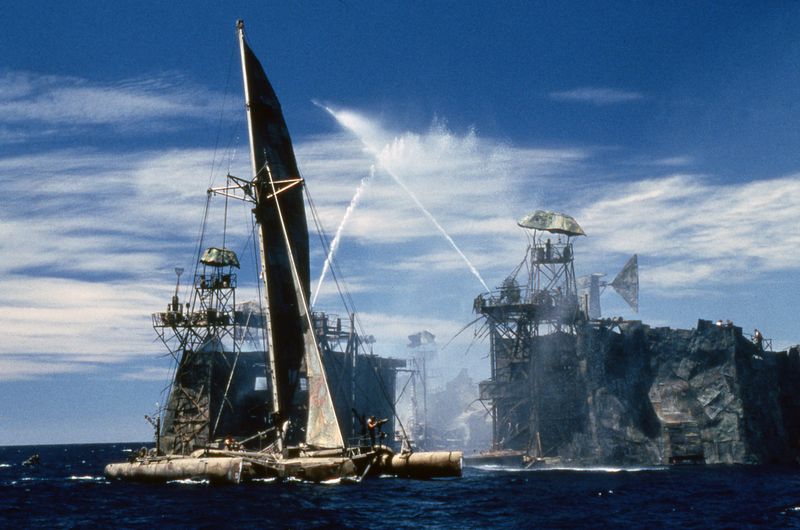
Building an action movie on open water sounds exciting until the weather takes charge. Elaborate floating sets and difficult sea conditions pushed this flooded Earth adventure toward a famously costly production.
The finished film delivers memorable stunts and an unusual setting, but its familiar plot left some viewers wanting more. Its reputation as a total financial failure oversimplifies its later earnings.
Approach it as a scrappy ocean adventure rather than the disaster its headlines once promised.
3. The Golden Compass (2007): A Fantasy Missing Its Edge
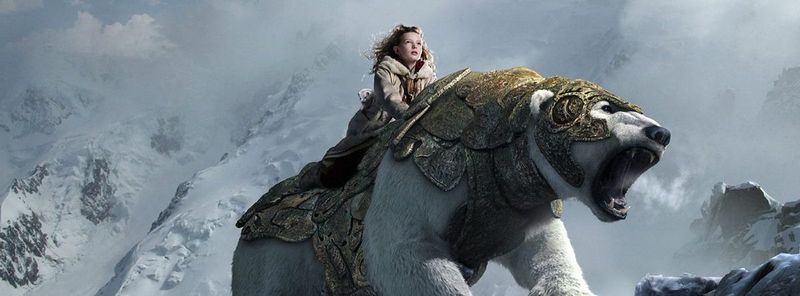
Armored bears and animal companions made Philip Pullman’s world look ready for movie magic. New Line hoped to build a fantasy series, but adapting the book meant handling challenging ideas about power, belief, and freedom.
The film softened some themes and moved the novel’s ending beyond its running time. That left an adventure without a satisfying finish.
Enjoy the creature design, but read the book if you want the sharper questions behind the snowy spectacle.
4. John Carter (2012): A Mars Adventure Lost in the Pitch
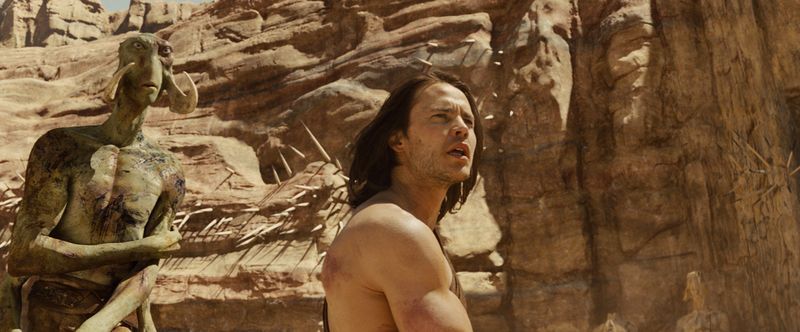
Mars has giant creatures, rival kingdoms, and a hero who can leap incredible distances. Disney poured resources into bringing Edgar Rice Burroughs’ adventure to life, yet selling that world proved harder than building it.
Confusing marketing and a vague title gave newcomers little reason to care. Heavy costs made the disappointing box office especially painful.
Fans still defend its adventurous spirit, so judge it as a colorful pulp tale rather than expecting a modern superhero.
5. Cloud Atlas (2012): Six Stories Fighting for Space
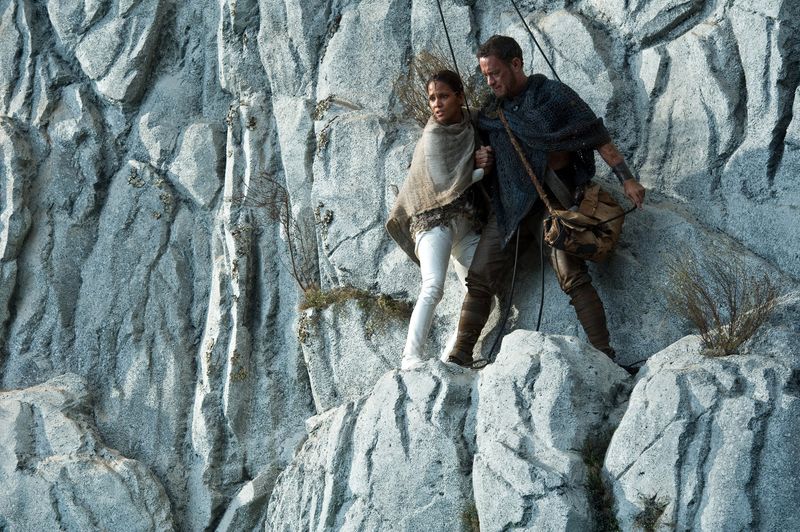
Imagine switching between six movies while searching for the thread connecting them. The Wachowskis and Tom Tykwer embraced that challenge, linking lives across centuries through repeated choices, faces, and acts of courage.
Some viewers found the result moving; others struggled with the constant jumps and uneven makeup. Its costly independent production earned modest theatrical returns.
Give it your full attention, and follow the emotional patterns instead of trying to solve every connection on your first viewing.
6. Jupiter Ascending (2015): Royal Trouble Across the Stars
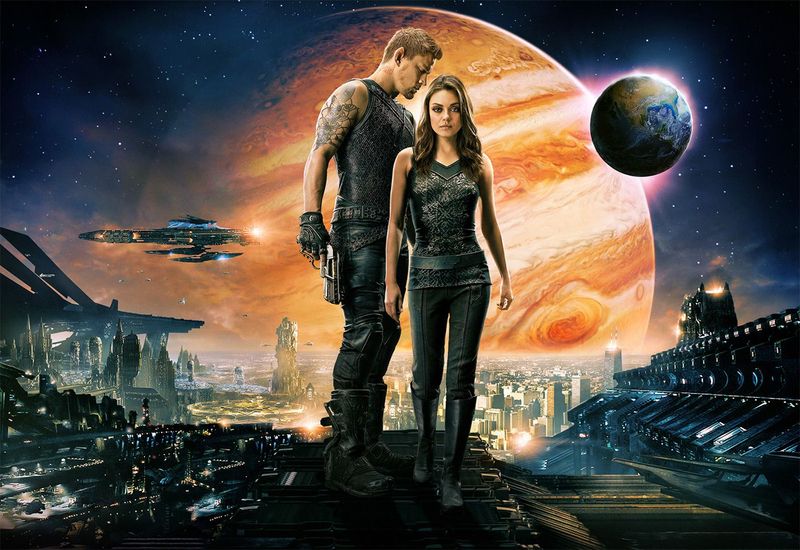
Space royalty, flying boots, and a battle over Earth’s future should make a wild night out. The Wachowskis built an original universe filled with strange creatures and enormous wealth, rather than adapting an existing franchise.
Unfortunately, long explanations and tangled family politics often slow the adventure. The effects offer plenty to admire, but the emotional stakes can feel distant.
Watch for the outrageous designs and playful excess, not for a clean or tightly focused story.
7. Fantastic Four (2015): A Dark Experiment Cut Short
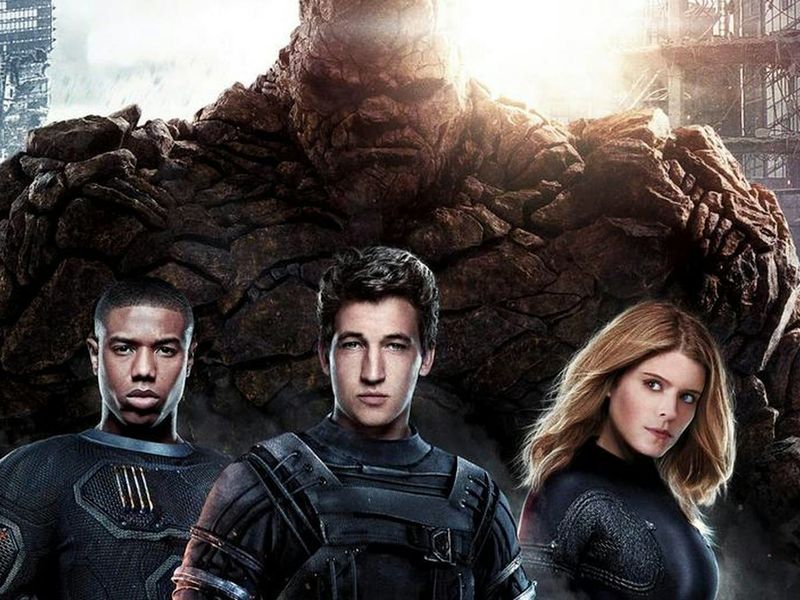
Superpowers look more like a medical nightmare than a gift in this troubled reboot. Director Josh Trank pursued a darker approach, turning the team’s transformation into something closer to science fiction horror.
Reported clashes with the studio and major reshoots helped produce a film with sharp shifts in tone. The slow setup leads into a rushed final battle, leaving little room for friendship.
Notice the unsettling early scenes to see the different movie struggling underneath.
8. Mortal Engines (2018): When the City Steals the Show
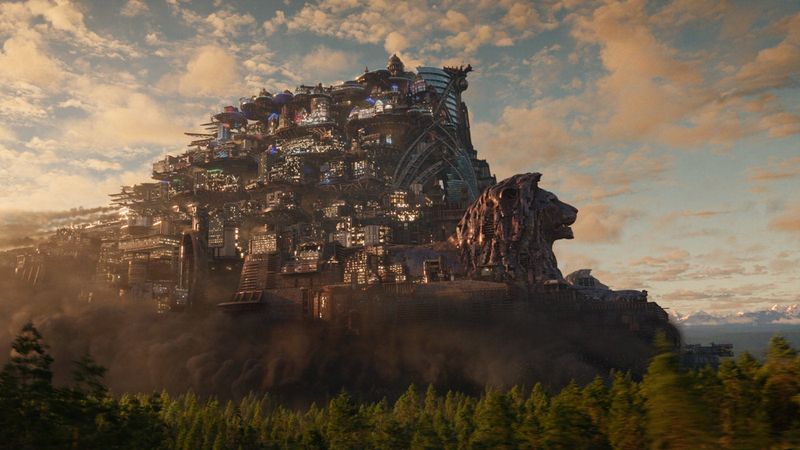
London rolling across the land on giant tracks is a sight worth remembering. Philip Reeve’s novel gave the filmmakers a striking idea, and the screen version delivers massive moving cities with impressive mechanical detail.
The human story proved less distinctive, leaning on familiar adventure beats and crowded background information. Weak audience interest helped turn the expensive project into a major loss.
If you watch, savor the opening chase, where the setting makes its strongest impression.
9. Mother! (2017): A House Built to Unsettle
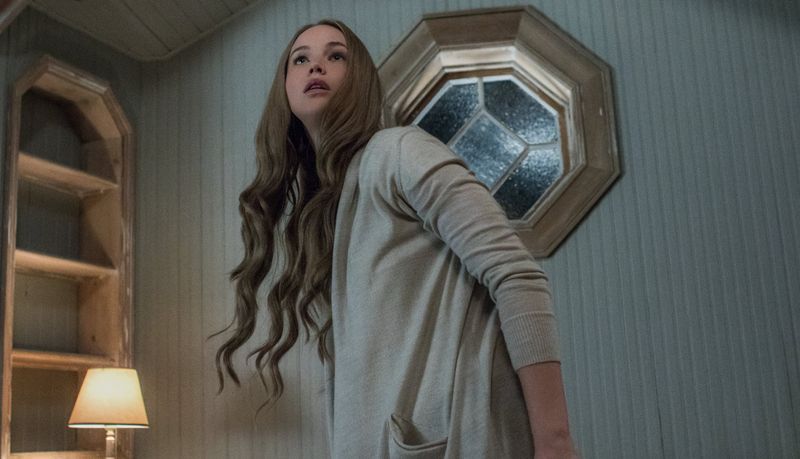
Guests arrive, boundaries vanish, and a quiet home turns into a nightmare. Darren Aronofsky uses that setup to explore creation, destruction, and human behavior through biblical images and increasingly disturbing events.
For some viewers, the pressure feels powerful; for others, it becomes exhausting and cruel. Marketing that suggested a more familiar thriller also shaped expectations.
Choose this one only if you welcome intense symbolic horror, and avoid treating its divided reception as proof of artistic failure.
10. The Fountain (2006): Love Beyond a Straight Timeline
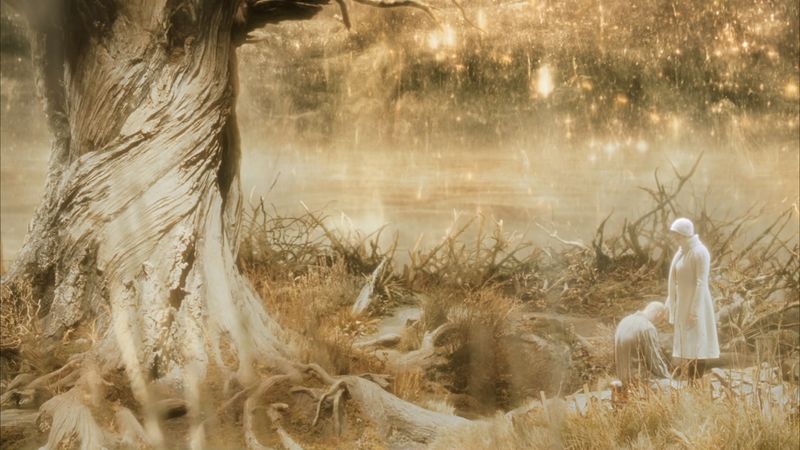
Love and grief stretch across centuries in a film that refuses an easy map. Darren Aronofsky connects a quest for eternal life, a doctor’s desperate research, and a strange journey through space.
An earlier version collapsed before production, leading to a smaller budget and new cast. The finished story divided viewers with its symbols and shifting timelines.
Rather than demanding a literal answer to every scene, follow its central struggle: accepting loss without giving up love.
11. Cutthroat Island (1995): Pirate Spectacle Without Enough Spark
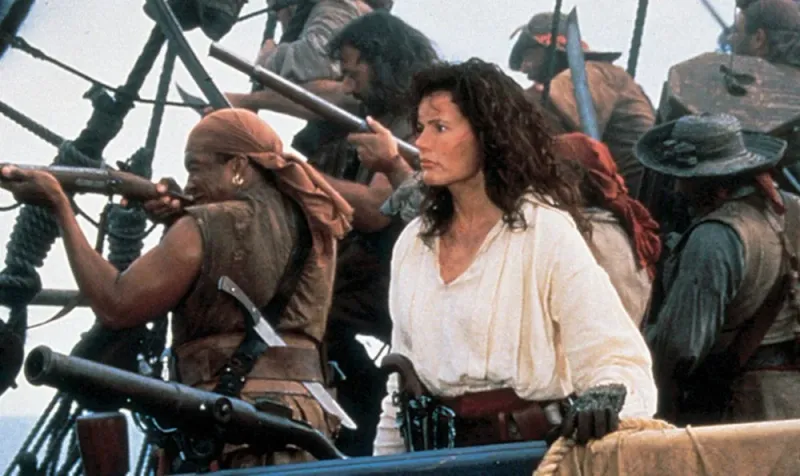
A fearless female pirate captain gave this adventure a welcome twist. Huge ships, explosions, and dangerous stunts aimed to bring old fashioned swashbuckling back to theaters with the scale of a modern blockbuster.
Production troubles and a weakly received story weighed down the fun. Its enormous losses became linked with Carolco’s collapse, although the company filed for bankruptcy before release.
Keep that timing in mind when hearing claims that one pirate movie sank an entire studio.
12. The 13th Warrior (1999): Viking Atmosphere, Uneven Journey
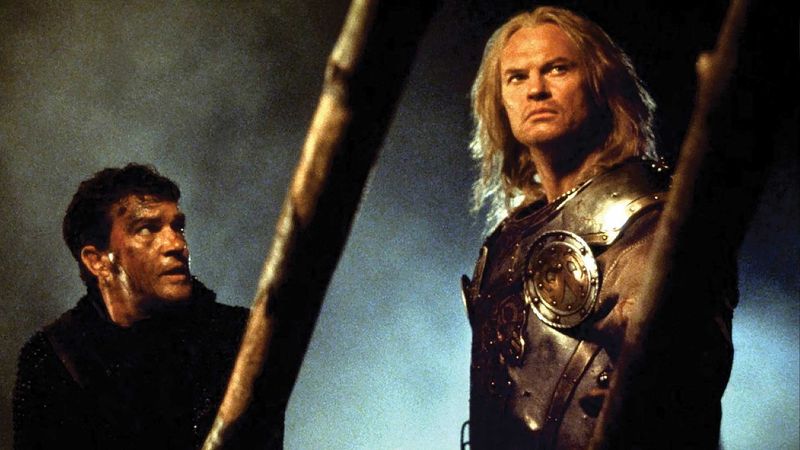
Firelight, fog, and warriors facing an unseen threat give this adventure a strong mood. Adapted from Michael Crichton’s Eaters of the Dead, it mixes an outsider’s journey among Vikings with a tale inspired by Beowulf.
Extensive changes during production and costly reshoots complicated the path to theaters. Critics often found the storytelling thin despite the atmosphere.
Look for the clever language learning sequence, which shows how visual storytelling can build a connection without lengthy explanations.
13. Batman & Robin (1997): Gotham Turns Up the Neon
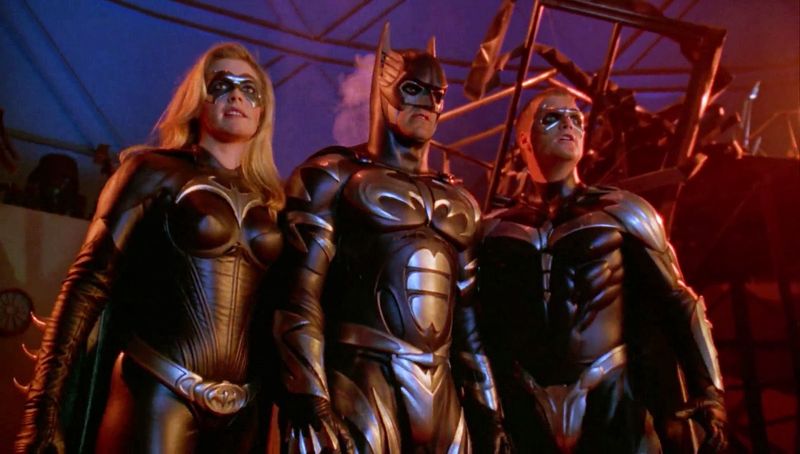
Gotham practically glows like a toy store in Joel Schumacher’s bright superhero sequel. Ice jokes, huge statues, and flashy costumes push Batman toward cheerful comic book theater rather than shadowy crime drama.
That choice frustrated audiences who wanted stronger stakes and deeper characters. The crowded villain lineup also leaves relationships fighting for attention.
Viewed as deliberate camp, parts can be amusing, but its reception shows how quickly spectacle loses impact when viewers stop caring about the heroes.
14. Speed 2: Cruise Control (1997): Bigger Ship, Smaller Thrills
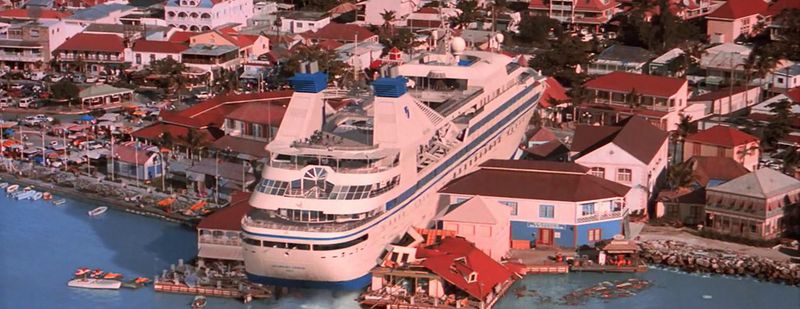
A runaway bus creates instant tension because danger waits at every corner. Moving that idea onto a cruise ship gave the sequel more room for destruction but a much weaker sense of speed.
Sandra Bullock returned, while Keanu Reeves did not, changing the original pairing. An expensive harbor crash provides spectacle, yet the thin plot struggles to sustain suspense.
Comparing both films offers a simple storytelling lesson: a larger setting does not automatically create greater excitement.
15. Superman IV: The Quest for Peace (1987): A Message Beyond Its Means
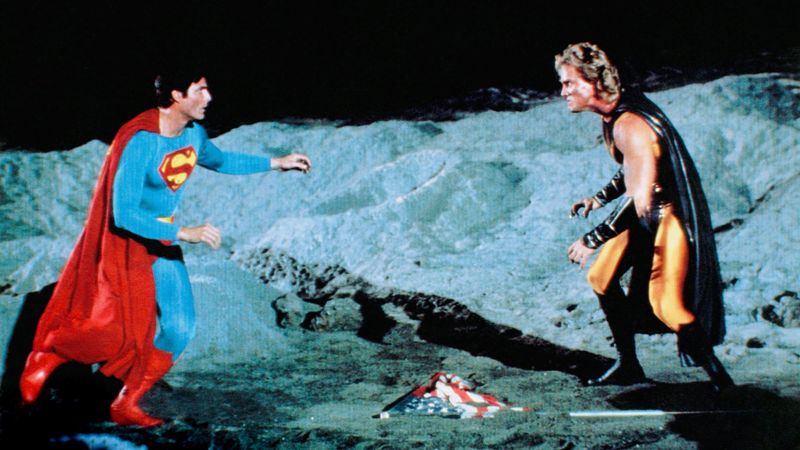
Saving the world from nuclear weapons gave Superman a mission beyond catching criminals. Christopher Reeve helped shape a story that asked whether one powerful hero should step into humanity’s most dangerous political conflict.
Budget limits and heavy cuts left that serious goal supported by weak effects and hurried storytelling. Nuclear Man became an awkward threat rather than a memorable rival.
Reeve’s sincere performance remains a reason to watch, even when the filmmaking cannot match his conviction.
16. Quantum of Solace (2008): Bond Races Ahead of the Script
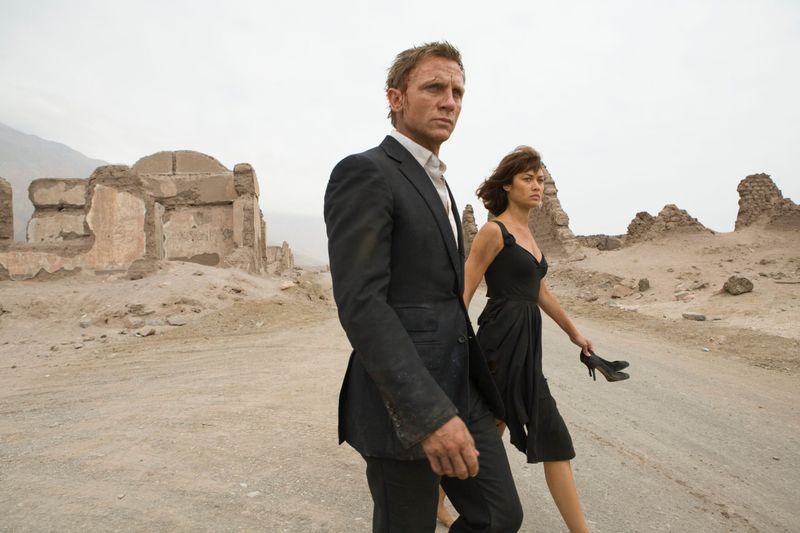
Grief drives James Bond straight from Casino Royale into another mission. Keeping that emotional thread promised a tougher sequel, with a wounded hero pursuing answers instead of simply starting fresh.
The writers’ strike left production working from an underdeveloped script, with changes continuing during filming. Rapid editing and a crowded plot made the result harder to follow for some viewers.
Watching the previous film first helps, especially when tracking Bond’s anger and his struggle to trust.
17. The Lone Ranger (2013): A Western Pulling in Different Directions
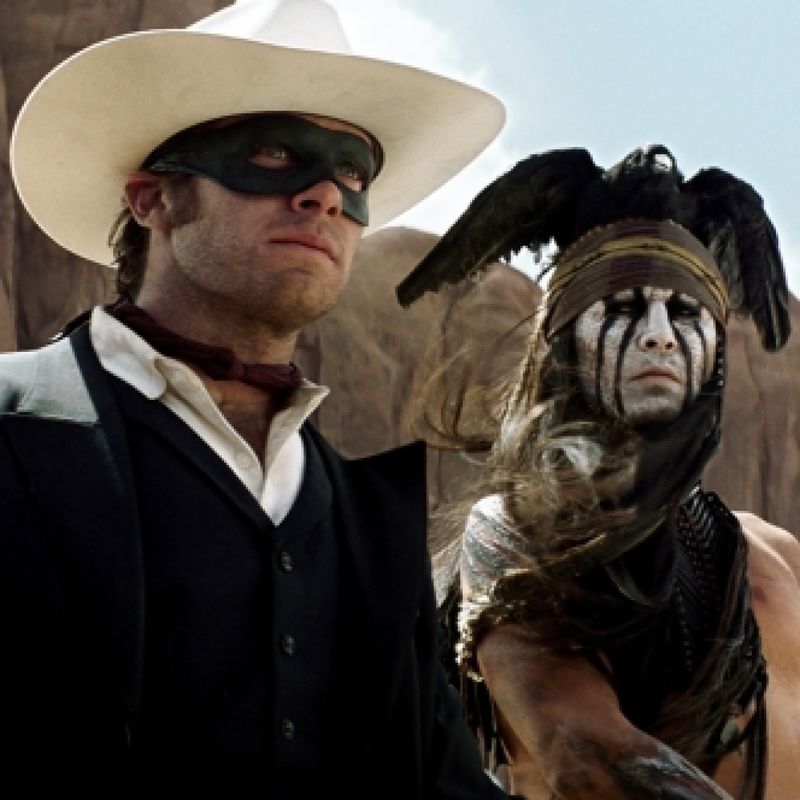
Two trains racing through the desert show how thrilling this Western could be. Disney reunited key Pirates of the Caribbean talent for a costly revival packed with elaborate action and oddball humor.
Elsewhere, grim violence clashes with broad comedy, while the long running time slows the ride. Casting and portrayal of Tonto also drew criticism.
The film lost substantial money, but its lively finale remains worth studying for the way clear staging can sell complicated action.