
Jewish desserts carry centuries of history, culture, and love in every bite. From honey-soaked pastries to flaky nut-filled treats, these sweets reflect traditions passed down through generations across many countries.
Whether you grew up celebrating Jewish holidays or are simply curious about world cuisine, these desserts have something special to offer. Get ready to discover 19 incredible sweets that deserve a spot on your plate.
1. Rugelach
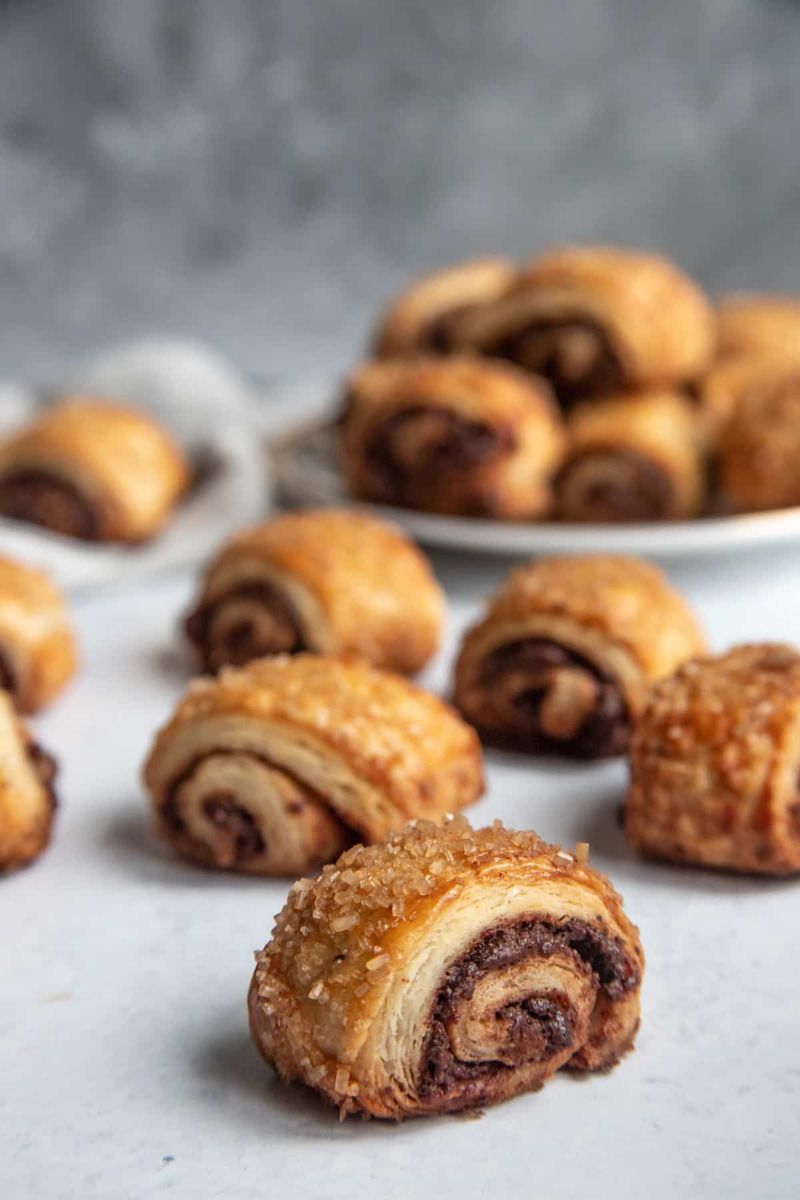
Few pastries have the kind of loyal fan base that rugelach enjoys. These crescent-shaped treats are made from a rich cream cheese dough rolled around fillings like chocolate, cinnamon, jam, or nuts.
Every bite is flaky, buttery, and just sweet enough to keep you reaching for more.
Popular at Jewish bakeries and holiday tables, rugelach are surprisingly fun to make at home. Try experimenting with your favorite fillings for a personal twist.
2. Babka
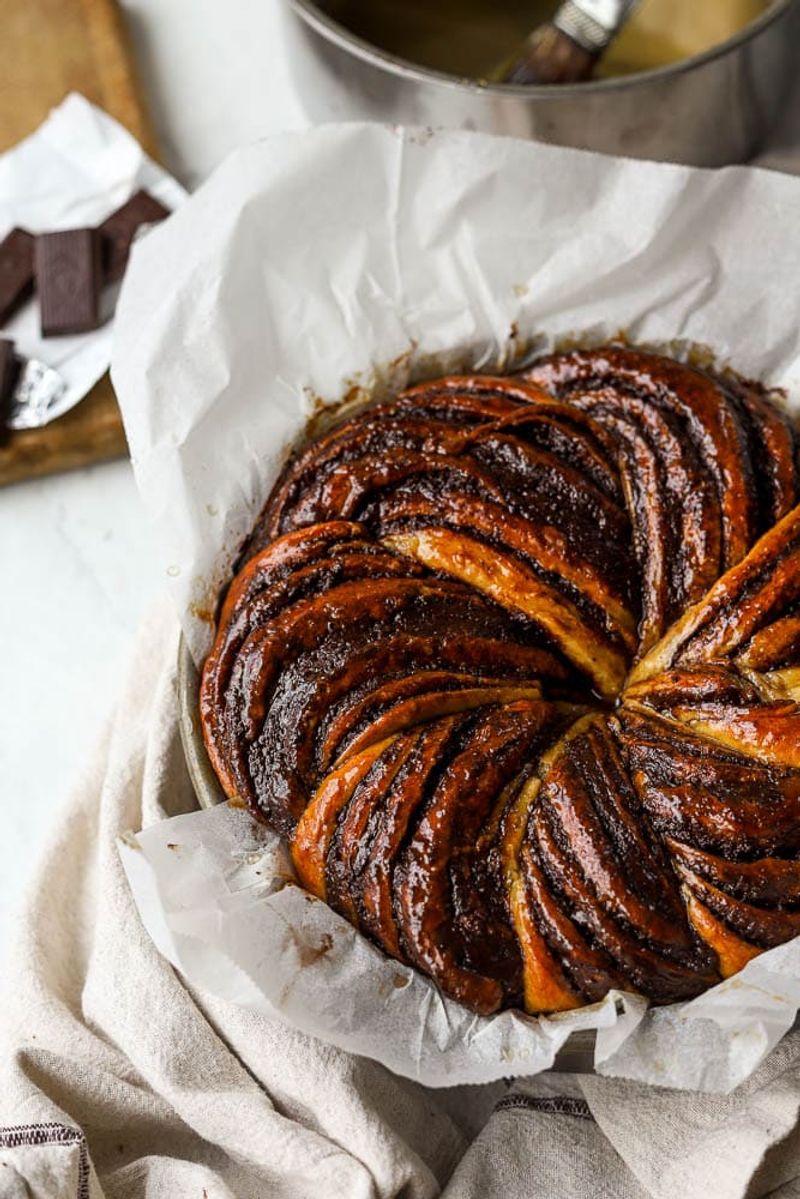
Chocolate babka has become a global obsession, and for good reason. This twisted, enriched bread is filled with swirls of chocolate or cinnamon and baked until the top is slightly crispy while the inside stays pillowy soft.
It originated in Eastern European Jewish communities and has since won hearts worldwide.
Babka is best enjoyed slightly warm. Many bakeries now offer creative fillings like halva or Nutella, making every loaf a new adventure.
3. Hamantaschen
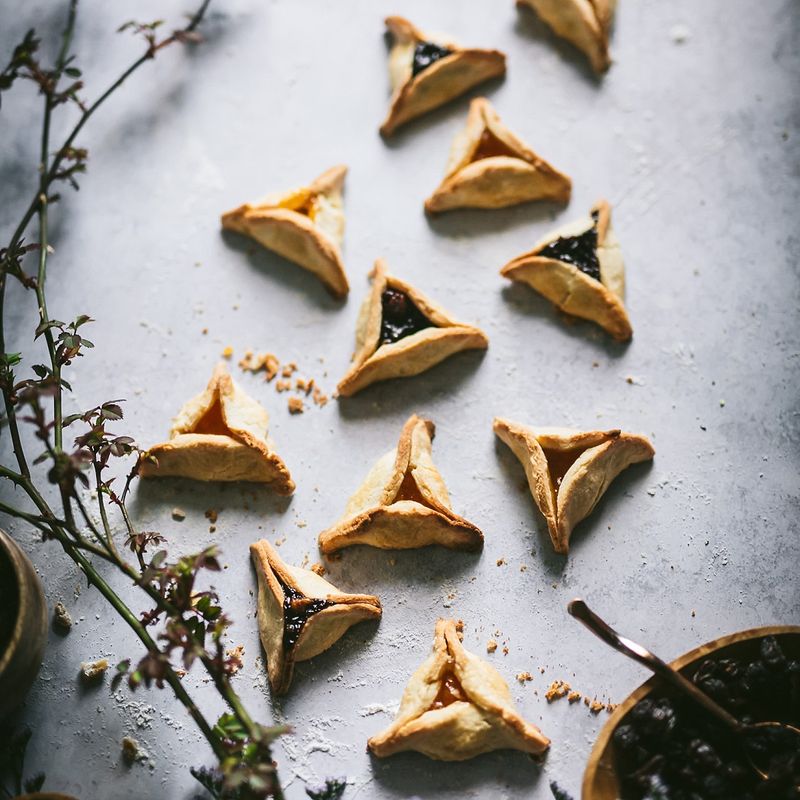
Shaped like a three-cornered hat, hamantaschen are the signature treat of the Jewish holiday Purim. Traditionally filled with poppy seed paste called mohn or fruit preserves, these cookies have a buttery, slightly crumbly texture that makes them completely addictive.
Modern bakers have gotten creative with fillings like Nutella, dulce de leche, and even savory options. No matter the filling, the triangular shape and tender dough make these cookies instantly recognizable and always delicious.
4. Honey Cake (Lekach)
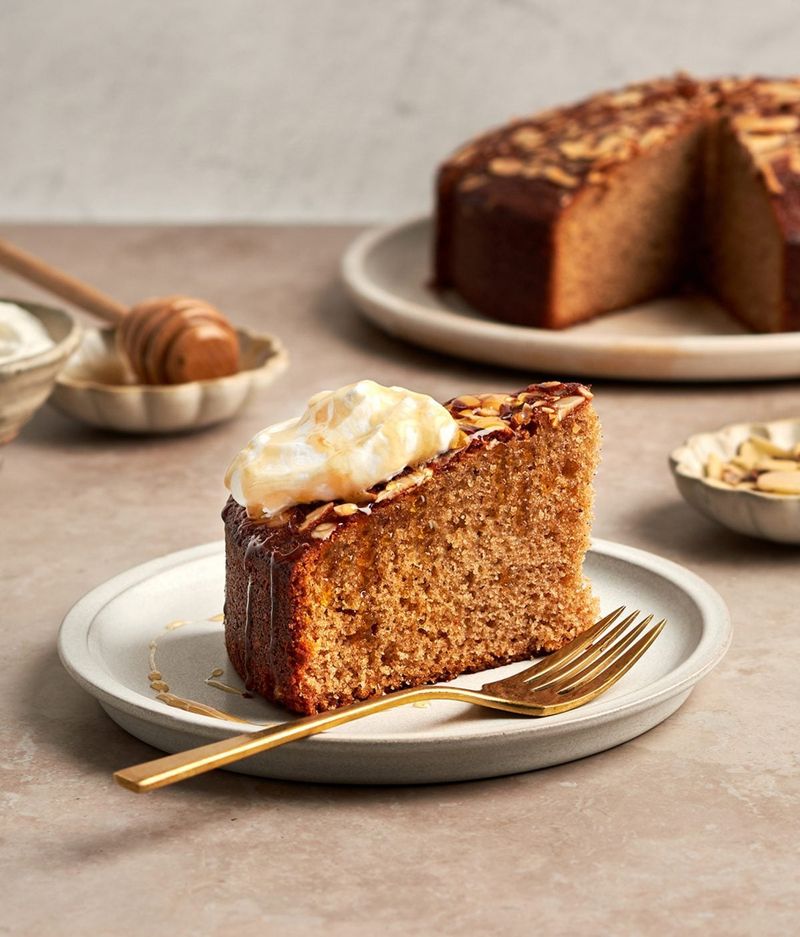
Honey cake, known in Yiddish as lekach, is a beloved staple of the Jewish New Year, Rosh Hashanah. Sweetened with honey and spiced with cinnamon, cloves, and sometimes coffee, this dense, moist cake symbolizes hopes for a sweet year ahead.
The flavor deepens beautifully after a day or two, making it perfect to bake in advance. A thin slice pairs wonderfully with tea, and the warm spice aroma alone is worth the effort.
5. Sufganiyot
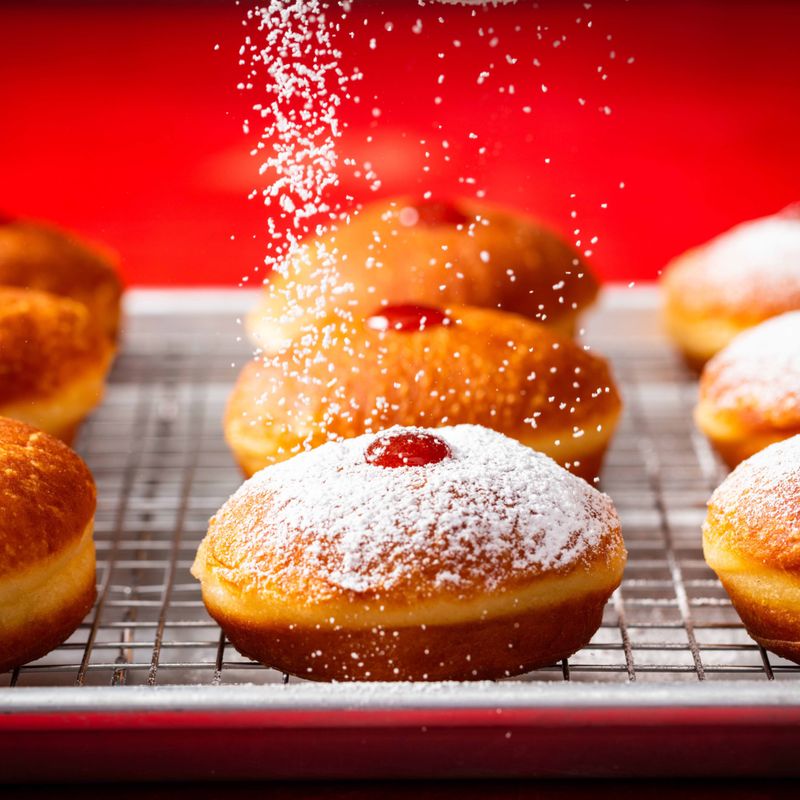
Hanukkah would not be complete without sufganiyot. These deep-fried jelly doughnuts are pillowy, golden, and dusted generously with powdered sugar.
Fried in oil, they celebrate the miracle of the oil that burned for eight nights in the ancient Temple in Jerusalem.
While strawberry jam is the classic filling, Israeli bakeries now stuff them with custard, caramel, and even pistachio cream. One bite of a fresh sufganiyah is genuinely hard to forget.
6. Teiglach
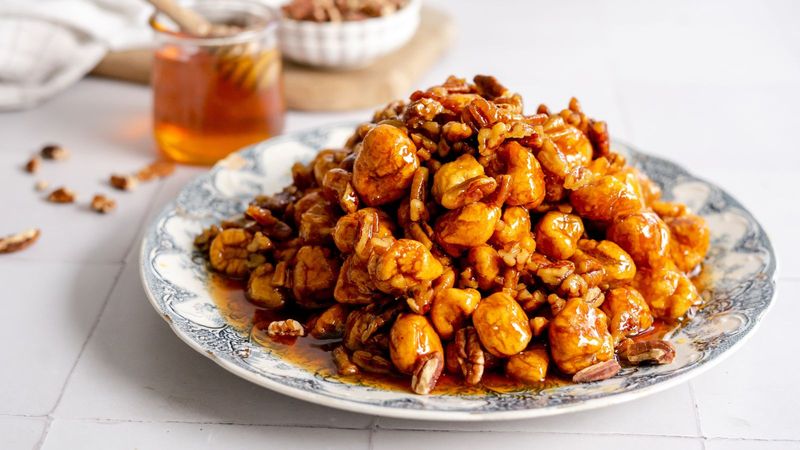
Sticky, chewy, and wonderfully old-fashioned, teiglach are small dough nuggets simmered in a bubbling honey and ginger syrup until they soak up every drop of sweetness. This Ashkenazi Jewish confection is often made for Rosh Hashanah and Purim, symbolizing a sweet new year.
They can be challenging to make, but the results are deeply satisfying. Some cooks add nuts or maraschino cherries to the mix, giving each batch a unique personality and extra texture.
7. Macaroons (Coconut)
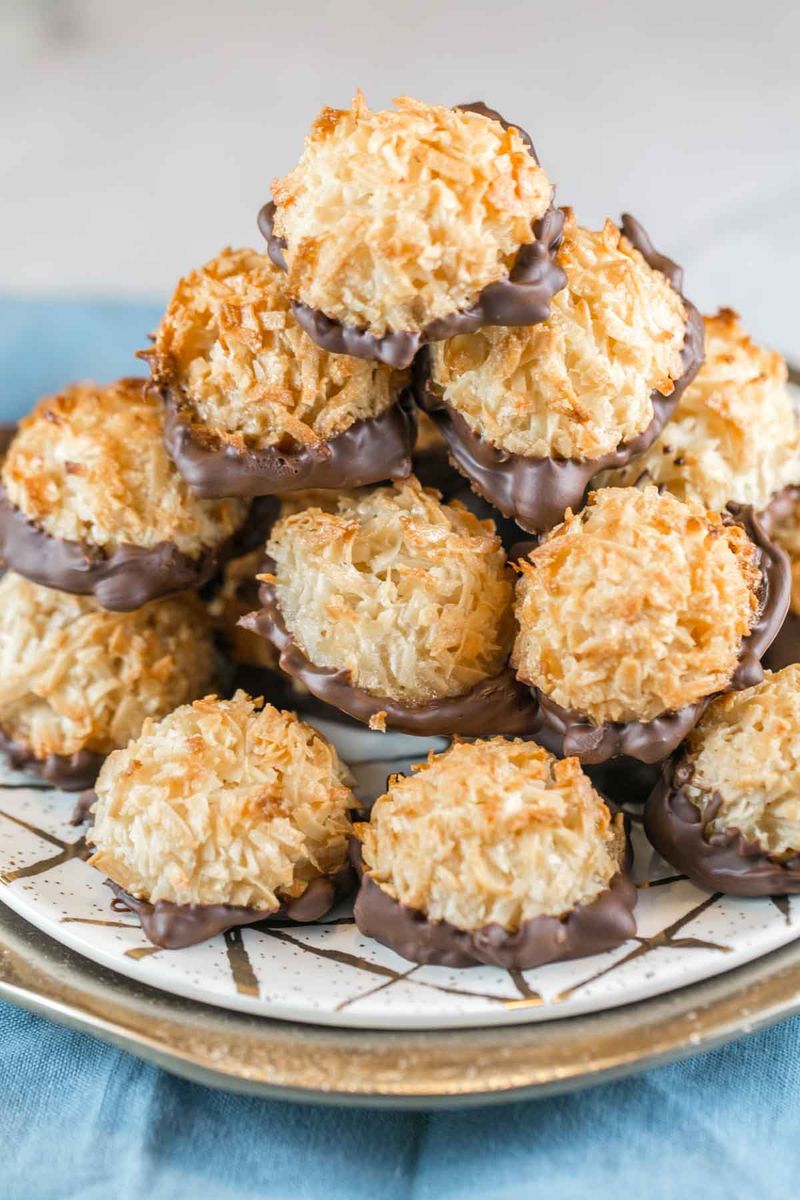
Passover macaroons are nothing like the French macaron. These hearty cookies are made from shredded coconut, egg whites, and sugar, and they require no flour, making them perfect for the Passover holiday when leavened foods are not allowed.
Dipped in chocolate or left plain, they have a satisfying chew and a toasty coconut flavor. Homemade versions taste far better than the canned variety, and they come together in under 30 minutes with just a few ingredients.
8. Halva
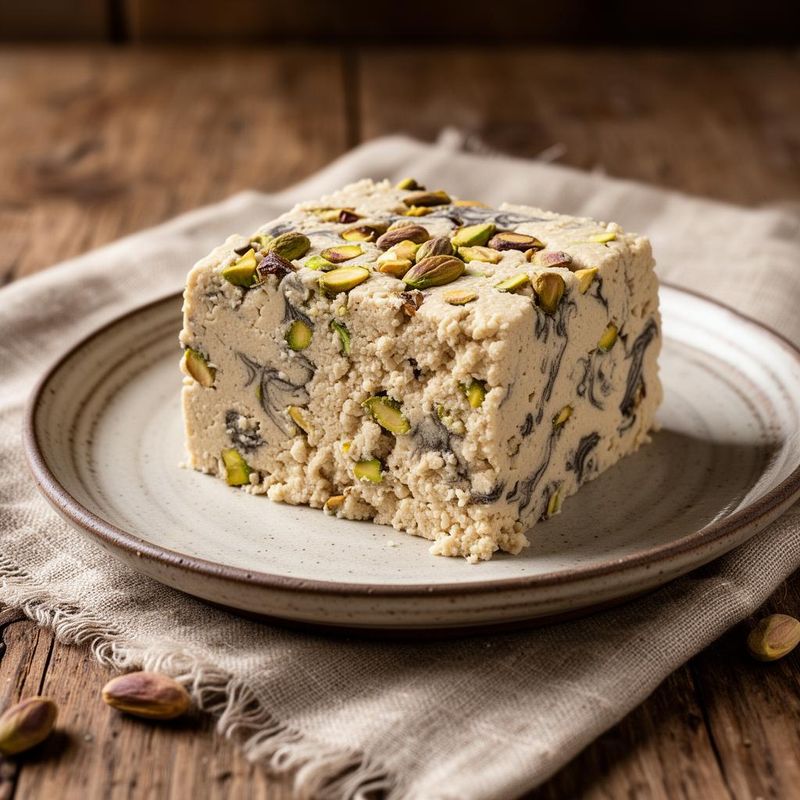
Halva might be the most ancient sweet on this list. Made primarily from tahini, or sesame paste, blended with sugar, this dense confection has a crumbly, fudge-like texture and a slightly nutty, rich flavor.
It is enjoyed across the Middle East and is a staple in Israeli cuisine.
Flavors range from vanilla and chocolate to rose and pistachio. It makes a fantastic gift, pairs well with coffee, and even crumbles beautifully over ice cream for an easy dessert upgrade.
9. Apple Cake (Jewish Style)
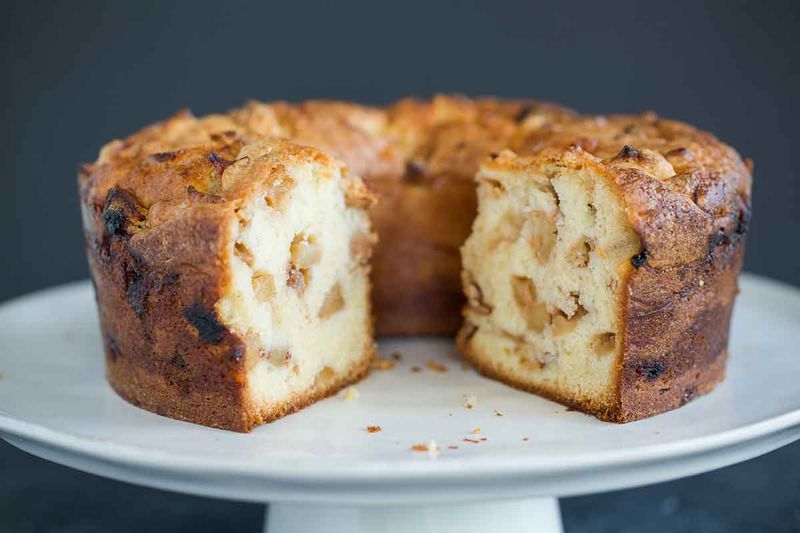
There is something deeply comforting about a well-made Jewish apple cake. Loaded with chunks of fresh apple and swirled with cinnamon sugar, this tube-pan cake is dense, moist, and wonderfully fragrant.
It has been a fixture on Jewish holiday tables, especially during Rosh Hashanah, for generations.
Unlike lighter sponge cakes, this one holds its own for several days and actually tastes better the next morning. A cup of tea alongside a thick slice is a combination hard to beat.
10. Mandelbrot
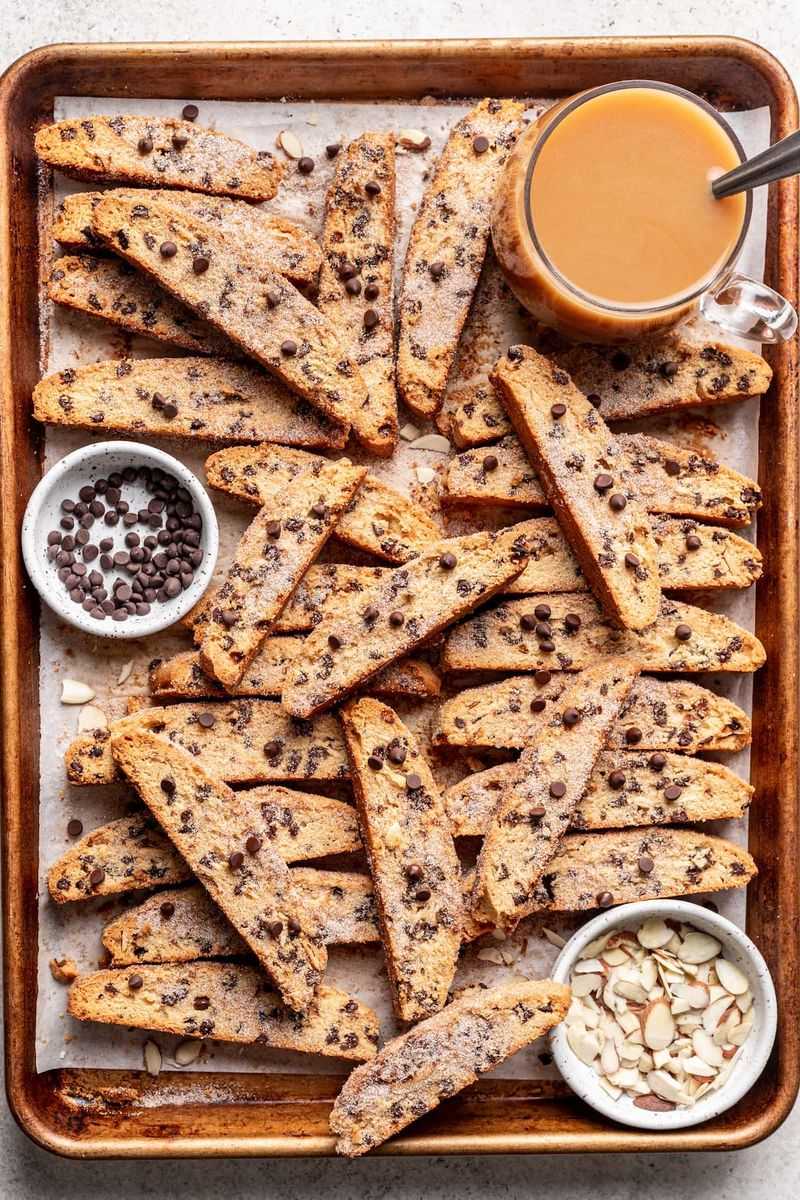
Often called the Jewish biscotti, mandelbrot is a twice-baked almond cookie with a satisfying crunch. The name literally means almond bread in Yiddish, though modern versions often include chocolate chips, dried cranberries, or orange zest for extra flavor.
Mandelbrot keeps well for weeks in an airtight container, making it a popular gift during the holidays. Dipping a piece into coffee or tea is practically a tradition, and once you start, stopping is nearly impossible.
11. Sfratti
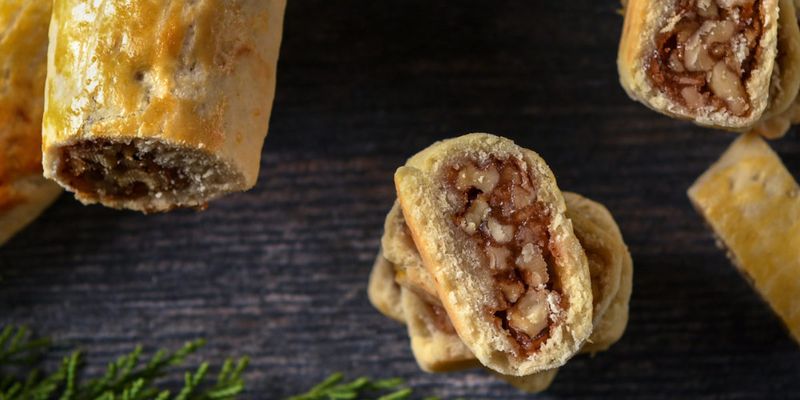
Sfratti are one of the most unique and least-known Jewish desserts from Italy, specifically from the Lazio region. These stick-shaped pastries are filled with a mixture of honey, walnuts, orange zest, and spices, then wrapped in a thin pastry shell and baked until golden.
Their name reportedly comes from the Italian word for eviction, tied to a painful chapter in Jewish history. That bittersweet backstory makes each crispy, honey-filled bite feel meaningful and worth savoring slowly.
12. Passover Chocolate Cake
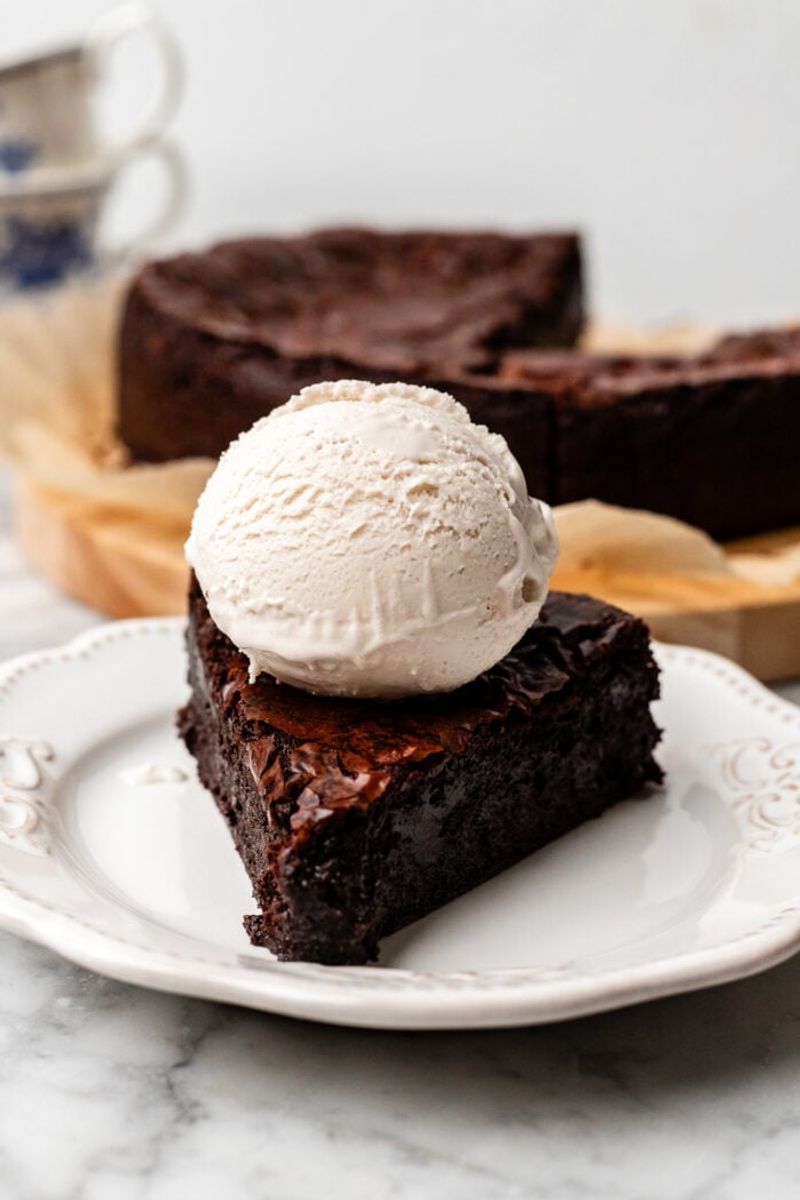
Flourless chocolate cake is a Passover hero. Since leavened flour is off-limits during the holiday, bakers rely on eggs, melted chocolate, butter, and sugar to create a cake that is dense, fudgy, and intensely chocolatey.
The result is so good that many people make it year-round.
A dusting of cocoa powder or a scoop of vanilla ice cream on the side elevates it even further. This cake proves that working within limits can actually lead to something extraordinary.
13. Kugel (Sweet Noodle)
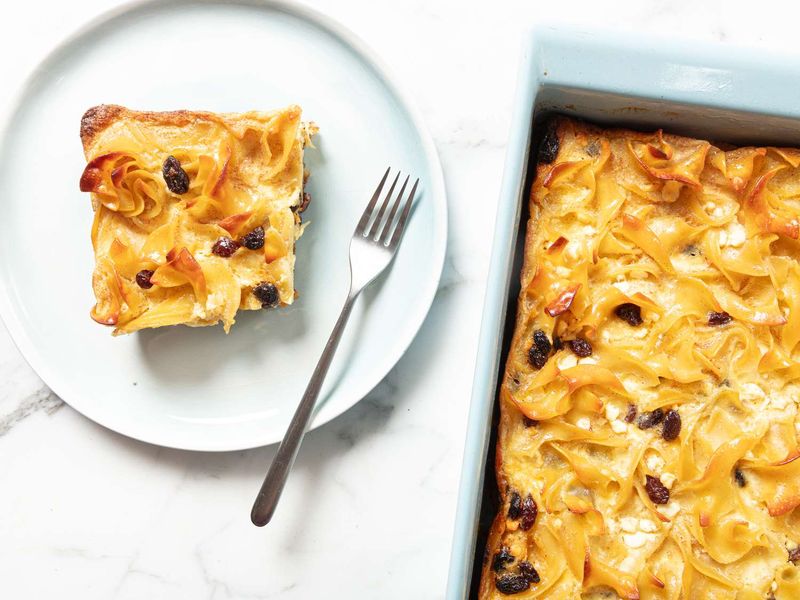
Sweet noodle kugel sits somewhere between a casserole and a dessert, and that is exactly what makes it so interesting. Made with egg noodles, eggs, cream cheese or sour cream, sugar, and raisins, it bakes up with a custardy interior and a crispy, caramelized top.
It is a staple at Shabbat dinners and Jewish holidays across Ashkenazi households. Served warm or at room temperature, this dish is pure comfort food that somehow manages to feel both homey and indulgent at the same time.
14. Sfenj
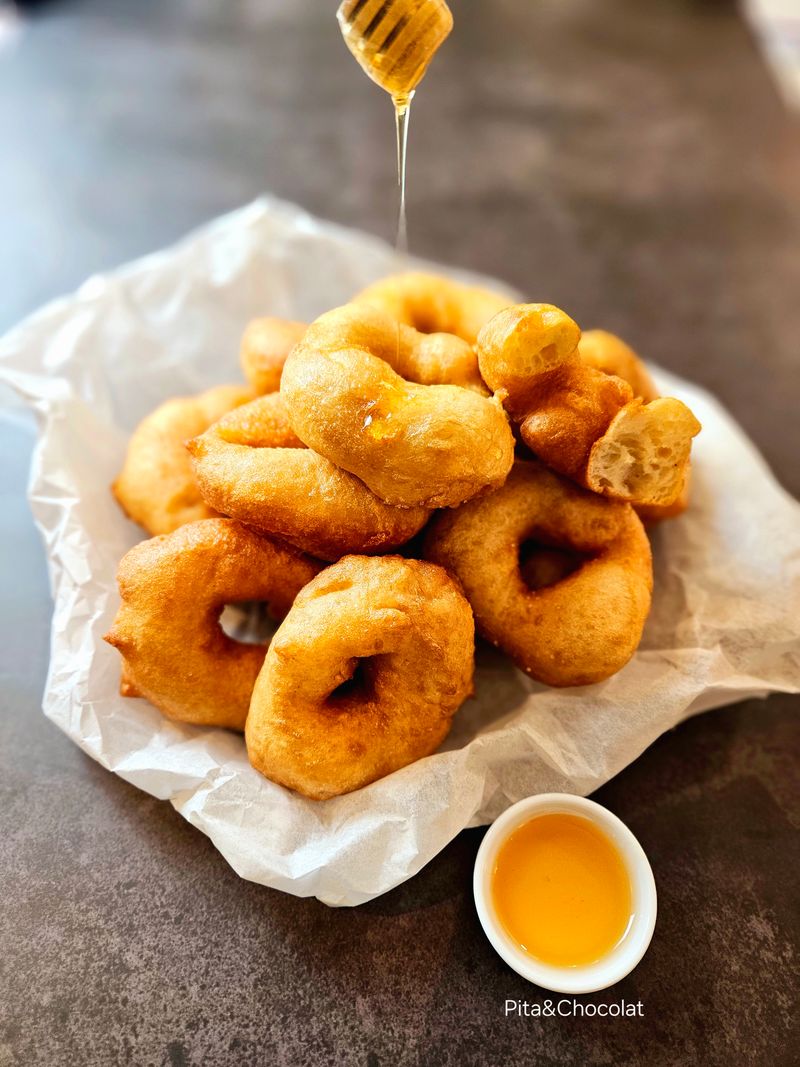
Sfenj are the Moroccan Jewish answer to Hanukkah doughnuts, and they have a character all their own. Unlike the perfectly round sufganiyot, sfenj are irregularly shaped, ring-like fritters with a chewy interior and crispy exterior.
They are traditionally eaten plain or with a drizzle of honey.
These doughnuts are a beloved part of North African Jewish culture and are often made fresh and eaten hot on the street. That simplicity is exactly what makes them so irresistible and memorable.
15. Tayglach (Georgian Style)
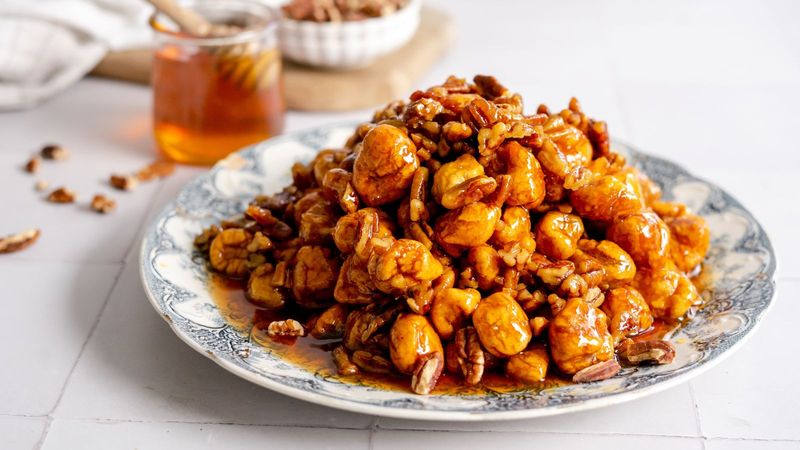
Georgian Jews have their own spin on the classic honey dough treat. These tayglach are fried dough balls coated in a thick, fragrant honey glaze and often topped with crushed walnuts or sesame seeds.
The result is sticky, crunchy, and deeply satisfying in the best possible way.
Georgia, the country in the Caucasus region, has a rich Jewish culinary tradition that often goes unnoticed. Trying Georgian Jewish sweets like these is a wonderful way to explore a less familiar chapter of Jewish food history.
16. Basbousa (Semolina Cake)
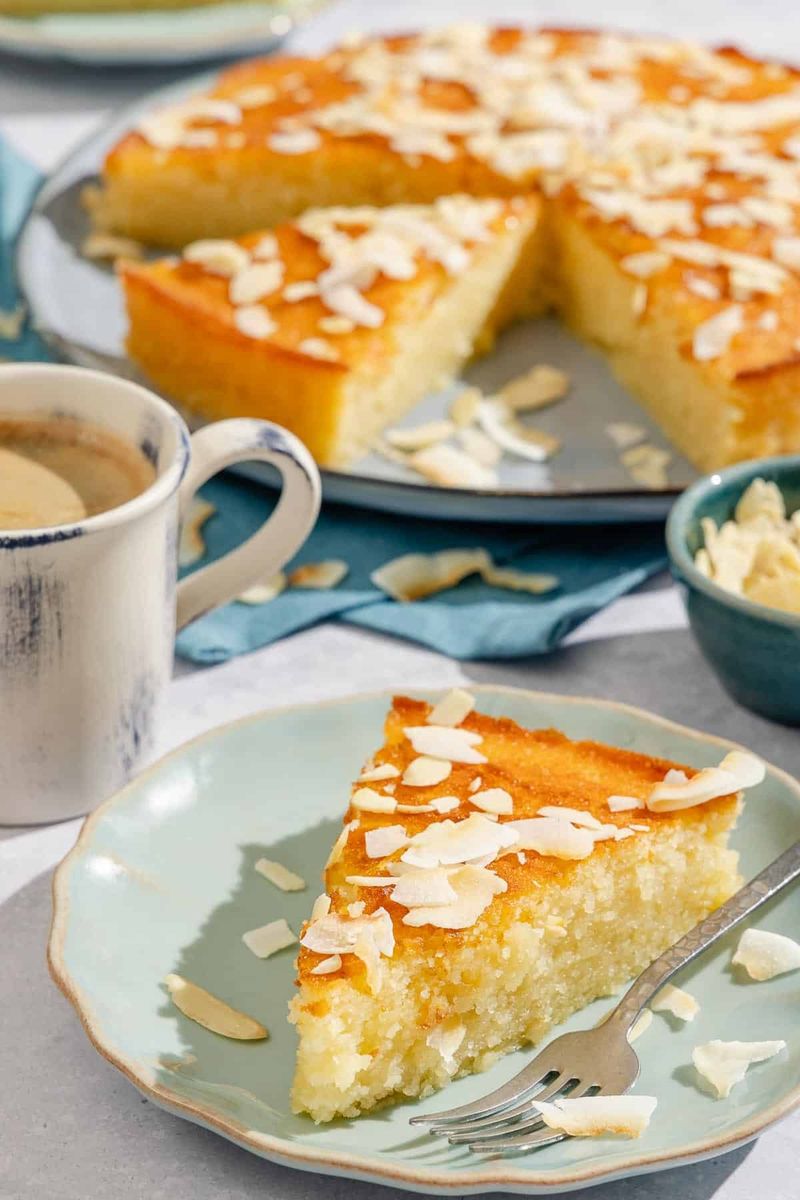
Basbousa is a Sephardic and Mizrahi Jewish classic that shows just how much Middle Eastern flavors have shaped Jewish cooking. This semolina cake is soaked in a fragrant rose water or orange blossom syrup after baking, giving it a sweet, floral richness that feels almost luxurious.
Topped with a single almond on each piece, basbousa is as pretty as it is delicious. It is often served at Shabbat gatherings and Jewish celebrations in communities from Egypt, Syria, and beyond.
17. Zimtsterne (Cinnamon Stars)
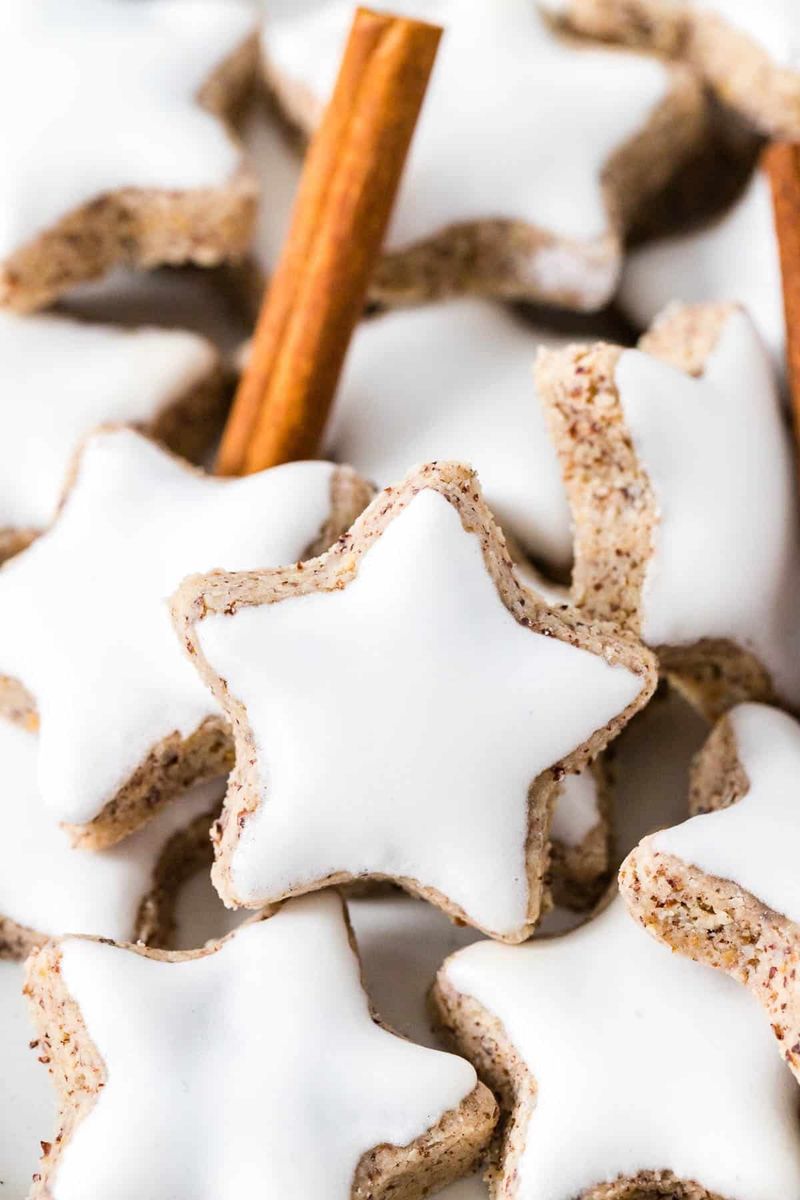
Zimtsterne, meaning cinnamon stars in German, are delicate almond and cinnamon cookies topped with a smooth white meringue glaze. They have been part of German Jewish holiday baking for centuries, traditionally made around Hanukkah and winter celebrations.
The texture is chewy in the center with slightly crisp edges, and the cinnamon-almond flavor is warm and aromatic. These cookies are naturally gluten-free, which makes them a great option for guests with dietary needs without sacrificing any flavor or elegance.
18. Ma’amoul
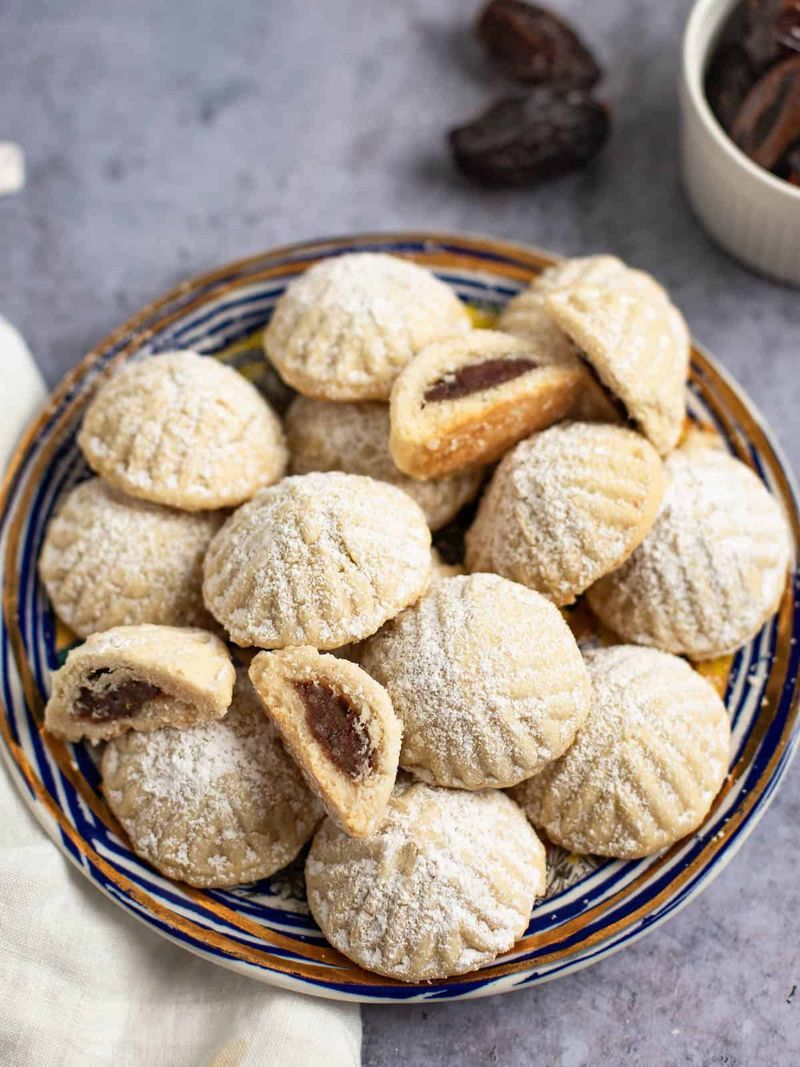
Ma’amoul are beautifully molded shortbread cookies filled with dates, walnuts, or pistachios. They are a beloved treat in Sephardic and Mizrahi Jewish communities, especially during Purim and Passover.
Each cookie is pressed into a carved wooden mold to create an intricate pattern on the surface.
The crumbly, buttery shell paired with the sweet, spiced filling is a combination that feels both elegant and deeply traditional. Making ma’amoul is often a family activity, with multiple generations shaping cookies side by side.
19. Tishpishti (Almond Cake)
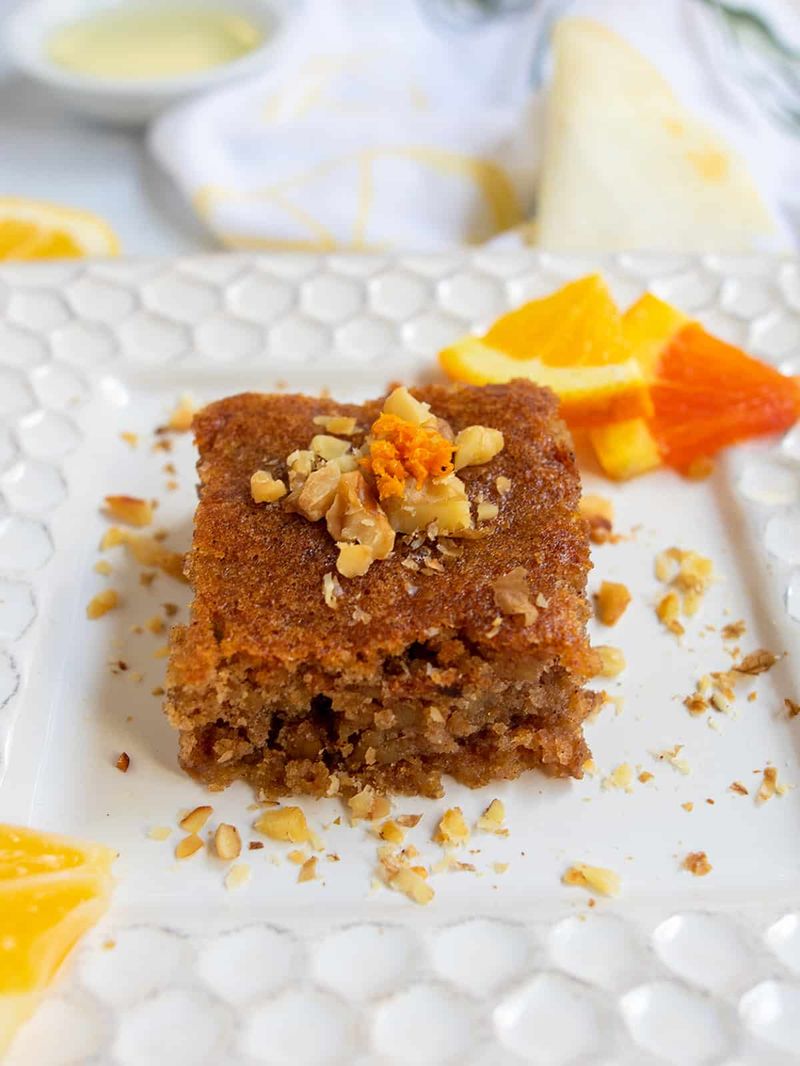
Tishpishti is a Sephardic almond and semolina cake traditionally made for Rosh Hashanah. It is soaked in a lemon or orange syrup right after baking, which keeps it incredibly moist and gives it a bright citrus flavor that balances the nutty richness of the almonds perfectly.
Since it contains no flour or dairy, tishpishti fits Jewish dietary laws for many holiday meals. The combination of almond, semolina, and citrus syrup creates a dessert that feels festive, refreshing, and genuinely hard to put down.