
Mashed potatoes show up at holidays, weeknight dinners, and just about every family gathering. Even so, many homemade batches end up bland, gluey, or lumpy.
The good news is that a few easy tweaks can turn a plain side dish into the star of the table. Grab a potato masher, because these simple tricks will change how you cook forever.
1. Pick Yukon Gold Potatoes
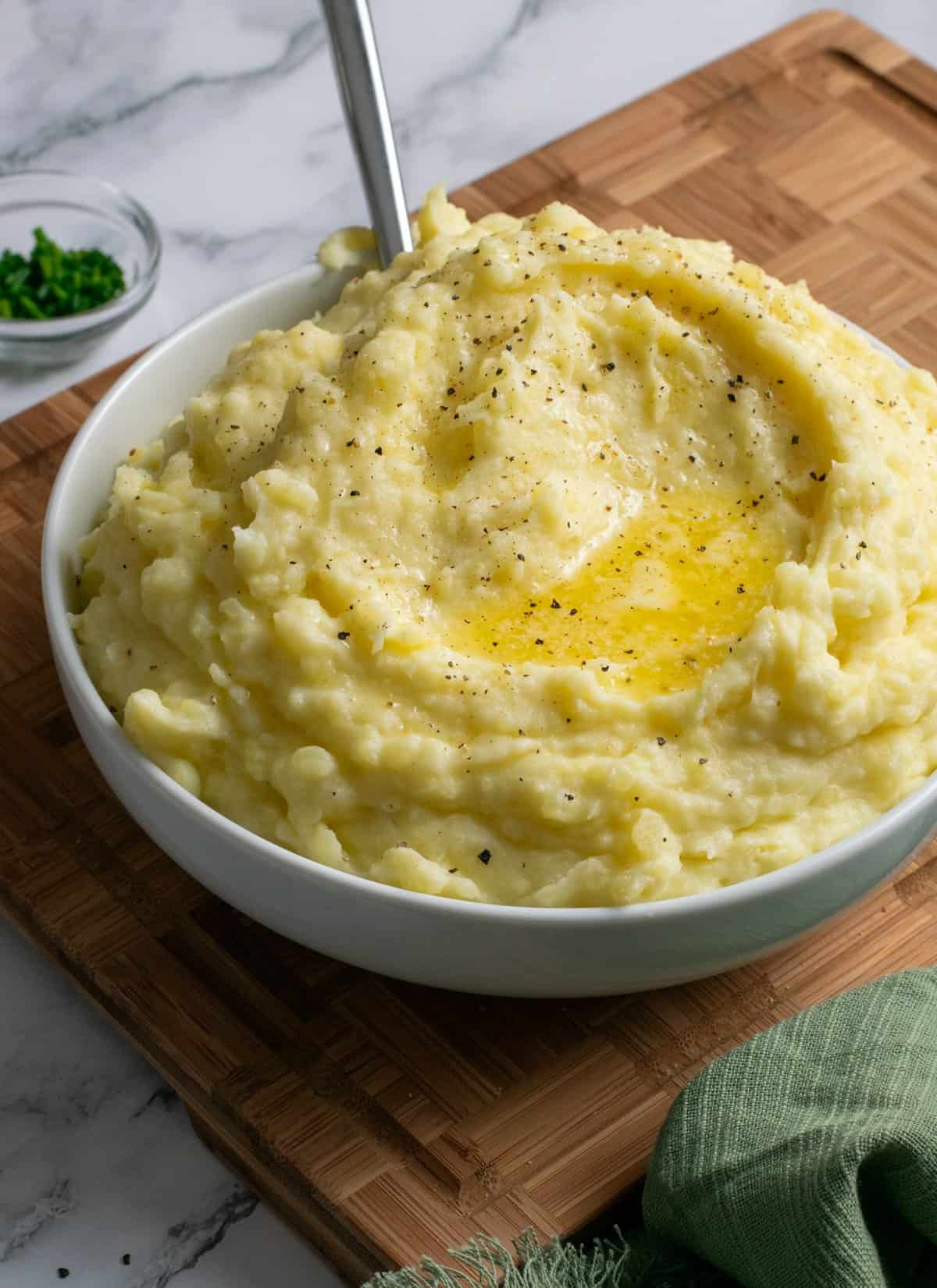
Golden, buttery, and naturally creamy, Yukon Golds are the secret many chefs swear by. Their flesh has a medium amount of starch, so they mash smooth without turning gummy.
Russets work too, but they can get dry and fluffy. Red potatoes stay waxy and lumpy.
Fun fact: Yukon Golds were developed in Canada in the 1960s. Try them once, and you may never buy another potato for mashing again.
2. Start in Cold Water
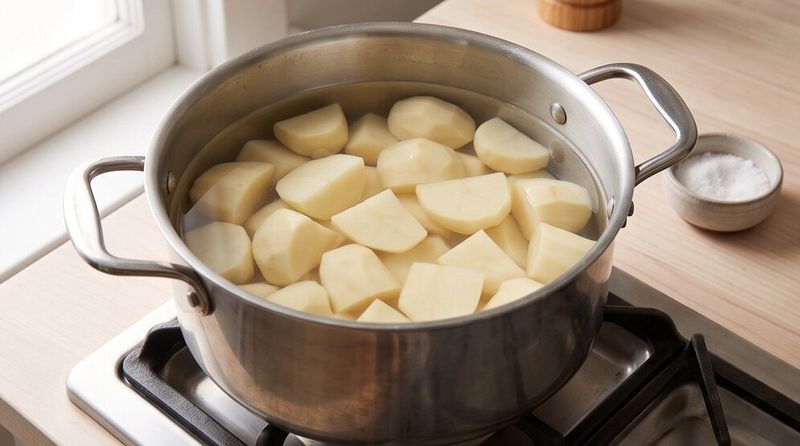
Ever bitten into a potato chunk that was mushy outside and hard in the middle? That usually happens when potatoes get dropped into already boiling water.
Instead, place them in a pot of cold water, then turn on the heat. The outside and inside warm up together, so every piece cooks evenly.
It costs you nothing extra and takes almost no effort, yet the texture improves right away.
3. Salt the Cooking Water Generously
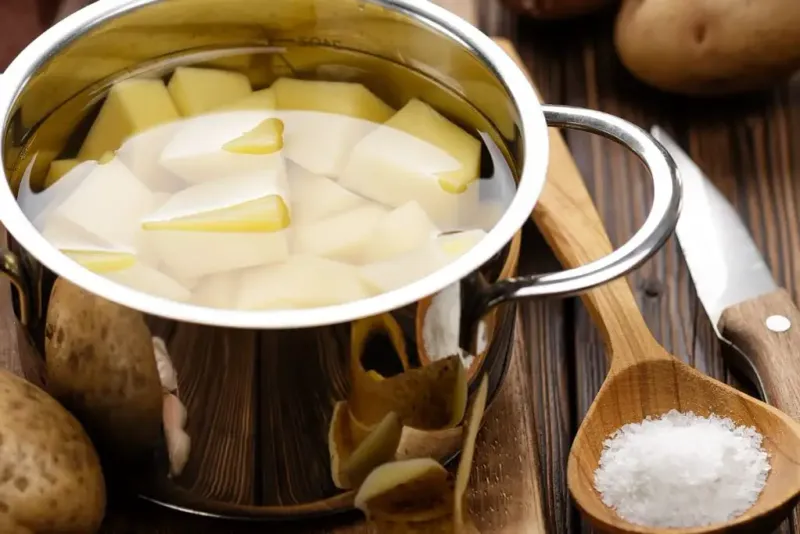
Think of potatoes like little sponges. Whatever is in the water soaks right into them while they cook.
Adding a good tablespoon or two of salt to the pot seasons the potatoes from the inside out. Salting only at the end leaves the flavor sitting on the surface.
Many cooks say the water should taste a bit like the ocean. Your finished mash will taste fuller and far less flat.
4. Cut Pieces the Same Size
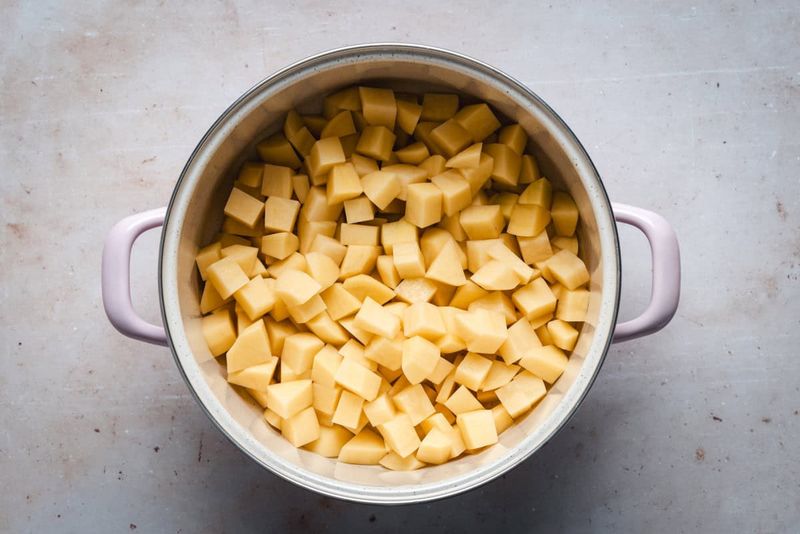
Here is a quick lesson from busy restaurant kitchens: uniform pieces cook at the same speed. Uneven chunks mean some get waterlogged while others stay stiff.
Aim for cubes about one to two inches wide. You do not need perfect measurements, just a steady eye.
Taking an extra minute with your knife saves you from fishing out raw bits later. Smooth mash really begins on the cutting board.
5. Dry the Potatoes After Draining
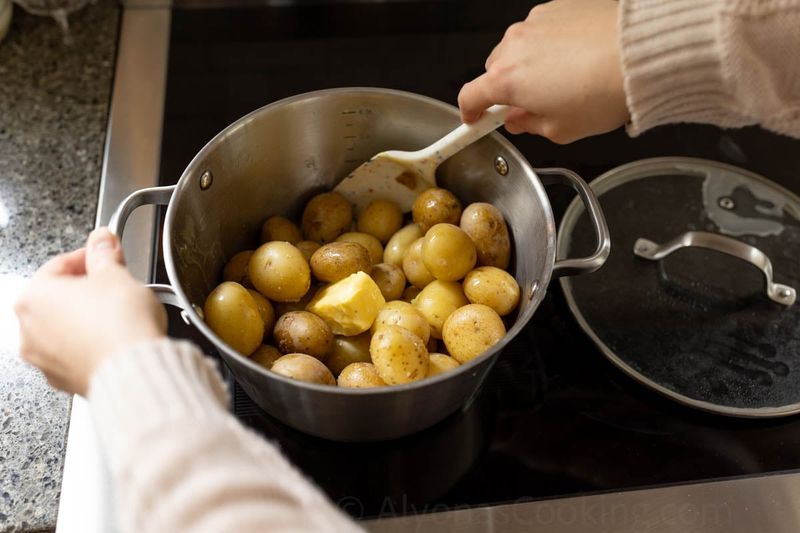
Watery mashed potatoes are a sad sight, and extra moisture is usually the culprit. Luckily, the fix takes about two minutes.
After draining, put the potatoes back into the hot pot over low heat. Let them sit and steam, shaking the pot gently now and then.
The leftover water escapes as steam. Drier potatoes soak up butter and milk much better, giving you a richer, fluffier bowl.
6. Warm Your Milk and Butter
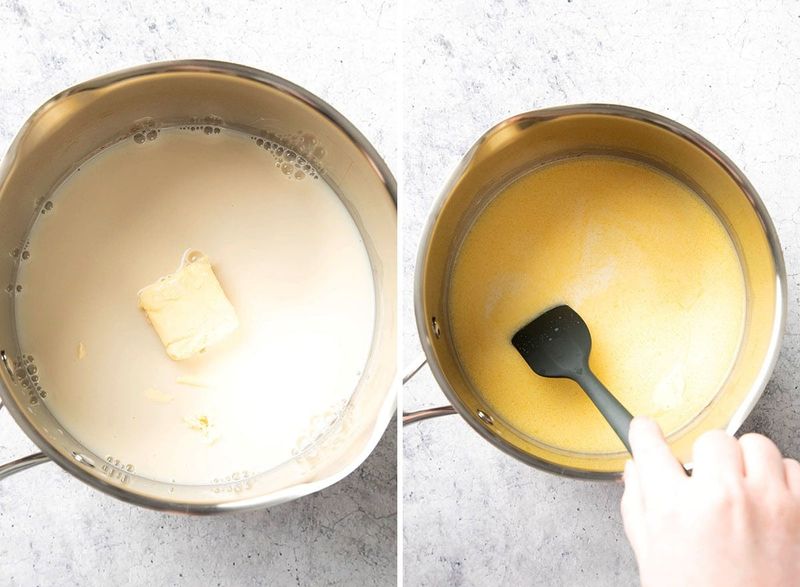
Pouring cold milk onto hot potatoes is like jumping into a chilly pool. Everything tenses up, and the mash turns lukewarm and uneven.
Gently heat your milk and butter together in a small saucepan first. Warm dairy blends in smoothly and keeps the potatoes nice and hot.
A microwave works fine too. Just heat in short bursts so the milk does not boil over and make a mess.
7. Use a Ricer Instead of a Blender
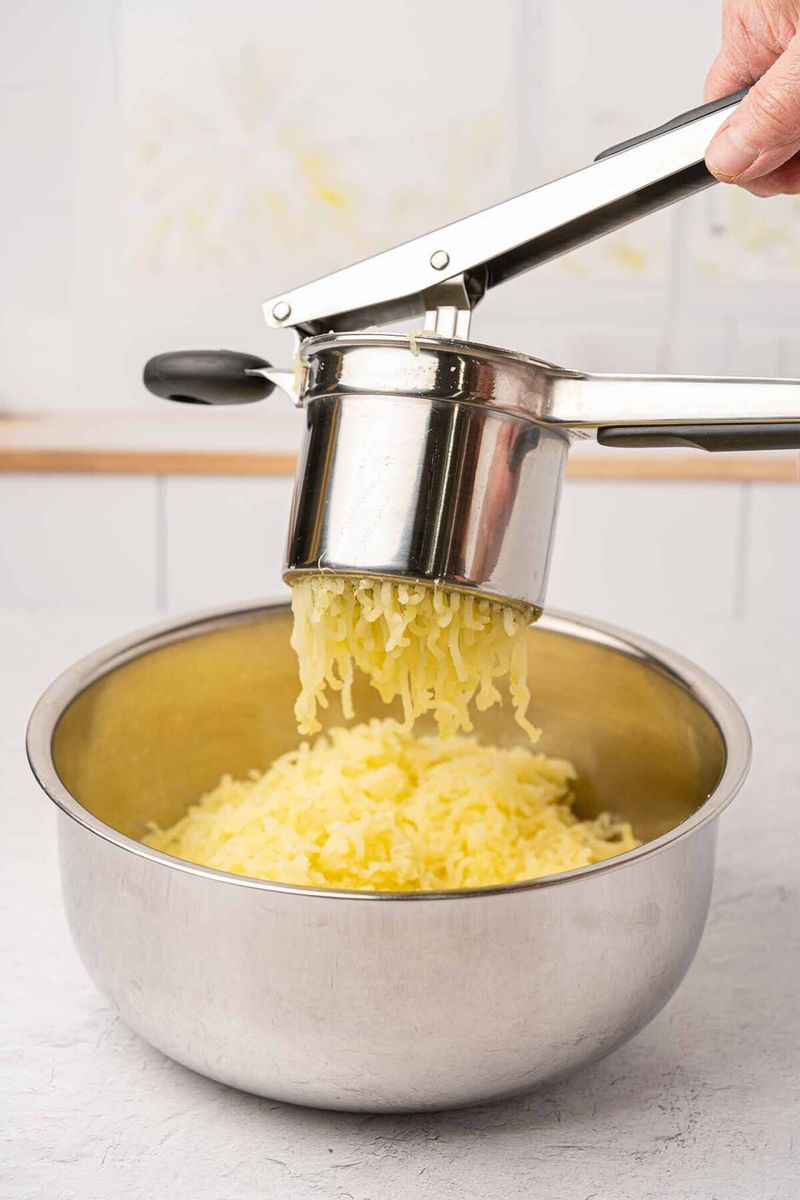
Blenders and food processors seem handy, but they are the enemy of good mash. Their fast blades break down starch and turn potatoes into glue.
A potato ricer pushes cooked potatoes through tiny holes, creating light, fluffy strands with zero lumps. A simple hand masher is also a solid choice.
Professional chefs love ricers for silky results. Once you try one, you might wonder how you lived without it.
8. Don’t Overmix
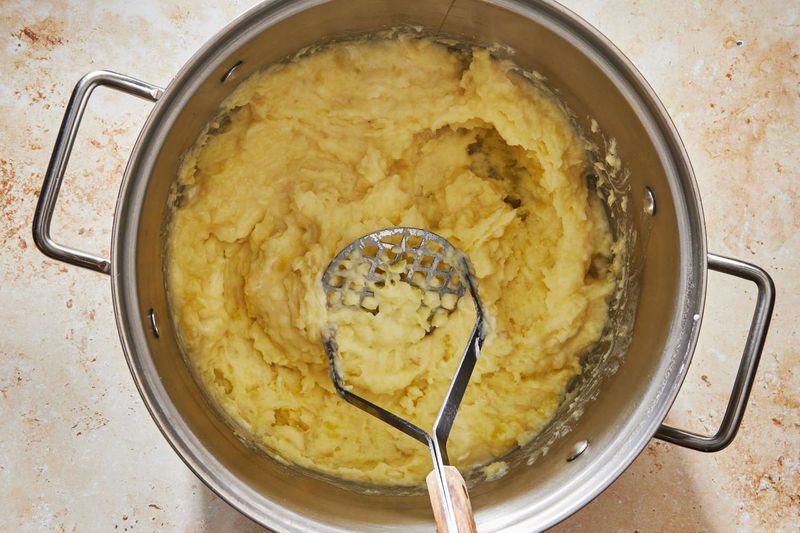
Stirring and stirring might feel like it makes things smoother. Sadly, the opposite is true.
Every extra stir releases more starch, and too much starch creates a sticky, paste-like texture. Mix just until the butter and milk disappear into the potatoes.
Use a gentle folding motion with a spatula or spoon. Stop while the mash still looks fluffy.
A little restraint here pays off big at the dinner table.
9. Add Butter Before the Milk
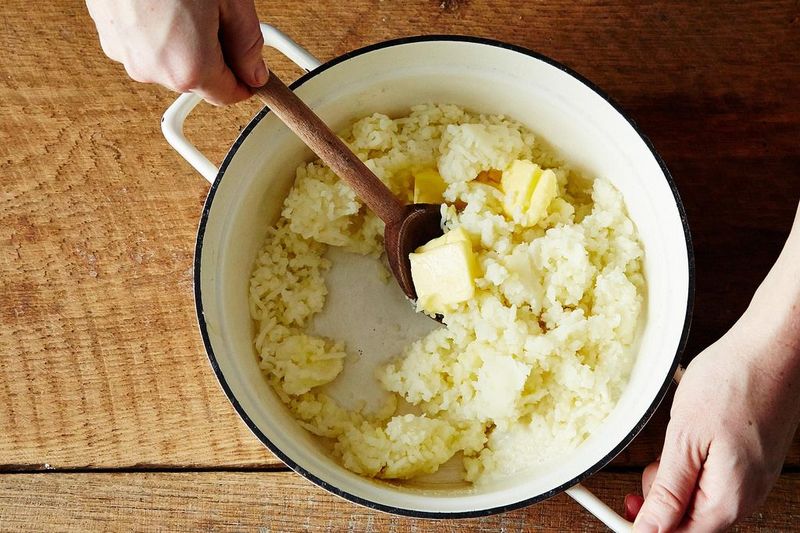
Order matters more than you might expect. Stirring in butter first lets the fat coat the starch, which helps prevent a gluey result.
Once the butter melts in, slowly pour in the warm milk a little at a time. You can control the thickness and stop when it feels right.
This tiny swap comes from classic French cooking. It is an easy habit that delivers noticeably silkier potatoes.
10. Try Cream Cheese or Sour Cream
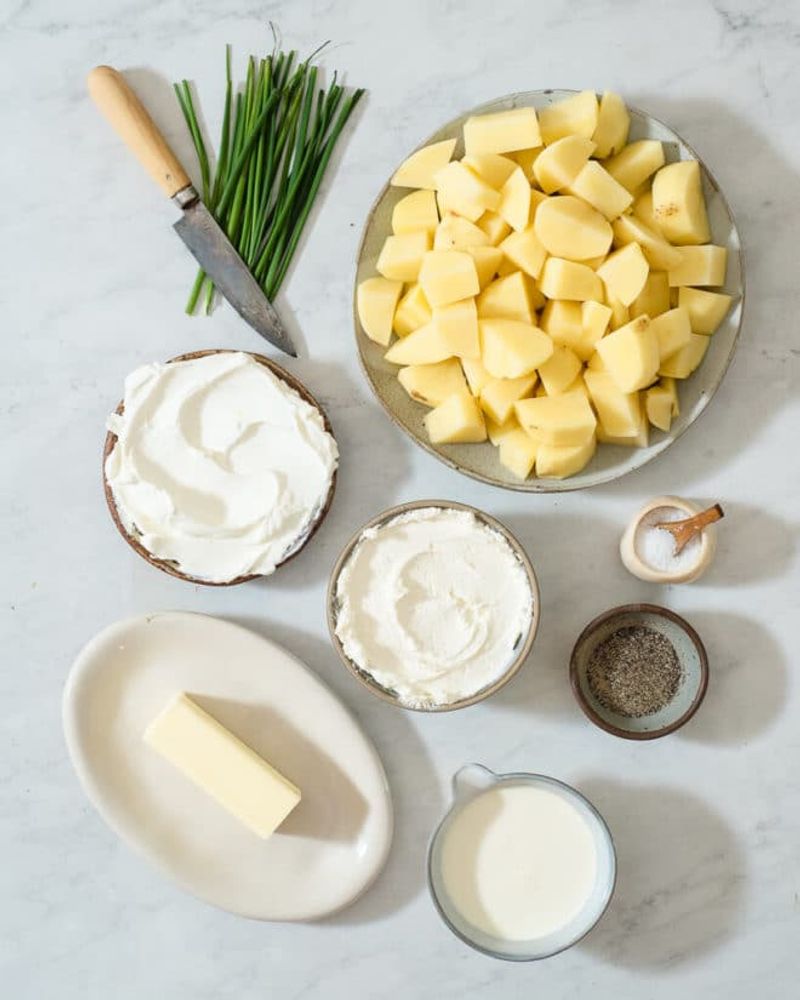
Want a little tang? A scoop of sour cream or cream cheese can make your mash taste like it came from a fancy steakhouse.
Both add richness plus a gentle sour kick that balances the butter. Start with about a quarter cup for a big pot.
Greek yogurt works too if you want something lighter. Your family may start asking what your secret ingredient is.
11. Roast Some Garlic

Raw garlic can taste sharp and harsh. Roasting it, though, turns the cloves sweet, soft, and almost like candy.
Slice the top off a whole bulb, drizzle with olive oil, wrap it in foil, and bake at 400 degrees for about 40 minutes. Then squeeze the cloves right into your potatoes.
The flavor is mellow but deep. Even garlic skeptics tend to go back for seconds.
12. Infuse the Milk with Herbs
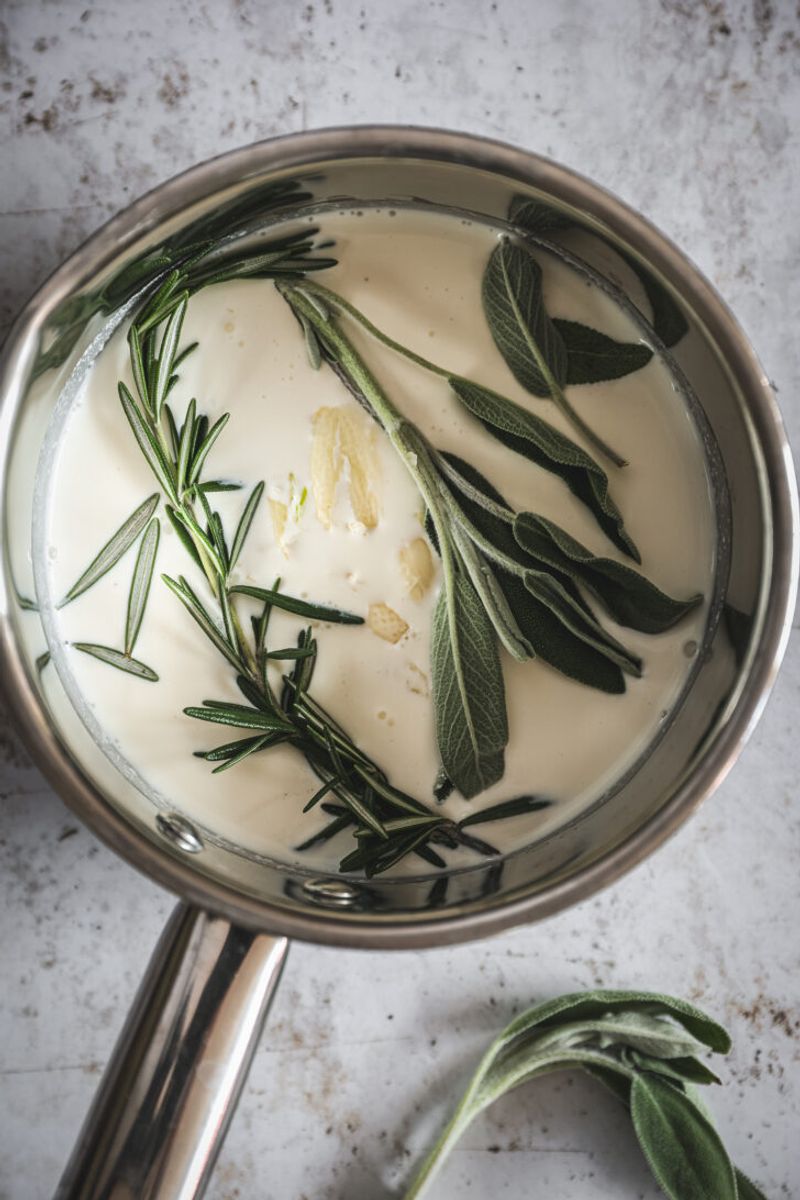
Picture a cozy kitchen filled with the smell of fresh thyme. You can capture that aroma right in your potatoes.
While warming the milk, toss in a few sprigs of thyme, rosemary, or a bay leaf. Let them steep for ten minutes, then strain them out.
The herbs leave behind a soft, earthy flavor without any leafy bits. It feels fancy but requires almost no extra work.
13. Brown the Butter
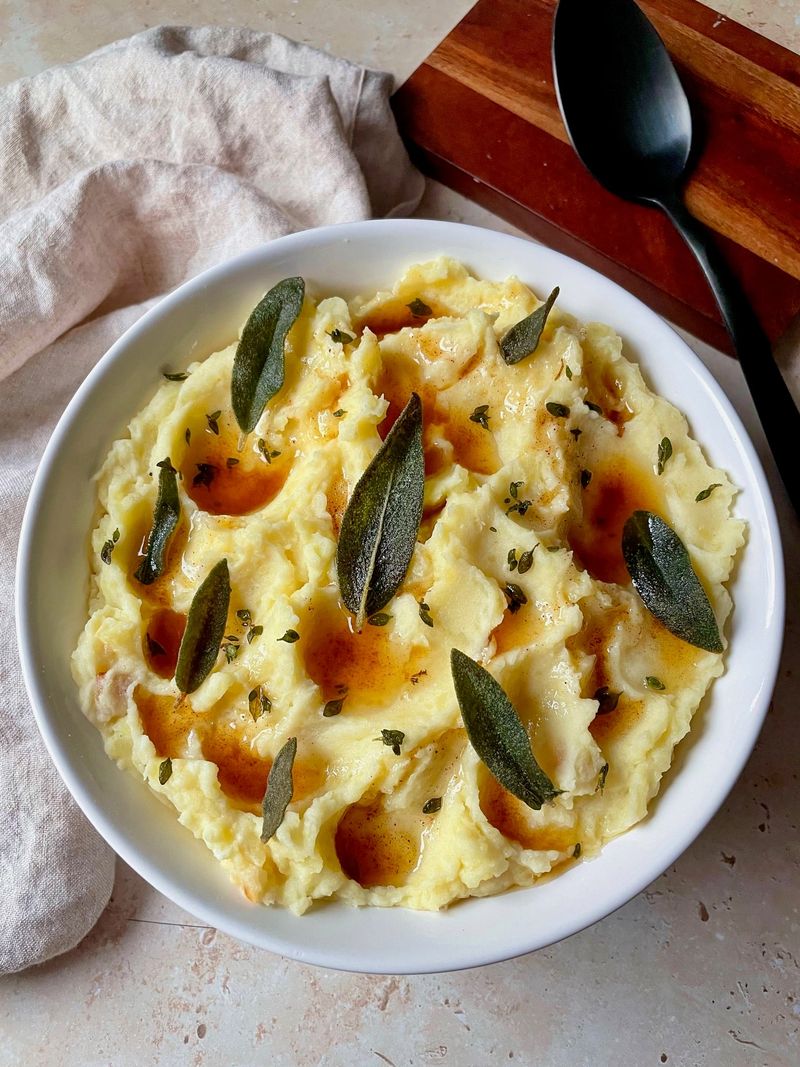
Brown butter might be the most underrated kitchen trick around. Melting butter until it turns golden creates a nutty, toasty smell that is hard to resist.
Cook it in a light-colored pan over medium heat, swirling often. Once you see brown specks and smell hazelnuts, pull it off the heat.
Pour it over your mash for an instant upgrade. Watch closely, since it can burn fast.
14. Season with White Pepper
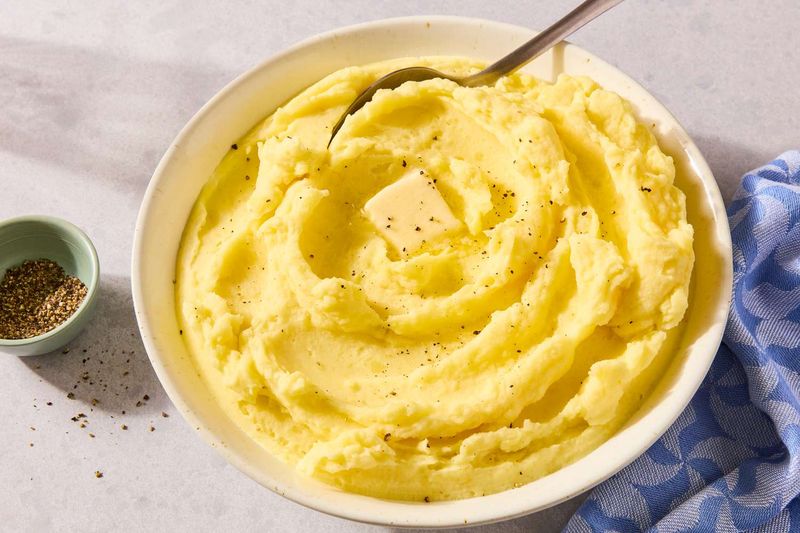
Black pepper is great, but it leaves dark specks all over your creamy potatoes. White pepper offers a cleaner look and a slightly earthy, gentle heat.
Many restaurants use it for exactly this reason. A small pinch goes a long way, so add it slowly and taste as you go.
Did you know? White and black pepper come from the same plant.
The white kind just has its outer skin removed.
15. Finish with Fresh Toppings
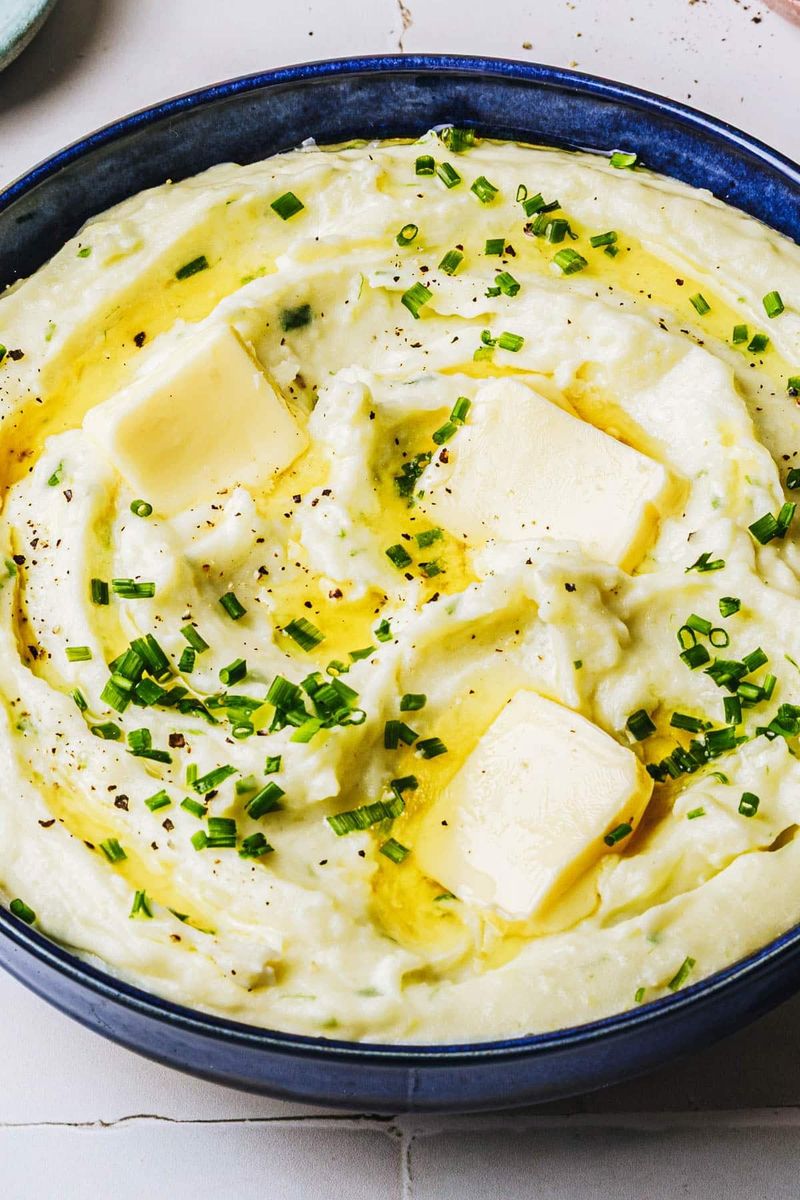
People really do eat with their eyes first. A plain white mound looks fine, but a colorful topping makes it look amazing.
Sprinkle chopped chives, a pat of butter, and a pinch of flaky sea salt right before serving. Crispy bacon bits or shredded cheddar also add fun crunch and flavor.
These final touches take seconds. Yet they make the whole dish feel special and restaurant-ready.