
Your favorite sitcom may have more going on than the jokes suggest. A tiny background drawing, an unseen neighbor, or an unusual family setup can change how you see a familiar episode.
Some clues are real production details, while others are fan theories rather than facts. Knowing the difference makes watching these beloved shows even more fun.
1. Will’s Cab Ride Gets a Dark New Meaning

A cheerful theme song takes a spooky turn in one fan theory about The Fresh Prince of Bel-Air. It imagines that Will died after the playground fight and dreamed his new life.
Supporters treat the taxi ride as a journey into the afterlife. Nothing in the series confirms that reading, though.
Watch how the opening contrasts danger with comfort, and you can enjoy the symbolism without mistaking an internet theory for the show’s actual story.
2. The Bundys Turn the Perfect Family Upside Down
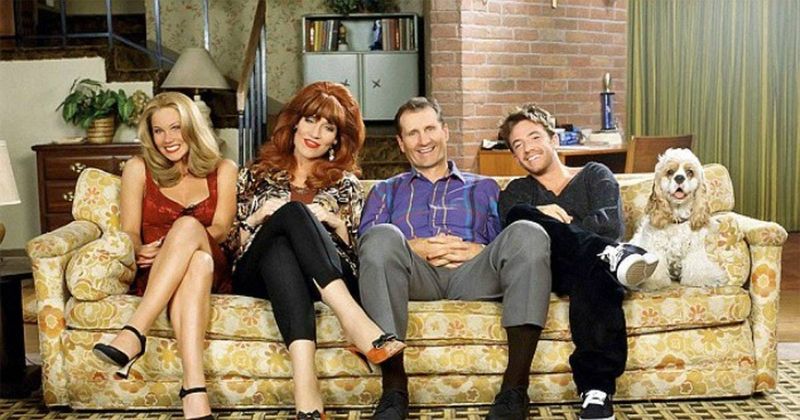
Forget the spotless kitchen and wise father who fixes everything. Married… with Children built its humor around a family that often behaves badly and rarely learns a neat lesson.
That reversal makes the show an example of an anti-sitcom. The Bundys challenge the polished households seen in earlier television comedies.
Compare their arguments with a traditional family show’s ending, and the joke becomes clearer: television’s perfect home was never a realistic picture of everyday life.
3. Al’s Football Glory Becomes a Purgatory Theory

Four touchdowns in one game can become a whole identity when the present feels disappointing. Al Bundy’s repeated football stories inspired a fan theory that he is trapped in purgatory.
Under that reading, his boring job and endless troubles form a punishment he cannot escape. The series never establishes this supernatural explanation.
His memories also work as a simpler joke about clinging to youth, especially when adult life offers fewer cheers and much less excitement.
4. Danny’s Busy House Offers Shelter From Grief
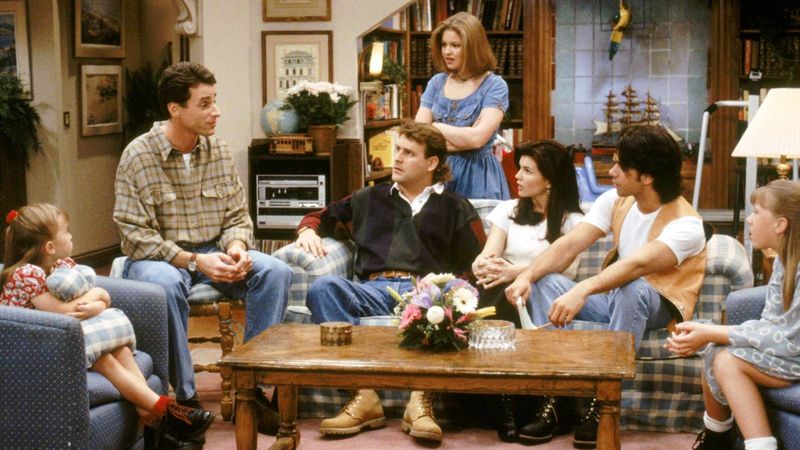
Behind the hugs and jokes, Full House begins with a painful loss. Danny Tanner is raising three daughters after his wife’s death, with Jesse and Joey moving in to help.
Some viewers interpret the crowded home as Danny’s way of avoiding silence and grief. That motive is a reading, not a diagnosis.
Still, the family setup shows something real: practical help, familiar routines, and shared laughter can support people when life suddenly changes around them.
5. Michelle’s Absence Sparks an Imaginary Daughter Theory

An empty spot in a reunion can send fans searching for strange answers. Michelle’s absence from Fuller House helped fuel a theory that Danny imagined her to cope with losing his wife.
The original series does not support that claim: Michelle interacts with many characters independently. Fuller House also treats her as a real person living elsewhere.
Use this example as a reminder that casting choices can create mysteries that never existed inside the story.
6. Zack’s Charm Can Hide Selfish Choices

A winning smile lets Zack Morris get away with plenty at Bayside High. Fans have revisited Saved by the Bell and noticed how often his schemes involve lying, pressure, or using friends.
Some online commentary calls him a sociopath, but that label is not an established diagnosis. A more useful question is whether charm excuses harmful behavior.
Pay attention to who suffers during his plans and whether his apologies actually repair the damage he causes.
7. Phoebe’s Difficult Past Fuels a Dream Theory

Phoebe’s unusual stories give Friends a playful edge, but her history includes homelessness and loss. A dark fan theory imagines that she invented the group while watching people at Central Perk.
There is no confirmation that the show’s events are her fantasy. Treating hardship as proof of delusion also oversimplifies her character.
Instead, notice how Phoebe builds connections despite her past, turning an outsider’s point of view into one of the group’s most distinctive voices.
8. The Apartment Door Carries Extra Jokes
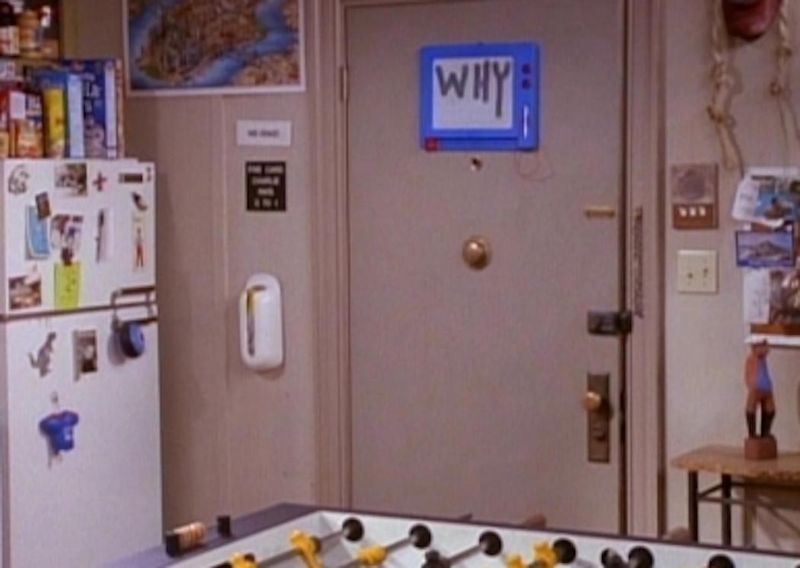
Look past Joey and Chandler, and their apartment door becomes a tiny comedy stage. The magnetic drawing board displays changing pictures and messages across episodes of Friends.
Those background details can reward a careful rewatch without affecting the main plot. Pause when the door appears, then compare the drawing with another episode.
Some entries are playful jokes rather than secret clues, so avoid assuming every scribble predicts a romance, a breakup, or a future storyline.
9. Brief Stand-Ins Reveal Television’s Patchwork
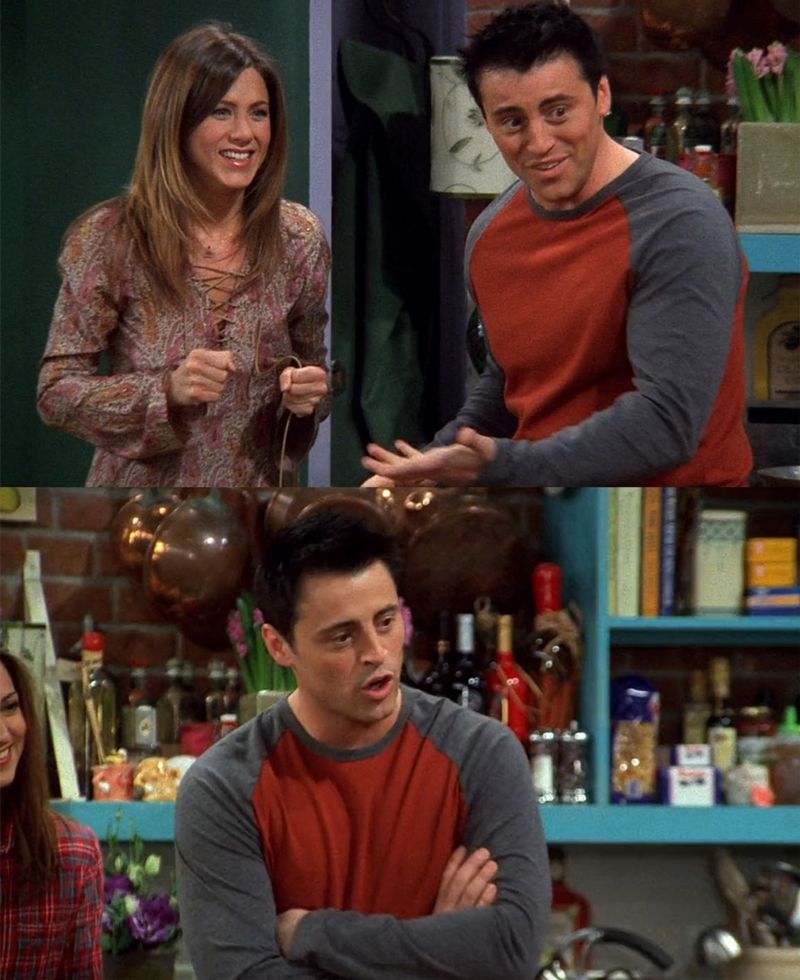
A familiar face can briefly become an unfamiliar one if you freeze the right shot. Viewers have spotted stand-ins for Jennifer Aniston and Courteney Cox in certain scenes from Friends.
These moments are production shortcuts or continuity slips, not hints that Rachel and Monica have secret doubles. Wider versions of footage can make them easier to notice.
Watch background shoulders, clothing, and seating positions, and you will see how separate shots create one smooth conversation.
10. Cheesecake Helps Build a Chosen Family
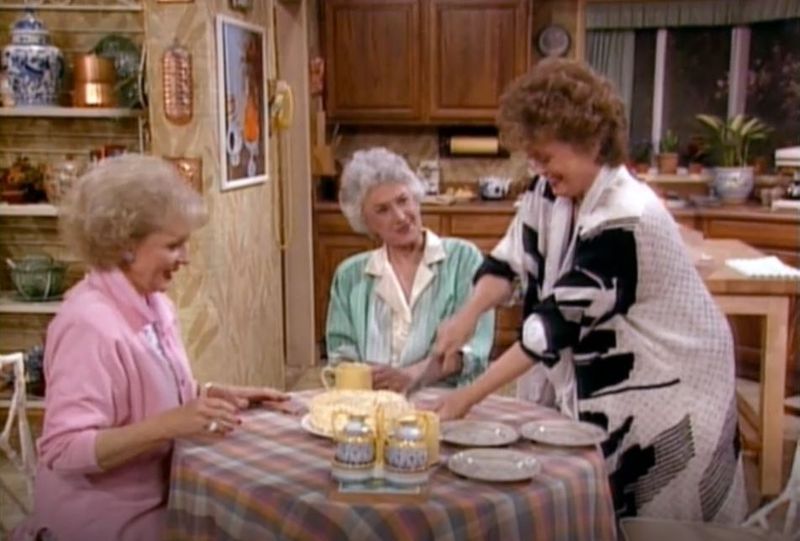
Sharing dessert at midnight means more than satisfying a sweet tooth on The Golden Girls. The kitchen table becomes a place where four women discuss fears, arguments, and fresh starts.
Although Dorothy and Sophia are related, the larger household forms through friendship rather than a traditional nuclear family. Their support suggests that belonging can be built through daily care.
Notice who listens after a joke lands; those quieter reactions often carry the scene’s deepest meaning.
11. Old Headlines Explain Some Golden Girls Jokes
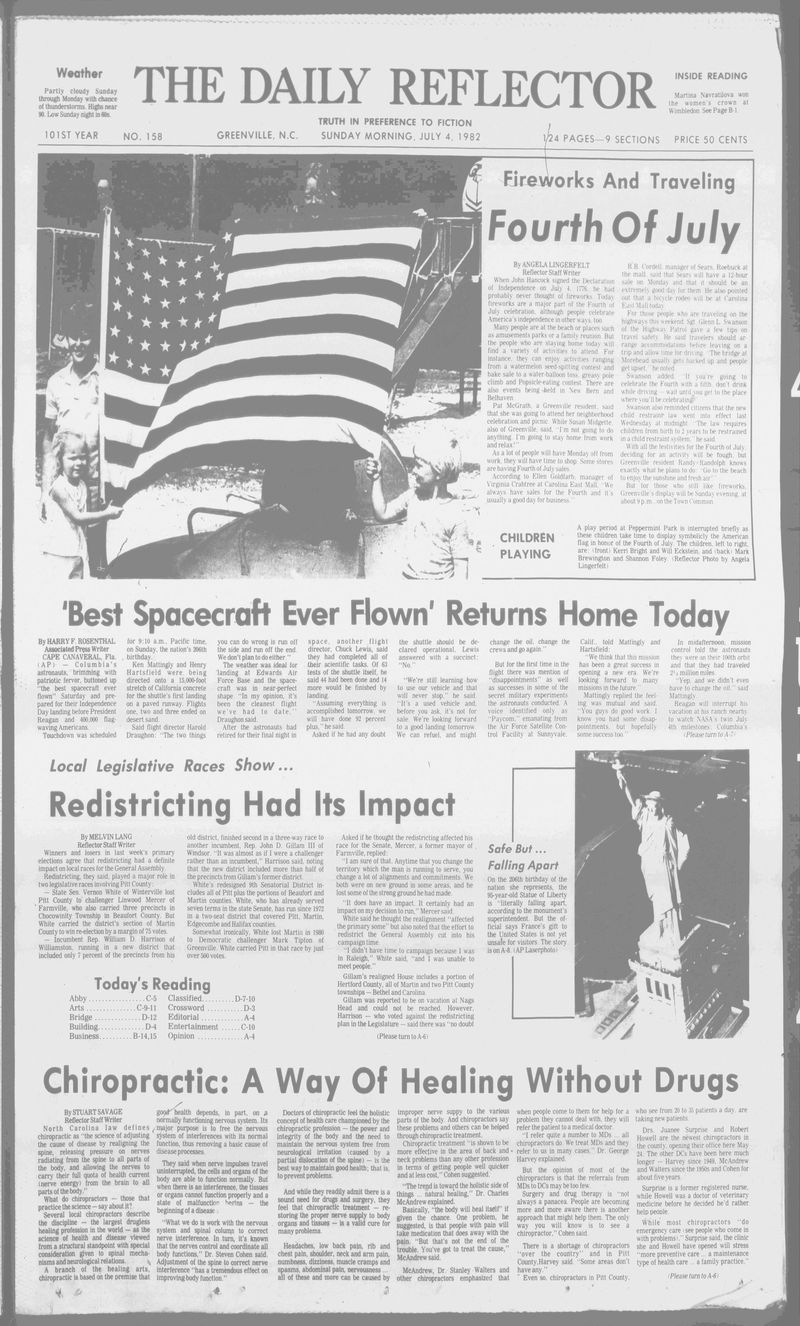
A joke that seems random today may have made instant sense in the 1980s. The Golden Girls often mentions public figures and political groups familiar to its original audience.
References to Yasser Arafat, the PLO, or consumer advocate David Horowitz depend on that shared background. When a punch line puzzles you, look up the name and its historical context.
Understanding the reference can reveal whether the writers were teasing celebrity, politics, advertising, or everyday public worries.
12. Cheers Makes Belonging the Real Attraction
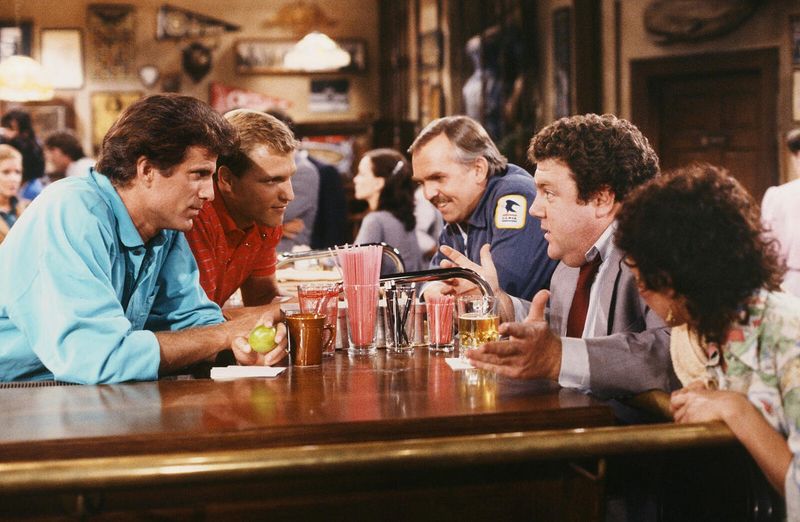
Walking into a room where people recognize you can feel like coming home. Cheers builds much of its appeal around that feeling, with regulars returning for conversation as much as drinks.
The bar fits the idea of a third place, somewhere beyond home and work where community grows. Reading the show this way highlights loneliness and belonging beneath the insults.
It does not prove the writers intended a warning about disappearing gathering spaces across America.
13. Mr. Schwamp Remains a Quiet Mystery
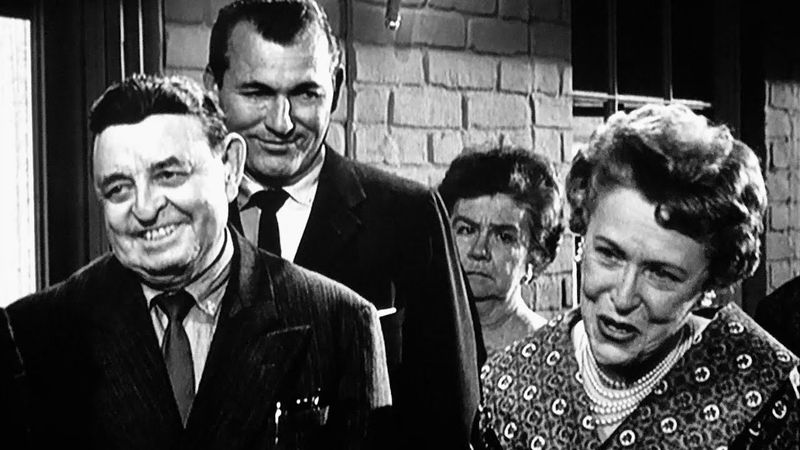
Among Mayberry’s talkative neighbors, one familiar man mostly offers smiles and nods. Mr. Schwamp appears repeatedly on The Andy Griffith Show, yet the performer’s identity remains a longstanding mystery.
Fans have searched for records and compared photographs, but guesses should not be treated as settled answers. His presence shows how even a silent background player can help a fictional town feel populated.
During a rewatch, check group scenes for the face you might usually overlook.
14. Unseen Neighbors Make Mayberry Feel Larger
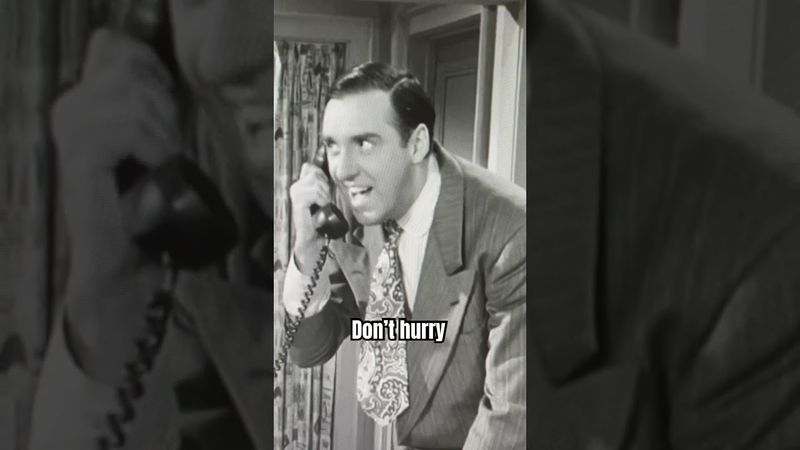
A telephone conversation can suggest an entire town without showing another street. On The Andy Griffith Show, Sarah the operator and Juanita are frequently mentioned but remain unseen.
These offscreen characters let viewers imagine lives beyond the sheriff’s office and front porch. They also give familiar characters someone to address during quick jokes.
Listen for repeated names rather than searching only for faces, and Mayberry starts feeling bigger than the handful of sets shown onscreen.
15. The Brady House Cannot Quite Match Itself

Try mapping the Brady home, and its famous staircase creates a puzzle. The real house used for exterior shots and the studio rooms were separate spaces with different layouts.
The staircase on the set did not connect to an actual upstairs family home. It served the camera and the story, not a workable floor plan.
Comparing outside views with indoor scenes is a fun reminder that television houses are often carefully arranged illusions rather than buildings.
16. A Missing Toilet Reflects Television’s Old Rules
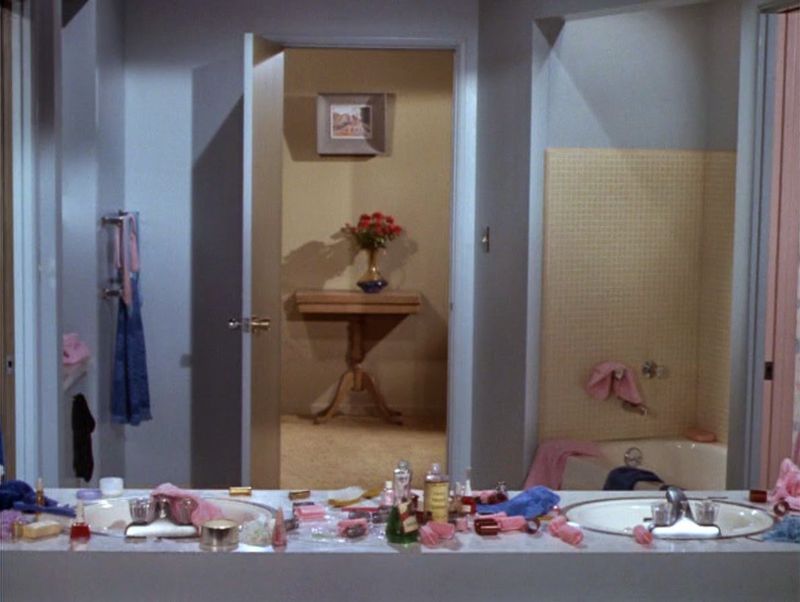
Six children share a bathroom, yet one basic fixture is famously missing. The Brady Bunch bathroom set does not show a toilet, a detail linked to television’s restrictive standards then.
Today’s viewers may find that omission stranger than anything the kids do. It reveals how networks shaped ordinary household scenes to fit ideas about acceptable viewing.
Examine older sitcom rooms for similar gaps, and production rules become another layer of the story behind the story.
17. Fast Brady Solutions Offer Comfort, Not a Rulebook
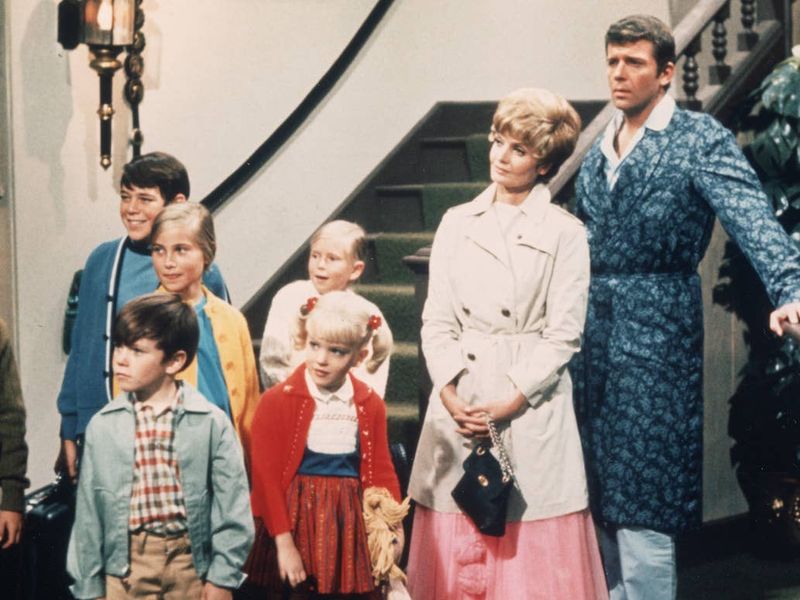
By the time the credits roll, a Brady family problem often feels neatly settled. Hurt feelings, rivalry, and mistakes usually lead to a talk and a clear lesson.
That pattern offers comfort, but it also presents an ideal version of family life. Real disagreements may need several conversations and outside help.
Enjoy the tidy ending while noticing what gets skipped: waiting, setbacks, and feelings that do not disappear simply because someone delivers a wise speech.
18. Frasier’s Skyline Sneaks in a Visual Joke
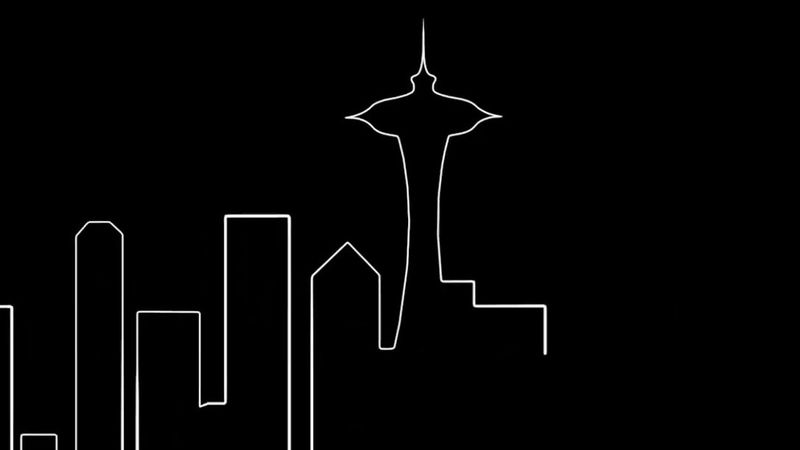
Before Frasier starts arguing, its opening offers a small visual treat. The simple Seattle skyline often includes a brief changing animation, such as a moving detail above the buildings.
These variations work as little jokes, not dependable evidence that time is passing inside the story. Keep watching through the title instead of skipping ahead, and compare the animations across episodes.
A few seconds of design can establish the show’s playful mood before anyone even speaks.
19. Radio Callers Hide Familiar Celebrity Voices

Recognize that voice on the phone? Frasier’s radio callers were often played by famous performers who never appeared in the studio scene.
Their voices gave short conversations extra personality while keeping attention on Frasier’s advice and mistakes. Some identities become clearer through the show’s acknowledgments and cast information.
Try guessing before checking the credits, but remember that recognition can be tricky: an actor may sound very different when playing someone nervous, angry, confused, or lonely.