
Hollywood has always had a glamorous surface, but beneath the glitter lay some truly shocking secrets. Long before social media could expose every detail, studios worked hard to keep their biggest stars out of trouble — or at least out of the headlines.
Many of these controversies shaped the laws, culture, and moral standards of an entire generation. These are the forgotten stories that remind us Old Hollywood was anything but innocent.
1. Roscoe “Fatty” Arbuckle and the Party That Ended Everything (1921)
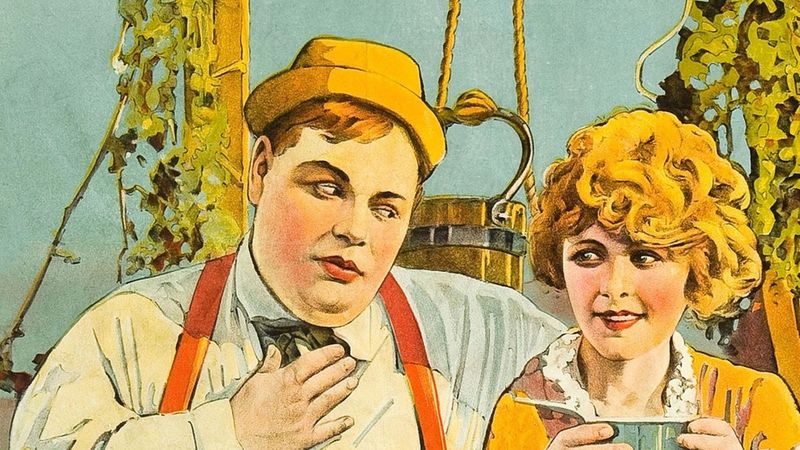
Few scandals rocked the silent film world harder than the Roscoe Arbuckle affair. After a Labor Day party in San Francisco, actress Virginia Rappe fell gravely ill and later died.
Arbuckle was accused of assault and manslaughter, triggering three sensational trials.
Though he was ultimately acquitted, his career never recovered. The case sparked a national moral panic and pushed studios to add “morality clauses” to every actor’s contract, forever changing how Hollywood managed its stars.
2. William Desmond Taylor’s Murder That Nobody Solved (1922)
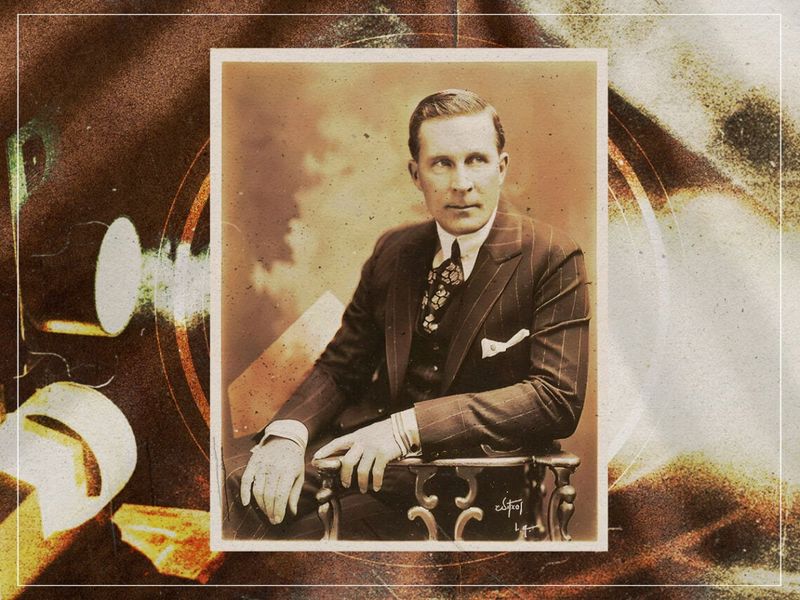
On a quiet February morning in 1922, director William Desmond Taylor was found shot dead inside his Los Angeles bungalow. No one was ever charged, and the case remains unsolved to this day.
The investigation pulled in famous names like actress Mabel Normand and young star Mary Miles Minter, dragging their reputations through the mud. Destroyed careers, missing evidence, and suspicious studio behavior made this one of early Hollywood’s most baffling mysteries.
3. Wallace Reid’s Hidden Addiction Shocked the Nation (1923)
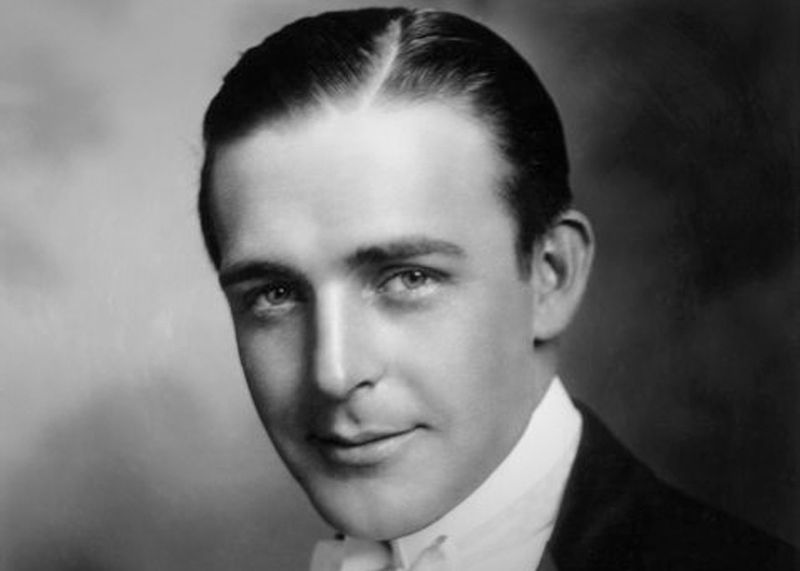
Wallace Reid was everything Hollywood wanted in a star — handsome, charming, and clean-cut. Behind closed doors, though, he was battling a severe morphine addiction that studios had quietly ignored for years.
When Reid died in a sanitarium at just 31, the public was stunned. His death cracked open a dark truth about Hollywood’s drug culture.
Studios scrambled to control the story, but the damage was done — audiences now knew their idols weren’t always who they seemed.
4. Olive Thomas and Hollywood’s First Big Drug Tragedy (1920)
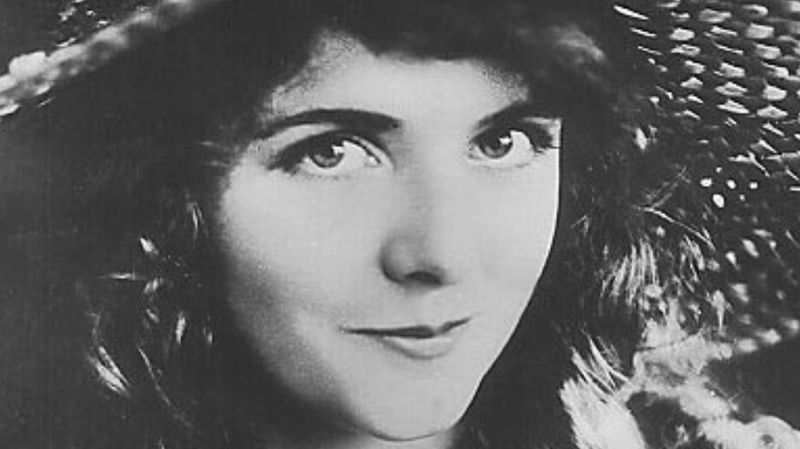
Olive Thomas was one of the brightest stars of the silent film era — a Ziegfeld Follies beauty turned movie sweetheart. In 1920, she died in Paris after accidentally ingesting mercury bichloride, a substance linked to her husband’s syphilis treatment.
Yellow press journalists sensationalized every detail. The tragedy became Hollywood’s first major drug-related death scandal, putting the industry’s wild lifestyle under a harsh public spotlight long before anyone was ready to address it honestly.
5. Studios Forced Actresses Into Secret Abortions for Decades
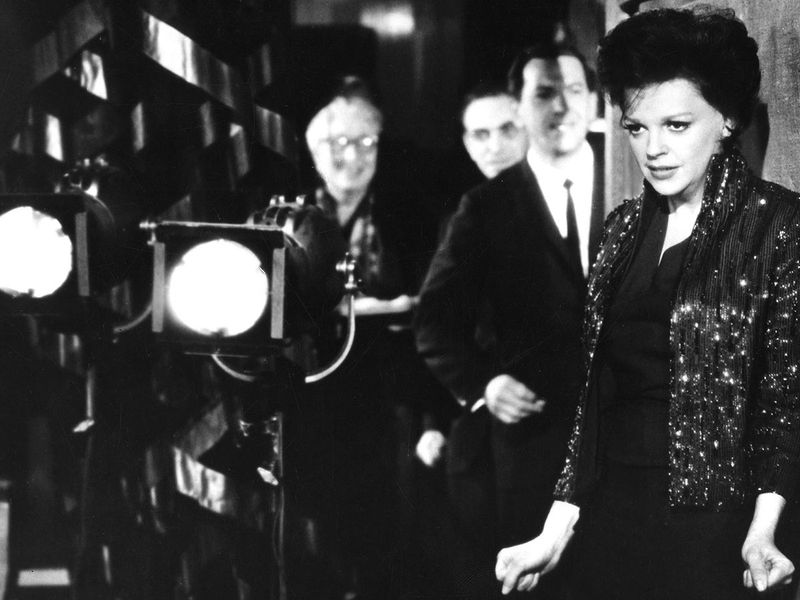
Behind the perfect smiles and glamorous gowns, many of Hollywood’s biggest female stars were quietly coerced into abortions by studio bosses who feared pregnancy would hurt box office returns. Judy Garland, Joan Crawford, and Lana Turner were among those who later spoke about these experiences.
Studios treated their actresses like investments, not people. These forced procedures caused lasting physical and emotional damage.
For decades, no one spoke openly about it — the studios made sure of that.
6. Morality Clauses Turned Stars Into Studio Property
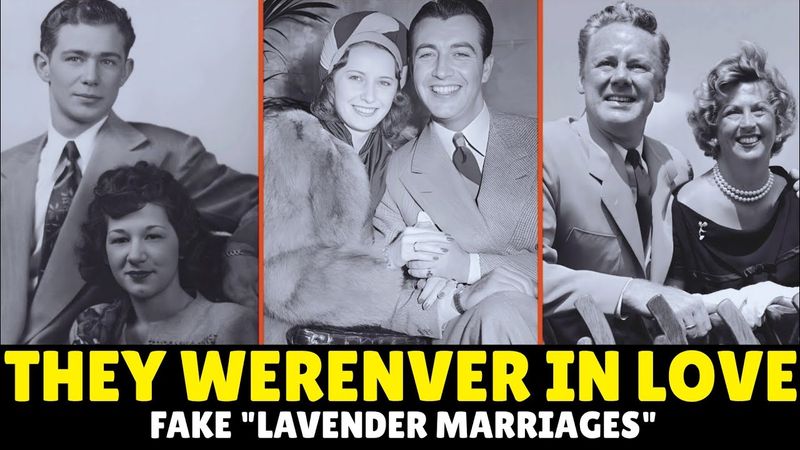
Signing a studio contract in Golden Age Hollywood meant handing over far more than your acting talent. Studios used morality clauses to control who stars dated, what they wore in public, how much they weighed, and even who they could marry.
“Lavender marriages” — fake unions arranged to hide a star’s true sexuality — were a direct result of this system. The studios built carefully crafted public personas that had little to do with reality, all to protect their financial investments.
7. Judy Garland Was Given Pills to Work Harder and Longer
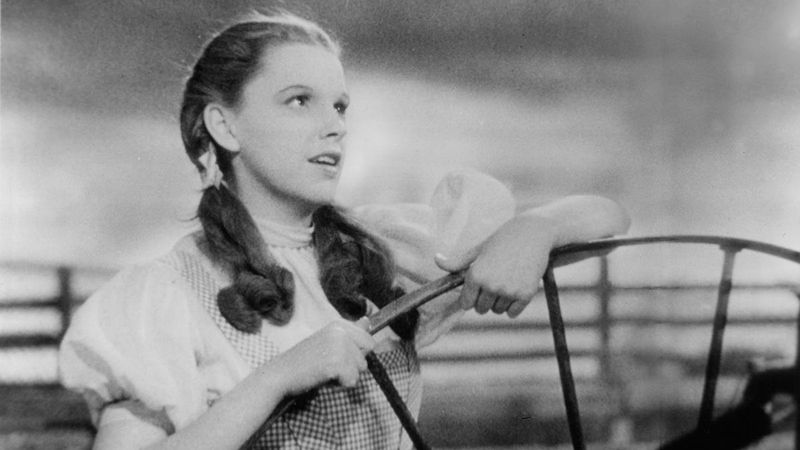
MGM studios reportedly gave teenage Judy Garland amphetamines to keep her energetic through exhausting, back-to-back shooting schedules. When the day was done, sedatives were handed out to help her sleep.
She was barely a teenager when this reportedly began.
The cycle of uppers and downers contributed to a lifetime of addiction and mental health struggles. Garland later spoke about the trauma openly.
Her story became one of the most heartbreaking examples of how the studio system exploited young talent without remorse.
8. Jackie Coogan’s Stolen Earnings Changed Child Actor Law Forever
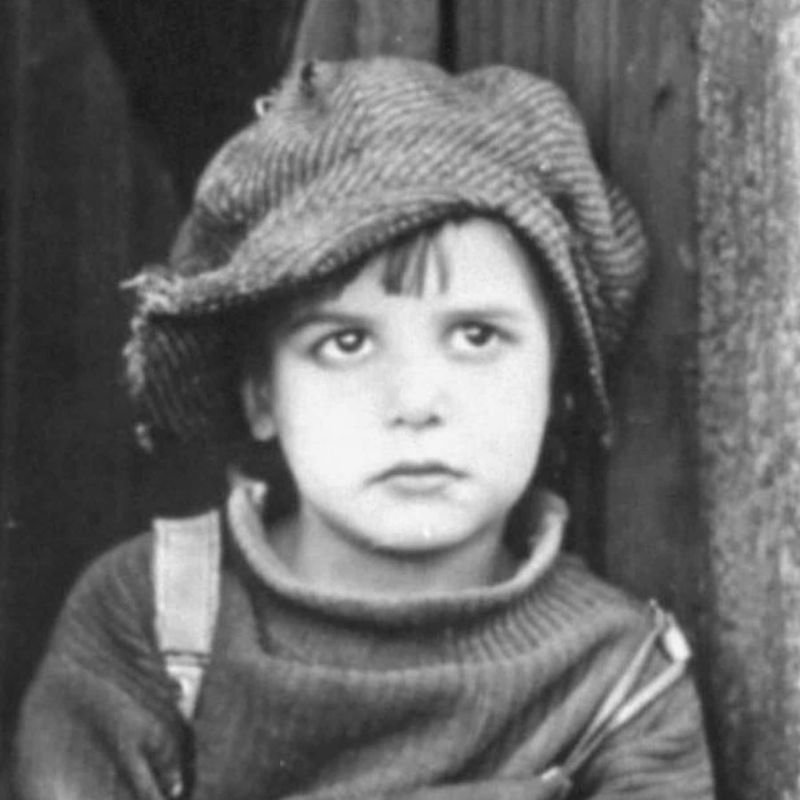
Jackie Coogan was one of the biggest child stars of the 1920s, earning millions alongside Charlie Chaplin. By the time he turned 21, nearly all of his money was gone — spent by his mother and stepfather on furs, jewels, and luxury cars.
Coogan sued his parents and won almost nothing. But his case sparked outrage across California.
In 1939, lawmakers passed the California Child Actors Bill — now called the Coogan Act — to protect child performers’ earnings from being taken by adults.
9. Ingrid Bergman Was Banished From Hollywood for Falling in Love
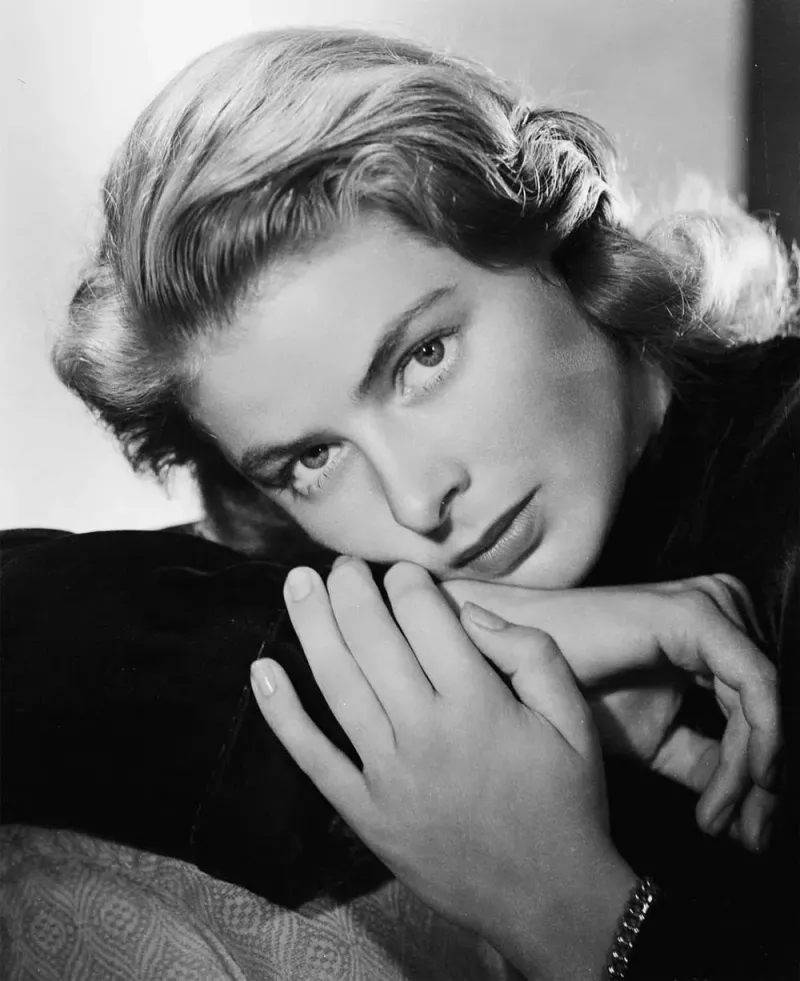
Ingrid Bergman was America’s sweetheart — graceful, talented, and universally admired. Then she left her husband for Italian director Roberto Rossellini and became pregnant with his child while still married.
The backlash was immediate and brutal.
A U.S. Senator publicly denounced her on the Senate floor as a threat to American morality.
She was effectively blacklisted from Hollywood for nearly seven years. Her eventual comeback, including an Academy Award win, proved that talent could outlast even the harshest public shaming.
10. Lana Turner’s Daughter Stabbed Her Mother’s Gangster Boyfriend (1958)
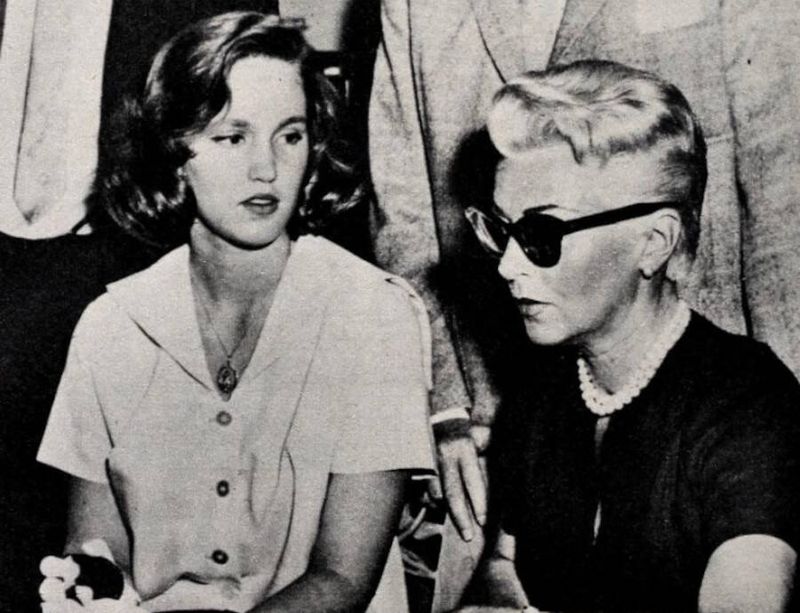
One April night in 1958, Lana Turner’s 14-year-old daughter, Cheryl Crane, fatally stabbed Turner’s boyfriend, small-time gangster Johnny Stompanato, claiming she acted to protect her mother from abuse. The story exploded across every newspaper in the country.
The trial became a spectacle, with Turner’s love letters to Stompanato read aloud in court. Cheryl was ruled to have acted in justifiable homicide.
Strangely, the scandal actually boosted Turner’s career — her next film became one of her biggest box office hits.
11. Errol Flynn’s Statutory Rape Trial Made Him More Famous (1943)
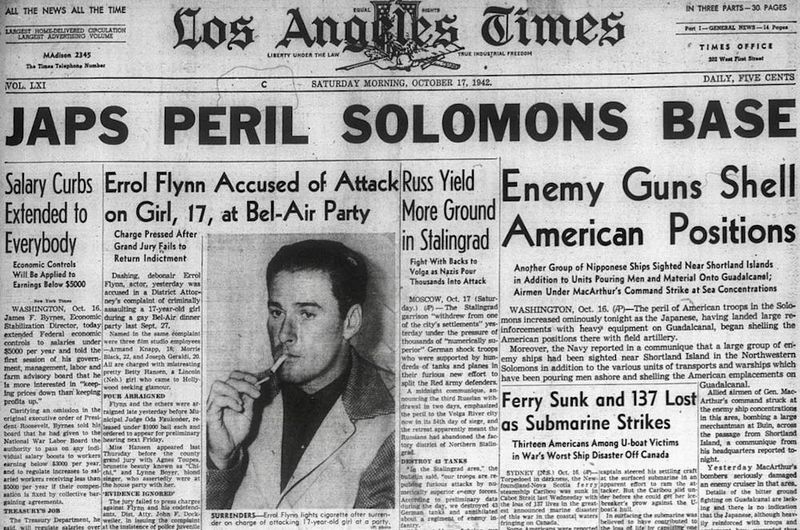
Errol Flynn was already famous for his devil-may-care screen persona when two teenage girls accused him of statutory rape in 1943. The trial was front-page news for weeks, full of salacious testimony that both shocked and entertained the public.
Flynn was acquitted on all charges. Bizarrely, the scandal made him more popular, not less.
The phrase “in like Flynn” entered the American language as a cheeky tribute to his reputation. His case showed just how differently society once treated accusations against powerful male stars.
12. Charlie Chaplin’s Troubled Relationships and Political Exile
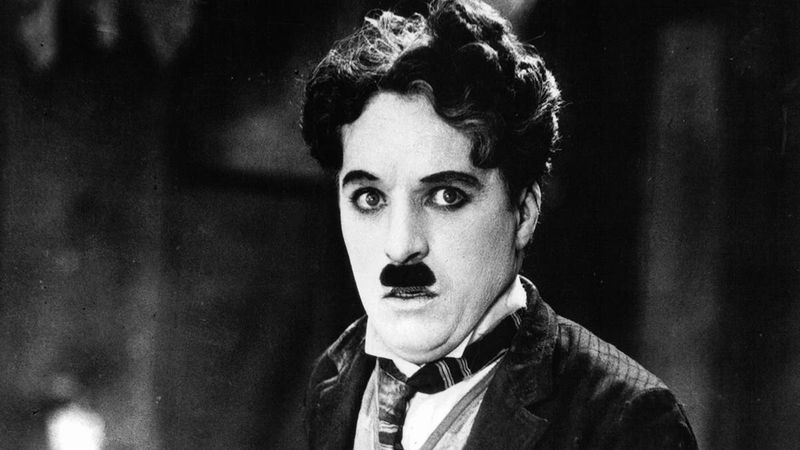
Charlie Chaplin’s personal life was as complicated as his genius was undeniable. He married twice before either bride turned 18, faced paternity lawsuits, and drew harsh criticism for relationships many considered deeply inappropriate by any standard.
The FBI, led by J. Edgar Hoover, also suspected Chaplin of Communist sympathies.
When he left the U.S. in 1952, his reentry permit was revoked. He spent the rest of his life in Switzerland, never fully welcomed back to the country that had made him a legend.
13. Loretta Young and Clark Gable Hid Their Daughter for Decades
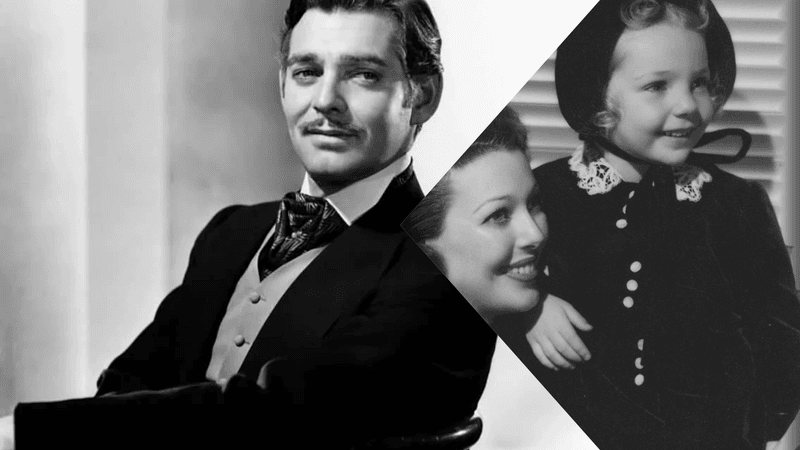
During the filming of “The Call of the Wild” in 1935, Loretta Young became pregnant by her married co-star Clark Gable. Rather than face the scandal publicly, she quietly gave birth and then staged an “adoption” of her own daughter, Judy.
For years, Young maintained the fiction. Judy herself didn’t learn the full truth until she was an adult.
The lengths Young went to in order to protect her Catholic image and Hollywood career showed just how ruthlessly reputation management worked in that era.
14. Rock Hudson’s Fake Marriage Hid His True Identity for Years
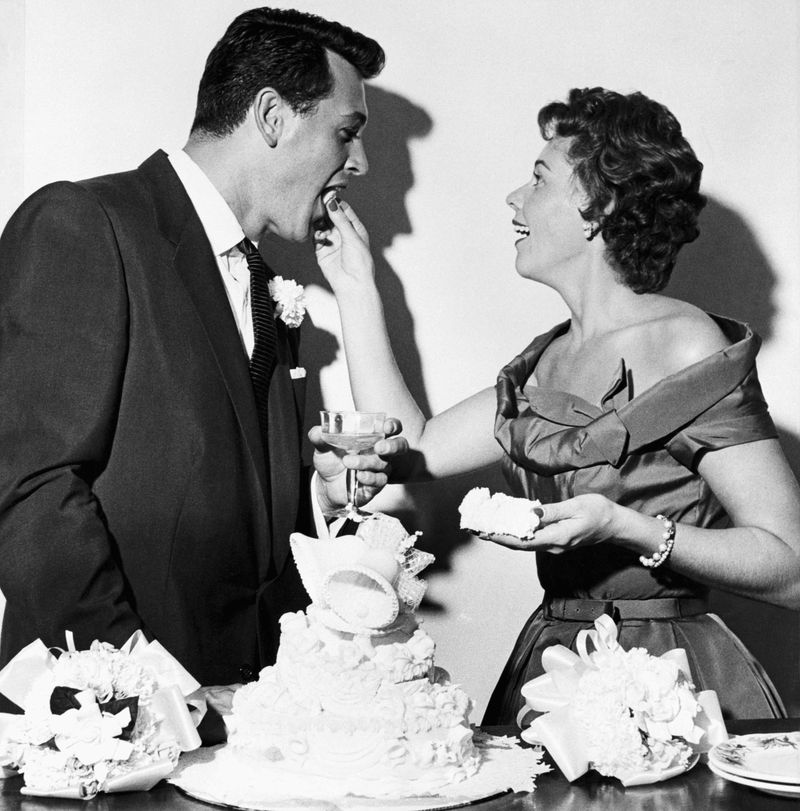
Rock Hudson was the ultimate Hollywood heartthrob — tall, rugged, and irresistible on screen. Off screen, he was gay at a time when that alone could destroy a career.
Universal Studios arranged for him to marry his agent’s secretary in what became known as a “lavender marriage.”
The union lasted three years and served its purpose — keeping the rumors quiet. Hudson’s secret remained hidden for decades.
He became the first major celebrity to publicly acknowledge an AIDS diagnosis in 1985, shocking a nation still in denial about the epidemic.
15. Hollywood Madam Brenda Allen Exposed LAPD Corruption (1940s)
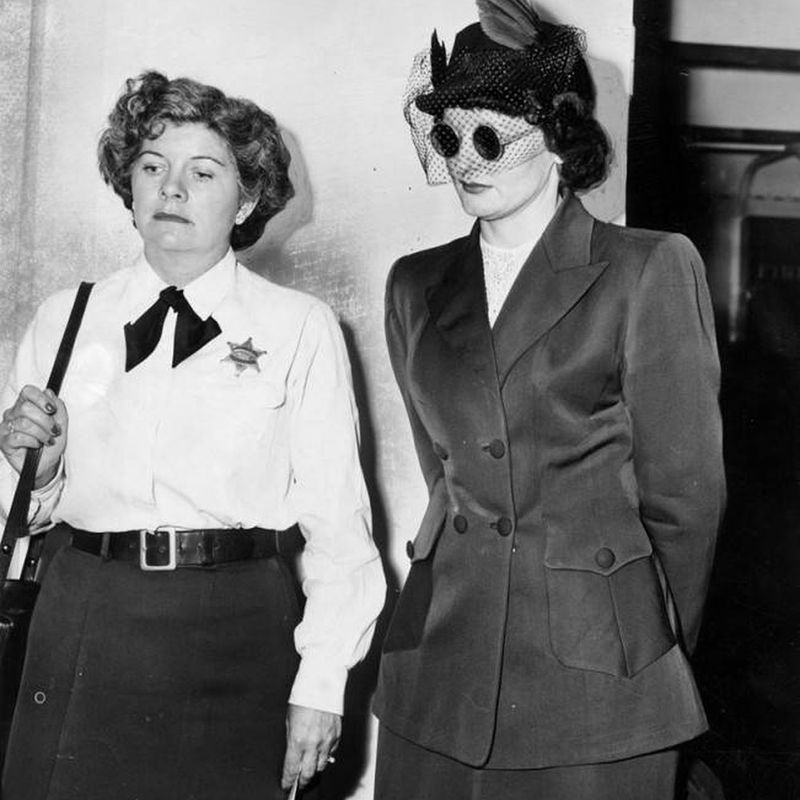
Brenda Allen ran one of Los Angeles’s most profitable prostitution rings in the 1940s, and her client list reportedly included powerful Hollywood figures. What made the scandal truly explosive was what it revealed about the LAPD.
Officers weren’t just looking the other way — some were actively protecting her operation in exchange for money and favors. The resulting investigation shook the department to its core.
The case became a symbol of how deeply corruption had taken root in the city that Hollywood built, polished, and sold to the world.
16. Elizabeth Taylor, Eddie Fisher, and Debbie Reynolds’ Very Public Love Triangle (1959)
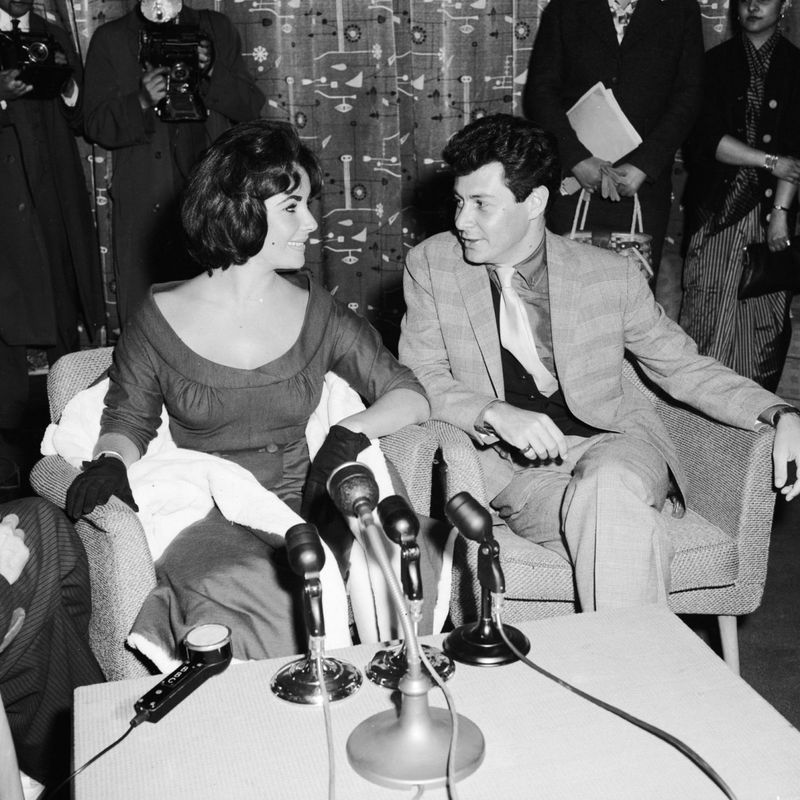
When Elizabeth Taylor began an affair with singer Eddie Fisher shortly after the death of her husband Mike Todd, America was outraged. The scandal stung even more because Fisher was married to Debbie Reynolds — Taylor’s own close friend.
Reynolds became a symbol of wronged womanhood, while Taylor was cast as the villain. The press coverage was relentless.
Ironically, Taylor would later leave Fisher for Richard Burton, making the whole saga look like just the opening act of an even bigger Hollywood love story.
17. The FBI Destroyed Jean Seberg’s Life Over Her Activism (1960s-70s)
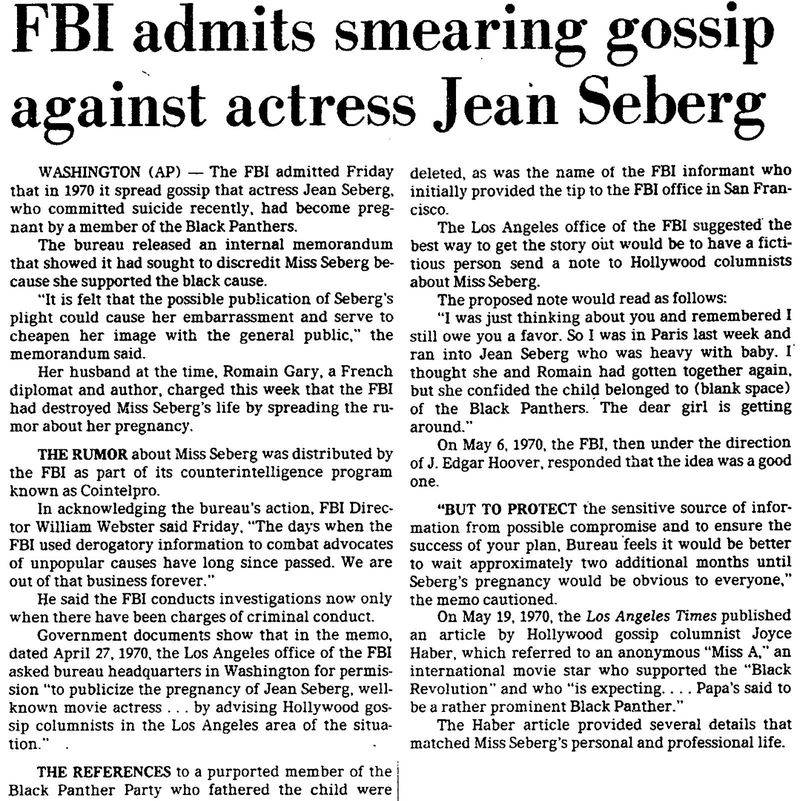
Jean Seberg was a celebrated actress with a promising career when the FBI decided she was a threat. Her financial support for the Black Panther Party put her on J.
Edgar Hoover’s radar, and the bureau responded with a smear campaign straight out of a spy novel.
Agents planted false stories claiming her unborn child was fathered by a Black activist. The stress contributed to a miscarriage and years of severe mental health struggles.
Seberg died in 1979 at 40, her life derailed by a government operation designed to silence her voice.
18. Humphrey Bogart and Lauren Bacall’s Scandalous Set Romance
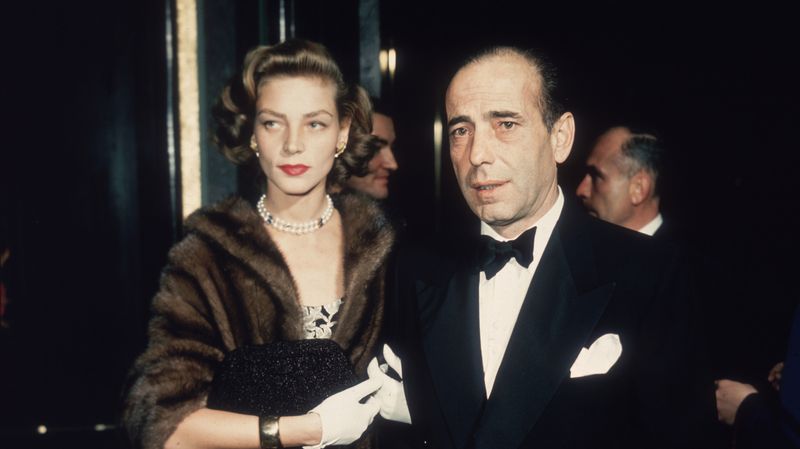
When Humphrey Bogart met 19-year-old Lauren Bacall on the set of “To Have and Have Not” in 1944, sparks flew immediately. The problem?
Bogart was still married to his volatile third wife, Mayo Methot, and the affair became impossible to hide.
The press had a field day with the 25-year age gap and the messy circumstances. But the chemistry between Bogart and Bacall was undeniable both on and off screen.
They married in 1945 and became one of Hollywood’s most beloved real-life couples, scandal and all.
19. George Reeves’ Death Left More Questions Than Answers (1959)
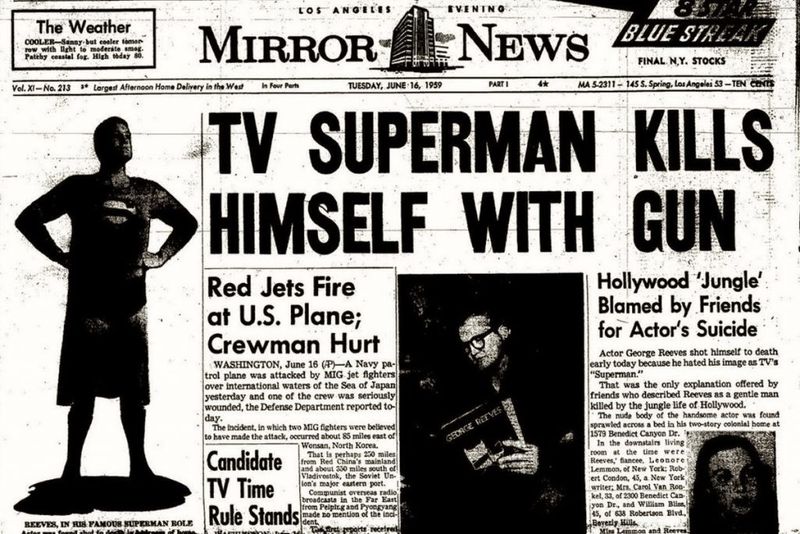
To millions of kids in the 1950s, George Reeves was Superman. But in June 1959, he was found dead from a gunshot wound in his Benedict Canyon home, and the official ruling of suicide never quite satisfied everyone who looked closely at the facts.
Reeves had a long affair with Toni Mannix, wife of powerful MGM fixer Eddie Mannix. When Reeves got engaged to someone else, rumors swirled about threats and jealousy.
The case was never reopened, leaving behind one of Hollywood’s most enduring and unsettling unsolved mysteries.