
Some hard experiences leave marks that nobody else can see. You might brush them off, only to notice later that your sleep, confidence, or relationships have changed.
Understanding those effects can help you stop blaming yourself and find support that fits. Not everyone reacts the same way, and lasting stress does not mean you are broken.
1. Never Knowing Whether Money Will Last
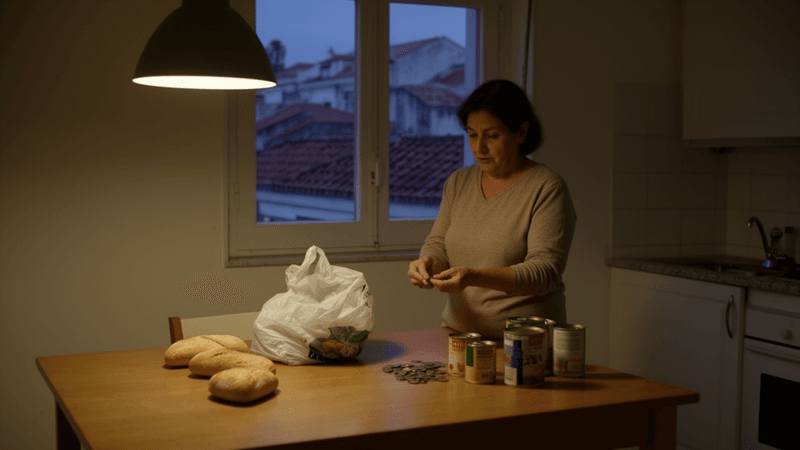
A grocery bill can feel like a threat when your bank balance is nearly empty. Constant money worries may keep your body on alert, making sleep, focus, and patience harder to maintain.
Even after finances improve, fear of running out can linger. Start with one manageable step, such as asking about food assistance or a payment plan.
Financial hardship is not a character flaw, and practical help matters alongside emotional support during difficult times too.
2. Losing a Job That Shaped Your Identity

Suddenly, the question about what you do for work feels painful. Losing employment can take away income, daily structure, friendships, and a sense of purpose all at once.
That mix can bring grief, shame, or anxiety, even when the layoff was beyond your control. Build a simple routine with time for applications, meals, movement, and rest.
Stay connected with people who value more than your job title. Your worth never depended on a paycheck alone.
3. Carrying Grief Without Enough Support

Everyone else seems to move forward, but an ordinary song still stops you cold. Grief has no fixed deadline, and waves of sadness do not mean you are handling loss badly.
However, ongoing distress that makes daily life very difficult deserves attention. Sharing memories, keeping small routines, or joining a grief group may help.
A counselor can offer support when yearning, numbness, or isolation stays overwhelming. You do not have to face every anniversary alone.
4. Living With Constant Put-Downs

Small insults can leave a big echo when you hear them every day. A partner, relative, or coworker who regularly mocks or controls you may slowly weaken your trust in yourself.
You might begin checking every word or apologizing for normal needs. Notice patterns rather than judging each incident alone.
Talk privately with someone trustworthy, and consider professional guidance. If abuse is involved, seek confidential safety planning instead of feeling pressured to confront the person.
5. Growing Up With Impossible Standards

An excellent grade can still feel like failure when only perfection earns praise. Over time, impossible standards may teach you that mistakes make you less worthy of love or respect.
That belief can fuel worry, endless checking, or putting tasks off because starting feels risky. Practice finishing something at a reasonable standard rather than polishing forever.
Speak to yourself as you would to a struggling friend. Progress includes learning, resting, and getting things wrong sometimes.
6. Staying Under Pressure Without Recovery

The deadline ends, and another one takes its place. When school or work never lets up, your mind may struggle to switch off, even during time meant for rest.
Long stretches of pressure can affect attention, mood, and energy. Working harder is not always the answer.
Ask which tasks truly matter, discuss realistic limits, and protect breaks when possible. If exhaustion keeps growing, seek support rather than treating burnout as proof of dedication or strength.
7. Surviving a Disaster or Frightening Event

A loud sound or weather alert may bring fear rushing back long after danger passes. Surviving a disaster, serious accident, or violence can change how safe the world feels.
Some people recover steadily; others experience nightmares, avoidance, or a lasting sense of alarm. Familiar routines and trusted company can help restore stability.
Avoid forcing yourself to retell every detail. When reactions disrupt daily life, a qualified mental health professional can help you explore treatment options.
8. Getting Too Little Sleep for Too Long

Running on fumes can start to feel normal. Yet regularly missing sleep can affect memory, patience, judgment, and mood, making ordinary problems seem harder than they usually are.
Poor sleep and emotional distress can also feed each other. Try keeping a steady wake time and reducing late caffeine when possible.
Shift work, caregiving, and health conditions may require extra help. Persistent insomnia, loud snoring, or severe daytime sleepiness are good reasons to consult a clinician.
9. Learning to Hide Every Feeling

Being called strong can become a trap when it means never showing pain. If sadness or anger was unwelcome growing up, you may have learned to push feelings aside automatically.
That habit can make it harder to understand your needs or connect with others. Start small by naming one emotion without judging it.
Writing privately or speaking with a safe person may help. Feelings do not demand immediate action, but they deserve your honest attention.
10. Measuring Your Life Against Online Highlights

Five minutes of scrolling can turn a decent day into a comparison contest. Carefully chosen photos hide the boring, painful, and messy parts of other people’s lives.
Repeated comparisons may chip away at confidence or worsen body worries, especially when your feed feels impossible to match. Notice how different accounts affect your mood.
Mute those that leave you feeling smaller, and make room for offline activities. Your everyday life is not competing with someone’s advertisement.
11. Being Bullied and Told to Ignore It

The hallway feels unsafe before anyone says a word. Repeated bullying can teach someone to expect rejection, watch for threats, or stay quiet to avoid becoming a target again.
Those habits may continue after school ends or a workplace changes. Being harmed was not your fault, and ignoring it is not always enough.
Save evidence of online harassment, involve a trusted adult or supervisor, and seek support. Safe friendships can help rebuild trust over time.
12. Feeling Emotionally Invisible at Home
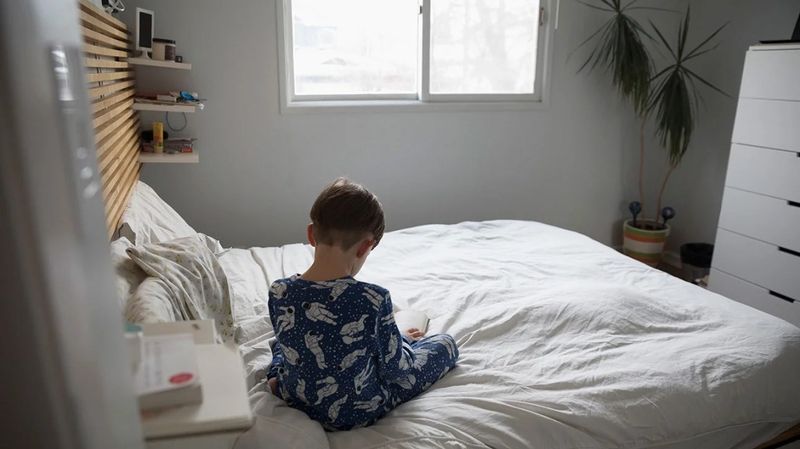
A home can provide meals and shelter while leaving feelings unnoticed. When comfort, interest, or encouragement is often missing, children may learn that their inner lives do not matter.
As adults, they might struggle to ask for help or even recognize what they need. This does not mean every quiet family causes harm.
Look for repeated patterns and their effects. Supportive relationships and therapy can help build emotional skills that were not taught early on.
13. Becoming the Responsible One Too Early
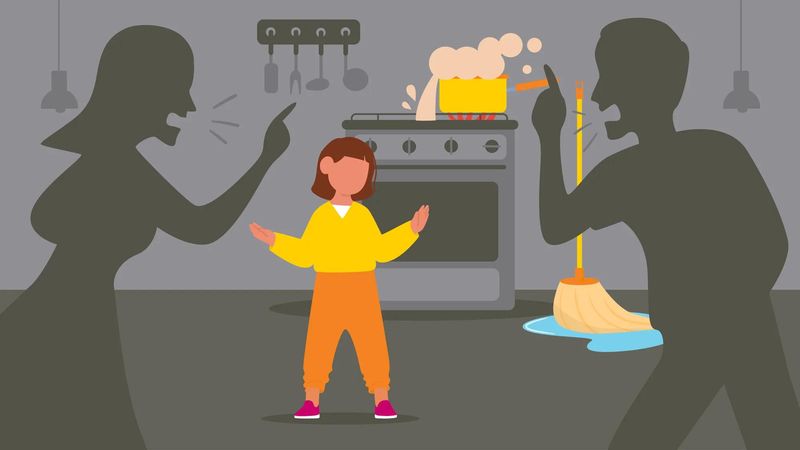
Some children become the family planner, peacekeeper, or emotional support before they are ready. Helping occasionally is different from regularly carrying responsibilities that belong to adults.
Growing up this way may make rest feel selfish and asking for help feel unsafe. You might become skilled at caring for everyone except yourself.
Practice sharing tasks and noticing your limits. A counselor can help untangle guilt from responsibility, while reminding you that receiving care is allowed too.
14. Caring for Someone Without Getting a Break

Love does not cancel exhaustion. Looking after a sick relative or someone with ongoing needs can bring meaning, but it can also leave little space for sleep, friendships, or personal health.
Guilt may appear whenever you want time away. Needing relief does not mean you care less.
Ask others for specific tasks, explore respite services, and keep your own medical appointments. Even small, reliable breaks can matter when caregiving demands continue month after month steadily.
15. Facing Discrimination Again and Again

Having to wonder whether you will be treated fairly is tiring. Repeated unfair treatment based on identity can create stress that follows someone into classrooms, workplaces, healthcare, and daily errands.
Anticipating the next incident may make it harder to relax or feel welcome. The problem is the mistreatment, not a failure to stay positive.
Seek communities that affirm you, document incidents when safe, and explore formal support channels. Professional care can address the emotional strain.
16. Spending Long Stretches Without Connection

A quiet phone can feel heavier than a crowded calendar suggests. Loneliness is about missing meaningful connection, so it can happen even when other people are nearby.
Over time, isolation may affect mood and make reaching out seem more difficult. Start with repeated, low pressure contact, such as a walking group, library activity, or regular call.
One steady relationship may matter more than many casual contacts. If withdrawal comes with persistent sadness, consider professional support.
17. Having Your Trust Broken

After a serious betrayal, even kind gestures can raise suspicion. Being deceived by someone close may shake your confidence in other people and in your own judgment.
You might replay conversations, search for warning signs, or avoid closeness altogether. Give yourself time before making major relationship decisions when possible.
Rebuilding trust requires consistent behavior, not just promises. Clear boundaries and outside support can help you decide what feels safe without demanding forgiveness or reconciliation immediately.
18. Living With Pain That Others Cannot See

You can look fine and still spend the day managing pain. Ongoing symptoms may drain energy, interrupt sleep, and make plans uncertain, especially when others question whether anything is wrong.
That doubt can add loneliness to an already difficult situation. Track symptoms if useful, discuss treatment goals with a clinician, and plan activities around your available energy.
Emotional support belongs alongside medical care. Needing adjustments is not laziness, and a better day does not erase illness.
19. Losing a Stable Place to Call Home

Packed boxes can mean possibility, but repeated unwanted moves often mean uncertainty. Housing loss or unstable living arrangements can disrupt friendships, school, work, and the basic feeling of having somewhere safe.
Even after settling down, you may stay ready for the next sudden change. Keep small familiar routines when possible, and seek local housing or legal assistance early.
Children may need extra reassurance. Stability grows through practical support and dependable people, not simply being told to adjust.