
Most couples walk down the aisle with nothing but hope and big dreams, yet some everyday habits quietly chip away at even the strongest relationships. The scary part?
Many of these behaviors seem totally harmless at first glance. From how you argue to how much time you spend scrolling your phone, small patterns can snowball into serious problems.
Here are 19 habits that might be pushing your marriage closer to the breaking point without you even knowing it.
1. Constant Criticism of Your Partner

Words carry weight, and when they consistently tear someone down, the damage adds up fast. Criticizing your partner’s personality instead of addressing a specific behavior sends the message that you see them as fundamentally flawed.
Over time, this erodes self-esteem and breeds resentment. Instead of saying “You’re so lazy,” try “I felt overwhelmed when the dishes weren’t done.” Targeting behavior, not character, keeps conversations productive and protects the emotional safety both partners need to thrive.
2. Contempt: The Divorce Predictor No One Talks About

Researcher John Gottman calls contempt the single strongest predictor of divorce, and for good reason. Eye-rolling, mocking, sarcasm, and acting superior toward your spouse signals deep-seated disrespect that is incredibly hard to recover from.
Unlike frustration or anger, contempt communicates that you fundamentally look down on your partner. Couples who let contempt creep into their daily interactions often find themselves emotionally disconnected long before they ever consider separation.
Catching this habit early can genuinely save a marriage.
3. Getting Defensive Instead of Listening

Nobody likes feeling blamed, but responding to every concern with counter-attacks or playing the victim shuts down real conversation instantly. Defensiveness signals to your partner that their feelings don’t matter enough for you to pause and reflect.
Research shows couples who struggle with defensiveness rarely resolve conflicts effectively. Practicing phrases like “You might be right” or “Help me understand” can feel awkward at first but dramatically shifts the emotional temperature of even the most heated disagreements.
4. Stonewalling During Conflicts

Shutting down completely during an argument might feel like self-preservation, but your partner often experiences it as abandonment. Stonewalling, going silent, tuning out, or physically leaving the room, usually happens when someone feels emotionally flooded and overwhelmed.
The problem is that it leaves conflicts unresolved and your partner feeling invisible. Taking a structured 20-minute break and then returning to the conversation is far healthier than disappearing emotionally.
Stonewalling left unchecked can quietly hollow out a marriage over years.
5. Avoiding Conflict at All Costs

Keeping the peace sounds noble, but consistently dodging difficult conversations creates a pressure cooker effect in relationships. When important issues go unaddressed, frustration quietly piles up until it eventually boils over in destructive ways.
Conflict avoidance often masquerades as being “easygoing,” but it actually signals a lack of trust that the relationship can handle honest dialogue. Couples who learn to have uncomfortable conversations calmly and respectfully build far deeper bonds than those who pretend everything is always fine.
6. Infidelity and Eroding Trust

Trust is the foundation every marriage is built on, and nothing cracks it faster than infidelity, whether physical or emotional. Many people don’t realize that secretive texting, flirtatious friendships, or hiding emotional intimacy from a spouse can qualify as emotional affairs.
Once trust is broken, rebuilding it requires enormous effort, professional help, and genuine commitment from both partners. Couples who address boundary issues early, before lines get crossed, dramatically reduce the risk of infidelity derailing their marriage entirely.
7. Financial Secrets and Money Fights

Money arguments are one of the top reasons couples split up, and financial infidelity, hiding purchases, secret accounts, or lying about debt, is more common than most people admit. These secrets breed mistrust that bleeds into every other area of the relationship.
Even when there are no hidden accounts, couples with dramatically different spending habits need structured conversations about shared financial goals. Setting a monthly money check-in, no judgment allowed, helps partners stay aligned and reduces the financial stress that silently strains so many marriages.
8. Letting Intimacy Slowly Fade Away

Physical and emotional closeness don’t disappear overnight; they fade gradually through small daily neglects. Skipping hugs, abandoning date nights, or consistently prioritizing screens over conversation are quiet ways couples drift apart without realizing it.
Decreased intimacy creates a cycle where partners feel more like roommates than lovers, making it easier for resentment or loneliness to take hold. Intentionally carving out connection time, even just 15 minutes of undistracted conversation daily, can meaningfully reverse the slow erosion of closeness.
9. Holding Unrealistic Expectations About Marriage

Movies and social media have sold generations of couples a dangerously polished version of marriage that simply doesn’t exist. Expecting your spouse to complete you, never change, or fulfill every emotional need sets both of you up for chronic disappointment.
Real marriages involve seasons of frustration, boredom, and growth. Partners who enter marriage with flexible, realistic expectations adapt far better when life gets messy.
Therapy or honest premarital conversations can help recalibrate expectations before they quietly become relationship landmines waiting to explode.
10. Substance Abuse and Addiction

Addiction to alcohol, drugs, gambling, or other compulsive behaviors doesn’t just affect the individual; it pulls the entire marriage into its orbit. Financial resources drain, trust collapses, and the sober partner often becomes a caretaker rather than an equal.
Many couples try to manage addiction privately for years before seeking help, allowing the damage to compound quietly. Early intervention, whether through counseling, support groups, or treatment programs, gives marriages a far better chance of surviving the devastating ripple effects that addiction consistently leaves behind.
11. Unequal Household Labor and the Mental Load

When one partner consistently carries the bulk of household duties, childcare, and the invisible mental labor of keeping family life organized, resentment builds steadily beneath the surface. This imbalance, sometimes called weaponized incompetence when done deliberately, is a growing source of marital tension.
Many couples never explicitly discuss how responsibilities are divided, assuming things will naturally balance out. Having a direct, honest conversation about the division of labor and making visible adjustments can prevent the quiet bitterness that eventually becomes too heavy to carry.
12. Falling Into Codependency Patterns

Codependency sounds like deep love, but it’s actually a dysfunctional dynamic where one or both partners lose their individual identity in the relationship. Relying entirely on your spouse for emotional validation, self-worth, and all decision-making creates an unhealthy, suffocating bond.
Ironically, codependent couples often avoid honest conflict out of fear of rejection, which means real problems never get resolved. Building personal friendships, individual hobbies, and a sense of self outside the marriage actually strengthens the relationship rather than threatening it.
13. Taking Your Spouse for Granted

Familiarity is beautiful, but it can quietly breed neglect. When partners stop expressing gratitude, noticing efforts, or checking in emotionally, spouses begin feeling invisible, even while living under the same roof.
Studies consistently show that feeling appreciated is one of the most powerful predictors of marital satisfaction. Something as simple as saying “thank you” genuinely, leaving an unexpected note, or acknowledging a partner’s hard day can rebuild the emotional currency that keeps relationships feeling alive and worth protecting.
14. Letting Arguments Fester Into Resentment

Every couple argues, but the dangerous habit is letting those arguments pile up unresolved like unpaid emotional bills. When grievances are never fully addressed, they accumulate into a mountain of resentment that colors every future interaction.
Small irritations that were never discussed suddenly become proof of a pattern. Couples who practice “repair attempts,” small gestures like humor, apologies, or simply acknowledging a partner’s pain during conflict, are far more resilient than those who let wounds quietly harden into walls.
15. Marrying Very Young Without Life Experience
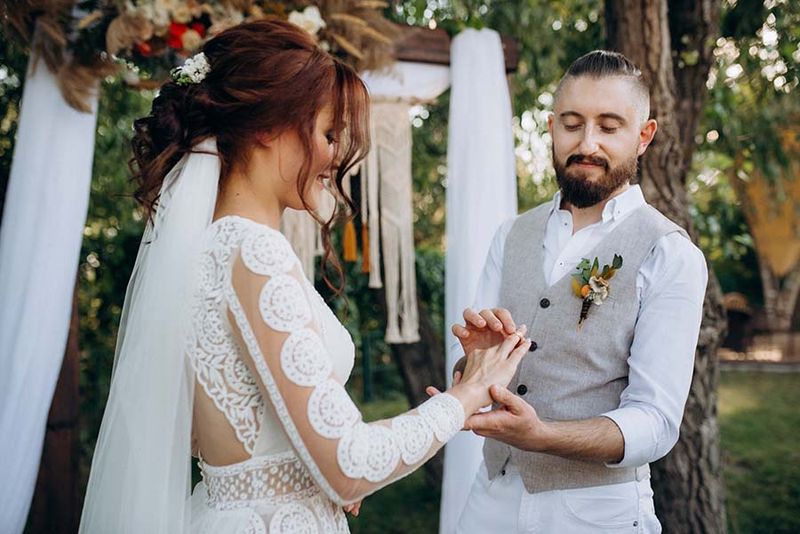
Getting married young isn’t automatically a recipe for disaster, but research consistently shows that couples who marry in their teens or very early twenties face significantly higher divorce rates. The reason is straightforward: people change enormously during those years.
Values, goals, and personalities that seemed perfectly matched at 19 can look completely different by 28. Couples who marry young and want to beat the odds benefit greatly from ongoing, honest conversations about how they’re each growing and whether they’re still genuinely growing in the same direction.
16. Growing Up With Divorced Parents

Children of divorce are statistically more likely to divorce themselves, and understanding why can actually help break the cycle. Growing up watching parents split can shape beliefs about commitment, conflict resolution, and whether marriages are truly meant to last.
Trust issues and ambivalence about long-term relationships often trace back to early family experiences. Awareness is genuinely powerful here.
People who recognize these inherited patterns and actively work through them, often with a therapist, can rewrite the story their childhood seemed to be writing for them.
17. A Previous Divorce Raising the Risk Again

Statistics show that second and third marriages carry even higher divorce rates than first marriages, which surprises a lot of people. The assumption is that experience should make us better partners, but unresolved patterns and baggage often follow us into new relationships.
Without genuine self-reflection and sometimes professional support, the same dynamics that ended a first marriage can quietly resurface. Remarried couples who invest in premarital counseling and maintain open communication about past wounds tend to build far more durable second chapters.
18. Growing Apart Due to Mismatched Values

Two people can genuinely love each other and still grow apart when their core values, life goals, or beliefs evolve in opposite directions. This kind of drift is particularly sneaky because it happens gradually over years rather than in one dramatic moment.
Couples who regularly check in about big-picture goals, parenting philosophies, career ambitions, and personal values are far better equipped to navigate change together. Shared purpose doesn’t mean being identical; it means consistently choosing to understand and respect where your partner is heading.
19. Excessive Social Media Use Straining the Marriage

Scrolling through perfectly curated highlight reels of other people’s lives is a surprisingly effective way to feel dissatisfied with your own marriage. Heavy social media use fuels comparison, breeds insecurity, and quietly replaces genuine connection with digital distraction.
There’s also the secrecy factor: private messages, emotional connections formed online, and hidden accounts can become serious threats to marital trust. Couples who set intentional phone-free times, especially during meals and before bed, report feeling significantly more connected and less likely to seek emotional fulfillment elsewhere.