
Cheese is one of those ingredients that can completely transform a dish, whether you are melting it over pasta, crumbling it on a salad, or serving it on a charcuterie board. With so many varieties out there, it can feel overwhelming to know which cheese to reach for and when.
Learning the basics of different cheeses gives you a real edge in the kitchen. Once you understand what each one does best, cooking with cheese becomes a whole lot more fun and delicious.
1. Mozzarella
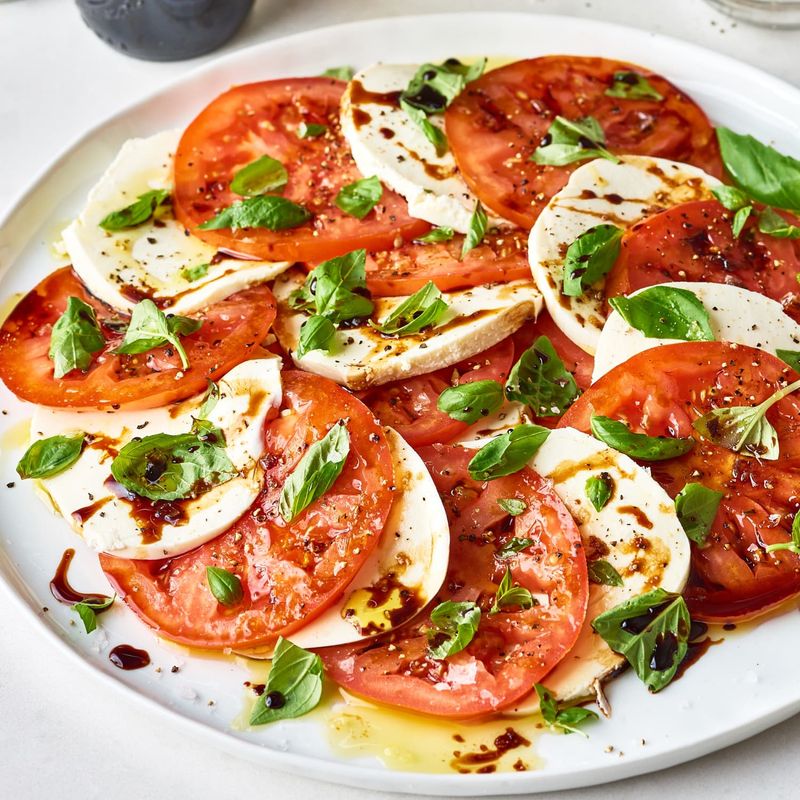
Fresh mozzarella is the stretchy, creamy star of countless Italian dishes. Originally made from buffalo milk in southern Italy, it has a mild, milky flavor that pairs beautifully with tomatoes and fresh herbs.
It melts like a dream, making it the go-to choice for homemade pizza and baked pasta. Low-moisture mozzarella works best for cooking, while fresh mozzarella shines in cold dishes like Caprese salad.
2. Cheddar
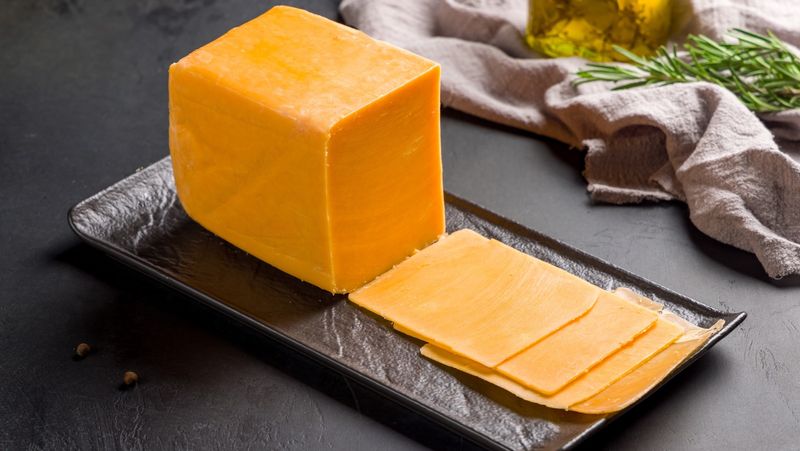
Cheddar is probably the most familiar cheese in American kitchens, and for good reason. It ranges from mild and creamy to sharp and crumbly, depending on how long it has been aged.
Mild cheddar melts smoothly into mac and cheese or grilled cheese sandwiches. Sharp cheddar brings bold flavor to burgers, soups, and casseroles.
Aged cheddar even crumbles nicely over salads for a punchy, satisfying bite.
3. Parmesan
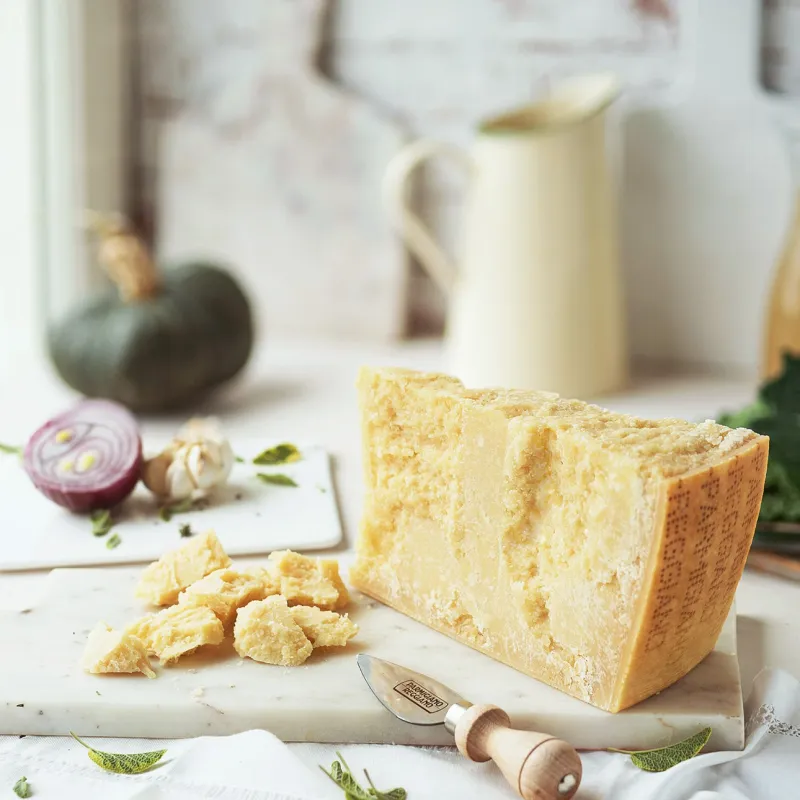
Parmesan is the king of hard cheeses, and a little goes a long way. Aged for at least 12 months, real Parmigiano-Reggiano from Italy has a nutty, salty, deeply savory flavor that instantly upgrades any dish.
Grate it over pasta, risotto, or roasted vegetables for an umami boost. It also melts into sauces beautifully.
Keep a wedge in your fridge and you will always have a secret weapon ready to go.
4. Brie

Brie looks fancy, but it is surprisingly easy to work with. This soft French cheese has a pale, edible rind and a buttery, creamy center that becomes almost liquid when warmed.
Bake it in the oven with honey and nuts for a crowd-pleasing appetizer, or slice it onto a cheese board alongside fruit and crackers. Its mild richness pairs wonderfully with apple slices, crusty bread, and even a drizzle of jam.
5. Gruyere

Gruyere is the secret behind some of the most satisfying comfort foods in the world. This Swiss cheese has a smooth, slightly sweet, and nutty flavor that deepens as it ages.
It melts evenly without turning greasy, which makes it perfect for French onion soup, fondue, and croque monsieur sandwiches. Home cooks who discover Gruyere quickly find themselves reaching for it again and again whenever a recipe calls for a melting cheese with real depth.
6. Feta
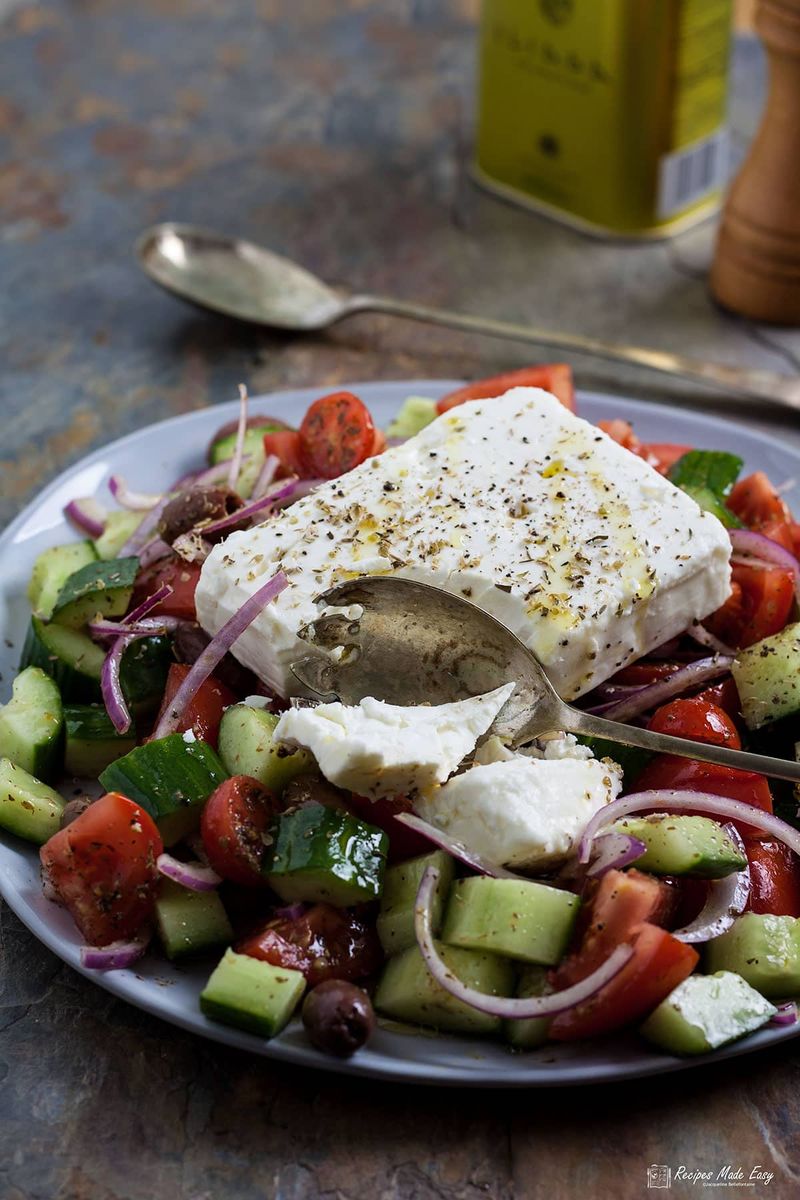
Salty, tangy, and crumbly, feta is a staple of Mediterranean cooking and one of the world’s oldest cheeses. Made traditionally from sheep’s milk in Greece, it has a bold flavor that punches above its weight.
Crumble it over salads, roasted vegetables, or grain bowls for instant brightness. Feta also bakes beautifully, as the viral baked feta pasta trend proved.
It does not melt the same way other cheeses do, but it softens and gets wonderfully creamy when heated.
7. Ricotta
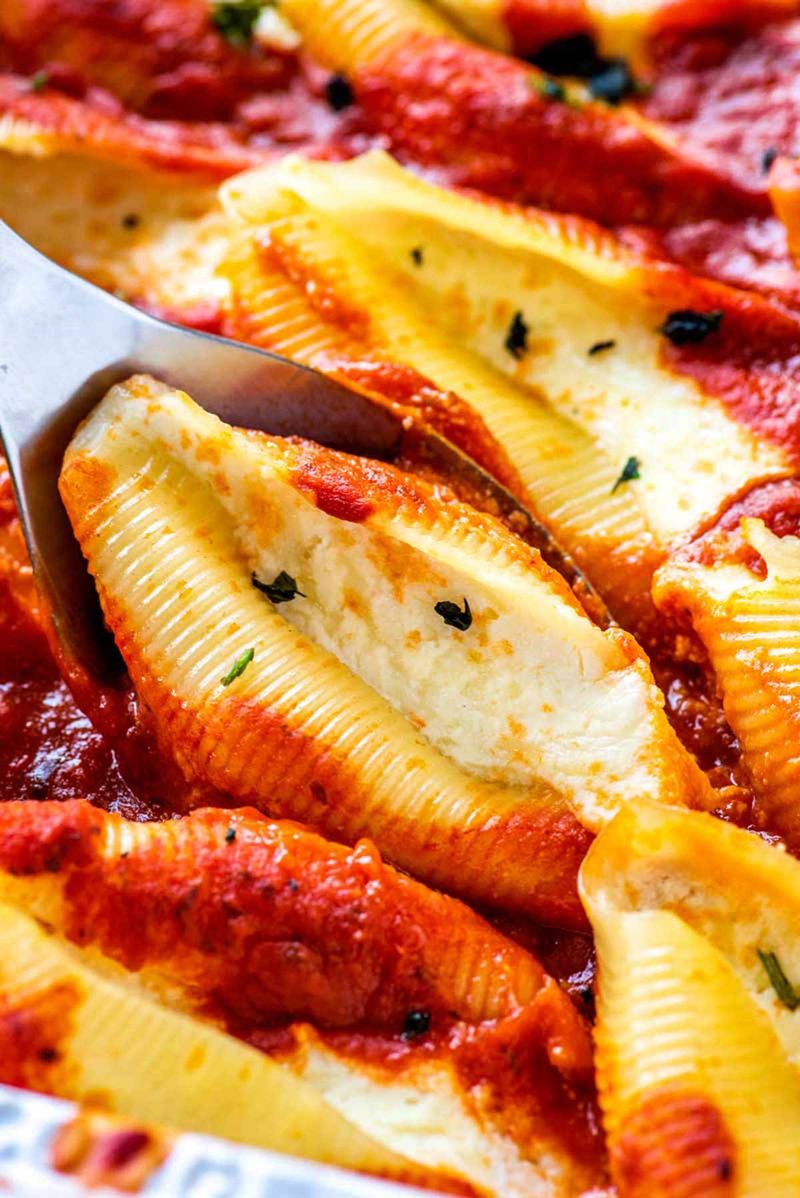
Ricotta has a light, fluffy texture and a gently sweet flavor that makes it incredibly versatile. Technically a byproduct of cheesemaking, it is made by reheating whey left over from other cheeses.
Use it as a filling for lasagna, stuffed shells, or cannoli. Spread it on toast with honey and berries for a quick breakfast treat.
Ricotta also works beautifully in pancake batter, adding moisture and a subtle creaminess that regular milk simply cannot replicate.
8. Gouda
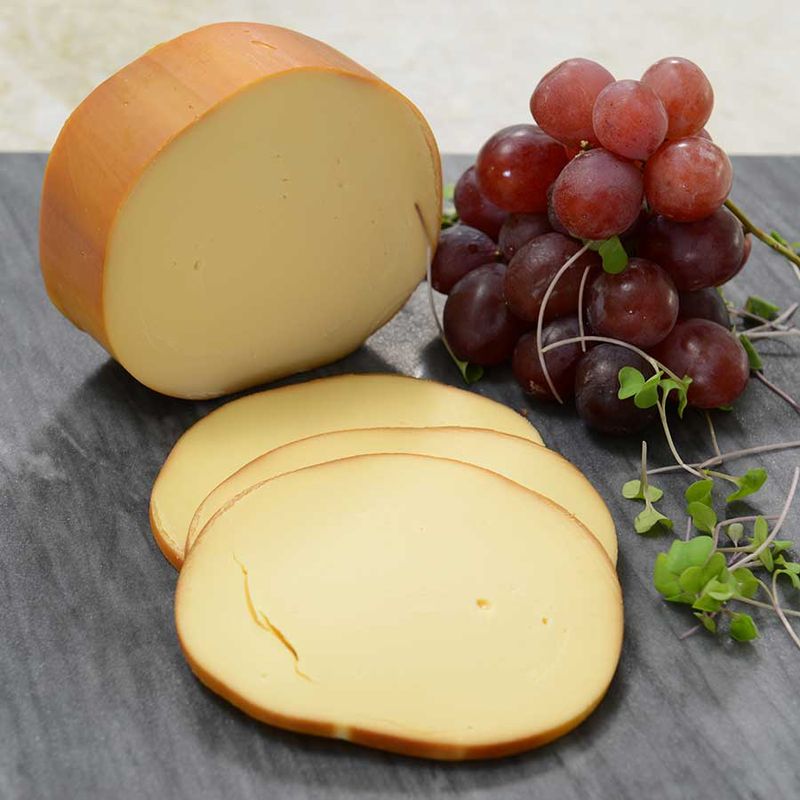
Gouda might just be the most underrated cheese in the grocery store. This Dutch cheese comes in a range of ages, from young and mild to aged and deeply caramel-like in flavor.
Young Gouda melts well in sandwiches and quesadillas. Aged Gouda, which develops crunchy tyrosine crystals inside, is spectacular on a cheese board.
Smoked Gouda adds a rich, woodsy note to mac and cheese, soups, or anything that benefits from a little extra depth.
9. Blue Cheese
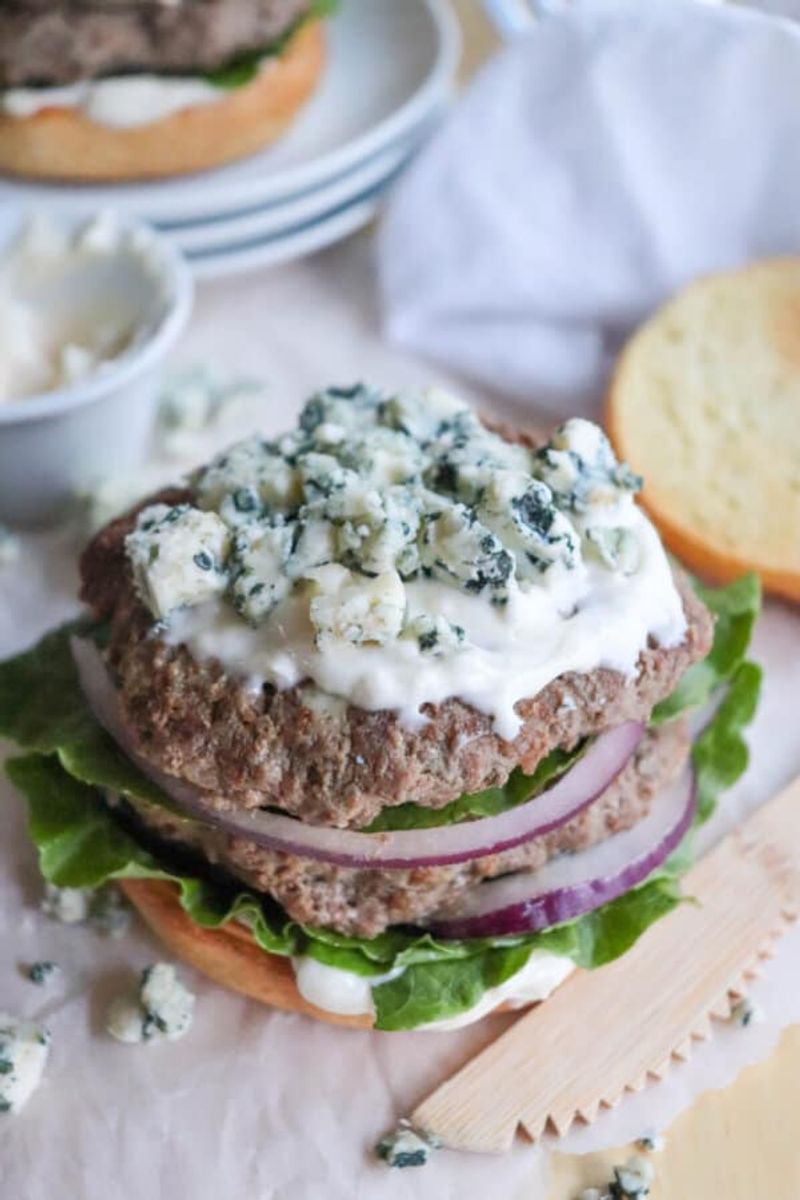
Blue cheese is bold, assertive, and not for the faint of heart, but once you learn to use it right, it becomes a powerful kitchen tool. The blue-green veins running through it come from mold cultures introduced during aging.
Crumble it into salad dressings, stir it into pasta sauces, or melt it over a juicy burger. The sharpness of blue cheese balances beautifully with sweet ingredients like honey, pears, and caramelized onions.
10. Cream Cheese

Cream cheese is smooth, spreadable, and endlessly useful in both sweet and savory cooking. Invented in the United States in the 1870s, it quickly became a pantry staple across the country.
Spread it on bagels, use it as a base for dips, or mix it into frosting for carrot cake. Cream cheese also adds richness to pasta sauces and cheesecake fillings.
Its mild tang keeps dishes from feeling too heavy while still delivering a satisfying creaminess.
11. Provolone

Provolone is Italy’s answer to a great melting cheese that also holds its own on a sandwich. It comes in two styles: dolce, which is mild and smooth, and piccante, which is aged longer and has a sharper, more complex flavor.
Melt provolone over chicken cutlets, layer it in hoagies, or use it in baked pasta dishes. Its smooth melt and slightly smoky taste make it a fantastic upgrade over basic American cheese in almost any hot sandwich.
12. Goat Cheese

Goat cheese has a tangy, earthy flavor that feels fresh and bright even in heavier dishes. Because goats produce milk with smaller fat globules than cows, goat cheese is often easier to digest for people who are sensitive to dairy.
Crumble it over salads, spread it on crostini, or stuff it inside chicken breasts before roasting. It also pairs wonderfully with beets, honey, and fresh herbs.
A little goat cheese goes a long way in adding personality to any plate.
13. Swiss Cheese
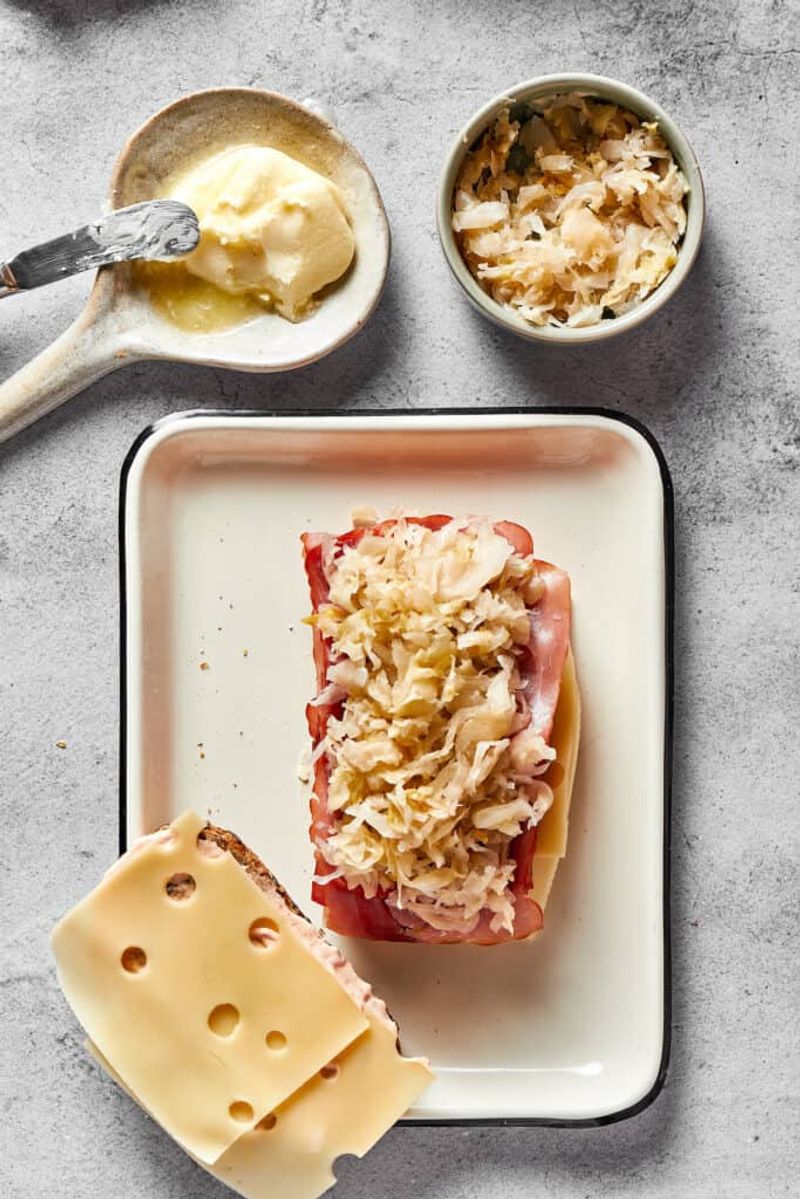
Swiss cheese is instantly recognizable by its pale yellow color and round holes, called eyes, which form during the aging process when bacteria release carbon dioxide gas. Its flavor is mild, slightly sweet, and nutty.
Swiss is a reliable melter, making it a classic choice for Reubens, ham and cheese sandwiches, and quiches. It also works well in egg bakes and casseroles.
When you want a cheese that melts cleanly without overpowering other flavors, Swiss is a safe and tasty bet.
14. Manchego

Manchego comes from the La Mancha region of Spain and is made exclusively from the milk of Manchega sheep. Its distinctive herringbone rind pattern makes it one of the most recognizable cheeses at any market.
The flavor is buttery and slightly tangy, with a firm texture that slices cleanly. Serve it on a cheese board with quince paste and Marcona almonds, or melt it into quesadillas for a Spanish twist.
Aged Manchego develops a richer, more intense flavor worth seeking out.
15. Havarti
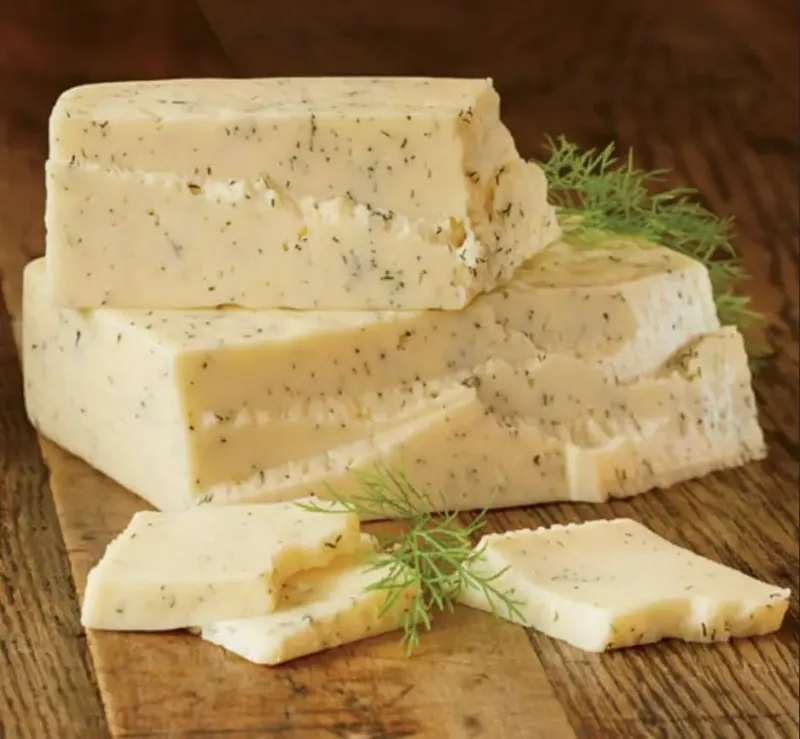
Havarti is a Danish semi-soft cheese with a buttery, creamy texture and a mild flavor that makes it incredibly approachable. It melts smoothly and evenly, which is why it shows up so often in grilled cheese sandwiches and omelets.
Plain Havarti is lovely on its own, but flavored varieties with dill, jalapeno, or caraway seeds bring extra interest to cheese boards and snack plates. Kids tend to love it because the flavor is mild without being boring.
A true crowd-pleaser.
16. Fontina
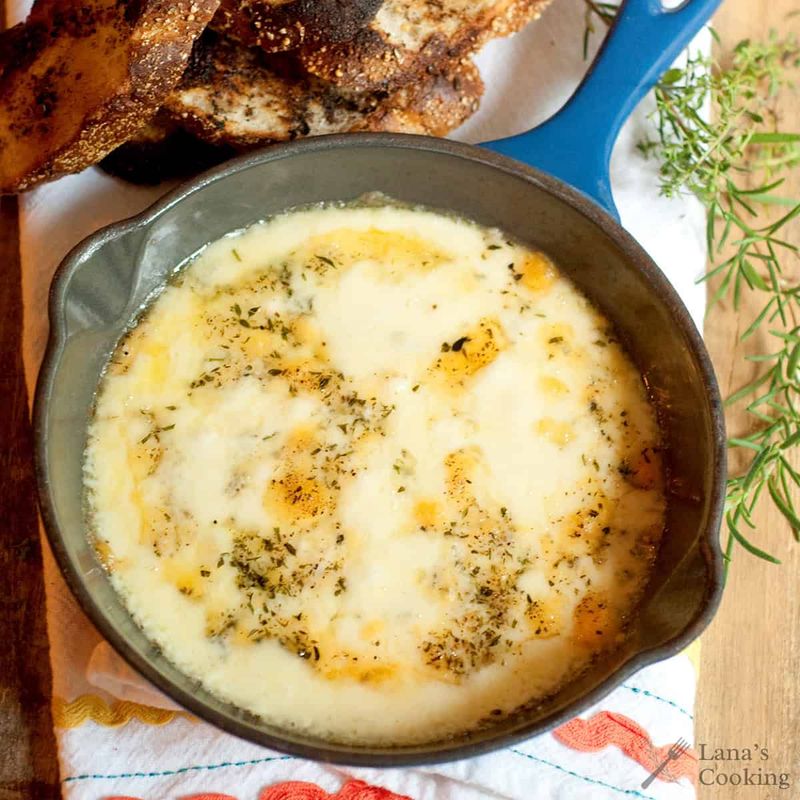
Fontina is an Italian alpine cheese that most home cooks overlook, which is a real shame. Its semi-soft texture and nutty, earthy flavor make it one of the best melting cheeses you can find.
Use it in fonduta, the Italian version of fondue, or melt it over roasted mushrooms and polenta. Fontina also works beautifully in gratin dishes and stuffed pastries.
Once you try a properly melted Fontina, you will wonder why you ever settled for processed cheese slices.
17. Pecorino Romano
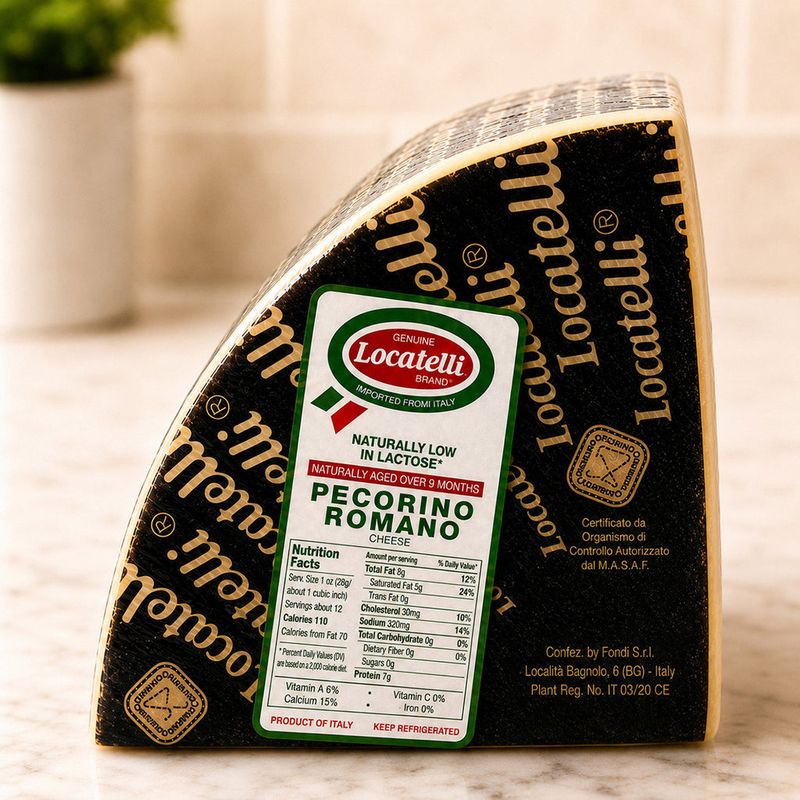
Pecorino Romano is sharper and saltier than Parmesan, and that is exactly what makes it special. Made from sheep’s milk in Italy, it has been produced for over 2,000 years, making it one of the oldest cheeses in the world.
Grate it generously over cacio e pepe, pasta all’Amatriciana, or roasted broccoli. Because it is quite salty, you may want to reduce any added salt in your recipe.
A small amount delivers a big, bold punch of flavor that transforms simple dishes.
18. Camembert

Camembert is Brie’s slightly earthier French cousin, and the two are often confused. Both have a bloomy white rind, but Camembert tends to have a more intense, mushroomy flavor and a gooier texture when ripe.
Score the top, add garlic and rosemary, and bake it until bubbling for a showstopping appetizer. Scoop the molten cheese onto crusty bread and prepare for compliments.
Camembert also works well on cheese boards, especially when paired with apple slices and a glass of dry cider.
19. Colby-Jack

Colby-Jack is a cheerful, marbled American cheese made by swirling Colby and Monterey Jack together during production. The result is a mild, slightly buttery cheese with a soft texture and a look that stands out on any plate.
It melts easily and quickly, making it ideal for nachos, tacos, quesadillas, and breakfast burritos. Kids love it because of its approachable flavor and fun appearance.
Whenever you need a fuss-free melting cheese that everyone at the table will enjoy, Colby-Jack delivers every time.