
The 1970s were a wild, colorful decade for music, but not every band got a standing ovation from the critics. Some groups were laughed at, dismissed, or flat-out ignored by the music press, even while fans were buying their records by the millions.
Whether it was too much glitter, too much cheese, or just too much fun, critics had a field day tearing these acts apart. Looking back now, many of these so-called guilty pleasures deserve a serious second listen.
1. Kiss
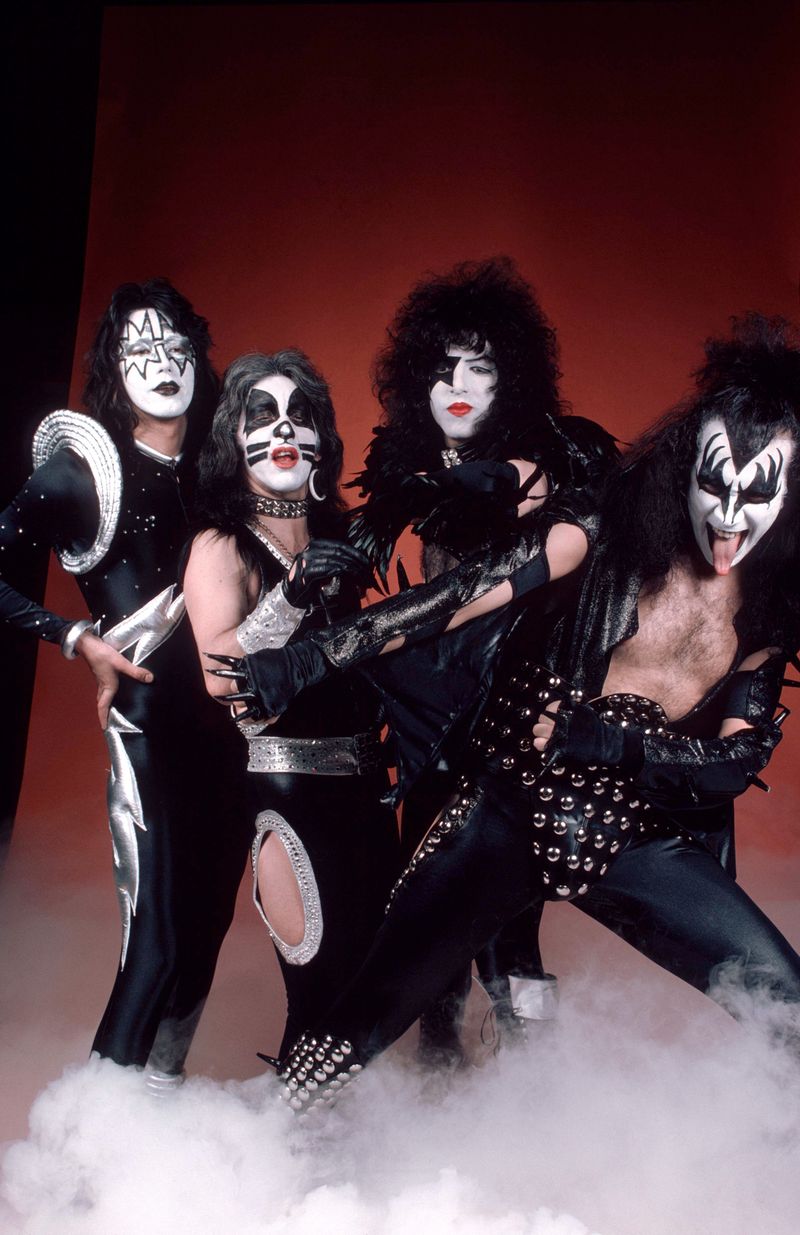
Few bands in rock history have been mocked as loudly as Kiss. Critics in the 1970s called them cartoonish, talentless, and more circus act than rock band.
The face paint, fire-breathing, and blood-spitting routines made serious music journalists roll their eyes hard.
But fans absolutely loved every second of it. Kiss understood something critics did not: rock and roll is supposed to be a spectacle.
Today, they are in the Rock and Roll Hall of Fame, so who had the last laugh?
2. Bee Gees
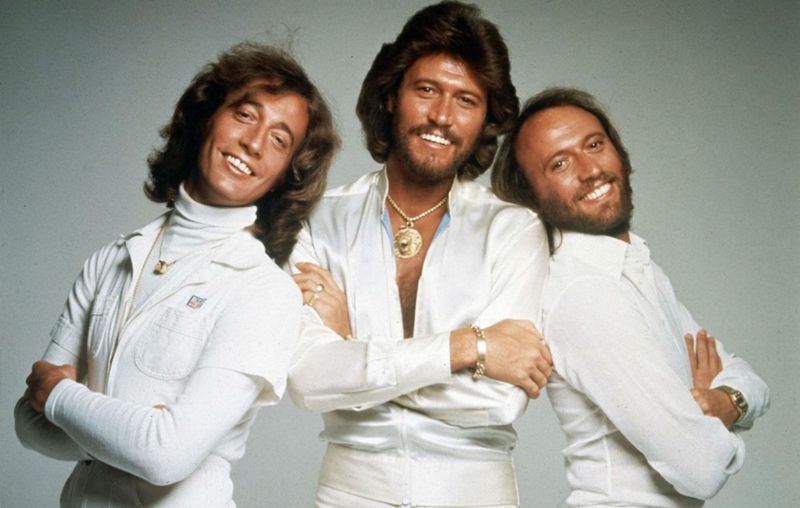
When the Bee Gees switched from soft rock to disco, rock critics acted like they had personally committed a crime against music. Their falsetto harmonies and shimmering dance beats were ridiculed in nearly every major music publication of the era.
The Saturday Night Fever soundtrack became one of the best-selling albums of all time, which made the mockery feel pretty hollow. Barry, Robin, and Maurice Gibb were crafting some of the most technically polished pop music of the decade, critics just refused to admit it.
3. Emerson, Lake and Palmer
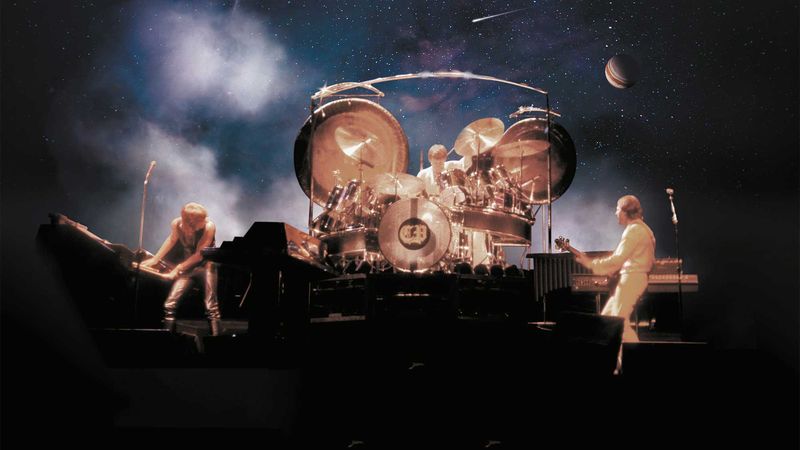
Prog rock was never going to win a popularity contest with critics who preferred stripped-down punk. Emerson, Lake and Palmer took that criticism to a whole new level by arriving at concerts with a full orchestra and a grand piano that spun in mid-air.
Punk journalists called them bloated and self-indulgent. Honestly, they were not entirely wrong, but the sheer ambition of ELP was undeniable.
Their musicianship was extraordinary, even if the 40-minute keyboard solos tested everyone’s patience.
4. The Eagles
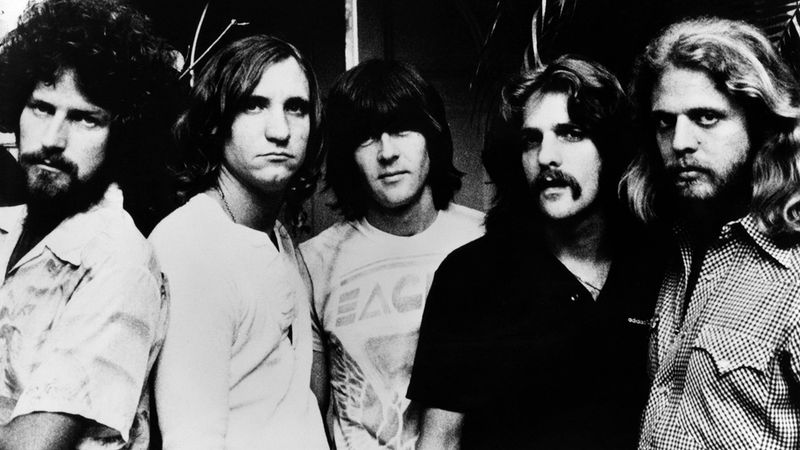
Massive commercial success did not protect The Eagles from critical sneering. Their smooth California sound was labeled corporate rock by punk-era critics who saw polish as a dirty word.
Rolling Stone magazine had a famously complicated relationship with the band throughout the decade.
Hotel California alone should have silenced every skeptic, yet the criticism kept coming. Don Henley and Glenn Frey were writing tightly crafted songs that millions of people genuinely connected with, which apparently made them suspicious to the critical establishment.
5. The Osmonds
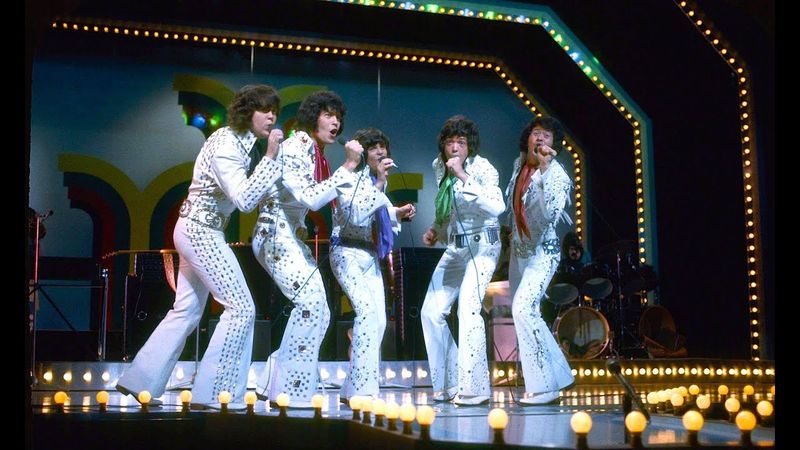
Clean-cut, wholesome, and relentlessly cheerful, The Osmonds were basically everything edgy rock critics despised. Their bubblegum pop image made them an easy target, and music journalists dismissed them as manufactured entertainment for screaming teenagers with no taste.
What critics missed was that the family genuinely could sing and perform. Donny Osmond had real vocal talent, and songs like One Bad Apple climbed to number one.
Sometimes critics mistake clean-cut for shallow, and The Osmonds proved that assumption wrong more than once.
6. Abba
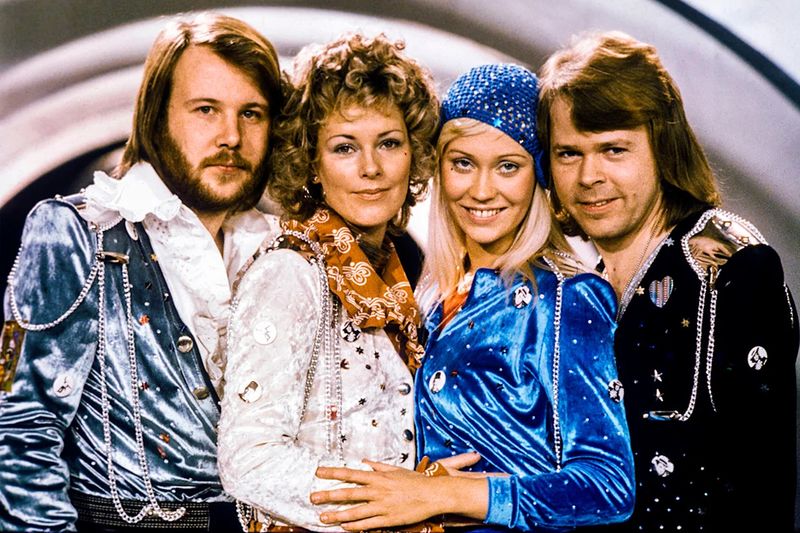
Swedish pop perfection? Not according to 1970s rock critics, who found ABBA almost offensively cheerful and lightweight.
Their Eurovision win in 1974 was met with eye-rolls from the serious music press, who could not understand why so many people were obsessed with their bouncy melodies.
Decades later, ABBA is considered one of the greatest pop acts ever assembled. Musicologists now study their chord progressions and production techniques with genuine admiration.
Critics of the 1970s simply could not see past the matching jumpsuits and big smiles.
7. Bay City Rollers
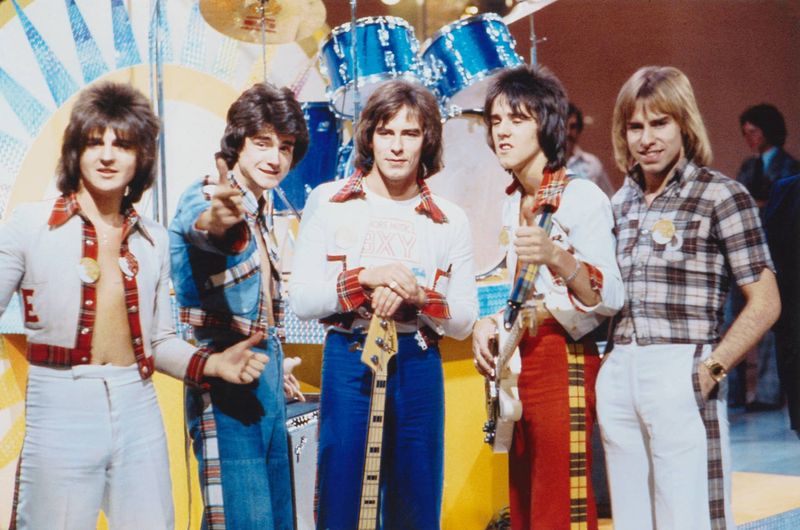
Tartan scarves, platform boots, and screaming teenage fans were basically a recipe for critical disaster in the 1970s. The Bay City Rollers were called the next Beatles by their management, which only invited more ridicule from a press that found teen idol pop deeply unserious.
Saturday Night became a massive hit on both sides of the Atlantic, and their fanbase was absolutely devoted. Critics laughed, but those fans were real, and the joy the band brought to young audiences was completely genuine and underrated.
8. Fleetwood Mac
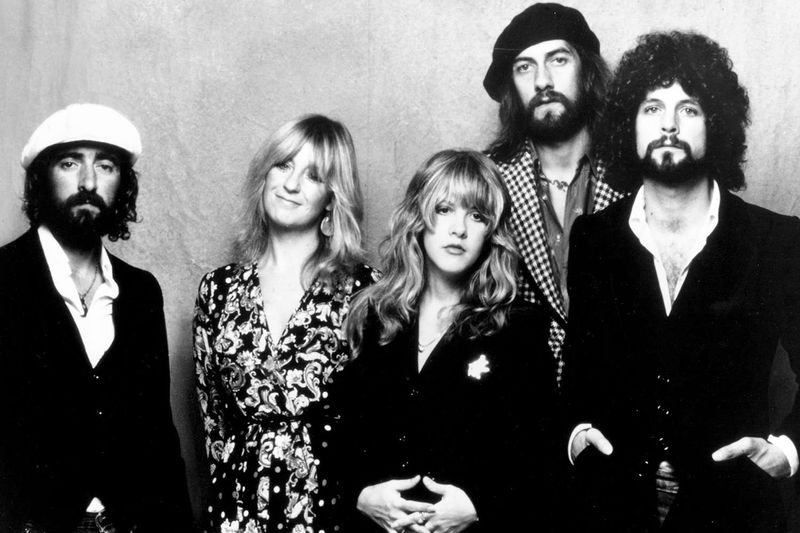
Hard to believe now, but Fleetwood Mac were frequently mocked during the 1970s for being too soft and too commercial. After Lindsey Buckingham and Stevie Nicks joined the band, critics accused them of abandoning their blues roots for polished pop sensibilities.
Rumours became one of the best-selling albums in music history, which made the criticism feel rather absurd in hindsight. The band was writing about real heartbreak and real relationships, and listeners recognized that honesty instantly, even if critics were too busy being superior to notice.
9. Electric Light Orchestra
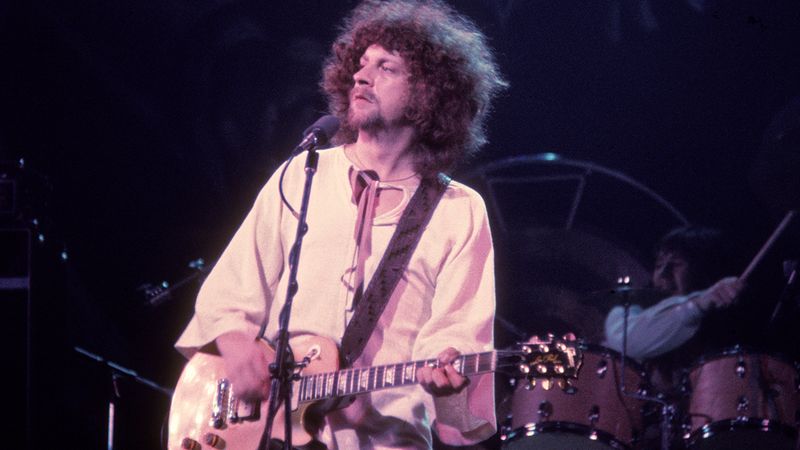
Jeff Lynne had the audacity to combine rock guitars with orchestral strings and call it pop music, and critics were absolutely furious about it. ELO was labeled pretentious and overwrought by journalists who preferred their rock music simple and their orchestras confined to classical halls.
Mr. Blue Sky alone is enough to defend ELO against every bad review ever written. Their ability to create lush, layered soundscapes that still felt accessible was a genuine skill.
Audiences knew it, even when critics stubbornly refused to admit it.
10. Bread
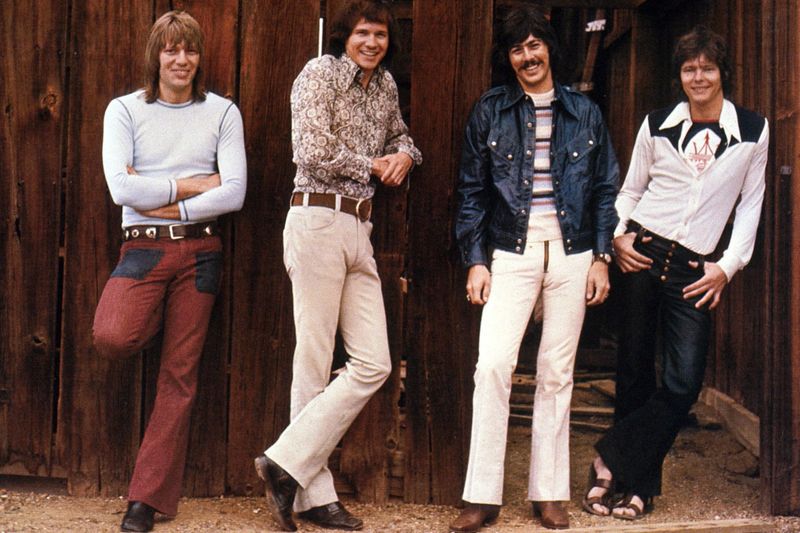
Soft rock was practically a punishable offense in the eyes of 1970s rock critics, and Bread committed that offense repeatedly and without apology. David Gates wrote some of the most delicate, heartfelt ballads of the decade, and critics responded by calling the band saccharine and spineless.
Make It with You reached number one in 1970, and fans clearly disagreed with the critical consensus. Sometimes music does not need to be complicated or aggressive to be meaningful.
Bread understood that, and millions of listeners were grateful they did.
11. America
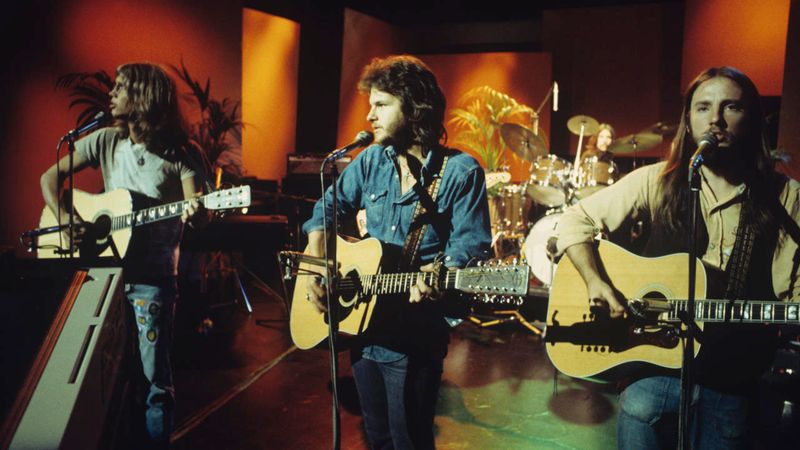
Critics had a specific problem with America: they sounded too much like Crosby, Stills, Nash and Young without being Crosby, Stills, Nash and Young. That comparison followed the band everywhere and was rarely meant as a compliment by the music press of the era.
A Horse with No Name hit number one and became a genuine cultural touchstone of the decade. Ventura Highway remains one of the most sun-soaked, nostalgic songs ever recorded.
Borrowing from your influences is not a crime, and America wore theirs beautifully.
12. Foreigner
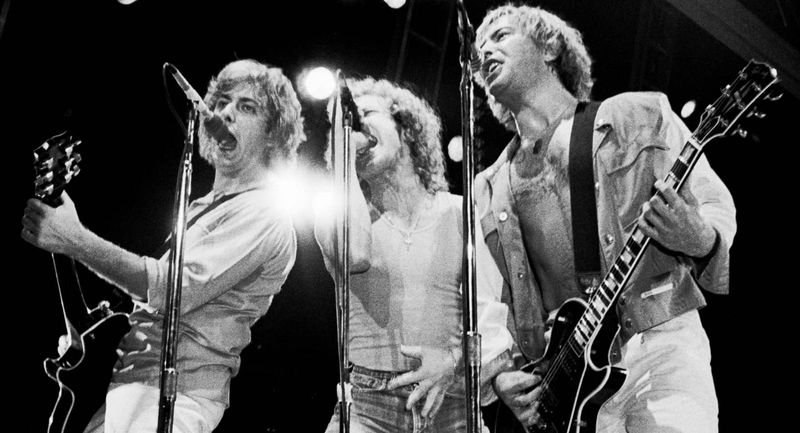
Arena rock was basically invented so critics could have something new to complain about, and Foreigner was right at the center of that target. Their big, radio-friendly anthems were called formulaic and unoriginal by a press that wanted something rawer and less polished.
Cold as Ice and Feels Like the First Time proved that hook-driven rock could be enormously satisfying without being artistically shallow. Foreigner filled arenas because real people connected with those songs on a gut level, regardless of what any review said.
13. Peter Frampton
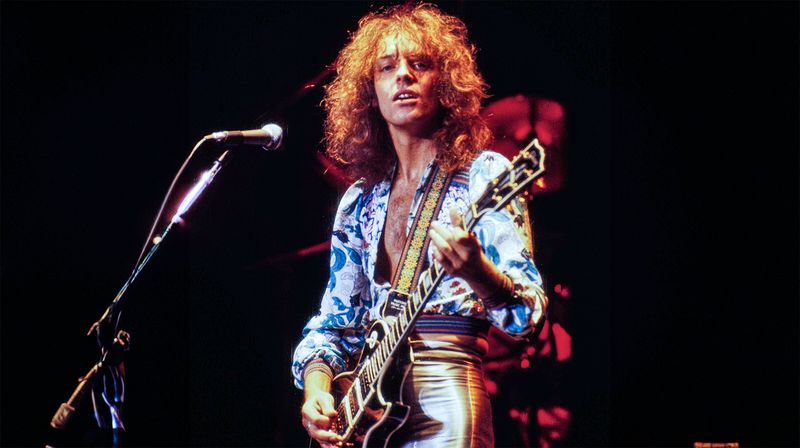
After Frampton Comes Alive became one of the best-selling live albums ever recorded, critics sharpened their knives rather than their praise. The talk box guitar effects and crowd-pleasing showmanship were called gimmicky, and some journalists seemed personally offended by how much everyone loved the record.
Do You Feel Like We Do became an anthem for an entire generation of rock fans. Frampton was a genuinely gifted guitarist who connected with audiences in a way that felt spontaneous and real.
Critics mistook popularity for shallowness, which was their loss entirely.
14. Styx
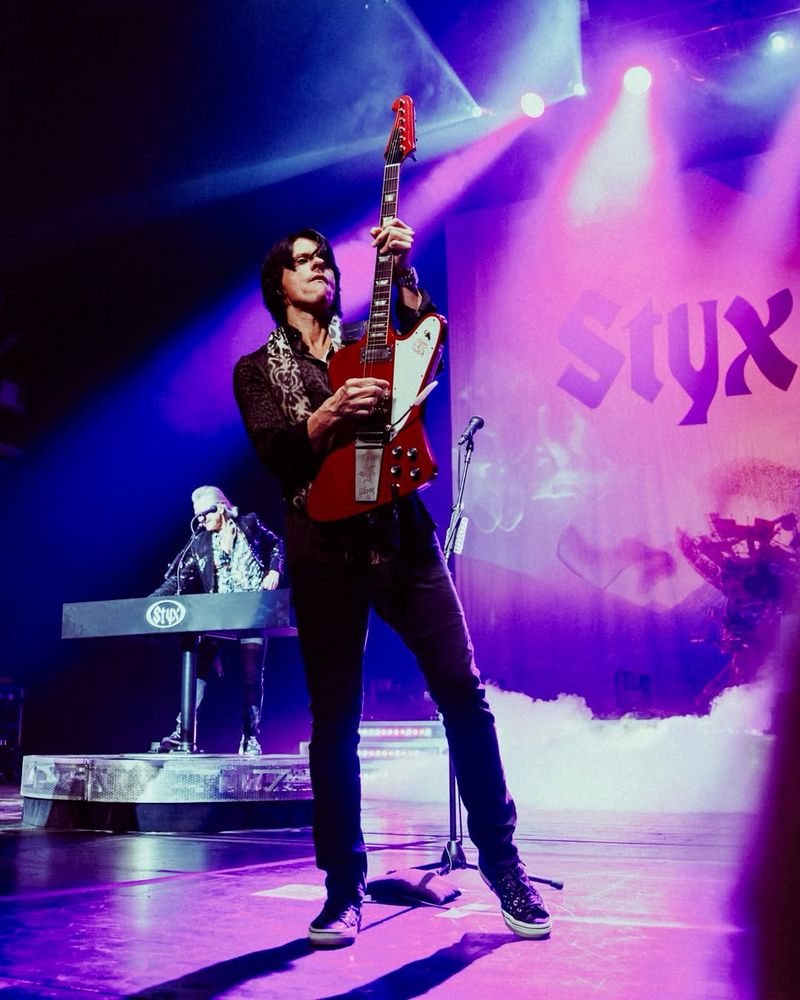
Mixing progressive rock ambitions with arena-sized pop hooks was apparently unforgivable to the critical establishment of the 1970s. Styx got hit from both sides: prog purists thought they were too commercial, and rock critics thought they were too theatrical and overwrought.
Come Sail Away climbed charts worldwide and became one of the decade’s defining rock songs. The band poured genuine emotion and craft into every record they made.
Being caught between two critical camps is a frustrating place to stand, but the audience always showed up anyway.
15. Kansas
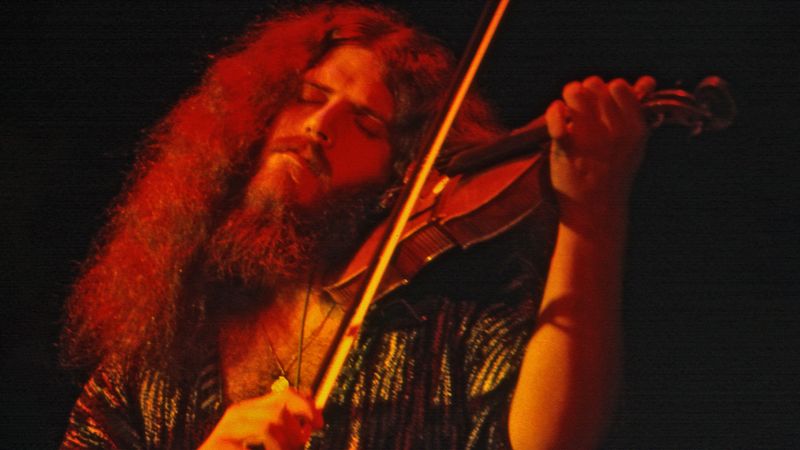
A rock band from the American Midwest that played violin and wrote songs about dust and philosophy? Critics were not sure what to do with Kansas, so many of them simply dismissed the band as pretentious Midwestern prog weirdos.
Carry On Wayward Son and Dust in the Wind became two of the most recognizable songs of the entire decade. The violin-driven sound was genuinely original, and their songwriting tackled themes most rock bands would never attempt.
Kansas deserved far more critical respect than they ever received.
16. Three Dog Night
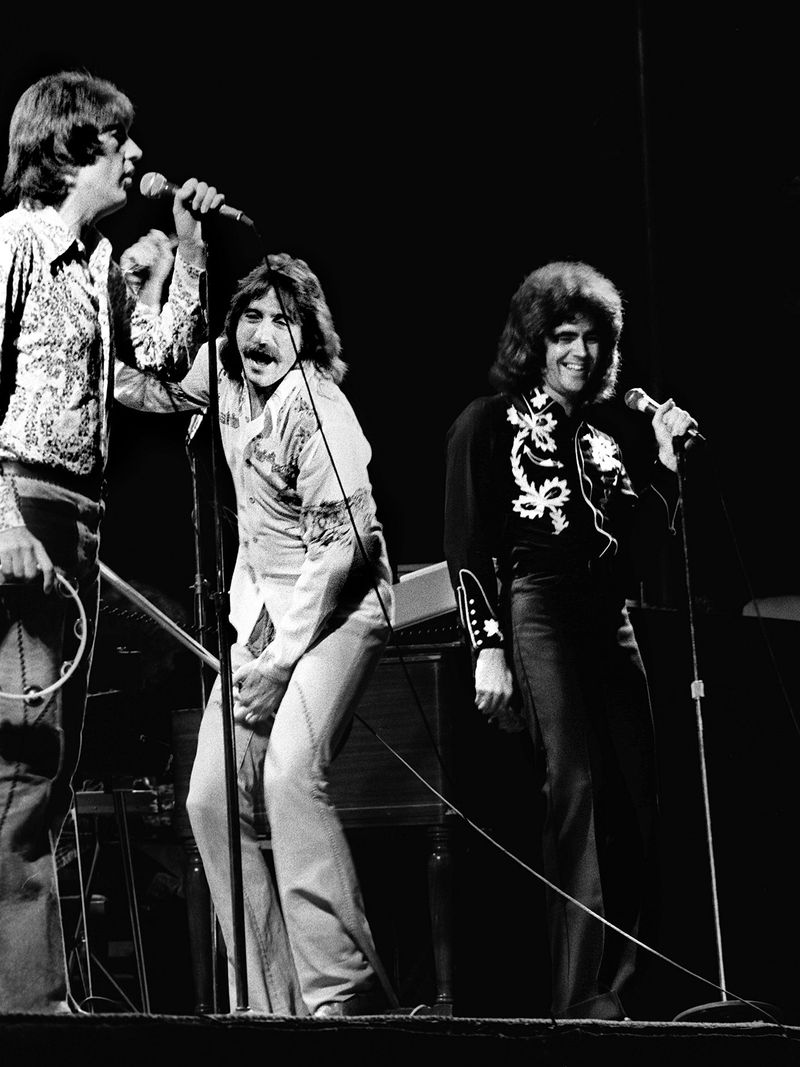
Three Dog Night had a peculiar setup that confused critics: three lead singers who mostly performed other people’s songs. That approach made them easy to dismiss as a covers band dressed up in rock clothing, and the music press was not shy about saying so.
Joy to the World spent six weeks at number one in 1971, and their recordings of songs by Randy Newman and Harry Nilsson actually introduced those writers to massive audiences. Sometimes the best thing a band can do is champion great songs, and Three Dog Night did exactly that.
17. Grand Funk Railroad
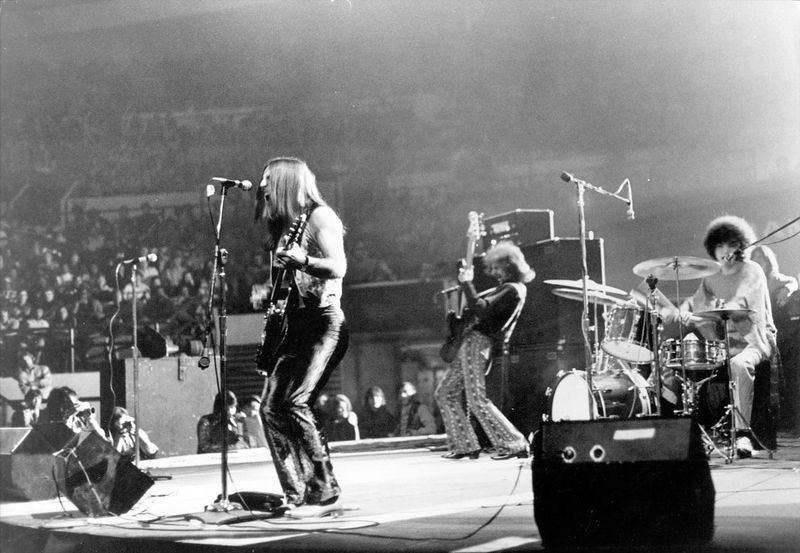
Few bands experienced the gap between critical contempt and audience devotion as dramatically as Grand Funk Railroad. Music journalists genuinely despised them, calling their heavy, blues-based rock crude and musically primitive throughout the early part of the decade.
Meanwhile, Grand Funk was selling out stadiums faster than almost any other band in America. They sold out Shea Stadium in 72 hours, breaking a record previously held by the Beatles.
Critics can write whatever they want, but 55,000 screaming fans are a pretty convincing counterargument.
18. 10cc
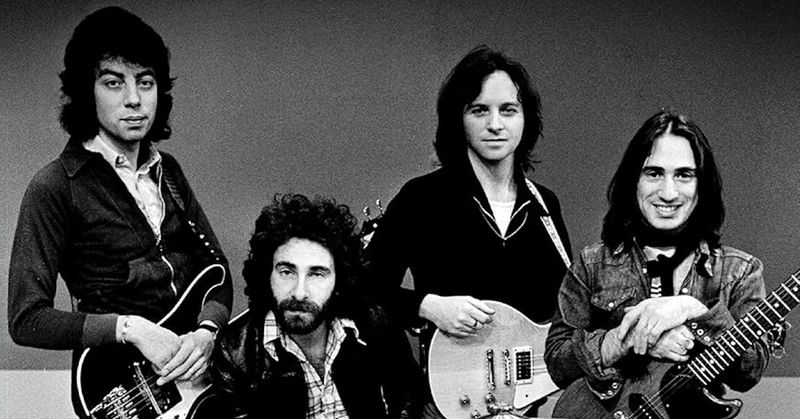
Clever, satirical, and genuinely weird, 10cc occupied a strange corner of 1970s pop that critics found difficult to categorize and therefore easy to dismiss. Their songs switched genres mid-track, poked fun at pop conventions, and featured production tricks that were decades ahead of their time.
I’m Not in Love remains one of the most hauntingly beautiful pop recordings ever made, full stop. Critics often struggled with bands that were smarter than expected, and 10cc had a habit of being considerably smarter than almost everyone expected them to be.
19. Thin Lizzy
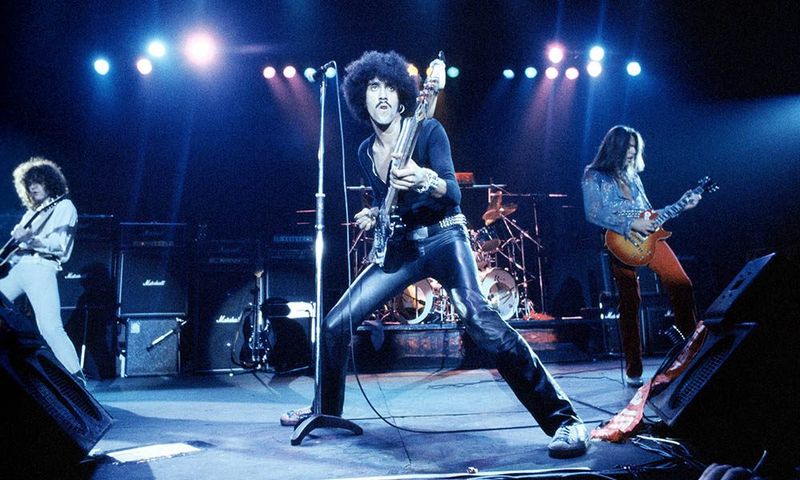
Phil Lynott was a Black Irish frontman writing hard rock anthems about street life, mythology, and brotherhood, and somehow that was not enough to win consistent critical admiration during the band’s peak years. Critics often overlooked Thin Lizzy in favor of the punk movement happening around them.
The Boys Are Back in Town is one of the greatest rock songs ever written, and the twin guitar attack of Scott Gorham and Brian Robertson was genuinely revolutionary. History has been far kinder to Thin Lizzy than the 1970s press ever was.