
The year 1969 was a turning point for Hollywood and world cinema. Audiences were hungry for stories that felt real, bold, and different from anything they had seen before.
Filmmakers pushed boundaries, tackled tough topics, and created movies that people still talk about more than 50 years later. From dusty Westerns to gritty city dramas, these 18 films from 1969 earned their place in movie history.
1. Butch Cassidy and the Sundance Kid
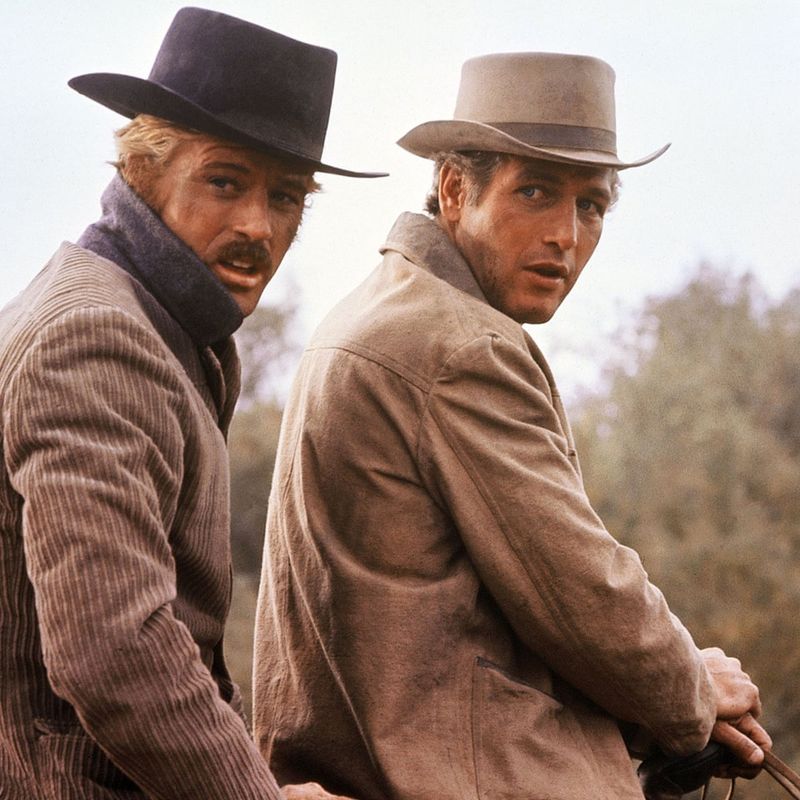
Paul Newman and Robert Redford had chemistry so natural on screen that audiences could not help but love every single moment. This Western comedy-drama follows two outlaw friends who rob banks and dodge lawmen across the American frontier.
What makes it stand out is the humor woven into every chase and close call.
Burt Bacharach’s Oscar-winning song “Raindrops Keep Fallin’ on My Head” gave the film an upbeat, unexpected soul. Few Westerns had ever felt this fun and heartfelt at the same time.
2. Midnight Cowboy
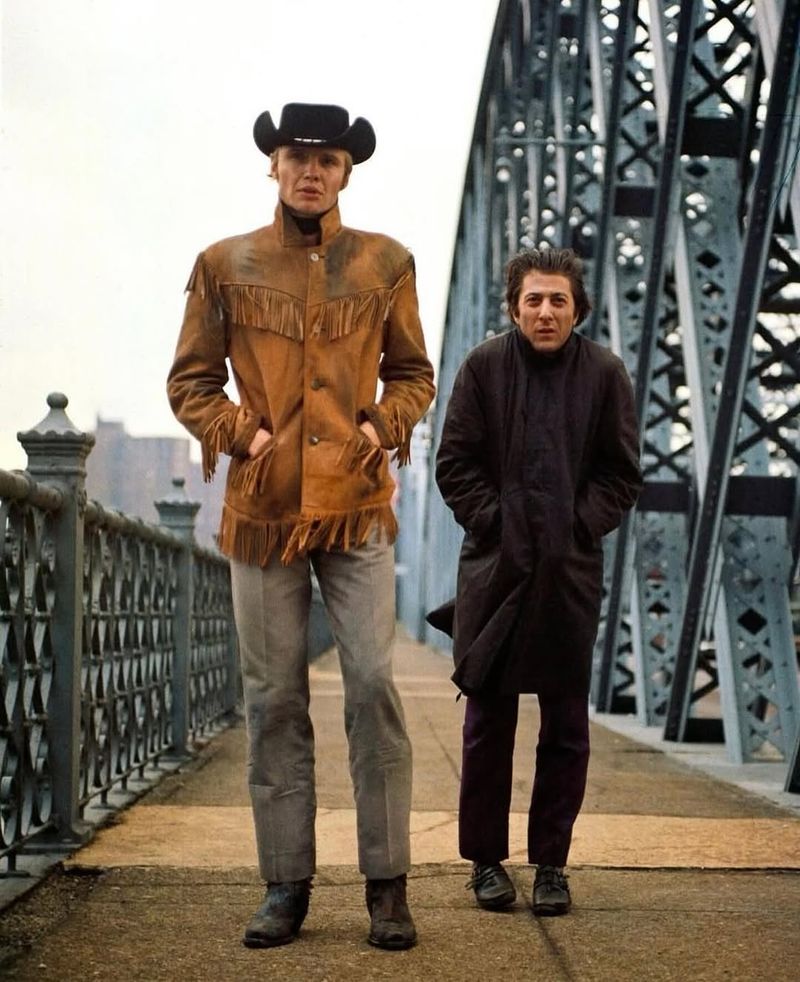
Winning the Academy Award for Best Picture while carrying an X rating made Midnight Cowboy one of the most shocking success stories in Oscar history. Jon Voight plays a naive young man from Texas who heads to New York City dreaming of easy money, only to form an unlikely friendship with a street-smart drifter played by Dustin Hoffman.
Director John Schlesinger captured the raw, unfiltered energy of late-1960s Manhattan. The film remains a deeply moving portrait of loneliness and human connection.
3. Easy Rider
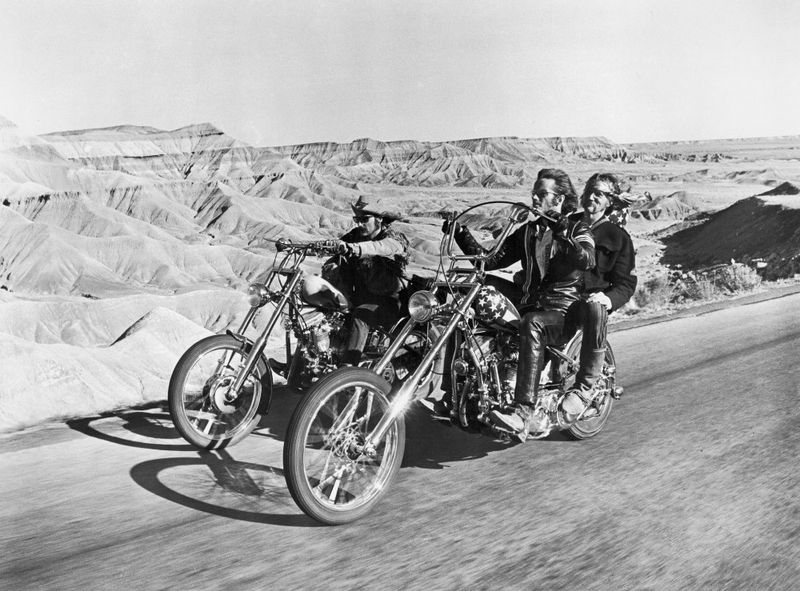
Few films captured a generation’s restless spirit quite like Easy Rider did. Peter Fonda and Dennis Hopper star as two bikers riding across America, searching for freedom while encountering the beauty and ugliness of their country.
The film felt less like a movie and more like a road trip you were actually taking alongside them.
Its rock-heavy soundtrack became just as legendary as the film itself. Easy Rider cracked open Hollywood and showed that low-budget, personal filmmaking could change everything.
4. The Wild Bunch
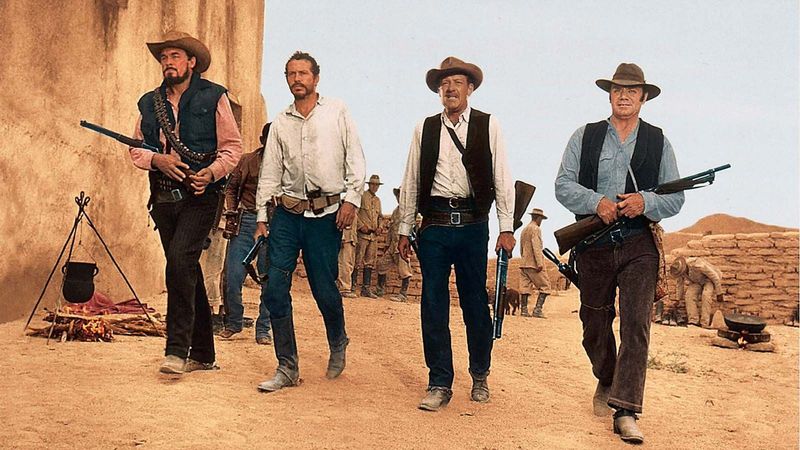
Sam Peckinpah shattered the romantic image of the Western with this brutal, beautiful masterpiece. The Wild Bunch follows aging outlaws trying to survive in a world that has moved past them, and the tension never lets up for a single frame.
Its slow-motion action sequences were unlike anything audiences had witnessed before.
Critics and filmmakers still study it as a turning point in how violence could be portrayed on screen. Bold, tragic, and strangely poetic, it redefined an entire genre.
5. True Grit
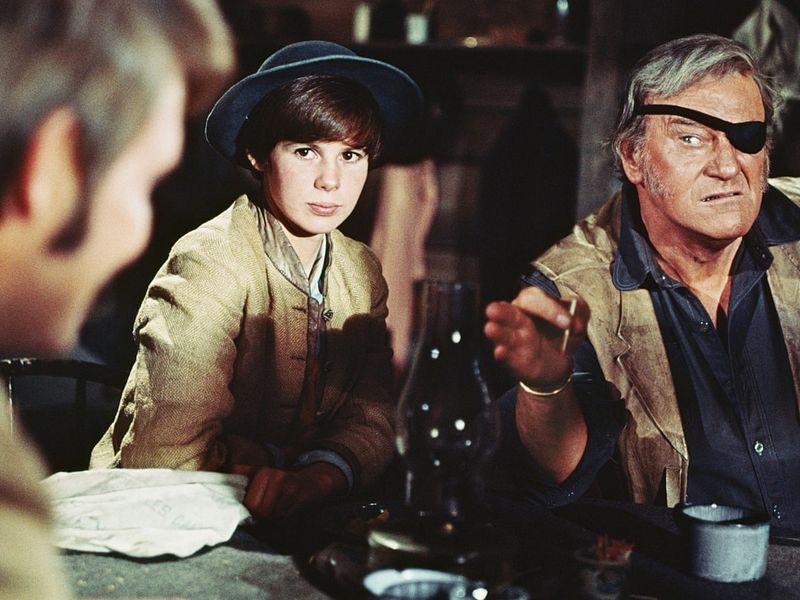
John Wayne won his only Academy Award for playing Rooster Cogburn, a gruff, one-eyed U.S. Marshal hired by a determined teenage girl to track down her father’s killer.
The pairing of Wayne’s weathered toughness with young Mattie Ross’s fierce determination gave the film an irresistible energy. It is an adventure story with real emotional weight.
Audiences adored every scene between the two leads. True Grit reminded the world why John Wayne was one of Hollywood’s greatest stars.
6. Hello, Dolly!
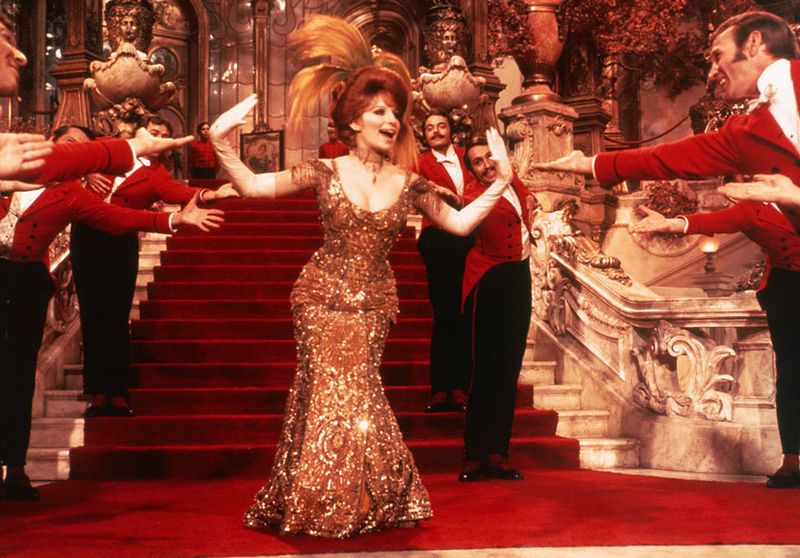
Barbra Streisand commanded the screen with a performance so magnetic it was impossible to look away. Hello, Dolly! tells the story of Dolly Levi, a sharp-witted matchmaker navigating romance and ambition in 19th-century New York City.
The production was enormous, with dazzling costumes, spectacular dance numbers, and sets that looked like they cost a fortune.
The title song became one of the most recognizable tunes of its era. For lovers of big, joyful musicals, this film is pure gold.
7. Bob & Carol & Ted & Alice
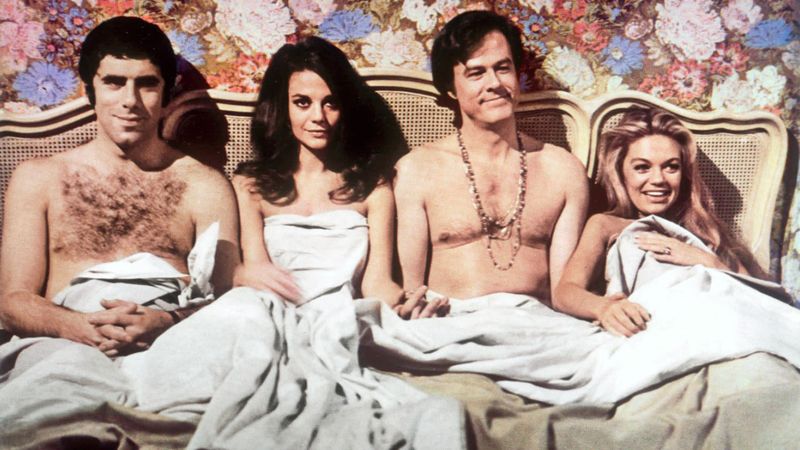
Long before reality TV made oversharing a sport, this sharp comedy-drama was already asking uncomfortable questions about love, honesty, and what modern relationships really look like. Starring Natalie Wood, Robert Culp, Elliott Gould, and Dyan Cannon, the film follows two couples who experiment with radical openness in their marriages.
The result is both hilarious and surprisingly thoughtful.
Its willingness to tackle taboo topics with humor felt genuinely ahead of its time. Audiences laughed, squirmed, and left the theater thinking hard.
8. Paint Your Wagon
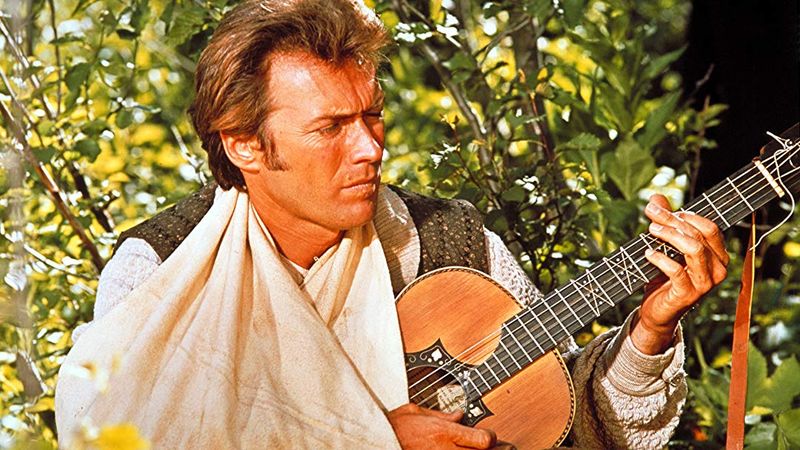
Clint Eastwood singing in a movie was not something anyone expected, but Paint Your Wagon delivered exactly that. This offbeat musical Western stars Eastwood and Lee Marvin as two gold miners who share a wife in a lawless frontier town, and somehow it works.
The film is quirky, messy, and oddly charming all at once.
“I Talk to the Trees” became one of cinema’s most delightfully unexpected musical moments. Its cult following has only grown stronger over the decades.
9. Cactus Flower
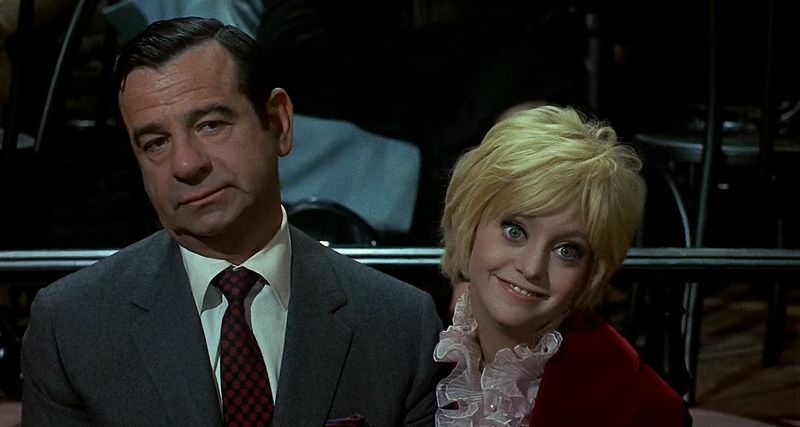
Goldie Hawn burst onto the big screen with so much energy and warmth that she walked away with an Academy Award for Best Supporting Actress on her very first major film role. Cactus Flower pairs her with the grumpy charm of Walter Matthau and the elegant cool of Ingrid Bergman in a romantic comedy full of mix-ups and laughs.
The chemistry between the three leads is genuinely delightful. It is a breezy, fun film that holds up beautifully even today.
10. The Learning Tree
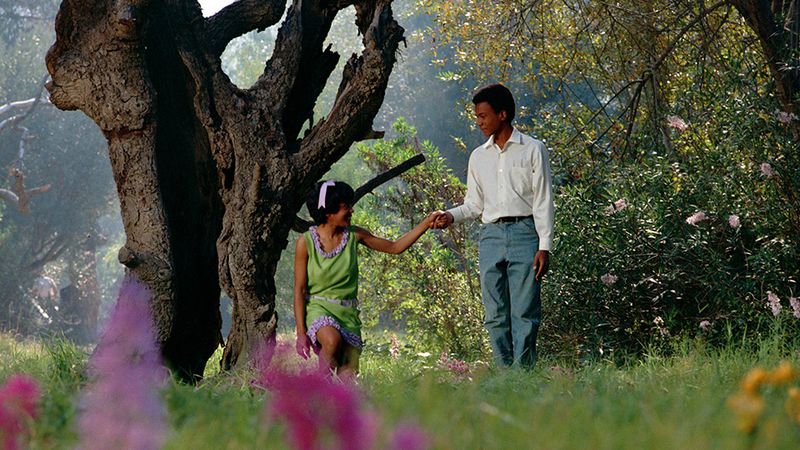
Gordon Parks made history as the first African American director to helm a major Hollywood studio film, and he poured his own childhood into every frame of The Learning Tree. Based on his semi-autobiographical novel, the story follows a young Black boy growing up in Kansas during the 1920s, navigating racism, family, and the painful lessons of growing up.
The film was later selected for the National Film Registry. Its honesty and emotional depth make it essential viewing.
11. On Her Majesty’s Secret Service
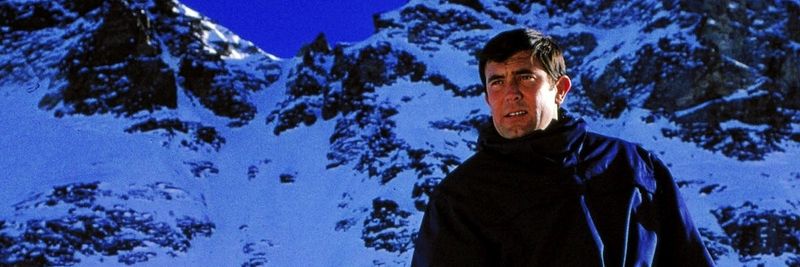
George Lazenby stepped into the tuxedo of James Bond for one film only, and that single performance has sparked debate among fans for over 50 years. On Her Majesty’s Secret Service is widely considered one of the most emotionally rich entries in the entire Bond franchise, featuring a genuine love story alongside the usual thrills and gadgets.
Its ending hit audiences harder than any Bond film before it. The Alpine action sequences remain breathtaking even by today’s standards.
12. Medium Cool
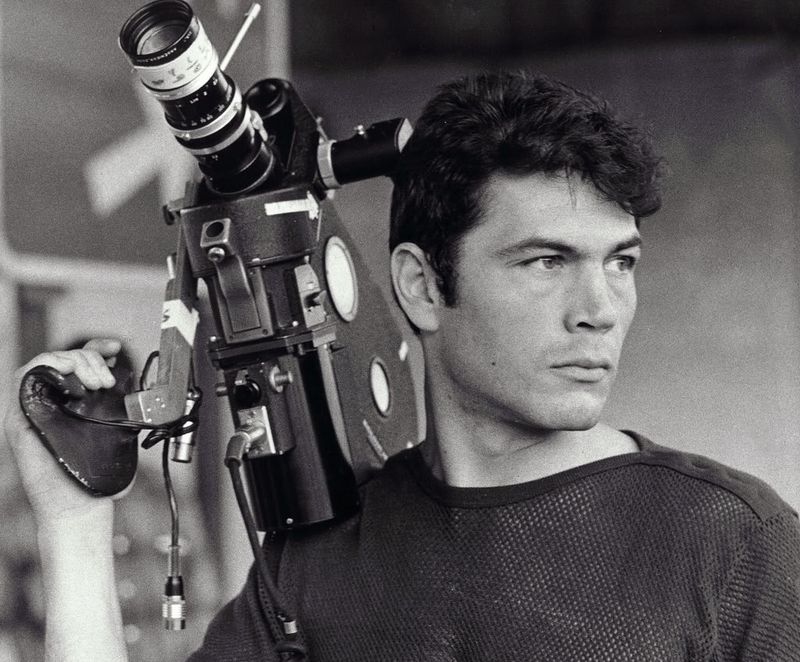
Shot partly during the real chaos of the 1968 Democratic National Convention in Chicago, Medium Cool blurred the line between fiction and documentary in a way that felt genuinely dangerous. Director Haskell Wexler placed his actors inside actual protests, capturing tear gas and police confrontations that were completely unscripted.
The result was unlike anything else in theaters that year.
It asked hard questions about media, truth, and responsibility. Decades later, those questions feel more urgent than ever.
13. The Damned
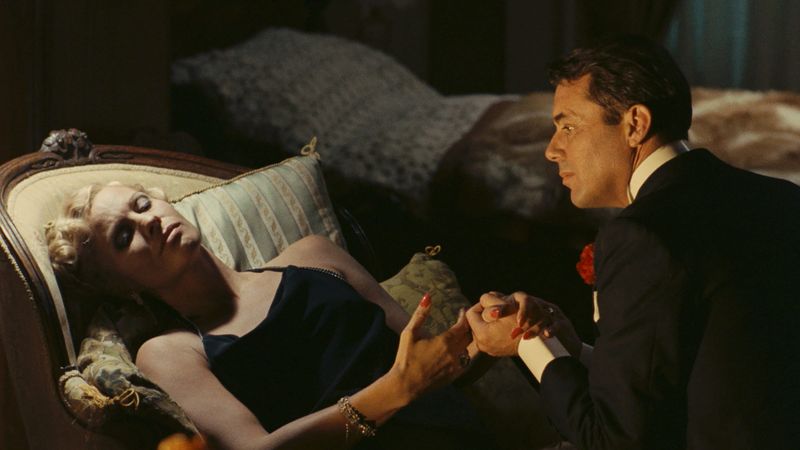
Luchino Visconti crafted a suffocating portrait of moral collapse in this Italian masterpiece about a powerful German industrialist family during the rise of Nazi Germany. Every character is corrupt, ambitious, or terrified, and watching them destroy each other is as gripping as it is disturbing.
The costumes and cinematography are stunning even as the story grows darker.
Visconti used the family’s downfall as a mirror for an entire nation losing its soul. It remains one of European cinema’s most uncompromising achievements.
14. Women in Love
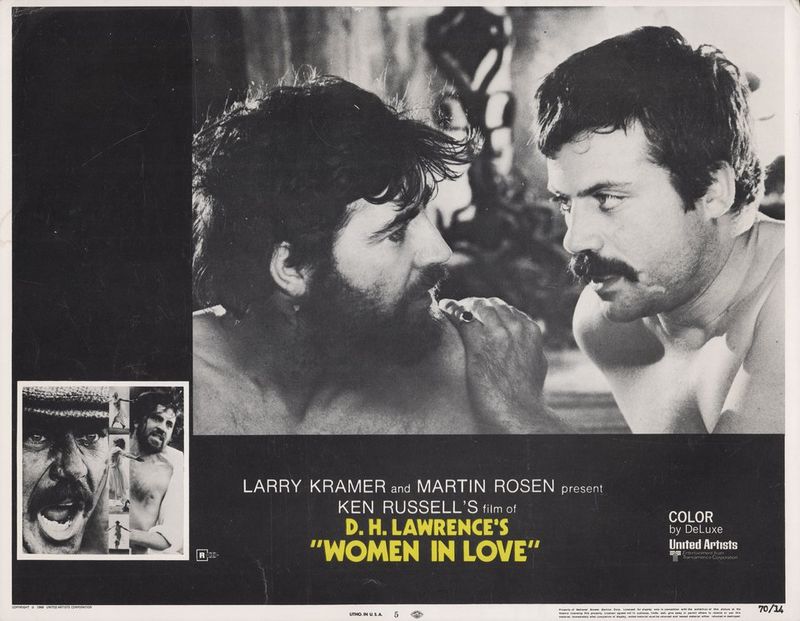
Ken Russell adapted D.H. Lawrence’s challenging novel with a fearlessness that shocked and impressed audiences in equal measure.
Women in Love explores the intense, complicated relationships between two sisters and two very different men in post-World War I England, asking bold questions about passion, independence, and what it means to truly connect with another person.
Glenda Jackson won an Academy Award for her fierce, unforgettable performance. The film pushed British cinema into exciting new territory.
15. Take the Money and Run
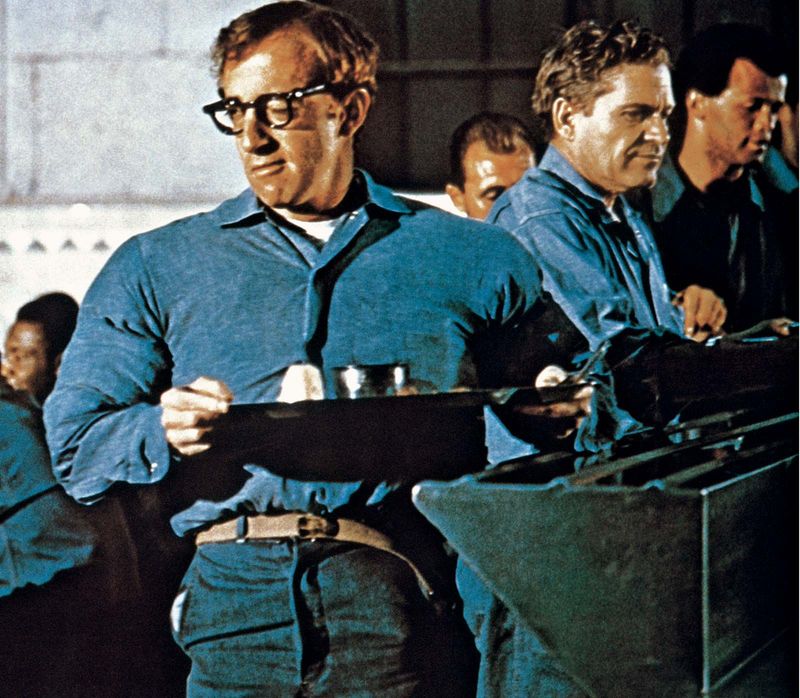
Woody Allen’s very first film as a director announced the arrival of a totally original comic voice. Take the Money and Run is a fake documentary following Virgil Starkwell, possibly the world’s least competent criminal, through a lifetime of spectacularly failed crimes.
Allen’s deadpan delivery and absurdist humor make every scene funnier than the last.
One bank robbery scene involving a poorly written note became an instant comedy legend. The mockumentary format it pioneered influenced generations of comedies that came after it.
16. Z
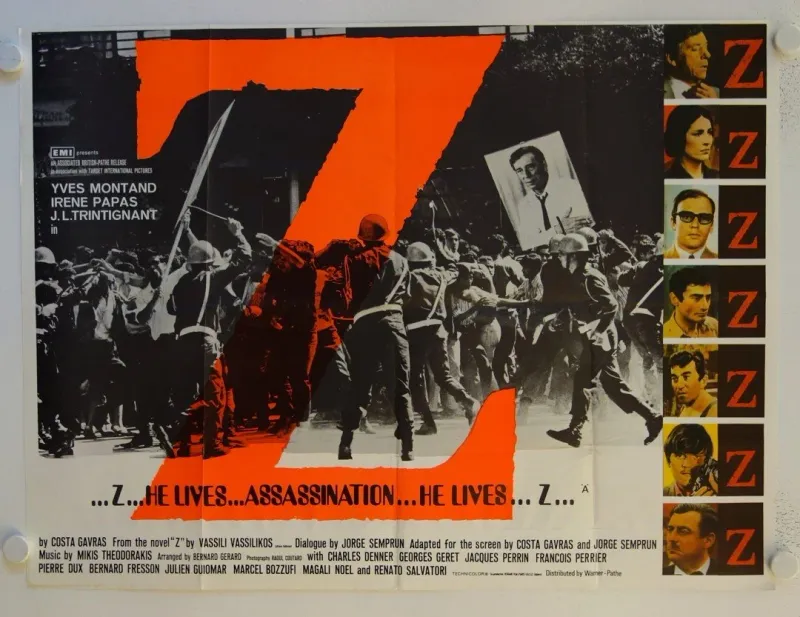
Costa-Gavras directed this French-Algerian political thriller with the pulse-pounding energy of a thriller and the moral weight of a documentary. Z is based on the real-life assassination of a Greek politician and the cover-up that followed, told through sharp editing and a cast that delivers every scene with crackling intensity.
It was nominated for the Academy Award for Best Picture.
Remarkably, it also won Best Foreign Language Film. Few political films have ever felt this alive and urgent on screen.
17. Army of Shadows
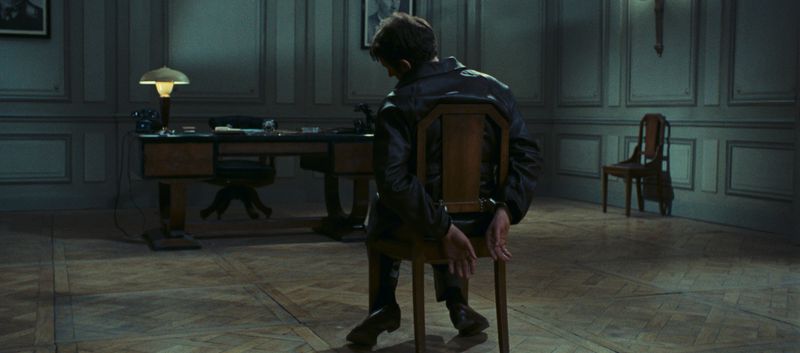
Jean-Pierre Melville’s deeply personal film about the French Resistance during World War II is one of the most quietly devastating war films ever made. Army of Shadows follows a small group of fighters not through heroic battles but through exhausting, terrifying acts of survival and sacrifice.
Melville himself was a Resistance member, and that experience gives every scene an authenticity that cannot be faked.
The film was largely ignored on release but is now recognized as a masterpiece. Its muted color palette feels like grief made visible.
18. Kes
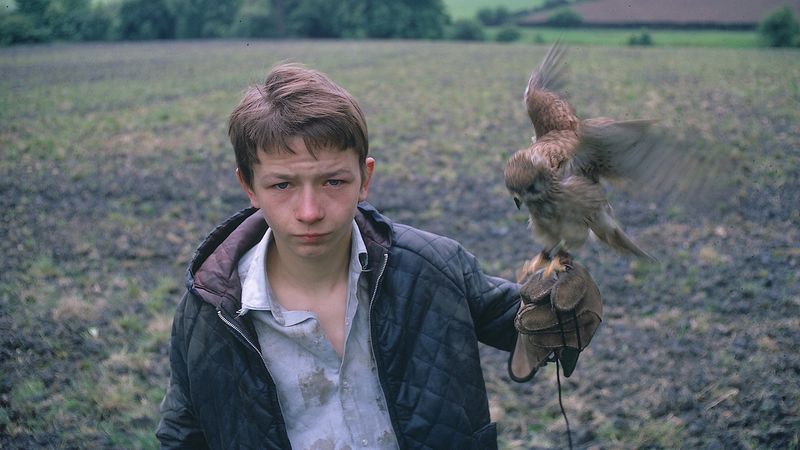
Ken Loach’s heartbreaking British film follows Billy Casper, a neglected boy from a Yorkshire mining town who finds unexpected purpose and joy in training a wild kestrel he names Kes. The bond between Billy and his bird is so tenderly filmed that audiences genuinely ache watching it.
David Bradley’s performance as Billy is one of the most natural child performances ever captured on film.
Kes speaks to anyone who ever felt overlooked or underestimated. Its emotional punch has not faded one bit in over 50 years.