
Many older men seem to disappear from social scenes, and people around them often wonder why. The truth is, their reasons go much deeper than simply being shy or unfriendly.
From shifting values to hard-earned wisdom, the pull toward a quieter life makes a lot of sense once you understand what is really going on. Read on to discover the surprisingly relatable reasons behind this growing trend.
1. Shifting Priorities and Values

Life has a funny way of reshuffling what matters most. As men grow older, the things that once drove them, like career status or keeping up appearances, start to feel less important.
Inner peace, reflection, and simple pleasures take center stage instead.
Chasing a packed social calendar begins to feel hollow when compared to a quiet evening doing something truly meaningful. Many older men are not withdrawing from life.
They are simply upgrading their definition of a good one.
2. Running Low on Social Energy

Socializing takes real energy, and that energy does not replenish as quickly as it once did. For many older men, a single busy evening out can leave them feeling wiped out for days.
It is not laziness. It is biology.
Rather than pushing through fatigue to keep up with social obligations, many men wisely choose to protect their energy. They save it for activities that genuinely restore them, which often happen to be quiet, solo pursuits like gardening or reading.
3. A Deep Craving for Quiet and Peace
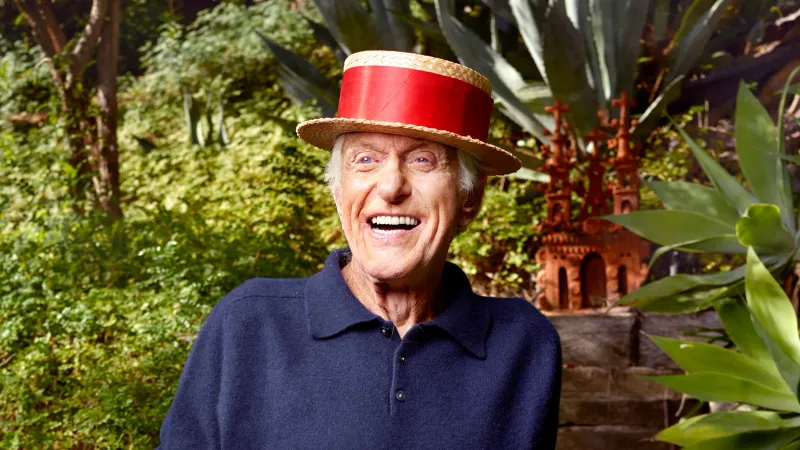
Decades of meetings, school runs, family noise, and work deadlines leave a mark. After all that, silence stops being lonely and starts feeling like a luxury.
Many older men have simply earned their quiet.
Home becomes a sanctuary rather than just a place to sleep. The hum of the refrigerator, birdsong outside, and the tick of a clock are all the company they need.
For these men, peace is not an absence of something. It is a presence all its own.
4. A Strong Sense of Independence
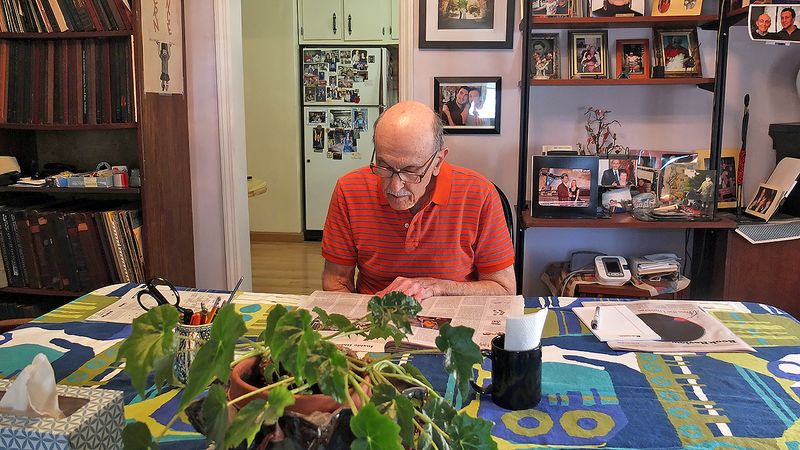
Some men have spent their entire lives valuing self-reliance above almost everything else. For them, depending on a social group or adjusting their schedule around others feels uncomfortable, even suffocating.
Managing their own time, space, and decisions without compromise is not stubbornness. It is a deeply held value that grew stronger with age.
Solitude gives these men the freedom to live entirely on their own terms, and honestly, that is something most people secretly envy.
5. Grief and Loss Within Social Circles

Losing a spouse, a best friend, or a sibling changes everything about how social life feels. The people who made gatherings fun and familiar are gone, and rebuilding those connections from scratch is genuinely hard.
Many older men find that socializing after significant loss feels more painful than comforting. Empty chairs at the table and missing voices in conversation are constant reminders.
Solitude, in this case, is not giving up. It is grieving in the only way that feels honest.
6. Retirement Removed the Built-In Social Structure

Work was never just about a paycheck for most men. It was also their main source of daily social interaction, routine, and belonging.
Retirement quietly takes all of that away at once.
Unlike women, who often maintain broader social networks outside of work, many older men realize too late that their workplace was their primary social world. Without it, rebuilding that structure feels like too much effort.
Some men simply decide they are fine without it, and surprisingly, many of them genuinely are.
7. Fewer Shared Interests with Old Friends
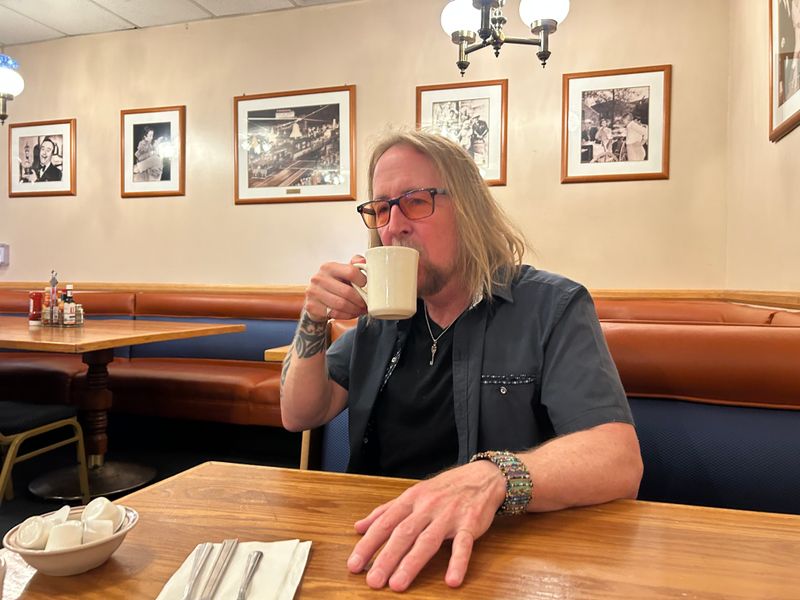
Friendships built around work projects, youth sports leagues, or raising kids together have a natural expiration date. Once those shared activities disappear, the common ground often disappears too.
Catching up over small talk about grandchildren or old memories only goes so far. Many older men find that their current interests, whether woodworking, philosophy, or hiking, simply do not align with former friends anymore.
Rather than forcing awkward connections, they choose the honest comfort of their own company instead.
8. Zero Patience for Small Talk

There is something about reaching a certain age that makes meaningless conversation feel almost physically painful. Weather updates, celebrity gossip, and polite nods through stories that go nowhere just do not cut it anymore.
Older men who crave depth and authenticity often find that most casual social settings cannot deliver what they are looking for. Rather than sitting through another round of surface-level chatter, many would rather spend that time alone doing something that actually feeds their mind or soul.
9. No Tolerance Left for Drama or Conflict
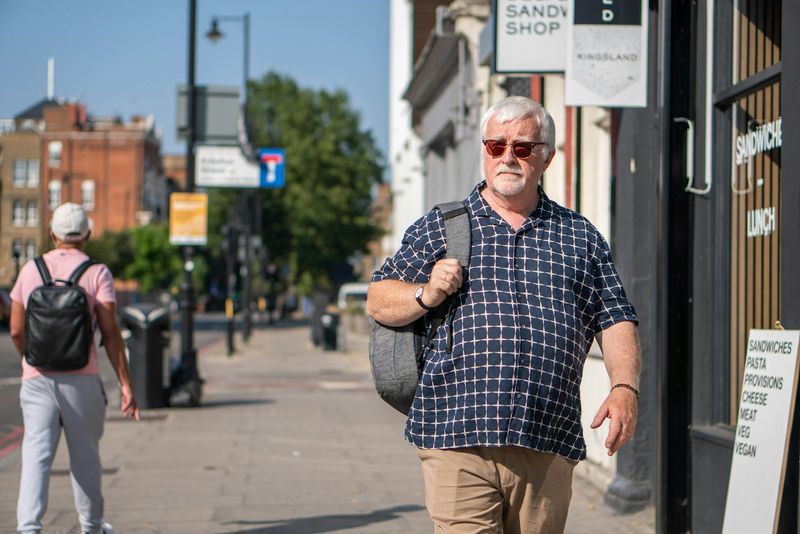
Years of navigating workplace politics, family disputes, and social rivalries tend to leave older men with one very clear conclusion: drama is simply not worth it. The older they get, the less patience they have for unnecessary conflict.
Choosing solitude is often a quiet act of self-preservation. When the alternative is getting pulled into other people’s stress, gossip, or power struggles, a peaceful afternoon alone starts to sound like paradise.
Many older men have simply stopped auditioning for roles in other people’s chaos.
10. Deep Engagement in Personal Hobbies

Retirement hands older men something they rarely had before: uninterrupted time. Many use it to finally go deep into hobbies they had to put on the back burner for decades, whether that is woodworking, photography, writing, or astronomy.
These solo pursuits are not just pastimes. They are deeply fulfilling creative outlets that require focus and quiet.
Interrupting that flow for social obligations can feel genuinely frustrating. When a hobby becomes a passion, protecting the time and space for it becomes a real priority.
11. Health Challenges That Make Socializing Harder
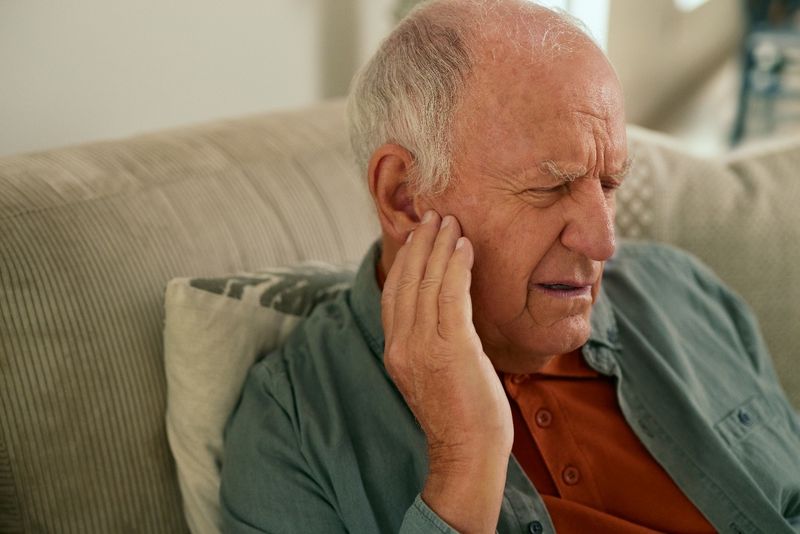
Hearing loss is more common than most people realize among older men, and it turns group conversations into exhausting guessing games. Add in reduced mobility, chronic pain, or fatigue, and social events can feel more like obstacles than opportunities.
When every outing requires extra planning, physical effort, or the embarrassment of asking people to repeat themselves, many men quietly opt out. Solitude removes those barriers entirely.
At home, everything is comfortable, accessible, and manageable, which is reason enough for many to stay there.
12. Comfort in Familiar Daily Routines

There is real comfort in knowing exactly how your day will go. A morning walk at the same time, coffee brewed just right, the newspaper read in peace.
Routines become anchors, and older men often guard them fiercely.
Introducing new social commitments means disrupting rhythms that took years to build. For some, that disruption is simply not worth the trade-off.
A predictable, well-ordered day brings a quiet satisfaction that no dinner party or social club can easily compete with.
13. Protecting Mental Health and Peace of Mind
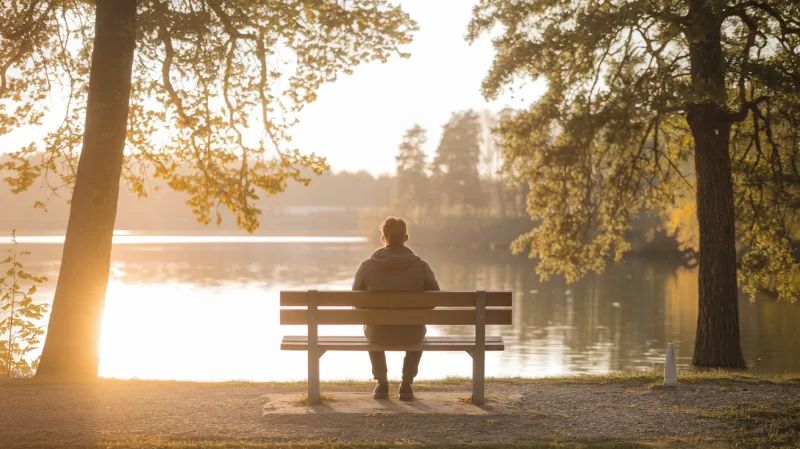
Not every social environment is good for mental health. For some older men, certain relationships or group dynamics bring anxiety, stress, or emotional drain rather than genuine connection.
Recognizing that is actually a sign of self-awareness.
Choosing solitude as a mental health strategy is more intentional than it might look from the outside. Fewer emotional demands, less unpredictability, and more control over their environment helps many older men stay grounded and emotionally stable.
For them, quiet is not emptiness. It is clarity.
14. The Powerful Pull of the Outdoors

Solo time in nature hits differently when you are older. The combination of fresh air, natural beauty, and complete silence delivers something that no dinner party or social gathering ever could.
Many older men describe these moments as the best part of their week.
Whether it is fishing at dawn, hiking a familiar trail, or simply sitting by a lake, nature-based solitude feels grounding and restorative. It is an experience that actually gets better with age, especially when there is no one around to rush you along.
15. Freedom from Societal Expectations
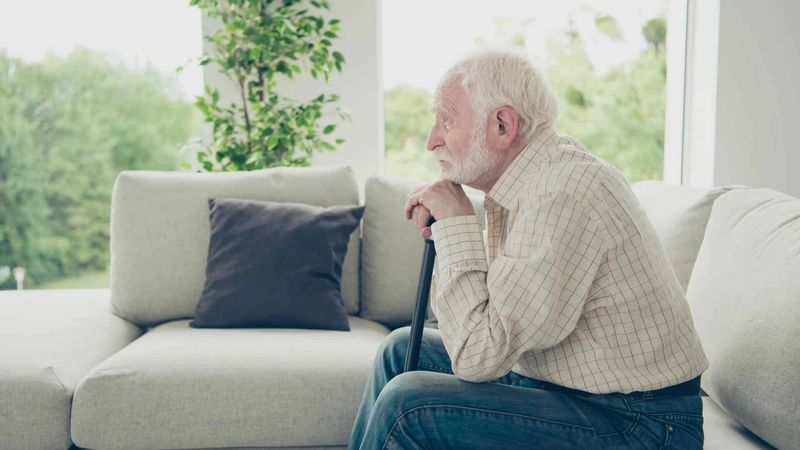
Society spends decades telling men how they should live: get married, stay connected, keep up appearances, be the provider. By the time many men reach their 60s and 70s, they are done performing for an audience.
Solitude offers a kind of freedom that is hard to explain unless you have felt it. No expectations, no social roles to fill, no pressure to fit a mold.
Many older men describe this phase of life as the first time they have truly felt like themselves, and they are not giving that up lightly.
16. Past Relationship Wounds That Still Sting
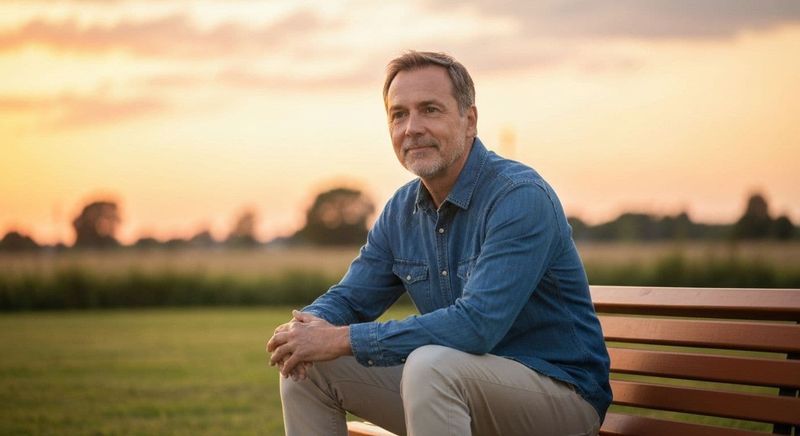
A painful divorce or a marriage that slowly fell apart does not just end when the paperwork is signed. For many older men, those experiences leave a lasting caution about emotional vulnerability and close relationships.
Re-entering the social world, especially the dating world, can feel like walking back into a situation that already cost them dearly. Solitude becomes a protective choice rather than a sad one.
Many men are not closed off from love or connection. They are just being careful with what they have left to give.
17. Genuinely Enjoying Their Own Company
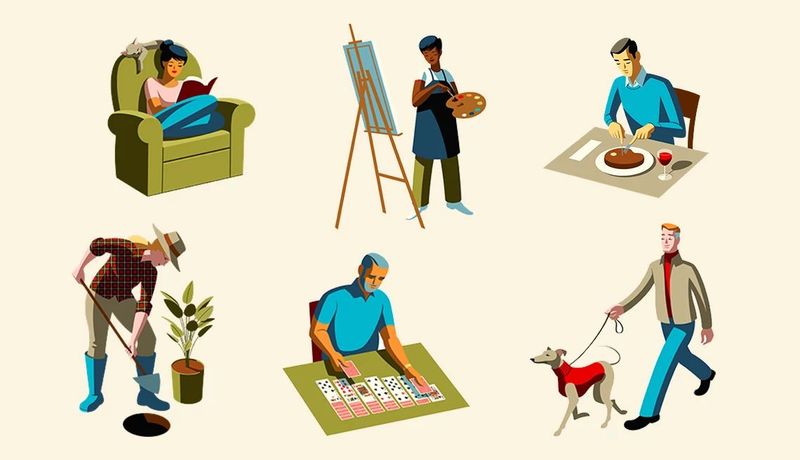
Research actually backs this one up: many older men who live alone report high levels of life satisfaction. Spending time with yourself, when you genuinely like who you are, is not lonely.
It is liberating.
Self-discovery does not stop at 30 or 40. Older men who embrace solitude often report learning new things about their own preferences, values, and sense of humor.
Being your own best company is a skill, and for many, it took a lifetime to develop. Why give it up now?
18. The Quiet Struggle with Asking for Help
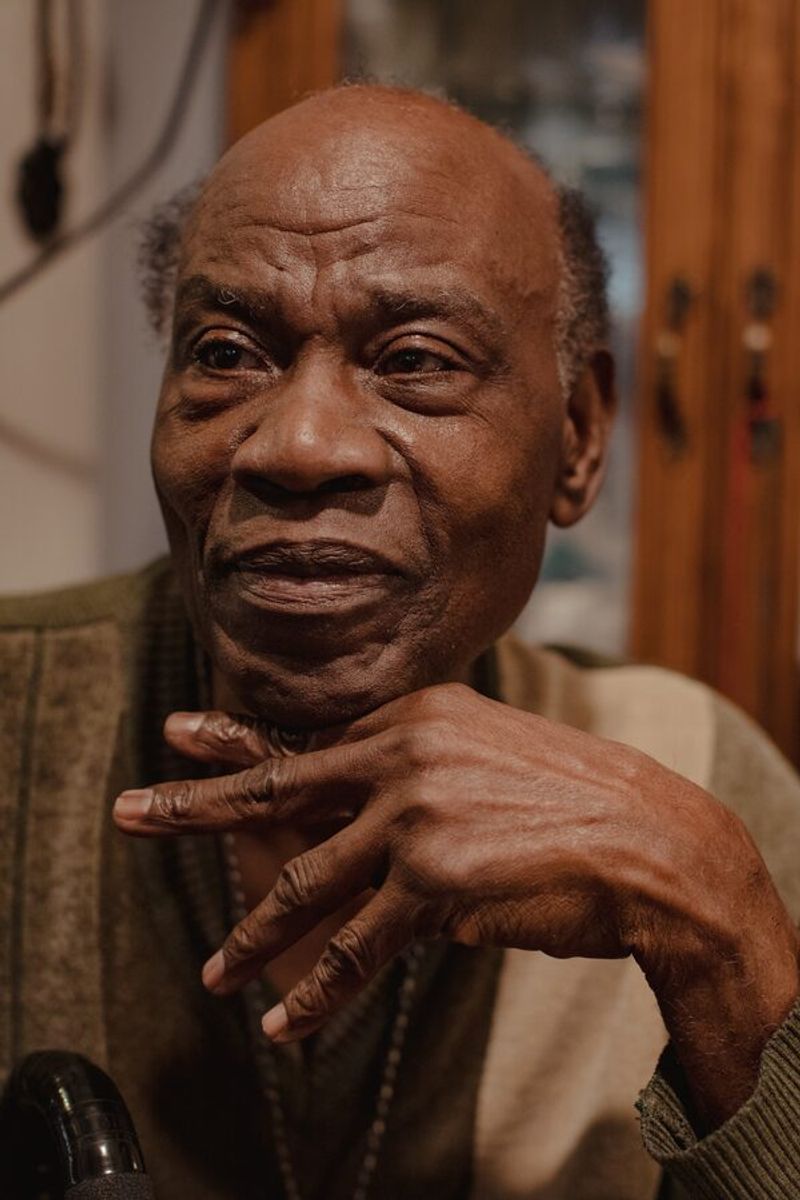
Many older men were raised to believe that needing others is a weakness. That mindset does not disappear with age.
If anything, it gets more deeply rooted. Asking for social support can feel like admitting defeat.
The result is a quiet cycle where isolation grows but help is never sought. Some men genuinely prefer solitude, but others are simply too proud to reach out.
Understanding the difference matters, because one is a healthy choice and the other is a hidden struggle that deserves a gentler kind of attention.