
Dating after 50 can feel exciting, but it also comes with some real challenges that younger daters rarely face. Years of life experience, past relationships, and deeply rooted habits can quietly get in the way of building something new and meaningful.
Many people over 50 repeat the same patterns without even realizing it, and those patterns can push potential partners away. Knowing what to watch out for is the first step toward actually finding the love you deserve.
1. Carrying Emotional Baggage Into New Relationships

Past relationships leave marks, and not all of them heal cleanly. Many people over 50 unknowingly bring unresolved hurt, resentment, or fear from old relationships into brand-new ones.
A new partner ends up paying for someone else’s mistakes, which is exhausting for everyone involved.
Working through old pain before dating seriously makes a huge difference. Therapy, journaling, or honest self-reflection can help clear the emotional clutter.
A fresh relationship deserves a fresh start, not a replay of old wounds.
2. Expecting Instant Chemistry Every Time

Many older daters hold onto the idea that real love should feel like fireworks from the very first moment. That expectation, while romantic, can cause people to walk away from genuinely good matches too soon.
After 50, chemistry often builds slowly through trust, laughter, and shared experiences. Curiosity and emotional safety matter far more than instant sparks.
Giving someone a second or third date before deciding can open doors that a quick judgment would have slammed shut.
3. Being Too Set in Your Daily Routines

By 50, most people have a life that runs like clockwork. Breakfast at the same time, the same weekend rituals, the same way of folding laundry.
Those routines feel comfortable, but they can also make room for another person feel impossible.
Compromise becomes harder when every habit feels non-negotiable. Healthy relationships require flexibility and a willingness to bend a little.
Recognizing which routines truly matter and which ones can be adjusted is a skill worth developing before dating seriously.
4. Comparing New Partners to Your Ex

“My ex always did it this way” is one of the most damaging phrases in later-life dating. Comparing a new person to someone from your past, whether favorably or critically, puts an unfair weight on the relationship before it even gets going.
Everyone comes with their own personality, habits, and love style. A new partner deserves to be seen as exactly who they are, not measured against a ghost from your history.
Letting go of comparisons opens the door to genuine connection.
5. Rushing Into Commitment Out of Loneliness

Loneliness is real, and it can make someone feel an urgent need to lock down a relationship fast. Moving too quickly, skipping the slow getting-to-know-you phase, often leads to pairing up with someone who is not actually a good fit.
Urgency is not the same as romance. Slowing down and letting a relationship develop naturally protects both people from heartbreak later.
Building a solid foundation takes time, and that time is never wasted when the goal is something lasting.
6. Struggling With Modern Dating Technology

Dating apps, texting etiquette, and video calls have completely changed how people meet and connect. For many over 50, this digital landscape feels foreign and a little overwhelming, which can lead to avoiding online dating altogether.
Skipping apps and websites drastically shrinks the pool of available partners. About 17 percent of adults over 50 have used dating sites, and that number keeps growing.
Learning even the basics of online dating, even imperfectly, can open up meaningful new possibilities worth exploring.
7. Keeping an Unrealistically Long Checklist

After decades of knowing what you like, it is tempting to build a detailed mental list of everything a partner must be. Tall, financially stable, no kids, loves travel, cooks well, and so on.
The longer that list gets, the fewer people can possibly qualify.
Nobody arrives at 50 without some complications. The goal is not perfection but compatibility.
Narrowing the focus to a few truly important values, rather than a full checklist, makes it far easier to recognize a genuinely good match.
8. Falling for Love Bombing

Love bombing feels amazing at first. Constant compliments, daily texts, grand romantic gestures, and talk of the future all within the first few weeks.
It can feel like finally finding exactly what you have been looking for.
However, this pattern often signals manipulation rather than genuine affection. Real love builds gradually through consistent actions, not overwhelming intensity.
When someone moves unusually fast and showers you with attention before truly knowing you, that is worth pausing to examine carefully before getting swept away.
9. Avoiding Honest Conversations About Money

Financial conversations feel awkward, but avoiding them can create serious problems down the road. By 50, most people have assets, debts, retirement plans, and financial habits that directly affect a shared future.
Secrets around money, or mismatched spending priorities, can quietly destroy an otherwise strong relationship. Discussing finances does not have to happen on a first date, but it should happen well before any major commitment.
Honesty about money is a form of respect that builds real trust between partners.
10. Ignoring Incompatible Lifestyle Goals

One person wants to retire early and travel the world. The other wants to stay close to grandchildren and tend a garden.
Both are beautiful goals, but they pull in very different directions.
Lifestyle compatibility matters enormously after 50, often more than shared hobbies or even physical attraction. Ignoring these differences early on, hoping they will sort themselves out, usually leads to resentment later.
Having honest, early conversations about future goals saves both people from investing in a relationship that cannot realistically work.
11. Using Humor to Dodge Deep Conversations

A good sense of humor is genuinely attractive. However, using jokes as a shield every time a conversation turns serious is a different thing entirely.
It keeps emotional depth just out of reach and signals that real vulnerability feels too risky.
Partners who consistently dodge meaningful topics through humor can leave the other person feeling unseen and unheard. Opening up about feelings, fears, and expectations takes courage, especially after past hurts.
That courage, though, is exactly what allows real intimacy to grow between two people.
12. Letting Fear of Rejection Stop You Cold

Rejection stings at any age, but after 50 it can feel particularly sharp. Years of life experience sometimes make people hyper-aware of potential failure, so they avoid putting themselves out there at all.
Staying safely on the sidelines guarantees one thing: nothing changes. Every meaningful relationship carries some risk of heartbreak, and that has always been true.
Building a small tolerance for rejection, one small social risk at a time, gradually restores the confidence needed to pursue something real and worthwhile.
13. Sending Mixed Signals Without Realizing It
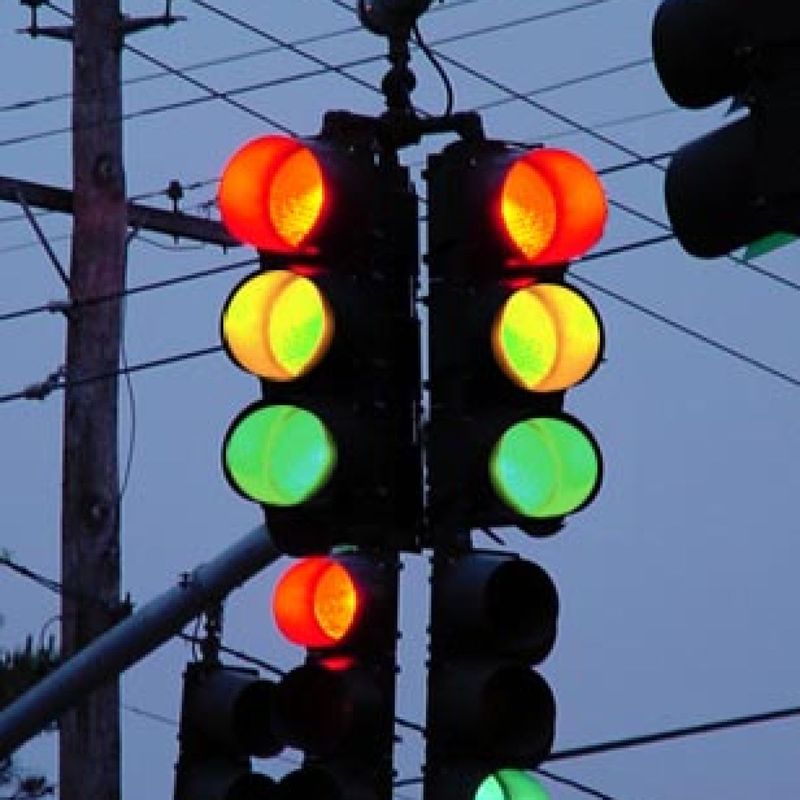
Sometimes people are genuinely unsure what they want, and that uncertainty leaks out as inconsistent behavior. Responding warmly one day and going quiet the next, or saying you want commitment while keeping emotional distance, sends confusing messages.
Mixed signals frustrate potential partners and often cause good people to give up and move on. Getting clear on your own needs and intentions before actively dating saves everyone involved a lot of unnecessary confusion.
Self-awareness is one of the most attractive qualities a person can bring to a new relationship.
14. Over-Texting Before Meeting in Person
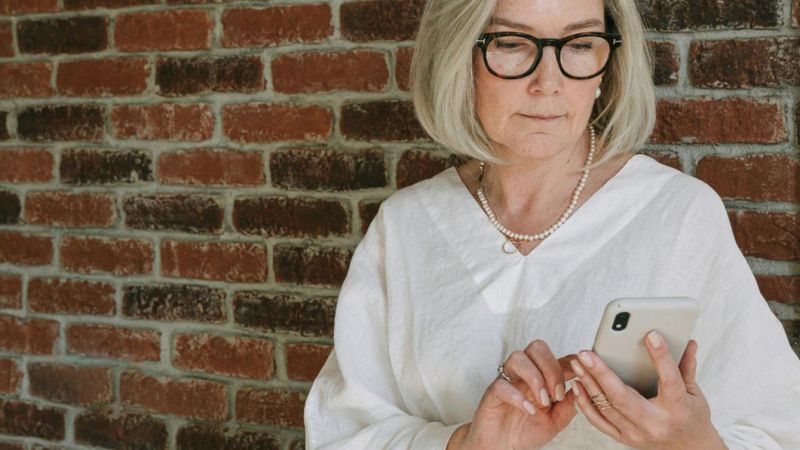
Long text conversations before a first date can feel like real connection, but they often create a false sense of closeness. By the time two people actually meet, one or both may feel like they already know each other well, which sets up unrealistic expectations.
Real chemistry happens in person, through tone of voice, body language, and shared laughter. Keeping pre-date texting light and moving toward an actual meeting sooner rather than later is a much smarter approach to building something genuine and grounded.
15. Neglecting Physical and Emotional Intimacy Talks

Intimacy after 50 comes with new realities, including hormonal changes, shifts in libido, and physical adjustments that neither partner should have to navigate alone in silence. Yet many people avoid talking about it entirely out of embarrassment.
Open conversations about desires, comfort levels, and physical changes actually strengthen connection rather than weaken it. Couples who talk openly about intimacy report feeling closer and more satisfied.
Treating these conversations as normal, rather than awkward, is one of the healthiest things partners can do for each other.
16. Dismissing Partners Over Minor Flaws

After decades of independence, small annoyances can feel much bigger than they actually are. Someone chews too loudly, tells long-winded stories, or picks the wrong restaurant.
Suddenly they are off the list entirely.
Hyper-focusing on minor flaws is often a subconscious way of protecting yourself from the vulnerability of actually liking someone. Nobody is perfect, and expecting otherwise is a guaranteed path to staying single.
Asking whether a flaw is truly a dealbreaker or just an adjustment period is a question worth sitting with honestly.
17. Letting Adult Children Influence Your Choices

Adult children sometimes struggle when a parent starts dating again, especially after a divorce or the loss of a spouse. Their discomfort is understandable, but allowing it to dictate your romantic choices is a pattern that can quietly steal your happiness.
Your children’s opinions matter, and serious concerns deserve attention. However, you are the one who will live with the choice you make.
Balancing family feelings with your own needs requires honest, loving conversations rather than quietly giving up on finding love to keep the peace.
18. Refusing to Be Emotionally Vulnerable

Building walls is a natural response to past heartbreak, but those same walls that once protected you can now keep love at a permanent distance. Guarded responses, surface-level conversations, and emotional unavailability signal to a new partner that getting close is simply not an option.
Vulnerability does not mean sharing everything on a first date. It means gradually allowing someone to see who you really are.
That slow, honest opening up is precisely what turns two strangers into people who genuinely matter to each other over time.