
Playing a villain can be one of the most powerful moves an actor ever makes. Some roles are so dark, so twisted, or so brilliantly acted that they completely reshape a star’s path in Hollywood.
From earning surprise Oscar wins to landing roles they never could have gotten before, these actors proved that going bad on screen can be very, very good for a career. Get ready to look at 18 unforgettable performances that changed everything.
1. Heath Ledger as The Joker (The Dark Knight)
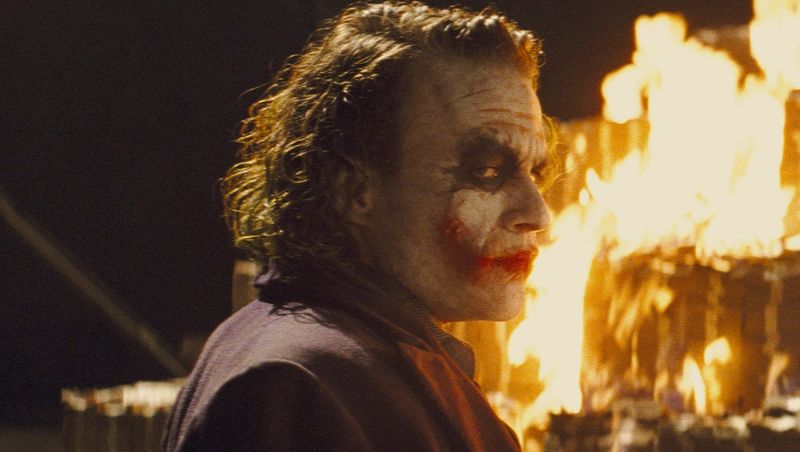
Few performances in movie history hit as hard as Heath Ledger’s Joker. He locked himself away for over a month to build the character from scratch, even designing the makeup himself.
The result was pure chaos on screen.
Ledger posthumously won an Academy Award, a Golden Globe, a BAFTA, and a SAG Award. Christian Bale said Ledger told him it was the most fun he’d ever had.
Tragically, the world lost him before he could see the impact.
2. Anthony Hopkins as Hannibal Lecter (The Silence of the Lambs)
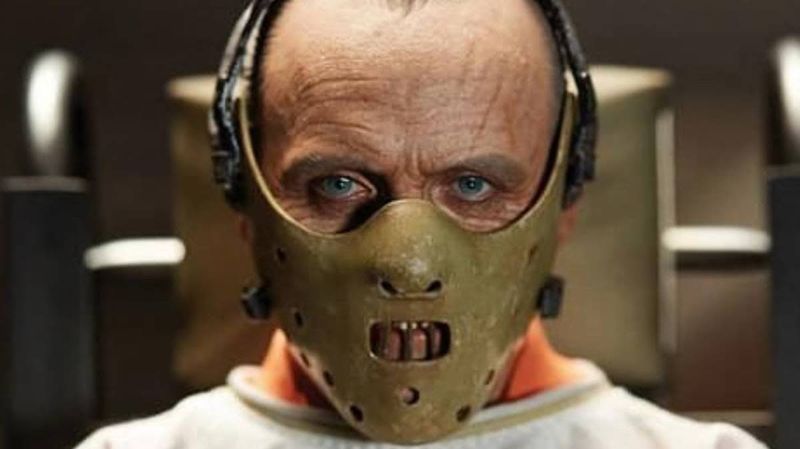
Before Hannibal Lecter, Anthony Hopkins had quietly resigned himself to stage work and BBC productions, feeling his film career had gone nowhere. Then came 16 minutes of screen time that changed movie history forever.
His cold stare and eerie stillness earned him an Academy Award for Best Actor, cementing him as an instant film legend. Hopkins himself said the role profoundly redirected his entire life.
He later reprised Lecter in both “Hannibal” and “Red Dragon.”
3. Javier Bardem as Anton Chigurh (No Country for Old Men)
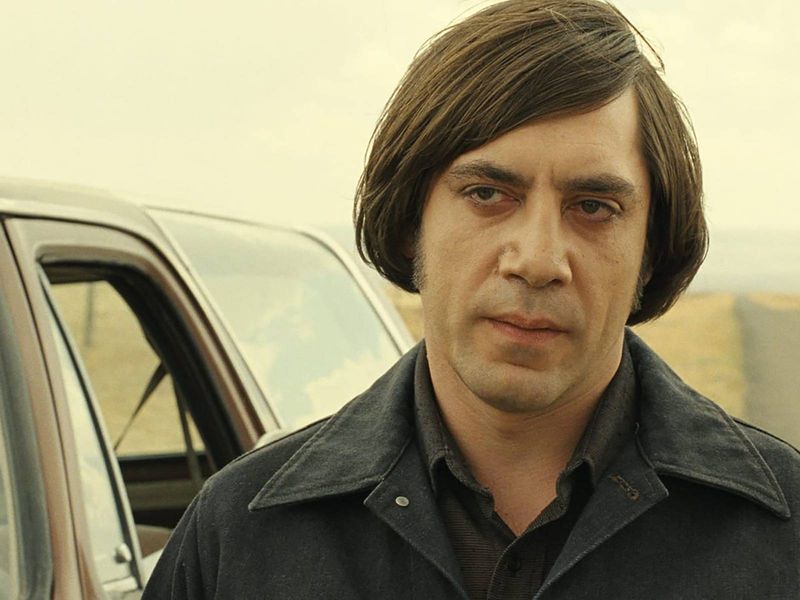
That bowl cut alone was enough to make audiences squirm. Javier Bardem spent serious time neutralizing his Spanish accent and developing Chigurh’s eerily calm physicality, turning a written character into something almost supernatural on screen.
He walked away with an Academy Award, Golden Globe, BAFTA, SAG Award, and Critics’ Choice Award, becoming the first Spaniard ever to win an Oscar in that category. Psychologists even praised it as one of the most realistic portrayals of a psychopath ever filmed.
4. Christoph Waltz as Hans Landa (Inglourious Basterds)
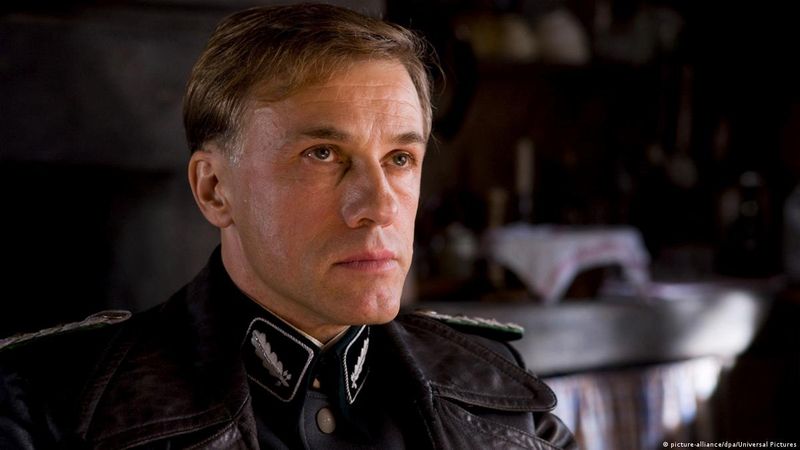
Quentin Tarantino once said that if he hadn’t found the right actor for Hans Landa, he might never have made “Inglourious Basterds” at all. Enter Christoph Waltz, who was 52 years old and largely unknown outside Europe when he auditioned.
His playful hand gestures, unpredictable charm, and razor-sharp delivery earned him the Best Actor prize at Cannes, followed by an Oscar, BAFTA, Golden Globe, and SAG Award. Waltz later said the role reminded him exactly why he became an actor.
5. Tom Hiddleston as Loki (Marvel Cinematic Universe)
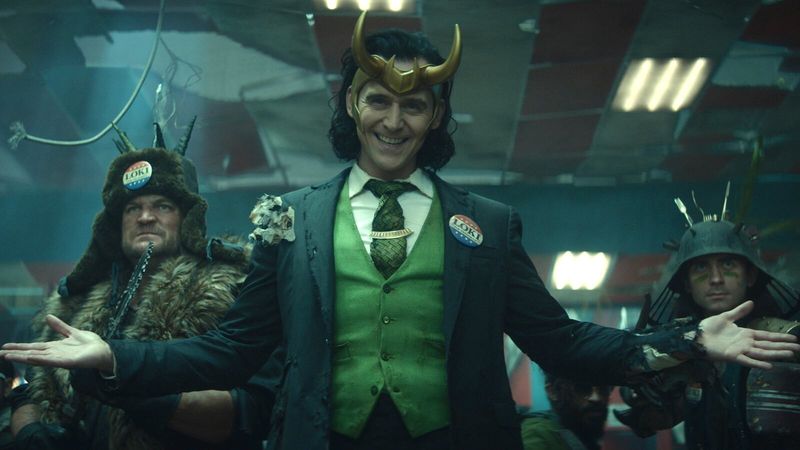
Tom Hiddleston calls his casting as Loki in the MCU “life-changing,” and that’s not an exaggeration. Director Kenneth Branagh, who had previously worked with Hiddleston on stage, championed him for the role and completely altered the course of his career.
Loki quickly became one of the most beloved characters in the entire Marvel universe. Hiddleston has reprised the role across multiple films and even executive produces the Disney+ series “Loki.” The God of Mischief made him a global superstar.
6. Christian Bale as Patrick Bateman (American Psycho)
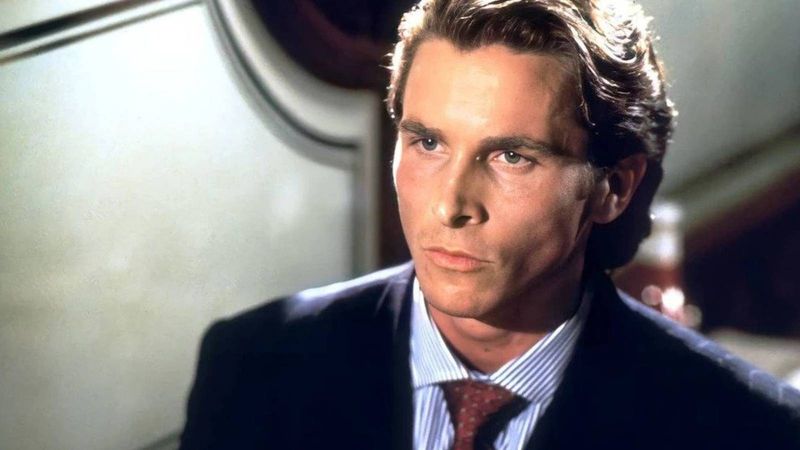
His own agent warned him that playing Patrick Bateman would end his career. Christian Bale ignored that advice, turned down other offers for nine months, and delivered what critics now call his career-defining breakout performance.
“American Psycho” (2000) catapulted Bale from a promising young actor into a serious Hollywood force. The role set him on a path toward Batman, Oscar wins, and decades of acclaimed work.
Bateman’s face is still everywhere in pop culture memes today.
7. Sharon Stone as Catherine Tramell (Basic Instinct)
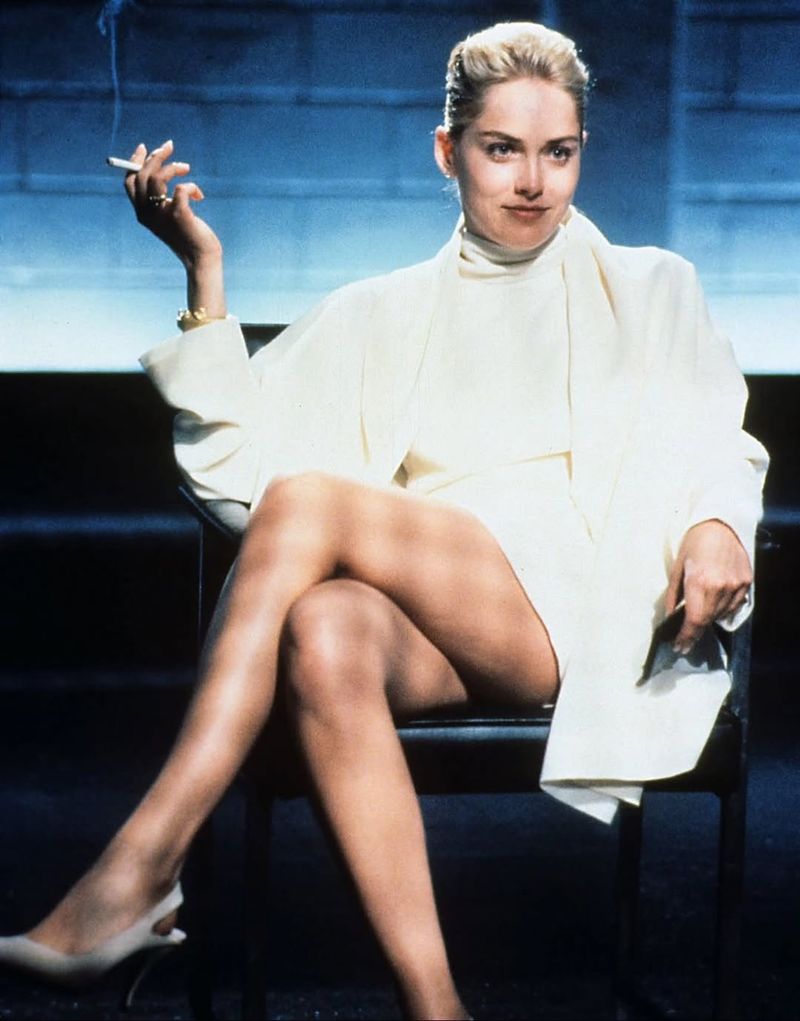
Before “Basic Instinct,” Sharon Stone was a working actress with decent credits but no real star power. Catherine Tramell changed all of that almost overnight.
The 1992 thriller made her one of the most talked-about women in Hollywood.
Stone earned her first Golden Globe nomination for the role, and Tramell was later nominated for the American Film Institute’s greatest villain list. Entertainment Weekly named her one of the greatest fictional characters ever.
One role, and suddenly everything opened up.
8. Louise Fletcher as Nurse Ratched (One Flew Over the Cuckoo’s Nest)
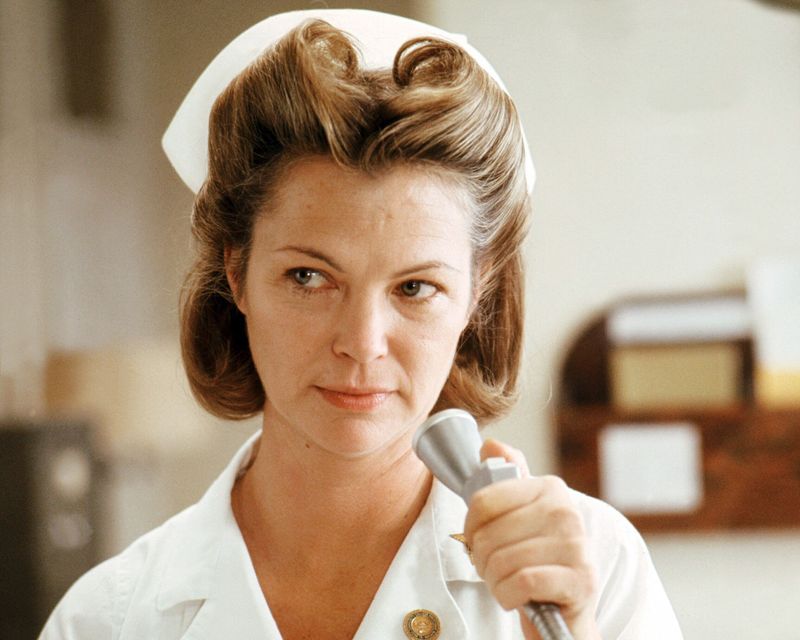
Nurse Ratched was Louise Fletcher’s first major film role after years of small TV parts and bit movie appearances. Most actors dream of a role that big landing that early.
Fletcher didn’t just land it, she owned it completely.
She won the Academy Award for Best Actress, a BAFTA, and a Golden Globe. The American Film Institute later ranked Nurse Ratched the fifth greatest villain in movie history.
The downside? She was frequently typecast afterward, though she worked steadily for over four decades.
9. Lena Headey as Cersei Lannister (Game of Thrones)
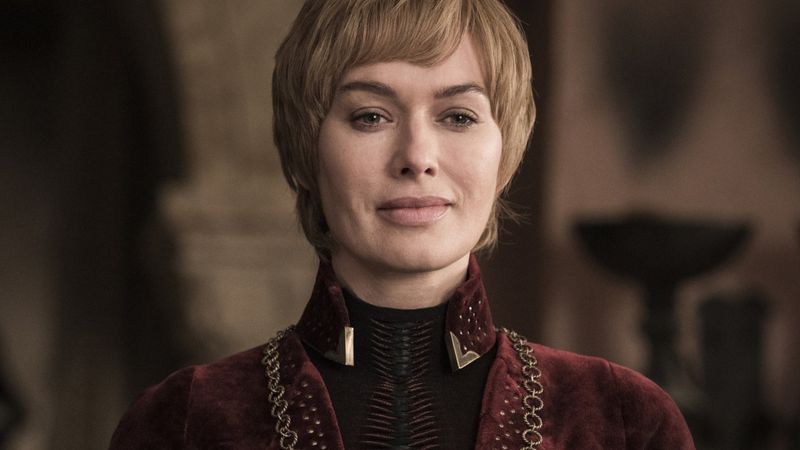
Cersei Lannister gave Lena Headey a platform to show the world what she could truly do. She has openly said the role allowed her to “flex her muscles as an actor” and opened doors she hadn’t imagined before.
By the final season, she was reportedly earning $1 million per episode. The role brought global recognition, though Headey also admitted Cersei’s massive shadow made finding fresh roles more challenging afterward.
She has since appeared in “Gunpowder Milkshake” and the HBO miniseries “White House Plumbers.”
10. Glenn Close as Cruella de Vil (101 Dalmatians)
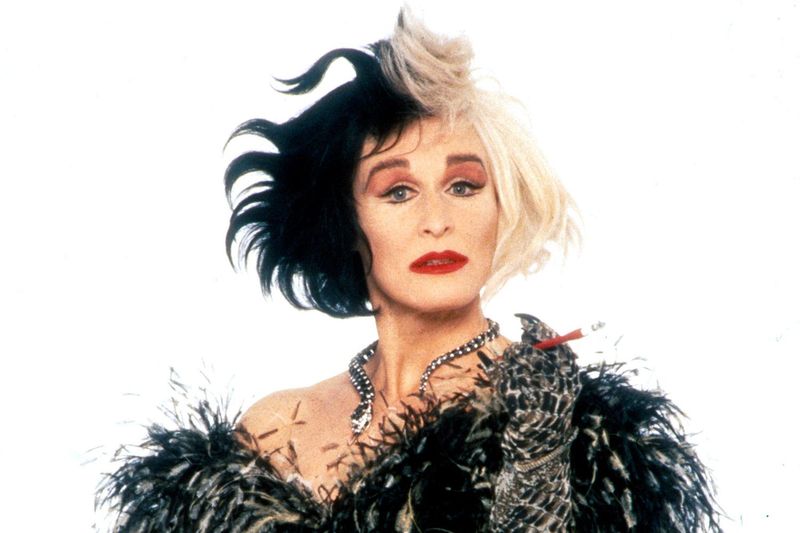
Nobody else could have worn that hair quite like Glenn Close. Her turn as Cruella de Vil in the 1996 live-action “101 Dalmatians” was universally praised, and the film became a massive commercial hit, grossing over $320 million worldwide.
She earned a Golden Globe nomination for Best Actress in a Comedy or Musical for the role. Years later, when Emma Stone played Cruella in the 2021 prequel, Close served as executive producer and personally guided Stone on the character’s iconic mannerisms.
11. Ralph Fiennes as Amon Goeth (Schindler’s List)
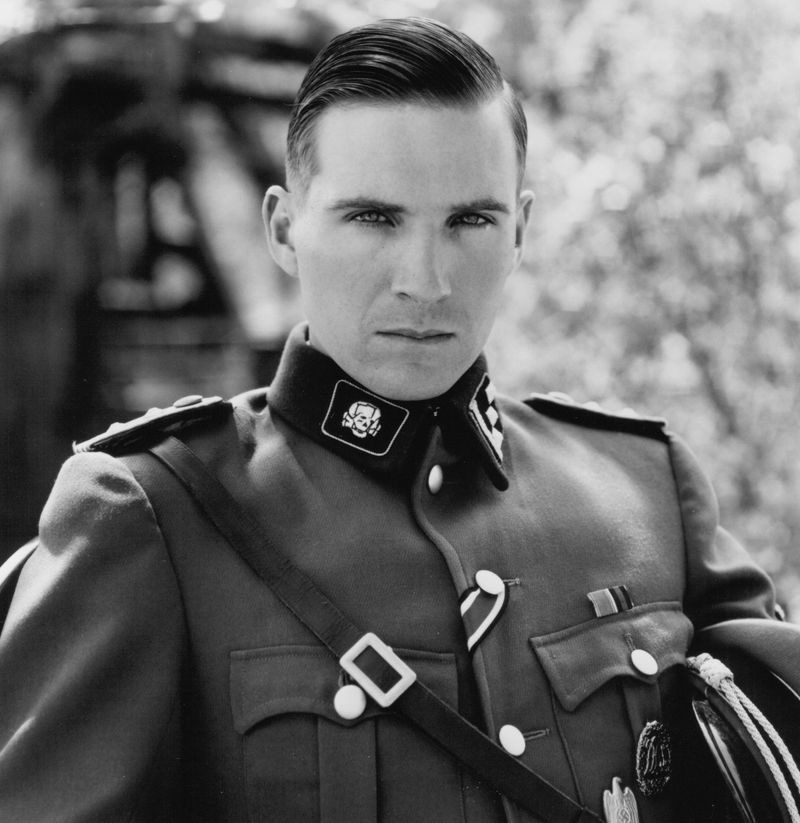
Ralph Fiennes had done solid work before 1993, but nothing that prepared audiences for his terrifying portrayal of real-life Nazi commandant Amon Goeth in Steven Spielberg’s “Schindler’s List.” The performance was devastating in the best possible way.
Fiennes earned an Academy Award nomination for Best Supporting Actor, launching him into the top tier of Hollywood talent. That role opened the door to iconic characters including Lord Voldemort and M in the James Bond franchise.
One villain set an entire legendary career in motion.
12. Alan Rickman as Hans Gruber (Die Hard)
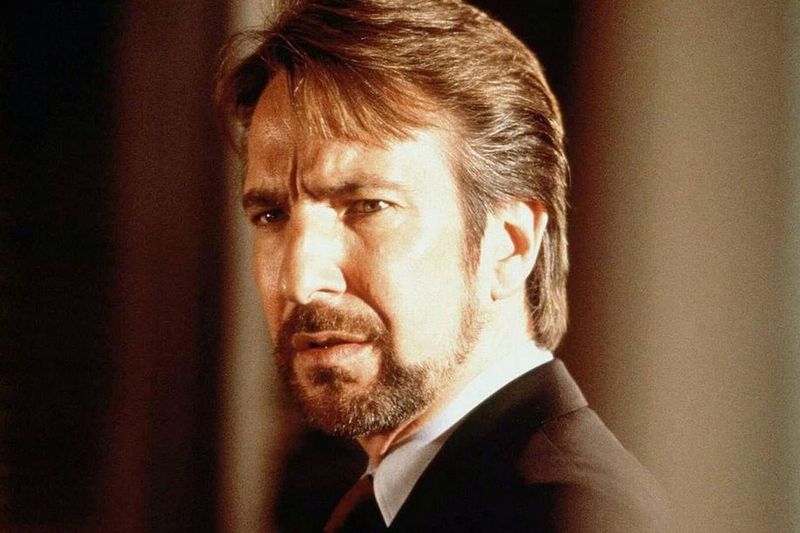
“Die Hard” (1988) was Alan Rickman’s very first film role, and he arrived fully formed. His Hans Gruber was so sophisticated, so wickedly funny, and so utterly menacing that audiences couldn’t look away.
That debut alone made Hollywood take notice.
Before Gruber, Rickman was primarily a respected theater actor. After it, film directors lined up.
The role led to Professor Snape, the Sheriff of Nottingham, and a career full of scene-stealing performances. Hans Gruber didn’t just launch Rickman’s film career, it defined his entire legacy.
13. Bryan Cranston as Walter White (Breaking Bad)
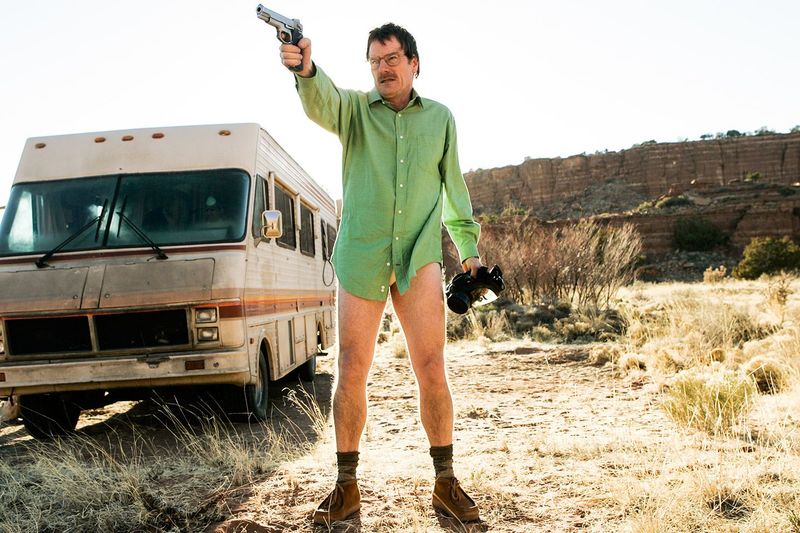
Most people knew Bryan Cranston as the lovable, goofy dad from “Malcolm in the Middle.” Then Walter White happened, and suddenly everyone was watching a completely different kind of actor at work.
“Breaking Bad” ran from 2008 to 2013, and Cranston won four Emmy Awards for his role, a record for a drama series lead. The transformation from chemistry teacher to drug kingpin became one of TV’s greatest character arcs.
His career shifted permanently into prestige territory after that unforgettable run.
14. Imelda Staunton as Dolores Umbridge (Harry Potter)
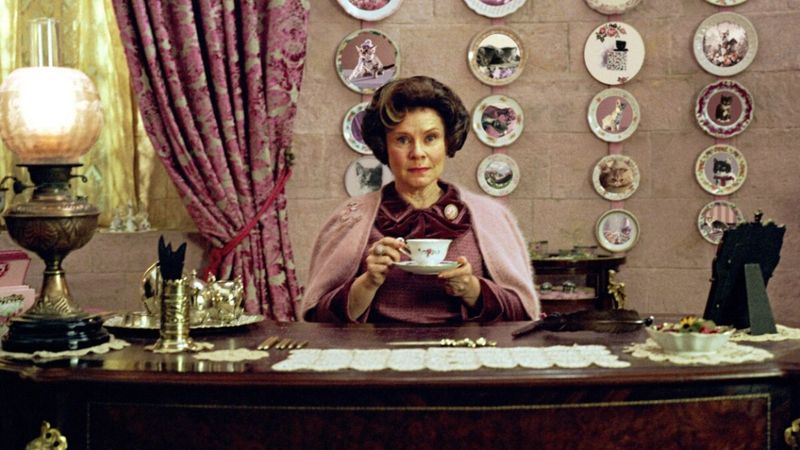
Dolores Umbridge is arguably more hated than Voldemort himself, and Imelda Staunton deserves full credit for that achievement. Her portrayal of the sweetly sadistic Ministry official gave younger audiences nightmares wrapped in pink cardigans and forced smiles.
Before Harry Potter, Staunton was a highly respected British stage and screen actress. The Umbridge role brought her global visibility on a completely new scale.
It helped pave the way for her later casting as Queen Elizabeth II in Netflix’s “The Crown,” arguably the peak of her career.
15. Helena Bonham Carter as Bellatrix Lestrange (Harry Potter)
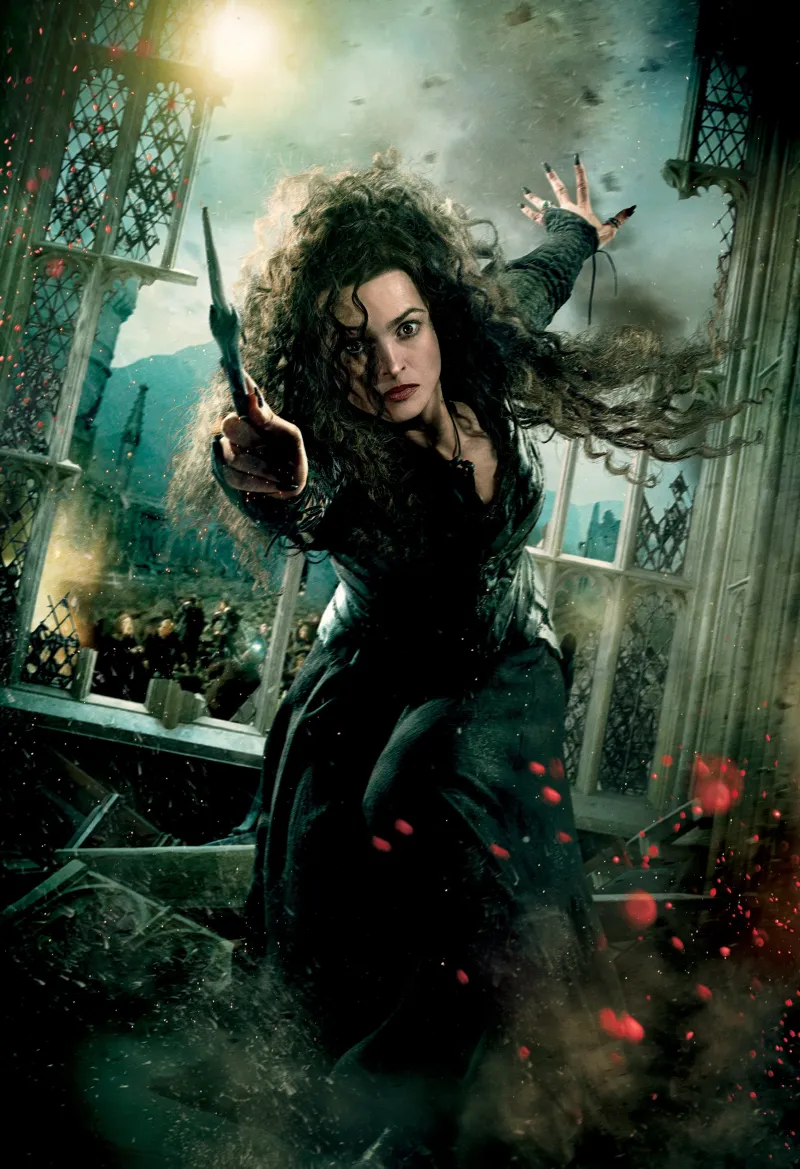
Wild-eyed, unpredictable, and absolutely unhinged, Bellatrix Lestrange felt like a role written specifically for Helena Bonham Carter. She brought an electric energy to every scene, making the character one of the most memorable Death Eaters in the entire franchise.
Carter was already well-known for her quirky roles in Tim Burton films, but Bellatrix pushed her into blockbuster territory on a global scale. The role reinforced her reputation as one of Britain’s most fearless and committed performers, and audiences loved every chaotic second of it.
16. Malcolm McDowell as Alex DeLarge (A Clockwork Orange)
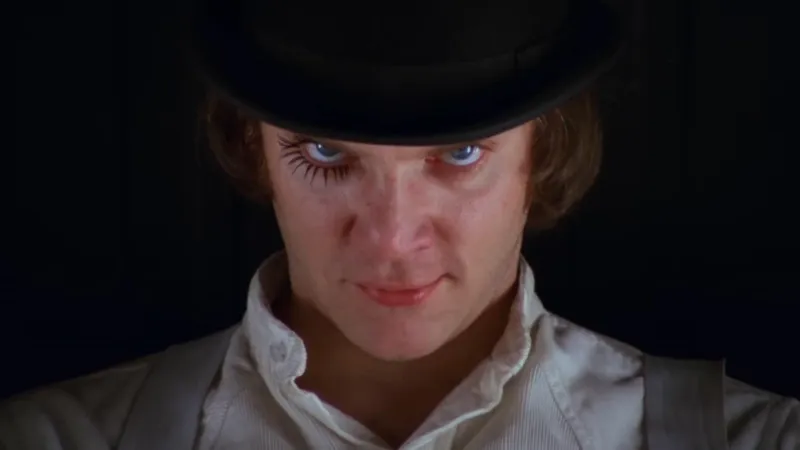
Stanley Kubrick’s “A Clockwork Orange” (1971) is one of the most controversial films ever made, and Malcolm McDowell’s Alex DeLarge sits right at the center of that storm. He played the role with terrifying charm, making a monster somehow magnetic to watch.
The performance defined McDowell’s identity for decades. While it typecast him in darker roles, it also gave him an enduring cult legacy that few actors ever achieve.
Alex DeLarge remains one of cinema’s most studied and referenced characters more than 50 years later.
17. Gary Oldman as Norman Stansfield (Leon: The Professional)
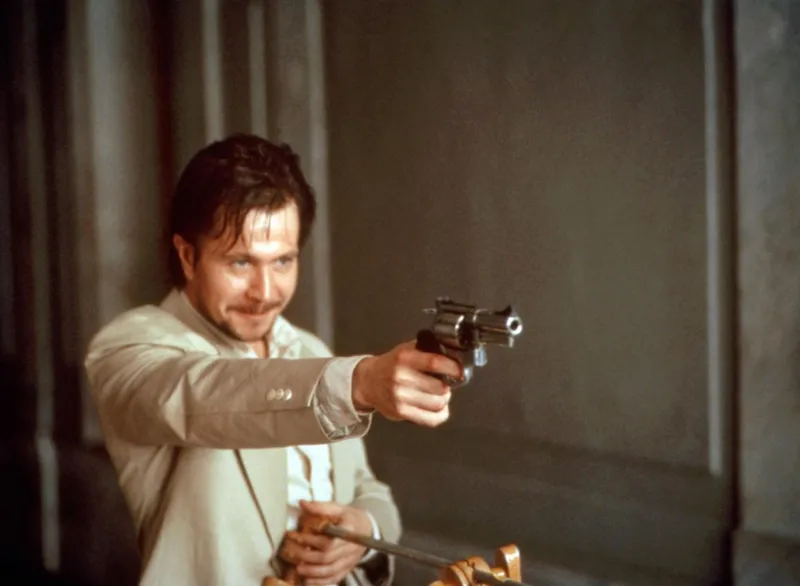
Gary Oldman has played so many unforgettable villains that it’s almost its own genre. But Norman Stansfield in “Leon: The Professional” (1994) stands out as something special, a corrupt DEA agent so unpredictably unhinged that he became one of cinema’s most quoted bad guys.
The role showed Hollywood that Oldman could disappear completely into any character, no matter how extreme. It reinforced his reputation as one of the most versatile actors of his generation and kept him in demand for complex, morally twisted roles for years to come.
18. Jack Nicholson as The Joker (Batman)
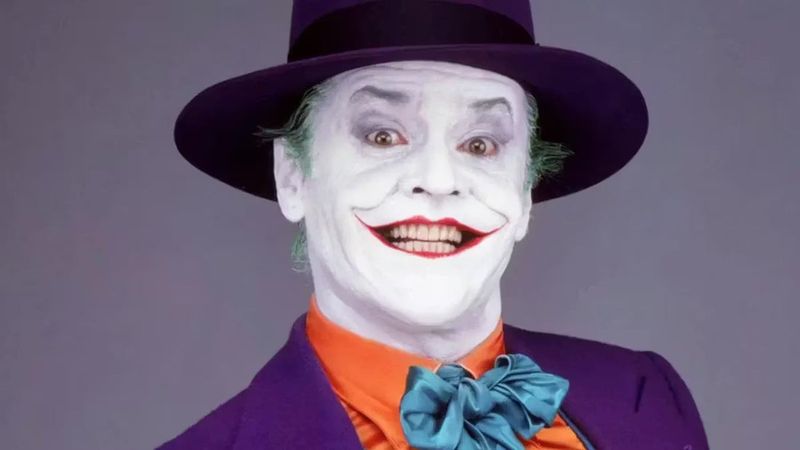
Jack Nicholson was already a Hollywood legend by 1989, but his Joker in Tim Burton’s “Batman” reminded an entire new generation exactly why he was in a class of his own. He brought theatrical madness and genuine menace together in perfect balance.
Nicholson negotiated backend profits on the film and reportedly earned between $50 million and $90 million total from the deal. The role reinvigorated his star power and kept him at the center of pop culture well into the 1990s.
Pure Hollywood power move from start to finish.